
The Scent of the Sea, Steeped in Saffron: A Bouillabaisse Odyssey
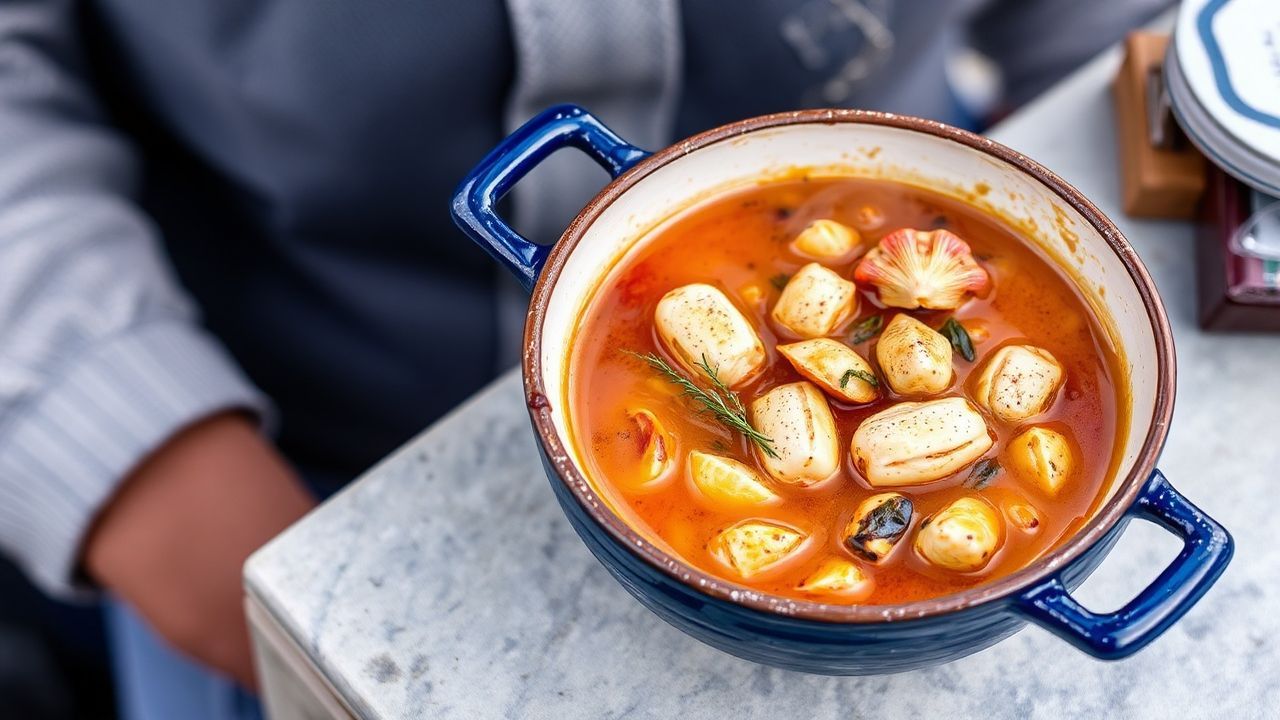
Imagine standing on the bustling Vieux Port of Marseille, the salty tang of the Mediterranean air mingling with the evocative aroma of simmering seafood. This is where the legend of bouillabaisse was born, a dish that transcends mere sustenance to become a visceral experience of coastal France. At its heart, the true bouillabaisse, the one that whispers tales of fishermen returning with their day’s catch, is inextricably linked to the earth’s most precious spice: saffron. Its threads, like filaments of captured sunlight, imbue the broth with a signature golden blush and an unparalleled depth of flavor that distinguishes the authentic from the imitation. This is not just a soup; it’s a philosophy, proof of the bounty of the sea and the art of its preparation.
- The Scent of the Sea, Steeped in Saffron: A Bouillabaisse Odyssey
- The Quintessential Bouillabaisse: An Anatomy of Flavors
- The Fish: A Mediterranean Medley
- The Aromatic Foundation: Building the Broth
- Saffron: The Golden Kiss of Authenticity
- The Art of Preparation: A Step-by-Step Guide to Bouillabaisse Perfection
- Nutritional Information (Per Serving, approximate, based on 8 servings)
- Elevating Your Bouillabaisse: Pro-Tips for Restaurant-Quality Results
- Conclusion: A Taste of Provençal Sunshine
- Frequently Asked Questions
At a Glance: Mastering Bouillabaisse
- Authenticity is paramount: Use a minimum of four different types of firm, white Mediterranean fish.
- The broth is king: A rich, complex fish stock is the foundation, built with fish heads, bones, and aromatics.
- Saffron is non-negotiable: High-quality saffron threads are essential for color, aroma, and characteristic flavor.
- Rouille is its soulmate: The garlicky, spicy mayonnaise is the perfect counterpoint to the rich stew.
The journey to understanding a truly exceptional bouillabaisse begins with appreciating its historical context. Originally, it was a humble dish born out of necessity, a way for Marseille’s fishermen to cook the less commercially valuable fish they caught, often using the residual heat of their boat engines. Over time, this utilitarian stew evolved, incorporating more prized catches and refined techniques, eventually becoming the celebrated gastronomic icon it is today. The addition of saffron, while not always present in the earliest iterations, became a marker of quality and a symbol of the dish’s elevation. Its vibrant color and subtle, honeyed-musk notes are the unmistakable hallmarks of a bouillabaisse that has stayed true to its roots.
The Quintessential Bouillabaisse: An Anatomy of Flavors
To truly grasp the essence of bouillabaisse, one must dissect its constituent elements. It is a symphony of textures and tastes, orchestrated by the careful selection of ingredients and the patient coaxing of flavors. The success of this dish hinges on the quality of its components and the respect with which they are treated. This is not a dish for the hurried cook; it demands time, attention, and a deep understanding of how each element contributes to the final, glorious whole.
The Fish: A Mediterranean Medley
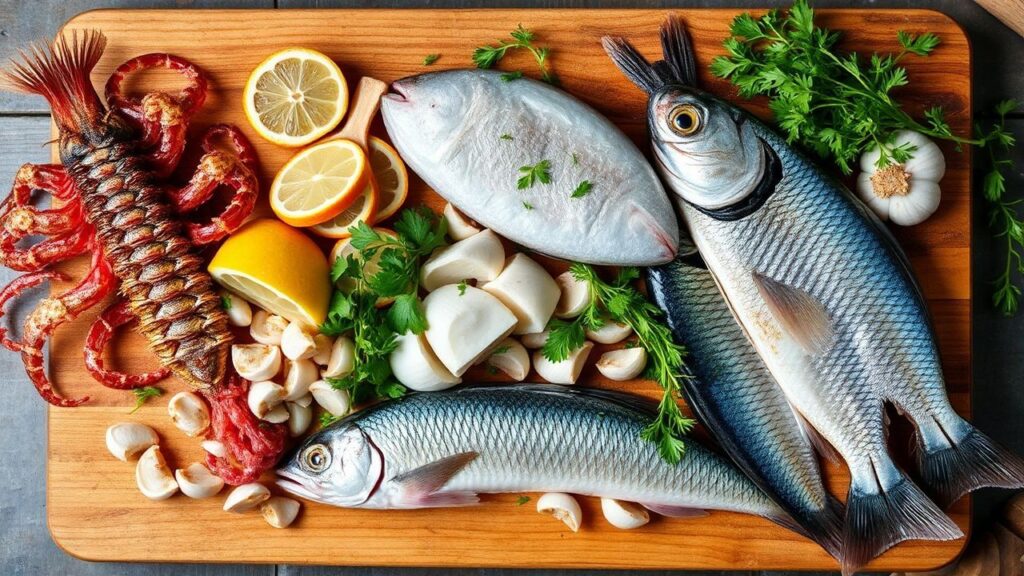
The cornerstone of any authentic bouillabaisse is the fish. A minimum of four, and ideally six, different types of firm, white-fleshed Mediterranean fish are essential. This variety provides a complex textural profile and a depth of flavor that a single type of fish simply cannot achieve. The traditional choices include scorpionfish (rascasse), monkfish, conger eel, gurnard, John Dory, and sea bream. Each brings its own unique character to the pot. Scorpionfish, with its firm, flaky flesh, is often considered the soul of the bouillabaisse. Monkfish, with its almost lobster-like texture, adds a luxurious richness. Conger eel, when properly prepared, lends a gelatinous richness and a subtle sweetness.
The preparation of the fish is as crucial as its selection. The fish should be scaled, gutted, and cut into thick, uniform pieces. Some chefs advocate for keeping the heads and bones of certain fish, particularly the scorpionfish, to add to the stock for an even more profound marine essence. The skin, too, can contribute to the broth’s richness and body. It’s a delicate balance; too much skin can make the broth greasy, but a judicious amount adds a desirable silken quality.
The Aromatic Foundation: Building the Broth
The broth is, without exaggeration, the soul of the bouillabaisse. A truly magnificent broth is not merely water infused with fish; it is a deeply flavored elixir, built layer by layer. The process begins with a robust fish stock, often made from the heads and bones of the fish used in the stew, along with those of other white fish. This stock should be simmered for several hours with aromatics such as leeks, onions, celery, fennel, and a bouquet garni of parsley, thyme, and bay leaves. The inclusion of fennel is particularly important, as its subtle anise notes beautifully complement the seafood.
A key to achieving a rich, unctuous broth is the judicious use of tomatoes. Ripe, flavorful tomatoes, either fresh or crushed, contribute acidity and a touch of sweetness that balances the salinity of the fish. Some recipes also incorporate a small amount of tomato paste, which, when caramelized, adds an intense depth of flavor. The simmering time is critical; a leisurely simmer allows the flavors to meld and develop, creating a broth that is both complex and harmonious.
Saffron: The Golden Kiss of Authenticity
And then there is saffron. The threads of *Crocus sativus*, harvested by hand, are the undisputed star of the show when it comes to imparting that signature golden hue and ethereal aroma to bouillabaisse. The quality of saffron is paramount. Inferior saffron will yield a dull color and a metallic, bitter taste. Opt for high-grade Spanish or Iranian saffron, characterized by its deep crimson color and a subtle, honey-like fragrance. A mere pinch, carefully bloomed in a little warm water or broth, is enough to transform the entire dish.
The way saffron is incorporated is an art in itself. It is typically added towards the end of the simmering process for the broth, allowing its delicate flavor and aroma to infuse without becoming overpowering. The visual transformation is immediate and striking: the pale stock ignites into a vibrant, sunlit gold. The scent that wafts from the pot at this stage is intoxicating, a complex perfume of the sea, herbs, and that unmistakable, luxurious floral note of saffron.
The Art of Preparation: A Step-by-Step Guide to Bouillabaisse Perfection
The meticulous preparation of bouillabaisse is a ritual, a culinary dance that culminates in a dish of unparalleled magnificence. Each step, from the initial stock-making to the final plating, is designed to coax out the deepest flavors and present them in their most harmonious form. This is a recipe to be savored, both in its making and its consumption.
Ingredients for Authentic Bouillabaisse (Serves 6-8)
For the Fish Stock:
- 1 kg (2.2 lbs) fish heads and bones (from white fish, like snapper, sea bass, or cod), gills removed
- 2 tablespoons olive oil
- 2 leeks, white and light green parts, roughly chopped
- 2 carrots, roughly chopped
- 1 large onion, roughly chopped
- 1 bulb fennel, roughly chopped
- 4 cloves garlic, smashed
- 1 bouquet garni (parsley stems, thyme sprigs, 2 bay leaves tied together)
- 1.5 liters (6 cups) cold water
- Salt to taste
For the Bouillabaisse:
- 1.5 kg (3.3 lbs) assorted firm white fish fillets and pieces (e.g., scorpionfish, monkfish, John Dory, sea bream, gurnard), cut into 5-7 cm (2-3 inch) pieces
- 2 tablespoons olive oil
- 2 leeks, white and light green parts, thinly sliced
- 1 large onion, finely chopped
- 1 bulb fennel, finely chopped
- 4 cloves garlic, minced
- 1 teaspoon dried thyme
- 1 bay leaf
- 400g (14 oz) crushed tomatoes (good quality)
- 1 tablespoon tomato paste
- 1 strip orange zest (from about 1/4 orange)
- 1 pinch of saffron threads (about 0.5g), bloomed in 50ml (1/4 cup) warm water
- 1.5 liters (6 cups) reserved fish stock
- Salt and freshly ground black pepper to taste
- Fresh parsley, chopped, for garnish
For the Rouille:
- 2-3 cloves garlic, peeled
- 1/2 teaspoon salt
- 1/2 red bell pepper, roasted, peeled, and seeded (or 1 tablespoon roasted red pepper paste)
- 1 egg yolk
- 150ml (2/3 cup) olive oil (mild-flavored)
- Pinch of cayenne pepper (optional)
Method:
- Prepare the Fish Stock: Rinse the fish heads and bones thoroughly under cold water to remove any blood. In a large stockpot, heat 2 tablespoons of olive oil over medium heat. Add the leeks, carrots, onion, fennel, and garlic. Sauté for 5-7 minutes until softened and fragrant. Add the fish heads and bones, bouquet garni, and water. Bring to a boil, then immediately reduce heat to a low simmer. Skim off any scum that rises to the surface. Simmer gently, uncovered, for at least 1.5 to 2 hours, skimming periodically. Strain the stock through a fine-mesh sieve, pressing on the solids to extract as much liquid as possible. Discard the solids. Season the stock with salt to taste. You should have approximately 1.5 liters of rich fish stock.
- Prepare the Bouillabaisse Base: In a large, heavy-bottomed pot or Dutch oven, heat 2 tablespoons of olive oil over medium heat. Add the sliced leeks, chopped onion, and chopped fennel. Sauté gently for 10-15 minutes until very soft and translucent, but not browned. Add the minced garlic, dried thyme, and bay leaf, and cook for another minute until fragrant.
- Develop the Flavors: Stir in the crushed tomatoes and tomato paste. Cook for 5 minutes, stirring occasionally, allowing the tomato paste to caramelize slightly. Add the orange zest.
- Simmer the Broth: Pour in the reserved fish stock and bring to a gentle simmer. Cover and let it simmer for at least 30 minutes to allow the flavors to meld.
- Introduce the Saffron: Stir in the bloomed saffron. Season the broth with salt and freshly ground black pepper. Taste and adjust seasoning as needed.
- Cook the Fish: Gently add the pieces of fish to the simmering broth, starting with the firmer, thicker pieces (like monkfish) and then adding the more delicate ones. Do not overcrowd the pot; cook in batches if necessary. The fish should be just submerged.
- Simmer Until Cooked: Cover the pot and simmer gently for 8-12 minutes, or until the fish is cooked through and flakes easily. Be careful not to overcook the fish, as it will become dry and tough.
- Prepare the Rouille: While the fish is cooking, make the rouille. In a mortar and pestle (or food processor), pound the garlic cloves with 1/2 teaspoon of salt to a smooth paste. Add the roasted red pepper and pound or process until well combined. Add the egg yolk and whisk vigorously. Gradually drizzle in the olive oil in a slow, steady stream, whisking continuously, until the mixture emulsifies into a thick, mayonnaise-like sauce. Stir in a pinch of cayenne pepper if desired.
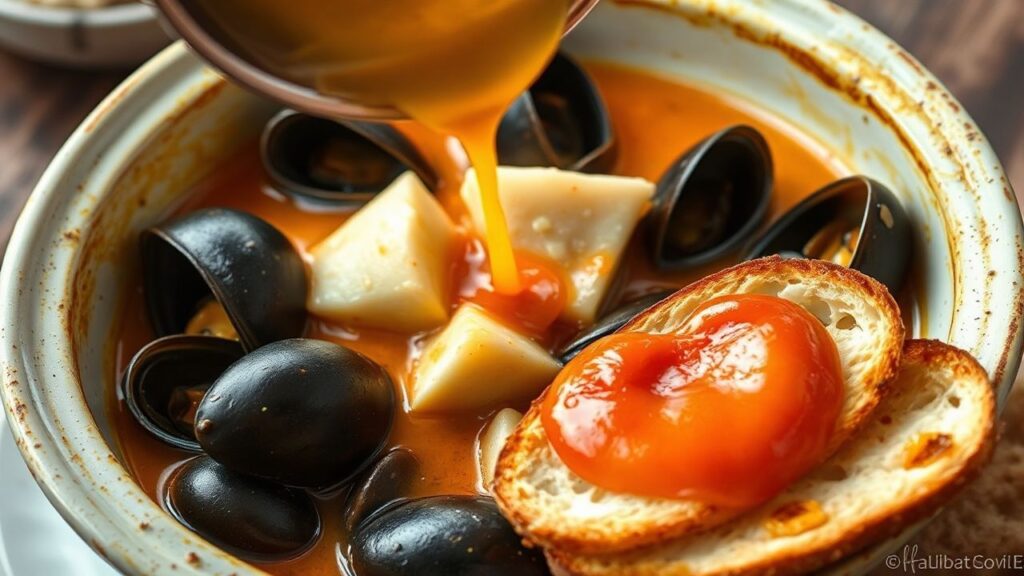
- Serve: Ladle the bouillabaisse into warm, shallow bowls, ensuring each serving contains a variety of fish. Traditionally, the broth is served separately from the fish in some regions, but a true home cook will present them together. Garnish with fresh chopped parsley. Serve immediately with crusty bread for dipping and a generous dollop of rouille on the side.
Nutritional Information (Per Serving, approximate, based on 8 servings)
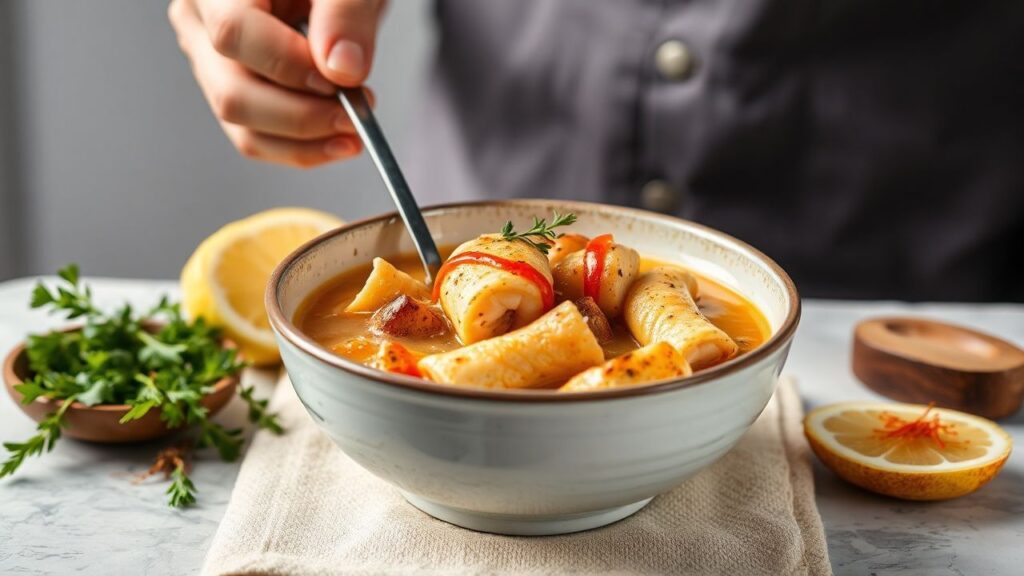
A bowl of authentic bouillabaisse, while rich in flavor and nutrients, can be surprisingly balanced. The primary nutritional contributions come from the lean protein of the fish and the healthy fats from the olive oil. The vegetables and tomatoes add essential vitamins, minerals, and fiber. The rouille, being mayonnaise-based, adds fat and calories, so moderation is key.
| Nutrient | Amount |
|---|---|
| Calories | ~ 450-550 kcal |
| Protein | ~ 35-45 g |
| Fat | ~ 25-35 g |
| Saturated Fat | ~ 5-8 g |
| Carbohydrates | ~ 15-20 g |
| Fiber | ~ 3-5 g |
| Sodium | ~ 800-1200 mg (can vary significantly based on salt added and fish stock) |
Keep in mind that these are approximations. The exact nutritional values will depend on the specific types and quantities of fish used, the amount of olive oil, and the sodium content. For a lighter version, you can reduce the amount of olive oil used in the broth and rouille, and be mindful of added salt.
Elevating Your Bouillabaisse: Pro-Tips for Restaurant-Quality Results
Transforming a good bouillabaisse into an extraordinary one requires attention to detail and a willingness to embrace time-honored techniques. These are the subtle nuances that separate the truly accomplished home cook from the novice.
Firstly, the quality of your fish stock is paramount. If time is a constraint, you can purchase high-quality fish stock, but making your own from scratch, using the bones and heads of the very fish you intend to serve, will yield an incomparable depth of flavor. Don’t be afraid to add a few shrimp shells to your stock for an extra layer of oceanic sweetness. Furthermore, consider using a combination of fish and shellfish in the stew itself. While traditionalists might balk, a few mussels or clams added in the final minutes of cooking contribute a briny liquor that enhances the overall marine character.
The presentation also plays a significant role in the overall experience. Serving the bouillabaisse with grilled slices of crusty baguette, rubbed with garlic and drizzled with olive oil, is non-negotiable. The bread acts as a vehicle for the broth and a delightful textural contrast. The rouille, a spicy, garlicky mayonnaise, is the classic accompaniment and should be served with a generous hand. Some chefs add a touch of saffron directly to the rouille for an intensified aromatic experience. The vibrant colors – the golden broth, the jewel-like fish, the crimson rouille – make for a visually stunning dish that is as pleasing to the eye as it is to the palate.
Consider the source of your saffron. A small investment in high-quality saffron threads, such as those from the Taliouine region of Morocco or the La Mancha region of Spain, will make a world of difference. The flavor and aroma are far superior to lower-grade alternatives. Remember that saffron is potent; a little goes a long way. Overuse can lead to a bitter, medicinal taste, so use it judiciously, allowing its subtle magic to unfold.
Conclusion: A Taste of Provençal Sunshine
Bouillabaisse, particularly when graced with the golden touch of saffron, is more than just a meal; it is an experience. It’s a culinary journey to the sun-drenched shores of Provence, a celebration of the sea’s bounty, and proof of the enduring power of tradition. Mastering this iconic dish is a rewarding endeavor, one that offers a profound connection to the heart of French coastal cuisine. The intricate dance of flavors, the vibrant colors, and the intoxicating aroma all combine to create a dish that is both comforting and utterly sophisticated. It is a dish that invites sharing, conversation, and the lingering pleasure of a truly exceptional meal. The secret lies not just in the ingredients, but in the patience, the respect for tradition, and the love with which it is prepared.
Frequently Asked Questions
What types of fish are essential for an authentic bouillabaisse?
An authentic bouillabaisse requires a minimum of four different types of firm, white-fleshed Mediterranean fish. The most traditional and highly recommended include scorpionfish (rascasse), monkfish, conger eel, gurnard, John Dory, and sea bream. This variety ensures a complex texture and a layered depth of flavor that is characteristic of this iconic dish. Each fish contributes a unique quality; for instance, scorpionfish is prized for its flaky texture, while monkfish offers a more robust, almost lobster-like consistency.
How do I ensure my bouillabaisse broth is rich and flavorful?
The richness of your bouillabaisse broth is paramount and stems from a meticulously prepared fish stock. Start by using the heads and bones of the fish intended for the stew, ensuring gills are removed to avoid bitterness. Simmer these with aromatics like leeks, carrots, onions, fennel, garlic, and a bouquet garni for at least 1.5 to 2 hours. For an even deeper marine flavor, consider adding a few shrimp shells to the stock. Strain the stock thoroughly and skim off any impurities that rise to the surface during simmering. A good quality fish stock should be deeply flavored and have a slightly gelatinous texture when cooled.
What is rouille and why is it served with bouillabaisse?
Rouille is a traditional Provençal condiment, essentially a spicy, garlicky mayonnaise, that serves as the perfect counterpoint to the rich, savory bouillabaisse. Its vibrant red hue comes from roasted red peppers, and its potent flavor is derived from a generous amount of garlic, olive oil, and often a pinch of cayenne pepper or chili. It is served alongside the bouillabaisse to add a burst of creamy spice and a different textural element. A dollop of rouille on toasted bread, dipped into the broth, is a quintessential part of the bouillabaisse experience, cutting through the richness of the stew with its zesty kick.
Can I use frozen fish for bouillabaisse?
While fresh fish is always the superior choice for bouillabaisse, frozen fish can be used if fresh is unavailable. Opt for high-quality, flash-frozen white fish fillets. Thaw them completely in the refrigerator before cooking, and drain them very well to remove excess moisture. Be aware that the texture of frozen fish may not be as firm or flaky as fresh, and it might release more water into the broth, potentially diluting the flavor. If using frozen fish, consider making your fish stock with fresh bones and heads for the best possible foundation.
See also: Bouillabaisse