
The Enduring Allure of Butter Chicken: A Culinary Icon’s Genesis
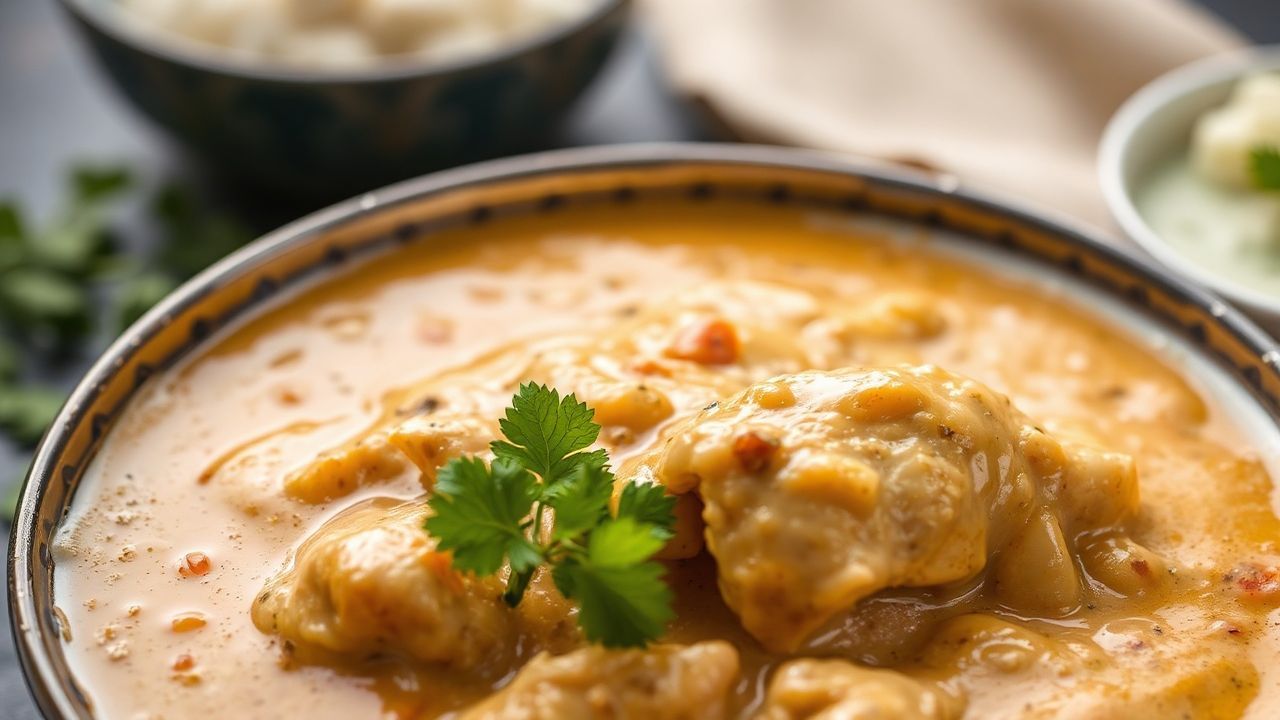
What is it about Butter Chicken, or Murgh Makhani, that transforms a simple dish into a global phenomenon? It’s a question that resonates with anyone who has savoured its signature richness, proof of a dish that transcends its humble origins to become an ambassador of Indian cuisine worldwide. This creamy, tomato-based curry, studded with tender pieces of marinated chicken, evokes a sense of comfort and indulgence, a culinary embrace that has captivated palates from Delhi to Dublin.
- The Enduring Allure of Butter Chicken: A Culinary Icon’s Genesis
- Deconstructing the Soul: The Anatomy of Authentic Butter Chicken
- The Master Recipe: Crafting Your Own Butter Chicken Masterpiece
- Nutritional Snapshot: A Guilt-Free Indulgence?
- Elevating Your Butter Chicken: Expert Secrets to Restaurant-Quality Results
- Frequently Asked Questions About Butter Chicken
At a Glance: The Essence of Butter Chicken Mastery
- Historical Roots: Understanding its origin in post-partition Delhi provides context for its flavour profile.
- Balancing Act: The perfect Butter Chicken hinges on the precise harmony of sweet, sour, and savoury notes.
- Technique is Paramount: From marination to the final tempering, each step significantly impacts texture and flavour.
- Ingredient Quality: The “butter” in Butter Chicken is not merely an afterthought but a foundational element demanding careful selection.
The story of Butter Chicken is intrinsically linked to the bustling culinary landscape of Delhi in the mid-20th century. Legend has it that Kundan Lal Jaggi, the founder of the Moti Mahal restaurant, developed the dish as a way to use leftover tandoori chicken. By simmering it in a rich, buttery tomato gravy, he created something entirely new, a dish that was both familiar and exquisitely novel. This practical innovation, born out of necessity, quickly gained traction, its popularity snowballing through word-of-mouth and its irresistible aroma wafting from Moti Mahal’s kitchen.
The dish’s success wasn’t accidental; it was a confluence of factors – a rapidly evolving culinary scene in post-partition India, a growing appreciation for nuanced flavours, and the inherent comfort that a rich, spiced dish provides. It offered a luxurious, yet accessible, taste of India that resonated with diners, both local and international. The original Moti Mahal restaurant, established in 1947, became synonymous with this creamy delight, cementing its place in the annals of Indian gastronomy.
Deconstructing the Soul: The Anatomy of Authentic Butter Chicken
To truly appreciate Butter Chicken, one must dissect its core components. At its heart lies the chicken, typically tandoori-prepared for that characteristic smoky char, though pan-seared or oven-roasted versions also find favour. The marinade is crucial: a potent blend of yogurt, ginger-garlic paste, and a symphony of spices like garam masala, Kashmiri red chili powder, and turmeric, which imbues the chicken with depth and tenderizes it to perfection.
The gravy, the true soul of Murgh Makhani, is where the magic truly unfolds. It’s a meticulously constructed emulsion, built upon a base of ripe tomatoes, often puréed and strained for an unparalleled smoothness. This tomato base is then slowly cooked down with a generous amount of butter and cream, forming a velvety canvas. A delicate dance of aromatics – sautéed onions, ginger, garlic, and green chilies – provides the foundational flavour, while a carefully curated spice blend elevates it to extraordinary heights. Fenugreek leaves (kasuri methi), with their distinctive, slightly bitter, and aromatic notes, are a non-negotiable element, lending a signature fragrance that distinguishes true Butter Chicken.
The colour, a vibrant, inviting orange-red, is largely attributed to Kashmiri red chili powder, which offers a beautiful hue without an overwhelming heat. This careful balance of ingredients ensures that the dish is rich and satisfying without being cloying, a delicate tightrope walk that defines culinary excellence.
The Master Recipe: Crafting Your Own Butter Chicken Masterpiece
Embarking on the journey to create authentic Butter Chicken at home is a rewarding endeavour. Precision in measurement and patience in technique are your greatest allies. This recipe is designed to capture the essence of the classic, bringing restaurant-quality flavour to your kitchen.
For the Marinated Chicken:
- 500g boneless, skinless chicken thighs or breasts, cut into 1.5-inch cubes
- 120g (½ cup) plain yogurt
- 30g (2 tbsp) ginger-garlic paste
- 1 tsp Kashmiri red chili powder
- ½ tsp turmeric powder
- 1 tsp garam masala
- ½ tsp salt
- 1 tbsp lemon juice
For the Makhani Gravy:
- 450g (2 cups) ripe tomatoes, roughly chopped (or 400g canned crushed tomatoes)
- 150g (6 tbsp) unsalted butter, divided
- 1 large onion, finely chopped
- 30g (2 tbsp) ginger-garlic paste
- 2-3 green chilies, slit lengthwise (adjust to heat preference)
- 1 tsp Kashmiri red chili powder
- ½ tsp turmeric powder
- 1 tsp coriander powder
- ½ tsp cumin powder
- 1 tsp garam masala
- 1 tbsp dried fenugreek leaves (kasuri methi), crushed
- 120ml (½ cup) heavy cream
- 1 tsp sugar (optional, to balance acidity)
- Salt to taste
- Fresh cilantro, chopped, for garnish
Method:
- Marinate the Chicken: In a bowl, combine all the ingredients for the chicken marinade. Add the chicken pieces and toss to coat thoroughly. Cover and refrigerate for at least 30 minutes, or preferably 2-4 hours for deeper flavour penetration.
- Cook the Chicken: You have several options for cooking the chicken. For an authentic smoky flavour, grill or bake the marinated chicken pieces in a preheated oven at 200°C (400°F) for 15-20 minutes, or until cooked through and slightly charred. Alternatively, pan-sear the chicken in a little oil or butter until golden brown and cooked through. Set aside.
- Prepare the Tomato Base: If using fresh tomatoes, blanch them in boiling water for 2 minutes, then peel and purée them until smooth. If using canned tomatoes, purée them. Strain the purée through a fine-mesh sieve to remove any skins or seeds, ensuring a silky-smooth texture.
- Build the Gravy Foundation: In a large, heavy-bottomed pan or Dutch oven, melt 3 tbsp of butter over medium heat. Add the finely chopped onion and sauté until softened and translucent, about 8-10 minutes.
- Infuse Aromatics: Add the ginger-garlic paste and slit green chilies to the pan. Sauté for another 1-2 minutes until fragrant, being careful not to burn the garlic.
- Bloom the Spices: Stir in the Kashmiri red chili powder, turmeric powder, coriander powder, and cumin powder. Cook for 30 seconds to a minute, stirring constantly, until the spices are fragrant. This process, known as blooming, enhances their flavour and aroma.
- Incorporate Tomatoes: Pour in the strained tomato purée. Bring the mixture to a simmer, then reduce the heat to low, cover, and cook for 15-20 minutes, stirring occasionally, until the tomatoes have thickened and the oil begins to separate from the sides of the pan. This slow cooking is critical for developing the deep, rich flavour of the sauce.
- Achieve Velvety Smoothness: For an exceptionally smooth gravy, you can use an immersion blender to purée the sauce directly in the pot, or carefully transfer it to a regular blender and blend until very smooth. Return the puréed sauce to the pan.
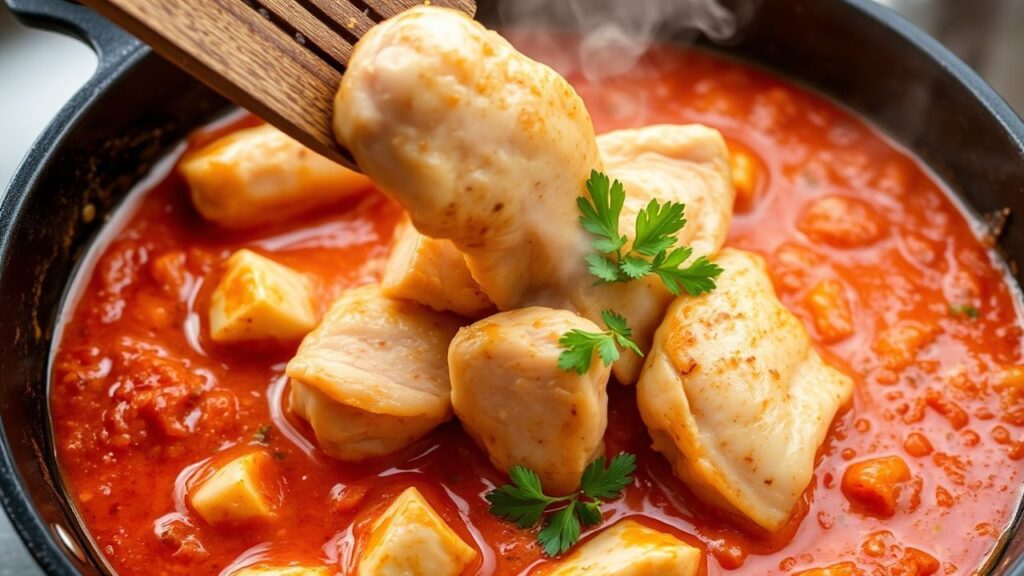
- The Richness Factor: Stir in the remaining 3 tbsp of butter and the heavy cream. Add the garam masala and crushed kasuri methi. If the gravy tastes too acidic, stir in the sugar. Season with salt to taste. Simmer gently for another 5-7 minutes, allowing the flavours to meld and the sauce to thicken to your desired consistency.
- Combine and Finish: Add the cooked chicken pieces to the gravy and stir to coat. Simmer for another 5 minutes, allowing the chicken to absorb the rich flavours of the sauce.
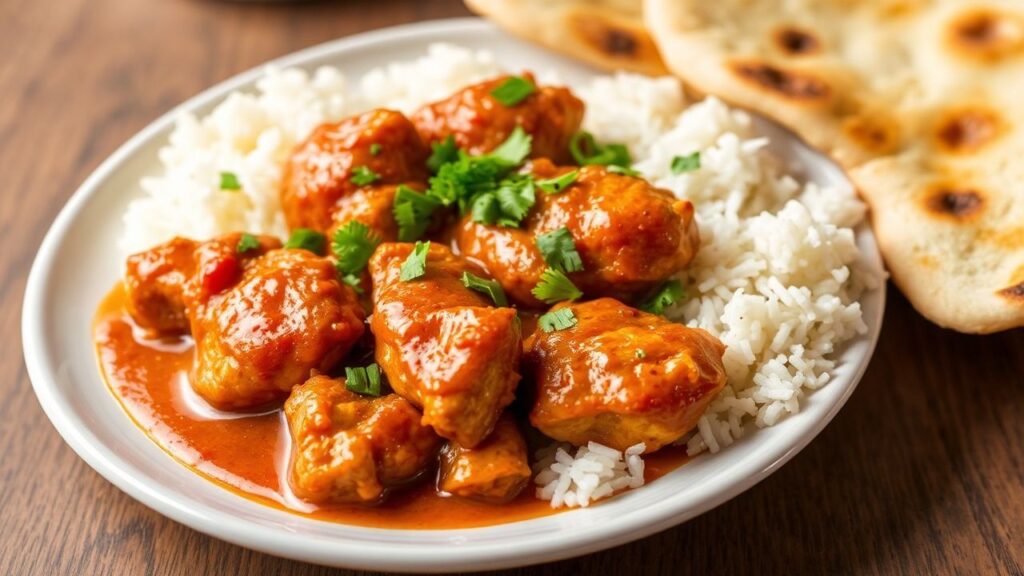
- Garnish and Serve: Garnish generously with fresh cilantro. Serve hot with naan, roti, or steamed basmati rice.
Nutritional Snapshot: A Guilt-Free Indulgence?
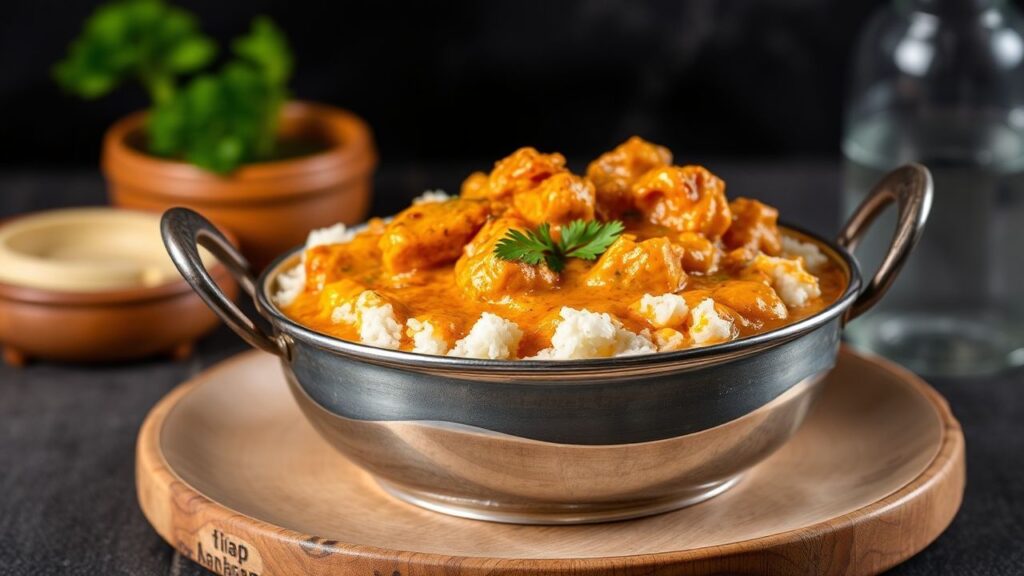
While Butter Chicken is undeniably a treat, understanding its nutritional profile allows for mindful enjoyment. The richness comes from butter and cream, which contribute to its high fat content, particularly saturated fat. The chicken provides lean protein, and tomatoes offer lycopene, an antioxidant. The exact nutritional values will vary significantly based on the quantity of butter, cream, and the cut of chicken used. For a typical serving (approximately 1.5 cups), you can expect:
| Nutrient | Approximate Value (per serving) |
|---|---|
| Calories | 500-700 kcal |
| Protein | 30-40g |
| Fat | 35-50g |
| Saturated Fat | 15-25g |
| Carbohydrates | 15-25g |
| Sugar | 8-15g |
| Sodium | 500-800mg |
To create a lighter version, consider reducing the amount of butter and cream, opting for lower-fat yogurt in the marinade, and using chicken breast instead of thighs. Even with these adjustments, the inherent richness and flavour of Butter Chicken remain its defining characteristics.
Elevating Your Butter Chicken: Expert Secrets to Restaurant-Quality Results
Achieving that elusive restaurant-quality Butter Chicken at home often comes down to mastering a few key techniques and understanding the nuances of ingredient interaction. It’s not just about following a recipe; it’s about understanding the *why* behind each step.
One often-overlooked aspect is the quality of the tomatoes. Ripe, flavourful tomatoes are paramount. If fresh, in-season tomatoes are unavailable, high-quality canned crushed San Marzano tomatoes can be an excellent substitute. Their inherent sweetness and lower acidity make them ideal for this dish.
Furthermore, the tempering of spices is an art. Gently toasting whole spices before grinding them can unlock deeper, more complex aromas. While this recipe uses ground spices for convenience, a chef might toast a few cardamom pods, a cinnamon stick, and a couple of cloves, then grind them finely to add to the initial sauté of aromatics for an extra layer of fragrance.
The final touch of kasuri methi is non-negotiable for that authentic aroma. Crushing it between your palms just before adding it to the sauce releases its essential oils, infusing the gravy with its characteristic perfume. Do not skip this step; it is a signature of truly great Butter Chicken.
The texture of the gravy is also a crucial element. A well-made Makhani sauce should be luscious and coating, not watery or overly thick. If the sauce is too thin, a gentle simmer uncovered will help reduce it. If it becomes too thick, a splash of warm water or a touch more cream can adjust the consistency. The chicken should be tender and succulent, having absorbed the flavours of the marinade and the sauce without becoming dry or tough.
Consider the journey of the ingredients. The yogurt in the marinade acts as a tenderizer, breaking down the protein strands in the chicken. The acidity of the tomatoes, balanced by the cream and butter, creates a harmonious flavour profile. The interplay between these elements is what makes Butter Chicken so compelling. For instance, a study published in the *Journal of Food Science* highlighted how the Maillard reaction during the searing of chicken, combined with the slow cooking of the tomato base, contributes to the complex flavour compounds responsible for the dish’s appeal.
Frequently Asked Questions About Butter Chicken
H2: Unravelling the Mysteries of Murgh Makhani
H3: What is the difference between Butter Chicken and Chicken Tikka Masala?
While both are popular Indian dishes featuring chicken in a creamy tomato-based sauce, their origins and flavour profiles differ significantly. Butter Chicken (Murgh Makhani) is characterized by its rich, velvety sauce made primarily with tomatoes, butter, and cream, often featuring a prominent fenugreek (kasuri methi) aroma. It typically uses chicken that has been marinated and grilled or tandoori-cooked. Chicken Tikka Masala, on the other hand, is believed to have British-Indian origins and often features chicken tikka (marinated and grilled boneless chicken pieces) in a spicier, more complex sauce that may include onions, garlic, ginger, and a wider array of spices, often with less emphasis on pure butter and cream compared to Butter Chicken. The texture of the Tikka Masala sauce can also be a bit coarser than the silken smoothness of Butter Chicken.
H3: Can I make Butter Chicken without yogurt in the marinade?
Yes, you can. While yogurt is traditional and highly recommended for its tenderizing and flavour-enhancing properties, you can substitute it. Lemon juice mixed with a little milk or buttermilk can create a similar acidic environment to help tenderize the chicken. Some recipes also use a combination of spices with oil and water. However, be aware that the absence of yogurt might result in a slightly less tender chicken and a subtly different flavour profile. For the best results, try to incorporate a tenderizing agent.
H3: How can I make my Butter Chicken gravy smoother?
Achieving an exceptionally smooth gravy is key to authentic Butter Chicken. The most effective methods involve puréeing and straining. After cooking down the tomato and onion base, use an immersion blender or a regular blender to purée the sauce until it is completely smooth. For an even more refined texture, pass the puréed sauce through a fine-mesh sieve. This removes any remaining fibrous bits of tomato or onion, resulting in a luxurious, silken consistency that is characteristic of high-quality Butter Chicken. Ensure you blend and strain while the sauce is hot for optimal results.
H3: Is it possible to freeze Butter Chicken?
Yes, Butter Chicken freezes well, making it an excellent candidate for meal prepping. Once cooled completely, transfer the Butter Chicken to an airtight container or freezer-safe bag. It can be stored in the freezer for up to 2-3 months. When you’re ready to reheat, thaw it overnight in the refrigerator and then gently reheat it on the stovetop over low heat, stirring occasionally. You might need to add a splash of water or cream to restore the desired consistency, as the sauce can thicken upon freezing and thawing. It’s best to reheat the chicken and sauce together to allow the flavours to meld.
See also: Butter Chicken