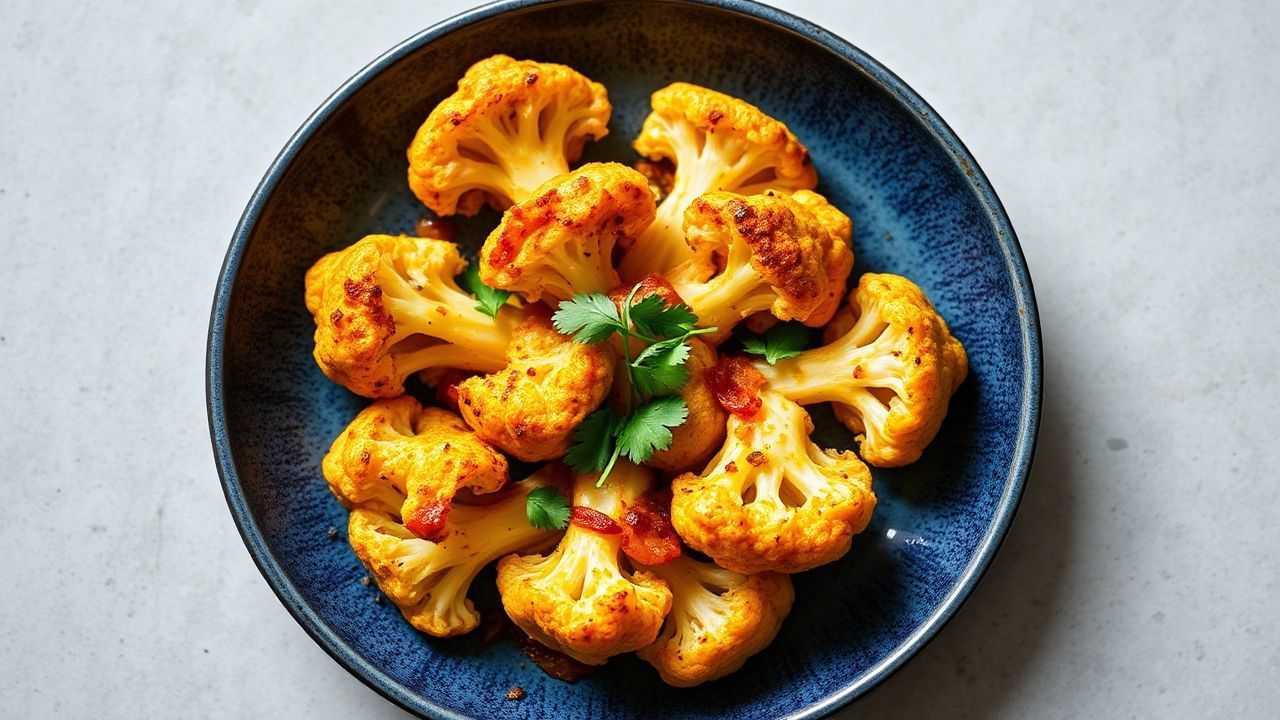

The Humble Vegetable’s Fiery Metamorphosis
For too long, cauliflower has been relegated to the sidelines of the culinary world, a pale, unassuming presence often boiled into bland submission or relegated to a supporting role in casseroles. This perception is not only unfair but demonstrably wrong. The true potential of this cruciferous marvel lies in its ability to absorb, transform, and amplify flavors, particularly when subjected to the alchemical magic of roasting and the vibrant embrace of curry spices. Forget the steamed, watery discs of your childhood; this is a cauliflower that commands attention, proof of how a simple ingredient, when treated with respect and a touch of adventurous spirit, can become the star of any table. The practice of roasting vegetables to enhance their natural sweetness and develop complex, caramelized notes is ancient, but its application to cauliflower, particularly when infused with the aromatic tapestry of curry, represents a modern culinary awakening. It’s a dish that bridges the gap between comforting familiarity and exciting exoticism, making it an indispensable addition to any serious cook’s repertoire.
- The Humble Vegetable’s Fiery Metamorphosis
- The Alchemy of Flavor: Understanding the Core Principles
- The Foundation: Selecting and Preparing Your Cauliflower
- The Symphony of Spices: Crafting the Perfect Curry Blend
- The Crucible of Heat: Roasting for Perfection
- Serving Suggestions: Elevating the Experience
- Nutritional Snapshot: A Wholesome Delight
- Expert Techniques for Restaurant-Quality Results
- Frequently Asked Questions
At a Glance: Key Insights for Roasted Curry Cauliflower
- Transformative Roasting: High heat is crucial for caramelization, unlocking cauliflower’s inherent sweetness and nutty undertones, creating a textural contrast to the tender interior.
- Spice Synergy: A well-balanced curry blend is paramount, moving beyond a single spice to create a complex, multi-layered flavor profile that complements, rather than overpowers, the cauliflower.
- Versatility Unleashed: This dish is not a one-trick pony; it serves as an exceptional side, a robust vegetarian main, or a flavorful component in salads, grain bowls, and even wraps.
- Ingredient Purity: The quality of your cauliflower and fresh spices directly impacts the final outcome. Opt for firm, unblemished heads and freshly ground spices for maximum impact.
The journey of cauliflower from its Mediterranean origins to its current global ubiquity is a fascinating one, marked by periods of both reverence and neglect. Its nutritional profile, rich in vitamins C and K, fiber, and antioxidants, has always been a constant, but its culinary application has been a dynamic ebb and flow. The advent of modern roasting techniques, coupled with the increasing global palate for bolder flavors, has propelled cauliflower into a new era of appreciation. This article will guide you through the meticulous process of creating a roasted curry cauliflower that is not merely a dish, but an experience—proof of the power of precise technique and inspired flavor pairings.
The Alchemy of Flavor: Understanding the Core Principles
At its heart, this recipe is an exploration of contrasts and harmonies. The inherent mildness of cauliflower acts as a perfect canvas, eagerly accepting the vibrant, assertive notes of curry spices. Roasting is not merely a cooking method here; it is a transformative process. The dry heat of the oven coaxes out the natural sugars within the cauliflower, leading to a delightful caramelization. This browning process creates those coveted crispy edges and slightly charred bits that are so appealing, while the interior remains tender and yielding. This textural interplay is fundamental to the dish’s success. Without proper roasting, you risk a dish that is simply spiced, rather than deeply infused and caramelized.
The complexity of the curry blend is equally critical. A hastily assembled spice mix can easily result in a one-dimensional, acrid flavor. The goal is to create a symphony of tastes and aromas. This involves understanding how different spices interact: the warmth of cumin and coriander, the subtle heat of turmeric and chili, the aromatic depth of ginger and garlic, and perhaps a hint of sweetness from cinnamon or cardamom. The foundation of a truly exceptional roasted curry cauliflower lies in this thoughtful layering of spices. It’s about building depth, ensuring that each bite offers a new nuance, a subtle unfolding of flavor that keeps the palate engaged and delighted. This is where the expertise truly shines, moving beyond a simple sprinkle of powder to a considered curation of aromatic elements.
The Foundation: Selecting and Preparing Your Cauliflower
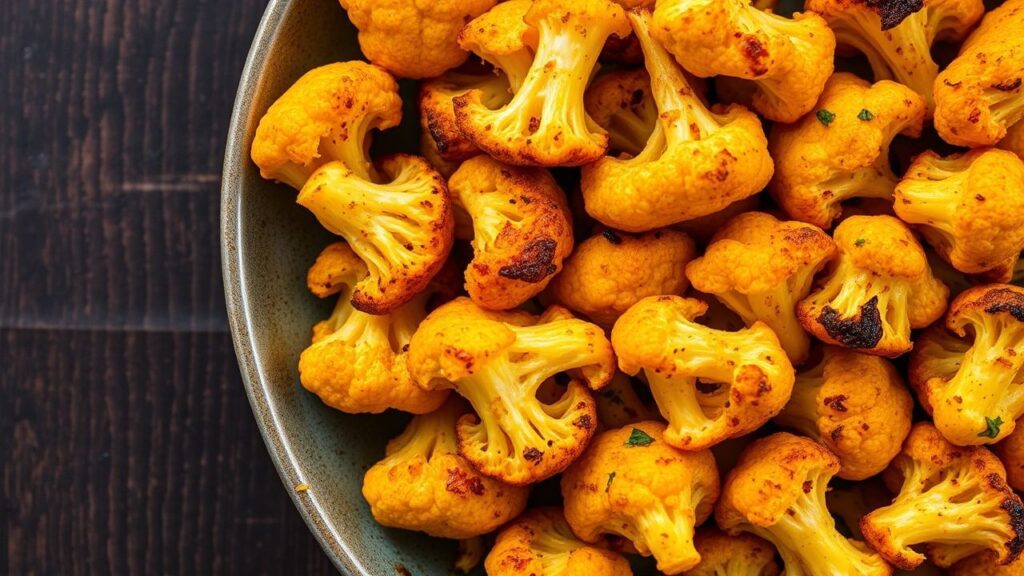
The quality of your starting ingredient is non-negotiable. A prime head of cauliflower is firm to the touch, with dense, tightly packed florets and clean, green leaves. Avoid any heads that show signs of bruising, softness, or any yellowing or brown spots on the florets, which can indicate age or spoilage. The weight of the head should feel substantial for its size, suggesting good hydration and freshness. When selecting, give it a gentle sniff; it should smell fresh and slightly earthy, not pungent or unpleasant. A visually appealing cauliflower is the first step towards a visually and gastronomically appealing finished dish.
Preparation, while seemingly straightforward, requires a certain precision to ensure even cooking and optimal surface area for spice adhesion. The cauliflower should be washed thoroughly, but not left to soak, as excess moisture can steam the florets during roasting rather than allowing them to crisp. Cutting the cauliflower into uniform florets is paramount. Aim for pieces that are roughly the same size, about 1.5 to 2 inches (4-5 cm) in diameter. This ensures that all pieces cook at a similar rate, preventing some from becoming burnt while others remain undercooked. For larger heads, you might need to trim away more of the central stem to achieve these consistent sizes. The core, while edible, can be tough and may require longer cooking times, so it’s often best to remove it or cut around it for uniformity.
The Symphony of Spices: Crafting the Perfect Curry Blend
This is where the magic truly begins. A generic curry powder will not suffice for a dish of this caliber. We are aiming for a complex, nuanced flavor profile that sings. The foundation of our blend will be robust and earthy, enhanced by aromatic warmth and a touch of gentle heat. The key is balance; no single spice should dominate, but rather contribute to a harmonious whole. Freshly ground spices, whenever possible, will elevate the aroma and flavor exponentially compared to pre-ground varieties, which can lose their potency over time. This attention to detail in the spice selection is what separates a good dish from a truly memorable one.
Consider the following blend as a starting point, a meticulously curated composition designed to coax the best out of the cauliflower: 1 tablespoon ground cumin, 1 tablespoon ground coriander, 1 teaspoon ground turmeric, 1/2 teaspoon smoked paprika, 1/2 teaspoon ground ginger, 1/4 teaspoon cayenne pepper (or to taste), and a generous pinch of freshly ground black pepper. For an added layer of complexity, a whisper of ground cardamom or a tiny amount of ground cinnamon can introduce an unexpected, delightful sweetness and aroma that complements the savory elements beautifully. The turmeric not only imparts a beautiful golden hue but also offers a subtle earthy bitterness that grounds the other flavors. The smoked paprika lends a gentle smokiness, reminiscent of tandoor-cooked dishes, adding another dimension.
The Art of Infusion: Coating the Cauliflower
Once your spices are measured and your cauliflower is prepared, the next crucial step is the coating. This is not simply a matter of sprinkling spices on top; it requires a thorough, even application to ensure every floret is kissed by the aromatic blend. A high-quality fat is essential for carrying the flavors and promoting browning. Olive oil is a superb choice for its flavor and smoke point, but melted coconut oil or avocado oil can also be used. The amount of oil is important; too little, and the spices won’t adhere properly, leading to dry, unevenly spiced florets. Too much, and the cauliflower will appear greasy and lack crispness. The goal is a light, even sheen.
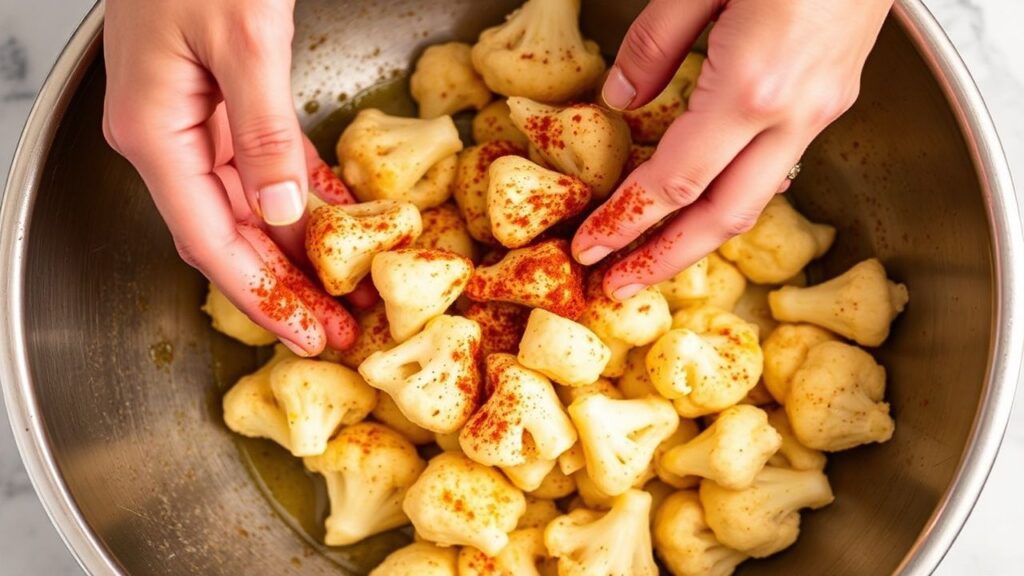
The most effective method is to place the prepared cauliflower florets in a large mixing bowl. Drizzle the olive oil over them, then sprinkle the meticulously prepared curry spice blend evenly over the oiled florets. Now, using your hands (the best tools for this job, ensuring every nook and cranny is coated), gently toss the cauliflower. Imagine you are massaging the flavors into the vegetable. Ensure each piece is thoroughly coated, from stem to tip. This tactile process allows for a more even distribution of spices than simply stirring with a spoon, which can often leave patches of unseasoned cauliflower. The visual cue is key: each floret should be uniformly colored by the spices, with no dry spots visible.
The Crucible of Heat: Roasting for Perfection
The oven temperature and roasting time are critical variables that dictate the success of your roasted curry cauliflower. We are aiming for a high-heat, relatively quick roast that encourages caramelization without burning the spices or drying out the cauliflower. A preheated oven at 400°F (200°C) is ideal. This intense heat is what transforms the raw vegetable into something spectacular, creating those desirable crispy edges and tender interiors. It’s a balance between achieving a beautiful browning and ensuring the cauliflower is cooked through to a satisfying tenderness.
Spread the coated cauliflower florets in a single layer on a large baking sheet. This is non-negotiable. Overcrowding the pan will cause the cauliflower to steam rather than roast, resulting in a soggy, unappealing texture. If necessary, use two baking sheets to ensure adequate space between the florets. The baking sheet should be lined with parchment paper for easy cleanup and to prevent sticking, though a well-oiled sheet will also suffice. Place the baking sheet in the preheated oven and roast for approximately 20-30 minutes. The exact time will depend on the size of your florets and your oven’s calibration. Halfway through the roasting time, it is beneficial to give the baking sheet a gentle shake or to carefully turn the florets with a spatula. This ensures even browning on all sides, maximizing the surface area for caramelization and developing that coveted crispy texture.
As the cauliflower roasts, the aroma that will fill your kitchen is intoxicating. It’s proof of the power of simple ingredients transformed by heat and spice. Keep a close eye on the florets during the last 10 minutes of cooking. You are looking for tender florets with delightfully browned, slightly crispy edges. The spices should be fragrant and toasted, but not burnt. If you notice any florets browning too quickly, you can strategically move them to the cooler parts of the baking sheet or cover them loosely with a piece of foil.
Serving Suggestions: Elevating the Experience
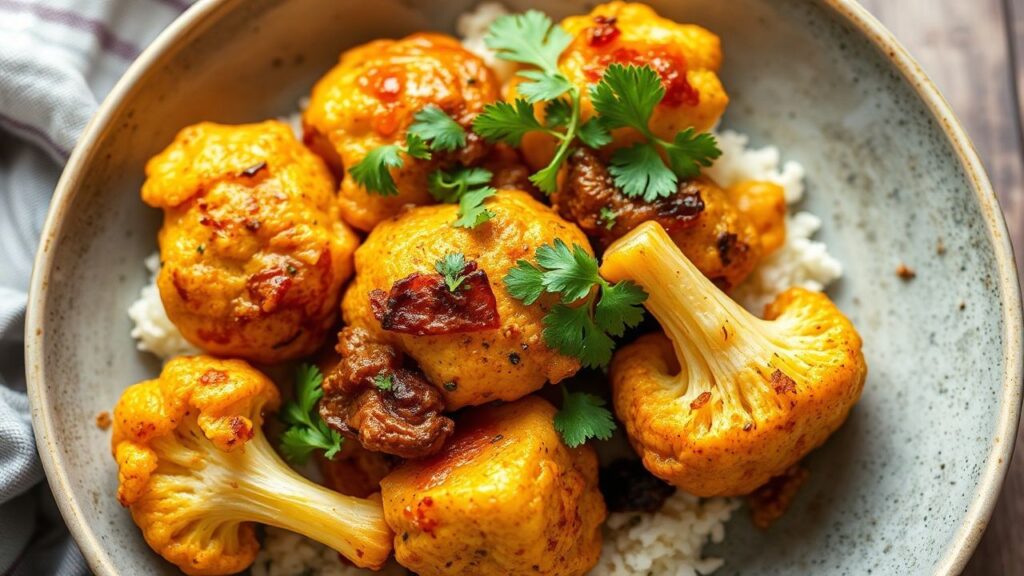
The beauty of roasted curry cauliflower lies in its remarkable versatility. It’s far more than a mere side dish; it’s a culinary chameleon capable of gracing a multitude of plates. As a direct accompaniment to grilled meats, fish, or poultry, it provides a vibrant counterpoint of flavor and texture. Its robust character allows it to stand up to even the most assertive main courses. The warm, earthy spices and caramelized sweetness make it a natural partner for lamb, chicken, or firm white fish.
Beyond its role as a side, consider incorporating it into more complex dishes. It’s phenomenal stirred into fluffy basmati rice or quinoa, transforming a simple grain bowl into a flavorful, satisfying meal. It adds a delightful textural and flavor dimension to hearty stews and curries, providing a welcome bite and a burst of aromatic spice. For a lighter option, toss cooled roasted cauliflower into a vibrant salad, perhaps with some pomegranate seeds, toasted almonds, and a lemon-tahini dressing. The possibilities are truly endless, limited only by your culinary imagination. This dish is so compelling that it can, and often does, serve as a spectacular vegetarian main course in its own right, particularly when served alongside a cooling raita or a dollop of cooling yogurt.
Nutritional Snapshot: A Wholesome Delight
Roasted curry cauliflower is not only a flavor powerhouse but also a nutritionally sound choice. Cauliflower itself is a cruciferous vegetable, celebrated for its high content of vitamins C and K, as well as fiber, which aids digestion and promotes satiety. The spices used, such as turmeric, are renowned for their anti-inflammatory properties, while cumin and coriander contribute to digestive health. When roasted with a moderate amount of healthy fat like olive oil, it offers a balanced profile. A typical serving (approximately 1/4 of the recipe) provides:
| Nutrient | Approximate Amount |
|---|---|
| Calories | 150-200 kcal |
| Protein | 4-6g |
| Fat | 10-15g (depending on oil used) |
| Carbohydrates | 10-15g |
| Fiber | 4-6g |
| Vitamin C | >100% Daily Value |
| Vitamin K | >50% Daily Value |
Keep in mind that these figures are estimates and can vary based on the exact quantities of ingredients used, particularly the amount of oil. For individuals managing specific dietary needs, adjusting the oil quantity or opting for a lower-fat cooking spray for coating can help reduce the overall fat content. The inherent health benefits of the cauliflower and spices, however, remain a constant, making this a guilt-free indulgence.
Expert Techniques for Restaurant-Quality Results
To truly elevate your roasted curry cauliflower from home-cooked to extraordinary, consider these refined techniques. The initial preparation of the cauliflower is a critical juncture. Instead of simply cutting florets, try to maintain a small portion of the stem attached to each floret. This stem acts as a natural handle during the roasting process, allowing for easier flipping and, more importantly, it absorbs the flavors beautifully and develops a delightful tender-crisp texture that contrasts with the softer tops of the florets. This subtle structural consideration can make a significant difference in the final presentation and eating experience.
Furthermore, the spice blend itself can be nuanced. Consider toasting your whole spices (cumin seeds, coriander seeds) lightly in a dry pan before grinding them. This process awakens their essential oils, releasing a more profound and complex aroma. For an extra layer of fragrance, a small pinch of ground fenugreek can add a distinctive, slightly maple-like note, common in many Indian spice blends, but use it sparingly as it can be potent. Another advanced technique involves a post-roast infusion. Once the cauliflower is perfectly roasted, you can toss it with a very light drizzle of a fragrant oil – perhaps a toasted sesame oil or a very high-quality extra virgin olive oil infused with lemon zest – just before serving. This adds a final, bright aroma that can lift the entire dish.
The choice of oil is also more significant than many realize. While standard olive oil is perfectly acceptable, exploring oils with higher smoke points and distinct flavor profiles can further enhance the dish. Avocado oil, with its neutral flavor and high smoke point, is an excellent choice for achieving deep caramelization without burning the oil. For a more nuanced flavor, a blend of olive oil and a small amount of toasted sesame oil can add an exotic depth, particularly if the dish is intended to be served with Asian-inspired accompaniments. The quality of these fats directly influences the final taste and texture, transforming a simple roast into a sophisticated culinary creation. The humble cauliflower, when treated with such care and attention to detail, truly blossoms into a dish worthy of any discerning palate.
Frequently Asked Questions
What are the best curry spices to use for roasted cauliflower?
The ideal spice blend for roasted curry cauliflower is one that balances warmth, earthiness, and a hint of gentle heat. A classic combination includes ground cumin and coriander for their robust, earthy base, turmeric for its vibrant color and subtle bitterness, and smoked paprika for a touch of smokiness. Ginger and garlic powder (or fresh ginger and garlic, finely minced and roasted with the cauliflower) add aromatic depth. For a gentle kick, a pinch of cayenne pepper or chili powder is recommended. For those seeking a more complex profile, consider adding a whisper of ground cardamom or cinnamon, which can introduce a surprising sweetness and aromatic intrigue. The key is to achieve a harmonious blend where no single spice overpowers the others, allowing the natural sweetness of the roasted cauliflower to shine through.
How can I ensure my roasted curry cauliflower is crispy and not soggy?
Achieving crispiness is paramount and relies on several key factors. Firstly, ensure your cauliflower florets are dry before coating them with oil and spices. Any excess moisture will steam the cauliflower rather than roast it. Secondly, use enough oil to lightly coat each floret, allowing the spices to adhere and promoting browning, but avoid drenching them. Thirdly, and perhaps most importantly, do not overcrowd the baking sheet. Spread the florets in a single layer with ample space between them. This allows hot air to circulate freely, facilitating even browning and crisping. If necessary, use two baking sheets. Finally, roast at a high temperature (around 400°F/200°C) and consider flipping or shaking the pan halfway through the cooking time to ensure all sides achieve that desirable golden-brown, crispy texture.
Can I make roasted curry cauliflower ahead of time?
While roasted curry cauliflower is best enjoyed immediately after roasting for optimal texture and flavor, it can be made ahead of time with some considerations. You can roast the cauliflower and let it cool completely before storing it in an airtight container in the refrigerator for up to 2-3 days. However, it will likely lose some of its crispness and may become slightly softer upon refrigeration. To revive it, you can reheat it in a moderately hot oven (around 350°F/175°C) for 5-10 minutes, or until warmed through and re-crisped. Alternatively, you can use cooled roasted cauliflower in dishes like salads or grain bowls where a slight softening is less noticeable. Avoid reheating in the microwave, as this will invariably make it soggy.
What are some variations or additions to roasted curry cauliflower?
The beauty of this dish lies in its adaptability. For added texture and flavor, consider tossing in a handful of chopped nuts like almonds or cashews during the last 5-10 minutes of roasting. Pomegranate seeds sprinkled over the finished dish add a burst of juicy sweetness and vibrant color. A drizzle of tahini, yogurt, or a spicy chili-garlic sauce just before serving can provide a creamy or zesty counterpoint. For a heartier meal, add cubes of paneer or firm tofu to the baking sheet for the last 15-20 minutes of roasting. Some chefs also enjoy adding a scattering of fresh cilantro or mint after roasting for a burst of freshness. For a different spice profile, explore adding a pinch of garam masala or curry leaves to the spice blend.
See also: Cauliflower