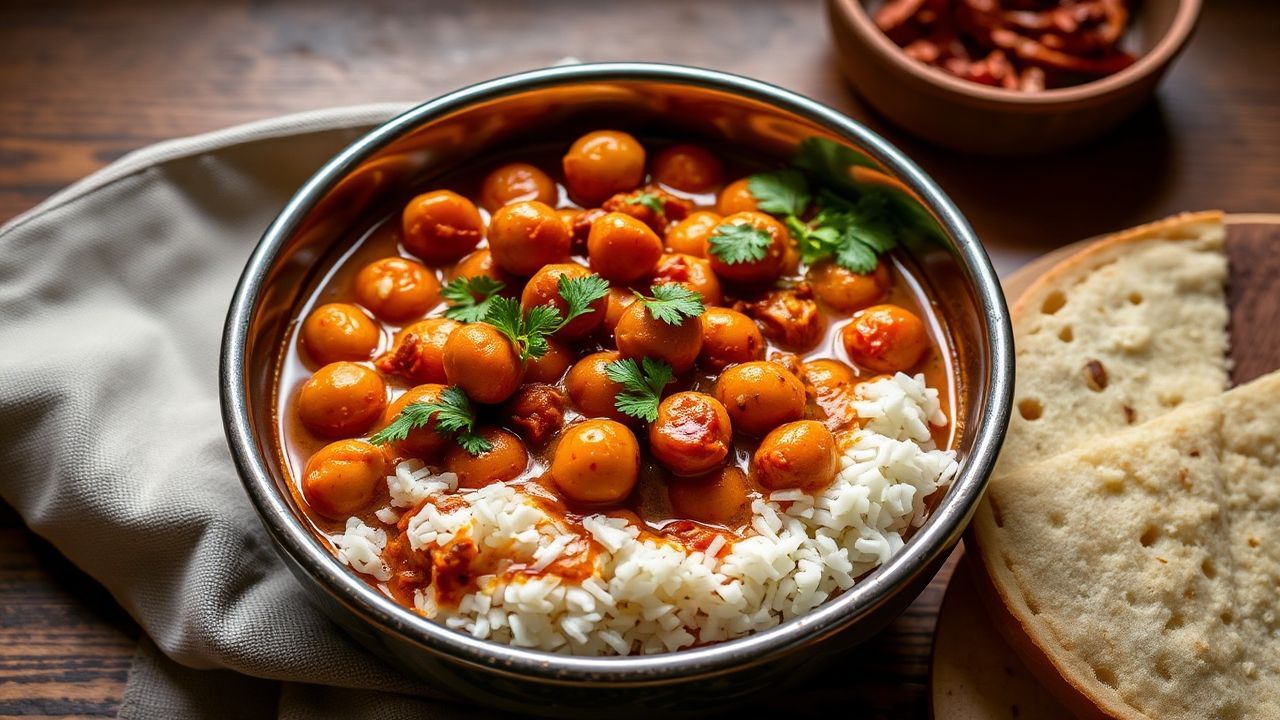

Have you ever paused to consider the profound journey a humble chickpea undertakes to become the star of a dish as complex and comforting as Chana Masala? It’s a transformation that speaks volumes about human ingenuity, the alchemy of spices, and the enduring power of plant-based cuisine. This isn’t merely a stew; it’s proof of culinary evolution, a dish that has transcended its origins to become a global phenomenon, cherished by vegetarians and omnivores alike. The very essence of Chana Masala lies in its ability to marry the earthy robustness of chickpeas with a symphony of aromatic spices, creating a flavour profile that is both deeply satisfying and remarkably nuanced. Its ubiquity in Indian restaurants worldwide, often presented as a vegetarian staple, belies the intricate balance of flavours and textures that define a truly exceptional rendition.
- The Storied Past and Global Ascent of Chana Masala
- Deconstructing the Anatomy of an Impeccable Chana Masala
- The Quintessential Chana Masala Recipe
- Nutritional Profile: A Wholesome Powerhouse
- Expert Insights: Elevating Your Chana Masala to Restaurant Caliber
- Variations and Adaptations
- Serving Suggestions and Pairings
- Frequently Asked Questions About Chana Masala
At a Glance: Elevating Your Chana Masala Experience
- The foundation is paramount: High-quality, well-cooked chickpeas are non-negotiable for superior texture and flavour absorption.
- Spice layering is key: Understanding how to bloom whole spices and then incorporate ground spices at different stages unlocks depth.
- Acidity and umami: The judicious use of tomatoes, tamarind, or amchur (dried mango powder) is crucial for balancing richness.
- Garnishes are not an afterthought: Fresh herbs, a swirl of cream or yogurt, and a squeeze of lemon elevate the final presentation and taste.
The Storied Past and Global Ascent of Chana Masala
The narrative of Chana Masala is intrinsically woven into the fabric of Indian culinary history, a story that begins not with a singular moment of invention, but with a gradual evolution of flavour and technique. While pinpointing its exact genesis is a scholarly pursuit, it’s widely understood that the dish draws heavily from the North Indian culinary tradition, particularly the Punjab region. The staple ingredient, the chickpea (known as *chana* in Hindi), has been cultivated in the Indian subcontinent for millennia, forming a cornerstone of the diet due to its nutritional value and versatility. The addition of a rich, spiced tomato-based gravy, characteristic of modern Chana Masala, likely emerged with the increased availability and popularity of tomatoes, which were introduced to India by Portuguese traders in the 16th century.
The evolution from simple boiled chickpeas to a complex curry reflects a sophisticated understanding of flavour pairings and cooking methods. Early iterations might have been simpler, perhaps just spiced chickpeas tempered with a few aromatics. However, as regional cuisines developed and trade routes facilitated the exchange of ingredients and ideas, the dish began to acquire its signature depth. The advent of readily available ground spices, alongside techniques like *tadka* (tempering spices in hot oil), allowed for the creation of the intensely flavourful base that defines contemporary Chana Masala. Its rise to global prominence, however, is a more recent phenomenon, largely propelled by the increasing popularity of Indian cuisine internationally and the growing demand for flavourful vegetarian options.
Consider the trajectory of Indian food in Western countries. In the mid-to-late 20th century, Indian restaurants often catered to a somewhat generalized palate, with a focus on dishes that were palatable and familiar. However, as diners became more adventurous and educated about Indian regional diversity, dishes like Chana Masala began to gain traction. Its inherent appeal—a hearty, flavourful, and satisfying vegetarian main course—made it a natural ambassador for Indian plant-based cooking. Unlike some other regional specialties that require a deep understanding of their cultural context, Chana Masala’s flavour profile is immediately accessible and universally pleasing, proof of its culinary adaptability.
Deconstructing the Anatomy of an Impeccable Chana Masala
Achieving a truly remarkable Chana Masala is an art form, a deliberate orchestration of ingredients and techniques. At its heart, the dish is a celebration of the chickpea, but its soul resides in the meticulously crafted gravy. The base typically begins with a sautéed onion-garlic-ginger paste, forming an aromatic foundation. Tomatoes, whether fresh or pureed, provide acidity and body, while a carefully selected blend of ground spices infuses the curry with its characteristic warmth and complexity. Common spices include turmeric for colour and earthiness, coriander for its citrusy notes, cumin for its smoky warmth, and chili powder for a judicious kick. Garam masala, a blend of toasted and ground spices, is often added towards the end to impart a final layer of fragrant warmth.
The textural interplay is equally vital. The chickpeas themselves should be tender, yielding to the bite but not mushy. This can be achieved through careful cooking, whether using dried chickpeas that have been soaked and simmered to perfection, or high-quality canned chickpeas that are rinsed and then simmered briefly in the sauce to absorb its flavours. The gravy should have a pleasing consistency – neither too thin nor too thick, coating the chickpeas elegantly without being cloying. This balance is often achieved through the gradual reduction of the tomato base and the judicious use of water or broth. The inclusion of ingredients like yogurt or a touch of cream can also contribute to a smoother, richer mouthfeel, though purists often favour a purely tomato-and-onion based sauce.
The magic lies in the layering of flavours. Whole spices, such as cumin seeds, mustard seeds, and bay leaves, are often bloomed in hot oil at the beginning of the cooking process. This releases their volatile oils and imparts a subtle, nuanced aroma to the entire dish. Following this, the ground spices are introduced, typically sautéed briefly to toast them and deepen their flavour without burning. The tomatoes are then added, and their moisture is cooked down, concentrating their sweetness and acidity. Finally, the cooked chickpeas are incorporated, allowing them to simmer in the flavourful gravy, absorbing its essence and contributing their own subtle earthiness. This meticulous process ensures that every spoonful delivers a complex and harmonious taste experience.
The Quintessential Chana Masala Recipe
To master Chana Masala is to embrace a process that rewards patience and attention to detail. This recipe aims to capture the essence of a truly authentic and deeply flavourful rendition, suitable for both weeknight comfort and special occasions. It emphasizes building flavour layers through careful sautéing and spice integration.
Ingredients:
- For the Chickpeas:
- 2 cups (400g) dried chickpeas, soaked overnight
- 1 teaspoon salt
- Water for soaking and cooking
- For the Masala Base:
- 3 tablespoons Ghee or neutral oil (like vegetable or canola)
- 1 teaspoon cumin seeds
- 1 teaspoon mustard seeds
- 1 large onion, finely chopped
- 1 tablespoon grated fresh ginger
- 1 tablespoon minced garlic
- 2-3 green chilies, slit lengthwise (adjust to spice preference)
- 1 teaspoon ground turmeric
- 1.5 teaspoons ground coriander
- 1 teaspoon ground cumin
- ½ teaspoon red chili powder (Kashmiri chili powder for colour, or your preferred heat)
- ½ teaspoon garam masala
- ¼ teaspoon asafoetida (hing) (optional, but recommended for authentic flavour)
- 1.5 cups (350g) crushed tomatoes or tomato purée
- 1 teaspoon salt, or to taste
- ½ teaspoon sugar (optional, to balance acidity)
- 1 cup water or vegetable broth, plus more as needed
- For Finishing:
- Juice of ½ lemon
- ¼ cup fresh cilantro, chopped
- 2 tablespoons fresh mint, chopped (optional)
- 1 tablespoon kasoori methi (dried fenugreek leaves), crushed (optional, but elevates flavour)
- Plain yogurt or a swirl of cream for serving (optional)
Preparation Method:
- Prepare the Chickpeas: Drain the soaked chickpeas and rinse them thoroughly. Place them in a large pot, cover with fresh water by at least 2 inches, and add 1 teaspoon of salt. Bring to a boil, then reduce heat and simmer for 45-60 minutes, or until the chickpeas are tender but not mushy. Alternatively, use 3 (15-ounce) cans of chickpeas, rinsed and drained. If using canned, you can skip the initial boiling step and add them directly to the masala later, simmering for at least 15-20 minutes to absorb flavours. Drain the cooked chickpeas and set aside, reserving about 1 cup of the cooking liquid.
- Bloom the Whole Spices: Heat the ghee or oil in a large, heavy-bottomed pan or Dutch oven over medium heat. Once shimmering, add the cumin seeds and mustard seeds. Let them splutter and release their aroma, which should take about 30 seconds. Be careful not to burn them.
- Sauté the Aromatics: Add the finely chopped onion to the pan. Sauté, stirring occasionally, until the onions are softened and translucent, about 6-8 minutes. This slow sautéing is crucial for developing sweetness.
- Build the Ginger-Garlic Paste: Add the grated ginger, minced garlic, and slit green chilies. Sauté for another 1-2 minutes until fragrant, ensuring the garlic doesn’t brown.
- Introduce the Ground Spices: Reduce the heat to low. Add the ground turmeric, coriander, cumin, red chili powder, garam masala, and asafoetida (if using). Sauté for 30-60 seconds, stirring constantly, until the spices are fragrant and slightly toasted. This step is critical for unlocking their full flavour potential.
- Cook the Tomatoes: Add the crushed tomatoes or tomato purée to the pan. Increase the heat to medium and cook, stirring frequently, until the tomatoes have reduced and the oil begins to separate from the mixture, indicating that the raw tomato flavour has cooked out. This can take about 8-10 minutes.
- Season and Simmer: Stir in 1 teaspoon of salt and the optional sugar. Add the drained cooked chickpeas to the pan. Pour in 1 cup of the reserved chickpea cooking liquid or vegetable broth. Bring the mixture to a simmer.
- Develop the Gravy: Cover the pan and let the Chana Masala simmer gently for at least 20-30 minutes, stirring occasionally. This allows the chickpeas to absorb the flavours of the gravy and for the sauce to thicken to your desired consistency. If the sauce becomes too thick, add a little more reserved chickpea liquid or water.
- Finish and Garnish: Just before serving, stir in the lemon juice, chopped cilantro, chopped mint (if using), and crushed kasoori methi (if using). Taste and adjust seasoning with salt if needed.
- Serve: Ladle the hot Chana Masala into bowls. Garnish with extra cilantro, a swirl of yogurt or cream, and serve immediately with basmati rice, naan, or roti.
Nutritional Profile: A Wholesome Powerhouse
Chana Masala, when prepared with mindful ingredients, stands as proof of the nutritional bounty of plant-based eating. The star, the chickpea, is a formidable source of protein and dietary fibre, essential for satiety and digestive health. A single serving (approximately 1.5 cups of the finished dish, excluding accompaniments) typically offers a robust profile:
Approximate Nutritional Information (per serving):
| Nutrient | Approximate Amount |
|---|---|
| Calories | 350-450 kcal |
| Protein | 15-20 g |
| Fat | 15-25 g (varies with oil/ghee) |
| Saturated Fat | 3-6 g |
| Carbohydrates | 40-50 g |
| Dietary Fibre | 10-15 g |
| Sugars | 5-8 g |
| Sodium | 600-800 mg (varies with salt added) |
| Iron | 3-5 mg |
| Potassium | 500-700 mg |
These figures are estimates and can vary significantly based on the exact quantities of ingredients used, particularly the amount of oil or ghee and the salt content. The use of canned chickpeas, for instance, can contribute higher sodium levels if not rinsed thoroughly. The inclusion of yogurt or cream for serving will further alter the fat and calorie content. However, the inherent nutritional value of the chickpeas and the wholesome spices makes this dish a genuinely nourishing option, providing essential micronutrients like iron and potassium, alongside its macronutrient benefits.
Expert Insights: Elevating Your Chana Masala to Restaurant Caliber
While the recipe above provides a solid foundation, aspiring home cooks can elevate their Chana Masala from merely good to truly exceptional with a few expert techniques. The difference between a home-cooked dish and a restaurant-quality one often lies in the depth of flavour and the textural finesse achieved through nuanced cooking methods.
Furthermore, the quality of your tomatoes makes a difference. While canned crushed tomatoes are convenient and often consistent, using high-quality San Marzano tomatoes can impart a superior sweetness and less acidity. If you have the time, roasting fresh tomatoes before puréeing them can also intensify their flavour. Another key differentiator is the use of *kasoori methi* (dried fenugreek leaves). Crushing these between your palms just before adding them to the curry releases their distinctive, slightly bitter, and aromatic essence, a flavour profile that is a hallmark of many authentic Indian dishes and often a secret weapon in restaurant kitchens.
Consider the textural element. For an even richer, more velvety sauce, some chefs advocate for mashing a small portion of the cooked chickpeas against the side of the pan towards the end of the simmering process. This releases their starch, naturally thickening the gravy and lending it a luxurious mouthfeel without the need for added thickeners. This technique, combined with the final addition of fresh lemon juice and cilantro, creates a vibrant contrast that awakens the palate and brings all the flavours into sharp focus.
The choice of fat is also significant. While vegetable oil is a neutral and accessible option, using ghee (clarified butter) imparts a rich, nutty aroma that is characteristic of many traditional Indian dishes. If ghee isn’t available or preferred, a good quality mustard oil, heated until it just begins to smoke and then cooled, can provide a pungent depth that complements the spices wonderfully. The subtle differences in these fats can profoundly impact the final aroma and taste of your Chana Masala.
Variations and Adaptations
The beauty of Chana Masala lies not only in its inherent deliciousness but also in its adaptability. While the core recipe remains consistent, regional variations and personal preferences lead to delightful divergences. For instance, in some parts of North India, a touch of tamarind pulp might be added for an extra layer of tanginess, replacing some of the tomato’s acidity. This introduces a distinct sour note that is incredibly refreshing. Another popular variation involves the addition of a small amount of finely chopped tomato and onion sautéed separately and then folded into the curry at the end, providing textural contrast and a burst of fresh flavour.
For those seeking a richer, creamier rendition, incorporating a few tablespoons of cashew paste or a swirl of full-fat yogurt or coconut milk in the final stages can transform the dish into something more decadent. This approach is particularly favoured in some restaurant settings to appeal to a broader palate. Conversely, for a lighter, zestier version, one might increase the lemon juice and cilantro, and perhaps add a pinch of amchur (dried mango powder) for a subtle fruity tartness that is distinct from the tang of tomatoes or tamarind. The incorporation of other vegetables, such as spinach (*Palak Chana*) or potatoes (*Aloo Chana*), also offers avenues for creative adaptation, demonstrating the inherent versatility of the chickpea base.
The exploration of Chana Masala’s variations is akin to traversing a culinary map of India itself. Each region, and indeed each household, may have its own cherished method. The use of whole spices, for example, can be expanded. Beyond cumin and mustard seeds, one might find fenugreek seeds (*methi dana*), black cardamom, or cloves being bloomed in the oil for an even more complex aromatic profile. The key is to understand the role each spice plays and to balance them judiciously. For instance, the warmth of cumin and coriander is often balanced by the earthy sweetness of turmeric, while garam masala provides a fragrant finish. The judicious use of chili, whether fresh green chilies or dried red chili powder, adds a necessary spark without overwhelming the other flavours.
Serving Suggestions and Pairings
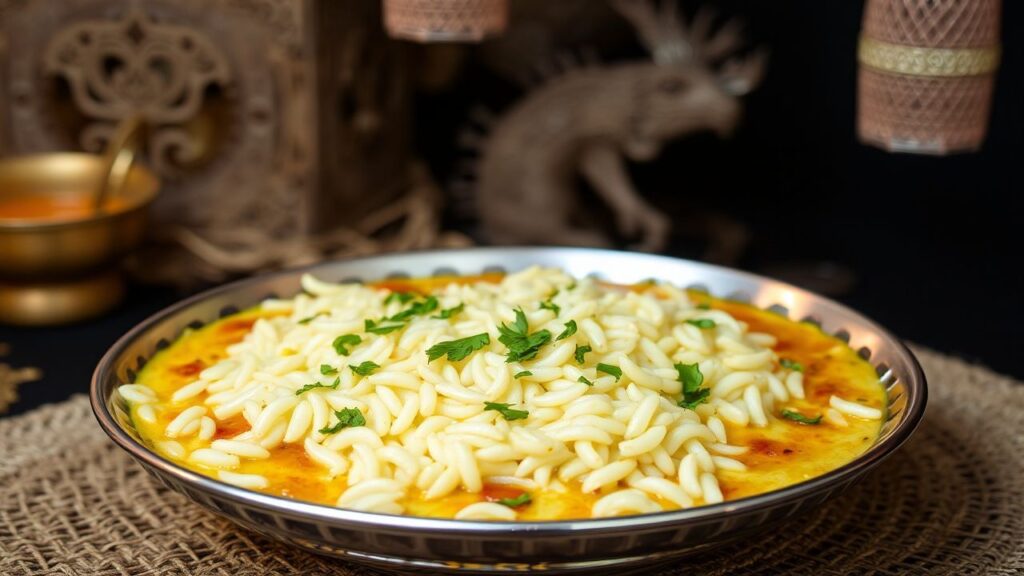
Chana Masala is a remarkably versatile dish that pairs beautifully with a variety of accompaniments, each enhancing its flavour profile in different ways. The most traditional and perhaps most satisfying pairing is with fluffy, aromatic basmati rice. The neutral, slightly nutty flavour of the rice acts as a perfect canvas for the robust spices of the Chana Masala, allowing each element to shine. The rice also serves as an excellent vehicle for scooping up every last drop of the delicious gravy.
For those who prefer a more substantial accompaniment, Indian flatbreads are an excellent choice. Warm, pillowy naan, often brushed with melted butter or garlic butter, provides a slightly chewy texture that complements the tender chickpeas. Roti, a whole wheat flatbread, offers a slightly heartier, nuttier flavour and a satisfying chew. Parathas, which are layered and pan-fried flatbreads, can add an extra richness to the meal. The act of tearing off a piece of bread and using it to scoop up the Chana Masala is a deeply satisfying tactile and gustatory experience.
Beyond the carb companions, a cooling raita (yogurt-based dip, often with cucumber or mint) or a simple side salad can provide a refreshing counterpoint to the richness of the curry. The acidity and coolness of the raita cut through the warmth of the spices, cleansing the palate between bites. A squeeze of fresh lemon or lime juice over the finished dish just before serving can also provide a bright, zesty lift that elevates the entire meal. These simple additions transform a delicious dish into a truly balanced and complete dining experience, demonstrating the thoughtful culinary traditions of Indian cuisine.
Frequently Asked Questions About Chana Masala
How can I make my Chana Masala gravy thicker?
There are several effective methods to thicken your Chana Masala gravy. The most natural approach is to allow it to simmer uncovered for a longer period, letting excess moisture evaporate and the sauce to reduce. Alternatively, as mentioned in the expert tips, you can mash a small portion of the cooked chickpeas against the side of the pan; their starch will naturally thicken the gravy. For a quicker fix, create a slurry by mixing 1-2 teaspoons of cornstarch or all-purpose flour with an equal amount of cold water, then stir this mixture into the simmering curry until it thickens. Be sure to cook for a few minutes after adding the slurry to eliminate any raw flour taste.
Can I use canned chickpeas instead of dried ones?
Canned chickpeas are a perfectly acceptable and convenient substitute for dried chickpeas, especially when time is a constraint. The primary difference lies in texture and flavour absorption. Dried chickpeas, when cooked from scratch, tend to have a firmer texture that holds up better during extended simmering and absorb flavours more deeply. Canned chickpeas are already cooked and softer, so they may break down more easily. If using canned, rinse them thoroughly under cold water to remove excess sodium and any metallic taste. Add them to the masala during the last 15-20 minutes of simmering to allow them to absorb the flavours without becoming overly mushy.
What is the best way to store leftover Chana Masala?
Leftover Chana Masala stores exceptionally well and often tastes even better the next day as the flavours meld further. Allow the curry to cool completely at room temperature before transferring it to an airtight container. It can be refrigerated for up to 3-4 days. When reheating, gently warm it on the stovetop over medium-low heat, adding a splash of water or vegetable broth if it has become too thick. Chana Masala also freezes beautifully; store it in freezer-safe containers for up to 2-3 months. Thaw overnight in the refrigerator before reheating.
See also: Chana Masala