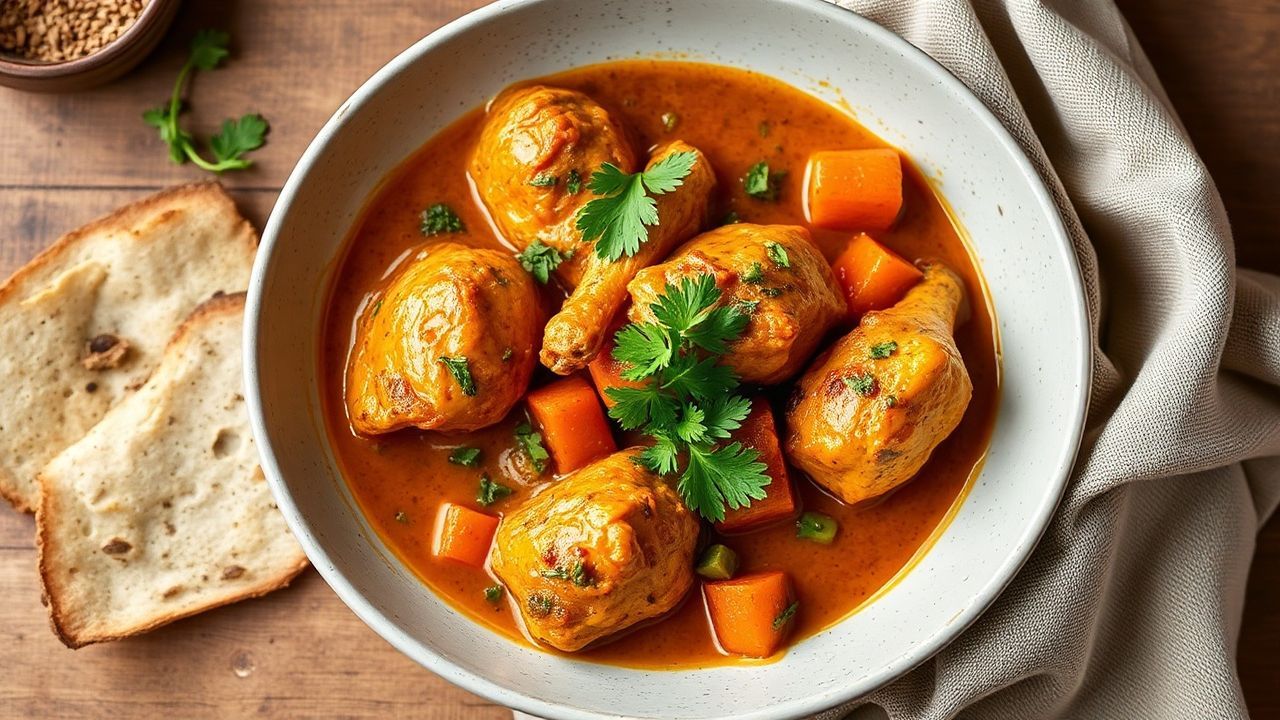

A common misconception is that a truly spectacular chicken curry is an exotic, unattainable feat, reserved only for seasoned chefs. This assertion, however, fundamentally misunderstands the dish. A well-executed chicken curry is not about arcane ingredients or impossible techniques; it’s a symphony of foundational culinary principles, proof of the transformative power of slow-cooked aromatics and the harmonious interplay of spice, protein, and vegetable. This is a dish that, at its heart, speaks of comfort, nourishment, and profound flavor, accessible to any home cook willing to embrace its nuances.
- The Anatomy of an Unforgettable Chicken Curry
- The Aromatic Foundation: Building Depth from the Ground Up
- The Spice Ensemble: A Symphony, Not a Cacophony
- Choosing the Right Chicken and Vegetables for Your Curry
- Crafting the Perfect Chicken Curry: A Step-by-Step Guide
- Nutritional Profile: A Wholesome Meal
- Frequently Asked Questions (FAQ)
- What is the best type of chicken to use for curry?
- How can I make my chicken curry sauce thicker?
- Can I make chicken curry ahead of time?
At a Glance: The Essence of Exceptional Chicken Curry
- Authenticity through Balance: True chicken curry mastery lies not in overwhelming spice, but in the precise calibration of aromatic bases and layered spice profiles.
- Vegetable Synergy: Vegetables are not mere afterthoughts; they are integral components that contribute texture, sweetness, and a counterpoint to the richness of the curry.
- Technique Over Tools: The depth of flavor is cultivated through patient sautéing of aromatics and careful simmering, rather than relying on high-tech kitchen gadgets.
- Adaptability as a Virtue: The inherent flexibility of chicken curry allows for endless personalization, making it a truly democratic dish in the culinary world.
The journey to understanding a truly remarkable chicken curry begins with deconstructing its core elements: the foundation of aromatics, the nuanced spice blend, the quality of the chicken, and the thoughtful inclusion of vegetables. Far from being a simple stew, a great chicken curry is a carefully orchestrated ballet of flavors and textures. It’s a dish that has transcended its origins, evolving into a global phenomenon, yet its soul remains rooted in the art of coaxing profound taste from humble ingredients.
The Anatomy of an Unforgettable Chicken Curry
The very notion of “chicken curry” is a vast generalization, encompassing a dizzying array of regional variations, from the creamy, mild Korma of North India to the fiery, tamarind-kissed Vindaloo of Goa, and the fragrant, coconut-infused curries of Southeast Asia. Yet, beneath this diversity, a common thread of culinary intelligence binds them. The construction of a superior chicken curry hinges on several critical pillars, each contributing to the final, harmonious experience.
The Aromatic Foundation: Building Depth from the Ground Up
Every great curry, and indeed many masterful savory dishes, begins with a meticulously prepared aromatic base. This is the bedrock upon which all other flavors are built. For a chicken curry, this typically involves the patient sautéing of onions, garlic, and ginger. The *Mirepoix* of French cuisine finds its parallel here, but with a distinctly South Asian sensibility. The key is patience. Onions, when sautéed slowly and evenly, transform from sharp, pungent alliums into sweet, deeply caramelized jewels. This process can take anywhere from 15 to 30 minutes over medium-low heat, depending on the quantity. Rushing this step results in a raw onion flavor that can dominate the entire dish, a cardinal sin in curry making.
Ginger and garlic, when added, also require careful attention. They are typically added after the onions have softened and begun to caramelize, to prevent burning. The volatile compounds in these ingredients release their fragrant oils when heated, infusing the cooking fat with an essential layer of pungency and warmth. The ratio of onion to ginger and garlic is also crucial; too much ginger can impart a medicinal quality, while too little leaves the base wanting. A common starting point for a recipe serving four might be two medium onions, a generous knob of ginger (about 2 inches), and 4-6 cloves of garlic.
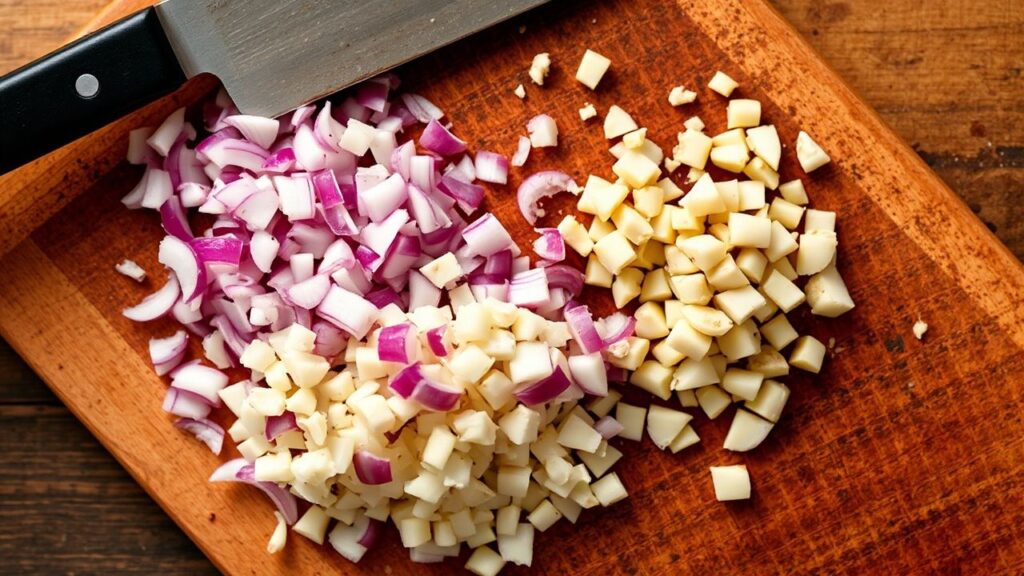
The Art of the Sauté: Unlocking Aromatics
The magic truly happens in the *tarka* or *tadka* – the tempering of spices in hot oil or ghee. This is not merely adding spices; it’s an active process of blooming their essential oils, intensifying their aroma and flavor. Whole spices like cumin seeds, mustard seeds, and fenugreek seeds are often added first to hot fat. They crackle and pop, releasing their fragrance. Ground spices, such as turmeric, coriander, and chili powder, are then added, and stirred constantly for a mere 30-60 seconds. If left too long, they will scorch, turning bitter. This rapid infusion, often referred to as “blooming,” is a cornerstone of authentic curry preparation.
The Spice Ensemble: A Symphony, Not a Cacophony
The spice blend is, arguably, the defining characteristic of any chicken curry. It’s a complex interplay of heat, warmth, earthiness, and subtle sweetness. While pre-made curry powders offer convenience, they often lack the depth and nuance of a freshly ground, custom blend. The foundation of most Indian-inspired curry spice mixes includes coriander and cumin, typically in a 2:1 ratio, providing an earthy, citrusy warmth. Turmeric offers its vibrant color and mild, peppery notes, while garam masala, a blend often added towards the end of cooking, provides a final fragrant flourish of warm spices like cinnamon, cardamom, and cloves.
Beyond these staples, the variations are endless. Cardamom adds a floral, sweet aroma, perfect for milder curries. Cloves lend a pungent, almost medicinal warmth, best used sparingly. Cinnamon contributes a sweet, woody undertone. For heat, chili powder (often Kashmiri for color and milder heat, or Indian red chili for a more potent kick) is essential. Some curries also benefit from the subtle bitterness of fenugreek seeds, the anise-like notes of fennel seeds, or the floral perfume of star anise.
Choosing the Right Chicken and Vegetables for Your Curry
The choice of chicken and vegetables is paramount. It’s not simply about adding protein and greens; it’s about selecting ingredients that will complement the spice profile and absorb the rich flavors of the curry sauce.
Chicken Selection: The Star of the Show
For a tender, succulent chicken curry, boneless, skinless chicken thighs are often the superior choice over breast meat. Thighs possess a higher fat content, which renders during cooking, keeping the meat moist and preventing it from becoming dry and stringy, a common pitfall with chicken breast, especially in longer-simmering dishes. Cut the thighs into bite-sized pieces (approximately 1-1.5 inches) for even cooking and optimal sauce distribution. If using chicken breast, it’s advisable to add it later in the cooking process, or to sear it separately and add it just before serving to avoid overcooking.
A classic example of technique impacting chicken texture is seen in many Thai-style curries, where chicken is often briefly stir-fried before being added to the simmering coconut milk base. This initial sear caramelizes the exterior, locking in juices and providing a subtle textural contrast to the creamy sauce.
Vegetable Pairings: Enhancing Texture and Flavor
Vegetables in a chicken curry are not mere filler; they are essential components that contribute texture, sweetness, and a vital counterpoint to the richness of the sauce. The selection of vegetables can dramatically alter the character of the dish.
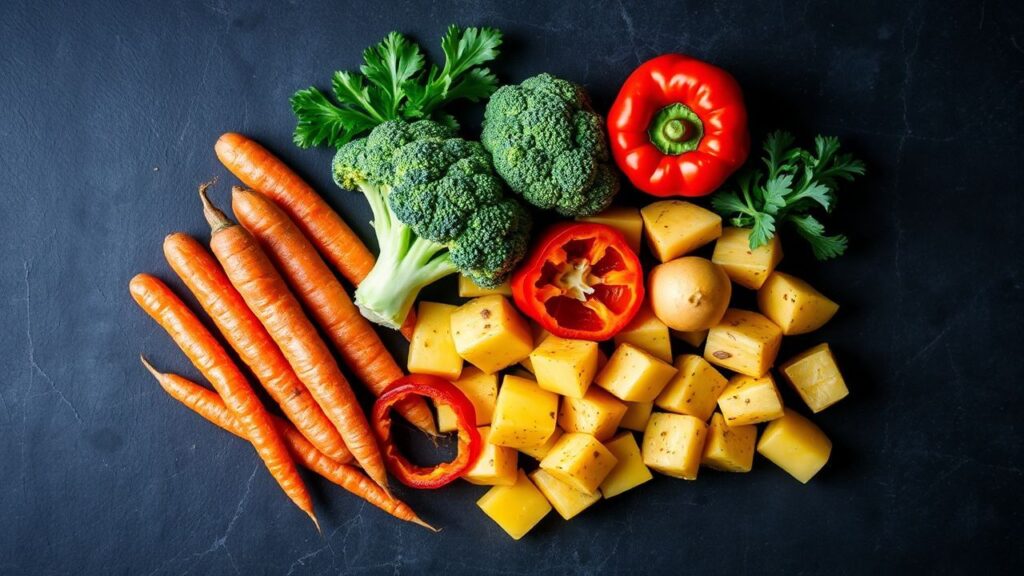
- Root Vegetables: Potatoes (Yukon Gold or Russet) and sweet potatoes add a comforting starchiness and sweetness that absorbs the curry beautifully. Carrots provide sweetness and a slight crunch.
- Cruciferous Vegetables: Cauliflower florets and broccoli florets are excellent choices, offering a pleasant bite and absorbing flavors without becoming mushy. They are best added towards the end of cooking to retain some of their texture.
- Peas and Beans: Green peas (fresh or frozen) add bursts of sweetness and color. Green beans or sugar snap peas provide a satisfying crunch and a fresh, vegetal note.
- Leafy Greens: Spinach or kale can be wilted into the curry during the final minutes of cooking, adding nutrients and a subtle earthy flavor.
- Other Additions: Bell peppers (any color) contribute sweetness and a slight textural contrast. Zucchini or eggplant can add a creamy element when cooked down, though they require careful handling to avoid becoming waterlogged.
Crafting the Perfect Chicken Curry: A Step-by-Step Guide
This recipe aims for a balanced, flavorful chicken curry that can be adapted to your preference. It emphasizes the foundational techniques that yield restaurant-quality results.
Ingredients (Serves 4-6)
For the Chicken & Marinade (Optional but Recommended):
- 700g (1.5 lbs) boneless, skinless chicken thighs, cut into 1.5-inch pieces
- 120ml (1/2 cup) plain yogurt
- 1 tbsp grated fresh ginger
- 2 cloves garlic, minced
- 1 tsp ground cumin
- 1 tsp ground coriander
- 1/2 tsp turmeric powder
- 1/4 tsp cayenne pepper (or to taste)
- Salt to taste
For the Curry Base:
- 2 tbsp ghee or neutral cooking oil (such as vegetable or canola)
- 1 large onion (about 200g), finely chopped
- 2 cloves garlic, minced
- 1 tbsp grated fresh ginger
- 1-2 green chilies (e.g., Serrano or jalapeño), deseeded and finely chopped (optional, for heat)
- 1 tsp ground cumin
- 1 tsp ground coriander
- 1/2 tsp turmeric powder
- 1/4 tsp cayenne pepper (or to taste)
- 1/2 tsp garam masala
- 400g (14 oz) crushed tomatoes or tomato passata
- 200ml (3/4 cup) full-fat coconut milk
- 150ml (approx. 2/3 cup) chicken broth or water
- Salt to taste
- Fresh cilantro, chopped, for garnish
For the Vegetables (Choose 2-3, approximately 500g/1 lb total):
- 2 medium potatoes (approx. 300g), peeled and cut into 1-inch cubes
- 1 medium carrot (approx. 100g), peeled and sliced
- 150g cauliflower florets
- 100g green beans, trimmed and halved
Preparation Method
1. Marinate the Chicken (Optional but Recommended): In a medium bowl, combine the chicken pieces with yogurt, grated ginger, minced garlic, cumin, coriander, turmeric, cayenne pepper, and salt. Mix well to coat. Cover and refrigerate for at least 30 minutes, or preferably 2-4 hours (or overnight for maximum flavor penetration).
2. Prepare the Aromatics: If not marinating, pat the chicken pieces dry and season with salt. Heat ghee or oil in a large, heavy-bottomed pot or Dutch oven over medium heat. Add the chopped onion and cook, stirring occasionally, until softened and lightly golden, about 10-15 minutes. Be patient; this caramelization is key to flavor depth.
3. Build the Spice Base: Add the minced garlic, grated ginger, and chopped green chilies (if using) to the pot. Sauté for 1-2 minutes until fragrant, ensuring the garlic doesn’t burn. Stir in the ground cumin, coriander, turmeric, and cayenne pepper. Cook for another 30-60 seconds, stirring constantly, until the spices are fragrant and slightly darkened. This is the blooming process.
4. Incorporate Tomatoes and Chicken: Pour in the crushed tomatoes or passata. Stir well, scraping up any browned bits from the bottom of the pot. Bring to a simmer and cook for 5 minutes, allowing the tomato flavor to deepen. Add the marinated chicken (or seasoned raw chicken) and stir to coat it in the onion-tomato mixture. If using marinated chicken, the yogurt will help create a creamy sauce.
5. Simmer and Add Vegetables: Add the chicken broth or water. Bring the curry to a gentle simmer. If using potatoes and carrots, add them now. Cover the pot, reduce the heat to low, and simmer for 15-20 minutes, or until the chicken is cooked through and the potatoes are beginning to soften.
6. Add Softer Vegetables and Coconut Milk: Add the cauliflower florets and green beans (or your chosen softer vegetables). Stir gently. Pour in the coconut milk and garam masala. Stir to combine.
7. Final Simmering and Resting: Continue to simmer, uncovered, for another 10-15 minutes, or until the vegetables are tender but not mushy, and the sauce has thickened to your desired consistency. Avoid over-stirring at this stage, especially with delicate vegetables. Taste and adjust seasoning with salt if needed.
8. Rest and Serve: Remove the pot from the heat and let the chicken curry rest for 5-10 minutes. This allows the flavors to meld and the sauce to thicken further. Garnish generously with fresh chopped cilantro before serving.
Nutritional Profile: A Wholesome Meal
A well-prepared chicken curry, packed with vegetables, can be a remarkably nutritious meal. The exact nutritional values will vary significantly based on the ingredients used, particularly the amount of oil, coconut milk, and the specific vegetables chosen.
This is a generalized estimate per serving (assuming 6 servings from the recipe above, using chicken thighs and a moderate amount of oil and coconut milk):
- Calories: 450-550 kcal
- Protein: 30-40g
- Fat: 25-35g (with a significant portion from healthy fats in coconut milk and chicken)
- Saturated Fat: 10-15g
- Carbohydrates: 20-30g
- Fiber: 5-8g
- Sodium: Varies greatly based on added salt and broth.
Chicken provides essential lean protein, crucial for muscle repair and growth. The vegetables contribute a wealth of vitamins, minerals, and dietary fiber, aiding digestion and promoting satiety. Turmeric, a key spice, contains curcumin, a compound known for its anti-inflammatory and antioxidant properties. Coconut milk, while rich in saturated fat, also contains medium-chain triglycerides (MCTs), which are metabolized differently and can have certain health benefits.
Elevating Your Chicken Curry to Restaurant Caliber
Achieving that elusive “restaurant quality” in your home chicken curry is not about secret ingredients but about refining technique and understanding flavor nuances.
- The Power of Toasting Spices: As mentioned, lightly toasting whole spices before grinding, or toasting ground spices briefly in hot oil, unlocks their full aromatic potential. This simple step makes a dramatic difference.
- Layering Flavors: Don’t rush the aromatic base. The slow caramelization of onions is non-negotiable. Similarly, bloom your ground spices effectively.
- Balancing the Sauce: A great curry sauce is more than just spiced liquid. It should have body and a harmonious balance of sweet, sour, salty, and spicy. A touch of lemon juice or tamarind paste at the end can brighten the flavors. A tiny pinch of sugar can round out the acidity of the tomatoes.
- Resting is Crucial: Allowing the curry to rest for at least 10-15 minutes after cooking lets the flavors meld and deepen. Many curries actually taste better the next day.
- Garnish with Intention: Fresh cilantro is a classic, but consider other garnishes like a swirl of plain yogurt, a sprinkle of toasted cumin seeds, or a drizzle of chili oil for an extra layer of flavor and visual appeal.
- Consider Creaminess: For a richer, more luxurious sauce, consider finishing with a tablespoon or two of heavy cream, a dollop of cashew paste, or simply allowing the coconut milk to reduce a little more.
The culinary landscape of curry is vast and fascinating. Exploring different regional variations, like the complex spice profiles of a Sri Lankan chicken curry or the aromatic simplicity of a Malaysian chicken rendang, can further expand your understanding and appreciation. The journey of perfecting a chicken curry is a continuous exploration of taste, texture, and technique.
Frequently Asked Questions (FAQ)
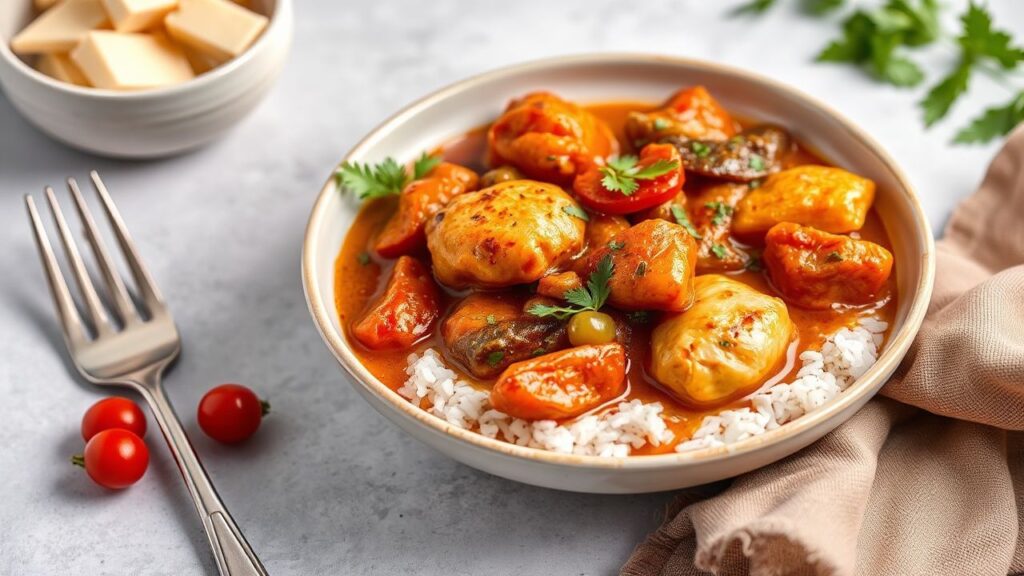
What is the best type of chicken to use for curry?
For most chicken curry recipes, boneless, skinless chicken thighs are the superior choice. They possess a higher fat content than chicken breast, which renders during cooking, keeping the meat exceptionally moist and tender. This is particularly important for curries that simmer for extended periods, as chicken breast can easily become dry and stringy. If you prefer chicken breast, it’s best to add it towards the end of the cooking process or to sear it separately and add it just before serving to prevent overcooking. The key is to ensure the chicken is cooked through but still succulent.
How can I make my chicken curry sauce thicker?
There are several effective methods to thicken your chicken curry sauce. The most straightforward is to simmer the curry uncovered for an extended period. This allows excess liquid to evaporate, naturally concentrating the flavors and thickening the sauce. Another excellent technique is to mash some of the cooked vegetables, such as potatoes or cauliflower, against the side of the pot with a spoon. Their starch will release into the sauce, creating a creamier, thicker consistency. For a richer texture, you can also stir in a slurry of cornstarch or flour mixed with a little cold water during the final minutes of simmering, or incorporate a tablespoon or two of ground nuts (like almonds or cashews) or a bit of yogurt or heavy cream at the end of cooking. Ensure any dairy additions are tempered gradually to prevent curdling.
Can I make chicken curry ahead of time?
Absolutely. Chicken curry is one of those dishes that often tastes even better the next day! This is because the flavors have more time to meld and deepen. You can prepare the curry completely, let it cool, and then refrigerate it in an airtight container for up to 3-4 days. When reheating, gently warm it on the stovetop over low heat, stirring occasionally. You may need to add a splash of water or broth to loosen the sauce if it has thickened considerably. For even better results, some chefs recommend making the curry one day and reheating it on the second day before serving. This allows the complex spice notes to fully develop and harmonize.
See also: Chicken curry