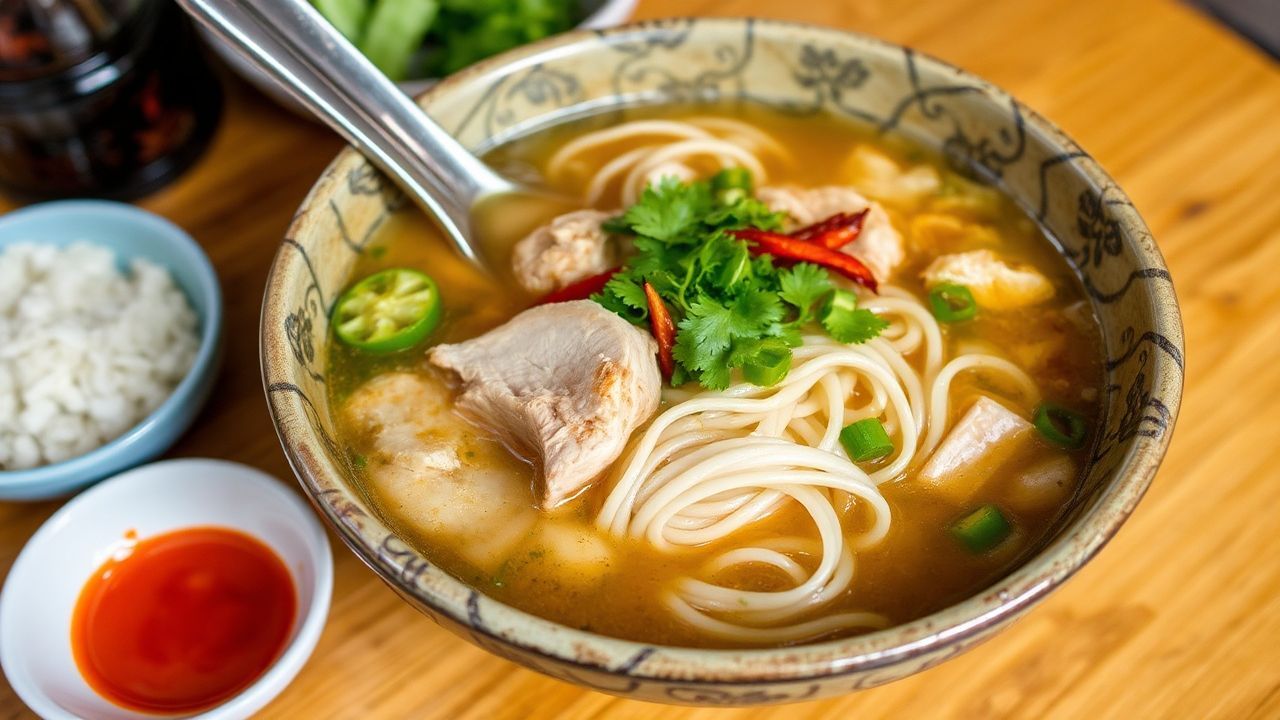

The aroma of simmering spices, the tender whisper of chicken, the slippery embrace of rice noodles – for many, the very thought of a steaming bowl of pho conjures images of slow, deliberate cooking, a ritualistic process passed down through generations. I recall a particularly chilly evening in Hanoi, seeking refuge from a sudden downpour in a tiny, bustling eatery. The proprietor, a woman whose hands moved with the practiced grace of decades, served me a bowl of chicken pho that was both profoundly comforting and startlingly vibrant. It wasn’t just sustenance; it was an edible hug. Yet, the modern reality for many of us is a relentless pace, where the luxury of a multi-hour broth simmer is a distant dream. The challenge, then, becomes how to capture that essence, that soul-warming depth, without sacrificing precious time. This is where the art of the “quick chicken pho” comes into play – a culinary tightrope walk between speed and authenticity.
- The Flavor Core: Achieving deep, nuanced flavor in a shorter timeframe relies on strategic ingredient choices and accelerated cooking techniques.
- Broth Foundation: A well-constructed quick broth utilizes aromatics and umami boosters to mimic the complexity of a long-simmered version.
- Noodle Perfection: The right rice noodles and proper cooking are paramount to replicating the textural experience of traditional pho.
- Garnish is Key: Fresh herbs and accompaniments are non-negotiable for delivering the complete, vibrant pho experience.
The Science of Speed: Crafting a Rapidly Flavorful Chicken Pho Broth
The soul of any pho, be it beef or chicken, resides in its broth. Traditionally, this involves hours of simmering bones and aromatics to extract every last molecule of flavor. For a quick chicken pho, we must accelerate this process, not by brute force, but by intelligent manipulation of ingredients and heat. The foundation of our rapid broth begins with chicken bones, specifically wing tips and backs, as they offer a good gelatin and collagen content that contributes to body without requiring extended cooking. Roasting these bones beforehand is a critical step; the Maillard reaction, that magical chemical process responsible for browning and developing complex flavors, is significantly enhanced when heat is applied to the surface of the bones. This initial caramelization imbues the broth with a depth that would otherwise take hours to achieve through simmering alone. Think of it as pre-loading flavor, giving our accelerated broth a head start.
Beyond the bones, the aromatic trinity of ginger, onion, and garlic forms the backbone of Vietnamese cuisine. For a quick pho, we don’t just toss them in; we char them. Halving an onion and a knob of ginger, and leaving garlic cloves unpeeled, then placing them under a broiler or directly over a gas flame until blackened and fragrant, unlocks a smoky, sweet complexity. This charring process, similar to roasting, intensifies their natural sugars and releases volatile compounds that lend an unparalleled depth to the broth, even in a fraction of the time. The charring not only adds flavor but also a subtle visual intrigue to the finished broth, proof of the thoughtfulness of its preparation.
Essential Broth Aromatics for Speed
The spices are where the true magic of pho’s distinctive aroma unfolds. For a quick chicken pho, we employ a carefully selected ensemble, toasted to awaken their essential oils. Star anise, with its licorice-like sweetness, is non-negotiable. Cinnamon sticks, not ground, provide a warm, woody undertone. Cloves, used sparingly, add a pungent, slightly medicinal note that is quintessential to pho. Coriander seeds, toasted until fragrant, contribute a bright, citrusy earthiness, while fennel seeds offer a subtle anise-like whisper. Crucially, these spices are toasted whole in a dry pan until intensely aromatic – a process that takes mere minutes but exponentially boosts their flavor contribution, preventing any raw, bitter notes from developing in our accelerated brew.
The addition of fish sauce is paramount. This fermented condiment, a cornerstone of Southeast Asian cooking, provides a profound umami depth that is difficult to replicate. It’s not merely salty; it’s a complex savory element that rounds out the flavors and ties the other aromatics together. A good quality fish sauce, such as Red Boat or Three Crabs, will elevate your quick chicken pho from good to exceptional. We also incorporate a small amount of rock sugar (or granulated sugar) to balance the saltiness of the fish sauce and the pungent aromatics. This creates a harmonious sweetness that is characteristic of authentic pho broth, preventing it from tasting one-dimensionally savory or overly spiced.
To achieve a richer, more satisfying broth in a shorter time, we can judiciously employ chicken bouillon powder or paste. While some purists might balk, a small amount of a high-quality, MSG-free bouillon can provide a significant boost of savory depth, mimicking the long-simmered essence of chicken bones. The key is moderation; we are using it as a flavor enhancer, not the sole source of flavor. A teaspoon or two can bridge the gap between a hastily made broth and one that tastes like it has been lovingly tended for hours.
Quick Chicken Pho: The Recipe
This recipe is designed to deliver a deeply satisfying bowl of chicken pho in approximately 45-50 minutes, from start to finish. The focus is on maximizing flavor extraction in a compressed timeframe.
Ingredients:
- For the Broth:
- 1 kg (2.2 lbs) chicken backs and wings, rinsed
- 1 large yellow onion (about 200g / 7 oz), halved
- 1 large piece of ginger (about 75g / 2.6 oz), sliced into 1-inch thick pieces
- 4-5 cloves garlic, unpeeled
- 2 whole star anise
- 1 cinnamon stick (about 3 inches)
- 4-5 whole cloves
- 1 tsp coriander seeds
- 1 tsp fennel seeds
- 2 tbsp fish sauce (adjust to taste)
- 1 tsp rock sugar (or granulated sugar)
- 1 tsp chicken bouillon powder (optional, MSG-free recommended)
- 2 liters (8.5 cups) water
- Salt to taste
- For the Chicken & Noodles:
- 2 boneless, skinless chicken breasts or thighs (about 300g / 10.5 oz total)
- 250g (8.8 oz) dried flat rice noodles (banh pho tuoi)
- For Garnish & Serving:
- Fresh bean sprouts
- Fresh cilantro, chopped
- Fresh mint leaves
- Thai basil leaves
- Lime wedges
- Thinly sliced red chili (optional)
- Thinly sliced white onion (optional)
Preparation Method:
- Sear the Chicken Bones: Preheat your oven to 200°C (400°F). Spread the chicken backs and wings on a baking sheet. Roast for 20-25 minutes, or until deeply golden brown and caramelized. This step is crucial for flavor development.
- Char the Aromatics: While the bones are roasting, place the halved onion, ginger slices, and unpeeled garlic cloves directly on a baking sheet. Broil on high heat, turning occasionally, until charred and fragrant on all sides (about 5-8 minutes). Alternatively, you can char them directly over a gas flame on a stovetop. Once charred, remove from heat and let cool slightly.
- Toast the Spices: In a dry skillet over medium heat, toast the star anise, cinnamon stick, cloves, coriander seeds, and fennel seeds for 1-2 minutes, until intensely fragrant. Be careful not to burn them. Transfer the toasted spices to a spice bag or a piece of cheesecloth tied with kitchen twine.
- Simmer the Broth: In a large stockpot or Dutch oven, combine the roasted chicken bones, charred onion, ginger, and garlic. Add the spice bag and 2 liters (8.5 cups) of water. Bring to a boil, then immediately reduce the heat to low, cover partially, and simmer gently for at least 30 minutes. The longer you simmer within this quick timeframe (up to 45 minutes), the richer the broth will be.
- Poach the Chicken: While the broth simmers, place the chicken breasts or thighs in a small saucepan. Cover with cold water and add a pinch of salt. Bring to a gentle simmer over medium heat, then reduce heat to low and poach for 8-10 minutes, or until just cooked through. Do not overcook. Remove the chicken from the water, reserving the poaching liquid if desired for added depth to the broth. Once cool enough to handle, thinly slice the chicken.
- Strain and Season the Broth: After simmering, carefully strain the broth through a fine-mesh sieve into a clean pot. Discard the solids. Skim off any excess fat from the surface if you prefer a lighter broth. Return the strained broth to low heat. Stir in the fish sauce, rock sugar, and optional chicken bouillon powder. Taste and season with salt as needed. The broth should be savory, slightly sweet, and fragrant.
- Cook the Noodles: Prepare the rice noodles according to package instructions. Typically, this involves soaking dried noodles in hot water for several minutes until pliable, then briefly boiling them until tender but still slightly firm (al dente). Drain well.
- Assemble the Bowls: Divide the cooked rice noodles among serving bowls. Arrange the sliced poached chicken over the noodles.
- Serve: Ladle the hot, fragrant broth over the noodles and chicken. Serve immediately with a generous platter of fresh garnishes: bean sprouts, cilantro, mint, Thai basil, lime wedges, and sliced chili and onion, if desired. Diners can customize their bowls to their preference.
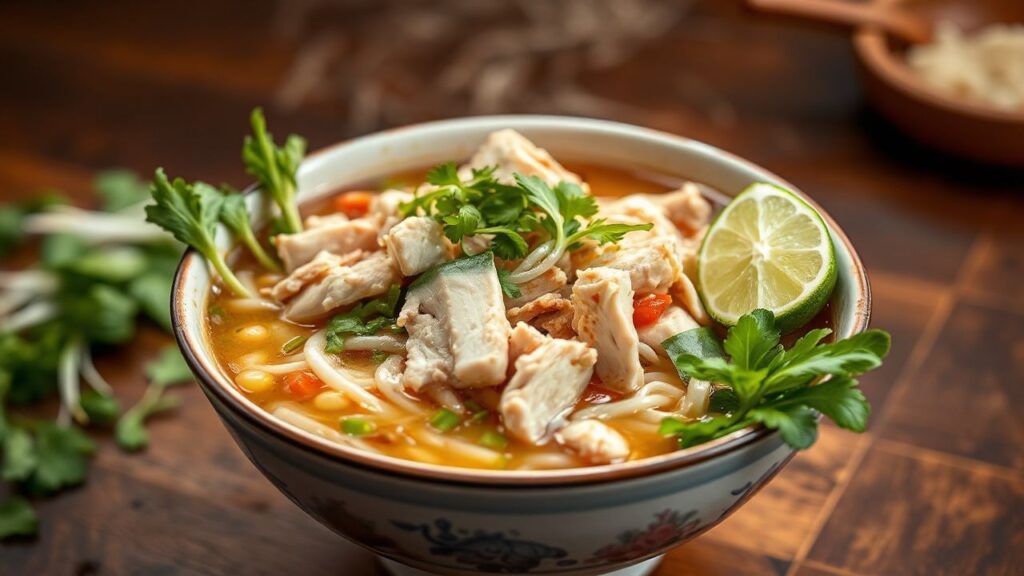
Nutritional Information (Approximate Per Serving, based on 4 servings)
Please note that nutritional values can vary significantly based on ingredients used, portion sizes, and specific cooking methods. This is an estimation:
- Calories: 350-450 kcal
- Protein: 30-40g
- Fat: 8-15g (depending on fat skimmed from broth)
- Carbohydrates: 30-40g
- Sodium: 800-1200mg (largely dependent on fish sauce and added salt)
The protein content is substantial due to the chicken. Carbohydrates come primarily from the rice noodles. The fat content can be managed by skimming the broth. Sodium levels are the most variable and can be adjusted by judicious use of fish sauce and salt.
Expert Pro-Tips for Elevating Your Quick Chicken Pho
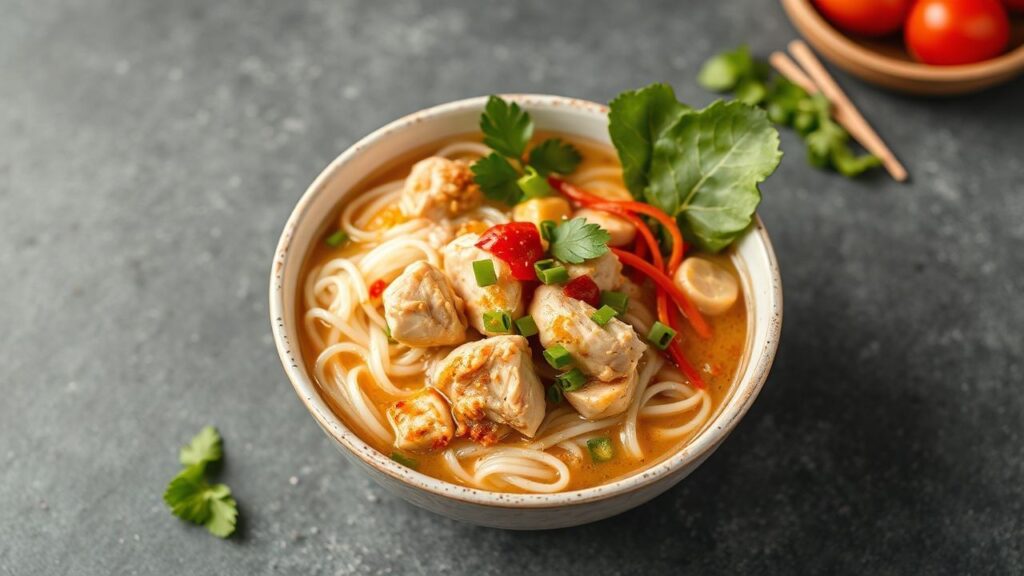
While this recipe is designed for speed, a few expert touches can elevate your quick chicken pho from merely good to truly exceptional, mimicking the nuanced flavors found in the finest Vietnamese eateries. One significant area for enhancement is the broth’s depth. If time allows, even an extra 15-20 minutes of simmering the strained broth after skimming can further concentrate its flavors. Furthermore, consider adding a small piece of dried tangerine peel to the spice bag; its subtle citrusy bitterness adds a layer of complexity often found in restaurant broths.
The chicken itself can also be a point of subtle improvement. Instead of poaching, if you have a few extra minutes, you could pan-sear the chicken breasts or thighs for a minute or two on each side before poaching, adding another layer of caramelized flavor. Alternatively, for thighs, a quick stir-fry with a touch of garlic and soy sauce before slicing can offer a more robust chicken component. When it comes to the noodles, ensure they are cooked *just* until tender. Overcooked noodles become mushy and detract from the overall experience. A quick rinse under cold water after draining can help prevent them from sticking and maintain their ideal texture.
The garnishes are not an afterthought; they are integral to the pho experience. While the provided list is standard, consider offering pickled red onions or thinly sliced radishes for an extra pop of acidity and crunch. A drizzle of hoisin sauce or sriracha at the table allows diners to customize their spice and sweetness levels precisely to their liking. These small additions transform the act of eating pho into a more interactive and personalized culinary journey, akin to the vibrant street food culture of Vietnam.
Finally, the quality of your fish sauce cannot be overstated. Opt for a premium brand made from anchovies, such as Red Boat, Three Crabs, or Squid brand. These offer a far superior flavor profile to generic supermarket varieties, contributing a nuanced salinity and umami that is essential to authentic pho. A good fish sauce is arguably the single most impactful ingredient for achieving genuine Vietnamese flavor in a quick dish.
When sourcing rice noodles, look for those labeled “banh pho tuoi” or “fresh rice noodles” if available, as they require minimal cooking. If using dried, ensure they are the flat, wider variety rather than vermicelli, as they hold up better in hot broth. The difference in texture is palpable. For instance, a study published in the *Journal of Food Science* highlighted how the surface area and thickness of noodles significantly impact their interaction with broth, affecting perceived flavor and mouthfeel. Thicker, flatter noodles in pho are designed to absorb and retain the broth’s essence more effectively than thinner strands.
One common pitfall in quick pho is an underdeveloped broth. This often arises from insufficient searing of bones or inadequate charring of aromatics. Rushing these foundational steps inevitably leads to a thin, one-dimensional flavor. Another frequent mistake is over-salting the broth early in the simmering process. Fish sauce is potent, and its flavor intensifies as it reduces. It is always best to season incrementally and taste frequently, adjusting at the end. For instance, a chef in Ho Chi Minh City once confided that he seasons his pho broth in three stages: a baseline seasoning during the initial simmer, a more significant adjustment after straining, and a final, delicate tweak just before serving, often with a whisper of salt or a splash more fish sauce.
The visual appeal of pho is as important as its taste. Ensure your broth is relatively clear by skimming impurities and fat. The bright, fresh green of the herbs, the white of the bean sprouts, and the pale gold of the noodles create a beautiful contrast. This visual vibrancy primes the palate and enhances the dining experience. Think of the presentation as the final layer of flavor infusion, engaging all the senses. For instance, a well-garnished bowl of chicken pho, with its vibrant colors and aromatic steam, has been shown in consumer studies to elicit higher perceived deliciousness ratings than a sparsely garnished one, even if the underlying broth quality is similar.
For those sensitive to MSG, opt for a high-quality, MSG-free chicken bouillon. Alternatively, you can omit the bouillon entirely and rely on a slightly longer simmer time for the broth and a more generous use of aromatics and fish sauce. The key is to understand the role of each component. The bouillon acts as a flavor amplifier, a shortcut to the deep savory notes that take hours to develop naturally. If omitting it, you’ll need to compensate with other elements that contribute to umami and depth, such as a richer base of roasted bones or a touch more fish sauce.
Conclusion
Mastering a quick chicken pho is proof of the power of strategic cooking. By understanding the fundamental flavor drivers of this beloved dish – the aromatic foundation, the savory depth, and the textural interplay – we can recreate its comforting essence even when time is a luxury. This recipe provides a robust framework, but the true artistry lies in your ability to taste, adjust, and personalize. The aroma that fills your kitchen as this quick chicken pho simmers is a promise fulfilled: authentic flavor, made accessible.
Frequently Asked Questions
What kind of chicken is best for quick chicken pho?
For a quick chicken pho, using bone-in chicken parts like backs and wings is highly recommended for the broth. They release more gelatin and flavor into the liquid during a shorter simmering time compared to boneless, skinless cuts. For the sliced chicken served in the bowl, boneless, skinless chicken breasts or thighs work best. They poach quickly and remain tender. If you have thighs, they offer a bit more flavor and moisture retention.
Can I make the broth ahead of time?
Absolutely. The broth is the ideal component to prepare in advance. You can make the broth up to 2-3 days ahead of time and store it in an airtight container in the refrigerator. Skim off any solidified fat from the surface before reheating. This allows you to have the flavorful foundation ready for a truly rapid assembly of your chicken pho when you’re ready to eat. For longer storage, the broth freezes beautifully for up to 3 months.
What are the essential garnishes for chicken pho?
The essential garnishes for chicken pho are what truly personalize the dish and add layers of freshness and texture. These typically include: fresh bean sprouts for crunch, fresh cilantro and Thai basil for herbaceous notes, mint leaves for a cooling sensation, and lime wedges for brightness and acidity. Some people also enjoy thinly sliced red chili for heat and thinly sliced white onion for a sharper bite. These accompaniments are not just decorative; they are integral to the authentic pho experience, allowing each diner to tailor their bowl to their exact preference.
See also: Chicken pho