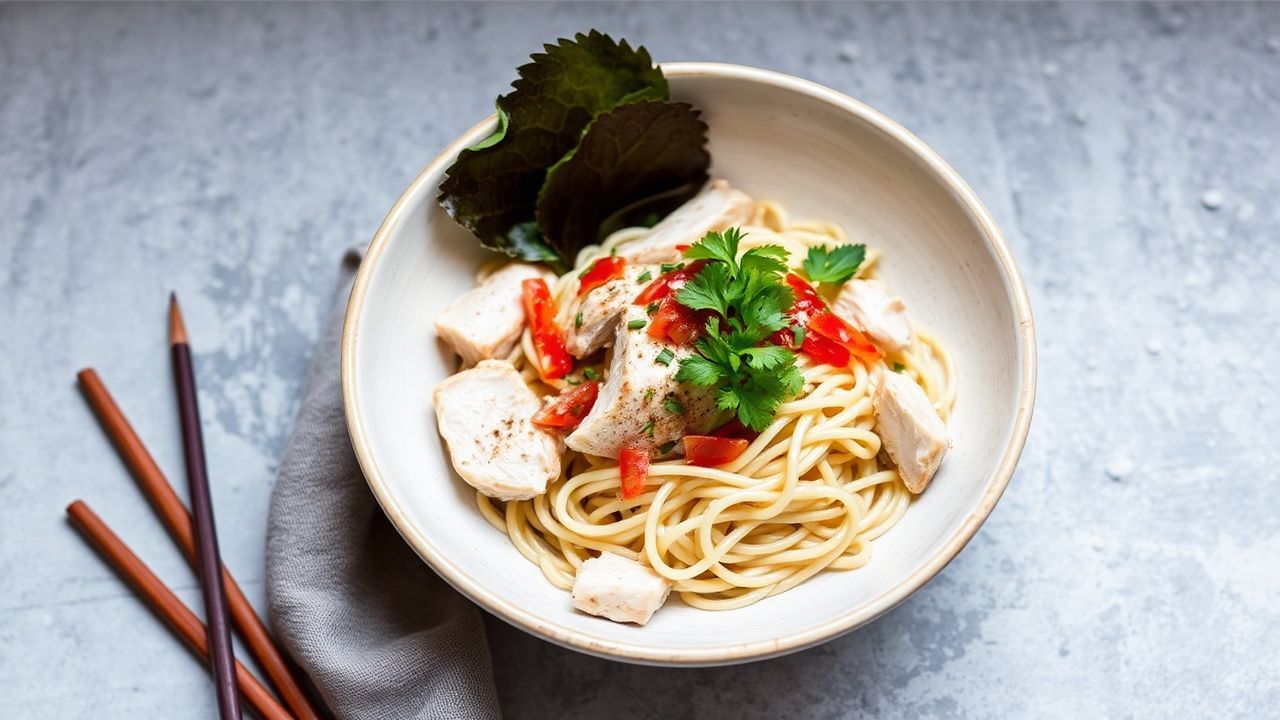

Chicken Salad: This classic comfort food, often relegated to picnic baskets and deli counters, is ripe for a global infusion. Forget the predictable celery and mayonnaise; we’re embarking on a culinary expedition that marries the familiar, creamy embrace of chicken salad with the vibrant, umami-rich depths of Asian flavors, all brought together by the delightful textural interplay of ramen noodles. This isn’t just a salad; it’s a symphony of textures and tastes, proof of how global influences can elevate even the most time-honored dishes.
- The Allure of Asian-Infused Chicken Salad with Ramen Noodles
- Crafting the Perfect Asian Chicken Salad with Ramen Noodles: The Recipe
- Ingredients
- Preparation Method
- 1. Cook the Chicken
- 2. Prepare the Ramen Noodles
- 3. Whisk Together the Dressing
- 4. Assemble the Salad
- 5. Garnish and Serve
- Nutritional Information (Approximate Per Serving)
- Expert Pro-Tips for Culinary Excellence
- Elevating the Chicken: Beyond Boiling and Baking
- Mastering the Noodle Texture
- Balancing the Dressing: The Art of Acidity and Sweetness
- Customization: Tailoring to Your Palate
- Frequently Asked Questions
- H2: Frequently Asked Questions
- H3: How can I make this chicken salad recipe vegetarian or vegan?
- H3: Can I prepare this Asian chicken salad ahead of time?
- H3: What are some good serving suggestions for this chicken salad beyond eating it plain?
- H3: How do I prevent the ramen noodles from becoming soggy in the salad?
At a Glance: Key Insights for Elevating Your Chicken Salad
* Global Fusion: Embrace Asian aromatics and sauces to transform a traditional chicken salad into something exciting and complex.
* Textural Harmony: The inclusion of ramen noodles adds a satisfying chew and a novel dimension, moving beyond the standard lettuce base.
* Ingredient Quality: Sourcing fresh, high-quality ingredients is paramount for unlocking the full flavor potential of this dish.
* Customization is Key: This recipe serves as a robust framework, encouraging personal adaptation to suit individual palates and pantry staples.
The genesis of this particular iteration of chicken salad lies in a moment of culinary serendipity, a quiet evening in my kitchen when inspiration struck, not from a glossy magazine spread, but from the lingering scent of toasted sesame oil and the sheer need for a meal that was both nourishing and exciting. I’d been contemplating the limitations of the Western chicken salad, its often one-dimensional flavor profile, and the persistent desire for something more dynamic. Simultaneously, a half-used packet of instant ramen sat on the counter, a humble yet potent symbol of Asian culinary quickness and depth. The idea was almost instantaneous: what if we could translate the creamy, comforting essence of chicken salad into an Asian idiom, integrating the satisfying bite of noodles? This led to the development of what I now consider a benchmark for modern, globally-inspired chicken salads.
The Allure of Asian-Infused Chicken Salad with Ramen Noodles
The traditional chicken salad, while beloved, can sometimes fall into a predictable pattern. Its reliance on mayonnaise and a limited range of complementary vegetables, though comforting, often lacks the complexity and vibrant energy found in many Asian cuisines. This dish seeks to rectify that by weaving in the intricate tapestry of flavors characteristic of East Asian cooking. We’re talking about the pungent kick of ginger, the sweet and savory balance of soy sauce, the nutty depth of sesame oil, and the bright, zesty notes of lime. These elements don’t merely sit alongside the chicken; they actively engage with it, creating a harmonious dialogue that is both familiar and thrillingly new.
The integration of ramen noodles is not merely a textural novelty; it’s a strategic choice that profoundly impacts the dish’s character. Unlike the often-mushy texture of overcooked pasta or the blandness of plain rice, ramen noodles, when cooked al dente, offer a delightful chewiness and a subtle, wheaty flavor that acts as a perfect vehicle for the dressing. They absorb the nuances of the sauce, becoming an integral part of the flavor profile rather than a mere accompaniment. This elevates the dish from a simple salad to a more substantial, satisfying meal, capable of standing on its own as a light lunch or a substantial appetizer.
Deconstructing the Flavor Profile: A Symphony of Umami and Zing
At its core, this Asian chicken salad with ramen noodles is about balance. The richness of the chicken and the creamy dressing is expertly counterpointed by the sharp, aromatic notes of fresh ginger and garlic. Soy sauce, a cornerstone of many Asian pantries, provides a foundational layer of umami, while a touch of rice vinegar or lime juice introduces a vital acidity that cuts through the richness, preventing the dish from becoming heavy. The subtle sweetness from a hint of honey or maple syrup rounds out the flavor profile, ensuring a complex, multi-layered experience with every bite.
Consider the subtle interplay between the creamy mayonnaise base and the pungent additions. A traditional chicken salad might feature a dollop of Dijon mustard for a mild bite. Here, however, we’re looking at minced garlic and grated ginger, ingredients that offer a more direct and invigorating heat, complemented by the salty depth of soy sauce. This isn’t just about adding flavor; it’s about creating a dynamic tension on the palate, where each component enhances the others without overpowering them. The result is a dish that is both sophisticated and deeply satisfying, proving that a chicken salad can indeed be a culinary adventure.
Crafting the Perfect Asian Chicken Salad with Ramen Noodles: The Recipe
This recipe is designed to be both accessible for the home cook and sophisticated enough to impress. It emphasizes fresh ingredients and offers clear instructions, allowing for a truly rewarding culinary experience.
Yields: 4 servings
Prep time: 25 minutes
Cook time: 15 minutes
Prep time: 25 minutes
Cook time: 15 minutes
Ingredients
For the Chicken:
- 2 boneless, skinless chicken breasts (approximately 400-500g or 14-18 oz)
- 1 tablespoon neutral oil (e.g., canola, grapeseed)
- Salt and freshly ground black pepper, to taste
For the Ramen Noodles:
- 2 packets (approximately 160-200g or 5.6-7 oz) dried ramen noodles (discard the seasoning packets)
- 1 tablespoon toasted sesame oil
For the Dressing:
- 1/2 cup (120ml) good quality mayonnaise
- 2 tablespoons soy sauce (low sodium recommended)
- 1 tablespoon rice vinegar (or fresh lime juice)
- 1 tablespoon toasted sesame oil
- 1-2 teaspoons honey or maple syrup (adjust to taste)
- 1 teaspoon grated fresh ginger
- 1 clove garlic, minced
- 1/4 teaspoon red pepper flakes (optional, for a touch of heat)
For the Mix-ins and Garnish:
- 1/2 cup (approx. 75g) finely diced red bell pepper
- 1/4 cup (approx. 30g) thinly sliced scallions (green parts mostly)
- 1/4 cup (approx. 30g) chopped fresh cilantro
- 2 tablespoons toasted sesame seeds
- Optional additions: shredded carrots, edamame, chopped peanuts, diced cucumber
Preparation Method
1. Cook the Chicken
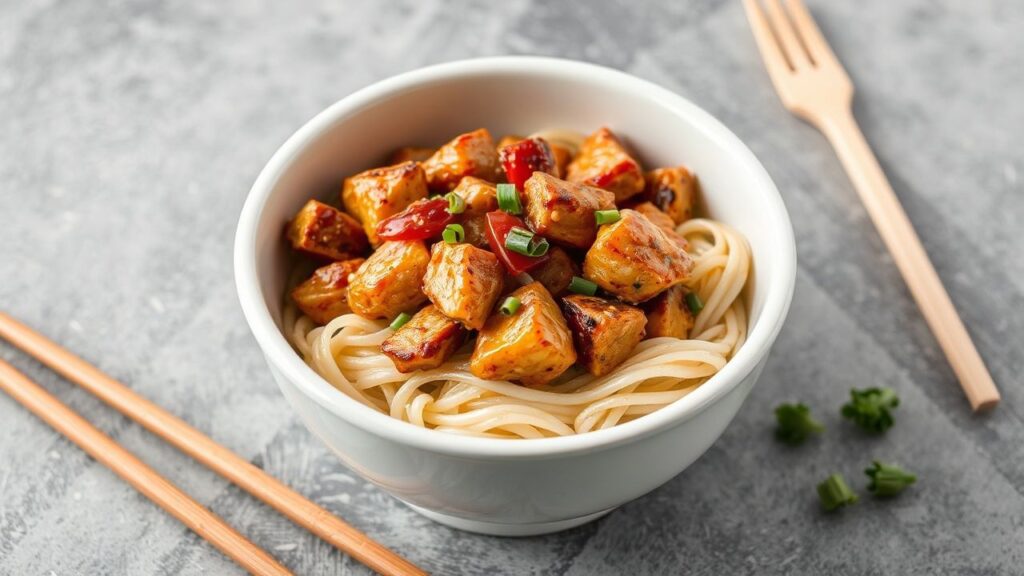
Pat the chicken breasts dry with paper towels. Season generously with salt and freshly ground black pepper. Heat the neutral oil in a skillet over medium-high heat. Once the oil is shimmering, add the chicken breasts and sear for 4-5 minutes per side, until golden brown and cooked through. The internal temperature should reach 74°C (165°F). Remove the chicken from the skillet and let it rest on a cutting board for at least 5 minutes before shredding or dicing it into bite-sized pieces. This resting period is crucial for ensuring the chicken remains moist and tender.
Alternatively, for a quicker method, you can poach the chicken breasts in simmering water or broth until cooked through, then proceed with shredding. For an even deeper flavor, consider grilling or roasting the chicken. The key is to ensure the chicken is thoroughly cooked and then allowed to cool slightly before incorporation into the salad to prevent it from “cooking” the mayonnaise.
2. Prepare the Ramen Noodles
Bring a pot of water to a rolling boil. Add the ramen noodles and cook according to package directions, being careful not to overcook them. We are aiming for an al dente texture, with a slight resistance to the bite. Overcooked noodles will become mushy and detract from the dish’s textural appeal. Once cooked, drain the noodles thoroughly in a colander.
Immediately toss the hot, drained noodles with 1 tablespoon of toasted sesame oil. This not only adds a beautiful sheen and toasted aroma but also helps prevent the noodles from clumping together as they cool. Set aside.
3. Whisk Together the Dressing
In a medium bowl, combine the mayonnaise, soy sauce, rice vinegar (or lime juice), toasted sesame oil, honey (or maple syrup), grated ginger, minced garlic, and red pepper flakes (if using). Whisk vigorously until the dressing is smooth, creamy, and well emulsified. Taste and adjust seasonings as needed. If you prefer a tangier dressing, add a little more rice vinegar or lime juice. For a touch more sweetness, add a touch more honey.
This dressing is the soul of the dish. The quality of your mayonnaise will significantly impact the final flavor, so opt for a brand you enjoy. The balance of soy sauce, vinegar, and sweetener is critical; it should be a harmonious blend of savory, sour, and sweet, with the ginger and garlic providing aromatic depth. Don’t be afraid to experiment with the spice level to suit your preference.
4. Assemble the Salad
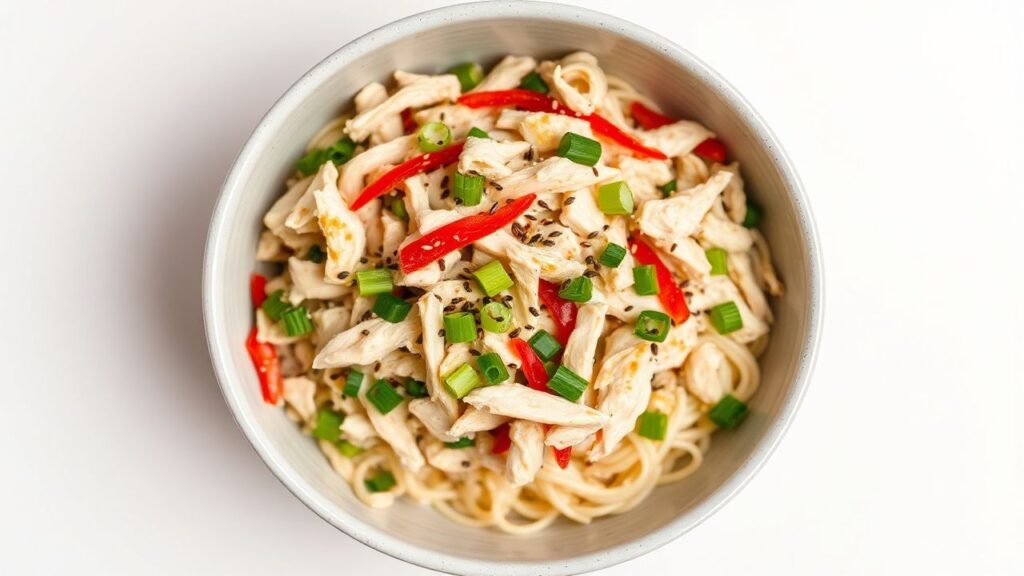
In a large mixing bowl, combine the shredded or diced chicken, the prepared ramen noodles, diced red bell pepper, sliced scallions, and chopped cilantro. Pour about two-thirds of the dressing over the mixture. Gently toss everything together until all the ingredients are evenly coated. Add more dressing, a tablespoon at a time, until the salad reaches your desired consistency. You want it to be creamy and flavorful, but not swimming in dressing.
Consider the textural elements at this stage. The crispness of the bell pepper and the fresh bite of the scallions provide essential crunch against the tender chicken and chewy noodles. If incorporating optional additions like shredded carrots or edamame, add them now. The goal is a vibrant medley of colors and textures that promises an engaging eating experience.
5. Garnish and Serve
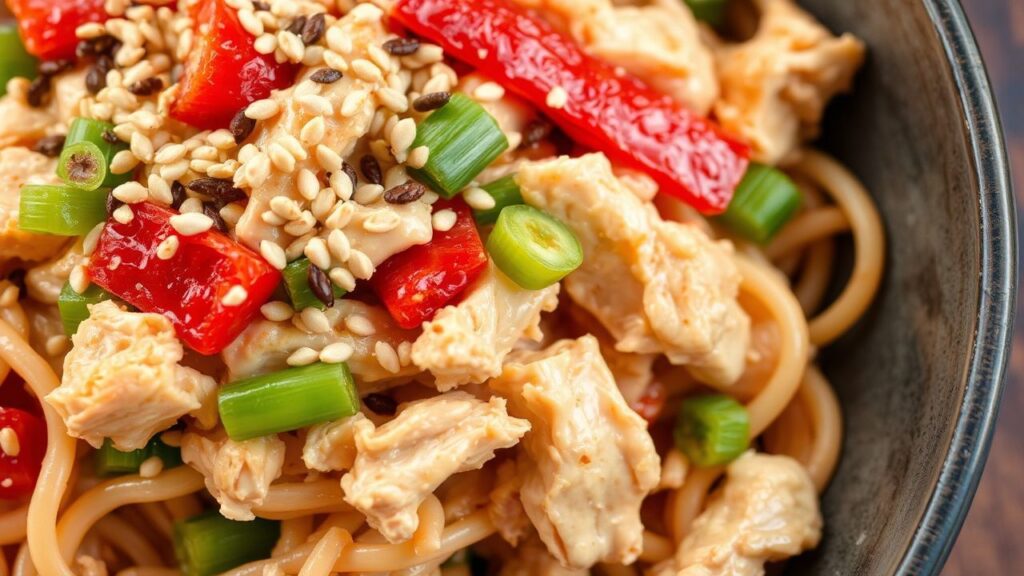
Transfer the chicken salad to a serving bowl or individual plates. Sprinkle generously with toasted sesame seeds. If desired, add a few extra cilantro leaves or thin slices of scallion for visual appeal. This Asian chicken salad with ramen noodles can be served immediately at room temperature, or chilled for at least 30 minutes to allow the flavors to meld further.
Serve this dish in various ways: as a stand-alone meal, scooped into lettuce cups for a lighter option, or alongside a crisp green salad. The versatility of this chicken salad makes it a compelling choice for a variety of dining occasions, from casual lunches to elegant potluck contributions.
Nutritional Information (Approximate Per Serving)
- Calories: 450-550 kcal (depending on mayonnaise and chicken fat content)
- Protein: 30-35g
- Fat: 25-35g (Saturated Fat: 5-8g)
- Carbohydrates: 20-25g
- Fiber: 2-4g
- Sodium: 800-1200mg (highly dependent on soy sauce used)
Keep in mind that these are approximate values. The exact nutritional content will vary based on the specific brands of ingredients used, particularly the mayonnaise and soy sauce. Opting for low-sodium soy sauce and a reduced-fat mayonnaise can significantly alter these figures.
Expert Pro-Tips for Culinary Excellence
Elevating the Chicken: Beyond Boiling and Baking
While poaching or baking chicken is perfectly acceptable, consider infusing it with more flavor before it even hits the salad. Marinating chicken breasts in a mixture of soy sauce, ginger, garlic, and a touch of sesame oil for at least 30 minutes before cooking adds a profound depth. Grilling the chicken imparts a smoky char that complements the Asian flavors beautifully. For an extra layer of texture and flavor, you could even use leftover rotisserie chicken, ensuring it’s shredded or diced into uniform pieces.
A lesser-known technique for incredibly tender chicken involves sous vide. Cooking chicken breasts sous vide at 63°C (145°F) for 1-2 hours yields an impossibly moist and tender result, perfect for shredding. This method ensures even cooking and retains moisture, making it an ideal foundation for a premium chicken salad.
Mastering the Noodle Texture
The key to perfect ramen noodles in a salad is al dente. They should retain a slight chewiness, a satisfying resistance that contrasts with the softer ingredients. Overcooked ramen will turn gummy and absorb too much dressing, diminishing their textural contribution. Always cook them for precisely the time indicated on the package, or even a minute less, and shock them in cold water immediately after draining to halt the cooking process.
Experiment with different types of ramen noodles. While standard instant ramen works well, consider using fresh ramen noodles from an Asian grocery store for a superior texture and flavor. The thickness and chewiness can vary, offering a different sensory experience. Regardless of the type, rinsing them in cold water after cooking is non-negotiable for achieving the desired texture in a cold salad.
The integration of ramen noodles brings a unique textural dimension, a delightful chew that is a departure from the usual soft ingredients found in traditional chicken salad. This contrast is what makes the dish so engaging. Imagine the slight resistance of the noodle against the yielding chicken and the crisp vegetables – it’s a multi-sensory experience that keeps your palate intrigued.
Balancing the Dressing: The Art of Acidity and Sweetness
The dressing is where the magic truly happens. It needs to be vibrant and well-balanced. Don’t be afraid to taste and adjust. The interplay between the creamy mayonnaise, the salty soy sauce, the tangy vinegar, and the sweet honey is crucial. A common pitfall is an overly sweet or overly sour dressing. Strive for harmony. If the dressing tastes too sharp, add a touch more honey or mayonnaise. If it tastes too bland or heavy, a little more rice vinegar or lime juice will perk it up.
For those seeking an even more complex flavor profile, consider incorporating a small amount of sriracha or gochujang into the dressing for a subtle, fermented chili heat. A teaspoon of peanut butter can also add a luxurious creaminess and nutty undertone, leaning into Southeast Asian influences. The goal is to create a dressing that is not just a binder, but a flavorful component in its own right, enhancing every element it touches.
Customization: Tailoring to Your Palate
This recipe is a robust starting point, but the beauty of a chicken salad lies in its adaptability. Feel free to experiment with different vegetables. Finely diced cucumber adds a refreshing crunch and coolness. Edamame offers a pop of green and a protein boost. Shredded carrots contribute sweetness and vibrant color. For a bit of crunch and healthy fat, chopped peanuts or cashews are excellent additions. The key is to ensure your additions are cut into bite-sized pieces that integrate well with the chicken and noodles.
Consider the aromatic profile. While ginger and garlic are standard, you could also add a touch of finely minced lemongrass for a citrusy, floral note, or a pinch of five-spice powder for a more complex, warm spice blend. The possibilities are endless, allowing you to craft a signature chicken salad that perfectly reflects your culinary preferences.
Frequently Asked Questions
H2: Frequently Asked Questions
H3: How can I make this chicken salad recipe vegetarian or vegan?
To create a vegetarian version, replace the chicken with firm or extra-firm tofu. Press the tofu to remove excess water, then dice it into bite-sized cubes and pan-fry or bake until golden and slightly crispy. For a vegan adaptation, ensure you use a vegan mayonnaise and opt for tofu or a plant-based chicken substitute. The rest of the recipe, including the ramen noodles and dressing, can remain largely the same, using the vegan mayonnaise as the base.
H3: Can I prepare this Asian chicken salad ahead of time?
Yes, you can prepare most components ahead of time. The chicken can be cooked and shredded a day in advance and stored in an airtight container in the refrigerator. The dressing can also be made separately and stored. It’s best to cook and prepare the ramen noodles closer to serving time to ensure optimal texture, as they can become slightly gummy if dressed and refrigerated for too long. Assemble the salad with the noodles and other mix-ins just before serving, or up to a few hours in advance for best results, reserving some of the garnish for a fresh finish.
H3: What are some good serving suggestions for this chicken salad beyond eating it plain?
This versatile chicken salad can be served in numerous ways. It’s excellent spooned into crisp lettuce cups (such as butter lettuce or romaine) for a refreshing, low-carb option. You can also serve it on toasted brioche buns or croissants for a more indulgent sandwich. For a lighter meal, pair it with a simple side salad of mixed greens or a clear vegetable broth. It also makes a fantastic filling for wraps or can be served with crackers for a delightful appetizer.
H3: How do I prevent the ramen noodles from becoming soggy in the salad?
The key to preventing soggy noodles lies in proper cooking and preparation. Cook the ramen noodles strictly al dente, ensuring they retain a slight chewiness. Immediately after draining, toss them with toasted sesame oil. This oil coating helps to create a barrier, preventing them from absorbing too much dressing and becoming mushy. It’s also advisable to add the dressing to the salad just before serving, or at most, a few hours in advance if chilling is required, rather than letting it sit overnight with the noodles.
See also: Chicken Salad