
The Unassuming Powerhouse: Elevating the Humble Chickpea Curry with Spinach
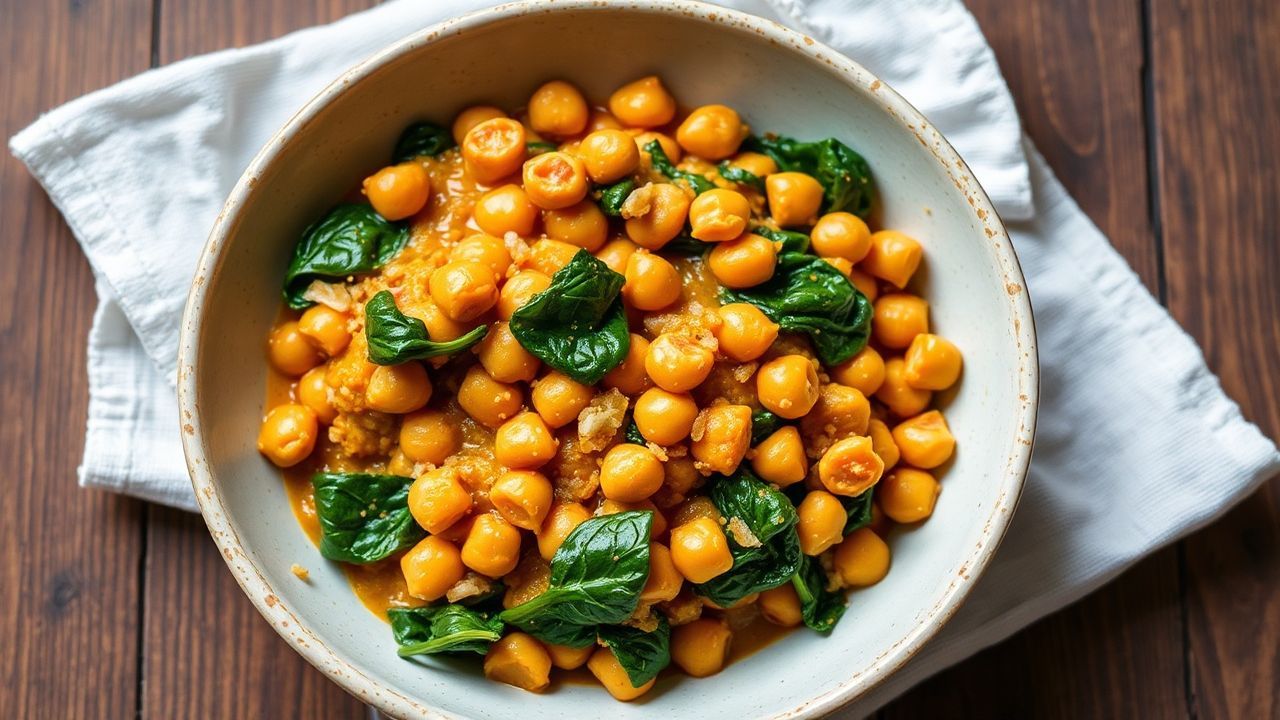
The notion that a truly satisfying, complex, and deeply flavorful meal must be built upon a foundation of animal products is a culinary prejudice. For too long, dishes like vegan chickpea curry with spinach have been relegated to the periphery, dismissed as mere “diet food” or a last-resort option for the uninspired. This perspective diminishes the inherent deliciousness and nutritional density of plant-based ingredients and ignores centuries of culinary tradition that have championed legumes and vegetables as the stars of the plate. A well-executed chickpea curry, particularly when imbued with the vibrant freshness of spinach, can stand toe-to-toe with any rich, meat-laden stew, offering a symphony of textures, aromas, and tastes that are both grounding and exhilarating. It’s a dish that whispers tales of ancient spice routes and speaks volumes about the ingenuity of cooks who have mastered the art of coaxing profound flavor from the simplest pantry staples.
- The Unassuming Powerhouse: Elevating the Humble Chickpea Curry with Spinach
- The Anatomy of Flavor: Essential Ingredients for Your Chickpea Curry
- The Foundation: Aromatics and Spices
- The Stars: Legumes and Greens
- The Unifying Element: Liquids and Creaminess
- The Finishing Touches: Freshness and Brightness
- The Art of Assembly: A Step-by-Step Guide to Perfect Chickpea Curry
- Step 1: Building the Aromatic Base
- Step 2: Blooming the Spices
- Step 3: Developing the Sauce
- Step 4: Simmering for Depth
- Step 5: Introducing Creaminess and Greens
- Step 6: The Final Flourish
- Step 7: Serving
- Nutritional Profile: A Verdant Feast for the Body
- Expert Insights: Elevating Your Chickpea Curry to Restaurant Caliber
- The Art of Blooming Spices
- Texture is Key: The Role of Chickpea Preparation
- Layering Flavors with Umami Boosters
- The Power of Acidity and Freshness
- Beyond the Base: Variations to Explore
- Conclusion: A Culinary Triumph of Simplicity
- Frequently Asked Questions About Chickpea Curry
At a Glance: make the most of Chickpea Curry
- Flavor Complexity from Simplicity: The magic lies in layering aromatics and spices, transforming humble chickpeas and spinach into a sophisticated dish.
- Nutritional Fortitude: This chickpea curry is a potent source of plant-based protein, fiber, iron, and essential vitamins, making it a truly wholesome meal.
- Culinary Canvas: Its inherent adaptability allows for endless variations, from regional spice profiles to textural additions, making it a perpetual source of culinary discovery.
- Accessibility and Sustainability: Utilizing readily available, affordable ingredients, this dish champions both economic and environmental responsibility in the kitchen.
The journey of the chickpea, *Cicer arietinum*, is proof of its enduring appeal. Originating in the Fertile Crescent, its cultivation dates back over 7,500 years, making it one of humanity’s earliest domesticated crops. From the ancient kitchens of the Middle East to the bustling street food stalls of India and the vibrant home cooking of the Mediterranean, the chickpea has consistently proven its versatility. When paired with the nutrient-rich, leafy embrace of spinach, a dish emerges that is not only a delight to the palate but also a nutritional powerhouse. This vegan chickpea curry with spinach is more than just a recipe; it’s an edible narrative, a bridge connecting ancient agricultural wisdom with contemporary culinary desires for health, flavor, and ethical eating.
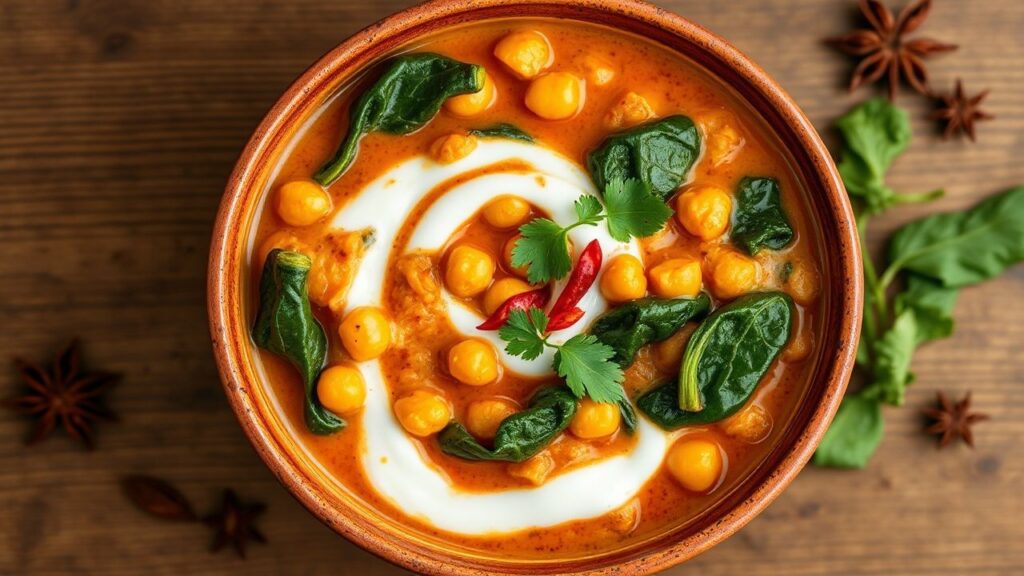
The Anatomy of Flavor: Essential Ingredients for Your Chickpea Curry
Crafting an exceptional chickpea curry with spinach is an exercise in thoughtful ingredient selection and judicious application of technique. It’s about understanding how each component contributes to the final mosaic of taste and texture. While the core elements are straightforward, their quality and preparation can elevate the dish from merely good to truly unforgettable.
The Foundation: Aromatics and Spices
The soul of any great curry lies in its aromatic base and the harmonious blend of spices. For this vegan chickpea curry, we’ll build depth from the ground up.
- Onions: 1 large (approx. 200g), finely chopped. Yellow or red onions work well, providing a sweet, pungent base.
- Garlic: 4-6 cloves, minced. Fresh garlic is essential for its pungent, savory notes.
- Ginger: A 2-inch piece (approx. 30g), grated or finely minced. Its zesty warmth is crucial for balancing the richness.
- Tomatoes: 1 can (400g) of crushed or diced tomatoes. These provide acidity and a liquid base for the sauce. Using high-quality San Marzano tomatoes, if available, will yield a sweeter, less acidic flavor profile.
- Neutral Oil: 2-3 tablespoons (30-45ml). Grapeseed, canola, or sunflower oil are excellent choices. For a richer undertone, a light olive oil can be used, though it may impart a slightly different character.
The spice blend is where the personality of the chickpea curry truly shines. Aim for a balanced profile that offers warmth, earthiness, and a hint of piquancy.
- Ground Cumin: 1.5 teaspoons. Its warm, earthy aroma is fundamental.
- Ground Coriander: 1 teaspoon. Adds a citrusy, slightly floral note.
- Turmeric Powder: 1 teaspoon. Imparts a vibrant golden hue and subtle peppery, earthy flavor.
- Garam Masala: 1 teaspoon (added towards the end). This complex blend of ground spices (often including cinnamon, cardamom, cloves, and black pepper) adds a final layer of warmth and aromatic complexity.
- Cayenne Pepper or Red Chili Flakes: ½ teaspoon, or to taste. For a gentle kick. Adjust according to your heat preference.
- Salt: To taste, starting with 1 teaspoon.
The Stars: Legumes and Greens
The humble chickpea, when cooked to perfection, offers a delightful creamy texture and a subtly nutty flavor that absorbs the surrounding spices beautifully.
- Chickpeas: 2 cans (400g each), drained and rinsed, or 3 cups (approx. 500g) cooked from dried. Using dried chickpeas, soaked overnight and then simmered until tender, offers a superior texture and flavor, but canned is a convenient alternative.
- Fresh Spinach: 200-250g, washed thoroughly. Baby spinach wilts quickly and integrates seamlessly, while larger spinach leaves can be roughly chopped.
The Unifying Element: Liquids and Creaminess
A rich, luscious sauce is paramount to a truly satisfying curry. This is where the liquid components and creamy additions play their vital role.
- Vegetable Broth: 1 cup (240ml). A good quality vegetable broth will enhance the savory depth.
- Full-Fat Coconut Milk: 1 can (400ml). This is the secret to achieving that luxurious, creamy texture that coats the palate and rounds out the spicier elements. Opt for full-fat for the best results.
The Finishing Touches: Freshness and Brightness
These final additions are not mere garnishes; they are integral to balancing the richness and adding layers of complexity.
- Fresh Cilantro: A generous handful, chopped, for garnish. Its bright, herbaceous notes cut through the richness.
- Lemon or Lime Juice: 1-2 tablespoons, freshly squeezed. The acidity brightens all the flavors and adds a final flourish of freshness.
The Art of Assembly: A Step-by-Step Guide to Perfect Chickpea Curry
The preparation of this vegan chickpea curry with spinach is a methodical process, designed to coax the maximum flavor from each ingredient. Precision in technique ensures a harmonious blend of tastes and textures.
Step 1: Building the Aromatic Base
Heat the neutral oil in a large, heavy-bottomed pot or Dutch oven over medium heat. Add the chopped onions and sauté, stirring occasionally, until they are softened and translucent, approximately 6-8 minutes. This slow sautéing process caramelizes the onions, developing a foundational sweetness.
Next, add the minced garlic and grated ginger to the pot. Sauté for another 1-2 minutes until fragrant, taking care not to burn them. Burnt garlic can impart a bitter, unpleasant taste.
Step 2: Blooming the Spices
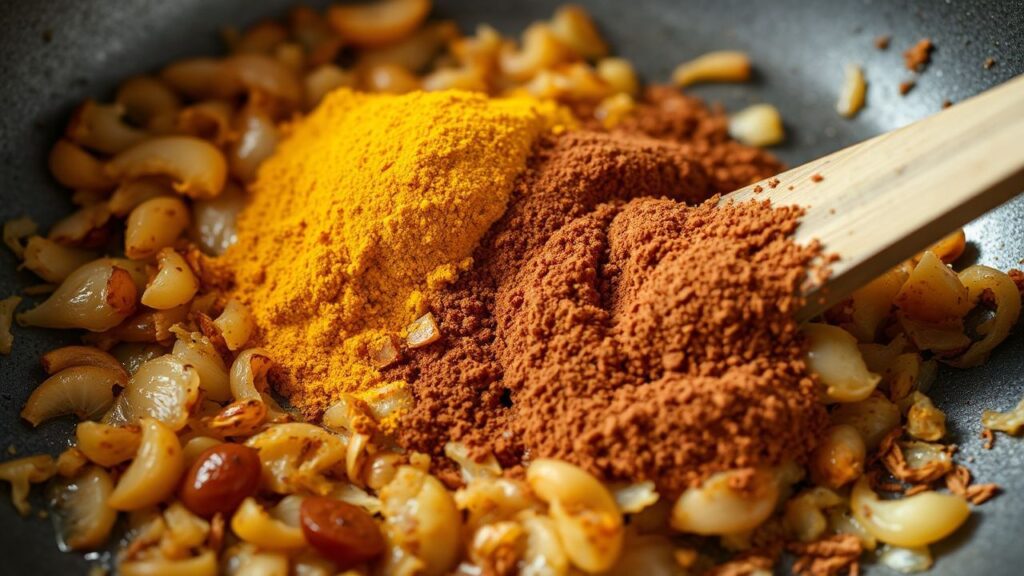
Reduce the heat to low and add the ground cumin, ground coriander, turmeric powder, and cayenne pepper (or chili flakes) to the pot. Stir continuously for about 30-60 seconds, allowing the spices to bloom in the hot oil. This process releases their volatile oils, intensifying their aroma and flavor.
Step 3: Developing the Sauce
Pour in the crushed or diced tomatoes. Increase the heat to medium and bring the mixture to a gentle simmer, scraping the bottom of the pot to incorporate any spices that may have stuck. Cook for 5-7 minutes, allowing the tomatoes to break down and meld with the aromatics and spices, forming a rich paste.
Add the drained and rinsed chickpeas and the vegetable broth to the pot. Stir well, ensuring the chickpeas are fully submerged in the liquid. Bring the mixture back to a simmer.
Step 4: Simmering for Depth
Cover the pot and reduce the heat to low. Let the curry simmer gently for at least 15-20 minutes. This allows the flavors to meld and deepen, and for the chickpeas to absorb the savory sauce. For an even richer flavor, simmer it for up to 30 minutes.
Step 5: Introducing Creaminess and Greens
Stir in the full-fat coconut milk. Bring the curry back to a gentle simmer, but avoid boiling vigorously, as this can cause the coconut milk to separate.
Add the fresh spinach to the pot, a handful at a time if necessary, stirring it into the hot curry. The spinach will wilt quickly within 2-3 minutes.
Step 6: The Final Flourish
Stir in the garam masala and season with salt to taste. Taste the curry and adjust seasonings as needed. If it lacks brightness, add a squeeze of fresh lemon or lime juice. If it’s too thick, add a splash more vegetable broth or water.
Step 7: Serving
Ladle the vegan chickpea curry with spinach into serving bowls. Garnish generously with freshly chopped cilantro. Serve hot with steamed basmati rice, naan bread, or your favorite grain.
Nutritional Profile: A Verdant Feast for the Body
This vegan chickpea curry with spinach is not only a culinary delight but also a nutritional powerhouse. Each serving delivers a substantial amount of essential macronutrients and micronutrients, making it an excellent choice for a balanced and healthy diet.
- Serving Size: Approximately 1.5 cups
- Calories: ~350-400 kcal (varies based on exact quantities and brands of ingredients)
- Protein: ~12-15g
- Fiber: ~10-12g
- Fat: ~15-20g (primarily from coconut milk, with healthy fats from oil)
- Saturated Fat: ~10-14g (from coconut milk)
- Carbohydrates: ~30-35g
- Vitamins: Rich in Vitamin A (from spinach), Vitamin C, Vitamin K, Folate, and B vitamins.
- Minerals: Excellent source of Iron (especially from spinach and chickpeas), Potassium, Magnesium, and Manganese.
The fiber content, derived from both chickpeas and spinach, is particularly noteworthy. A single serving can contribute significantly to daily fiber intake, aiding digestion, promoting satiety, and helping to regulate blood sugar levels. The iron content, often a concern for those following plant-based diets, is substantial, especially when paired with vitamin C-rich ingredients like tomatoes and lemon juice, which enhance iron absorption.
Expert Insights: Elevating Your Chickpea Curry to Restaurant Caliber
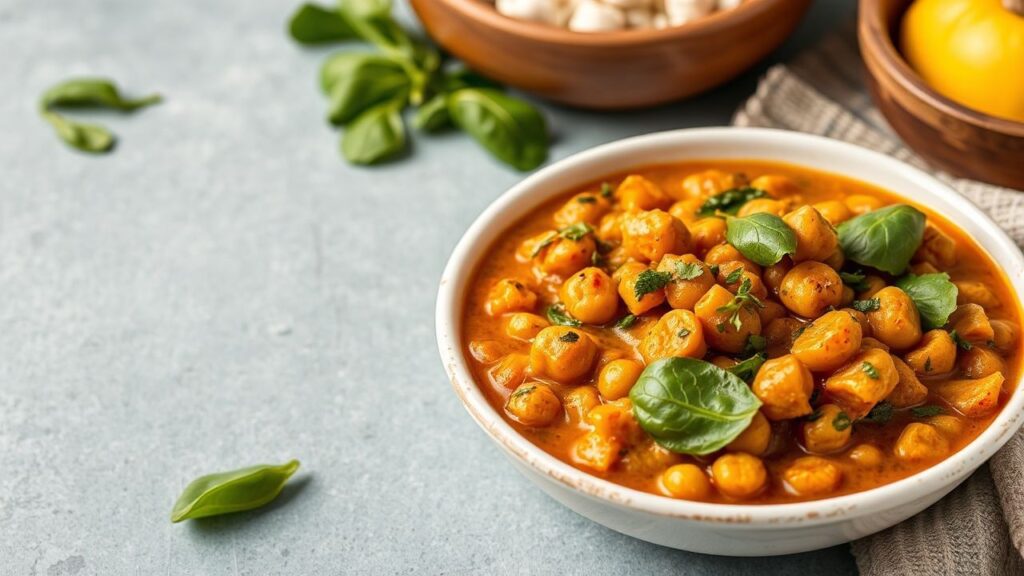
While the basic recipe is inherently satisfying, a few nuanced techniques and thoughtful additions can transform your homemade vegan chickpea curry with spinach into something truly exceptional, worthy of the finest tables. These are the subtle shifts that speak to a deeper understanding of flavor development and ingredient synergy.
The Art of Blooming Spices
Don’t rush the blooming of the spices. This crucial step, where ground spices are gently toasted in oil, unlocks their essential oils and deepens their flavor profile. Ensure your heat is low to medium-low during this phase to prevent burning, which can introduce bitterness. Aim for a fragrant aroma that fills your kitchen – that’s your signal that the spices are ready to impart their magic.
Texture is Key: The Role of Chickpea Preparation
While canned chickpeas are convenient, if you have the time, cooking dried chickpeas from scratch yields a superior texture. They tend to be firmer yet creamier, with a more nuanced flavor that integrates better into the curry. If using canned, rinsing them thoroughly is essential to remove the briny liquid that can otherwise interfere with the curry’s flavor. For an extra textural element, consider lightly pan-frying or roasting half of the drained chickpeas until slightly golden before adding them to the curry during the last 10 minutes of simmering. This introduces a delightful textural contrast.
Layering Flavors with Umami Boosters
To deepen the savory (umami) notes of your vegan chickpea curry, consider incorporating ingredients like a teaspoon of nutritional yeast or a tablespoon of tomato paste sautéed with the onions. A dash of soy sauce or tamari, added towards the end of cooking, can also provide a subtle savory boost without overtly altering the curry’s character.
The Power of Acidity and Freshness
The final squeeze of lemon or lime juice is not optional; it’s a critical component. Acidity cuts through the richness of the coconut milk and spices, brightening the entire dish and making the flavors pop. Similarly, a generous garnish of fresh cilantro adds a burst of herbaceous freshness that contrasts beautifully with the warm, comforting curry. Don’t be shy with these finishing touches.
Beyond the Base: Variations to Explore
This foundational chickpea curry with spinach is a versatile canvas. Consider adding other vegetables like diced sweet potatoes, cauliflower florets, or bell peppers during the simmering stage for added texture and nutritional complexity. For a spicier rendition, incorporate a whole green chili (slit lengthwise) during the simmering phase, removing it before serving if you wish to temper the heat. Experiment with different spice blends, such as adding a pinch of smoked paprika for a subtle smoky undertone or a touch of fenugreek for a slightly bitter, maple-like aroma.
Conclusion: A Culinary Triumph of Simplicity
The vegan chickpea curry with spinach stands as proof of the profound flavors that can be coaxed from the earth’s bounty. It’s a dish that nourishes the body and soul, offering comfort, satisfaction, and a vibrant explosion of taste. Its accessibility, affordability, and impressive nutritional profile make it an indispensable staple in any modern kitchen, whether you are a committed vegan or simply seeking to embrace more plant-forward meals. By understanding the interplay of aromatics, spices, and textures, and by employing a few expert techniques, you can transform this seemingly simple dish into a culinary triumph that will delight and impress. This is not just a recipe; it’s an invitation to explore the boundless potential of plant-based cuisine, proving that the most exquisite flavors often arise from the humblest of ingredients.
Frequently Asked Questions About Chickpea Curry
FAQ: Your Questions About Chickpea Curry Answered
Can I make chickpea curry ahead of time?
Absolutely. In fact, chickpea curry often tastes even better the next day, as the flavors have more time to meld and deepen. Allow the curry to cool completely before transferring it to an airtight container and refrigerating. It can be stored in the refrigerator for up to 3-4 days. When reheating, gently warm it on the stovetop over low heat, adding a splash of water or vegetable broth if it seems too thick. Avoid microwaving for extended periods, as this can sometimes alter the texture of the chickpeas and sauce.
What are the best serving suggestions for chickpea curry?
The versatility of chickpea curry with spinach lends itself to a variety of accompaniments. The most classic pairing is with steamed basmati rice, which provides a neutral, fluffy base to soak up the flavorful sauce. Naan bread or roti are also excellent choices for scooping up the curry. For a lighter option, consider serving it with quinoa or couscous. If you’re looking for a complete meal, a side of raita (a cooling yogurt-based condiment, or a vegan alternative using plant-based yogurt) can offer a refreshing contrast to the warmth of the curry. A simple side salad with a zesty vinaigrette also complements the richness of the dish beautifully.
How can I make my chickpea curry spicier or milder?
Adjusting the heat level of your chickpea curry is straightforward. To make it spicier, increase the amount of cayenne pepper or red chili flakes. You can also add a fresh green chili (slit lengthwise) during the simmering stage for a more potent heat, or a pinch of chili powder for a deeper, more complex heat. For a milder curry, reduce or omit the cayenne pepper and chili flakes entirely. If you accidentally make it too spicy, you can temper the heat by adding more coconut milk, a touch of sugar or maple syrup to balance the spice, or a dollop of vegan yogurt or sour cream upon serving.
Are there any substitutions for spinach in this chickpea curry?
While spinach is ideal for its quick wilting and nutrient profile, several other leafy greens can be used as substitutes in your chickpea curry. Kale is a robust option; however, it requires longer cooking to become tender. Roughly chop the kale and add it earlier in the simmering process, perhaps after the tomatoes have cooked down. Swiss chard is another excellent choice, offering a slightly earthier flavor. Remove the tough stems and chop the leaves, adding them during the last 10-15 minutes of simmering. Collard greens, similar to kale, will require longer cooking. For a quicker wilting green, arugula can be used, but it will impart a peppery note, so use it sparingly and add it right at the end.
See also: Chickpea curry