
The Humble Grain Elevated: Why Seven-Vegetable Couscous Transcends Mere Sustenance
The notion that couscous is merely a side dish, a bland canvas for more assertive flavours, is a profound misunderstanding of its potential. Far from being a mere grain, couscous, particularly in its majestic seven-vegetable iteration, is the very soul of a Moroccan feast, proof of culinary artistry that has been perfected over centuries. This is not a dish to be rushed; it is an experience, a vibrant tapestry woven from the earth’s bounty, simmered to harmonious perfection. To approach it as anything less is to miss the profound cultural and gastronomic significance it holds. The seven vegetables are not arbitrary additions; they are a carefully curated ensemble, each playing a vital role in creating a flavour profile that is both complex and comforting, a culinary dialogue between the sweet, the savoury, the earthy, and the bright.
- The Humble Grain Elevated: Why Seven-Vegetable Couscous Transcends Mere Sustenance
- At a Glance: The Essence of Seven-Vegetable Couscous
- The Anatomy of Abundance: Understanding the Seven Vegetables
- Crafting the Culinary Masterpiece: The Authentic Seven-Vegetable Couscous Recipe
- Nutritional Insights: A Wholesome and Nourishing Bowl
- Expert Insights and Pro-Cautions: Elevating Your Couscous Game
- Frequently Asked Questions
- What are the essential spices for Moroccan seven-vegetable couscous?
- Can I make seven-vegetable couscous vegetarian or vegan?
- How do I ensure my couscous grains are light and fluffy, not clumpy?
At a Glance: The Essence of Seven-Vegetable Couscous
- A Culinary Cornerstone: More than a dish, it’s a cultural icon of Moroccan hospitality and communal dining.
- The Seven Vegetables: A deliberate selection, each contributing unique texture, flavour, and colour, creating a balanced and rich stew.
- The Art of the Broth: The foundation of the dish, a deeply flavourful, slow-simmered broth infused with aromatics and spices, is paramount.
- Perfectly Steamed Couscous: The fluffy, distinct grains are the ideal vehicle for absorbing the rich stew, a marriage of textures.
The origins of couscous are shrouded in the mists of time, with its roots tracing back to North Africa, likely originating in Algeria or Morocco around the 10th century. It emerged as a practical and ingenious way to process durum wheat, transforming a humble staple into a versatile ingredient. The traditional method of preparing couscous involves rolling semolina flour with water and salt by hand, then steaming it multiple times. This labour-intensive process, often a communal activity, imbues the dish with a sense of shared heritage and tradition. The seven-vegetable variation, or “couscous b’khodra” in Arabic, is particularly revered, often served on Fridays and during special occasions, symbolising abundance and generosity.
The Anatomy of Abundance: Understanding the Seven Vegetables
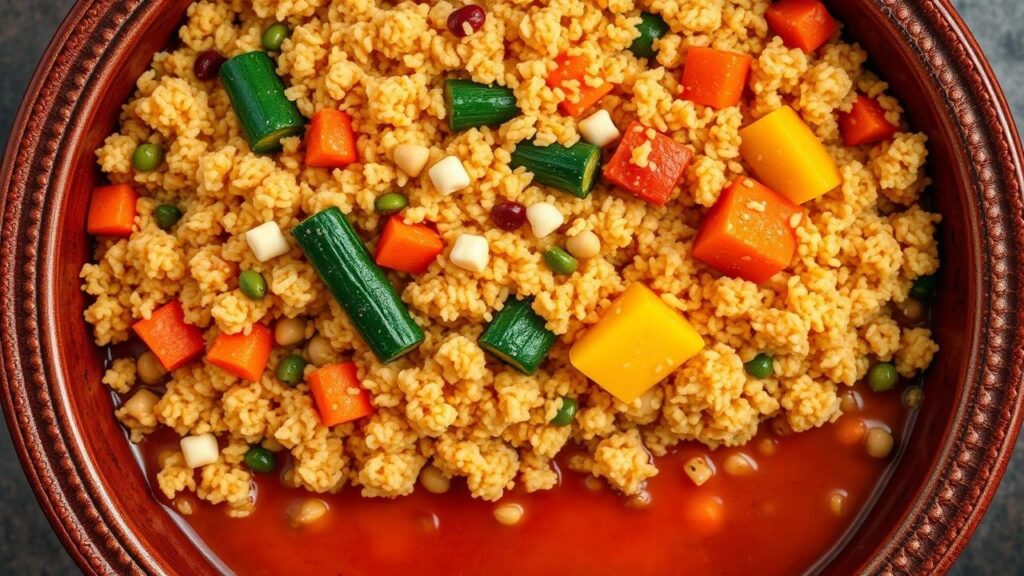
The magic of this dish lies in its carefully selected cast of characters. While the specific vegetables can vary slightly based on regional availability and familial tradition, the core principle remains: a balanced, colourful, and texturally diverse medley. The classic seven, however, typically include:
- Carrots: Providing sweetness and a vibrant orange hue, carrots contribute essential body and a subtle earthy undertone.
- Turnips: Offering a slightly peppery, faintly sweet flavour, turnips add a distinctive earthiness and a satisfying bite.
- Courgettes (Zucchini): These tender vegetables absorb the flavours of the broth beautifully, adding moisture and a delicate texture.
- Pumpkin or Butternut Squash: These contribute a rich sweetness and a creamy texture when cooked down, deepening the stew’s complexity.
- Chickpeas: These legumes are essential for their protein content, nutty flavour, and satisfying chew, providing a grounding element.
- Onions: The aromatic backbone, onions caramelise and meld into the broth, lending a profound depth of flavour.
- Tomatoes: Fresh or canned, tomatoes provide acidity, brightness, and a rich, savoury base to the stew.
Beyond these, other vegetables may find their way into the pot, such as cabbage, fava beans, or even bell peppers, depending on the season and the cook’s whim. The key is the harmony they create together, a symphony of flavours and textures that complements the couscous perfectly. The meticulous preparation of these vegetables, often cut into generous, rustic chunks, ensures they retain their individual integrity while surrendering their essence to the simmering broth.
Crafting the Culinary Masterpiece: The Authentic Seven-Vegetable Couscous Recipe
Achieving the sublime balance of this dish requires patience and attention to detail. The process can be divided into two main components: the preparation of the couscous itself and the creation of the rich, flavourful stew.
Ingredients for the Stew (Serves 6-8)
- Meat (Optional, but traditional):
- 700g (approx. 1.5 lbs) lamb or beef, cut into 4-5 cm (1.5-2 inch) cubes (e.g., shoulder or shank)
- 2 large onions, finely chopped
- 3 cloves garlic, minced
- 1 tablespoon ginger, freshly grated
- 2 tablespoons olive oil
- 1 teaspoon ground turmeric
- 1 teaspoon ground cumin
- 1 teaspoon ground coriander
- ½ teaspoon ground black pepper
- Pinch of saffron threads, soaked in 2 tablespoons warm water
- Salt to taste
- 1.5 litres (approx. 6 cups) water or beef/lamb broth
- The Seven Vegetables:
- 4 medium carrots, peeled and cut into large chunks
- 3 medium turnips, peeled and cut into large chunks
- 3 medium courgettes (zucchini), trimmed and cut into large chunks
- 500g (approx. 1 lb) pumpkin or butternut squash, peeled, seeded, and cut into large chunks
- 200g (approx. 1 cup) dried chickpeas, soaked overnight and drained (or 1 x 400g/14oz can, drained and rinsed)
- 2 large tomatoes, roughly chopped (or 1 x 400g/14oz can of chopped tomatoes)
- Fresh Herbs:
- A generous bunch of fresh coriander (cilantro), chopped
- A generous bunch of fresh parsley, chopped
- Optional additions:
- 1 small cabbage, quartered or cut into wedges
- 1-2 fava beans (broad beans), shelled (fresh or frozen)
- 1 green chili pepper, left whole for mild heat, or slit for more spice
Ingredients for the Couscous
- 500g (approx. 2.5 cups) medium-grain couscous
- 2 tablespoons olive oil
- 1 teaspoon salt
- Approx. 500ml (approx. 2 cups) hot water or vegetable broth
Method: A Step-by-Step Journey
This is where the magic truly happens, a slow and deliberate dance of flavours.
1. Searing the Meat (if using): In a large, heavy-bottomed pot or Dutch oven, heat the olive oil over medium-high heat. Brown the meat on all sides until deeply coloured. This Maillard reaction is crucial for developing flavour. Remove the meat and set aside.
2. Building the Aromatic Base: Add the chopped onions to the same pot and sauté over medium heat until softened and translucent, about 8-10 minutes. Add the minced garlic and grated ginger, cooking for another minute until fragrant.
3. Infusing the Spices: Stir in the turmeric, cumin, coriander, and black pepper. Cook for about 30 seconds, allowing the spices to bloom in the residual oil. This awakens their aromatic compounds.
4. Simmering the Foundation: Return the browned meat to the pot. Add the saffron threads (and their soaking liquid), salt, and enough water or broth to generously cover the meat. Bring to a boil, then reduce the heat to low, cover, and simmer gently for at least 1.5 to 2 hours, or until the meat is tender. This slow simmering is essential for developing a rich, flavourful broth.
5. Introducing the Harder Vegetables: Once the meat is tender, add the carrots and turnips to the pot. If using soaked dried chickpeas, add them now as well. Ensure there is enough liquid to cover the vegetables; add more water or broth if necessary. Bring back to a gentle simmer, cover, and cook for about 20-30 minutes, or until these vegetables are beginning to soften.
6. Adding the Softer Vegetables and Tomatoes: Now, add the courgettes, pumpkin or squash, and chopped tomatoes (fresh or canned). If using cabbage, add it now. Stir gently to combine. If using canned chickpeas, add them now.
7. The Final Simmer: Bring the stew back to a simmer, cover, and cook for another 30-45 minutes, or until all the vegetables are tender but not mushy. The broth should have thickened slightly and taken on a rich, flavourful character.
8. Incorporating Freshness: Stir in the chopped coriander and parsley. If using whole green chilies, add them now. Taste and adjust seasoning with salt and pepper as needed. The broth should be deeply savoury, with a hint of sweetness from the vegetables and a complex spice profile.
Preparing the Couscous: The Perfect Fluffy Grains
The couscous is the ideal vehicle for this rich stew. Traditionally, it’s steamed multiple times in a couscoussier (a special pot with a steamer basket), but a good result can be achieved with simpler methods.
1. Hydrating the Grains: In a large bowl, combine the couscous with olive oil and salt. Pour in the hot water or broth. Stir quickly to ensure all the grains are moistened. Cover the bowl tightly with a lid or plastic wrap and let it stand for 5-10 minutes, allowing the couscous to absorb the liquid and swell.
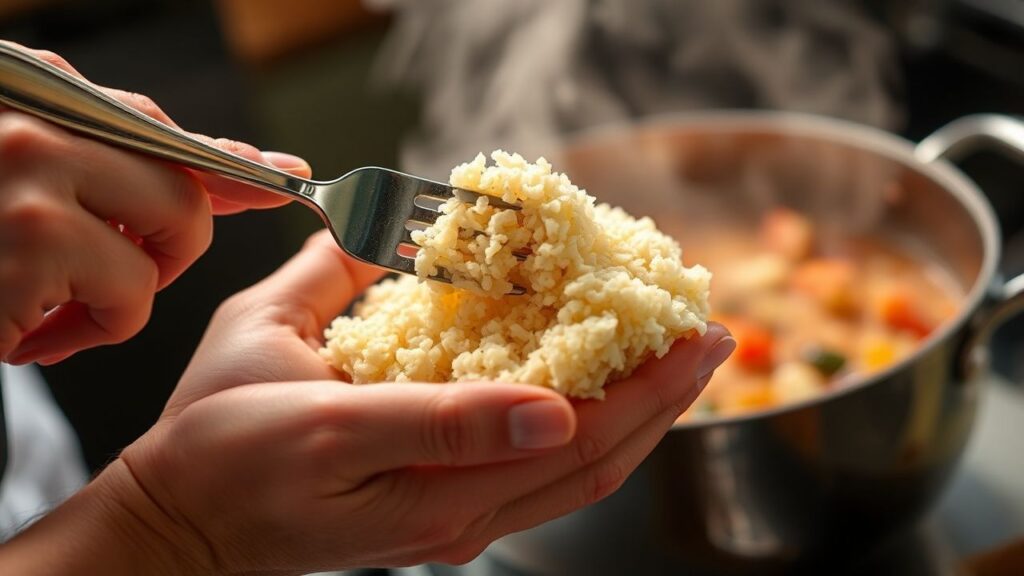
2. Fluffing: Once the liquid is absorbed, uncover the couscous. Using a fork, gently fluff the grains to separate them. Ensure there are no clumps. If any clumps persist, you can gently break them apart with your fingers.
3. Steaming (Optional, but recommended for authenticity): For an even lighter and fluffier texture, transfer the fluffed couscous to a steamer basket placed over a pot of simmering water. Cover and steam for 10-15 minutes, fluffing with a fork halfway through.
Serving the Feast
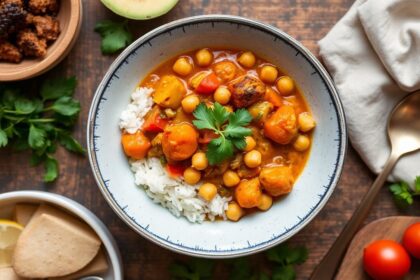
To serve, mound the fluffy couscous onto a large serving platter. Ladle the rich, seven-vegetable stew generously over the couscous, ensuring a good distribution of all the vegetables and meat (if used). The vibrant colours and enticing aroma are a prelude to the exquisite flavours that await.
Nutritional Insights: A Wholesome and Nourishing Bowl
While precise nutritional values can vary based on ingredients and portion sizes, a typical serving of Moroccan seven-vegetable couscous (without meat) is remarkably wholesome.
- Calories: Approximately 350-450 kcal per serving.
- Protein: Primarily from chickpeas, offering around 10-15g.
- Carbohydrates: Mainly from the couscous and root vegetables, providing sustained energy.
- Fiber: Abundant due to the high vegetable and chickpea content, promoting digestive health.
- Vitamins and Minerals: Rich in Vitamin A (from carrots and squash), Vitamin C (from tomatoes and courgettes), potassium, and various B vitamins, thanks to the diverse array of vegetables.
When meat is included, the protein and calorie content will increase. This dish is proof of how plant-based ingredients can form the heart of a deeply satisfying and nutritious meal. The inclusion of healthy fats from olive oil further enhances nutrient absorption.
Expert Insights and Pro-Cautions: Elevating Your Couscous Game
Mastering the art of seven-vegetable couscous involves understanding subtle techniques that transform it from good to extraordinary.
The choice of spices is also critical. While the listed spices are standard, a pinch of ras el hanout, a complex Moroccan spice blend, can add an unparalleled depth and intrigue. Experimentation is encouraged, but always start with the foundational spices to ensure balance. The textural integrity of the vegetables is another key element. They should be tender but retain a slight bite, avoiding the mushiness that can plague overcooked stews. This is achieved through careful layering of vegetables based on their cooking times.
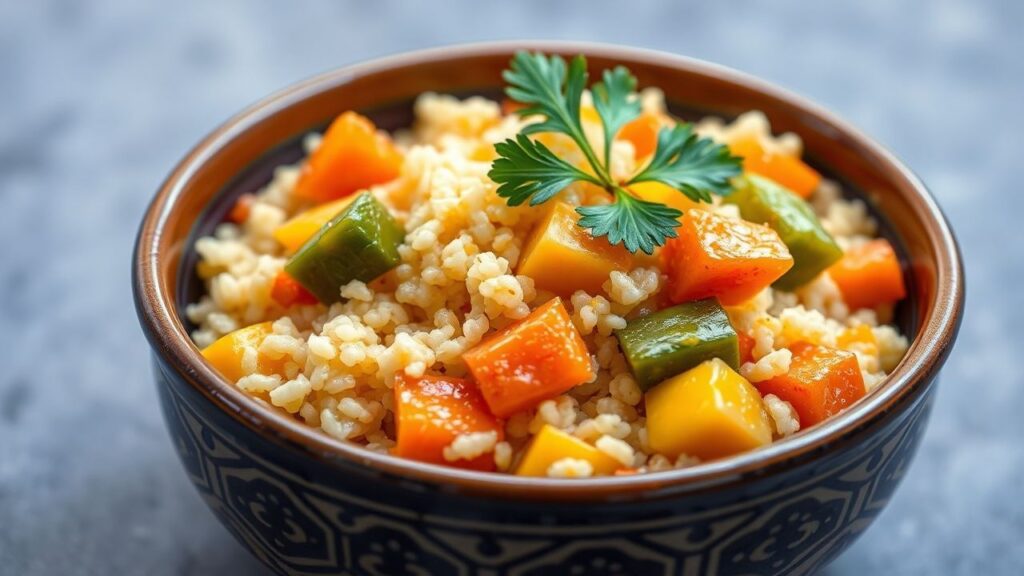
The couscous itself, when prepared correctly, should be light, fluffy, and distinct. Over-steaming or insufficient fluffing can lead to a clumpy, dense texture that detracts from the overall experience. The goal is for each grain to be separate, allowing it to perfectly absorb the rich stew without becoming sodden.
The communal aspect of couscous preparation and consumption in Morocco is deeply ingrained. It is often served from a large, shared platter, fostering connection and conversation. While this might not always be practical in a modern household, embracing the spirit of generosity by serving a generous portion, allowing everyone to partake in the abundance, is a beautiful way to honour the dish’s heritage.
A Culinary Journey Through Time: The Enduring Legacy of Couscous
The enduring appeal of seven-vegetable couscous lies in its ability to connect us to a rich culinary heritage. It represents a time-honoured tradition of using seasonal ingredients to create something truly magnificent. The process of making couscous, from the rolling of the semolina to the slow simmering of the stew, is a meditation on patience and respect for ingredients. It’s a dish that nourishes not just the body but also the soul, embodying the warmth of Moroccan hospitality. In a world often dominated by fast-paced meals, the deliberate creation and enjoyment of this dish offer a valuable reminder of the pleasures of slow cooking and shared dining.
The cultural significance of couscous extends beyond its delicious flavour. It is a symbol of unity, often served at gatherings that bring families and communities together. Its presence on the table signifies celebration, abundance, and a deep sense of belonging. The intricate dance of flavours and textures in the seven-vegetable couscous is a microcosm of Moroccan culture itself – diverse, rich, and beautifully harmonised. The preparation is often a family affair, with different members contributing their skills, passing down traditions from one generation to the next. This communal act of creation further deepens the dish’s meaning.
The very act of steaming couscous multiple times, a labour-intensive process, speaks volumes about the value placed on this food. It is not merely a quick meal but a dish prepared with intention and love. This dedication to technique ensures a superior product, with each grain perfectly cooked and ready to absorb the complex flavours of the stew. The tradition of serving couscous with a rich, flavourful broth, brimming with tender vegetables and often tender meat, has remained remarkably consistent over centuries. This testament to its perfection is why it continues to be a beloved staple.
The global appreciation for couscous has grown significantly, with variations found across North Africa and the Middle East. However, the seven-vegetable version, with its specific blend of ingredients and the careful layering of flavours, stands out as a pinnacle of couscous preparation. It showcases the ingenuity of Moroccan cooks in transforming simple ingredients into a dish of extraordinary depth and complexity. Its adaptability, while respecting its core identity, allows it to resonate with diverse palates, making it a truly universal comfort food. The presence of ingredients like saffron and preserved lemon, staples in Moroccan cuisine, further anchors this dish firmly within its cultural context, offering a genuine taste of the region. The subtle, lingering warmth of the spices, combined with the sweetness of the vegetables and the savoury depth of the broth, creates a symphony that is both comforting and exhilarating. It is a dish that invites you to slow down, savour each bite, and appreciate the artistry involved.
Frequently Asked Questions
What are the essential spices for Moroccan seven-vegetable couscous?
The cornerstone spices for a classic seven-vegetable couscous include turmeric, cumin, coriander, and black pepper. These are typically sautéed with onions and garlic to form the aromatic base of the stew. A pinch of saffron threads, bloomed in warm water, is also crucial for its distinctive colour and subtle, earthy-floral aroma. Some recipes may also incorporate a touch of ginger. For an added layer of complexity and an authentic Moroccan flair, a small amount of ras el hanout can be added, though it’s important to use it sparingly as it can be quite potent. The balance of these spices is key to achieving the signature flavour profile of the dish.
Can I make seven-vegetable couscous vegetarian or vegan?
Absolutely. The beauty of this dish lies in its adaptability. To make it vegetarian or vegan, simply omit the meat. The vegetables and chickpeas provide ample flavour, texture, and protein. Ensure you use vegetable broth instead of beef or lamb broth for the stew’s liquid base. The flavour will still be rich and satisfying, driven by the aromatic spices, the sweetness of the vegetables, and the earthiness of the chickpeas. You can even enhance the umami by adding a handful of dried mushrooms or a splash of soy sauce (though the latter is not traditional). The core principle of a well-spiced, vegetable-rich stew over fluffy couscous remains intact and deeply rewarding.
How do I ensure my couscous grains are light and fluffy, not clumpy?
Achieving light and fluffy couscous requires a few key steps. First, proper hydration is essential; use hot liquid (water or broth) and ensure all grains are moistened. Second, fluffing is critical. After the initial resting period, use a fork to gently separate the grains, breaking up any clumps that have formed. For the most authentic and superior texture, repeated steaming in a couscoussier is ideal. This process aerates the grains further. If you don’t have a couscoussier, a good quality steamer basket over simmering water will suffice. Ensure you steam it for about 10-15 minutes, fluffing with a fork halfway through. Avoid over-agitating the couscous, as this can also lead to clumping; gentle fluffing is the key.
See also: Couscous