
The Enduring Allure of Curry Chicken Salad
It was a sweltering August afternoon in London, the kind where even the pigeons seemed to be seeking shade. I was a young culinary intern at a prestigious Mayfair restaurant, and the chef, a formidable woman with an almost terrifyingly precise palate, had tasked me with developing a new lunchtime special. My initial offerings, a rather pedestrian tuna salad and a bland egg mayonnaise, were met with a disapproving sniff. “This is Mayfair, darling, not a motorway service station,” she’d declared, her voice laced with the kind of disappointment that could curdle milk. Dejected, I retreated to the kitchen, staring at a surplus of cooked chicken. Inspiration struck in the form of a forgotten jar of Madras curry powder. A risky gambit, perhaps, but desperation breeds innovation. A little experimentation, a dash of this, a pinch of that, and the resulting curry chicken salad was a revelation. The chef, to my immense relief, declared it “acceptable.” It went on to become the most requested item on our lunch menu for years. This is not just a recipe; it’s an exploration of how humble ingredients, when treated with respect and a touch of imagination, can create something truly extraordinary. The curry chicken salad, in its many guises, has transcended its humble origins to become a beloved staple, proof of the power of bold flavors and comforting textures.
- The Enduring Allure of Curry Chicken Salad
- The Art of Selecting Your Chicken
- The Symphony of Supporting Ingredients
- The Creamy Embrace: Mayonnaise and Its Companions
- The Essential Crunch: Textural Counterpoints
- The Zest of Life: Acidity and Freshness
- The Definitive Curry Chicken Salad Recipe
- Nutritional Information (Approximate per serving)
- Elevating Your Curry Chicken Salad: Pro-Tips from the Kitchen
- Frequently Asked Questions about Curry Chicken Salad
At a Glance: Key Takeaways for Perfect Curry Chicken Salad
- Flavor Foundation: The quality and type of curry powder are paramount; a good blend provides depth and complexity.
- Texture Balance: Achieving the right balance of creamy, crunchy, and tender elements is crucial for an engaging mouthfeel.
- Versatility is Key: This dish is a canvas, adaptable to various dietary needs and personal preferences.
- Aromatic Enhancements: Fresh herbs and a hint of acidity lift the richness and create a more nuanced profile.
The magic of a truly exceptional curry chicken salad lies not in complexity, but in the thoughtful integration of its components. It’s a dish that can be both comforting and exotic, familiar yet surprising. The interplay of the warm, aromatic spices with the cool, creamy mayonnaise, punctuated by bursts of sweetness and crunch, creates a symphony on the palate. Each element matter significantly in the final composition.
The Art of Selecting Your Chicken
Before we even contemplate the dressing, the chicken itself deserves careful consideration. While pre-cooked rotisserie chicken can be a convenient shortcut, the nuanced flavor and texture achieved by poaching or roasting your own chicken breasts or thighs are unparalleled. Poaching, in particular, yields exceptionally moist and tender meat, which shreds or dices beautifully without becoming dry. A simple poaching liquid, infused with aromatics like bay leaves, peppercorns, and a clove of garlic, imparts a subtle depth that pre-cooked options often lack.

For those who prefer a richer, more robust flavor, roasted chicken thighs offer a delicious alternative. The slightly higher fat content contributes to a more succulent texture, and the Maillard reaction during roasting develops a beautiful depth of flavor. The key is to ensure the chicken is cooked through but not overdone. Overcooked chicken is the nemesis of a creamy, delightful curry chicken salad, leading to a dry, unappealing texture that no amount of dressing can fully salvage.
Choosing Your Curry Powder: The Soul of the Dish
The heart and soul of this salad, of course, is the curry powder. This is not a mere seasoning; it is the defining characteristic, the aromatic backbone. The sheer variety of curry powder blends available can be daunting, ranging from mild and sweet to fiery and pungent. For a balanced and widely appealing curry chicken salad, a medium-hot, traditional Indian blend is recommended. These typically feature a complex array of spices such as turmeric, coriander, cumin, fenugreek, ginger, and chili.
For instance, a blend rich in turmeric will impart a vibrant golden hue and a subtle earthy note, while a generous amount of coriander and cumin provides a warm, aromatic foundation. The addition of ginger and chili offers a gentle warmth that awakens the palate without overwhelming the other flavors. If you’re feeling adventurous, consider creating your own blend by toasting individual spices like mustard seeds, cardamom pods, and dried chilies, then grinding them. This process, known as blooming, intensifies their volatile oils, leading to an exceptionally aromatic and complex flavor profile.
The quality of your curry powder significantly impacts the final dish. A stale, dusty blend will result in a muted, lackluster salad. Seek out freshly ground spices or reputable brands known for their vibrant, aromatic blends. The amount used is also a matter of personal preference, but a good starting point is about 1 to 2 tablespoons per pound of cooked chicken, adjusted to taste.
The Symphony of Supporting Ingredients
Beyond the chicken and the curry powder, a meticulously curated selection of supporting ingredients elevates the humble curry chicken salad into a culinary masterpiece. These elements are not mere fillers; they are integral to achieving the perfect balance of textures and flavors.
The Creamy Embrace: Mayonnaise and Its Companions
Mayonnaise forms the creamy binder that brings all the elements together. Opt for a good quality, full-fat mayonnaise for the richest flavor and silkiest texture. French-style mayonnaise, with its emphasis on egg yolks and a delicate balance of vinegar and oil, often provides a superior base compared to mass-produced varieties. However, if you prefer a lighter touch, a blend of mayonnaise and Greek yogurt can offer a delightful tang and a reduced fat content without sacrificing creaminess.
The ratio of mayonnaise to chicken is a personal preference, but a good guideline is to start with enough to lightly coat the chicken and bind the ingredients, adding more as needed. Too little mayonnaise results in a dry salad, while too much can make it greasy and cloying.
The Essential Crunch: Textural Counterpoints
Texture is paramount in any salad, and curry chicken salad is no exception. The interplay of creamy, tender chicken with crisp, refreshing elements is what makes each bite so satisfying. Finely diced celery offers a classic, clean crunch and a subtle peppery note. Red onion, soaked in ice water for 10 minutes to mellow its sharpness, provides a delicate bite and a hint of sweetness.
For an added layer of complexity and a delightful chew, consider incorporating finely chopped toasted almonds or pecans. Their nuttiness complements the curry spices beautifully. Raisins or dried cranberries, plumped in warm water or a splash of orange juice, introduce bursts of sweetness that cut through the richness and add a welcome chewy contrast. The choice between sweet and savory additions is where you can truly personalize your curry chicken salad.

The Zest of Life: Acidity and Freshness
A touch of acidity is crucial to brighten the flavors and prevent the salad from tasting heavy or one-dimensional. A squeeze of fresh lemon or lime juice is indispensable. The citrus zest not only adds a refreshing tang but also helps to meld the spices and other ingredients. A tablespoon of apple cider vinegar or white wine vinegar can also provide a pleasant sharpness.
Fresh herbs are the final flourish, infusing the salad with an aromatic lift. Freshly chopped cilantro, with its distinctive herbaceous notes, is a classic pairing with curry flavors. For a milder, yet equally fragrant option, finely minced parsley or chives can be used. The key is to use them judiciously, allowing their fresh essence to complement, rather than compete with, the curry.
The Definitive Curry Chicken Salad Recipe
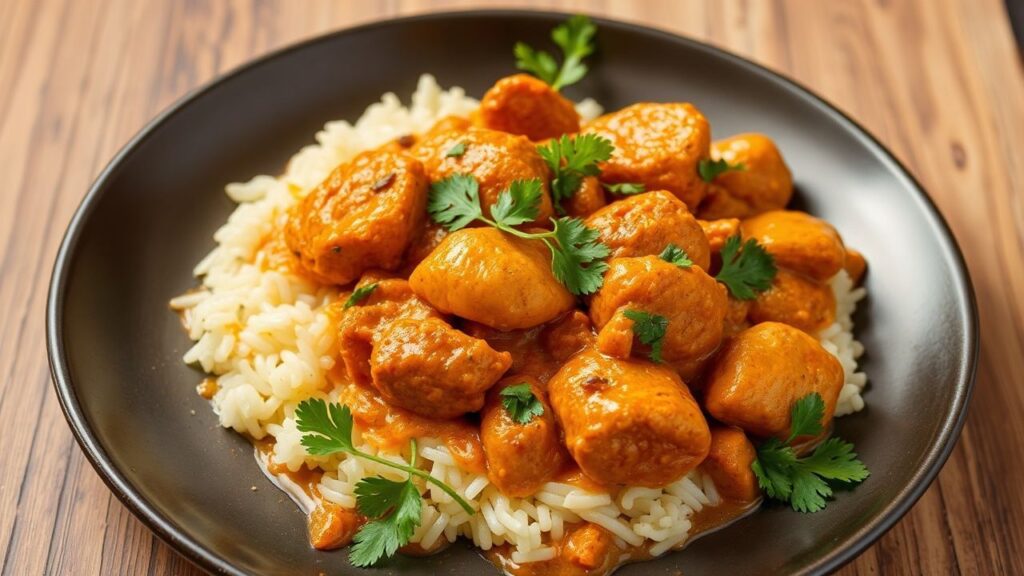
This recipe aims for a harmonious balance of flavors and textures, adaptable to your personal preferences.
Yields:
Approximately 6 servings
Prep time:
20 minutes
Ingredients:
- For the Chicken:
- 2 boneless, skinless chicken breasts (approx. 500g / 1.1 lbs)
- 1 bay leaf
- 4-5 whole black peppercorns
- 1 clove garlic, smashed
- Water, to cover
- For the Salad:
- 3 tablespoons good quality mayonnaise (plus more, to taste)
- 1 tablespoon plain Greek yogurt (optional, for tang and lighter texture)
- 1 tablespoon fresh lemon juice (or lime juice)
- 1-2 tablespoons medium-hot curry powder (adjust to your spice preference)
- 1 teaspoon Dijon mustard
- ½ teaspoon salt, or to taste
- ¼ teaspoon black pepper, freshly ground
- 1 stalk celery, finely diced (about ½ cup)
- ¼ cup red onion, finely diced (soaked in ice water for 10 mins, then drained)
- ¼ cup raisins or dried cranberries (plumped in warm water for 5 mins, then drained)
- ¼ cup toasted slivered almonds or chopped pecans (optional)
- 2 tablespoons fresh cilantro or parsley, finely chopped
Preparation Method:
- Poach the Chicken: Place the chicken breasts in a saucepan. Add the bay leaf, peppercorns, and smashed garlic. Cover with cold water. Bring to a gentle simmer over medium heat. Reduce heat to low, cover, and poach for 20-25 minutes, or until the chicken is cooked through and no longer pink in the center. The internal temperature should reach 74°C (165°F).
- Cool and Shred/Dice: Remove the chicken from the poaching liquid and let it cool slightly. Once cool enough to handle, shred it using two forks or dice it into bite-sized pieces. Discard the bay leaf, peppercorns, and garlic.
- Prepare the Dressing: In a medium bowl, whisk together the mayonnaise, Greek yogurt (if using), lemon juice, curry powder, Dijon mustard, salt, and pepper until well combined and smooth. Taste and adjust seasoning as needed – you may want more curry powder for a bolder flavor or more salt.
- Combine Ingredients: Add the shredded or diced chicken to the bowl with the dressing. Add the finely diced celery, drained red onion, plumped raisins (or cranberries), and toasted nuts (if using).
- Gently Mix: Gently fold all the ingredients together until the chicken and vegetables are evenly coated with the dressing. Be careful not to overmix, which can make the salad mushy.
- Add Fresh Herbs: Stir in the freshly chopped cilantro or parsley.
- Chill and Serve: Cover the bowl and refrigerate for at least 30 minutes to allow the flavors to meld. This step is crucial for the salad to reach its full potential.
Nutritional Information (Approximate per serving)
Please note: Nutritional values are estimates and can vary based on specific ingredients and portion sizes.
| Nutrient | Amount |
|---|---|
| Calories | 350-450 kcal |
| Protein | 25-30 g |
| Fat | 20-30 g |
| Saturated Fat | 4-6 g |
| Carbohydrates | 10-15 g |
| Fiber | 1-2 g |
| Sugar | 5-8 g |
| Sodium | 400-600 mg |
The exact nutritional profile will depend on the fat content of your mayonnaise, the type of curry powder used, and the inclusion of optional ingredients like nuts and dried fruits.
Elevating Your Curry Chicken Salad: Pro-Tips from the Kitchen
The beauty of this curry chicken salad lies in its adaptability. Here are a few advanced techniques and variations to truly make it your own:
Embracing Global Influences
Consider infusing your curry chicken salad with global flavors. A touch of fish sauce (nam pla) can add an umami depth that is surprisingly effective. For a Thai-inspired twist, add a spoonful of sweet chili sauce and a hint of lime zest. If you’re aiming for a Middle Eastern flair, a pinch of cumin and a sprinkle of pomegranate seeds can offer a delightful contrast. Experiment with small additions and taste as you go.
The Power of Pickle and Brine
Pickled elements can add a fascinating layer of acidity and complexity. Finely diced cornichons or capers can offer a briny punch that cuts through the richness. Even a small amount of diced pickled jalapeños can introduce a pleasant heat and tang. If you’re using store-bought pickles, ensure they are good quality and not overly sweet.
Beyond the Sandwich: Serving Suggestions
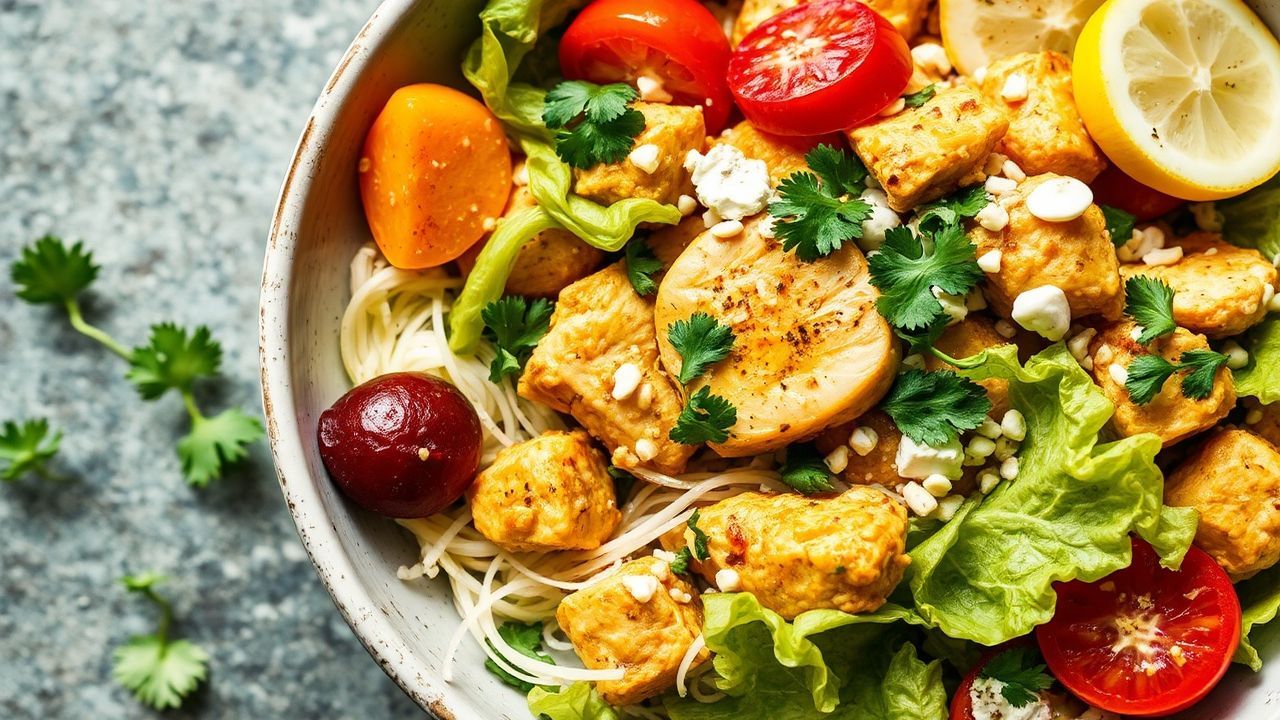
While this curry chicken salad is a classic sandwich filling, its versatility extends far beyond. Serve it in lettuce cups for a lighter option, atop a bed of mixed greens for a substantial salad, or stuffed into avocado halves for a luxurious appetizer. It also makes an excellent topping for baked potatoes or a flavorful filling for wraps and quesadillas.
One particularly inspired serving suggestion involved serving the curry chicken salad alongside a small mound of fluffy couscous, garnished with toasted slivered almonds and a drizzle of harissa-infused olive oil. The warm, spiced couscous acted as a perfect counterpoint to the cool, creamy salad, creating a truly harmonious dish.
The interplay of temperatures and textures in this particular presentation was brilliant. The slight warmth of the couscous made the spices in the salad bloom further, releasing their aromatic oils. It transformed a simple lunch item into a sophisticated and satisfying meal.
Frequently Asked Questions about Curry Chicken Salad
What type of curry powder is best for curry chicken salad?
The “best” curry powder is subjective and depends on your personal preference for heat and flavor profile. For a well-rounded and versatile curry chicken salad, a good quality medium-hot Indian curry powder is generally recommended. These blends typically offer a balanced mix of spices like turmeric, coriander, cumin, ginger, and chili, providing warmth and aroma without being overwhelmingly spicy. If you prefer a milder flavor, opt for a sweet or mild curry powder. For those who enjoy heat, a Madras or even a Vindaloo blend can be used, but it’s advisable to start with a smaller amount and adjust to taste. Experimenting with different brands and blends is key to discovering your ideal curry powder.
How can I make my curry chicken salad creamier without adding more mayonnaise?
To achieve a creamier texture without increasing the mayonnaise content, consider incorporating other creamy elements. Greek yogurt is an excellent option, adding tanginess and a smooth consistency while reducing overall fat. A small amount of sour cream can also contribute to creaminess and a pleasant richness. For an even more luxurious texture, a tablespoon of avocado, mashed very finely, can add a silky mouthfeel and healthy fats. Another technique is to reserve a small portion of the cooked chicken and purée it into a smooth paste before mixing it back into the salad; this emulsifies with the dressing and creates a richer, more cohesive base.
Can I make curry chicken salad ahead of time? How long does it keep?
Yes, curry chicken salad can absolutely be made ahead of time, and in fact, it often benefits from chilling for at least 30 minutes to allow the flavors to meld and deepen. It can typically be stored in an airtight container in the refrigerator for 3 to 4 days. It’s best to add fresh herbs like cilantro or parsley just before serving to maintain their vibrant color and fresh flavor. If you’re making it for a longer period, consider adding the herbs just before you plan to consume it. Avoid leaving it at room temperature for extended periods, as with any dish containing mayonnaise, to prevent spoilage.
The enduring appeal of curry chicken salad lies in its inherent adaptability and the delightful fusion of familiar comfort with exotic spice. It is a dish that invites creativity, a canvas upon which personal taste can be expressed with bold strokes. Whether enjoyed in a simple sandwich, a vibrant salad, or a sophisticated appetizer, its warm, aromatic embrace and satisfying textures continue to win hearts and palates around the globe. It is proof of the fact that often, the most memorable culinary experiences arise from the thoughtful, respectful, and inspired combination of everyday ingredients.
See also: curry chicken