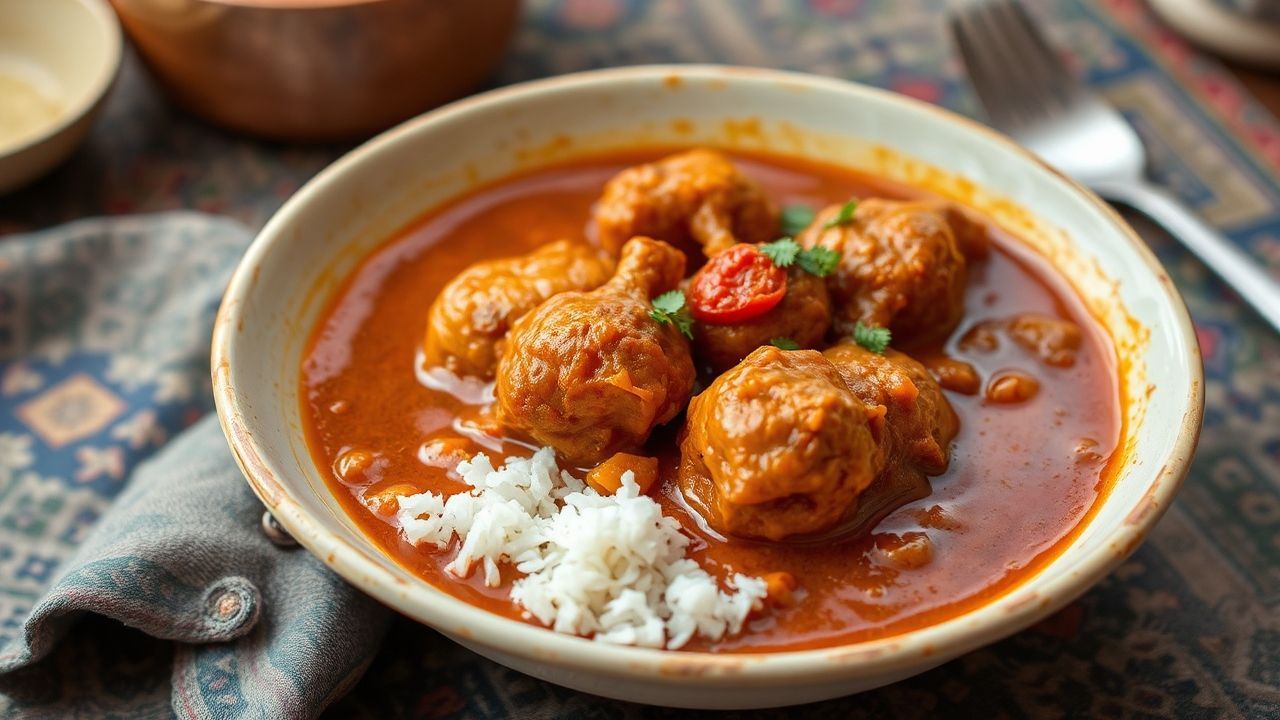

The Enduring Allure of Doro Wat: Ethiopia’s Culinary Cornerstone
There are meals that nourish the body, and then there are meals that nourish the soul. Ethiopian cuisine, a tapestry woven with vibrant spices, communal eating traditions, and profound culinary artistry, is replete with the latter. At its heart, reigning supreme as Ethiopia’s undisputed national dish, lies Doro Wat. It’s more than just a chicken stew; it’s a cultural icon, a dish that graces every significant celebration, from weddings and baptisms to the solemnity of religious holidays. To understand Doro Wat is to begin to understand the Ethiopian spirit – its resilience, its generosity, and its deep-seated connection to tradition. My first encounter with Doro Wat wasn’t in a bustling Addis Ababa market, but in a quiet home in the diaspora, where the aroma, a heady blend of caramelized onions and berbere, instantly transported me. The meticulous preparation, the communal tearing of injera, the shared experience – it was a revelation. This dish, born from necessity and refined over generations, embodies a culinary philosophy that prioritizes depth of flavor, patience, and the communal act of sharing.
- The Enduring Allure of Doro Wat: Ethiopia’s Culinary Cornerstone
- Deconstructing Doro Wat: The Anatomy of Flavor
- The Indispensable Onion Foundation
- The Soul of the Stew: Berbere and Niter Kibbeh
- The Chicken: Tender and Flavorful
- Mastering the Craft: A Detailed Doro Wat Recipe
- Nutritional Profile: A Hearty and Wholesome Dish
- Elevating Your Doro Wat: Expert Tips for Restaurant-Quality Results
- Frequently Asked Questions about Doro Wat
- Can I make Doro Wat ahead of time?
- What is the best way to serve Doro Wat?
- How spicy is Doro Wat typically?
- Conclusion: A Taste of Ethiopian Soul
At a Glance: Key Insights into Doro Wat
- A Labor of Love: Doro Wat is not a dish rushed; its profound flavor profile is proof of hours of slow cooking and ingredient transformation.
- The Berbere Heartbeat: The complex spice blend, berbere, is the soul of Doro Wat, providing its characteristic heat and earthy notes.
- Onion Foundation: The sheer volume of finely minced onions, cooked down to a sweet, sticky paste, forms the indispensable base of the stew.
- Symbol of Celebration: Its presence is synonymous with Ethiopian festivity, representing abundance and togetherness.
The Genesis of a National Treasure: A Brief History
The origins of Doro Wat are as deeply rooted in Ethiopian history as the highlands themselves. While definitive historical records are scarce, its evolution is intrinsically linked to the agricultural and cultural landscape of the nation. Historically, chicken was a prized protein, often reserved for special occasions due to the time and effort required for raising and preparing it. The development of Doro Wat as a slow-cooked, richly spiced stew likely emerged as a way to tenderize tougher birds and maximize the flavor extracted from every part. The abundance of onions, a staple crop, became the natural foundation, their natural sugars coaxed out through prolonged simmering to create a luscious, sweet base that perfectly balances the fiery berbere. This slow cooking method, a hallmark of many traditional African cuisines, also allowed for preservation and ensured that the dish could be prepared in advance for gatherings. The inclusion of niter kibbeh, a spiced clarified butter, adds another layer of complexity and richness, proof of the Ethiopian mastery of dairy. The ritual of serving Doro Wat, traditionally with *injera*, a sourdough flatbread, further solidifies its place as a communal centerpiece, fostering connection and shared experience.
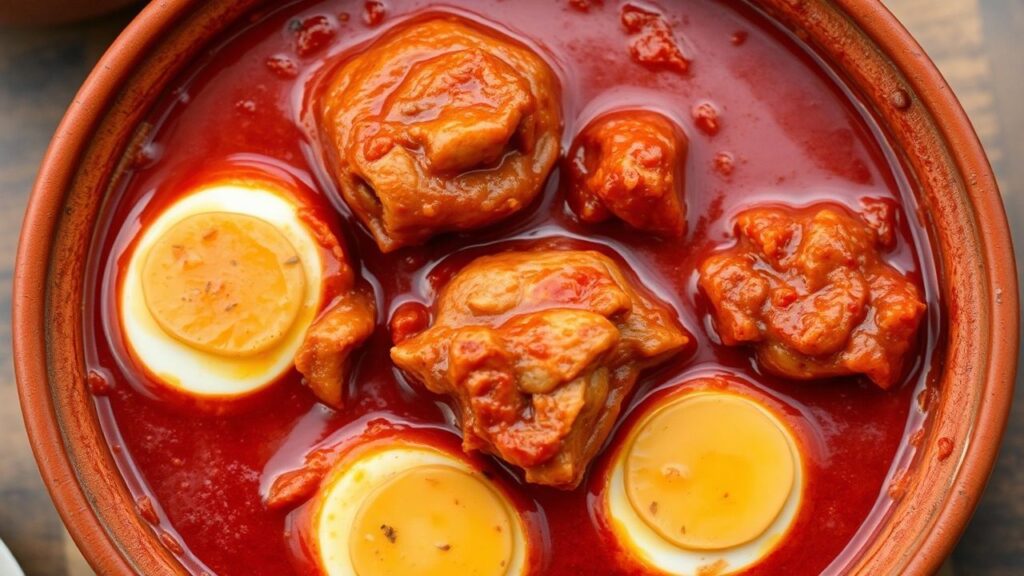
Deconstructing Doro Wat: The Anatomy of Flavor
The magic of Doro Wat lies in its seemingly simple yet profoundly complex composition. It is a masterclass in building flavor through patient technique and the judicious use of a few key ingredients. At its core, the dish is defined by three pillars: the onions, the berbere, and the chicken.
The Indispensable Onion Foundation
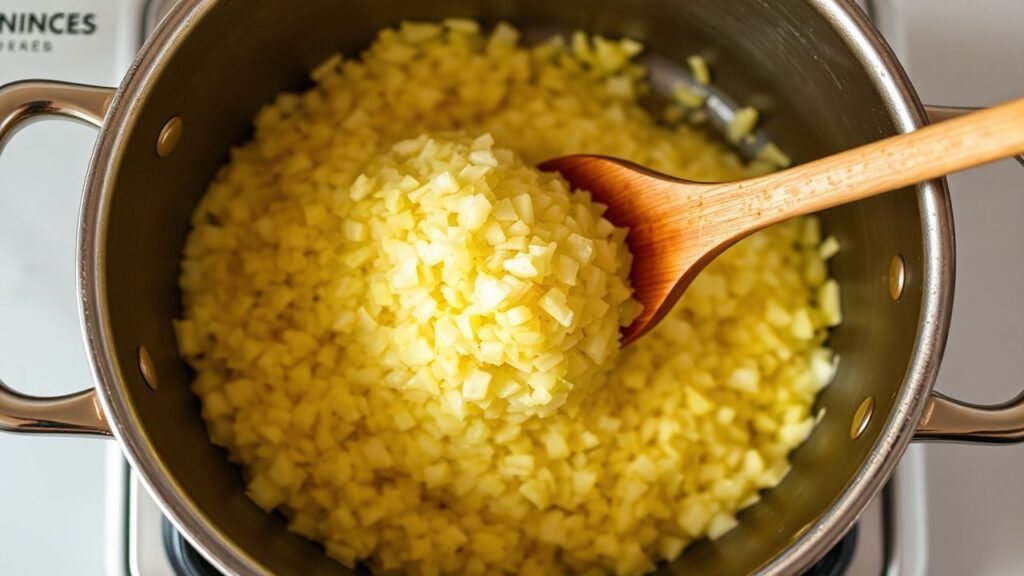
The sheer quantity of onions used in Doro Wat is often the first revelation for those new to its preparation. We are not talking about a mere aromatic base; we are talking about onions that form the very body of the stew. The traditional method involves mincing or finely chopping several pounds of onions, then slowly cooking them down until they transform into a thick, sweet, almost paste-like consistency. This process, which can take upwards of an hour, is critical. It requires constant stirring to prevent burning, allowing the natural sugars to caramelize, imparting a deep, mellow sweetness that acts as a counterpoint to the inherent heat of the berbere. This slow caramelization is not merely about flavor; it’s about texture. The reduced onions bind the sauce, giving Doro Wat its characteristic rich, unctuous mouthfeel.
The Soul of the Stew: Berbere and Niter Kibbeh
Berbere is the undisputed star spice blend of Ethiopian cuisine, and it is the soul of Doro Wat. This complex mixture, varying slightly from region to region and even household to household, typically includes dried red chilies, garlic, ginger, fenugreek, coriander, cumin, cardamom, and other aromatics. Its characteristic deep red hue and its nuanced heat – a warmth that blossoms rather than assaults – are what give Doro Wat its iconic identity. Sourcing good quality berbere is paramount; artisanal blends will offer a far superior complexity compared to mass-produced versions.
Complementing the berbere is niter kibbeh, a spiced clarified butter. This is not just any clarified butter; it is infused with aromatics like garlic, ginger, onion, and sometimes cardamom, cloves, and fenugreek seeds, which are simmered and then strained. The resulting niter kibbeh is deeply fragrant and adds an unparalleled richness and depth to the stew, a subtle but crucial element that elevates it beyond a simple spicy chicken dish. The careful emulsification of niter kibbeh into the onion and berbere base creates a sauce that is both velvety and intensely flavorful.
The Chicken: Tender and Flavorful
While Doro Wat can be made with bone-in chicken pieces for maximum flavor extraction, many modern recipes opt for boneless, skinless thighs for their inherent tenderness and ability to absorb the rich sauce. The chicken is typically browned before being added to the simmering stew, allowing it to develop a slight crust and retain its moisture. Some traditional preparations also involve marinating the chicken, often in a mixture of lemon juice and salt, to tenderize and impart a subtle citrus note. The inclusion of hard-boiled eggs, cooked directly in the stew, is a quintessential element, absorbing the flavors of the sauce and providing a satisfying, protein-rich addition. These eggs are often served whole, their yolks a vibrant contrast to the deep red of the stew.
Mastering the Craft: A Detailed Doro Wat Recipe
This recipe aims to capture the essence of authentic Doro Wat, a dish that rewards patience and attention to detail.
Ingredients
- For the Chicken:
- 1.5 kg (approx. 3.3 lbs) chicken thighs, bone-in or boneless, cut into 2-inch pieces
- 2 tablespoons fresh lemon juice
- 1 teaspoon salt
- For the Onion Base:
- 1 kg (approx. 2.2 lbs) yellow onions, very finely minced or processed in a food processor
- 250 ml (approx. 1 cup) vegetable oil or neutral cooking oil
- For the Spice Blend & Stew:
- 150g (approx. 1 cup) niter kibbeh (see note below for homemade)
- 100g (approx. 1/2 cup) berbere spice blend (adjust to taste for heat)
- 1 tablespoon finely minced fresh ginger
- 8-10 cloves garlic, finely minced
- 1 teaspoon ground cardamom
- 1/2 teaspoon ground fenugreek
- 1/2 teaspoon ground cumin
- 1/4 teaspoon ground cloves
- 1/4 teaspoon ground nutmeg
- 1/2 teaspoon salt, or to taste
- 1/2 teaspoon black pepper
- 500 ml (approx. 2 cups) water or chicken broth, as needed
- 6-8 large eggs, hard-boiled and peeled
- Note on Niter Kibbeh: To make homemade niter kibbeh, gently simmer 500g (approx. 2 cups) unsalted butter with 1 finely chopped onion, 3-4 cloves of minced garlic, 1-inch piece of minced ginger, and a pinch each of cardamom, cloves, and fenugreek seeds over very low heat for about 30-45 minutes, until the milk solids have settled and the butter is clear and fragrant. Strain through cheesecloth.
Preparation Method
1. Prepare the Chicken: In a bowl, toss the chicken pieces with lemon juice and salt. Let it sit for at least 30 minutes while you prepare the other components. If using bone-in chicken, ensure it’s well-trimmed.
2. Caramelize the Onions: Heat the vegetable oil in a large, heavy-bottomed pot or Dutch oven over medium-low heat. Add the finely minced onions. This is the most crucial and time-consuming step. Stir constantly for at least 45-60 minutes, or until the onions have broken down completely, caramelized to a deep golden-brown, and formed a thick paste. Do not rush this process, and ensure the heat is low enough to prevent burning. Scrape the bottom of the pot regularly.
3. Build the Spice Base: Once the onions have reached a paste-like consistency, add the niter kibbeh to the pot. Stir well to incorporate the butter into the onion paste. Allow it to simmer gently for about 5-10 minutes, letting the flavors meld.
4. Incorporate the Berbere and Aromatics: Add the berbere spice blend, minced ginger, and minced garlic to the pot. Stir continuously for another 5-7 minutes, allowing the spices to bloom and release their fragrance. This step toasts the spices, deepening their flavor. Be mindful not to burn them. Add the ground cardamom, fenugreek, cumin, cloves, and nutmeg, stirring to combine.
5. Add the Chicken: Add the marinated chicken pieces to the pot. Stir well to coat each piece thoroughly with the onion-berbere mixture. Cook for about 10-15 minutes, stirring occasionally, until the chicken is lightly browned on all sides.
6. Simmer the Stew: Pour in about 2 cups of water or chicken broth, or enough to mostly cover the chicken. Bring the stew to a gentle simmer. Cover the pot and reduce the heat to low. Let the Doro Wat simmer for at least 1.5 to 2 hours, or until the chicken is exceptionally tender and the sauce has thickened to a rich, glossy consistency. Stir occasionally, adding a little more water or broth if the stew becomes too dry. The longer it simmers, the deeper the flavors will become.
7. Add the Eggs: About 30 minutes before the end of the simmering time, gently place the peeled hard-boiled eggs into the stew. Ensure they are submerged in the sauce. This allows them to absorb the rich flavors.
8. Season and Serve: Taste the Doro Wat and adjust salt and pepper as needed. The stew should be thick, rich, and deeply flavorful. Serve hot, traditionally spooned generously onto *injera*. The eggs are usually served whole, nestled within the stew.
Nutritional Profile: A Hearty and Wholesome Dish
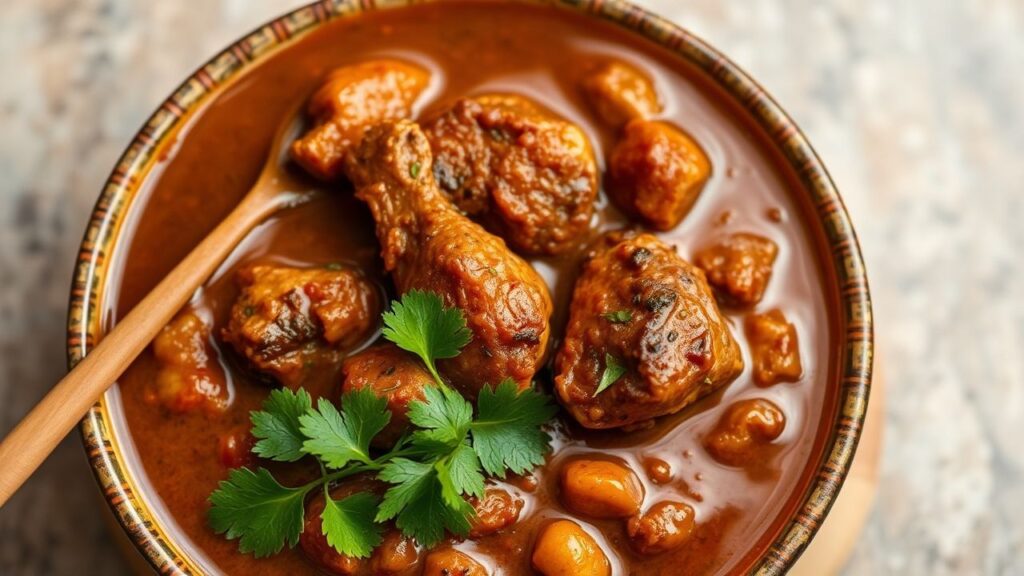
While Doro Wat is undeniably rich, it also offers a substantial nutritional profile. A typical serving, when prepared with the ingredients outlined above and served with injera, provides a good source of protein, essential vitamins and minerals, and complex carbohydrates.
- Protein: Chicken is an excellent source of lean protein, crucial for muscle repair and growth.
- Vitamins & Minerals: The vast array of spices in berbere, along with the onions and garlic, contribute antioxidants, vitamins (such as Vitamin C and B vitamins), and minerals (like iron and magnesium).
- Fiber: Injera, made from teff flour, is a good source of dietary fiber, aiding digestion.
- Healthy Fats: Niter kibbeh, while rich, is a source of beneficial fats when consumed in moderation.
Approximate Nutritional Information per Serving (assuming 6 servings, including 1 egg per serving):
- Calories: 550-650 kcal
- Protein: 35-45g
- Fat: 30-40g (varying based on oil and niter kibbeh quantity)
- Saturated Fat: 10-15g
- Carbohydrates: 25-35g (primarily from onions and injera)
- Fiber: 4-6g
- Sodium: 500-700mg (adjustable based on salt added)
*Please note: These are approximate values and can vary significantly based on specific ingredient brands, portion sizes, and preparation methods.*
Elevating Your Doro Wat: Expert Tips for Restaurant-Quality Results
Achieving a truly exceptional Doro Wat goes beyond simply following a recipe. It involves understanding the nuances of technique and ingredient selection that elevate it from good to sublime.
The Art of the Onion Purée
While finely mincing onions is traditional, for an even smoother, more integrated sauce, consider using a food processor to create a very fine purée. The key is to still cook this purée down slowly and meticulously. A food processor can significantly reduce the prep time while yielding a superior texture if handled correctly. Ensure you pulse rather than blend continuously to avoid creating a gummy consistency.
Mastering the Berbere Bloom
Don’t just toss the berbere into the pot; give it a chance to “bloom” in the hot fat and aromatics. Toasting the spices gently in the niter kibbeh and onion base for a few minutes before adding liquid unlocks their full aromatic potential and removes any raw, bitter notes. This step is critical for developing the complex, layered flavor that defines authentic Doro Wat.
The Patience of the Simmer
Doro Wat is a dish that demands time. The long, slow simmer is not just about tenderizing the chicken; it’s about allowing the flavors to meld, deepen, and coalesce into a harmonious whole. Resist the urge to rush this process. A minimum of 1.5 to 2 hours is recommended, but for truly profound flavor, some traditional cooks simmer it for up to 4 hours. The sauce should reduce and thicken naturally, coating the chicken beautifully. If it thickens too quickly, a splash of water or broth can be added.
Frequently Asked Questions about Doro Wat
Can I make Doro Wat ahead of time?
Yes, Doro Wat is an excellent candidate for making ahead. In fact, many argue that its flavors improve after resting overnight. The spices and aromatics have more time to meld and deepen. Reheat gently on the stovetop over low heat, adding a splash of water or broth if it has become too thick. For best results, add the hard-boiled eggs during the reheating process or just before serving.
What is the best way to serve Doro Wat?
The quintessential accompaniment to Doro Wat is injera, a spongy, sourdough flatbread unique to Ethiopian cuisine. Injera is used not only to scoop up the stew but also as a plate. Tear off pieces of injera and use them to pick up the chicken, eggs, and sauce. Other suitable accompaniments include rice for those who prefer it, or a simple side salad.
How spicy is Doro Wat typically?
The spice level of Doro Wat can vary significantly depending on the quality and type of berbere used. Traditional Doro Wat is known for its assertive warmth and complex heat, rather than a searing burn. It’s a slow-building heat that complements the rich, savory flavors. If you are sensitive to spice, it is advisable to start with a smaller amount of berbere and adjust to your personal preference. The inclusion of ginger and garlic also adds to the overall aromatic complexity, balancing the chili heat.
Conclusion: A Taste of Ethiopian Soul
Doro Wat is more than a recipe; it is a culinary experience, a journey into the heart of Ethiopian tradition and hospitality. Each spoonful tells a story of patience, of the transformative power of slow cooking, and of the profound connection between food and community. From the meticulous caramelization of onions to the fiery embrace of berbere, every step in its preparation is an act of devotion. Mastering Doro Wat is a rewarding endeavor, offering not just a delicious meal, but a deeper appreciation for one of the world’s most captivating cuisines. It is a dish that, once tasted, lingers in memory, beckoning you back to its rich, complex, and utterly soul-satisfying embrace.
See also: Doro Wat