
The Astonishing Versatility of Eggplant
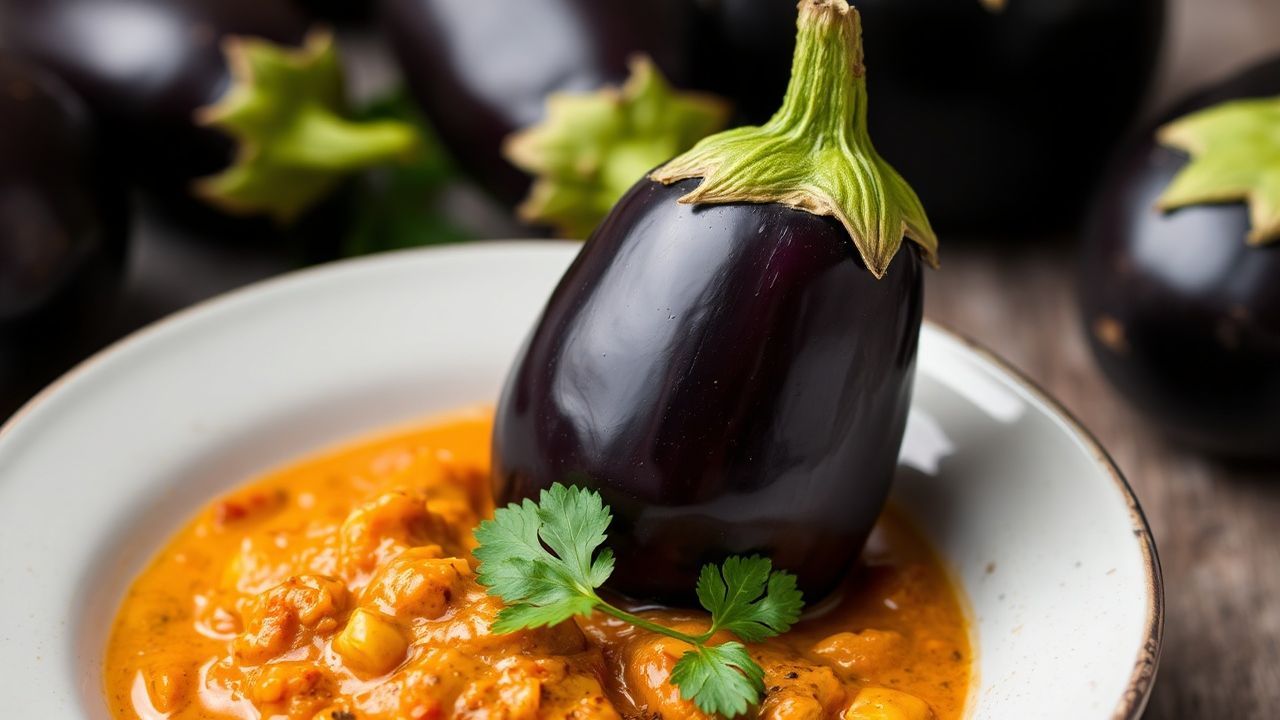
Did you know that across the globe, over 35 million metric tons of eggplant are produced annually? This versatile nightshade, often overlooked, is a culinary powerhouse. Its ability to absorb flavors makes it a star ingredient in countless cuisines, but it truly shines in the vibrant world of curry. An expertly prepared eggplant curry isn’t just a meal; it’s an experience – a symphony of textures and tastes that can transport you to far-off lands. Mastering this dish unlocks a new dimension in home cooking.
- The Astonishing Versatility of Eggplant
- Unlocking the Heart of Eggplant Curry: Key Principles
- Secret #1: The Art of Pre-Cooking Eggplant
- Secret #2: Building an Impeccable Spice Foundation
- Secret #3: The Strategic Addition of Acidity
- Secret #4: The Creamy Emulsion: Coconut Milk Mastery
- Secret #5: The Gentle Fold: Incorporating the Eggplant
- Secret #6: The Finishing Touches: Freshness and Aroma
- Secret #7: The Overnight Flavor Meld
- The Ultimate Eggplant Curry Recipe: A Step-by-Step Guide
- Nutritional Information (Approximate Per Serving, based on 6 servings):
- Expert Insights and Pro-Cautions
- Frequently Asked Questions (FAQ)
- What kind of eggplant is best for curry?
- Can I make eggplant curry without salting the eggplant?
- How can I make my eggplant curry thicker?
- Can I prepare eggplant curry ahead of time?
- What should I serve eggplant curry with?
- Eggplant’s Flavor Absorption: Its porous texture readily soaks up spices and sauces.
- Cultural Significance: A staple in South Asian, Middle Eastern, and Mediterranean diets.
- Nutritional Powerhouse: Rich in fiber, vitamins, and antioxidants.
- Culinary Canvas: Adapts beautifully to various spice profiles and cooking methods.
For many, the perfect eggplant curry remains an elusive dream. Often, the eggplant can turn mushy, the sauce watery, or the flavors simply don’t meld. This guide demystifies the process, revealing seven brilliant secrets that elevate a simple eggplant curry to an unforgettable culinary masterpiece. We explore techniques, ingredient choices, and spice combinations that guarantee a rich, deeply flavored, and satisfying dish every single time.
Unlocking the Heart of Eggplant Curry: Key Principles
The journey to an exceptional eggplant curry begins with understanding the unique properties of the star ingredient. Eggplant itself offers a subtly sweet, earthy flavor, but its true magic lies in its texture and its incredible capacity to absorb liquids and aromatics. This characteristic is both a blessing and a potential pitfall. If not handled correctly, eggplant can become a greasy, waterlogged mess. The goal is to achieve tender, melt-in-your-mouth pieces that hold their shape and have absorbed the complex flavors of the curry base.
Proper preparation of the eggplant is paramount. Many recipes call for simply cubing and adding the vegetable directly to the pot. However, a crucial step often missed is salting the eggplant. This process draws out excess moisture and any slight bitterness, preventing it from becoming soggy and oily during cooking. It also helps the eggplant firm up, allowing it to absorb the curry sauce more effectively without disintegrating.
The Crucial Salting Technique
Salting is more than just a preliminary step; it’s a transformative process for the eggplant. When you cut the eggplant into cubes, you expose its cellular structure. Salt acts as a natural dehydrator, osmosis pulling the water out. This is especially important for larger or more mature eggplants. After cubing, toss the pieces generously with salt (about 1 teaspoon per medium eggplant) and let them sit in a colander for at least 30 minutes, or up to an hour. You’ll notice beads of moisture forming on the surface. Rinse the salted eggplant thoroughly under cold water to remove the salt, and then pat it completely dry with paper towels. This step ensures a better texture and a cleaner flavor profile in your final dish.
Secret #1: The Art of Pre-Cooking Eggplant
While salting is vital, simply adding raw, salted eggplant to a curry base can still lead to uneven cooking and a less-than-ideal texture. The first brilliant secret is to pre-cook the eggplant. This means giving it a head start before it joins the main curry sauce. This technique ensures that the eggplant is tender and slightly caramelized, providing a delightful chew and depth of flavor that raw eggplant cannot offer.
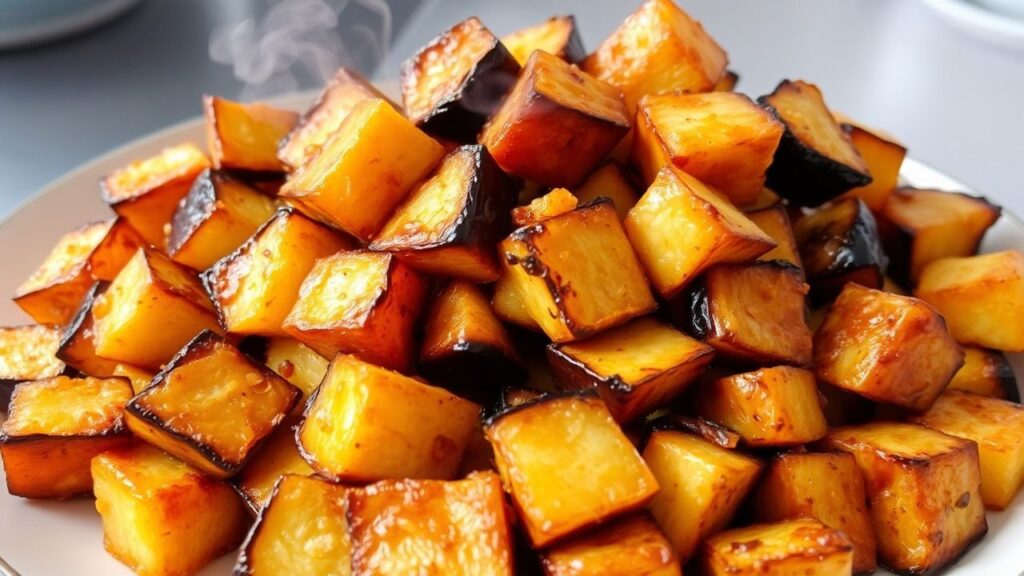
Several methods work well for pre-cooking. Pan-frying or shallow-frying in a little oil until golden brown on all sides is a popular choice. This not only tenderizes the eggplant but also creates a wonderfully crispy exterior that holds up beautifully in the curry. Another effective method is roasting. Toss the salted and dried eggplant cubes with a little oil, salt, and pepper, and roast them in a hot oven (around 200°C/400°F) until tender and lightly browned. This method is less hands-on and can yield a more even cook.
Pan-Frying for Perfect Texture
Pan-frying offers direct control over the browning process. Heat a generous amount of oil (about 2-3 tablespoons) in a large skillet over medium-high heat. Add the salted, dried eggplant cubes in a single layer, being careful not to overcrowd the pan. Fry for 4-5 minutes per side, until deeply golden brown and tender. You may need to do this in batches. Once cooked, remove the eggplant with a slotted spoon and drain on paper towels. The slight crispness achieved here is key to preventing the eggplant from becoming mushy in the sauce.
Secret #2: Building an Impeccable Spice Foundation
A curry is only as good as its spice blend. For eggplant curry, this means understanding how to layer aromatic spices to create a complex and deeply satisfying flavor base. This is where many home cooks falter, often resorting to pre-made curry powders which can lack nuance. The second brilliant secret is to build your spice foundation from whole or freshly ground spices.
This involves toasting whole spices to release their essential oils, then grinding them, or using high-quality ground spices and blooming them in hot oil. The order and timing of adding spices are critical. Typically, you start with aromatics like onions, garlic, and ginger, then introduce ground spices, allowing them to toast briefly before adding liquids. This bloom process intensifies their flavors and aromas.
The Power of Blooming Spices
Blooming spices is a technique where ground spices are added to hot oil or fat and cooked for a short period. This process helps to dissolve the spices, unlock their fat-soluble flavor compounds, and release their aromatic oils. Without this step, ground spices can taste raw and chalky. In an eggplant curry, after sautéing onions, garlic, and ginger until softened, add your ground spices – turmeric, cumin, coriander, garam masala, chili powder – to the hot oil. Stir constantly for about 30-60 seconds until fragrant. Be careful not to burn them, as this will turn them bitter.
Key Spices for Eggplant Curry:
- Turmeric: For earthy flavor and vibrant color.
- Cumin: Adds warmth and a smoky depth.
- Coriander: Provides a citrusy, slightly sweet note.
- Garam Masala: A blend that adds complexity and a warming finish.
- Chili Powder/Cayenne: For heat, adjusted to your preference.
- Fenugreek: Adds a unique, slightly bitter depth (use sparingly).
Using freshly ground spices whenever possible makes a significant difference. Grinding whole cumin and coriander seeds just before use will yield a much more potent and aromatic result than using pre-ground versions.
Secret #3: The Strategic Addition of Acidity
Acidity is often the unsung hero in complex dishes, and eggplant curry is no exception. It cuts through richness, brightens flavors, and balances the sweetness and spice. The third brilliant secret is the strategic addition of acidity at different stages of cooking. This doesn’t just mean a squeeze of lemon at the end, though that’s important.
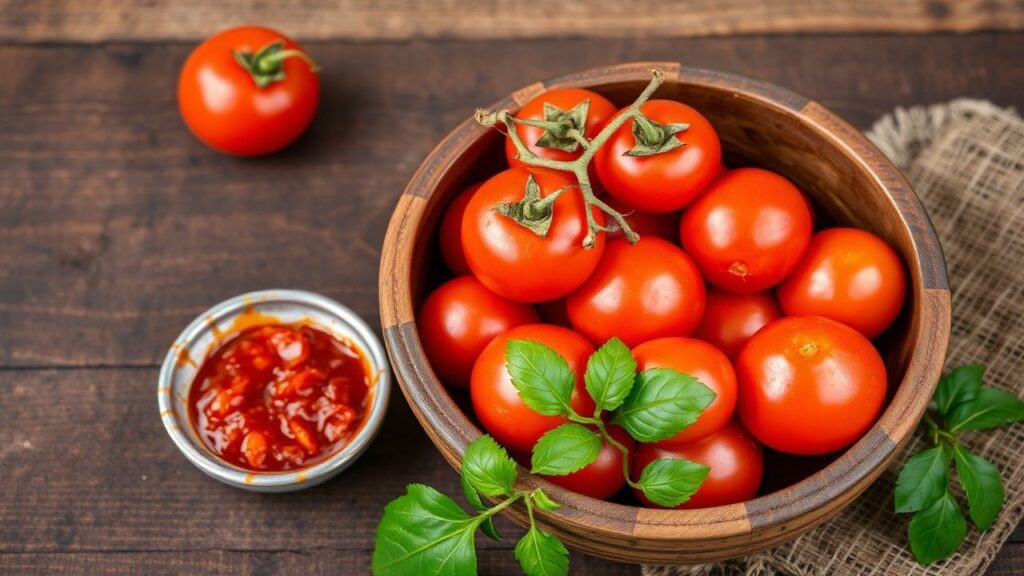
Tomatoes are a common source of acidity in curries, and they also contribute body and depth. Using both fresh tomatoes and tomato paste can provide layers of tomato flavor. For a sharper tang, a splash of tamarind paste or a dollop of plain yogurt can be introduced. The timing of these acidic elements is crucial; adding them too early can sometimes prevent spices from blooming properly or make tomatoes break down too quickly.
Balancing Flavors with Tomatoes and Tamarind
Fresh, diced tomatoes are often sautéed with the onions and aromatics, allowing them to break down and form part of the curry base. Tomato paste, concentrated and intense, adds a deeper, more savory tomato note when bloomed with the other spices. For a distinct South Indian flair, tamarind pulp (soaked in hot water and strained) introduces a delightful sourness that complements the eggplant perfectly. A tablespoon or two stirred in towards the end of cooking can transform the dish.
Secret #4: The Creamy Emulsion: Coconut Milk Mastery
The creamy texture and subtle sweetness of coconut milk are fundamental to many iconic eggplant curries, particularly those of South Indian and Southeast Asian origin. However, achieving a silky, emulsified sauce rather than a separated, oily one requires attention to detail. The fourth brilliant secret is mastering the use of coconut milk for a creamy emulsion.
Full-fat coconut milk is essential for richness and a smooth consistency. Low-fat versions tend to break and result in a watery sauce. The key is to add the coconut milk at the right temperature and stir it in gently, allowing it to incorporate into the curry base without boiling vigorously. Over-boiling can cause the coconut milk solids to separate from the liquid.
Achieving Silky Smoothness
When adding coconut milk, ensure your curry base is at a gentle simmer, not a rolling boil. Stir it in gradually, allowing it to heat through. If you’re using a thicker, richer coconut milk, you might see a layer of oil on top. This is natural and desirable, as it contributes to the flavor. Stirring gently helps to distribute this oil throughout the sauce, creating a beautifully emulsified and creamy finish. For an even richer curry, you can add a swirl of heavy cream or cashew cream towards the end of cooking, but this is optional and depends on the desired profile.
Secret #5: The Gentle Fold: Incorporating the Eggplant
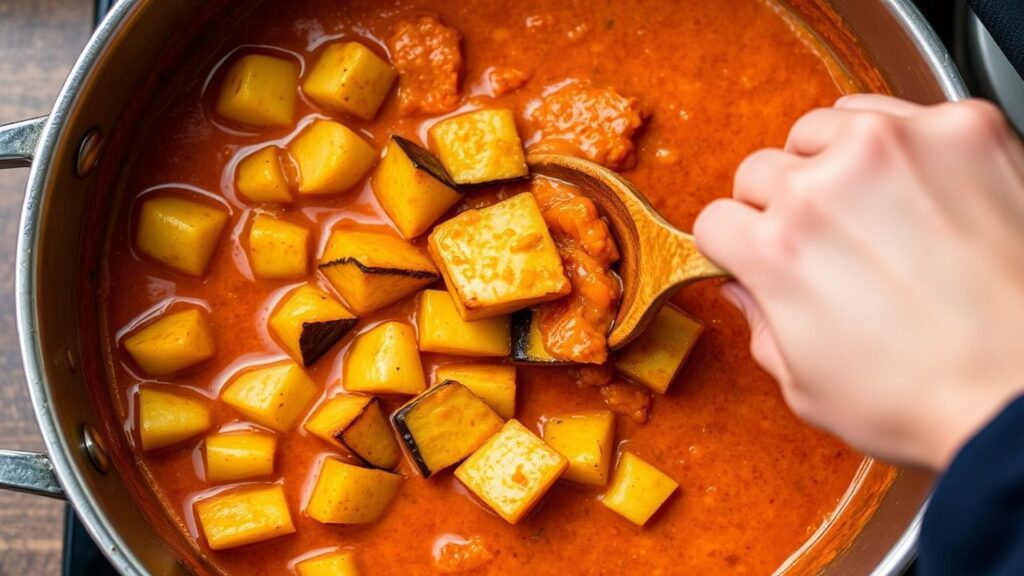
Once your curry base is rich with spices and aromatics, and your eggplant is pre-cooked to perfection, the fifth brilliant secret comes into play: the gentle fold. This is the moment you combine the pre-cooked eggplant with the curry sauce. The aim is to coat the eggplant evenly without breaking it down into mush.
This requires a light touch. Instead of stirring vigorously, use a spatula or large spoon to gently fold the eggplant into the sauce. Allow it to simmer for just long enough to absorb the final flavors, usually 5-10 minutes. This ensures the eggplant remains tender but intact, offering a satisfying bite within the creamy sauce. Over-stirring or over-cooking at this stage is a common mistake that leads to a homogenous, unappealing texture.
Simmering for Flavor Infusion
After gently folding in the pre-cooked eggplant, let the curry simmer over low heat. This allows the eggplant to absorb the final nuances of the sauce and for the flavors to meld together harmoniously. Taste and adjust seasonings – you might need a pinch more salt, a touch more chili for heat, or a squeeze of lime for brightness. The goal is for the eggplant to be fork-tender and infused with the curry’s essence.
Secret #6: The Finishing Touches: Freshness and Aroma
A truly exceptional eggplant curry is never finished until the final aromatic flourishes are added. These seemingly small additions elevate the dish from good to unforgettable. The sixth brilliant secret is to layer in fresh herbs and finishing spices just before serving.
Fresh cilantro (coriander leaves) is a classic garnish, providing a bright, herbaceous counterpoint to the rich spices. A sprinkle of freshly chopped mint can add an unexpected burst of coolness. For an extra layer of aroma, a final tempering of spices, known as ‘tadka’ or ‘chaunk’ in Indian cuisine, can be applied. This involves heating spices and aromatics in a small amount of oil or ghee and pouring this fragrant mixture over the finished curry.
The Magic of a Tempering (Tadka)
A tempering adds a final layer of aromatic depth and visual appeal. For an eggplant curry, you might heat a tablespoon of ghee or oil in a small pan. Once hot, add mustard seeds, cumin seeds, and a dried red chili. Let them splutter and pop. You can also add curry leaves or a pinch of asafoetida (hing). Pour this sizzling mixture immediately over the curry just before serving. The aroma that is released is incredible and signifies the final stage of a well-crafted dish.
Secret #7: The Overnight Flavor Meld
This is perhaps the most overlooked yet one of the most impactful secrets for achieving profound flavor in any curry, including eggplant curry. The seventh brilliant secret is to allow the curry to rest and meld overnight. While it’s tempting to serve your masterpiece immediately, giving it time to sit allows the complex flavors to deepen and harmonize.
Curries are often even better the next day. The spices continue to infuse into the eggplant, and the sauce thickens slightly, resulting in a richer, more integrated taste. Reheat the curry gently on the stovetop, adding a splash of water or coconut milk if it has become too thick.
The Patience Advantage
The principle here is simple: time allows flavors to develop. Just as a good wine benefits from aging, a well-made curry benefits from resting. The initial cooking process breaks down ingredients and infuses them with spices, but the subsequent resting period allows these elements to truly meld. This patience is rewarded with a depth of flavor that is difficult to achieve otherwise.
The Ultimate Eggplant Curry Recipe: A Step-by-Step Guide
This recipe incorporates all seven brilliant secrets for an unforgettable eggplant curry.
Ingredients:
- 1.5 kg (3.3 lbs) Eggplant, cut into 2.5 cm (1 inch) cubes
- 2 tablespoons Salt (for purging eggplant)
- 3 tablespoons Vegetable oil or Ghee, divided
- 2 large Onions, finely chopped
- 4 cloves Garlic, minced
- 1-inch piece Ginger, grated
- 2 Green chilies, finely chopped (adjust to taste)
- 1 teaspoon Turmeric powder
- 1.5 teaspoons Ground Cumin
- 1.5 teaspoons Ground Coriander
- 1 teaspoon Garam Masala
- 1/2 teaspoon Chili powder (or Cayenne pepper)
- 400g (14 oz) Crushed Tomatoes (canned)
- 2 tablespoons Tomato Paste
- 400 ml (13.5 fl oz) Full-fat Coconut Milk
- 1-2 tablespoons Tamarind Paste (optional, for extra tang)
- Salt to taste
- Fresh Cilantro, chopped (for garnish)
- Fresh Mint, chopped (for garnish, optional)
For the Tempering (Tadka):
- 1 tablespoon Ghee or Vegetable Oil
- 1 teaspoon Mustard Seeds
- 1 teaspoon Cumin Seeds
- 2 Dried Red Chilies
- A pinch of Asafoetida (Hing, optional)
- 8-10 Curry Leaves (optional)
Preparation Method:
1. Prepare the Eggplant: Place the cubed eggplant in a large bowl. Sprinkle with 2 tablespoons of salt and toss well. Let sit in a colander for at least 30 minutes (up to 1 hour). Rinse thoroughly under cold water, then pat completely dry with paper towels. This is Secret #1: Salting and Purging.
2. Pre-cook the Eggplant: Heat 2 tablespoons of oil or ghee in a large skillet over medium-high heat. Add the dried eggplant cubes in a single layer (work in batches if necessary). Pan-fry for 4-5 minutes per side until golden brown and tender. Remove with a slotted spoon and drain on paper towels. Set aside. This is Secret #1: Pre-cooking.
3. Build the Spice Base: In the same skillet (or a heavy-bottomed pot), heat the remaining 1 tablespoon of oil or ghee over medium heat. Add the chopped onions and sauté until softened and lightly golden, about 6-8 minutes.
4. Add Aromatics and Spices: Add the minced garlic, grated ginger, and chopped green chilies. Sauté for 1 minute until fragrant. Add the turmeric powder, ground cumin, ground coriander, chili powder, and garam masala. Stir constantly for 30-60 seconds until fragrant. This is Secret #2: Blooming Spices.
5. Incorporate Tomatoes: Stir in the crushed tomatoes and tomato paste. Cook for 3-5 minutes, stirring occasionally, until the mixture thickens and darkens slightly. This is Secret #3: Acidity from Tomatoes.
6. Add Coconut Milk and Tamarind: Pour in the full-fat coconut milk and tamarind paste (if using). Stir well to combine. Bring the sauce to a gentle simmer. Do not boil vigorously. This is Secret #4: Coconut Milk Mastery.
7. Gentle Fold: Gently fold the pre-cooked eggplant cubes into the simmering curry sauce. Be careful not to mash them. This is Secret #5: Gentle Fold.
8. Simmer and Meld: Cover the pot and let the curry simmer gently over low heat for 10-15 minutes, allowing the eggplant to absorb the flavors and become fork-tender. Season with salt to taste.
9. Finishing Touches: Stir in half of the fresh cilantro and mint (if using). This is Secret #6: Freshness.
10. Serve: Ladle the eggplant curry into serving bowls. Garnish with the remaining fresh cilantro and mint.
Optional Tempering (Tadka):
1. In a small pan, heat 1 tablespoon of ghee or oil over medium heat.
2. Add mustard seeds and cumin seeds. Once they begin to splutter, add the dried red chilies, asafoetida (if using), and curry leaves (if using).
3. Cook for 30 seconds until fragrant.
4. Immediately pour this sizzling tempering over the finished eggplant curry. This is Secret #6: Tempering.
Nutritional Information (Approximate Per Serving, based on 6 servings):
- Calories: 350-450 kcal
- Protein: 5-7g
- Fat: 25-35g (primarily from coconut milk and oil)
- Saturated Fat: 18-25g
- Carbohydrates: 25-35g
- Fiber: 8-10g
- Sugars: 10-15g
- Sodium: Varies based on salt added
*Note: Nutritional values are estimates and can vary based on specific ingredients and quantities used.*
Expert Insights and Pro-Cautions
The quality of your eggplant matters. Look for firm, glossy eggplants with smooth skin. Younger eggplants tend to have fewer seeds and a milder flavor. Avoid any with soft spots or bruises. If using a very large eggplant, it might benefit from a longer salting period.
Using fresh ginger and garlic, rather than pre-minced versions, will significantly enhance the aroma and flavor of your curry. Grate or mince them just before adding them to the pan for maximum impact.
Frequently Asked Questions (FAQ)
What kind of eggplant is best for curry?
While many varieties work, globe eggplants (the common large, purple ones) are widely available and perform well. Smaller varieties like Indian eggplants or Japanese eggplants are also excellent choices, often requiring less salting due to their thinner skins and fewer seeds.
Can I make eggplant curry without salting the eggplant?
Yes, you can, but the texture and flavor will be compromised. Salting is a crucial step for drawing out excess moisture and bitterness, preventing a soggy curry. If you skip it, your eggplant might absorb too much oil and become mushy.
How can I make my eggplant curry thicker?
If your curry is too thin, you can thicken it by simmering it uncovered for a bit longer to allow some liquid to evaporate. Alternatively, you can mash a few cooked eggplant pieces against the side of the pot and stir them back into the sauce; their starchy content will help thicken it naturally.
Can I prepare eggplant curry ahead of time?
Absolutely! Eggplant curry is one of those dishes that tastes even better the next day. Allow it to cool completely, then store it in an airtight container in the refrigerator. Reheat gently on the stovetop, adding a splash of water or coconut milk if needed. This aligns with Secret #7: Overnight Flavor Meld.
What should I serve eggplant curry with?
Eggplant curry is wonderfully versatile. It pairs perfectly with steamed basmati rice, naan bread, roti, or chapati. A side of raita (yogurt dip) or a simple cucumber salad can provide a cooling contrast.
Mastering eggplant curry involves understanding the nuances of the star ingredient and layering flavors with intention. By following these seven brilliant secrets – from the crucial salting and pre-cooking of the eggplant to the strategic use of acidity, creamy coconut milk, gentle folding, aromatic finishing touches, and the patient overnight meld – you will consistently create a dish that is rich, complex, and utterly delicious. This isn’t just a recipe; it’s a pathway to culinary excellence with the humble eggplant.
See also: Eggplant