
The Enduring Allure of an Italian Icon
Few dishes evoke the comforting embrace of home quite like *Melanzane alla Parmigiana*, or Italian Eggplant Parmesan. This seemingly simple assembly of eggplant, tomato, cheese, and basil belies a depth of flavor and textural harmony that has captivated palates for generations. While variations abound, the heart of a truly exceptional Parmigiana lies in meticulous technique and a profound respect for its humble ingredients. The average Italian household consumes approximately 1.5 kilograms of eggplant per person annually, with *Melanzane alla Parmigiana* being a star player, underscoring its popularity and cultural significance as a cornerstone of Italian home cooking.
- The Enduring Allure of an Italian Icon
- The Foundation: Selecting and Preparing Your Eggplant
- Crafting the Soul: Sauce, Cheese, and Assembly
- The Alchemy of Baking and Resting
- Nutritional Snapshot and Serving Suggestions
- Elevating Your Eggplant Parmesan to Restaurant Quality
- Conclusion: A Timeless Culinary Masterpiece
- Frequently Asked Questions About Eggplant Parmesan
At a Glance: Mastering Eggplant Parmesan
- The Eggplant Choice is Paramount: Opt for firm, glossy Italian eggplants for optimal texture and minimal bitterness.
- Salting is Not Optional: Properly drawing out moisture and bitterness from the eggplant is a non-negotiable step for a superior result.
- Layering is an Art Form: Strategic placement of ingredients ensures each bite offers a balanced symphony of flavors and textures.
- Resting is Crucial: Allowing the finished dish to meld its flavors is as vital as the cooking itself.
The journey of Eggplant Parmesan from a rustic peasant dish to a globally revered classic is proof of its inherent deliciousness. Its roots are debated, with some culinary historians tracing its lineage to the Campania region, while others point to Sicily. Regardless of its precise birthplace, the dish embodies the Italian philosophy of transforming simple, seasonal produce into something extraordinary. It speaks of sun-drenched fields, of generations of mothers and grandmothers passing down their wisdom, and of the sheer joy of sharing a meal. This article will guide you through the nuances of creating an authentic and unforgettable Italian Eggplant Parmesan, exploring the ‘why’ behind each step, not just the ‘how’.
The Foundation: Selecting and Preparing Your Eggplant
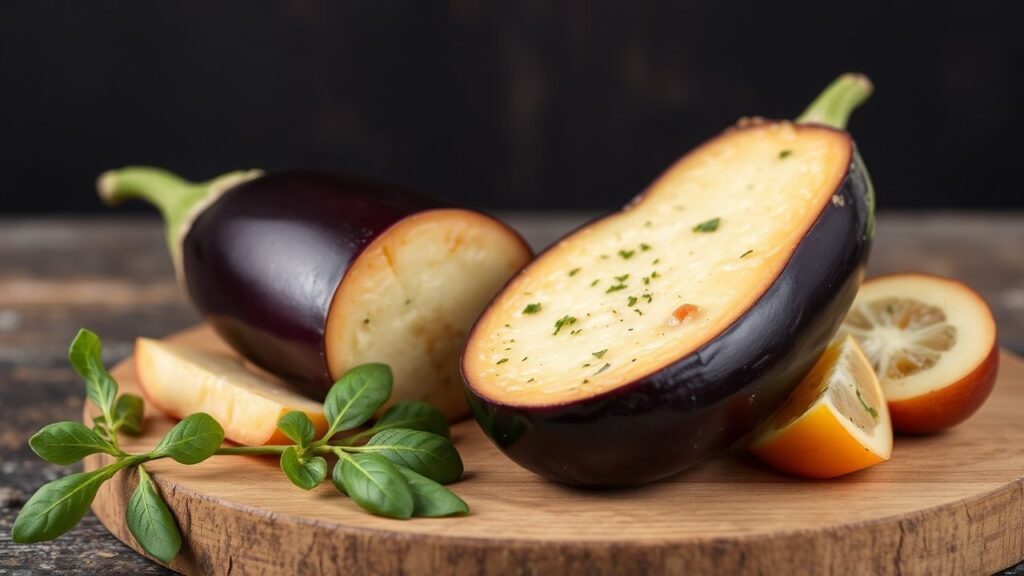
The success of any *Melanzane alla Parmigiana* hinges on the quality of its star ingredient: the eggplant. Italian eggplants, characterized by their elongated, slender shape and deep, glossy purple skin, are the ideal choice. They possess a firmer flesh with fewer seeds and a less bitter profile compared to their larger, globe-shaped cousins. When selecting your eggplants, look for specimens that feel heavy for their size, indicating good moisture content, and possess smooth, unblemished skin. Avoid any with soft spots or brown patches, as these are signs of age or damage.
The crucial, and often debated, step of salting the eggplant is a practice rooted in centuries of culinary tradition. This process serves two primary purposes: drawing out excess moisture, which prevents a watery final dish, and mitigating any inherent bitterness. Slice the eggplant into rounds, approximately ½ inch (1.25 cm) thick. Arrange these slices in a single layer on paper towels or a clean kitchen towel, and generously sprinkle both sides with coarse sea salt. Allow them to sit for at least 30 minutes, but ideally up to an hour. You will observe beads of liquid forming on the surface – this is the excess water and bitterness being expelled. After the resting period, rinse the slices thoroughly under cold water to remove all traces of salt, and then pat them completely dry with more paper towels. This drying is paramount; any residual moisture will hinder the crisping process.
The Art of Frying: Achieving Golden Perfection
Once prepared, the eggplant slices must be cooked to a tender, slightly golden perfection. While baking is a lighter alternative, the traditional method of shallow frying imparts an unparalleled depth of flavor and a desirable textural contrast that baked eggplant simply cannot replicate. Use a neutral oil with a high smoke point, such as canola, sunflower, or a light olive oil. Heat a generous amount of oil in a large skillet over medium-high heat. The oil is ready when a small piece of eggplant sizzles immediately upon contact. Fry the eggplant slices in batches, being careful not to overcrowd the pan, which would lower the oil temperature and lead to greasy, soggy eggplant. Fry each side for approximately 2-3 minutes, until golden brown and tender. As each batch is cooked, remove the slices with a slotted spoon and drain them on a wire rack set over a baking sheet. This allows air to circulate, preventing them from steaming and becoming soft.
Crafting the Soul: Sauce, Cheese, and Assembly
A truly magnificent Eggplant Parmesan is more than just fried eggplant layered with cheese. It is a symphony of complementary flavors, with the tomato sauce playing a pivotal role. The ideal sauce for Parmigiana is not overly complex. It should be a vibrant, yet relatively simple, tomato sauce, allowing the eggplant to shine. Begin with good quality crushed San Marzano tomatoes, known for their sweetness and low acidity. Sauté finely chopped garlic and a touch of onion in olive oil until fragrant, then add the tomatoes, a pinch of sugar to balance the acidity, salt, pepper, and a few fresh basil leaves. Simmer gently for at least 30 minutes, allowing the flavors to meld and the sauce to thicken slightly. Avoid a watery sauce; it will compromise the integrity of the dish.
The cheese selection is equally critical. While mozzarella is a must for its glorious meltiness, it’s the Parmigiano-Reggiano that provides the essential savory, nutty depth. Grate your Parmigiano-Reggiano fresh; pre-grated cheeses often contain anti-caking agents that can affect the melt. For the mozzarella, fresh mozzarella balls, well-drained and torn or sliced, are superior to the low-moisture variety. Their creamy texture and delicate flavor are unparalleled.
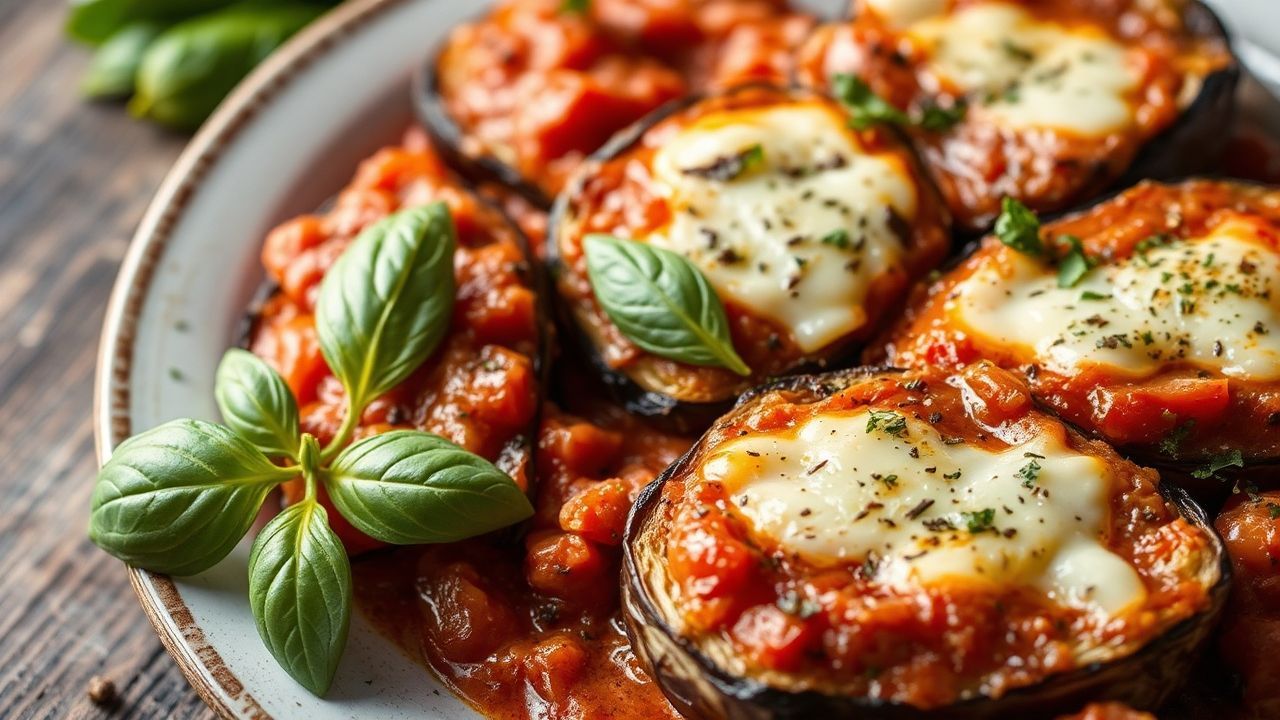
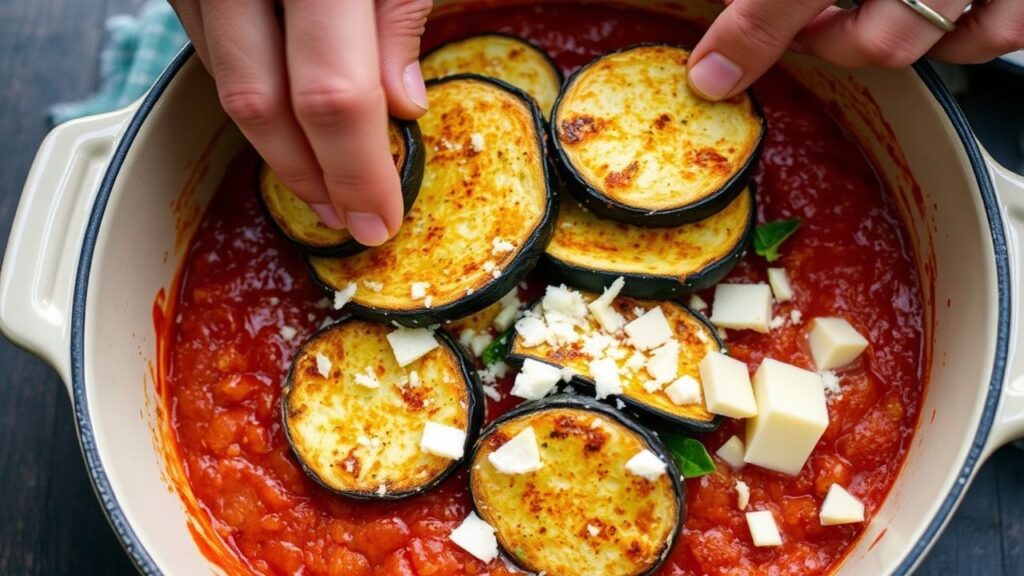
The assembly itself is an exercise in layering, a culinary ballet. Begin by spreading a thin layer of tomato sauce on the bottom of a baking dish. This prevents the bottom layer of eggplant from sticking and provides a moist foundation. Arrange a single layer of the fried eggplant slices, overlapping them slightly. Spoon a generous amount of tomato sauce over the eggplant, followed by a scattering of grated Parmigiano-Reggiano and torn pieces of mozzarella. Repeat this process, creating at least three to four layers, ensuring each layer is well-coated with sauce and cheese. The final layer should be a generous topping of sauce, a liberal dusting of Parmigiano-Reggiano, and a few fresh basil leaves.
The Alchemy of Baking and Resting
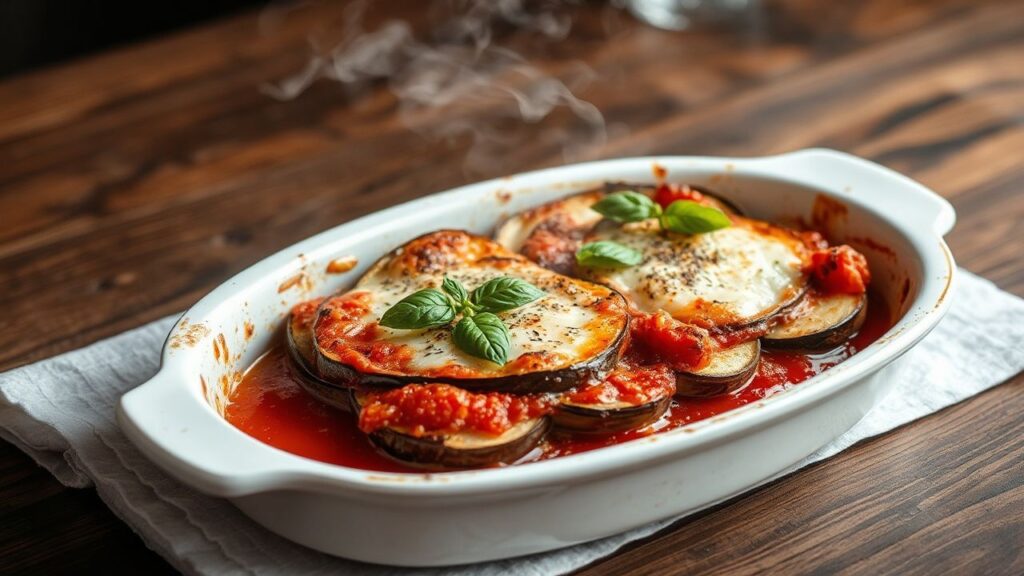
Once assembled, the Eggplant Parmesan is ready for its transformation in the oven. Preheat your oven to 375°F (190°C). Cover the baking dish tightly with aluminum foil. This initial covering steams the dish, ensuring the eggplant becomes perfectly tender and the cheeses melt evenly without the top browning too quickly. Bake for approximately 30-40 minutes. Then, remove the foil and continue baking for another 15-20 minutes, or until the top is beautifully golden brown and bubbly. The aroma wafting from the oven at this stage is intoxicating, proof of the rich flavors that have melded together.
However, the culinary journey of your Parmigiana is not complete once it leaves the oven. This is perhaps the most overlooked, yet arguably the most crucial, step: resting. Allow the Eggplant Parmesan to rest for at least 15-20 minutes, and ideally longer, before serving. This resting period allows the layers to settle, the flavors to further meld and deepen, and the dish to firm up, making it much easier to serve neat, uniform portions. Serving it directly from the oven often results in a messy, soupy presentation, as the molten cheese and sauce have not had a chance to coalesce. A well-rested Parmigiana is proof of patience and culinary foresight.
Nutritional Snapshot and Serving Suggestions
While undeniably a treat, understanding the nutritional profile of Eggplant Parmesan can help in mindful enjoyment. A typical serving (approximately 1/6th of a standard 9×13 inch dish) is estimated to contain:
- Calories: 400-550 kcal (varies significantly based on oil used for frying and cheese quantity)
- Protein: 18-25g
- Fat: 25-40g (significant portion from frying oil and cheese)
- Carbohydrates: 20-30g
- Fiber: 5-8g
- Sodium: 600-900mg (can be reduced by controlling salt in sauce and cheese choice)
This dish is rich in vitamins and minerals from the eggplant (Vitamin B6, Vitamin C, potassium) and tomatoes (Vitamin C, lycopene). The cheese provides calcium and protein. The high fat content is primarily due to the frying process and the cheese, making it a dish best enjoyed in moderation as part of a balanced diet.
Elevating Your Eggplant Parmesan to Restaurant Quality
Achieving that coveted restaurant-quality *Melanzane alla Parmigiana* involves a few subtle refinements. Firstly, the quality of your olive oil for frying matters. While a neutral oil is practical, a light, fruity olive oil can impart a more nuanced flavor. Just ensure it’s not extra virgin, as its lower smoke point makes it unsuitable for high-heat frying. Secondly, consider the type of tomato sauce. A slow-simmered sauce with a touch of red wine can add an incredible layer of complexity. Deglaze the pan with a splash of dry red wine after sautéing the aromatics, let it evaporate, then add the tomatoes.
Another technique to elevate the dish is a double-layering of cheese. Instead of just layering cheese between the eggplant, reserve a portion of the Parmigiano-Reggiano and mozzarella to sprinkle over the top of the final layer of sauce, ensuring a beautifully golden, cheesy crust. For a truly decadent experience, some chefs incorporate a thin layer of béchamel sauce between the eggplant and tomato sauce layers, adding an extra dimension of creaminess. This is particularly common in variations found in regions like Puglia. A classic example of this refinement can be seen in the renowned *Parmigiana di Melanzane* from Alberobello, where a delicate béchamel is integral to its rich texture.
Conclusion: A Timeless Culinary Masterpiece
Italian Eggplant Parmesan is more than just a recipe; it’s a narrative of tradition, flavor, and comfort. By understanding the nuances of selecting and preparing the eggplant, crafting a balanced sauce, judiciously choosing cheeses, and mastering the art of layering and resting, you can recreate this beloved classic in your own kitchen with exceptional results. It’s a dish that rewards patience and attention to detail, offering a taste of Italy’s rich culinary heritage with every delectable bite. Whether served as a hearty main course or a substantial appetizer, this iconic dish continues to prove its enduring appeal, proving that sometimes, the simplest ingredients, treated with respect, can yield the most profound culinary magic.
Frequently Asked Questions About Eggplant Parmesan
H3: Can I make Eggplant Parmesan ahead of time?
Absolutely. In fact, making Eggplant Parmesan ahead of time is highly recommended. The resting period is crucial for flavors to meld and the dish to set. It can be made a day in advance, refrigerated, and then gently reheated in a moderate oven (around 350°F/175°C) until warmed through and bubbly. This allows the flavors to deepen even further, often resulting in a more delicious dish the next day.
H3: What is the best way to store leftover Eggplant Parmesan?
Leftover Eggplant Parmesan should be stored in an airtight container in the refrigerator. It will keep well for 3-4 days. When reheating, it’s best to use an oven to maintain its texture, rather than a microwave, which can make the eggplant mushy. Reheat gently at around 350°F (175°C) until heated through. You can also freeze portions of Eggplant Parmesan for longer storage; ensure it is cooled completely before freezing in freezer-safe containers. Thaw overnight in the refrigerator before reheating.
H3: Is it possible to make Eggplant Parmesan gluten-free?
Yes, it is possible to adapt Eggplant Parmesan to be gluten-free. The primary components that are naturally gluten-free are the eggplant, tomato sauce, and cheese. The traditional method of frying eggplant often involves a light dusting of flour before frying. To make it gluten-free, you can substitute the all-purpose flour with a gluten-free flour blend, or simply omit the flour altogether and fry the eggplant slices as is. Ensure that any pre-made sauces or cheeses you use are certified gluten-free to avoid cross-contamination.
H3: Why is my Eggplant Parmesan watery?
A watery Eggplant Parmesan is almost always a result of insufficient moisture removal from the eggplant or an overly thin tomato sauce. The salting and thorough drying of the eggplant slices after rinsing is paramount. If the eggplant is not properly prepared, it will release a significant amount of water during baking. Additionally, ensure your tomato sauce is not watery; it should be simmered until it has thickened to a desirable consistency. Using canned crushed tomatoes that have been drained slightly can also help reduce excess liquid.
See also: Eggplant