
“The beauty of Mexican cuisine lies in its ability to transform humble ingredients into profound expressions of culture and community. Enchiladas, in their seemingly simple form, are proof of this culinary alchemy.” – Diana Kennedy, renowned author and authority on Mexican food.
- The Enduring Allure of Chicken and Cheese Enchiladas
- Deconstructing the Perfect Chicken and Cheese Enchilada
- The Art of Preparation: A Step-by-Step Guide
- Nutritional Profile: A Balancing Act
- Elevating Your Enchiladas: Expert Insights and Pro-Tips
- Conclusion: A Taste of Tradition and Comfort
- Frequently Asked Questions
The Enduring Allure of Chicken and Cheese Enchiladas
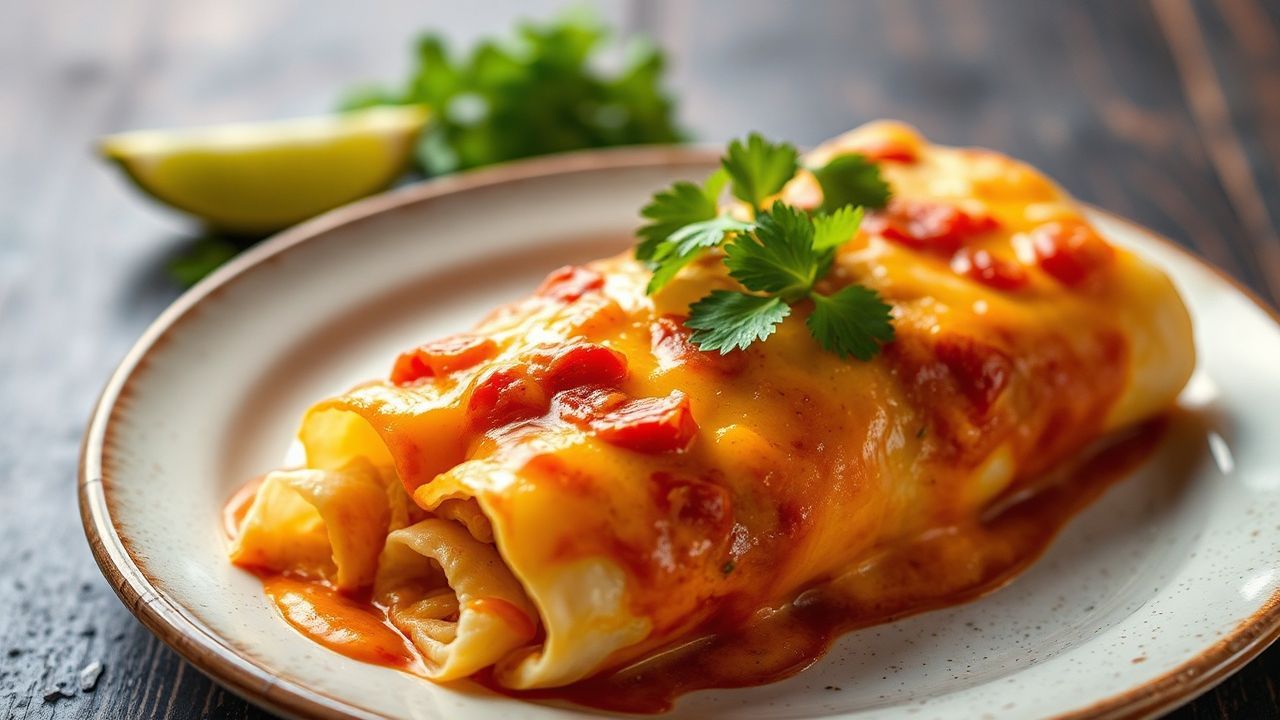
In the vast and vibrant landscape of Mexican gastronomy, few dishes command as much universal affection and comfort as the humble yet magnificent enchilada. Specifically, the pairing of tender shredded chicken and melting cheese, bathed in a rich, complex sauce, represents a cornerstone of this beloved cuisine. These are not mere tortillas rolled and sauced; they are edible tapestries, woven with history, regional variations, and the unmistakable warmth of home cooking. To truly understand the soul of Mexican food is to appreciate the depth and nuanced artistry that goes into a perfectly executed plate of chicken and cheese enchiladas.
- Cultural Significance: Enchiladas are more than just a dish; they are a symbol of Mexican culinary heritage, passed down through generations.
- Flavor Profile: The interplay of savory chicken, creamy cheese, and the distinct character of the enchilada sauce creates a symphony of tastes.
- Versatility: While chicken and cheese are classic, the fundamental enchilada concept allows for endless creative interpretation.
- Comfort Food Epitome: This dish consistently delivers a satisfying and soul-warming dining experience, making it a perennial favorite.
The journey of the enchilada begins with its very name, derived from the Spanish verb “enchilar,” meaning “to add chili.” This etymology hints at the dish’s ancient roots, where indigenous peoples of Mesoamerica likely consumed corn tortillas filled with various ingredients and seasoned with chili peppers. Over centuries, as ingredients and techniques evolved, the enchilada transformed, absorbing influences from Spanish colonization and regional Mexican culinary traditions. The addition of poultry, dairy products like cheese, and the development of complex chili-based sauces solidified its place as a staple. Today, the chicken and cheese enchilada, particularly when prepared with a rich red or green sauce, stands as a widely recognized and cherished representation of Mexican comfort food, appreciated by palates worldwide. Understanding its preparation is not just about following a recipe; it’s about engaging with a culinary narrative that speaks of tradition, resourcefulness, and profound flavor.
Deconstructing the Perfect Chicken and Cheese Enchilada
Crafting exceptional chicken and cheese enchiladas is an exercise in balancing textures, temperatures, and, most importantly, flavors. The foundation of any great enchilada lies in the quality of its components, each playing a critical role in the final symphony. It’s a dish where attention to detail in each step—from perfectly cooking the chicken to achieving the ideal consistency of the sauce—yields a profoundly rewarding result. The interplay between the tender, seasoned chicken and the gooey, melted cheese, all embraced by a vibrant enchilada sauce, is what elevates this dish from simple sustenance to a culinary experience.
The Core Components: Chicken and Cheese
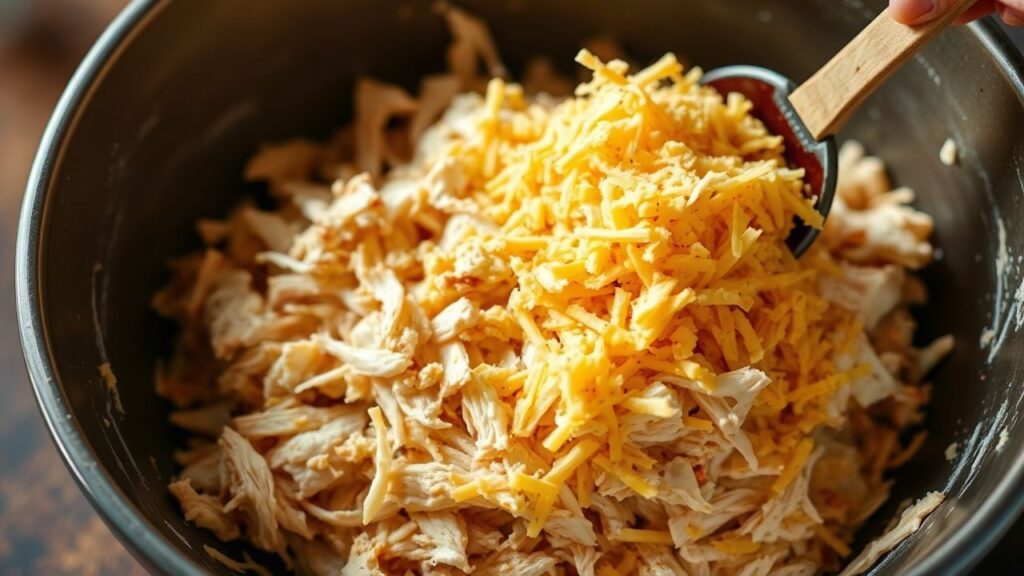
The choice and preparation of the chicken are paramount. For optimal texture and flavor, boneless, skinless chicken thighs are often preferred over breasts. Thighs possess a higher fat content, which keeps them moist and tender during cooking, and they absorb marinades and seasonings more readily. The chicken is typically poached or simmered in a flavorful liquid—often water infused with onion, garlic, and bay leaves—until it is fork-tender. This gentle cooking method ensures the meat remains succulent and easy to shred. Once cooked, the chicken is shredded by hand or with two forks, creating irregular pieces that hold sauce beautifully and provide a pleasing texture contrast within the tortilla. Some chefs advocate for a brief sauté of the shredded chicken with a pinch of cumin and oregano to further enhance its flavor profile before it’s incorporated into the enchiladas.
As for the cheese, the ideal choice is one that melts beautifully and offers a mild yet satisfying flavor. A blend of Monterey Jack and mild cheddar is a popular and effective combination for home cooks, providing excellent meltability and a pleasant tang. For a more authentic Mexican character, Queso Oaxaca (also known as Quesillo) is an excellent option. This string cheese melts with remarkable elasticity, creating delightful stretchy pulls with every bite. Alternatively, Cotija cheese, a firm, salty, and crumbly Mexican cheese, can be used as a finishing garnish, adding a sharp counterpoint to the richness of the other ingredients. The key is to use cheese that complements, rather than overpowers, the other flavors in the dish.
The Soul of the Dish: Enchilada Sauce
The enchilada sauce is arguably the most defining element, dictating the character and intensity of the entire dish. While countless variations exist, two are most commonly associated with chicken and cheese enchiladas: red and green.
Red Enchilada Sauce: A Symphony of Chiles
A classic red enchilada sauce is a complex, deeply flavored concoction, typically built upon dried chiles. The most common choices are Ancho chiles (dried poblano peppers) for their mild, smoky, and fruity notes, and Guajillo chiles for their bright, slightly tangy, and mildly spicy profile. These dried chiles are typically rehydrated in hot water, then blended with aromatics like toasted onion, garlic, and sometimes a hint of tomato. The crucial step is often toasting the dried chiles lightly before rehydration; this unlocks their full aromatic potential and reduces any harshness. The blended mixture is then strained to achieve a velvety smooth sauce and simmered with spices such as cumin, oregano, and a touch of Mexican cinnamon. Some recipes call for a small amount of masa harina (corn flour) or a finely ground tortilla to thicken the sauce, adding a subtle corn undertone and enhancing its body. The resulting sauce should be rich, nuanced, and possess a pleasant warmth, not an overwhelming heat.
Green Enchilada Sauce (Salsa Verde): A Bright, Tangy Counterpoint
In contrast, the green enchilada sauce, or salsa verde, offers a vibrant, herbaceous, and tangy profile. Its primary ingredient is tomatillos, small, tart, green fruits encased in a papery husk. These tomatillos are typically boiled or roasted along with jalapeños or serrano peppers (for heat), garlic, and onion until tender. The cooked ingredients are then blended to create a bright green, slightly acidic sauce. Cilantro is almost always added for its signature fresh, herbaceous notes. Unlike the red sauce, which often relies on dried chiles, salsa verde’s flavor comes from the fresh ingredients and its inherent tartness. It’s a lighter, more zesty sauce that cuts through the richness of the cheese and chicken beautifully. Achieving the right balance of tartness from the tomatillos and heat from the peppers is key to a successful salsa verde.
The Art of Preparation: A Step-by-Step Guide
Mastering the art of preparing chicken and cheese enchiladas involves a series of deliberate steps, each contributing to the final, harmonious dish. This isn’t a race; it’s a culinary journey where patience and attention to detail are rewarded with exceptional flavor and texture.
- Prepare the Chicken: In a medium saucepan, combine 500g (about 1.1 lbs) boneless, skinless chicken thighs with enough water to cover. Add half a white onion, 2 cloves of garlic, and a bay leaf. Bring to a simmer and cook for 20-25 minutes, or until the chicken is thoroughly cooked and tender. Drain the chicken, reserving about 1 cup of the cooking liquid. Once cool enough to handle, shred the chicken finely using two forks or your hands. In a bowl, toss the shredded chicken with 1 teaspoon ground cumin, ½ teaspoon dried oregano, and salt and freshly ground black pepper to taste. If desired, sauté the seasoned chicken in a tablespoon of oil for 2-3 minutes for extra flavor.
- Prepare the Enchilada Sauce:
- For Red Sauce: Toast 4-5 dried Ancho chiles and 2-3 dried Guajillo chiles in a dry skillet over medium heat for 1-2 minutes per side until fragrant (do not burn). Remove stems and seeds. Soak the chiles in hot water for 20-30 minutes until softened. In a blender, combine the rehydrated chiles with 1 small white onion (quartered), 2 cloves garlic, 1 ripe Roma tomato (halved), 1 teaspoon cumin, ½ teaspoon dried oregano, and 1 cup of chicken broth or reserved poaching liquid. Blend until very smooth. Strain the sauce through a fine-mesh sieve into a saucepan, pressing on the solids to extract as much liquid as possible. Discard solids. Heat 1 tablespoon of oil in the saucepan over medium heat. Carefully pour in the strained sauce (it may splatter). Simmer for 15-20 minutes, stirring occasionally, until slightly thickened and flavors have melded. Season with salt to taste.
- For Green Sauce: In a saucepan, combine 500g (about 1.1 lbs) fresh tomatillos (husked and rinsed), 1-2 jalapeño peppers (stems removed, adjust to heat preference), 1 small white onion (quartered), and 2 cloves garlic. Cover with water and bring to a boil. Reduce heat and simmer for 10-15 minutes, until tomatillos are tender and have changed color. Drain, reserving about ½ cup of the cooking liquid. Transfer the cooked tomatillos, peppers, onion, and garlic to a blender. Add a generous handful of fresh cilantro leaves (about ½ cup packed) and ½ cup of reserved cooking liquid. Blend until smooth. Heat 1 tablespoon of oil in a saucepan over medium heat. Carefully pour in the blended salsa verde. Simmer for 10-15 minutes, stirring occasionally, until the sauce has slightly thickened and the flavors have brightened. Season with salt and a squeeze of lime juice to taste.
- Warm the Tortillas: This is a critical step to prevent tearing. You can warm them one by one in a lightly oiled skillet over medium heat for about 30 seconds per side until pliable, or briefly dip them in warm enchilada sauce before filling. Alternatively, wrap a stack of tortillas in damp paper towels and microwave for 30-60 seconds until warm and flexible.
- Assemble the Enchiladas: Preheat your oven to 190°C (375°F). Lightly grease a 9×13 inch baking dish. Spread a thin layer of your chosen enchilada sauce on the bottom of the dish. Dip each warm tortilla briefly into the enchilada sauce to coat lightly. Place about 2-3 tablespoons of shredded chicken and a generous sprinkle of shredded cheese (about 2-3 tablespoons total) down the center of each tortilla. Roll the tortilla tightly and place it seam-side down in the prepared baking dish. Continue with the remaining tortillas and filling, arranging them snugly in the dish.
- Sauce and Cheese Topping: Pour the remaining enchilada sauce evenly over the rolled tortillas, ensuring they are well coated. Sprinkle generously with your chosen cheese blend (about 1-1.5 cups total).
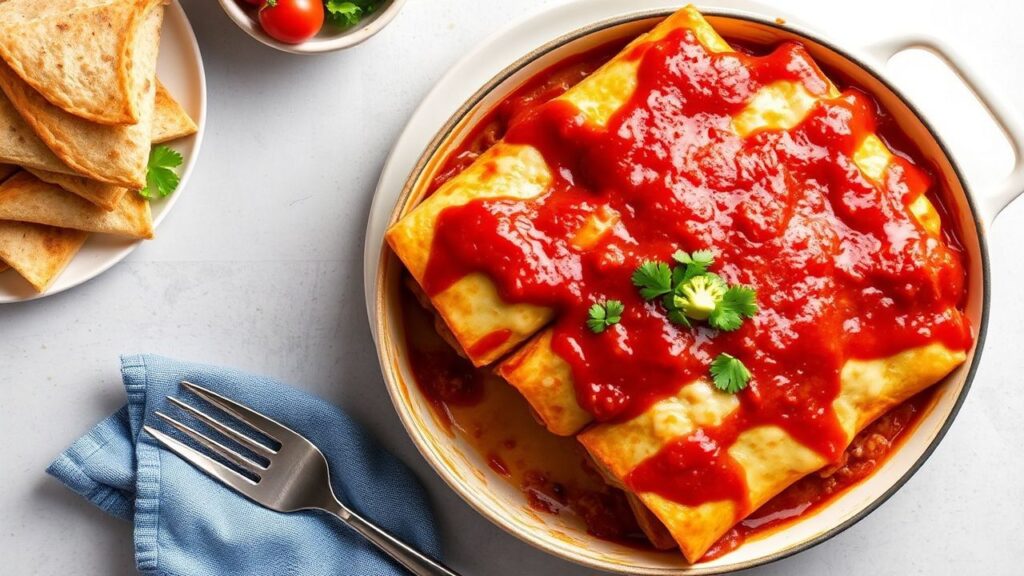
- Bake: Cover the baking dish loosely with aluminum foil and bake for 15-20 minutes, or until the sauce is bubbling and the cheese is melted and beginning to turn golden. For a slightly crispier top, remove the foil during the last 5 minutes of baking.
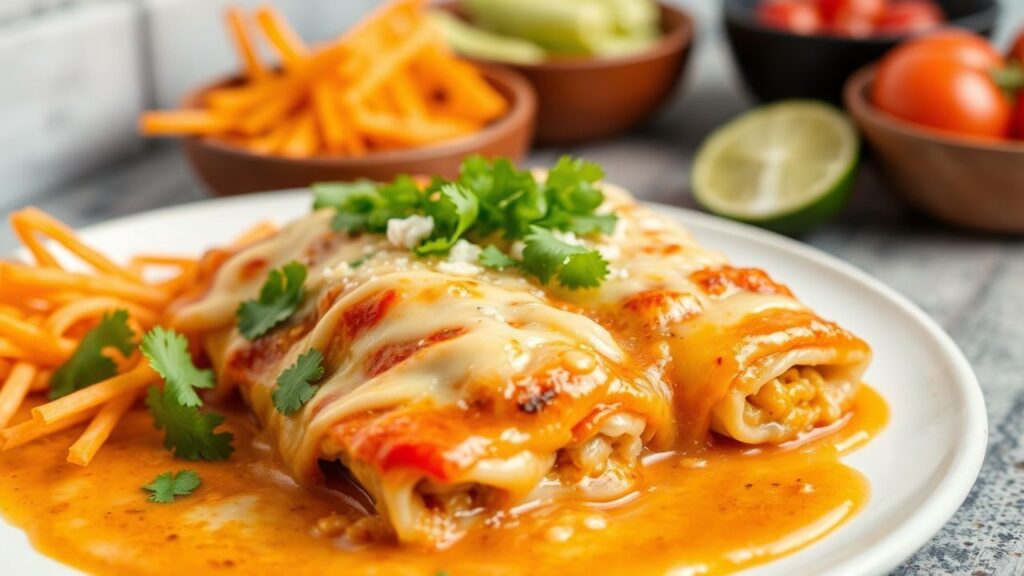
- Rest and Serve: Let the enchiladas rest for 5-10 minutes before serving. This allows the flavors to meld and the dish to set slightly, making it easier to serve. Garnish with your preferred toppings.
Nutritional Profile: A Balancing Act
The nutritional composition of chicken and cheese enchiladas can vary significantly based on the ingredients used, particularly the type and amount of cheese, the fat content of the chicken, and the richness of the sauce. However, a typical serving (approximately 2-3 enchiladas) can be estimated as follows:
| Nutrient | Approximate Amount (per serving) |
|---|---|
| Calories | 450-600 kcal |
| Protein | 25-35 g |
| Fat | 25-40 g |
| Saturated Fat | 10-18 g |
| Carbohydrates | 30-45 g |
| Fiber | 3-6 g |
| Sodium | 800-1200 mg |
Keep in mind that these are general estimations. Using leaner chicken, lower-fat cheese, and a sauce made with less oil can significantly reduce calorie and fat content. Conversely, opting for full-fat cheese and richer sauces will increase these values. The sodium content can also be high, especially if store-bought sauces or processed ingredients are used. For individuals managing specific dietary needs, homemade sauces and careful ingredient selection are crucial for controlling nutritional intake.
Elevating Your Enchiladas: Expert Insights and Pro-Tips
While the foundational recipe for chicken and cheese enchiladas is straightforward, a few expert touches can transform a good dish into an extraordinary one. These nuanced techniques, honed through years of culinary exploration, elevate the flavors, textures, and overall dining experience, bringing restaurant-quality results to your home kitchen.
One common pitfall is using dry, flavorless tortillas. Always warm your tortillas before rolling. This not only prevents them from cracking but also makes them more receptive to the sauce, allowing them to soften and absorb the flavors more effectively. A quick dip in warm enchilada sauce before filling is a classic Mexican technique that imbues the tortilla with immediate flavor and pliability. This contrasts with simply assembling dry tortillas and then dousing them in sauce, which can result in a less integrated flavor profile.
Consider the cheese blend. While Monterey Jack and cheddar are accessible, exploring Mexican cheeses can unlock new dimensions. For instance, a combination of Queso Oaxaca for its superior melt and stretch, and a touch of Cotija crumbled on top just before serving, provides a sophisticated balance of creamy and salty. The Cotija adds a sharp, almost Parmesan-like counterpoint that prevents the dish from becoming overwhelmingly rich. Remember that the cheese should complement, not dominate, the other flavors. A common mistake is to overload the enchiladas with cheese, which can lead to a greasy texture and mask the subtler notes of the chicken and sauce.
The garnishes are not mere afterthoughts; they are integral to the final presentation and taste. Fresh cilantro, thinly sliced red onion, a dollop of Mexican crema or sour cream, and a squeeze of fresh lime juice all contribute essential bright, cooling, and acidic elements that cut through the richness. A sprinkle of crumbled Cotija cheese or even some toasted pepitas (pumpkin seeds) can add textural interest and a welcome nutty crunch. These finishing touches are what elevate a home-cooked meal to the level of a thoughtfully composed dish. For a truly authentic experience, consider serving your enchiladas with a side of arroz mexicano (Mexican red rice) and frijoles refritos (refried beans).
A fascinating regional variation involves the cooking method of the tortillas. In some parts of Mexico, corn tortillas are briefly fried in oil until slightly softened but not crispy before being dipped in sauce and filled. This technique, known as “doraditas,” imparts a subtle richness and a slightly firmer texture to the enchilada, offering a delightful contrast to the softer, baked versions. This method, while more time-consuming, contributes a distinct textural element that is highly prized. The history of such culinary adaptations highlights the dynamic nature of Mexican cuisine, with each region and even each family contributing their unique interpretations to classic dishes.
Conclusion: A Taste of Tradition and Comfort
The chicken and cheese enchilada is far more than a simple meal; it is a culinary ambassador, embodying the warmth, generosity, and rich heritage of Mexican culture. From the careful selection of ingredients to the patient simmering of sauces and the artful assembly, each step in its preparation is a celebration of flavor and tradition. Whether you opt for the smoky depth of a red enchilada sauce or the bright tang of a salsa verde, the result is a dish that consistently delivers comfort, satisfaction, and a genuine taste of Mexico. Mastering these enchiladas is an invitation to connect with a culinary legacy that continues to delight and inspire, proving that some of the most profound culinary experiences often come from the most humble and beloved dishes.
Frequently Asked Questions
What is the best type of cheese for enchiladas?
The “best” cheese depends on your preference, but for classic meltability and mild flavor, a blend of Monterey Jack and mild cheddar is excellent. For a more authentic Mexican experience with superior stretch, Queso Oaxaca is unparalleled. If you enjoy a salty, crumbly finish, Cotija cheese is a fantastic garnish. Avoid cheeses that are too sharp or oily, as they can overpower the other flavors and create an undesirable texture.
Can I make enchilada sauce from scratch?
Absolutely! Making enchilada sauce from scratch is highly recommended for the best flavor. While store-bought sauces can be convenient, they often lack the depth and complexity of homemade versions. Dried chiles like Ancho and Guajillo form the base of a classic red sauce, while tomatillos are the star of a vibrant green salsa verde. Homemade sauces allow you to control the spice level, saltiness, and overall flavor profile, ensuring your enchiladas are perfectly tailored to your taste.
What are the most common mistakes people make when preparing enchiladas?
Several common mistakes can detract from the final dish. One is using tortillas that are not properly warmed, leading to tearing during assembly. Another is over-soaking tortillas in sauce, resulting in a mushy texture. Some also fail to develop enough flavor in their sauce by rushing the simmering process or not toasting dried chiles adequately. Finally, using a cheese that doesn’t melt well or that has too strong a flavor can also impact the overall outcome. Attention to these details can significantly improve your enchilada-making skills.
How can I make my enchiladas healthier?
To make chicken and cheese enchiladas healthier, focus on ingredient modifications. Opt for leaner chicken breast or trim any visible fat from thighs. Use a lower-fat cheese blend or a smaller amount of full-fat cheese. Prepare your sauces from scratch using fresh ingredients and minimal oil. Incorporating more vegetables, such as sautéed onions, bell peppers, or zucchini, into the filling can add fiber and nutrients. Additionally, serving smaller portions or pairing them with a large salad instead of refried beans can also contribute to a healthier meal.
See also: Enchiladas