
The Humble Bean Salad, Reimagined
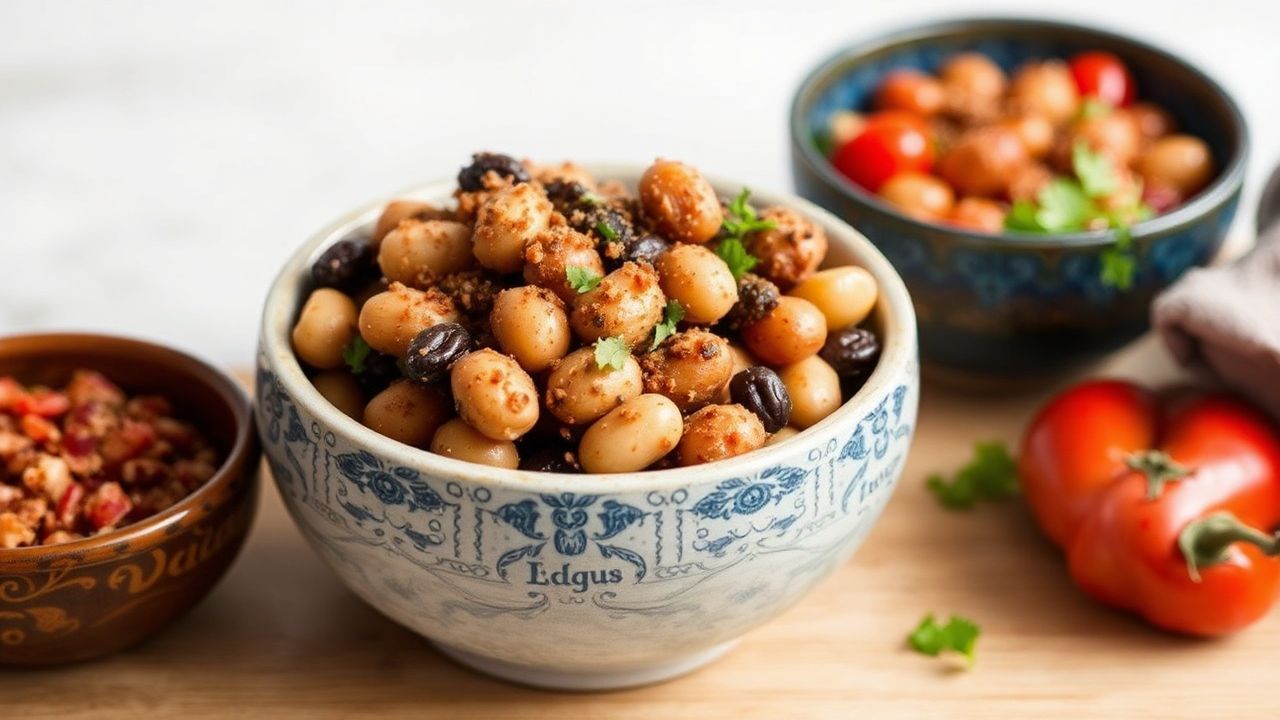
For years, the humble bean salad occupied a predictable corner of the culinary landscape, often relegated to potlucks and picnics. Its potential for vibrant flavors and textural complexity remained largely untapped. Then came an awakening, driven by the growing appreciation for layered flavors and the power of aromatic spice blends. This is where the marinated za’atar bean salad steps into the spotlight, transforming a familiar concept into something utterly captivating. It’s a dish that speaks of ancient traditions and modern palates, proof of how a few carefully chosen ingredients, guided by expertise, can unlock culinary delight. The secret lies not just in the ingredients, but in the thoughtful marination process that allows each component to sing.
- The Humble Bean Salad, Reimagined
- The Foundation: Selecting Your Beans Wisely
- Beyond the Beans: Essential Additions for Texture and Taste
- The Aromatic Foundation: Vegetables and Aromatics
- The Burst of Freshness: Herbs and Produce
- The Element of Surprise: Nuts, Seeds, and Other Enhancements
- Expert Techniques for Optimal Flavor Infusion and Presentation
- The Art of Resting and Marination
- The Importance of Draining and Rinsing
- Balancing Flavors for a Harmonious Bite
- Serving Suggestions and Pairing Recommendations
- Frequently Asked Questions
- What is the best type of bean to use in a za’atar bean salad?
- How long should the za’atar bean salad marinate?
- Can I make this salad ahead of time?
- What makes za’atar unique compared to other spice blends?
- How can I add more protein to my za’atar bean salad?
- Final Recommendations for a Truly Exceptional Salad
The marination of a za’atar bean salad is not merely about flavor infusion; it’s about transforming humble legumes into textural marvels, each bite a nuanced interplay of zest, spice, and earthiness.
Unpacking the Za’atar Experience
Za’atar, the star of this salad, is far more than just a spice; it’s a culinary heritage. At its core, za’atar is typically a harmonious marriage of dried thyme (or wild herbs), toasted sesame seeds, sumac, and salt. Some preparations may include marjoram, oregano, or savory. The toasted sesame seeds provide a nutty depth, while the sumac contributes a bright, lemony tang that cuts through richness. Thyme, the herbaceous backbone, offers an earthy, slightly peppery note. Understanding the nuances of this blend is the first step towards mastering the marinated za’atar bean salad.
The Foundation: Selecting Your Beans Wisely
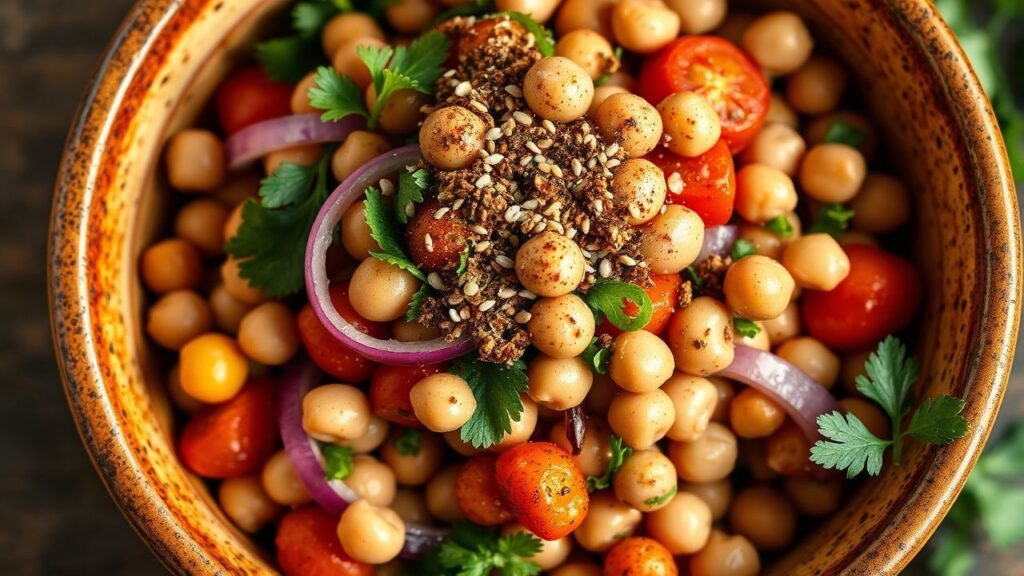
The success of any bean salad hinges on the quality and variety of beans used. For a marinated za’atar bean salad, the goal is to create a textural symphony that complements the zesty marinade. A thoughtful combination of canned and dried beans, prepared correctly, yields the best results. Canned beans are convenient, but it’s crucial to opt for high-quality, low-sodium varieties and rinse them thoroughly to remove excess brine, which can impart an unwanted metallic taste.
For a more profound textural experience, consider incorporating rehydrated dried beans. Soaking and cooking dried beans from scratch allows for greater control over their final consistency, achieving a perfect al dente bite. A blend of different bean types introduces visual appeal and a spectrum of textures. Consider:
- Chickpeas (Garbanzo Beans): Their firm, slightly mealy texture holds up exceptionally well to marination and provides a satisfying bite.
- Cannellini Beans (White Kidney Beans): These offer a creamy, almost buttery texture that absorbs flavors beautifully.
- Kidney Beans (Red or Dark Red): Their robust, slightly firm texture adds a pleasing chewiness to the salad.
- Black Beans: While their texture is softer, they provide striking visual contrast and a slightly earthy flavor.
- Lentils (Puy or French Green): Their distinct texture and ability to hold their shape make them an excellent addition, adding earthy depth.
The key is to ensure all beans are cooked to a tender yet firm state, capable of absorbing the marinade without disintegrating.
The Marination Magic: Crafting the Za’atar Dressing
This is where the true alchemy of the marinated za’atar bean salad takes place. The marinade is the vehicle for flavor, transforming the inherent earthiness of the beans into a vibrant, aromatic dish. A well-constructed marinade balances acidity, richness, and the signature notes of za’atar.
The base of any excellent vinaigrette is a ratio of oil to acid, typically 3:1 or 2:1. For this salad, a high-quality extra virgin olive oil is paramount. Its fruity notes and peppery finish harmonize beautifully with the za’atar. For the acid, a combination of lemon juice and red wine vinegar offers a complex tang. Freshly squeezed lemon juice provides a brighter citrus note than bottled, while red wine vinegar adds a subtle fruity sharpness.
The za’atar blend itself will be the star, but its integration into the marinade requires care. Ensure your za’atar is fresh; stale za’atar loses its potency. Toasting the za’atar blend gently in a dry pan for a minute or two before adding it to the dressing can further awaken its aromas and bring out the nutty notes of the sesame seeds.
Beyond the core components, consider these flavor enhancers:
- Garlic: Finely minced or grated garlic adds pungent depth. For a milder flavor, roast whole garlic cloves until tender and mash them into a paste.
- Dijon Mustard: A small amount acts as an emulsifier and adds a subtle, piquant kick.
- Honey or Maple Syrup: A touch of sweetness balances the acidity and enhances the overall flavor profile.
- Fresh Herbs: While za’atar contains herbs, supplementing with finely chopped fresh parsley, mint, or cilantro adds another layer of freshness and visual appeal.
The marination process itself is critical. The beans should be thoroughly drained and rinsed, then gently tossed with the prepared marinade. Allow the salad to rest for at least 30 minutes at room temperature, or preferably a few hours in the refrigerator, to allow the flavors to meld and deepen.
Beyond the Beans: Essential Additions for Texture and Taste
While the beans and the za’atar marinade form the heart of this salad, its true brilliance lies in the complementary ingredients that add layers of texture, color, and flavor.
The Aromatic Foundation: Vegetables and Aromatics
A finely diced red onion provides a sharp, pungent counterpoint. For a milder onion flavor, soak diced red onion in cold water for 10-15 minutes before draining and adding it to the salad; this process mellows its bite.
Fresh garlic is crucial. For an added textural element, consider thinly slicing a clove of garlic and lightly sautéing it in a little olive oil until golden brown and fragrant. These crispy garlic slivers, sprinkled over the finished salad, offer a delightful crunch and intense savory flavor.
The Burst of Freshness: Herbs and Produce
Fresh herbs are non-negotiable for a truly exceptional marinated za’atar bean salad. Flat-leaf parsley, with its clean, slightly peppery taste, is a classic choice. Fresh mint, finely chopped, can add an unexpected yet incredibly refreshing lift. Cilantro, with its distinctive citrusy notes, is another excellent option.
Consider incorporating other fresh produce that complements the za’atar. Diced bell peppers, in vibrant shades of red, yellow, or orange, add sweet crunch and a welcome splash of color. Cherry tomatoes, halved or quartered, contribute juicy sweetness and slight acidity. For a more robust and slightly bitter note, finely chopped celery can add satisfying crunch and a subtle herbaceous undertone.
The Element of Surprise: Nuts, Seeds, and Other Enhancements
To introduce delightful textural contrasts, consider incorporating toasted nuts or seeds. Toasted slivered almonds offer delicate crunch and subtle nutty flavor. Toasted pine nuts, with their buttery richness, add a touch of elegance. For an extra layer of crunch and concentrated nutty flavor, lightly toast additional sesame seeds to sprinkle over the finished salad.
A sprinkle of crumbled feta cheese can introduce a salty, tangy element that beautifully complements the za’atar and the beans. For a touch of heat, finely diced jalapeño or a pinch of red pepper flakes can be added.
Expert Techniques for Optimal Flavor Infusion and Presentation
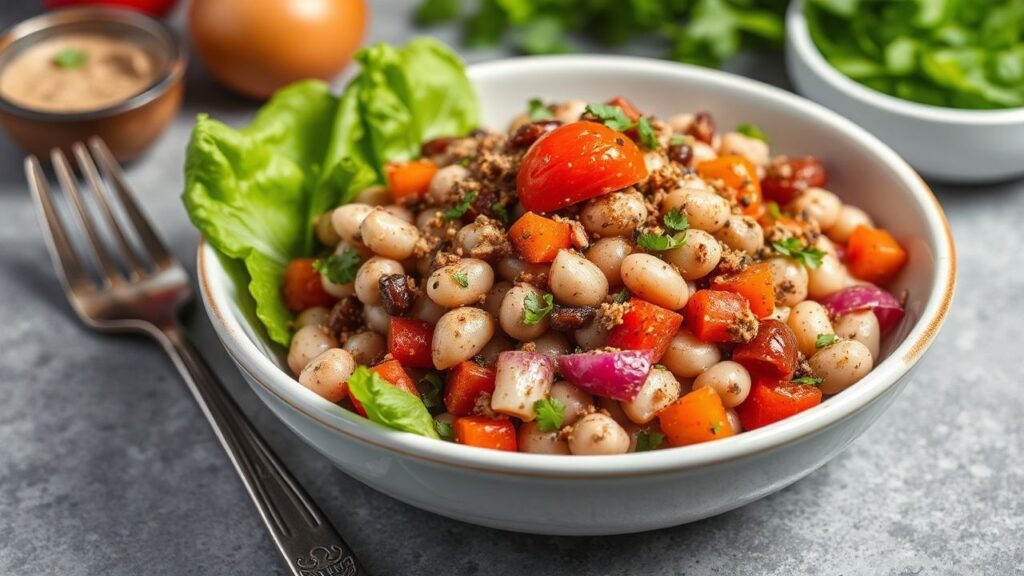
Achieving a truly outstanding marinated za’atar bean salad goes beyond simply combining ingredients. It involves understanding subtle techniques that enhance flavor, improve texture, and elevate presentation.
The Art of Resting and Marination
The term “marinated” implies a period of rest, allowing flavors to meld and deepen. For bean salads, this resting period is crucial. After combining the drained beans with the prepared za’atar marinade and any added vegetables, cover the salad and allow it to sit. A minimum of 30 minutes at room temperature is sufficient for flavors to begin infusing. For optimal results, refrigerate the salad for at least 2 to 4 hours, or even overnight. This extended marination period allows the za’atar’s aromatic compounds to penetrate the beans, transforming their inherent earthiness into a complex, layered flavor profile.
The Importance of Draining and Rinsing
Before marinating, it is imperative to thoroughly drain and rinse canned beans. The liquid in canned beans, often referred to as brine, can contain significant amounts of sodium and a metallic or off-putting flavor. Rinsing under cold running water removes this brine, ensuring a cleaner, brighter taste for your salad. Similarly, if you are using rehydrated dried beans, ensure they are cooked to the perfect al dente texture and drained thoroughly before adding them to the marinade. Excess water will dilute the marinade, hindering proper flavor infusion.
Balancing Flavors for a Harmonious Bite
The magic of a great salad lies in its balance. When crafting your za’atar bean salad, consider the interplay of flavors:
- Acidity: Provided by lemon juice and vinegar, it brightens the salad and cuts through richness.
- Fat: From olive oil, it carries flavors and adds a pleasing mouthfeel.
- Saltiness: From salt in the za’atar and potentially feta cheese, it enhances all other flavors.
- Sweetness: A touch of honey or maple syrup balances acidity and rounds out the flavor profile.
- Bitterness/Herbaceousness: From za’atar and fresh herbs, it adds complexity and freshness.
- Pungency: From onion and garlic, it provides a savory kick.
Taste and adjust seasonings as you go. The marinade might seem intensely flavored on its own, but remember that the beans will absorb and mellow these flavors. It’s better to err on the side of slightly bolder seasoning in the marinade, knowing it will harmonize with the beans.
Serving Suggestions and Pairing Recommendations
A marinated za’atar bean salad is incredibly versatile, capable of standing alone as a light lunch or serving as a vibrant side dish. Its robust flavors make it a perfect accompaniment to a wide range of cuisines and occasions.
As a Standalone Meal or Light Lunch
When served as a main course, consider garnishing the salad generously with fresh herbs, toasted nuts, or a dollop of creamy tahini dressing. A side of warm, crusty bread or toasted pita bread is an ideal pairing, perfect for sopping up any remaining flavorful marinade. For a more substantial meal, serve it alongside grilled halloumi cheese or a simple grilled chicken breast. The zesty, herbaceous notes of the salad provide a refreshing contrast to richer proteins.
As a Vibrant Side Dish
The marinated za’atar bean salad shines as a side dish, adding color, texture, and a burst of flavor to any plate. It pairs exceptionally well with:
- Grilled Meats and Poultry: The salad’s acidity and herbaceousness cut through the richness of grilled lamb, chicken, or steak, providing a palate-cleansing counterpoint.
- Fish and Seafood: Its bright flavors complement grilled or baked fish, particularly Mediterranean-inspired dishes.
- Roasted Vegetables: Alongside roasted root vegetables or Mediterranean staples like zucchini and eggplant, the salad adds a welcome fresh element.
- Middle Eastern and Mediterranean Fare: It’s a natural fit for dishes like falafel, shawarma, or even as part of a mezze platter.
Beverage Pairings
For beverages, consider options that echo the salad’s flavor profile. Crisp, dry white wines such as Sauvignon Blanc or Pinot Grigio are excellent choices, their acidity mirroring the salad’s tang. Light-bodied red wines like Gamay can also work. For non-alcoholic options, sparkling water with a squeeze of lemon or lime, or a refreshing iced herbal tea, would be delightful.
Frequently Asked Questions
What is the best type of bean to use in a za’atar bean salad?
The best approach is to use a combination of beans for textural variety. Chickpeas offer a firm bite, cannellini beans provide creaminess, and kidney beans add a satisfying chew. Always ensure beans are cooked to an al dente texture, whether from a can (rinsed well) or cooked from dried.
How long should the za’atar bean salad marinate?
For optimal flavor infusion, allow the salad to marinate for at least 2-4 hours in the refrigerator. For an even deeper flavor, marinating overnight is recommended. Avoid marinating for excessively long periods (more than 24 hours) as this can affect the texture of the beans and other ingredients.
Can I make this salad ahead of time?
Yes, this salad is an excellent candidate for making ahead. In fact, the flavors improve with time. Prepare the salad and marinate it as directed, storing it covered in the refrigerator. It can typically be kept for up to 3-4 days, though the texture of any added fresh vegetables might soften slightly over time.
What makes za’atar unique compared to other spice blends?
Za’atar’s uniqueness stems from its specific blend of herbs (typically thyme), toasted sesame seeds, and sumac. This combination provides an earthy, nutty, and tangy flavor profile that is distinct from other spice blends. The quality and proportion of each ingredient can vary regionally, leading to subtle differences in its taste.
How can I add more protein to my za’atar bean salad?
To boost the protein content, consider adding grilled chicken, flaked tuna, hard-boiled eggs, or pan-fried tofu. For a vegetarian option, incorporating lentils or more substantial beans like edamame can also increase the protein significantly.
Final Recommendations for a Truly Exceptional Salad
The marinated za’atar bean salad is more than just a recipe; it’s an invitation to explore the vibrant intersection of tradition and innovation in the kitchen. By understanding the foundational elements of bean selection, the art of marination, and the thoughtful inclusion of complementary ingredients, you can transform this seemingly simple dish into a culinary masterpiece.
Always prioritize fresh, high-quality ingredients. Start with good beans, use a premium extra virgin olive oil, and ensure your za’atar blend is fragrant and potent. Don’t be afraid to experiment with the additions, adjusting the components to suit your personal palate and the occasion. Whether you’re serving it as a light lunch or a sophisticated side dish, this salad promises a delightful journey of textures and tastes. Embrace the process, savor the aromas, and enjoy the vibrant, healthful flavors of this truly essential dish.
See also: Za’atar