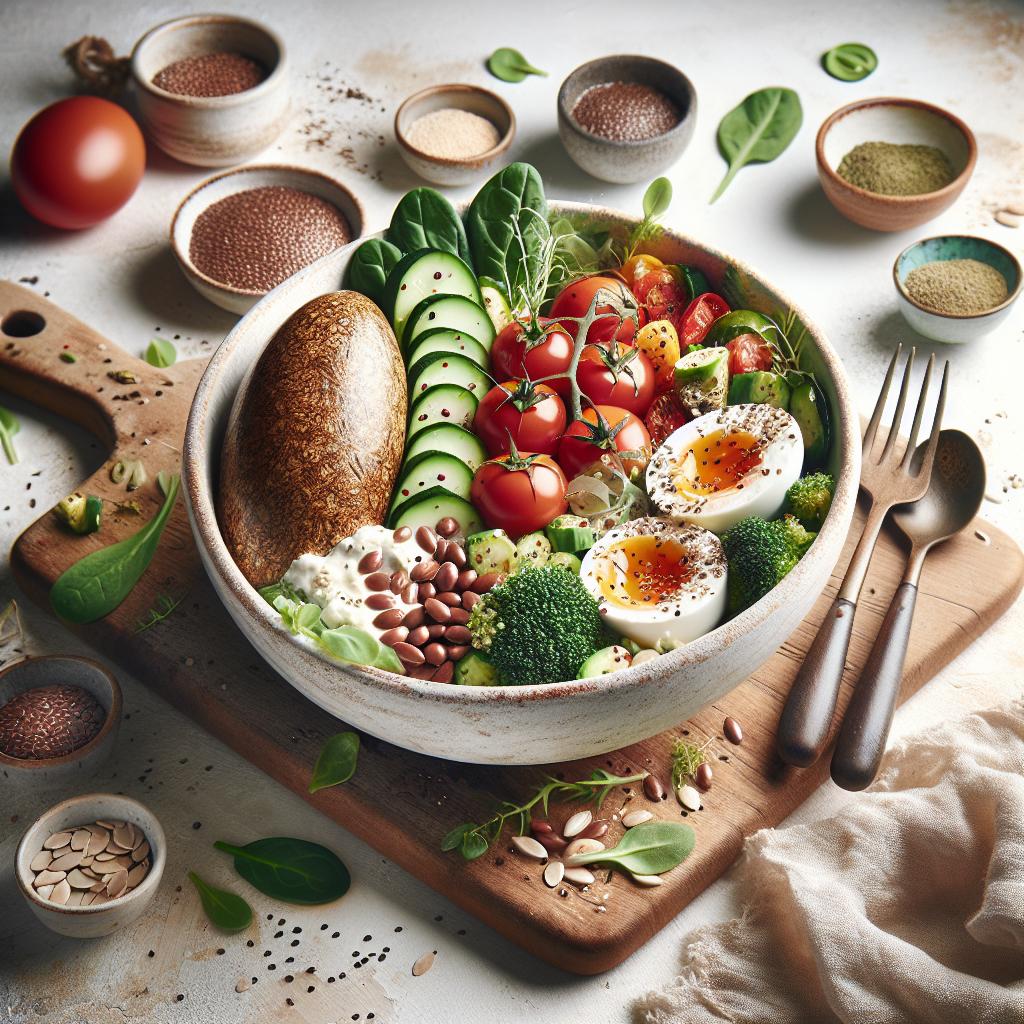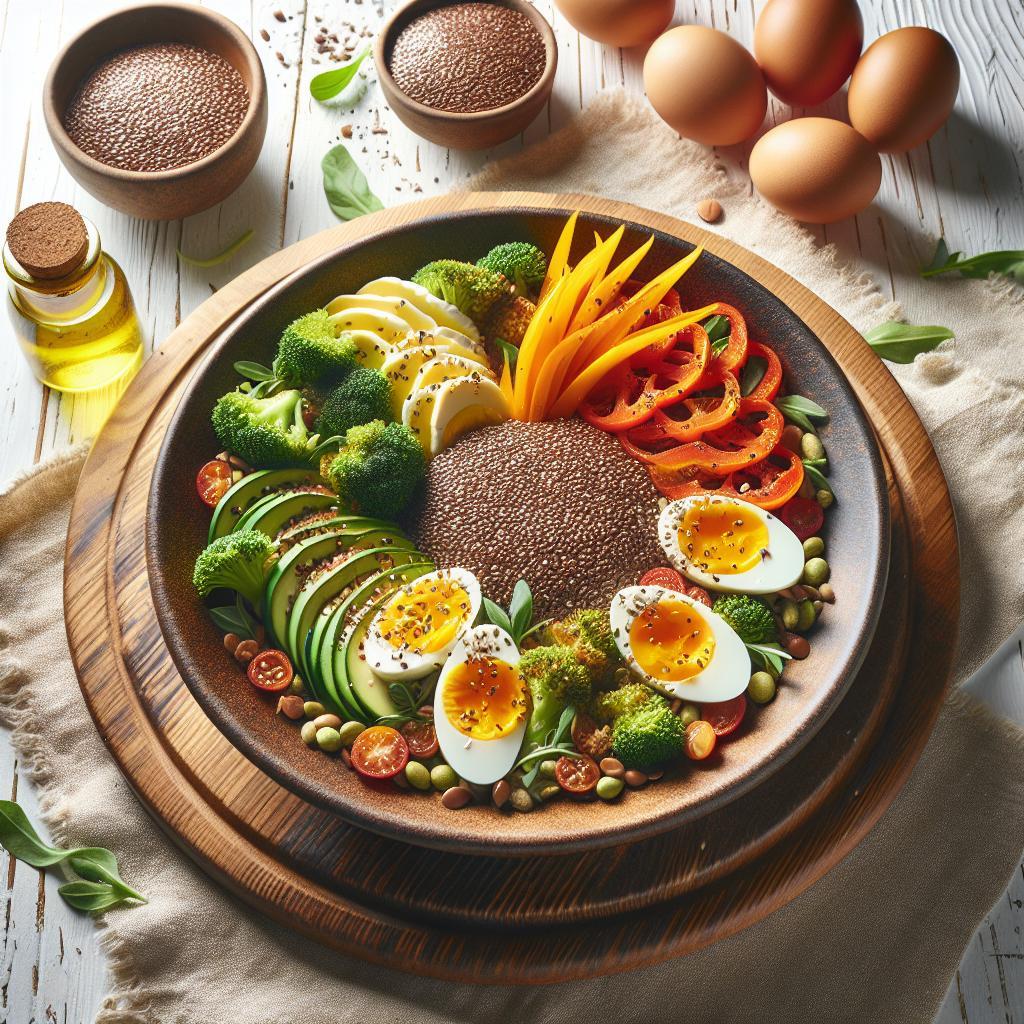

In the world of plant-based cooking, finding the perfect egg substitute can often feel like chasing a culinary unicorn. Enter the flax egg-a humble blend of ground flaxseed and water that has quietly revolutionized vegan baking and cooking alike. This natural marvel not only mimics the binding power of eggs but also infuses dishes with a subtle nutty flavor and a boost of nutrition. In this article, we’ll uncover the story behind the flax egg, delve into the science of how it works, and explore why it’s become nature’s go-to solution for vegans and curious cooks around the globe. Get ready to crack open the secrets of the flax egg and transform your kitchen creations!
- Prep and Cook Time
- Yield
- Difficulty Level
- Ingredients
- The Science Behind Flax Egg’s Unique Binding Power
- Step by Step Guide to Making the Perfect Flax Egg Every Time
- Creative Culinary Uses for Flax Eggs Beyond Baking
- Expert Tips for Substituting Flax Eggs in Your Favorite Recipes
- Serving Suggestions
- Q&A
- In Conclusion
Flax egg is a remarkable plant-based binder that has revolutionized vegan and allergy-friendly cooking. Harnessing the natural gelatinous properties of flaxseed, this simple yet powerful ingredient mimics the emulsifying and binding qualities of traditional eggs, creating cohesive textures in recipes without compromising on flavor or nutrition. Its unique ability to absorb moisture and form a thick gel is what makes flax egg an indispensable tool in the modern kitchen.
Prep and Cook Time
- Preparation: 5 minutes
- Cooking: 0 minutes (ready to use immediately after resting)
- Total: 5 minutes
Yield
- 1 flax egg (equivalent to 1 chicken egg)
Difficulty Level
- Easy
Ingredients
- 1 tablespoon whole flaxseed meal (golden or brown)
- 3 tablespoons warm water
The Science Behind Flax Egg’s Unique Binding Power
When flaxseed meets warm water, it triggers a fascinating chemical reaction. The outer hull of the flaxseed releases soluble fiber called mucilage, which thickens the water into a gel-like consistency. This gel acts as a binder by trapping air and holding ingredients together, which is essential in baking and cooking delicate vegan dishes. Unlike gelatin or eggs that coagulate with heat, flax eggs form a stable emulsifier through hydration and the sticky polysaccharides they contain. This makes flax egg a fantastic substitute in recipes requiring moisture retention and flexibility.
Step by Step Guide to Making the Perfect Flax Egg Every Time
- Measure
- Pour
- Whisk
- Let sit
- Use immediately in your recipe as a direct natural egg replacement.
Creative Culinary Uses for Flax Eggs Beyond Baking
While flax eggs shine in baked goods, their utility doesn’t end there. Try using flax eggs as a binding agent in veggie burgers or falafel for superior texture. They can thicken and add body to creamy sauces, dressings, or scrambles made from tofu. Additionally, flax eggs are perfect in meatless meatballs, helping maintain shape during cooking. Visualize them as nature’s glue, providing cohesion in both sweet and savory dishes while imparting a subtle nuttiness that enhances flavors.
Expert Tips for Substituting Flax Eggs in Your Favorite Recipes
- For best results, substitute 1 flax egg for every whole egg called for in baking recipes; adjust slightly for recipes requiring eggs mainly for moisture-reduce added liquid accordingly.
- Additional binding: Combine flax eggs with a small amount of vinegar or lemon juice to mimic the rising effect eggs provide in cakes and muffins.
- If you desire a milder flax flavor, use brown flaxseed meal as it has a less pronounced nutty taste than golden.
- Make-ahead: Prepare flax eggs in advance and refrigerate up to 1 day; whisk before use as gel consistency may slightly firm.
- For recipes requiring multiple eggs, multiply ingredients proportionally, but be mindful that excess flax eggs can introduce a gummy texture.
Serving Suggestions
Incorporate your flax egg creation into visually enticing dishes by garnishing baked goods with crushed nuts or a dusting of cinnamon to complement the flax’s nutty undertones. For savory preparations, a sprinkle of fresh herbs like parsley or chives elevates the presentation and flavor. Serve vegan patties or meatballs with vibrant side salads or drizzled with plant-based aioli for a complete, well-rounded meal. Use contrasting colors and textures on the plate to highlight the natural simplicity and wholesome appeal of flax egg-enhanced recipes.
| Nutrition (Per Flax Egg) | Amount |
|---|---|
| Calories | 37 kcal |
| Protein | 1.3 g |
| Carbohydrates | 2.0 g |
| Fat | 3.0 g (mostly healthy omega-3) |

For more innovative plant-based baking tips, check out our Vegan Baking Basics article. To delve deeper into the health benefits of flaxseed, the Healthline flaxseed benefits review offers a science-backed overview.
Q&A
Q&A: Flax Egg Uncovered: Nature’s Vegan Binding Wonder Explained
Q1: What exactly is a flax egg?
A: A flax egg is a simple, plant-based substitute for the traditional chicken egg used in cooking and baking. It’s created by mixing ground flaxseeds with water, which results in a gelatinous, egg-like mixture that mimics the binding properties of eggs in recipes.
Q2: Why should I use a flax egg instead of a regular egg?
A: Flax eggs are a fantastic choice for vegans, people with egg allergies, or those looking to add a nutritious twist to their meals. They’re cholesterol-free, packed with omega-3 fatty acids, fiber, and antioxidants, making them a health-conscious alternative to chicken eggs.
Q3: How do you make a flax egg at home?
A: It’s as easy as 1-2-3! Mix one tablespoon of ground flaxseeds with three tablespoons of water. Let the mixture sit for about 5 to 10 minutes until it thickens and turns into a gooey, egg-like texture. Voilà-your flax egg is ready to bind your batter or dough!
Q4: Can flax eggs replace eggs in any recipe?
A: While flax eggs work beautifully in baked goods like muffins, pancakes, and cookies, they aren’t suited for recipes that rely on the egg’s fluffiness or structure-think soufflés or meringues. They excel as binders rather than as leavening agents.
Q5: Does a flax egg change the taste or texture of baked goods?
A: Flax eggs have a mild, nutty flavor that often complements hearty baked goods, especially those featuring whole grains, nuts, or spices. The texture may be slightly denser compared to using chicken eggs, but many find the wholesome consistency a delightful tradeoff.
Q6: Are flax eggs nutritionally comparable to chicken eggs?
A: While flax eggs don’t pack the same protein punch as chicken eggs, they bring their own nutritional superpowers-rich in fiber, plant-based omega-3s, and lignans (powerful antioxidants). They support heart health and digestion, adding more than just binding magic to your kitchen.
Q7: Can I store flax eggs or should I make them fresh for each recipe?
A: It’s best to prepare flax eggs fresh as they lose their thickening potency after awhile. If needed, you can refrigerate a prepared flax egg for up to 24 hours, but the binding power will be strongest right after mixing.
Q8: Are there any other vegan egg substitutes similar to flax eggs?
A: Absolutely! Chia eggs are a close cousin, made with chia seeds and water, offering a similar gelatinous texture and nutrition profile. Applesauce, mashed bananas, and commercial egg replacers also serve as options depending on your recipe and flavor preferences.
Q9: Why do flaxseeds behave this way when mixed with water?
A: Flaxseeds are nature’s tiny binders-rich in soluble fiber and mucilage, a gel-like substance. When ground flaxseeds soak in water, the mucilage swells, turning the mix into a thick gel that mimics the sticky, binding nature of eggs.
Q10: Can I use whole flaxseeds to make a flax egg?
A: Whole flaxseeds won’t gel as well as ground flaxseeds because their tough outer shells prevent the release of mucilage. For that perfect flax egg consistency, it’s essential to grind the flaxseeds into a fine meal before mixing with water.
Unlock the magic of flax eggs and embrace this humble seed’s power to transform your vegan baking and cooking with ease, nutrition, and a dash of nature’s magic!
In Conclusion
As we peel back the layers of the humble flax egg, it becomes clear that this unassuming seed is much more than just a vegan substitute-it’s a testament to nature’s ingenuity. From its gel-like texture to its rich nutritional profile, the flax egg seamlessly binds our favorite recipes while nurturing our bodies and the planet. Whether you’re a seasoned plant-based chef or simply egg-curious, embracing the flax egg invites a deeper appreciation for the subtle science and ancient wisdom tucked inside every tiny seed. So next time you reach for a carton, remember: sometimes, the simplest ingredients unlock the most extraordinary culinary magic.