
“The kitchen is a laboratory where the most exciting experiments happen.” – Julia Child
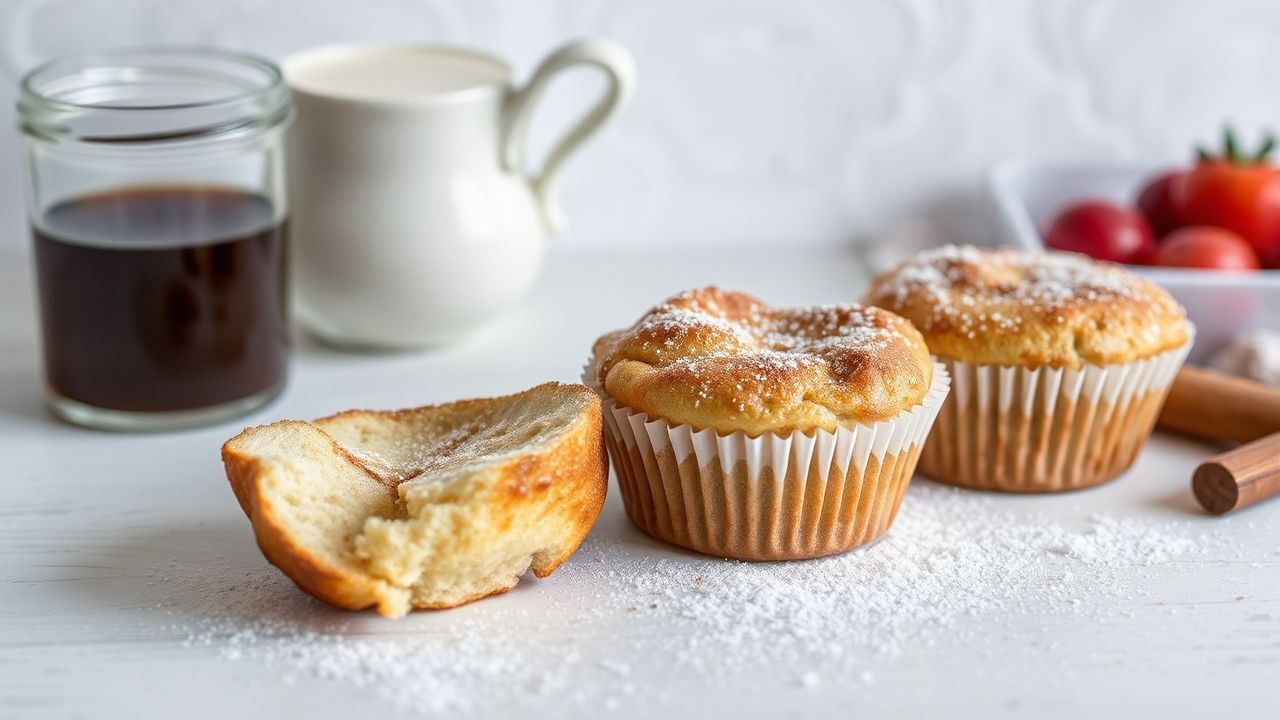
The humble slice of bread, transformed by egg, milk, and a kiss of heat, has long been a cornerstone of comforting breakfasts. French toast, in its myriad forms, evokes a sense of nostalgia, a warm embrace on a chilly morning, or a celebratory flourish for a leisurely weekend. But what if we could capture that iconic flavor profile – the custardy richness, the sweet spice, the slightly crisp edges – and package it into a portable, fuss-free format? Enter the Cinnamon Sugar French Toast Muffin. This isn’t merely a muffin *flavored* like French toast; it’s an alchemical fusion, a clever reimagining that retains the soul of its progenitor while embracing the convenience of its new form. A delicate, eggy batter infused with cinnamon and sugar cradles chunks of bread, then bakes to golden perfection in muffin tins. It’s a culinary innovation that respects tradition while boldly stepping into the future of effortless, yet exquisite, breakfast fare.
At a Glance: Mastering Cinnamon Sugar French Toast Muffins
- Effortless Elegance: Combines the beloved flavors of French toast with the grab-and-go convenience of muffins, ideal for busy mornings or elegant brunches.
- Texture Harmony: Achieves a delightful balance of soft, custardy interior and lightly crisp edges, mirroring the ideal French toast experience.
- Customizable Canvas: Easily adaptable to various bread types and additions, allowing for endless flavor permutations.
- Strategic Bread Choice: Utilizing slightly stale bread is paramount for optimal absorption and texture, preventing a soggy outcome.
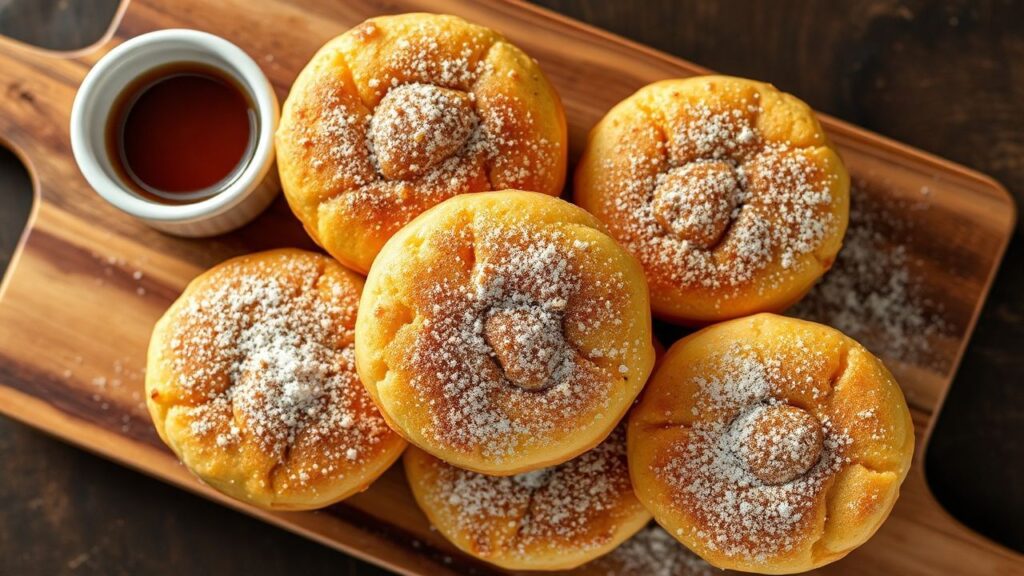
This creation represents a significant evolution in how we approach breakfast staples. Consider the traditional French toast: it demands active attention – the dipping, the frying, the flipping. While rewarding, it’s a process that can be prohibitive on a rushed weekday. The muffin, conversely, is a master of self-sufficiency. It bakes unattended, emerging as individual, perfectly portioned units ready to be savored. By integrating the essence of French toast into the muffin matrix, we achieve a synergistic outcome: the rich, eggy custard permeates the bread pieces, while the cinnamon and sugar caramelize beautifully during baking, creating those coveted crispy-sweet pockets that are the hallmark of exceptional French toast. The result is a breakfast item that is both sophisticated enough for a dinner party brunch and practical enough for a weekday treat.
Deconstructing the Cinnamon Sugar French Toast Muffin: A Culinary Blueprint
At its core, the success of a Cinnamon Sugar French Toast Muffin hinges on a few key principles borrowed directly from its namesake. The bread, the foundation of any great French toast, must be chosen with care. Brioche, challah, or even a good quality Texas toast are ideal due to their rich crumb and ability to absorb liquid without disintegrating. Stale bread is not just acceptable here; it’s actively desirable. Much like preparing a classic bread pudding or traditional French toast, bread that has had a day or two to dry out will soak up the custard more effectively, leading to a more tender and flavorful interior. This is a crucial distinction from typical muffins, which often rely on a lighter, airier crumb for their structure. Here, we embrace a denser, more saturated texture, akin to a baked custard.
The custard itself is a delicate balance. It’s not merely an egg wash; it’s a rich, emulsified mixture that will bind the bread pieces, impart moisture, and carry the essential flavors of cinnamon and sugar. The ratio of eggs to dairy (milk or cream) is paramount. Too little egg, and the structure will be weak. Too much, and it can become rubbery. The addition of a touch of vanilla extract and a generous hand with the cinnamon are non-negotiable. The sugar not only sweetens but also aids in caramelization, creating those delightful crunchy bits that are so evocative of well-made French toast.
Ingredients: The Alchemy of Flavor and Texture
To achieve the perfect Cinnamon Sugar French Toast Muffin, precision in ingredient selection and measurement is key. This recipe is designed to yield approximately 12 standard muffins.
For the Muffin Base:
- Bread: 4 cups (approximately 250g) day-old or slightly stale bread, cut into 1-inch cubes (brioche, challah, or Texas toast recommended)
- Eggs: 4 large (approximately 200g), at room temperature
- Milk: 1 ½ cups (360ml) whole milk or half-and-half, at room temperature
- Granulated Sugar: ¼ cup (50g)
- Brown Sugar: ¼ cup (50g), packed
- Ground Cinnamon: 2 teaspoons
- Vanilla Extract: 1 teaspoon
- Salt: ½ teaspoon
For the Cinnamon Sugar Topping:
- Granulated Sugar: 2 tablespoons (25g)
- Ground Cinnamon: 1 teaspoon
- Melted Butter: 1 tablespoon (15g)
The interplay between the bread and the custard is where the magic truly happens. The bread acts as a sponge, absorbing the liquid, while the eggs and dairy create a cohesive, custardy matrix. The granulated sugar provides sweetness and aids in browning, while the brown sugar introduces a subtle molasses note, adding depth and complexity. Cinnamon is, of course, the star spice, its warm aroma and flavor permeating every bite. Vanilla extract enhances these flavors and rounds out the profile. The salt, often overlooked, is critical for balancing the sweetness and amplifying the other flavors.
Preparation Method: A Symphony of Steps
The process for creating these muffins is remarkably straightforward, yet each step is designed to maximize flavor and texture.
- Preheat and Prepare: Preheat your oven to 350°F (175°C). Line a 12-cup muffin tin with paper liners or grease it thoroughly.
- Toast the Bread (Optional but Recommended): If your bread isn’t sufficiently stale, spread the cubes on a baking sheet and toast in the preheated oven for 8-10 minutes, until lightly golden and dried out. Let cool completely. This step is critical for achieving the right texture and preventing a gummy muffin.
- Whisk the Custard: In a large bowl, whisk together the eggs, milk (or half-and-half), granulated sugar, brown sugar, ground cinnamon, vanilla extract, and salt until thoroughly combined and smooth. Ensure the sugars are fully dissolved.
- Combine Bread and Custard: Add the bread cubes to the custard mixture. Gently stir to ensure all pieces are coated. Let the mixture sit for at least 15-20 minutes, or even up to 30 minutes, stirring occasionally. This allows the bread to absorb the custard fully. The bread should feel saturated but not mushy.
- Prepare the Topping: In a small bowl, combine the 2 tablespoons of granulated sugar and 1 teaspoon of cinnamon. Stir in the melted butter until well combined. This will create a crumbly, sugary mixture.
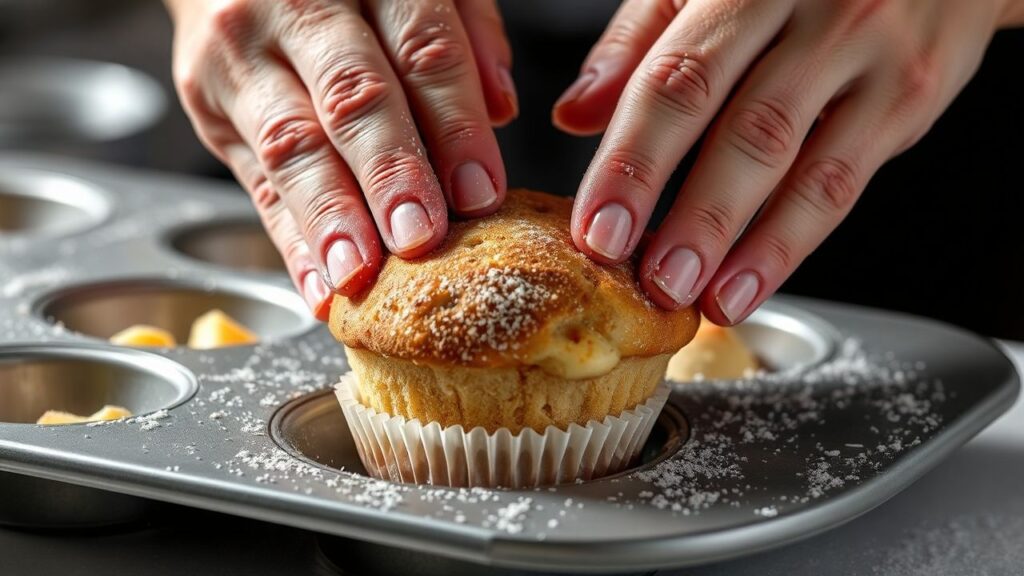
- Fill the Muffin Cups: Spoon the bread and custard mixture evenly into the prepared muffin cups, filling each about two-thirds to three-quarters full.
- Add the Topping: Sprinkle the cinnamon sugar topping generously over the top of each muffin.
- Bake: Bake for 25-30 minutes, or until the muffins are golden brown, set in the center, and a toothpick inserted into a muffin (avoiding a bread cube) comes out clean.
- Cool: Let the muffins cool in the muffin tin for 5-10 minutes before transferring them to a wire rack to cool completely.
The soaking time is arguably the most critical phase of preparation. Rushing this step will result in muffins that are unevenly moist, with dry bread chunks interspersed with areas of overly saturated batter. Allowing the bread to become one with the custard creates a homogenous, delightful texture. The optional toasting of the bread provides an extra layer of control over the final consistency.
Nutritional Profile: A Closer Look
While indulgence is often the primary driver for choosing a treat like Cinnamon Sugar French Toast Muffins, understanding their nutritional composition provides valuable context. These figures are approximate and can vary based on specific ingredients used (e.g., type of bread, fat content of dairy).
| Nutrient | Per Serving (1 Muffin) | % Daily Value* |
|---|
| :————– | :——————— | :———— |
| Calories | 280-320 kcal | 14-16% |
|---|
| Total Fat | 12-16g | 15-20% |
| Saturated Fat | 5-7g | 25-35% |
|---|
| Cholesterol | 80-100mg | 27-33% |
| Sodium | 200-250mg | 9-11% |
|---|
| Total Carbohydrates | 35-40g | 13-15% |
| Dietary Fiber | 1-2g | 4-7% |
|---|
| Total Sugars | 18-22g | |
| Protein | 8-10g | 16-20% |
|---|
| Vitamin D | 0-2mcg | 0-10% |
| Calcium | 80-100mg | 6-8% |
|---|
| Iron | 1-2mg | 6-11% |
| Potassium | 150-200mg | 3-4% |
|---|
*The % Daily Value (DV) tells you how much a nutrient in a serving of food contributes to a daily diet. 2,000 calories a day is used for general nutrition advice.
The “French Toast” aspect of these muffins inherently brings a richer profile than a standard muffin due to the significant egg and dairy content. The bread contributes carbohydrates and some fiber, depending on the type used. For those mindful of sugar intake, reducing the granulated and brown sugar in the custard and topping can be a viable adjustment, though it will impact the caramelization and overall sweetness.
Elevating the French Toast Muffin: Pro-Tips for Restaurant-Quality Results
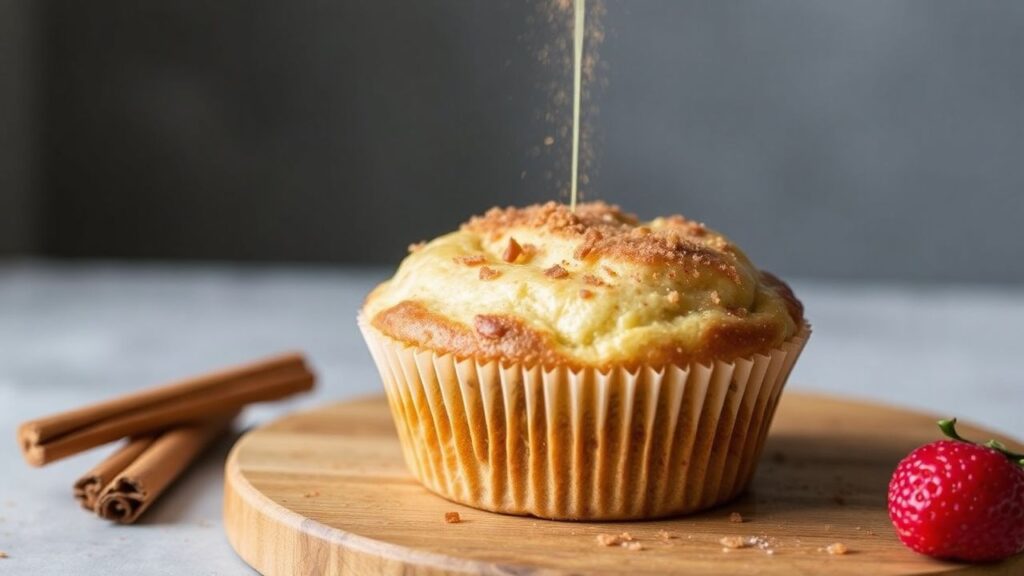
Transforming these already delightful muffins into something truly exceptional requires attention to detail and a willingness to experiment with complementary flavors.
Bread Choices and Their Impact
The type of bread is not merely a structural component; it’s a flavor carrier.
- Brioche: Its inherent richness from butter and eggs provides a luxurious base, yielding a tender, almost cake-like muffin.
- Challah: Similar to brioche, challah offers a slightly sweeter, eggy crumb that absorbs custard beautifully. The braided texture can also add an interesting visual element when the bread is cubed.
- Texas Toast/Thick-Cut White Bread: While less rich than brioche or challah, its substantial thickness allows for excellent custard absorption without becoming waterlogged. It offers a more neutral canvas for the cinnamon and sugar to shine.
- Sourdough (for the Adventurous): A slightly stale sourdough offers a tangy counterpoint to the sweetness, creating a sophisticated flavor profile that is surprisingly delicious. The key is to use a sourdough that isn’t overly dense or chewy.
The fundamental principle remains: use bread that has lost some moisture. A loaf that is 2-3 days old is typically perfect. If you’re in a pinch, you can lightly toast fresh bread in a low oven (around 250°F/120°C) for 10-15 minutes until it feels drier.
Custard Enhancements
While the base custard is robust, a few additions can push the flavor envelope:
- Citrus Zest: A teaspoon of orange or lemon zest folded into the custard can add a bright, surprising note that cuts through the richness.
- Spices: Beyond cinnamon, consider a pinch of nutmeg, cardamom, or even a whisper of ground ginger for added warmth and complexity.
- Bourbon or Rum: A tablespoon of good quality bourbon or dark rum added to the custard can impart a subtle, sophisticated depth of flavor, particularly appealing for adult palates. The alcohol bakes off, leaving behind a nuanced aroma.
Topping Variations
The cinnamon sugar topping is iconic, but it’s just the beginning:
- Pecan Streusel: Combine chopped pecans with flour, brown sugar, cinnamon, and melted butter for a crunchy, nutty topping.
- Candied Bacon Crumbles: For a sweet and savory twist, sprinkle finely chopped candied bacon over the muffins before baking.
- Maple Glaze Drizzle: After cooling, a simple drizzle of maple glaze (powdered sugar mixed with maple syrup) adds an extra layer of sweetness and visual appeal.
The integration of these elements transforms the muffin from a simple breakfast item into a culinary statement. The interplay of textures – the soft, yielding interior, the slightly crisped edges of the bread cubes, and the sweet, crunchy topping – creates a sensory experience that rivals any classic French toast preparation. Imagine a weekend brunch where these muffins are served alongside fresh berries and a dollop of crème fraîche. It’s an effortless presentation that belies the intricate flavors within.
The concept of “baked French toast” has been around for decades, often appearing as a casserole. This muffin format is a brilliant evolution, offering individual portions that are both practical and elegant. It’s proof of how familiar flavors can be reinterpreted in novel ways, appealing to both tradition and modern convenience. The very idea of a muffin that encapsulates the soul of French toast speaks to a deeper culinary appreciation for reimagining comfort food.
FAQ: Addressing Common Queries
Can I use fresh bread instead of stale bread for Cinnamon Sugar French Toast Muffins?
While it is possible to use fresh bread, it is strongly discouraged for optimal results. Fresh bread has a higher moisture content and will absorb the custard differently. This can lead to a gummy, overly dense texture in the muffins, as the bread may not fully cook through or may become waterlogged. Stale bread, having lost some of its moisture, is more porous and receptive to the custard, allowing it to soak in evenly and bake into a tender, delightful crumb. If you must use fresh bread, toasting it in a low oven (around 250°F/120°C) for 10-15 minutes until it feels drier is a crucial step to mimic the properties of stale bread.
How do I prevent the muffins from sticking to the tin?
Proper preparation of your muffin tin is paramount to prevent sticking. Ensure you are using high-quality paper liners that are designed for baking. Alternatively, grease the muffin tin thoroughly with butter or a non-stick cooking spray, paying close attention to the bottom and sides of each cup. For an extra layer of insurance, especially if you are not using liners, you can lightly flour the greased cups after greasing. This creates a barrier that helps release the muffins cleanly. Allowing the muffins to cool in the tin for 5-10 minutes before attempting to remove them also helps them set slightly, making them less prone to sticking.
Can Cinnamon Sugar French Toast Muffins be made ahead of time?
Yes, Cinnamon Sugar French Toast Muffins can be made ahead of time, but their optimal freshness is best enjoyed within a day or two. Store cooled muffins in an airtight container at room temperature for up to 2 days. For longer storage, you can refrigerate them for up to 4 days, though this may slightly affect their texture. To reheat, warm them gently in a low oven (around 300°F/150°C) for 5-10 minutes until heated through and slightly crisped. They also freeze exceptionally well. Once completely cooled, wrap them individually in plastic wrap, then place them in a freezer-safe bag or container. They can be stored in the freezer for up to 2-3 months. Thaw overnight at room temperature or gently reheat from frozen in the oven.
See also: French Toast