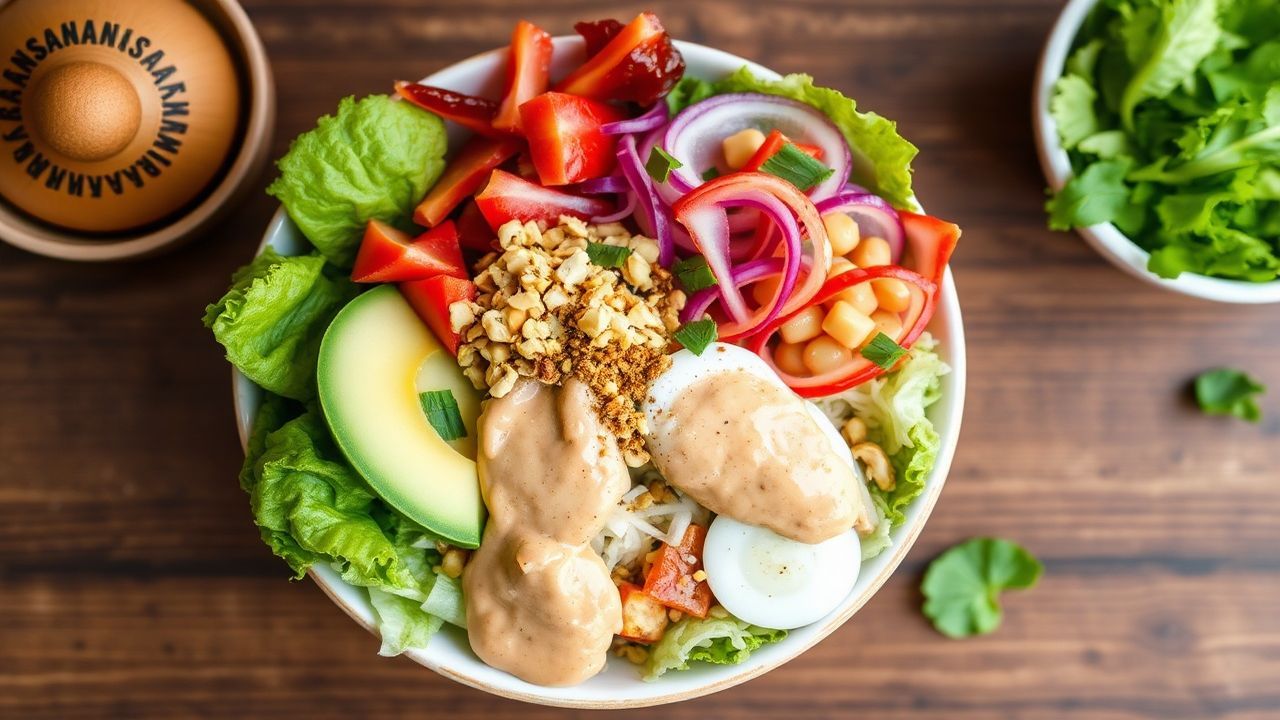

Did you know that a single serving of Gado-Gado can contribute upwards of 20 grams of protein and a significant portion of your daily fiber intake, making it a powerhouse of nutrition disguised as a delightful salad? This iconic Indonesian dish, a symphony of textures and flavors, transcends the conventional understanding of a simple salad, offering a complex culinary narrative that speaks volumes about the archipelago’s rich gastronomic heritage. More than just a collection of vegetables, Gado-Gado, when prepared authentically, is proof of the art of balancing diverse ingredients, each contributing a unique note to the harmonious whole. The soul of Gado-Gado, however, lies inextricably with its *saus kacang*, the ubiquitous peanut sauce that binds everything together, transforming humble components into an unforgettable culinary experience.
- The Genesis and Evolution of Gado-Gado
- Deconstructing the Gado-Gado Masterpiece: Essential Components
- The Heart of the Matter: Crafting the Authentic Peanut Sauce (*Saus Kacang*)
- The Art of Preparation: A Step-by-Step Culinary Journey
- Nutritional Profile: A Wholesome Indulgence
- Elevating Gado-Gado: Pro-Tips for Restaurant-Quality Results
- FAQs about Gado-Gado
At a Glance: Key Takeaways for Mastering Gado-Gado
- The Peanut Sauce is Paramount: The depth and balance of the *saus kacang* are what elevate Gado-Gado from a mere salad to an iconic dish. Achieving the right consistency and flavor profile requires careful attention to ingredient ratios and cooking technique.
- Ingredient Diversity is Key: Gado-Gado is a celebration of fresh, often blanched or steamed, vegetables and proteins. The selection and preparation of these elements are crucial for textural contrast and nutritional completeness.
- Customization is Encouraged: While there’s a traditional framework, Gado-Gado is inherently adaptable. Understanding the core principles allows for personal interpretation and adaptation to regional availability and individual preferences.
- The Garnish Matters: The finishing touches – crispy shallots, prawn crackers, and a sprinkle of chili – are not mere afterthoughts but integral components that add crucial sensory dimensions.
The Genesis and Evolution of Gado-Gado
The origins of Gado-Gado are as layered and complex as its flavor profile. While pinpointing an exact date or single inventor is elusive, its roots are deeply embedded in the culinary traditions of Java, Indonesia’s most populous island. The term “Gado-Gado” itself translates loosely to “mix-mix,” a fitting descriptor for a dish that artfully combines an array of ingredients. Historically, this dish likely evolved from the necessity of utilizing seasonal produce, with each region and household developing its unique interpretation. The influence of trade and cultural exchange, particularly with Chinese and Indian communities, can also be seen in the ingredient choices and cooking methods, such as the use of tofu and tempeh, and the complex spice blends in the sauce.
The evolution of Gado-Gado has seen it transition from a humble, everyday meal to a celebrated national dish, recognized and adored not only within Indonesia but also by international palates. Its adaptability has allowed it to grace the tables of street food vendors and fine-dining establishments alike. The advent of readily available global ingredients has further enriched its potential, although purists will argue that the true essence is best captured using traditional Indonesian staples. The consistent thread, however, remains the peanut sauce – a culinary anchor that has weathered culinary trends and geographical shifts, proving its enduring appeal.
Deconstructing the Gado-Gado Masterpiece: Essential Components
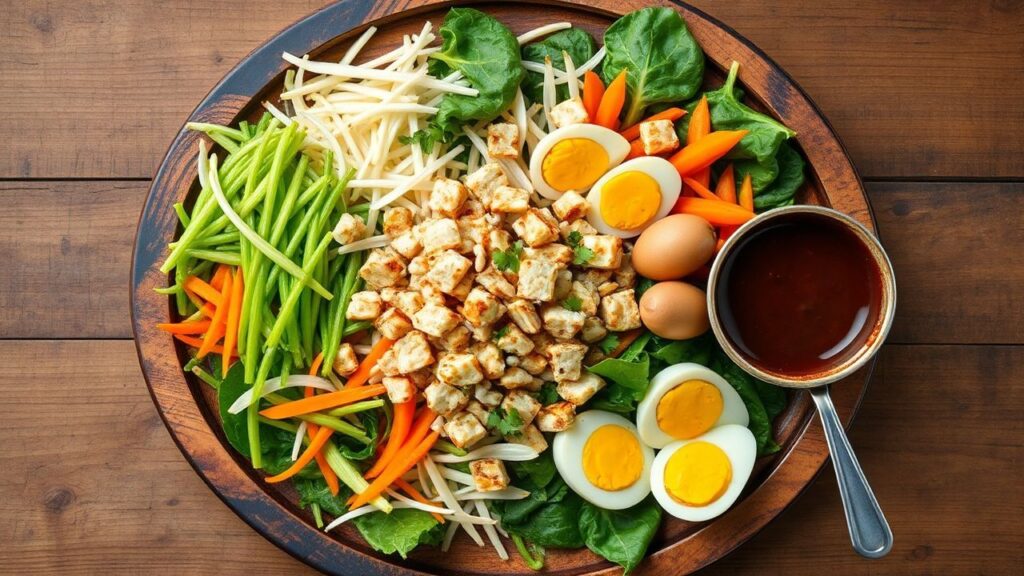
A truly exceptional Gado-Gado is a meticulously assembled mosaic of textures and flavors. It’s not simply about throwing ingredients into a bowl; it’s about understanding how each component contributes to the overall symphony. The foundation typically consists of a vibrant medley of vegetables, often prepared through blanching or steaming to retain their crispness and nutritional integrity. This ensures that while the dish is cooked, it still possesses a refreshing quality. Common elements include crisp bean sprouts, tender green beans, firm cabbage, and sometimes slices of boiled potato or yam for added substance and a creamy counterpoint.
Beyond the vegetables, protein matter significantly. Hard-boiled eggs, sliced lengthwise, offer a rich, yolky element that complements the savory sauce. Fried tofu and tempeh, with their distinct textures and umami notes, provide a satisfying chewiness and a plant-based protein boost. The careful selection and preparation of these elements are paramount; for instance, the tofu and tempeh should be fried to a perfect golden crispness, not too greasy, and the eggs should be cooked to a jammy consistency, not rubbery. The interplay between these varied textures – the crunch of raw or lightly cooked vegetables, the softness of potatoes, the chew of tempeh, and the yielding albumen of the egg – is what makes Gado-Gado so captivating to the palate.
The Heart of the Matter: Crafting the Authentic Peanut Sauce (*Saus Kacang*)
The *saus kacang* is, without hyperbole, the soul of Gado-Gado. It is the unifying force, the umami bomb, and the creamy elixir that transforms a simple salad into an Indonesian icon. The complexity of this sauce is often underestimated, with many home cooks relying on pre-made versions, which rarely capture the nuanced depth of an authentic preparation. A truly great peanut sauce balances the richness of roasted peanuts with a delightful interplay of sweet, salty, sour, and spicy notes, all bound together by a creamy, emulsified texture.
The foundation of the sauce is, of course, roasted peanuts. These should be unsalted and preferably roasted until fragrant and slightly deepened in color, which intensifies their natural oils and flavor. The roasting process is critical; over-roasted peanuts can impart a bitter taste, while under-roasted ones will lack depth. The next crucial element is the spice paste, or *bumbu*. This typically includes shallots, garlic, chilies (the type and quantity determining the heat level), and sometimes candlenuts (*kemiri*) for richness and thickening, and galangal for a subtle citrusy warmth. The precise blend and proportions of these aromatics are what differentiate one cook’s sauce from another’s, creating a unique fingerprint of flavor.
The sauce is then simmered with water or coconut milk (or a combination of both) to achieve the desired consistency. A touch of palm sugar (*gula jawa*) provides a caramel-like sweetness that rounds out the flavors, while tamarind paste (*asam jawa*) introduces a vital tanginess, cutting through the richness of the peanuts and creating a moreish, addictive quality. A dash of shrimp paste (*terasi* or *belacan*) is often included for an unparalleled depth of umami, though its potent aroma means it should be used judiciously. The cooking process itself is a delicate dance; the sauce must be simmered gently, stirring constantly, to prevent scorching and to allow the flavors to meld beautifully. The final consistency should be smooth and pourable, coating the ingredients without being overly thick or oily. Achieving this perfect balance is a mark of true Gado-Gado mastery.
Ingredients for Authentic Gado-Gado (Serves 4)
For the Peanut Sauce:
- 250g (approx. 2 cups) raw, unsalted peanuts
- 3-5 bird’s eye chilies (or to taste)
- 2 cloves garlic
- 1 large shallot, quartered
- 2 candlenuts (*kemiri*), soaked in hot water for 10 minutes (optional, for richness)
- 1 teaspoon *terasi* (shrimp paste), toasted on a dry pan until fragrant (optional, but highly recommended)
- 2 tablespoons vegetable oil
- 400ml (approx. 1 ¾ cups) water, or a mix of water and coconut milk
- 2 tablespoons palm sugar (*gula jawa*), finely chopped or grated
- 1 tablespoon tamarind paste, mixed with 3 tablespoons warm water and strained
- Salt to taste
For the Salad Components:
- 150g (approx. 1.5 cups) firm tofu, cut into 1-inch cubes
- 150g (approx. 1.5 cups) tempeh, cut into 1-inch cubes
- 100g (approx. 1 cup) green beans, trimmed and cut into 1-inch pieces
- 100g (approx. 1 cup) Chinese cabbage, roughly chopped
- 100g (approx. 1 cup) bean sprouts, blanched briefly
- 1 large potato, peeled, boiled until tender, and sliced
- 2 large eggs, hard-boiled and quartered
- Vegetable oil for frying
For Garnish:
- Fried shallots
- Prawn crackers (*krupuk udang*)
- Fresh cilantro or parsley, chopped (optional)
The Art of Preparation: A Step-by-Step Culinary Journey
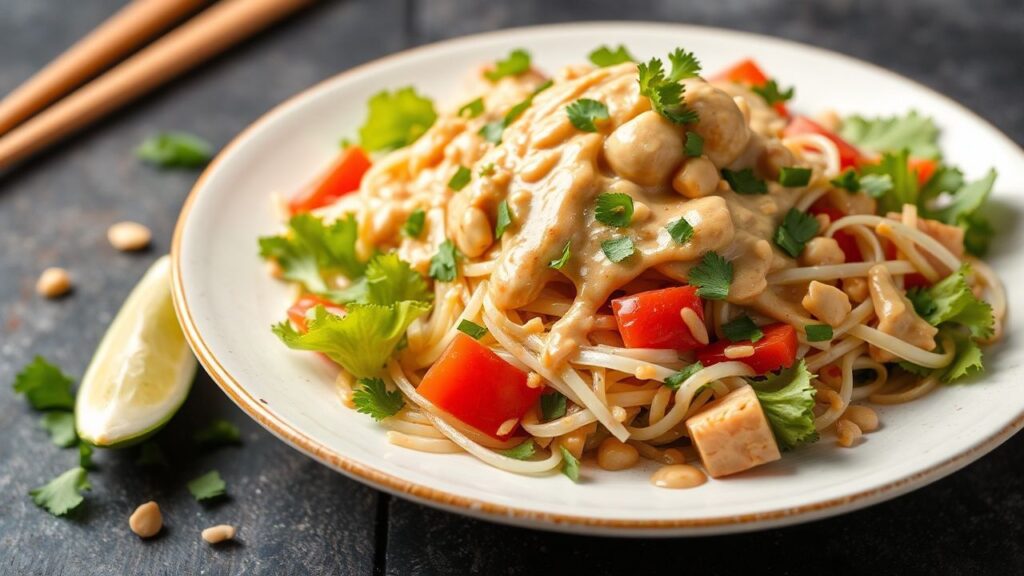
The journey to an exquisite Gado-Gado begins with meticulous preparation, a process that honors each ingredient. First, for the peanut sauce, roast the peanuts in a dry pan over medium heat until golden brown and fragrant. Be patient, as this develops their inherent sweetness and oils. Once cooled, grind them into a fine powder using a food processor or mortar and pestle. For the *bumbu*, gently sauté the chilies, garlic, shallots, and drained candlenuts (if using) in the vegetable oil until softened and fragrant. If using *terasi*, toast it separately until aromatic, then add it to the sautéed aromatics. Blend these sautéed ingredients into a smooth paste. This paste is the flavor backbone of the sauce.
In a saucepan, combine the ground peanuts, the blended *bumbu*, palm sugar, and tamarind liquid. Gradually stir in the water (or water/coconut milk mixture) to achieve a smooth, pourable consistency. Bring the mixture to a gentle simmer over low heat, stirring constantly. This is a crucial step; the sauce can easily scorch. Continue to simmer for about 10-15 minutes, allowing the flavors to meld and the sauce to thicken slightly. Season with salt to taste. The goal is a balanced symphony of sweet, sour, salty, and a hint of spice. The texture should be creamy, not watery, and not overly pasty.
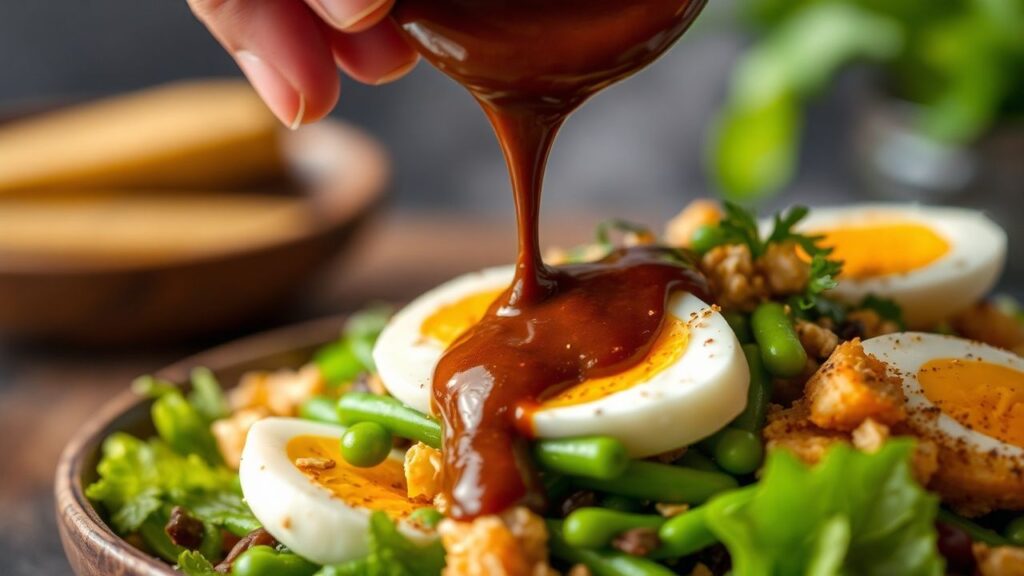
While the sauce simmers, prepare the salad components. Heat a generous amount of vegetable oil in a wok or deep frying pan. Fry the tofu cubes until golden brown and crisp on all sides. Remove and drain on paper towels. In the same oil, fry the tempeh until it develops a similar golden crust. Remove and drain. Next, blanch the green beans and Chinese cabbage separately in boiling water for 1-2 minutes until tender-crisp. Immediately plunge them into ice water to stop the cooking process and retain their vibrant color. Drain thoroughly. Briefly blanch the bean sprouts in boiling water for about 30 seconds, then drain. Arrange all the prepared salad ingredients – blanched vegetables, fried tofu and tempeh, sliced potato, and quartered eggs – artfully on serving plates or a large platter. Drizzle generously with the warm peanut sauce. Finally, garnish with a scattering of fried shallots and serve immediately with crisp prawn crackers on the side.
Nutritional Profile: A Wholesome Indulgence
Gado-Gado, when prepared with a thoughtful selection of ingredients, offers a remarkably balanced nutritional profile. A typical serving, as outlined in our recipe, can provide a substantial amount of dietary fiber, crucial for digestive health and satiety. The diverse array of vegetables contributes essential vitamins, minerals, and antioxidants. For instance, green beans are a good source of vitamin K and vitamin C, while cabbage offers vitamin C and fiber. Potatoes, while providing carbohydrates for energy, also contribute potassium and vitamin B6.
The protein content is also noteworthy, primarily derived from the hard-boiled eggs, tofu, and tempeh. This makes Gado-Gado a satisfying option for vegetarians and vegans (when eggs are omitted). The peanuts in the sauce contribute healthy monounsaturated and polyunsaturated fats, which are beneficial for heart health, alongside protein and fiber. However, it is important to be mindful of the fat content, which can increase with the frying of tofu and tempeh, and the oil used in the sauce. Portion control and mindful preparation, such as baking or air-frying tofu and tempeh, can help manage the overall calorie and fat intake, allowing Gado-Gado to be a truly wholesome and delicious meal.
| Nutrient | Approximate Amount per Serving |
|---|---|
| Calories | 550-700 kcal |
| Protein | 20-25 g |
| Fat | 35-45 g |
| Carbohydrates | 40-50 g |
| Fiber | 10-15 g |
| Sodium | Variable (depending on added salt and terasi) |
*Note: Nutritional values are approximate and can vary based on specific ingredient choices and quantities.
Elevating Gado-Gado: Pro-Tips for Restaurant-Quality Results
Achieving that coveted restaurant-quality Gado-Gado hinges on a few nuanced details that separate the good from the sublime. The first critical element is the quality and preparation of the peanuts for the sauce. Using freshly roasted, high-quality peanuts and grinding them to a fine, smooth consistency is non-negotiable. Avoid pre-ground peanut butter, as it often contains added sugars and oils that dilute the authentic flavor. Furthermore, the *terasi* (shrimp paste) is an unsung hero; toasting it properly unlocks its deep umami, transforming it from potentially pungent to profoundly savory. A small amount, expertly integrated, can make a world of difference.
The texture of the vegetables is equally vital. Overcooking them will result in a mushy, unappetizing salad. Blanching them briefly in vigorously boiling water, followed by an immediate plunge into ice water (an ice bath), locks in their vibrant color and retains a delightful *al dente* crunch. This shock treatment is a classic technique that elevates the freshness and appeal of the vegetables. Similarly, the frying of tofu and tempeh should be executed with precision, aiming for a crisp exterior and a tender interior, rather than a greasy, soggy result. Draining them thoroughly on paper towels after frying is essential to remove excess oil.
Consider the garnishes as integral flavor enhancers, not mere embellishments. Crispy fried shallots provide an addictive crunch and a pungent sweetness. High-quality prawn crackers, or *krupuk*, offer a light, airy crispness and a subtle seafood note that complements the peanut sauce beautifully. If you have access to them, a sprinkle of freshly toasted and ground peanuts on top can add an extra layer of nutty aroma and texture. These final touches are what give Gado-Gado its satisfying complexity and make it a truly memorable dish.
For those seeking to push the boundaries, consider incorporating less common but traditional Gado-Gado elements. For example, some regional variations include slices of *lontong* (compressed rice cakes) or *ketupat* (rice cakes wrapped in woven palm leaves), which add a chewy, absorbent texture and provide a more substantial meal. The preparation of these rice cakes is an art in itself, often involving steaming for extended periods. Another subtle yet impactful addition can be a few thinly sliced raw cucumber or tomato, offering a refreshing, juicy contrast to the richer components. The key is to maintain the harmony of flavors and textures, ensuring no single element overpowers the others.
The serving temperature of the peanut sauce can also influence the overall experience. While often served warm to meld with the fresh ingredients, a slightly cooled sauce can offer a different textural sensation, particularly in warmer climates. Experimentation is encouraged to find what best suits your palate and the prevailing weather. The richness of the sauce, combined with the fresh vegetables and proteins, creates a dish that is both comforting and invigorating, proof of Indonesian culinary ingenuity. The ability to customize and adapt Gado-Gado makes it a universally appealing dish, transcending cultural barriers and dietary preferences with its inherent deliciousness and nutritional value.
FAQs about Gado-Gado
What are the essential vegetables for Gado-Gado?
The core vegetables in a traditional Gado-Gado are typically: blanched bean sprouts, blanched green beans, blanched cabbage (often Chinese cabbage or bok choy), and boiled potato or yam. However, the beauty of Gado-Gado lies in its adaptability. Other common additions include spinach, carrots, cucumber, and sometimes even long beans. The key is to use a variety that offers different textures and colors, and to prepare them in a way that retains their crispness and vibrancy, usually through blanching or light steaming.
How can I make the peanut sauce less oily?
The oiliness of the peanut sauce can be managed through several techniques. Firstly, ensure your peanuts are well-roasted but not burnt, as excessive roasting can release more oil. When grinding the peanuts, aim for a fine texture; sometimes, adding a little water during the grinding process can help create a smoother emulsion that requires less additional oil. During the simmering phase, if you notice excess oil separating, you can carefully spoon it off the surface. Using a mix of water and coconut milk instead of just water can also contribute to a creamier texture without excessive oiliness. Finally, the frying of tofu and tempeh should be done with just enough oil to crisp them, and they must be thoroughly drained on paper towels afterward.
Can Gado-Gado be made ahead of time?
While the peanut sauce can be made a day or two in advance and stored in an airtight container in the refrigerator (it may thicken, so you might need to thin it with a little warm water before serving), it is best to assemble the Gado-Gado just before serving. Blanching the vegetables and frying the tofu and tempeh can be done a few hours ahead, but they should be kept separate and at room temperature or chilled briefly. Assembling the salad components and dressing them with the sauce right before consumption ensures the vegetables remain crisp and the dish is at its freshest and most appealing. The hard-boiled eggs can also be cooked and peeled in advance.
See also: Gado-Gado