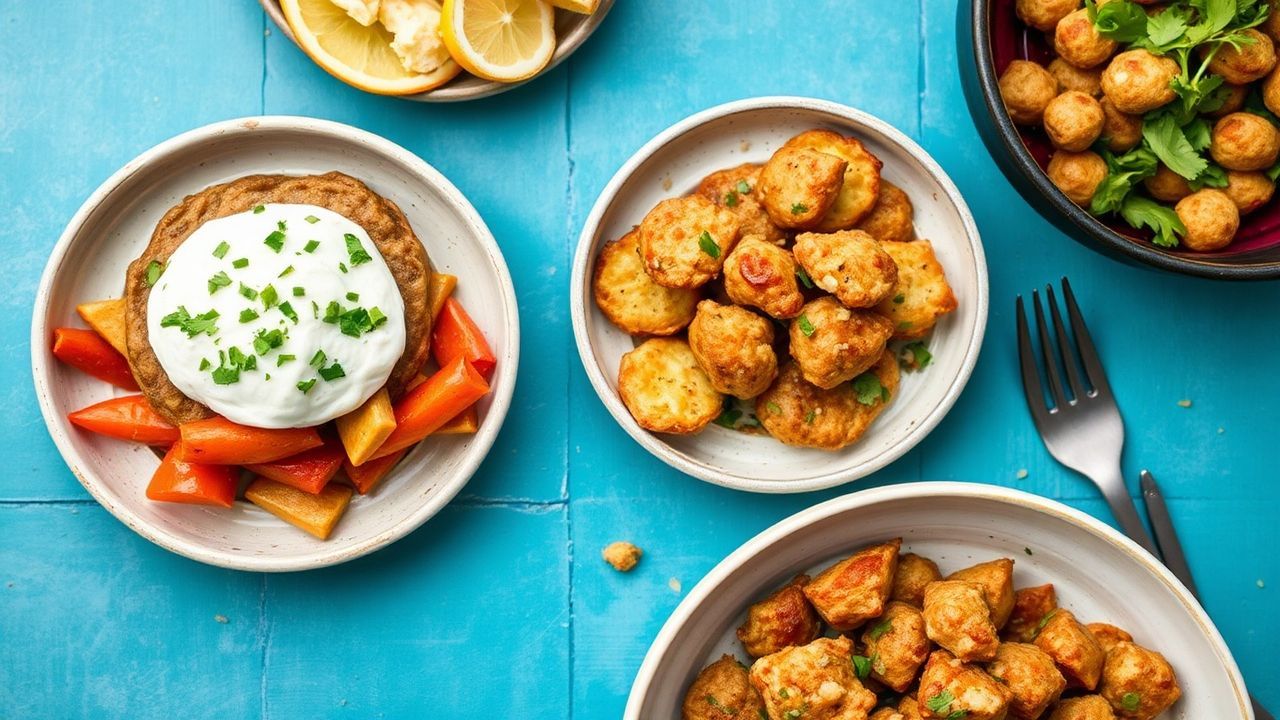

The pervasive narrative surrounding gluten-free eating often conjures images of bland, restrictive meals. Yet, the reality for millions navigating celiac disease, gluten sensitivity, or simply choosing a healthier lifestyle is a vibrant culinary landscape brimming with innovation and flavor. In fact, a recent report indicates the global gluten-free market was valued at USD 5.6 billion in 2022 and is projected to grow substantially, underscoring a clear demand for delicious, accessible gluten-free options. This surge isn’t merely about avoidance; it’s about embracing a new culinary paradigm where dietary needs enhance, rather than hinder, gastronomic pleasure, particularly during the demanding weeknight hours.
- The Gluten-Free Advantage: Beyond Necessity
- 7 Essential Gluten-Free Dinner Recipes for Effortless Weeknights
- 1. Lemon Herb Roasted Salmon with Asparagus and Quinoa
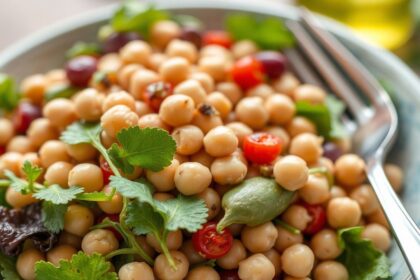
- 2. Speedy Coconut Curry with Chickpeas and Spinach
- 3. Sheet Pan Chicken Fajitas with Bell Peppers and Onions
- 4. Lentil Shepherd’s Pie with Sweet Potato Topping
- 5. Garlic Herb Roasted Chicken and Root Vegetables
- 6. One-Pan Mediterranean Baked Cod with Olives and Tomatoes
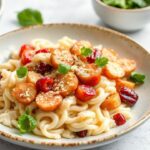
- 7. Gluten-Free Pasta Primavera with Zucchini and Peas
- Expert Tips for Elevating Your Gluten-Free Weeknight Meals
- Conclusion
- Frequently Asked Questions
Navigating a gluten-free lifestyle doesn’t necessitate a culinary compromise; rather, it invites a more mindful and creative approach to cooking, transforming weeknight dinners from a chore into an opportunity for delicious discovery.
The Gluten-Free Advantage: Beyond Necessity
For those with celiac disease or non-celiac gluten sensitivity, a gluten-free diet is a medical necessity, crucial for managing symptoms and preventing long-term health complications. However, the benefits of reducing or eliminating gluten extend to a broader population. Research has suggested potential links between gluten consumption and inflammation in some individuals, even those without a diagnosed sensitivity. Furthermore, many gluten-free grains and starches are naturally higher in fiber and essential nutrients, contributing to improved digestive health and overall well-being. The challenge, historically, has been finding recipes that are both genuinely gluten-free and genuinely satisfying, especially when time is of the essence.
The modern pantry, thankfully, offers an impressive array of gluten-free flours, grains, and binders that rival their gluten-containing counterparts in versatility and taste. Ingredients like almond flour, coconut flour, tapioca starch, and psyllium husk have become staples, allowing for the creation of textures and flavors previously thought unattainable without gluten. This evolution in ingredient availability has been instrumental in demystifying gluten-free cooking, making it less about substitution and more about intelligent ingredient selection and skillful preparation.
7 Essential Gluten-Free Dinner Recipes for Effortless Weeknights
The following recipes have been curated to provide a diverse range of flavors and cooking methods, all while adhering to the gluten-free principle and prioritizing weeknight efficiency. Each dish is designed to be approachable for home cooks of all skill levels, utilizing readily available ingredients and minimizing complex techniques.
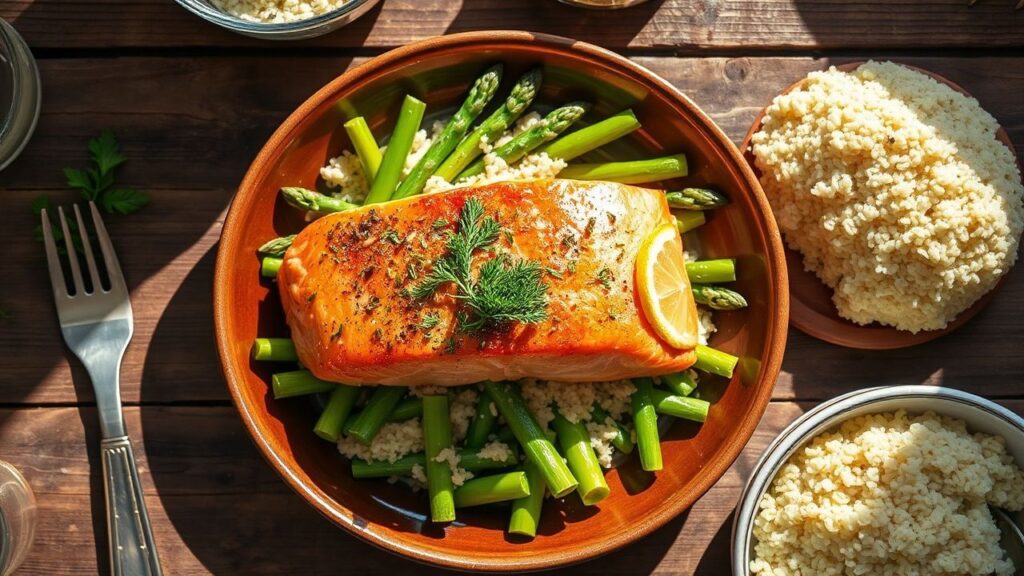
1. Lemon Herb Roasted Salmon with Asparagus and Quinoa
This dish is proof of simplicity and the power of fresh ingredients. Salmon is rich in omega-3 fatty acids, and when paired with the fiber-rich quinoa and nutrient-dense asparagus, it forms a complete, balanced meal. The preparation is remarkably straightforward, often requiring less than 15 minutes of active time.
Ingredients:
- 2 (6-ounce) salmon fillets
- 1 bunch asparagus, trimmed
- 1 cup quinoa, rinsed
- 2 cups vegetable broth or water
- 2 tablespoons olive oil
- 1 lemon, half juiced, half sliced
- 1 tablespoon fresh dill, chopped
- 1 tablespoon fresh parsley, chopped
- Salt and freshly ground black pepper to taste
Preparation Method:
- Preheat your oven to 400°F (200°C).
- Cook the quinoa: In a medium saucepan, combine the rinsed quinoa with vegetable broth or water. Bring to a boil, then reduce heat to low, cover, and simmer for 15-20 minutes, or until all liquid is absorbed. Let stand, covered, for 5 minutes, then fluff with a fork.
- Prepare the salmon and asparagus: On a baking sheet, toss the trimmed asparagus with 1 tablespoon of olive oil, salt, and pepper.
- Place the salmon fillets on the same baking sheet, skin-side down. Drizzle with the remaining 1 tablespoon of olive oil, lemon juice, salt, and pepper. Top each fillet with a few lemon slices and a sprinkle of fresh dill and parsley.
- Roast for 12-15 minutes, or until the salmon is cooked through and flakes easily with a fork, and the asparagus is tender-crisp.
- Serve the roasted salmon and asparagus immediately alongside the fluffy quinoa.
Nutritional Information (per serving, approximate):
Calories: 450-500 | Protein: 35-40g | Fat: 20-25g | Carbohydrates: 30-35g | Fiber: 5-7g
2. Speedy Coconut Curry with Chickpeas and Spinach
This vibrant curry is a flavor explosion that comes together in under 30 minutes. The creaminess of the coconut milk, the earthiness of the chickpeas, and the freshness of the spinach create a deeply satisfying and nutritious meal. It’s incredibly versatile; feel free to add other vegetables like bell peppers, zucchini, or sweet potatoes.
Ingredients:
- 1 tablespoon coconut oil or olive oil
- 1 medium onion, finely chopped
- 2 cloves garlic, minced
- 1 tablespoon grated fresh ginger
- 1 tablespoon curry powder
- 1 teaspoon ground cumin
- ½ teaspoon ground turmeric
- ¼ teaspoon cayenne pepper (optional, for heat)
- 1 (13.5-ounce) can full-fat coconut milk
- 1 (15-ounce) can chickpeas, rinsed and drained
- 4 cups fresh spinach
- Salt and freshly ground black pepper to taste
- Fresh cilantro, chopped, for garnish
- Cooked basmati rice or cauliflower rice, for serving (ensure rice is gluten-free)
Preparation Method:
- Heat the coconut oil in a large skillet or pot over medium heat. Add the chopped onion and sauté until softened, about 5-7 minutes.
- Add the minced garlic and grated ginger, and cook for another minute until fragrant.
- Stir in the curry powder, cumin, turmeric, and cayenne pepper (if using). Cook for 1 minute, stirring constantly, until the spices are fragrant.
- Pour in the coconut milk and bring to a gentle simmer. Add the rinsed chickpeas and stir to combine.
- Let the curry simmer for 5-10 minutes, allowing the flavors to meld.
- Stir in the fresh spinach, a handful at a time, until it wilts.
- Season with salt and pepper to taste.
- Serve hot over cooked basmati rice or cauliflower rice, garnished with fresh cilantro.
Nutritional Information (per serving, approximate, without rice):
Calories: 350-400 | Protein: 10-12g | Fat: 25-30g | Carbohydrates: 20-25g | Fiber: 8-10g
3. Sheet Pan Chicken Fajitas with Bell Peppers and Onions
Sheet pan dinners are the epitome of weeknight ease. This gluten-free fajita recipe minimizes cleanup by cooking everything on a single pan. The smoky, slightly spicy flavors are universally loved, and the customizable toppings make it a family favorite.
Ingredients:
- 1.5 pounds boneless, skinless chicken breasts or thighs, cut into thin strips
- 2 bell peppers (any color), seeded and sliced
- 1 large red onion, sliced
- 2 tablespoons olive oil
- 1 tablespoon chili powder
- 1 teaspoon ground cumin
- ½ teaspoon smoked paprika
- ½ teaspoon garlic powder
- Salt and freshly ground black pepper to taste
- Lime wedges, for serving
- Optional gluten-free toppings: shredded lettuce, salsa, guacamole, dairy-free sour cream
- Gluten-free tortillas or corn tortillas, warmed
Preparation Method:
- Preheat your oven to 400°F (200°C). Line a large baking sheet with parchment paper for easy cleanup.
- In a large bowl, toss the chicken strips, sliced bell peppers, and sliced red onion with olive oil.
- Add the chili powder, cumin, smoked paprika, garlic powder, salt, and pepper. Toss well to ensure everything is evenly coated with the spices.
- Spread the mixture in a single layer on the prepared baking sheet.
- Roast for 20-25 minutes, or until the chicken is cooked through and the vegetables are tender and slightly caramelized, stirring halfway through.
- Serve the fajita mixture hot with warm gluten-free or corn tortillas and your favorite toppings.
Nutritional Information (per serving, approximate, without tortillas/toppings):
Calories: 300-350 | Protein: 30-35g | Fat: 15-20g | Carbohydrates: 10-15g | Fiber: 3-5g
4. Lentil Shepherd’s Pie with Sweet Potato Topping
A comforting classic, reimagined. This vegetarian Shepherd’s Pie swaps traditional meat for hearty lentils, packed with protein and fiber. The creamy sweet potato topping adds a subtle sweetness and a beautiful color, making it a visually appealing and nourishing meal. This is a perfect example of how gluten-free cooking can be incredibly wholesome and satisfying.
Ingredients:
- For the Filling:
- 1 tablespoon olive oil
- 1 large onion, chopped
- 2 carrots, diced
- 2 celery stalks, diced
- 2 cloves garlic, minced
- 1.5 cups brown or green lentils, rinsed
- 4 cups vegetable broth
- 1 tablespoon tomato paste
- 1 teaspoon dried thyme
- 1 teaspoon dried rosemary
- Salt and freshly ground black pepper to taste
- ½ cup frozen peas
- For the Topping:
- 2 large sweet potatoes, peeled and cubed
- 2 tablespoons olive oil or unsalted butter (dairy-free option available)
- Salt and pepper to taste
- Pinch of nutmeg (optional)
Preparation Method:
- Preheat oven to 375°F (190°C).
- Prepare the topping: Boil the cubed sweet potatoes in salted water until very tender, about 15-20 minutes. Drain well. Mash the sweet potatoes with olive oil (or butter), salt, pepper, and nutmeg until smooth and creamy. Set aside.
- Make the filling: Heat olive oil in a large oven-safe skillet or Dutch oven over medium heat. Add the onion, carrots, and celery, and sauté until softened, about 8-10 minutes.
- Add the minced garlic and cook for 1 minute more until fragrant.
- Stir in the rinsed lentils, vegetable broth, tomato paste, thyme, and rosemary. Bring to a boil, then reduce heat, cover, and simmer for 30-40 minutes, or until the lentils are tender and most of the liquid has been absorbed.
- Stir in the frozen peas and season the filling generously with salt and pepper.
- If your skillet is not oven-safe, transfer the lentil filling to a baking dish.
- Spoon the mashed sweet potato topping evenly over the lentil filling, spreading it to the edges. You can create decorative peaks with a fork if desired.
- Bake for 20-25 minutes, or until the topping is lightly golden and the filling is bubbling.
- Let stand for a few minutes before serving.
Nutritional Information (per serving, approximate):
Calories: 400-450 | Protein: 15-20g | Fat: 15-20g | Carbohydrates: 50-60g | Fiber: 15-20g
5. Garlic Herb Roasted Chicken and Root Vegetables
This is a complete, hearty meal that requires minimal hands-on effort. The roasting process caramelizes the natural sugars in the root vegetables, creating a delightful sweetness that complements the savory chicken. It’s a perfect Sunday supper that can easily stretch into weeknight leftovers.
Ingredients:
- 1 whole chicken (about 3-4 pounds)
- 2 pounds mixed root vegetables (potatoes, sweet potatoes, carrots, parsnips), peeled and cut into 1-inch chunks
- 1 large red onion, cut into wedges
- 4 cloves garlic, smashed
- 3 tablespoons olive oil
- 1 tablespoon fresh rosemary, chopped
- 1 tablespoon fresh thyme, chopped
- Salt and freshly ground black pepper to taste
- 1 lemon, halved
Preparation Method:
- Preheat your oven to 400°F (200°C).
- Pat the chicken dry inside and out with paper towels. This is crucial for crispy skin.
- In a large bowl, toss the chopped root vegetables and red onion wedges with 2 tablespoons of olive oil, rosemary, thyme, salt, and pepper.
- Place the seasoned vegetables in a large roasting pan.
- In a small bowl, combine the remaining 1 tablespoon of olive oil with salt and pepper. Rub this mixture all over the chicken.
- Place the chicken on top of the vegetables in the roasting pan. Stuff the cavity of the chicken with the halved lemon and the smashed garlic cloves.
- Roast for 1 hour and 15 minutes to 1 hour and 30 minutes, or until a meat thermometer inserted into the thickest part of the thigh (without touching bone) registers 165°F (74°C), and the juices run clear. The vegetables should be tender and caramelized.
- If the vegetables are browning too quickly, you can cover them loosely with foil.
- Let the chicken rest for 10-15 minutes before carving. Serve with the roasted root vegetables.
Nutritional Information (per serving, approximate, based on 6 servings):
Calories: 500-600 | Protein: 40-50g | Fat: 30-40g | Carbohydrates: 30-40g | Fiber: 6-8g
6. One-Pan Mediterranean Baked Cod with Olives and Tomatoes
This dish encapsulates the fresh, vibrant flavors of the Mediterranean. Cod is a lean, flaky white fish that bakes beautifully, absorbing the briny notes of olives and the sweetness of cherry tomatoes. The minimal cleanup makes it an ideal weeknight option.
Ingredients:
- 4 (6-ounce) cod fillets
- 1 pint cherry tomatoes, halved
- ½ cup Kalamata olives, pitted
- ¼ cup chopped red onion
- 2 cloves garlic, thinly sliced
- 2 tablespoons olive oil
- 1 tablespoon fresh oregano, chopped (or 1 teaspoon dried)
- Salt and freshly ground black pepper to taste
- Fresh parsley, chopped, for garnish
- Lemon wedges, for serving
Preparation Method:
- Preheat your oven to 400°F (200°C).
- Line a baking sheet with parchment paper.
- In a medium bowl, combine the halved cherry tomatoes, Kalamata olives, chopped red onion, and sliced garlic. Drizzle with olive oil, sprinkle with oregano, salt, and pepper. Toss gently to combine.
- Spread the tomato and olive mixture evenly over the prepared baking sheet.
- Place the cod fillets on top of the vegetable mixture, ensuring they are not too crowded. Season the cod with salt and pepper.
- Bake for 12-15 minutes, or until the cod is opaque and flakes easily with a fork, and the tomatoes have softened and burst.
- Garnish with fresh parsley and serve immediately with lemon wedges.
Nutritional Information (per serving, approximate):
Calories: 300-350 | Protein: 30-35g | Fat: 15-20g | Carbohydrates: 10-15g | Fiber: 3-5g
The simplicity of this dish belies its sophisticated flavor profile. The key is using high-quality ingredients; ripe cherry tomatoes and good Kalamata olives will make a noticeable difference. The residual heat from the oven will continue to cook the fish slightly as it rests, so be careful not to overcook it initially.
7. Gluten-Free Pasta Primavera with Zucchini and Peas
Pasta night doesn’t have to be off-limits. Utilizing high-quality gluten-free pasta, this Primavera dish is a celebration of fresh, seasonal vegetables. It’s light, flavorful, and can be on the table in under 30 minutes, making it a perfect weeknight solution.
Ingredients:
- 8 ounces gluten-free pasta (penne, fusilli, or spaghetti work well)
- 2 tablespoons olive oil
- 2 cloves garlic, minced
- 1 medium zucchini, thinly sliced or spiralized
- 1 cup frozen peas
- ½ cup vegetable broth
- ¼ cup grated Parmesan cheese (optional, ensure it’s gluten-free)
- 2 tablespoons fresh basil, chopped
- Salt and freshly ground black pepper to taste
- Lemon zest, for garnish (optional)
Preparation Method:
- Cook the gluten-free pasta according to package directions in salted boiling water. Reserve about ½ cup of the pasta water before draining.
- While the pasta is cooking, heat the olive oil in a large skillet over medium heat. Add the minced garlic and sauté for about 30 seconds until fragrant.
- Add the sliced zucchini and cook for 3-4 minutes until slightly tender.
- Stir in the frozen peas and vegetable broth. Bring to a simmer and cook for 2-3 minutes, until the peas are heated through and the zucchini is tender-crisp.
- Add the drained gluten-free pasta to the skillet with the vegetables. Toss to combine.
- If the sauce seems too dry, add a little of the reserved pasta water, a tablespoon at a time, until it reaches your desired consistency.
- Stir in the grated Parmesan cheese (if using) and fresh basil. Season with salt and pepper to taste.
- Serve immediately, garnished with lemon zest if desired.
Nutritional Information (per serving, approximate):
Calories: 350-400 | Protein: 10-15g | Fat: 15-20g | Carbohydrates: 45-55g | Fiber: 6-8g
Expert Tips for Elevating Your Gluten-Free Weeknight Meals
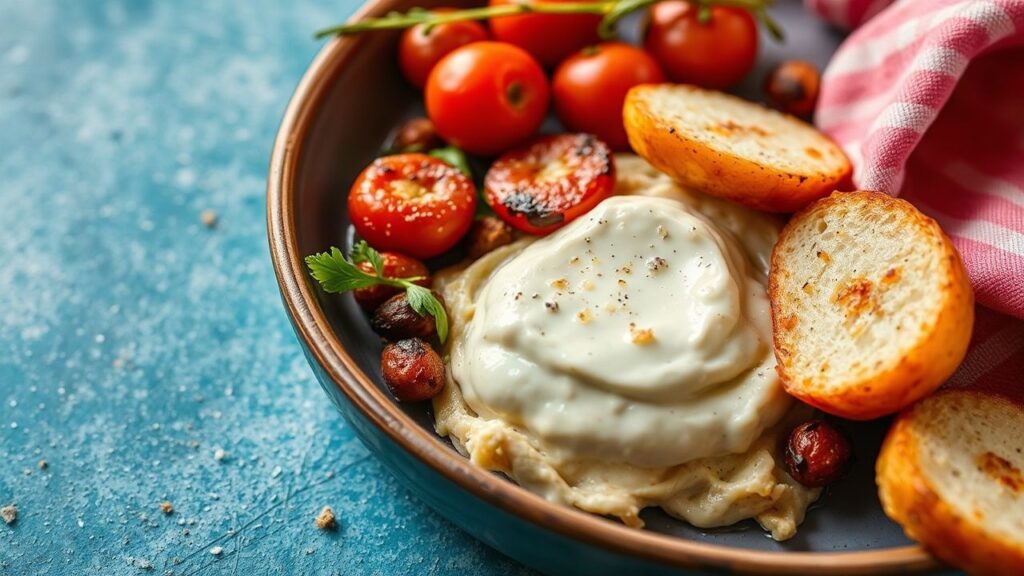
Achieving restaurant-quality gluten-free meals at home is entirely feasible with a few strategic adjustments and a commitment to quality ingredients. The nuances of gluten-free cooking often lie in techniques that enhance texture and flavor, compensating for the absence of gluten’s binding and structural properties. Understanding these subtle differences can transform a good meal into an exceptional one.
One of the most impactful tips is mastering the art of gluten-free flour blends if you venture into baking or thickening sauces. While many pre-made blends exist, creating your own by combining starches like tapioca or cornstarch with nut flours (almond, cashew) or grain flours (sorghum, oat – certified gluten-free) offers greater control over the final texture. For instance, a higher proportion of starches can yield a lighter, crispier result, while more nut flour contributes richness and moisture. Always ensure your ingredients are certified gluten-free to avoid cross-contamination, especially for those with celiac disease. Vigilance in ingredient sourcing is essential for a gluten-free diet.
Furthermore, don’t underestimate the power of herbs, spices, and aromatics. These are the unsung heroes of any cuisine, and in gluten-free cooking, they play an even more critical role in building complex flavor profiles. Fresh herbs, toasted spices, and well-sautéed aromatics like garlic and onions provide depth and vibrancy that can elevate simple ingredients. For instance, a pinch of smoked paprika can add a layer of complexity to roasted vegetables, while fresh lemon zest can brighten a fish dish. Consider creating homemade spice blends tailored to your favorite cuisines to have readily available.
Finally, embrace natural binders and emulsifiers. Ingredients like eggs, pureed vegetables (like sweet potato or squash), and even psyllium husk can be used to create structure and moisture in dishes that might otherwise lack it. For instance, when making a quick pan sauce, a touch of cornstarch slurry (cornstarch mixed with cold water) can provide the perfect thickening without the need for gluten-containing flour. Understanding these alternative methods ensures your gluten-free creations are not only safe but also texturally satisfying and delicious.
Conclusion
The journey into gluten-free cooking for weeknight dinners is one of discovery, not deprivation. These seven recipes offer a starting point, demonstrating that flavorful, satisfying, and effortless meals are well within reach, even on the busiest of evenings. By embracing the versatility of gluten-free ingredients and employing simple yet effective cooking techniques, you can consistently create dishes that nourish your body and delight your palate. The growing availability of high-quality gluten-free products and the ever-expanding culinary knowledge base mean that delicious, gluten-free living is more accessible and enjoyable than ever before.
Frequently Asked Questions
Are gluten-free recipes always healthier?
Gluten-free recipes are not inherently healthier; their healthfulness depends on the ingredients used. While they are essential for individuals with celiac disease or gluten sensitivity, for others, a gluten-free diet might be less nutritious if it relies heavily on processed gluten-free products that can be low in fiber and high in sugar or unhealthy fats. Focusing on whole, unprocessed gluten-free ingredients like fruits, vegetables, lean proteins, and naturally gluten-free grains is key to making them a healthy choice.
What are the best gluten-free grains for weeknight meals?
Excellent gluten-free grains for quick weeknight meals include quinoa, which cooks in about 15-20 minutes and is a complete protein; rice (white, brown, wild); millet; and certified gluten-free oats. These grains can be used as a base for bowls, sides, or incorporated into stews and salads, offering versatility and essential nutrients.
Can I substitute gluten-free pasta with regular pasta in these recipes?
While you can technically substitute regular pasta, these recipes are specifically designed with gluten-free pasta in mind, particularly the Primavera dish. The cooking times and starch content of gluten-free pasta can differ significantly from wheat-based pasta. If you choose to use regular pasta, you may need to adjust cooking times and potentially the sauce consistency.
How can I make my gluten-free dinners more flavorful?
Flavor is paramount in any cuisine, and gluten-free cooking is no exception. Utilize a wide array of fresh herbs and spices, incorporate aromatics like garlic and onions generously, and don’t shy away from healthy fats like olive oil or avocado. Marinades, quick pan sauces, and finishing touches like fresh citrus zest or a sprinkle of toasted nuts can add significant depth and complexity to your gluten-free dishes.
What are common mistakes to avoid when cooking gluten-free?
Common mistakes include overcooking gluten-free baked goods (which can lead to dryness), not allowing enough resting time for gluten-free batters, using only one type of gluten-free flour (which can result in poor texture), and neglecting cross-contamination risks for those with celiac disease. Always read labels carefully and consider using certified gluten-free ingredients for safety.
See also: Gluten-Free