
The Enduring Allure of the Falafel Bowl: More Than Just a Meal
Have you ever paused mid-bite, savoring the complex interplay of textures and flavors in a well-crafted falafel bowl, and wondered if this culinary delight could also be a powerhouse of well-being? It’s a question many of us ponder as we navigate the increasingly health-conscious landscape of modern dining. The falafel bowl, a vibrant assembly of crispy chickpea fritters nestled amongst a medley of fresh vegetables, grains, and flavorful sauces, has transcended its Middle Eastern origins to become a global phenomenon. But its popularity isn’t solely due to its irresistible taste; beneath the surface lies a nutritional profile that warrants serious attention from anyone seeking a truly wholesome and satisfying meal. This is not merely a trend; it’s proof of the power of plant-based eating, offering a complete nutritional experience that fuels the body and delights the senses.
- The Enduring Allure of the Falafel Bowl: More Than Just a Meal
- Deconstructing the Falafel Bowl: A Nutritional Powerhouse
- The 7 Essential Health Benefits of a Falafel Bowl
- 1. Superior Source of Plant-Based Protein
- 2. Gut Health Champion Through High Fiber Content
- 3. Blood Sugar Regulation Powerhouse
- 4. Heart Health Ally
- 5. Rich Source of Essential Vitamins and Minerals
- 6. Weight Management Support
- 7. Anti-inflammatory Properties
- Crafting the Perfect Healthy Falafel Bowl: An Expert Recipe
- Ingredients
- Nutritional Information (Approximate per Serving, based on 4 servings)
- Elevating Your Falafel Bowl: Pro Tips for Restaurant-Quality Results
- Mastering the Falafel Texture
- The Art of the Dressing
- Building Layers of Flavor and Texture
- ⚠️ Pro-Caution Pro-Caution: Reading the Ingredient Labels for Store-Bought Items
- Frequently Asked Questions
The falafel bowl is proof of how vibrant, plant-based ingredients can converge to create a meal that is both deeply satisfying and profoundly nourishing, proving that healthy eating can be an adventure in flavor.
This article explores the multifaceted health advantages of incorporating a falafel bowl into your diet, dissecting its core components and illuminating why it stands out as a remarkably healthy choice. We’ll examine the science behind its benefits, offer practical advice for maximizing its nutritional impact, and provide a comprehensive recipe to recreate this wholesome masterpiece. Prepare to discover the essential goodness that makes the falafel bowl a truly remarkable dish.
Deconstructing the Falafel Bowl: A Nutritional Powerhouse
At its heart, a falafel bowl is a carefully orchestrated symphony of ingredients, each contributing unique nutritional benefits. The star, of course, is the falafel itself, traditionally made from ground chickpeas, herbs, and spices. Chickpeas are a legume renowned for their high content of protein and fiber, essential for satiety and digestive health. According to the Harvard T.H. Chan School of Public Health, legumes are a cornerstone of a healthy diet, linked to a reduced risk of chronic diseases such as heart disease and type 2 diabetes. The fiber in chickpeas not only aids digestion but also helps to regulate blood sugar levels, preventing sharp spikes and crashes.
Beyond the falafel, the typical accompaniments elevate the bowl’s nutritional density. A base of complex carbohydrates, such as quinoa, brown rice, or freekeh, provides sustained energy and further boosts fiber intake. Quinoa, in particular, is a complete protein, meaning it contains all nine essential amino acids, a rarity among plant-based foods. Fresh vegetables like cucumbers, tomatoes, bell peppers, and leafy greens (spinach, kale, arugula) are packed with vitamins, minerals, antioxidants, and phytonutrients. These compounds play crucial roles in immune function, cellular repair, and protecting the body against oxidative stress. Finally, the dressings and sauces, often tahini-based or yogurt-based, can provide healthy fats and additional protein, though care must be taken to manage their calorie content.
The 7 Essential Health Benefits of a Falafel Bowl
The thoughtful combination of ingredients in a falafel bowl translates into a cascade of health advantages that extend far beyond simple sustenance. Understanding these benefits can empower you to make informed dietary choices.
1. Superior Source of Plant-Based Protein
For individuals seeking to increase their protein intake through plant-based sources, the falafel bowl is an outstanding option. The primary ingredient, chickpeas, offers a substantial amount of protein per serving. Combined with other potential protein boosters like quinoa or tahini, a single bowl can contribute significantly to daily protein requirements, crucial for muscle repair, enzyme production, and overall bodily function. Research published in the American Journal of Clinical Nutrition highlights the importance of adequate protein intake for maintaining muscle mass, particularly as individuals age.
2. Gut Health Champion Through High Fiber Content
The fiber content in a well-constructed falafel bowl is exceptional, primarily from the chickpeas, whole grains, and an abundance of fresh vegetables. Dietary fiber is indispensable for a healthy digestive system. It adds bulk to stool, promoting regular bowel movements and preventing constipation. Furthermore, soluble fiber, found in chickpeas and quinoa, acts as a prebiotic, feeding beneficial gut bacteria. A thriving gut microbiome is increasingly recognized as central to overall health, influencing everything from mood and immunity to nutrient absorption. Studies by the National Institutes of Health (NIH) consistently link high-fiber diets to a reduced risk of colorectal cancer and other gastrointestinal disorders.
3. Blood Sugar Regulation Powerhouse
The complex carbohydrates and high fiber content found in the ingredients of a falafel bowl contribute significantly to blood sugar stability. Unlike refined carbohydrates that cause rapid glucose spikes, the slow digestion of fiber and complex carbs from chickpeas, whole grains, and vegetables leads to a more gradual release of sugar into the bloodstream. This is particularly beneficial for individuals managing diabetes or those at risk. The glycemic index (GI) of falafel made from chickpeas is relatively low, and when paired with other low-GI ingredients, the entire bowl becomes an excellent choice for sustained energy without the subsequent energy slump.
4. Heart Health Ally
The components of a falafel bowl are remarkably heart-friendly. Chickpeas are rich in soluble fiber, which can help lower LDL (“bad”) cholesterol levels. They also contain potassium, which helps regulate blood pressure. The healthy fats often present in tahini and olive oil-based dressings contribute to cardiovascular well-being. Furthermore, the abundance of antioxidants from fresh vegetables helps combat inflammation, a key contributor to heart disease. The American Heart Association recommends diets rich in legumes, whole grains, fruits, and vegetables for optimal cardiovascular health, all of which are staples in a balanced falafel bowl.
5. Rich Source of Essential Vitamins and Minerals
Beyond macronutrients, the falafel bowl is a treasure trove of micronutrients. Chickpeas provide iron, folate, and phosphorus. Fresh vegetables and herbs contribute a wide spectrum of vitamins, including Vitamin C (important for immunity and skin health), Vitamin K (crucial for blood clotting and bone health), Vitamin A (vital for vision and immune function), and various B vitamins (essential for energy metabolism). Minerals like magnesium, manganese, and zinc are also present, playing roles in everything from bone health to immune response.
6. Weight Management Support
The combination of high fiber and protein in a falafel bowl promotes satiety, meaning it helps you feel fuller for longer. This can be a powerful ally in weight management, reducing the likelihood of overeating or snacking on less healthy options between meals. The nutrient density of the bowl also ensures that you are consuming a high volume of food with a moderate calorie count, provided healthy fats and dressings are used judiciously. A study in the New England Journal of Medicine demonstrated that diets higher in protein and fiber are more effective for long-term weight management.
7. Anti-inflammatory Properties
Many of the ingredients in a falafel bowl possess inherent anti-inflammatory properties. The herbs and spices used in falafel (like parsley, cilantro, cumin, and coriander) are known for their antioxidant and anti-inflammatory compounds. The colorful vegetables, rich in phytonutrients and antioxidants, also combat inflammation throughout the body. Chronic inflammation is linked to a host of serious health conditions, including arthritis, cardiovascular disease, and certain cancers. Consuming anti-inflammatory foods like those found in a falafel bowl can contribute to overall long-term health and well-being.
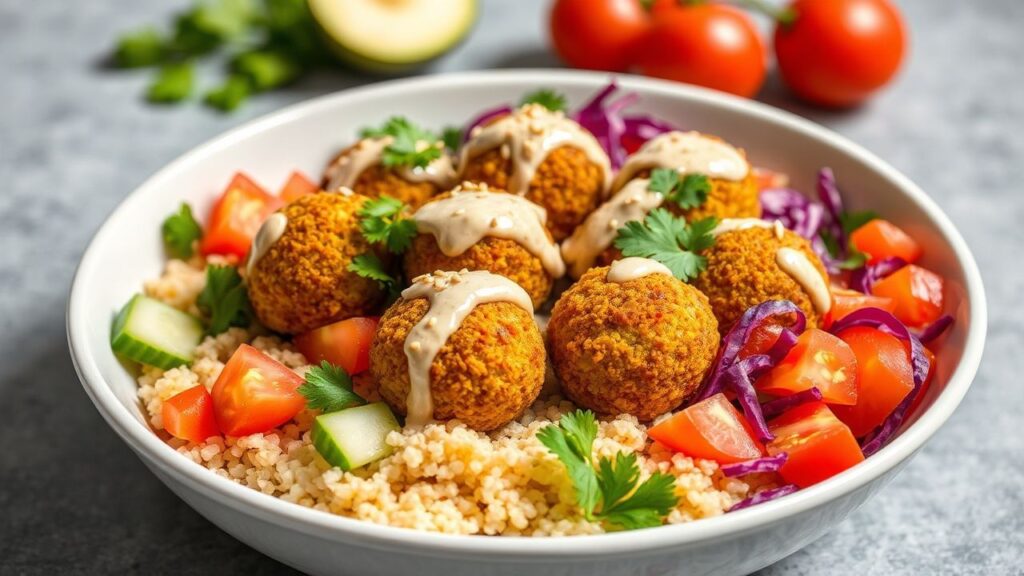
Crafting the Perfect Healthy Falafel Bowl: An Expert Recipe
Achieving the ideal balance of flavor, texture, and nutrition in your falafel bowl is an art form. This recipe prioritizes fresh, wholesome ingredients and offers techniques to ensure optimal taste and health benefits.
Ingredients
For the Falafel:
- 2 cups (approx. 300g) dried chickpeas, soaked overnight and drained (or 2 cans, 400g each, rinsed and thoroughly drained)
- 1 medium yellow onion, roughly chopped
- 4-5 cloves garlic, minced
- 1 cup fresh parsley, packed
- 1/2 cup fresh cilantro, packed
- 1 teaspoon ground cumin
- 1 teaspoon ground coriander
- 1/2 teaspoon baking soda (optional, for lighter falafel)
- Salt and freshly ground black pepper to taste
- 1/4 cup all-purpose flour or chickpea flour (for binding, optional)
- 1-2 tablespoons olive oil (for baking, or for frying if preferred)
For the Bowl Base & Toppings:
- 2 cups cooked quinoa, brown rice, or freekeh
- 1 cup cherry tomatoes, halved
- 1 cup cucumber, diced
- 1 cup shredded red cabbage
- 1/2 cup finely chopped bell pepper (any color)
- 1/4 cup pickled turnips or onions (optional)
- Fresh mint leaves for garnish
For the Tahini Dressing:
- 1/2 cup tahini (sesame paste)
- 1/4 cup fresh lemon juice
- 2-4 tablespoons cold water (to reach desired consistency)
- 1 clove garlic, minced (optional)
- Salt to taste
1. Prepare the Falafel Mixture: If using dried chickpeas, ensure they have been soaked for at least 8 hours or overnight and then thoroughly drained and patted dry. If using canned, rinse them very well and drain completely. 2. Pulse Ingredients: In a food processor, combine the drained chickpeas, chopped onion, minced garlic, fresh parsley, fresh cilantro, cumin, coriander, and optional baking soda. Pulse until the mixture is finely chopped but not a paste; it should retain some texture. Be careful not to over-process, as this can lead to gummy falafel. 3. Season and Bind: Transfer the mixture to a bowl. Season generously with salt and pepper. If the mixture feels too wet to form patties, add 1/4 cup of flour (all-purpose or chickpea flour) and mix well. The mixture should be firm enough to hold its shape. 4.
Form the Falafel: Using your hands, form the mixture into small patties or balls, about 1.5 inches in diameter. Aim for uniform size for even cooking. 5. Cook the Falafel (Baking Recommended for Healthier Option): Preheat your oven to 400°F (200°C). Lightly grease a baking sheet with olive oil or line it with parchment paper. Arrange the falafel patties on the prepared baking sheet. Drizzle a little olive oil over the tops. Bake for 20-25 minutes, flipping halfway through, until golden brown and firm.
- [TIP]Expert Insight: For an even crispier exterior when baking, you can lightly spray the falafel with cooking oil spray before baking.
6. Prepare the Tahini Dressing: While the falafel bakes, whisk together the tahini, lemon juice, minced garlic (if using), and salt in a small bowl. Gradually add cold water, one tablespoon at a time, whisking continuously, until you achieve a smooth, pourable consistency.
7. Assemble the Bowls: Divide your chosen base grain (quinoa, brown rice, or freekeh) among serving bowls.
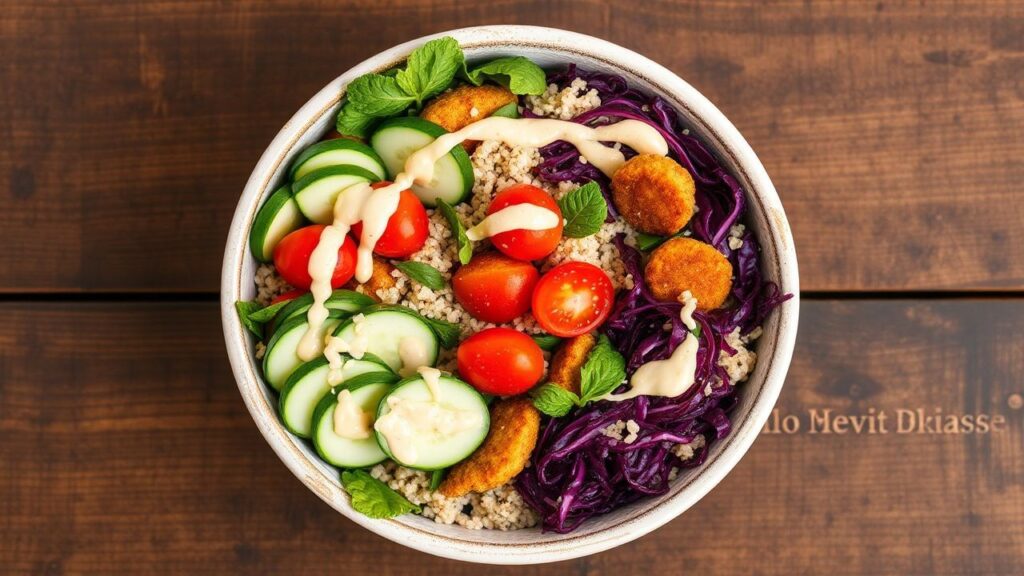
8. Add Toppings: Artfully arrange the baked falafel, halved cherry tomatoes, diced cucumber, shredded red cabbage, chopped bell pepper, and any optional pickled items over the grain base.
9. Drizzle and Garnish: Generously drizzle the tahini dressing over the entire bowl. Garnish with fresh mint leaves.
10. Serve: Serve immediately and enjoy the vibrant flavors and health benefits of your homemade falafel bowl.
Nutritional Information (Approximate per Serving, based on 4 servings)
- Calories: 450-600 kcal (will vary based on portion size and added oils/dressings)
- Protein: 18-25g
- Fiber: 10-15g
- Healthy Fats: 15-25g (primarily from tahini and olive oil)
- Carbohydrates: 50-70g (complex carbohydrates)
- Vitamins & Minerals: Excellent source of iron, folate, magnesium, B vitamins, Vitamin C, and Vitamin K.
Elevating Your Falafel Bowl: Pro Tips for Restaurant-Quality Results
To truly master the art of the falafel bowl, consider these expert-level enhancements that will transform your home-cooked meal into a culinary masterpiece. These are the nuances that separate the good from the truly exceptional.
Mastering the Falafel Texture
The texture of the falafel is paramount. For that sought-after crispy exterior and tender interior, ensure your chickpea mixture is not too wet. If it’s too dry, it will crumble; if too wet, it will be mushy. A crucial step often overlooked is the resting period. After forming the falafel mixture, letting it rest in the refrigerator for at least 30 minutes allows the flavors to meld and the mixture to firm up, making it easier to handle and resulting in a better texture. When frying, ensure the oil is at the correct temperature (around 350-375°F or 175-190°C) to achieve crispiness without greasiness.
The Art of the Dressing
A bland dressing can undermine even the most perfectly prepared falafel. Beyond the classic tahini, experiment with variations. Consider adding a pinch of sumac for a tangy, lemony note, or a touch of smoked paprika for depth. A dollop of plain Greek yogurt can lighten the tahini dressing and add extra protein, making it a fantastic, lower-fat alternative. For a spicy kick, incorporate a small amount of harissa paste. The key is balance – the dressing should complement, not overpower, the other ingredients.
Building Layers of Flavor and Texture
Think beyond the standard toppings. Introduce contrasting textures and flavors. For crunch, add toasted sunflower seeds, pumpkin seeds, or even a sprinkle of crushed pistachios. For a burst of acidity and brightness, consider adding pickled red onions, thinly sliced radishes, or a squeeze of fresh lime. Roasted vegetables like sweet potatoes or cauliflower can add a caramelized sweetness and heartiness. Don’t underestimate the power of fresh herbs – a generous scattering of mint, dill, or parsley can elevate the entire dish.
⚠️ Pro-Caution
Pro-Caution: Reading the Ingredient Labels for Store-Bought Items
While convenience is appealing, be vigilant when purchasing pre-made falafel mix, sauces, or pickled items. Many commercially produced options can be laden with excessive sodium, unhealthy fats, artificial preservatives, and added sugars. Always read ingredient labels carefully and opt for products with short, recognizable ingredient lists. If you have the time, preparing these components from scratch offers the greatest control over the healthfulness and quality of your falafel bowl.
Frequently Asked Questions
What are the main health benefits of eating falafel?
The primary health benefits of falafel stem from its core ingredients. It’s an excellent source of plant-based protein and dietary fiber, which aids digestion, promotes satiety, and helps regulate blood sugar. Falafel, especially when made with chickpeas, also provides essential minerals like iron and folate. When incorporated into a balanced bowl with vegetables and whole grains, it contributes to a nutrient-dense meal that supports heart health and weight management.
Is falafel healthy for weight loss?
Yes, a falafel bowl can be a very healthy option for weight loss, primarily due to its high fiber and protein content. These elements work together to keep you feeling full and satisfied for longer, reducing overall calorie intake and curbing cravings. When prepared by baking rather than deep-frying and paired with a generous serving of vegetables and lean grains, it offers a substantial and nutrient-rich meal that supports a calorie deficit.
Can I make falafel healthier by baking it?
Absolutely. Baking falafel is a significantly healthier alternative to deep-frying. Deep-frying adds a considerable amount of fat and calories to the dish. Baking, especially with a light coating of olive oil or cooking spray, results in a similarly crispy exterior with a much lower fat content, making it an ideal choice for those prioritizing health and seeking to reduce their intake of unhealthy fats.
What are the best grains to use as a base for a falafel bowl?
The best grains for a healthy falafel bowl are whole, unprocessed options that provide complex carbohydrates and additional fiber. Quinoa is an excellent choice as it’s a complete protein and a good source of fiber and minerals. Brown rice, freekeh (a roasted green wheat), farro, and bulgur are also fantastic alternatives. These provide sustained energy release and contribute to the overall nutritional value of the meal.
How can I ensure my falafel bowl is balanced and nutritious?
To ensure your falafel bowl is balanced and nutritious, focus on variety and quality of ingredients. Include a good portion of baked falafel for protein, a base of whole grains for complex carbohydrates, and an abundance of fresh, colorful vegetables for vitamins, minerals, and antioxidants. Opt for a healthy dressing like a tahini-lemon dressing or a light yogurt-based sauce. Limit processed ingredients and be mindful of added oils and sodium.
See also: Falafel bowl