
vegan queso has long been a staple of Mexican-inspired cuisine, a creamy, indulgent delight that transforms ordinary chips into an extraordinary experience. Yet, for those embracing a plant-based lifestyle, the traditional dairy-laden version often feels out of reach, relegated to a distant memory. This perception, however, is a culinary fallacy. The reality is that achieving a genuinely sensational vegan queso, one that rivals its dairy counterpart in texture, flavor, and sheer deliciousness, is not only possible but remarkably straightforward. Forget the grainy, bland imitations; we’re about to unlock the secrets to a vegan queso so compelling, it will become an indispensable fixture in your entertaining repertoire.
- The Foundation of Flavor: Crafting a Creamy Vegan Base
- The Umami Enigma: Unlocking Deep, Savory Flavors
- The Color of Cravings: Achieving That Iconic Hue
- The ‘Super Easy’ Factor: Streamlining the Process
- Beyond the Basics: Elevating Your Vegan Queso
- The Versatility of Vegan Queso: More Than Just a Dip
- Frequently Asked Questions
- H3: How do I make vegan queso thicker if it’s too thin?
- H3: Can I make vegan queso ahead of time?
- H3: What are the best plant-based milks to use for vegan queso?
- H3: How long do sunflower seeds need to be soaked for the best vegan queso?
- H3: Can I make this vegan queso nut-free?
- Final Recommendations for Your Vegan Queso Triumph
The inherent challenge in creating a superior vegan queso lies in replicating the luxurious mouthfeel and rich, savory notes that dairy cheese provides. Traditional recipes rely on the emulsification of fats and proteins from milk to create that signature velvety consistency and deeply satisfying umami. Without these components, vegan alternatives often struggle, resulting in a sauce that can be watery, oily, or lacking in depth. However, by understanding the fundamental principles of flavor layering and textural mimicry, we can engineer a plant-based queso that is not merely a substitute, but a triumphant creation in its own right.
The most remarkable vegan queso isn’t about “making do” without dairy; it’s about celebrating the inherent deliciousness of whole, plant-based ingredients.
This exploration explore the nuanced art of crafting a vegan queso that is both incredibly easy to prepare and astonishingly delicious. We’ll move beyond superficial substitutions and explore the strategic use of specific ingredients that contribute to a truly authentic queso experience. From the creamy base to the complex flavor profile, every element is chosen for its contribution to the final, spectacular outcome. Prepare to have your expectations not just met, but delightfully exceeded.
The Foundation of Flavor: Crafting a Creamy Vegan Base
The soul of any exceptional queso, vegan or otherwise, resides in its creamy base. For a plant-based rendition, this is where the magic truly begins. The goal is to achieve a luscious, smooth consistency that coats the back of a spoon and clings beautifully to tortilla chips. While many recipes might default to cashews, which can be effective but sometimes require extensive soaking and blending, a more accessible and equally potent option lies in soaked sunflower seeds. Sunflower seeds, when properly hydrated, blend into an incredibly smooth and neutral-flavored paste, providing a rich, creamy foundation without the often-associated nuttiness of cashews. This choice also makes the recipe more budget-friendly and allergy-conscious for many households.
Another critical component for achieving that desirable thickness and richness is the strategic use of a starch. While cornstarch is a common thickener, a more sophisticated approach involves utilizing tapioca starch or arrowroot powder. These starches, when heated gently, create a glossy, almost elastic texture that beautifully mimics the melt of dairy cheese, preventing the queso from becoming gummy or overly stiff. The key is to incorporate them gradually and cook the mixture until it thickens to the desired consistency, ensuring a smooth, integrated sauce.
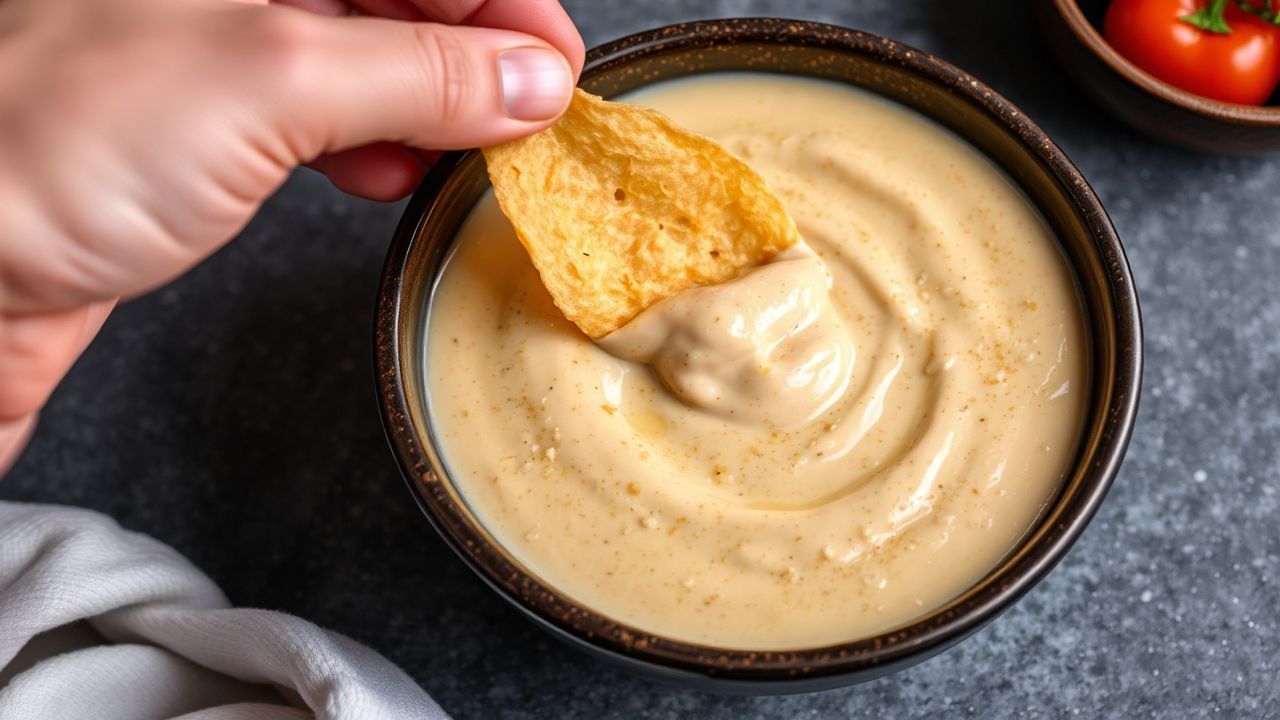
The process begins with soaking about one cup of raw, unsalted sunflower seeds in hot water for at least 30 minutes, or in cold water for a few hours. Once softened, drain them thoroughly. In a blender, combine the soaked sunflower seeds with about ¾ cup of unsweetened, plain plant-based milk (almond, soy, or oat milk work well, with oat milk often providing the creamiest result). Add a tablespoon of nutritional yeast for a cheesy, umami flavor, a teaspoon of onion powder, and half a teaspoon of garlic powder. A pinch of salt is essential to enhance all the flavors. Blend this mixture until it is exceptionally smooth, scraping down the sides of the blender as needed. This initial blend forms the bedrock of your vegan queso.
The Umami Enigma: Unlocking Deep, Savory Flavors
Beyond mere creaminess, a truly compelling vegan queso needs to deliver that sought-after savory depth, the characteristic umami that makes traditional cheese so addictive. This is where we move beyond the basic creamy base and introduce elements that provide complexity and a satisfying, “cheesy” essence without any dairy. Nutritional yeast is, of course, the MVP in this category. Its cheesy, nutty, and slightly savory notes are indispensable. Don’t be shy with it; for a rich queso, you’ll want to use at least 2-3 tablespoons.
To further amplify the savory profile, consider incorporating a small amount of miso paste. White or yellow miso paste offers a subtle fermented, umami-rich flavor that adds an incredible layer of complexity. Just a teaspoon or two stirred into the base can make a significant difference. Another secret weapon for enhancing depth is a touch of liquid smoke. This imparts a subtle, smoky essence that is often associated with aged cheeses and can add a dimension of intrigue to the queso. Use it sparingly, as a little goes a long way; start with ¼ teaspoon and adjust to your preference.
The subtle tang that balances the richness of cheese is also crucial. A squeeze of fresh lime juice or a tablespoon of apple cider vinegar can provide this essential brightness. For a truly authentic queso experience, especially one with a hint of heat, pickled jalapeños and their brine are invaluable. The brine itself adds a delightful tang and a touch of spice, while finely chopped jalapeños offer flecks of vibrant flavor and texture. Don’t underestimate the power of a good pinch of smoked paprika; it not only contributes a beautiful color but also a warm, smoky undertone that complements the other savory elements.
The Color of Cravings: Achieving That Iconic Hue
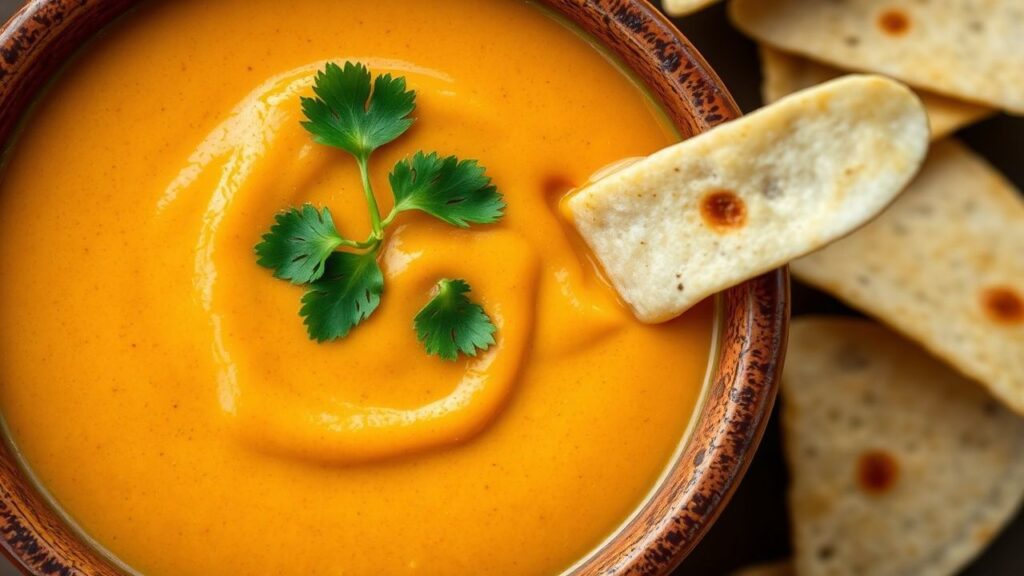
One of the most visually appealing aspects of queso is its inviting, warm, golden-orange hue. Recreating this in a vegan version is surprisingly simple and adds a significant element of appeal. While turmeric can provide a yellow tint, it can sometimes impart a slightly bitter or medicinal flavor if overused. A more effective and flavorful approach is to rely on smoked paprika and a touch of tomato paste.
Smoked paprika, especially Spanish sweet smoked paprika (pimentón dulce ahumado), offers a rich, deep red-orange color that is both natural and delicious. It contributes not only to the visual appeal but also to the overall smoky flavor profile. A tablespoon or two of this vibrant spice can dramatically transform the appearance of your vegan queso. For an even deeper, more robust color, a small amount of tomato paste can be incorporated. Be judicious here; too much tomato paste can shift the flavor towards a tomato sauce rather than a queso. Start with just a teaspoon, blended into the base, and observe the color change.
When you combine the creamy base with these coloring agents, you’ll notice the transformation. The nutritional yeast provides a subtle yellow undertone, which is then beautifully enhanced by the red-orange of the smoked paprika and the richer hue of the tomato paste. The final result is a visually stunning queso that is as inviting as any dairy-based version. This careful attention to color ensures that your vegan queso is not only a culinary delight but also a feast for the eyes, making it perfectly shareable and Instagram-worthy.
The ‘Super Easy’ Factor: Streamlining the Process
The promise of “super easy” is paramount when it comes to vegan queso. This means minimizing complicated steps, lengthy cooking times, and hard-to-find ingredients. The beauty of the sunflower seed base is its speed; once soaked, it blends quickly. The key to a truly streamlined process is to combine as many ingredients as possible in the blender at once.
After blending the soaked sunflower seeds with plant milk and initial seasonings, you can then add the nutritional yeast, onion powder, garlic powder, miso paste (if using), liquid smoke, and a good portion of the smoked paprika directly into the blender. Blend again until completely smooth. This one-pot (or rather, one-blender) approach significantly cuts down on prep and cleanup time.
Once you have your smooth, seasoned base, the next step is to gently heat it to thicken and meld the flavors. This is best done in a saucepan over medium-low heat. If you are using a starch like tapioca or arrowroot for thickening, whisk it into the blender mixture *before* transferring it to the saucepan. This ensures the starch is evenly distributed and prevents lumps.
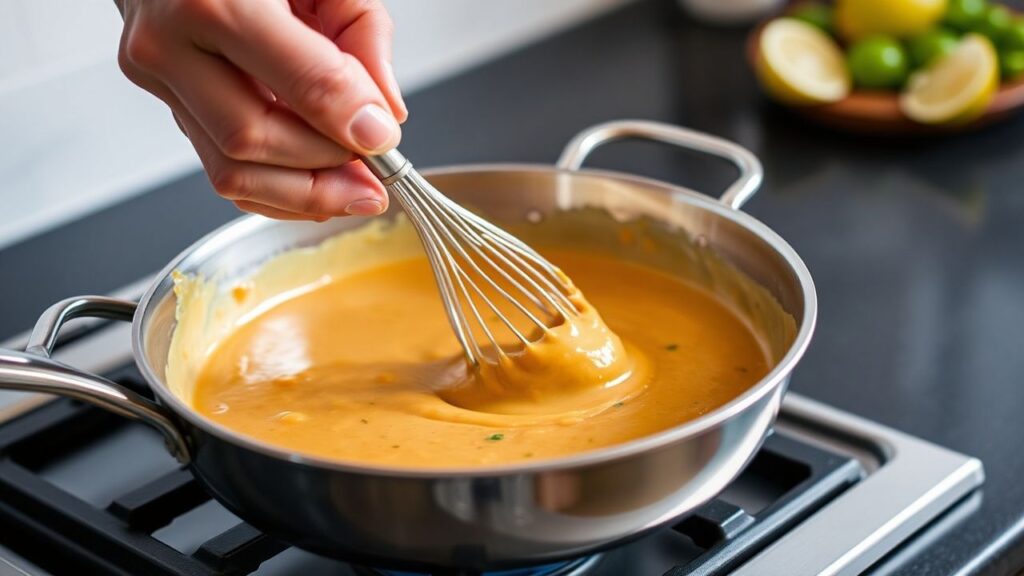
As the mixture heats, stir constantly. If you’ve added a starch, you’ll notice it begin to thicken within a few minutes. Cook for about 3-5 minutes, or until the queso reaches your desired consistency. It should be thick enough to coat the back of a spoon but still pourable. Stir in the chopped pickled jalapeños and a splash of their brine for tang and spice. Finish with a squeeze of fresh lime juice just before serving to brighten the flavors. This entire cooking process typically takes less than 10 minutes, making it incredibly practical for weeknight cravings or last-minute gatherings.
Beyond the Basics: Elevating Your Vegan Queso
While the core recipe is remarkably simple, there are several avenues to explore for elevating your vegan queso from merely good to utterly spectacular. These are the touches that demonstrate true culinary finesse and can set your creation apart.
One such elevation is the incorporation of fire-roasted diced tomatoes. These add bursts of sweet, smoky tomato flavor and a pleasing texture that breaks up the otherwise uniform creaminess. Drain them well and stir them in towards the end of the cooking process, or even sprinkle them on top as a garnish. Another sophisticated addition is a pinch of cayenne pepper for a more pronounced heat that lingers pleasantly on the palate, or even a finely minced chipotle pepper in adobo sauce, which offers a smoky, spicy, and slightly sweet complexity.
For a richer, more decadent queso, consider incorporating a tablespoon or two of vegan cream cheese. This can be blended into the base with the sunflower seeds, adding an extra layer of creamy richness and a subtle tang that further mimics traditional dairy cheese. Alternatively, a small amount of silken tofu can be blended in for added creaminess and protein, though it may slightly alter the color.
A final, often overlooked, but crucial element is the garnish. Freshly chopped cilantro provides a burst of herbaceous freshness that cuts through the richness. A sprinkle of chopped red onion or scallions adds a mild bite and visual appeal. For those who enjoy a bit more texture, a scattering of toasted pepitas (pumpkin seeds) offers a delightful crunch. These finishing touches transform a delicious dip into a truly restaurant-quality dish.
The Versatility of Vegan Queso: More Than Just a Dip
The incredible ease and flavor of this vegan queso recipe mean it’s not just destined for a bowl with tortilla chips. Its versatility is one of its greatest strengths, making it a valuable asset in any vegan kitchen. Think of it as a flavorful, creamy sauce that can enhance a multitude of dishes.
Imagine drizzling it generously over baked potatoes or sweet potatoes for a comforting and satisfying meal. It’s a perfect topping for nachos, of course, but also for tacos, burritos, and quesadillas, adding an instant upgrade in flavor and texture. For a more adventurous use, consider incorporating it into a mac and cheese sauce, blending it with cooked pasta for an unbelievably creamy vegan macaroni and cheese.
It also works beautifully as a binder or flavor enhancer in vegan shepherd’s pie topping, or as a base for a creamy vegetable soup. Smothering roasted cauliflower or broccoli with this vegan queso before baking creates a decadent side dish that will have everyone asking for seconds. The possibilities are truly endless, limited only by your culinary imagination. This adaptability makes the effort of making homemade vegan queso exceptionally rewarding.
Frequently Asked Questions
H3: How do I make vegan queso thicker if it’s too thin?
If your vegan queso is too thin, you can thicken it by gently simmering it uncovered over low heat for a few extra minutes, allowing some of the liquid to evaporate. Alternatively, you can create a slurry by whisking a teaspoon of cornstarch or tapioca starch with a tablespoon of cold water, then slowly stirring this slurry into the simmering queso until it reaches your desired consistency. Ensure you cook it for another minute or two to eliminate any starchy taste.
H3: Can I make vegan queso ahead of time?
Yes, absolutely! Vegan queso can be made ahead of time and stored in an airtight container in the refrigerator for up to 3-4 days. It will likely thicken considerably as it cools. To reheat, gently warm it on the stovetop over low heat, stirring frequently, and add a splash of plant-based milk or water to achieve your desired consistency. You may need to adjust seasonings after reheating.
H3: What are the best plant-based milks to use for vegan queso?
The best plant-based milks for vegan queso are typically unsweetened and unflavored varieties. Oat milk is often preferred for its natural creaminess and neutral flavor, which contributes to a richer final texture. Unsweetened almond milk and soy milk are also excellent choices. Avoid milks with strong flavors or added sugars, as these can interfere with the savory profile of the queso.
H3: How long do sunflower seeds need to be soaked for the best vegan queso?
For the creamiest vegan queso, sunflower seeds should be soaked until they are tender and easily mashed. Soaking in hot water for at least 30 minutes is usually sufficient. For an even smoother texture, you can soak them in cold water for 2-4 hours or even overnight in the refrigerator. Always drain the soaking water thoroughly before blending.
H3: Can I make this vegan queso nut-free?
Yes, the primary recipe provided, using sunflower seeds, is inherently nut-free. This makes it an excellent option for gatherings where nut allergies might be a concern. Ensure that all other ingredients you use, such as plant-based milk and any spices, are also free from cross-contamination with nuts if severe allergies are present.
Final Recommendations for Your Vegan Queso Triumph
Mastering an amazing vegan queso is not about compromise; it’s about smart ingredient selection and a few key techniques that unlock incredible flavor and texture. The sunflower seed base, combined with the strategic use of nutritional yeast, smoked paprika, and a touch of acidity, forms the foundation of a truly exceptional dip. Remember to taste and adjust seasonings as you go, and don’t be afraid to experiment with heat and other savory enhancers.
Embrace the simplicity and speed of this recipe. It’s designed to be accessible for even the busiest home cook, proving that delicious, plant-based indulgence doesn’t require hours in the kitchen. Whether you’re serving it at a party, as a weeknight treat, or as part of a larger meal, this vegan queso is bound to impress. Share this guide with your friends and family, and let the plant-based queso revolution begin!
See also: vegan queso