
The Underestimated Powerhouse: Why Tabouli Deserves Your Culinary Spotlight
Forget fleeting food trends; the true champions of the culinary world are those dishes that transcend time, offering both vibrant flavor and profound nourishment. Tabouli, a humble yet extraordinarily versatile salad originating from the Levant, stands as proof of this enduring appeal. Often perceived as a simple side dish, its true potential is frequently overlooked, leading many to prepare it with a perfunctory approach that misses its inherent brilliance. This isn’t merely a salad; it’s an invigorating symphony of textures and tastes, proof of the power of fresh ingredients, and a remarkably adaptable cornerstone for any meal. Decades spent traversing the kitchens of the Middle East have taught that mastering tabouli is less about rigid adherence to a single recipe and more about understanding the *essence* of its freshness and the subtle art of balancing its core components.
- The Underestimated Powerhouse: Why Tabouli Deserves Your Culinary Spotlight
- Unveiling the Tabouli Trinity: Parsley, Bulgur, and the Citrus Kiss
- The 10 Essential Secrets to Tabouli Perfection
- 1. The Parsley Predominance: Quality and Cutting Technique
- 2. Bulgur’s Gentle Awakening: The Soaking Nuance
- 3. The Mint Factor: A Fragrant Counterpoint
- 4. Tomato’s Ripe Contribution: Texture and Sweetness
- 5. The Zesty Foundation: Fresh Lemon is Paramount
- 6. Olive Oil’s Golden Touch: A Matter of Quality
- 7. The Onion’s Subtle Bite: Finely Minced or Omitted for Delicacy**
- 8. Seasoning with Nuance: Salt and Pepper are Key**
- 9. The Crucial Rest Period: Allowing Flavors to Meld**
- 10. The Art of Presentation: More Than Just a Side Dish**
- The Science of Freshness: Why Quality Ingredients Matter
- Beyond the Basics: Variations for the Adventurous Palate
- The Tabouli Experience: A Culinary Journey Through the Levant
- Frequently Asked Questions
- H3: What is the best type of parsley to use for tabouli?
- H3: Can I make tabouli ahead of time?
- H3: My tabouli is too dry. What did I do wrong?
- H3: What are common mistakes to avoid when making tabouli?
- H3: How can I make tabouli spicier?
- Final Recommendations: Embrace the Freshness, Master the Balance
This guide aims to unlock those secrets, transforming your tabouli from good to absolutely unforgettable, all while respecting the constraints of a busy schedule.
The true magic of tabouli lies not in complexity, but in the exquisite harmony achieved through the freshest ingredients and a mindful balance of flavors.
Unveiling the Tabouli Trinity: Parsley, Bulgur, and the Citrus Kiss
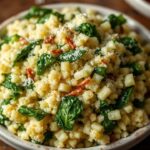
At its heart, tabouli is built upon a triumvirate of foundational elements: fresh parsley, fine bulgur wheat, and a zesty citrus dressing. However, the *quality* and *preparation* of each are paramount. Most recipes call for parsley, but the discerning cook understands that it’s not just any parsley; it’s the flat-leaf Italian variety that offers the most robust flavor and appealing texture. Its leaves are broader, more fragrant, and less prone to wilting than its curly counterpart. The bulgur wheat, often an afterthought, is the textural anchor. Using fine (#1) bulgur is crucial for achieving that signature delicate chew, rather than a gummy or overly coarse bite. It must be soaked correctly – just enough to plump without becoming mushy. Finally, the dressing: a vibrant emulsion of fresh lemon juice, not bottled, and high-quality extra virgin olive oil.
This acidic brightness is the soul of the salad, cutting through the richness of the oil and awakening the herbaceous notes of the parsley.
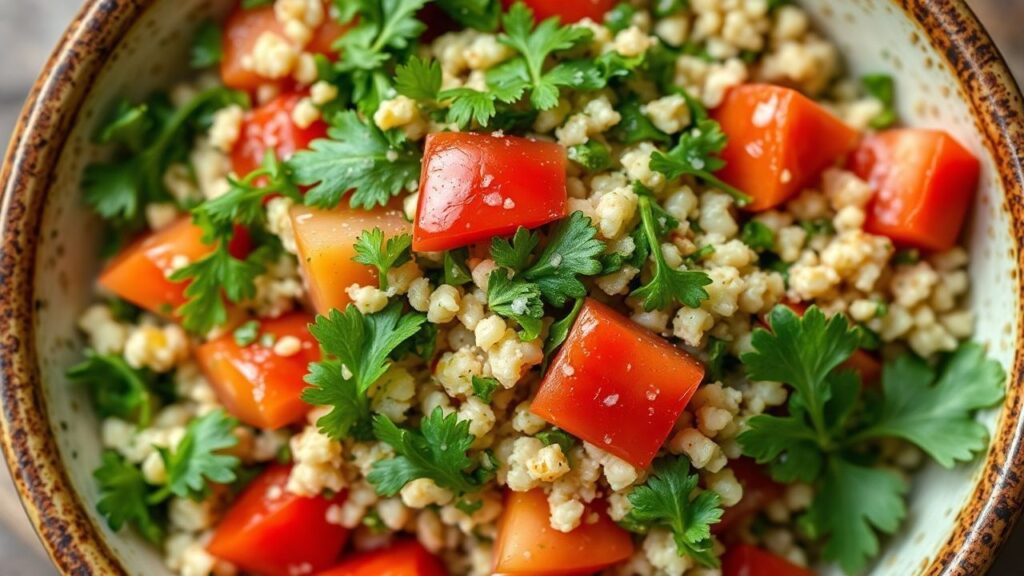
The 10 Essential Secrets to Tabouli Perfection
Achieving that perfect balance of flavor, texture, and aroma in your tabouli isn’t an accident; it’s the result of understanding a few key principles. These aren’t complicated culinary acrobatics, but rather nuanced techniques that elevate the dish significantly.
1. The Parsley Predominance: Quality and Cutting Technique
This is non-negotiable. For an authentic and deeply flavorful tabouli, parsley should be the star, not a supporting player. Aim for a ratio where parsley constitutes at least 70-80% of the leafy greens. The cutting technique is equally vital. Instead of a rough chop, a fine, meticulous mince is required. This releases more of the herb’s essential oils and ensures each bite is infused with its verdant essence. Imagine parsley confetti, not a chopped salad. This requires patience and a sharp knife.
2. Bulgur’s Gentle Awakening: The Soaking Nuance
The common mistake is over-soaking bulgur, leading to a mushy texture that detracts from the salad’s lightness. The goal is to *rehydrate* it, not to cook it. For fine bulgur, a brief soaking in cold water for 10-15 minutes, followed by thorough draining and squeezing out excess moisture, is ideal. Some purists even advocate for a *dry* method where the bulgur is simply mixed with the lemon juice and allowed to absorb it over time, which can yield an even more distinct texture.
3. The Mint Factor: A Fragrant Counterpoint
While parsley is king, fresh mint is its indispensable queen. It provides a cooling, aromatic counterpoint that is absolutely critical to the tabouli experience. Use fresh spearmint or peppermint, finely chopped. The ratio should be significant but subordinate to the parsley – roughly one part mint to four parts parsley is a good starting point, but this can be adjusted to personal preference.
4. Tomato’s Ripe Contribution: Texture and Sweetness
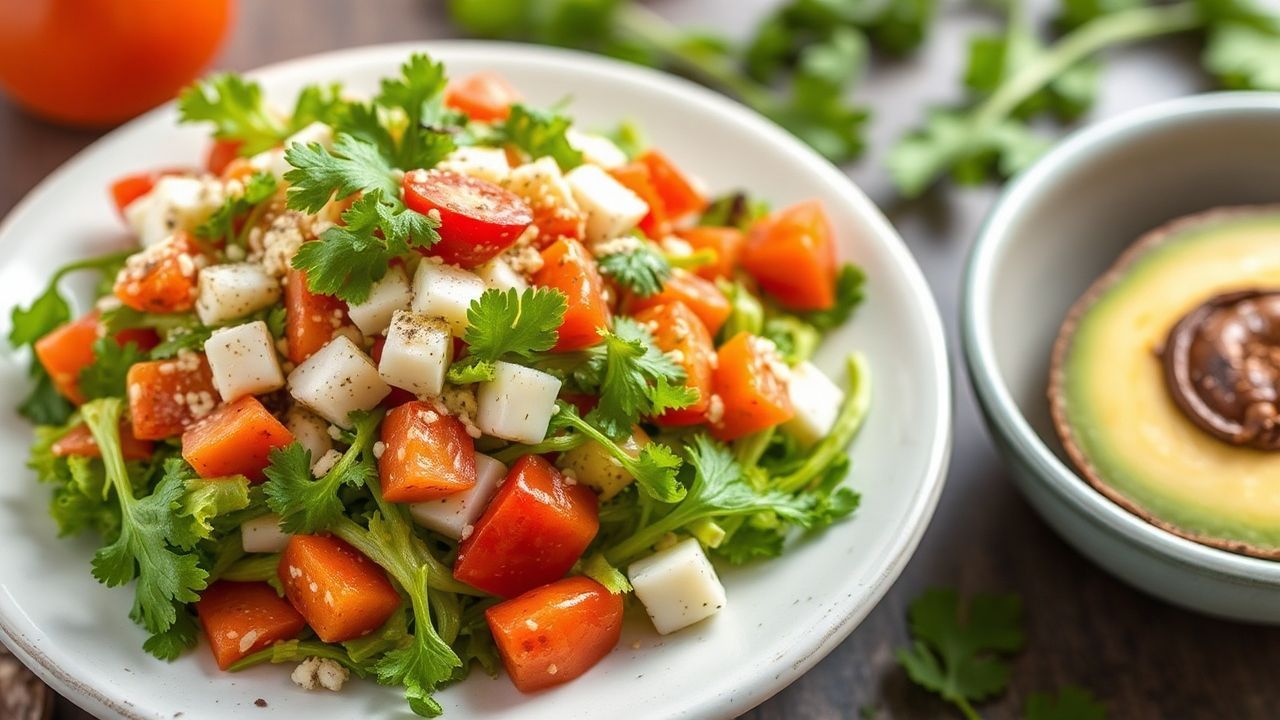
Ripe, flavorful tomatoes are essential for adding a touch of sweetness and juicy texture. Avoid watery or mealy varieties. Roma or plum tomatoes are often excellent choices due to their lower water content and concentrated flavor. Dice them into small, uniform pieces, similar in size to the bulgur, to ensure they integrate seamlessly into the salad.
5. The Zesty Foundation: Fresh Lemon is Paramount
This cannot be stressed enough: use only fresh lemon juice. Bottled lemon juice has a metallic aftertaste that will kill the vibrancy of your tabouli. The acidity is the lifeblood of the dressing, balancing the richness of the olive oil and the herbaceousness of the parsley. Don’t be afraid of a generous amount – it’s what makes the salad so refreshing.
6. Olive Oil’s Golden Touch: A Matter of Quality
A high-quality extra virgin olive oil is not just a binder; it’s a flavor enhancer. Its peppery notes and fruity undertones complement the fresh ingredients beautifully. Use an oil you would happily drizzle over a finished dish. The ratio of olive oil to lemon juice is typically around 2:1 or 3:1, but this is a matter of personal preference and should be adjusted to achieve your desired emulsion.
7. The Onion’s Subtle Bite: Finely Minced or Omitted for Delicacy**
While some recipes include onion, it’s often a point of contention. If you choose to include it, red onion or scallions are generally preferred for their milder flavor. It must be minced *extremely* finely, almost to a paste, or even soaked in cold water for 10 minutes to mellow its pungency. Some of the most refined tabouli encountered omits onion entirely, letting the parsley and mint shine.
8. Seasoning with Nuance: Salt and Pepper are Key**
Simple, yet crucial. Fine sea salt and freshly ground black pepper are all that’s needed. Season the salad judiciously, tasting and adjusting as you go. The salt will draw out moisture from the vegetables, further enhancing the dressing’s flavor, while the pepper adds a subtle warmth.
9. The Crucial Rest Period: Allowing Flavors to Meld**
This is perhaps the most overlooked step for those seeking a “fast” tabouli, but it’s essential for depth. After mixing all the ingredients, allow the tabouli to rest in the refrigerator for at least 30 minutes, preferably an hour. This period allows the flavors to meld and the bulgur to fully absorb the dressing, creating a cohesive and harmonious dish.
10. The Art of Presentation: More Than Just a Side Dish**
How you serve your tabouli matters. It should look as fresh and vibrant as it tastes. Serve it in a shallow bowl, perhaps garnished with a sprig of mint or a sprinkle of sumac. Its bright colors make it a visually appealing centerpiece. Consider serving it alongside grilled meats, fish, or as part of a mezze platter.
The Science of Freshness: Why Quality Ingredients Matter
The emphasis on fresh, high-quality ingredients in tabouli isn’t merely about taste; it’s rooted in nutritional science. Parsley, for instance, is a powerhouse of vitamins, particularly Vitamins K, A, and C. According to the USDA FoodData Central, a single cup of chopped fresh parsley can provide over 100% of your daily recommended intake of Vitamin K, vital for bone health and blood clotting. Bulgur, a whole grain, offers a good source of dietary fiber, promoting digestive health and satiety, and is also a source of B vitamins. The antioxidants present in both parsley and mint, along with the monounsaturated fats in olive oil, contribute to overall well-being. Research published in the *Journal of the American College of Nutrition* has highlighted the benefits of diets rich in fruits, vegetables, and whole grains, like those that form the basis of tabouli, for reducing the risk of chronic diseases.
Beyond the Basics: Variations for the Adventurous Palate
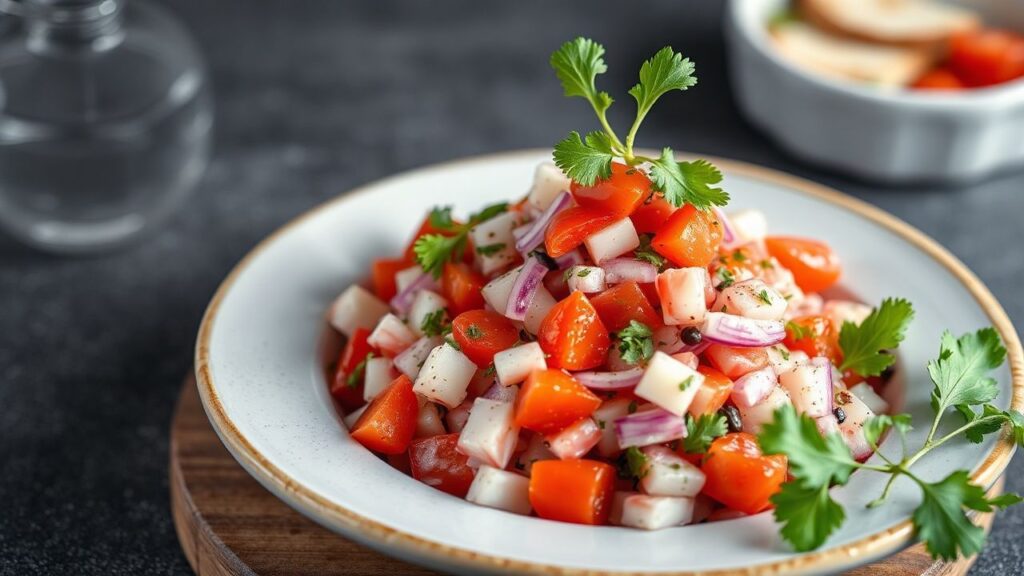
While the classic recipe is timeless, tabouli’s adaptable nature allows for delightful variations.
H3: Adding Seasonal Bounty
- Cucumber: Finely diced cucumber adds an extra layer of crispness and hydration.
- Bell Peppers: Thinly sliced or finely diced red or yellow bell peppers introduce a subtle sweetness and crunch.
- Pomegranate Seeds: For a burst of tartness and a jewel-like appearance, especially in autumn and winter.
H3: Grain Swaps and Additions
- Quinoa: For a gluten-free alternative, cooked and cooled quinoa can be used instead of bulgur.
- Farro: A chewier, nutty grain that offers a different texture profile.
- Chickpeas: A handful of rinsed chickpeas can add protein and heartiness, transforming it into a more substantial salad.
H3: Spice and Herb Explorations**
- Sumac: A sprinkle of this tangy, lemony spice adds an authentic Middle Eastern flair.
- Za’atar: A blend of herbs, sesame seeds, and sumac, offering complex savory notes.
- Dill: A small amount of fresh dill can add an unexpected but pleasant herbaceousness.
The Tabouli Experience: A Culinary Journey Through the Levant
Experiences with tabouli have spanned bustling streets where vendors sell impossibly fresh bunches of parsley to quiet kitchens where families have passed down specific bulgur-soaking techniques for generations. One particular encounter in a small village in Southern Lebanon featured tabouli made with an abundance of mint and a whisper of bulgur, served alongside perfectly grilled lamb skewers. The simplicity was profound, the flavors intensely pure. This is the essence of tabouli – a dish that speaks of its origins, its culture, and the sheer joy of fresh, honest ingredients. It’s more than a salad; it’s a connection to a rich culinary heritage.
Frequently Asked Questions
H3: What is the best type of parsley to use for tabouli?
The most authentic and flavorful choice is flat-leaf (Italian) parsley. Its leaves are more aromatic and have a better texture than curly parsley. Ensure the parsley is exceptionally fresh, vibrant green, and free from any wilting or yellowing. The stems should be removed before finely mincing the leaves.
H3: Can I make tabouli ahead of time?
Yes, but with a crucial caveat. Tabouli is best when freshly made and allowed to rest for at least 30 minutes to an hour to let the flavors meld. If made too far in advance (e.g., the day before), the parsley can lose its vibrant color and crispness, and the bulgur may become too soft. It’s ideal to prepare the components and mix them together a few hours before serving.
H3: My tabouli is too dry. What did I do wrong?
This usually indicates insufficient dressing or improper bulgur preparation. Ensure you are using a generous amount of fresh lemon juice and good quality olive oil. Also, make sure the bulgur was not over-drained after soaking. The salad should be moist but not soupy. You can always add a little more lemon juice and olive oil to adjust.
H3: What are common mistakes to avoid when making tabouli?
The most common pitfalls include using stale or wilted parsley, over-soaking or over-cooking the bulgur, using bottled lemon juice, chopping the ingredients too coarsely, and not allowing sufficient resting time for the flavors to meld. Over-reliance on bulgur, which should be secondary to the parsley, is also a frequent error.
H3: How can I make tabouli spicier?
While not traditional, you can introduce heat by adding a very finely minced jalapeño or a pinch of red pepper flakes to the dressing. Be cautious, as these can overpower the delicate flavors of the fresh herbs. Start with a small amount and adjust to your preference.
Final Recommendations: Embrace the Freshness, Master the Balance
Crafting an exceptional tabouli is an achievable art for any home cook. It hinges on respecting the integrity of the ingredients and understanding the subtle interplay of textures and tastes. Prioritize the freshest flat-leaf parsley, the finest bulgur, and the zest of real lemons. Don’t rush the process; allow the flavors to harmonize during the essential resting period. Whether you’re serving it as a light lunch, a vibrant side, or as part of a convivial mezze spread, a well-made tabouli is proof of the power of simplicity and the enduring appeal of fresh, wholesome food. Embrace these secrets, experiment with variations, and unlock the truly mذهl (amazing) potential of this classic Middle Eastern delight.
See also: Tabouli