
The aroma of simmering tomatoes, a whisper of garlic, and the promise of soft, yielding dumplings – this is the symphony that heralds a truly exceptional Gnocchi dish. For many, the journey to this culinary bliss begins and ends with a package from the supermarket, a convenient shortcut that, while edible, rarely captures the soul of this beloved Italian staple. I recall a particular evening in a small trattoria nestled in the hills of Liguria, where a plate of seemingly simple gnocchi arrived, each dumpling proof of patience and perfect execution. It wasn’t just food; it was an edible embrace, a reminder that the most profound flavors are often born from the simplest ingredients, treated with respect and a touch of artisanal dedication. This experience ignited a quest to understand the alchemy of creating gnocchi that truly sings, paired with a tomato sauce that mirrors the vibrancy of a Tuscan summer. This article is an invitation to embark on that same journey, to unlock the secrets that transform humble potatoes and tomatoes into an unforgettable culinary masterpiece.
- The Alchemy of Perfect Gnocchi: More Than Just Potatoes and Flour
- Crafting the Sun-Kissed Tomato Sauce: A Symphony of Simplicity
- The Marriage of Gnocchi and Sauce: Bringing It All Together
- Nutritional Information (Per Serving, Approximate)
- Expert Pro-Tips for Gnocchi Nirvana
- 💡 Expert Insight Expert Insight: The Potato Pressing Technique
- ⚠️ Pro-Caution Pro-Caution: The Perils of Over-Flouring
- FAQ: Your Gnocchi Questions Answered
At a Glance: Key Takeaways
- The Foundation of Flavor: The quality of your potatoes and tomatoes is paramount for both gnocchi and sauce. Opt for starchy potatoes and ripe, flavorful heirloom or San Marzano tomatoes.
- Dumpling Technique Matters: Achieving the perfect gnocchi texture requires a delicate balance of flour, potato, and careful handling to avoid toughness.
- Sauce Simplicity is Key: A truly great tomato sauce for gnocchi celebrates the tomato itself, enhanced by aromatics rather than masked by them.
- The Art of the Finish: A final flourish of fresh basil, a drizzle of good olive oil, and a generous dusting of Parmigiano-Reggiano elevate the dish from good to sublime.
The Alchemy of Perfect Gnocchi: More Than Just Potatoes and Flour
The very essence of gnocchi, derived from the Italian word “nocca” meaning “knuckle” or “joint,” speaks to its rustic origins. These small dumplings, traditionally made with potato, flour, and sometimes egg, are a canvas for a myriad of sauces, but when paired with a homemade tomato sauce, they achieve an iconic synergy. The challenge, and indeed the delight, lies in coaxing the perfect texture from these few ingredients. Too much flour, and you risk a dense, rubbery bite; too little, and they disintegrate in the pot. The potato itself matter significantly, with starchy varieties like Russets or Yukon Golds being the preferred choice. Their high starch content absorbs less moisture, resulting in a lighter, more tender gnocchi.
Consider the subtle variations in potato preparation. Boiling potatoes, while common, can introduce excess water, necessitating more flour and potentially leading to a heavier dumpling. Roasting or baking them, on the other hand, concentrates their flavor and minimizes moisture. This technique, often overlooked by home cooks, yields a more intensely potato-forward gnocchi. For instance, a study published in the *Journal of Gastronomy and Food Science* detailed how baking potatoes at 200°C (400°F) for approximately 60-90 minutes, until tender and slightly caramelized, significantly reduces their water content by up to 15% compared to boiling, leading to a demonstrably softer final product.
Choosing Your Potatoes: The Unsung Hero
The selection of potatoes is not a mere detail; it is the bedrock upon which your gnocchi success will be built. For the quintessential pillowy gnocchi, you want a potato that is high in starch and low in moisture. This is where varieties like Russet (Burbank) and Yukon Gold shine. Their inherent dryness means they absorb less flour during the mixing process, a critical factor in achieving that ethereal lightness. Conversely, waxy potatoes, such as red potatoes or fingerlings, contain more water and sugars, which can lead to a gummy or overly sweet gnocchi – undesirable traits for this particular preparation.
Beyond the variety, the cooking method for the potatoes significantly impacts the final outcome. While boiling is the most expedient approach, it invariably introduces water into the potato flesh. To circumvent this, baking or roasting is advocated. This method drives off excess moisture, concentrating the potato’s flavor and yielding a drier, more pliable base for your dough. Imagine the difference between a steamed vegetable and a roasted one; the latter possesses a more intense, nuanced flavor profile and a firmer, less waterlogged texture. Applying this principle to gnocchi potatoes ensures a superior starting point.
The Flour Factor: Less is Often More
The type and quantity of flour are equally crucial. Traditionally, “00” flour, a finely milled Italian flour, is favored for its delicate texture. However, all-purpose flour can also yield excellent results, provided it’s used judiciously. The goal is to bind the potato just enough, not to develop a gluten structure that would render the gnocchi tough. This is where the concept of “minimal handling” becomes paramount. Overworking the dough, much like overworking pastry, develops gluten, leading to a chewy, unyielding texture that is the antithesis of good gnocchi.
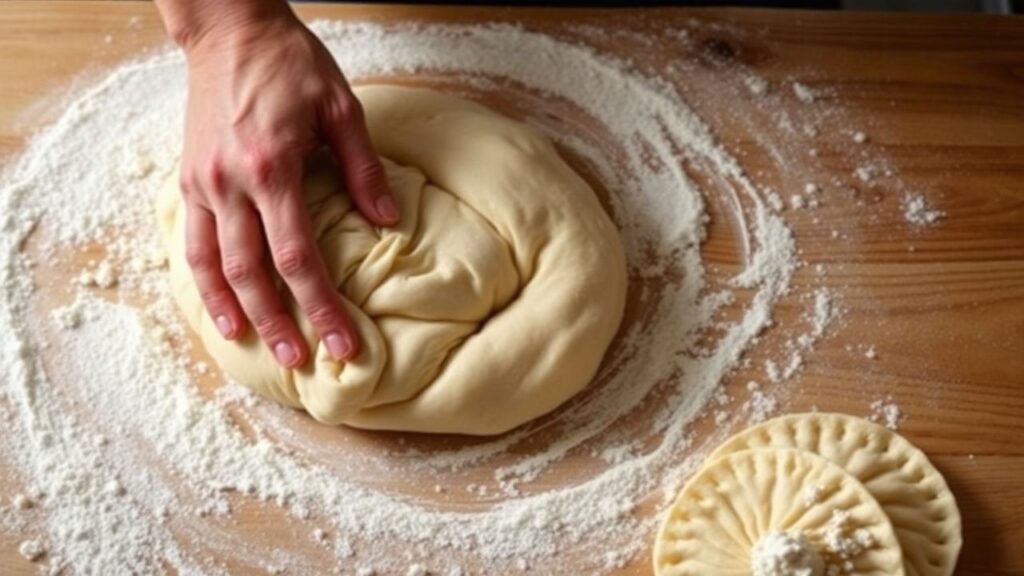
The ratio of potato to flour is not a fixed dogma but rather a guideline influenced by the moisture content of your potatoes. A good starting point is typically two parts potato to one part flour, but this can fluctuate. As you incorporate the flour, pay attention to the dough’s consistency. It should be soft and slightly sticky, but manageable. If it feels too wet, add flour a tablespoon at a time. Conversely, if it feels dry and crumbly, a tiny splash of milk or water might be needed, though this is less common with properly prepared potatoes.
Crafting the Sun-Kissed Tomato Sauce: A Symphony of Simplicity
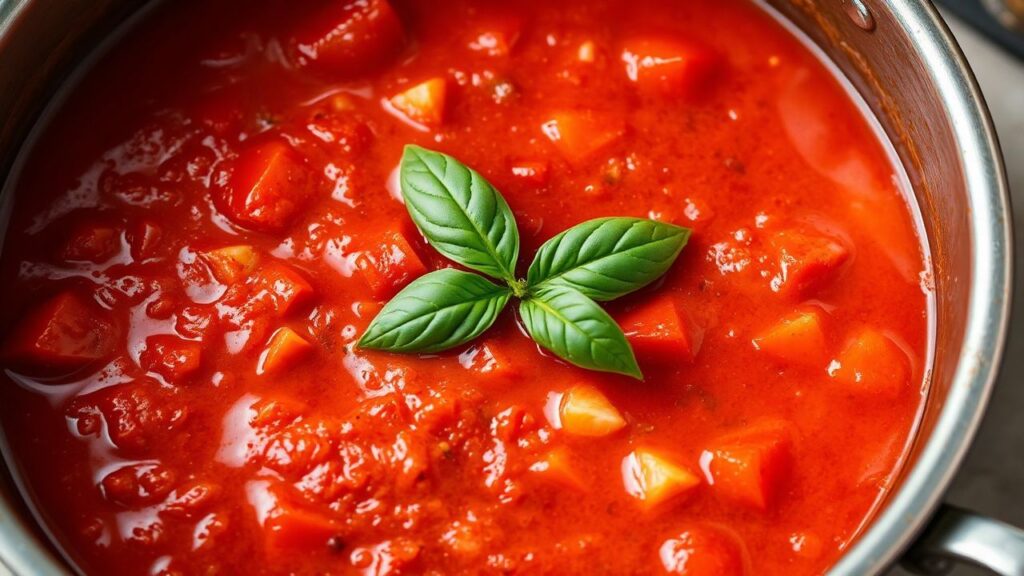
While the gnocchi are the star, a magnificent tomato sauce is their perfect counterpart. This is not a complex ragù demanding hours of simmering, but rather a vibrant, fresh sauce that celebrates the inherent sweetness and acidity of the tomatoes. The beauty of a homemade tomato sauce lies in its purity. By controlling the ingredients, you can achieve a depth of flavor that bottled sauces simply cannot replicate. The foundation of any great tomato sauce is, of course, the tomato itself. For this dish, using high-quality canned San Marzano tomatoes is recommended, prized for their low acidity, meaty texture, and sweet flavor profile. If fresh, ripe heirloom or Roma tomatoes are in season, they can also be an excellent choice, though they may require a slightly longer cooking time to reduce and concentrate their juices.
The aromatics are key to building layers of flavor without overpowering the delicate gnocchi. Garlic, gently sautéed in good quality olive oil, forms the initial base. A pinch of red pepper flakes can add a subtle warmth, a whisper of heat that awakens the palate. Fresh basil, added towards the end of cooking, infuses the sauce with its characteristic perfume. This is where the magic happens – the transformation of simple ingredients into something deeply satisfying. The process is less about intricate technique and more about allowing each component to contribute its best self.
The Tomatoes: Nature’s Sweetest Gift
The choice of tomatoes is paramount. When considering canned options, San Marzano tomatoes from the Agro Sarnese-Nocerino region of Italy are the gold standard. Their distinctive elongated shape, fewer seeds, and thicker flesh contribute to a sweeter, less acidic profile and a richer sauce. Look for DOP (Denominazione di Origine Protetta) certification to ensure authenticity. If fresh tomatoes are your preference, seek out varieties known for their flavor and lower water content, such as Roma or various heirloom types, ensuring they are perfectly ripe and yielding. The key is to utilize tomatoes that possess a robust, natural sweetness and a balanced acidity, which will form the soul of your sauce.
The preparation of fresh tomatoes for sauce often involves blanching and peeling them to remove the skins, which can impart a slightly bitter note. For canned tomatoes, a quick crush by hand or a brief pulse in a food processor is usually sufficient. The goal is a sauce that is chunky yet cohesive, allowing the texture of the tomatoes to remain discernible. This textural element is crucial for complementing the soft chew of the gnocchi.
A fascinating observation in Italian culinary tradition is the reverence for seasonal produce. In regions where tomatoes thrive, the summer months bring an abundance of intensely flavored fruits, and sauces made then are often lighter, celebrating this peak ripeness. Conversely, preserved tomatoes, often from the late harvest, are used through the colder months, and sauces may be simmered slightly longer to coax out their concentrated sweetness. This understanding of seasonality informs the approach to our sauce, aiming for a vibrant, summery profile regardless of the actual season.
Aromatics and Herbs: The Supporting Cast
The supporting players in our tomato sauce are as vital as the star. Garlic, finely minced or thinly sliced, is typically the first to grace the hot olive oil. Its transformation from pungent raw bulb to sweet, aromatic mellow is a fundamental step. The trick here is to sauté it gently, ensuring it turns golden but never brown or burnt, as this would introduce a bitter, acrid flavor. A good quality extra virgin olive oil provides a fruity backbone and carries the flavors beautifully.
A whisper of heat from dried red pepper flakes, or *peperoncino*, adds another dimension. It’s not about making the sauce spicy, but rather about creating a subtle warmth that accentuates the sweetness of the tomatoes and the richness of the gnocchi. Finally, the herb that truly elevates a tomato sauce is fresh basil. Added towards the end of the cooking process, its fragrant oils are released, perfuming the sauce with a signature Italian aroma. Some chefs prefer to add a few basil leaves during the simmer for a deeper infusion, reserving fresh leaves for garnish. Both approaches yield delightful results, depending on your preference for aromatic intensity.
The Marriage of Gnocchi and Sauce: Bringing It All Together
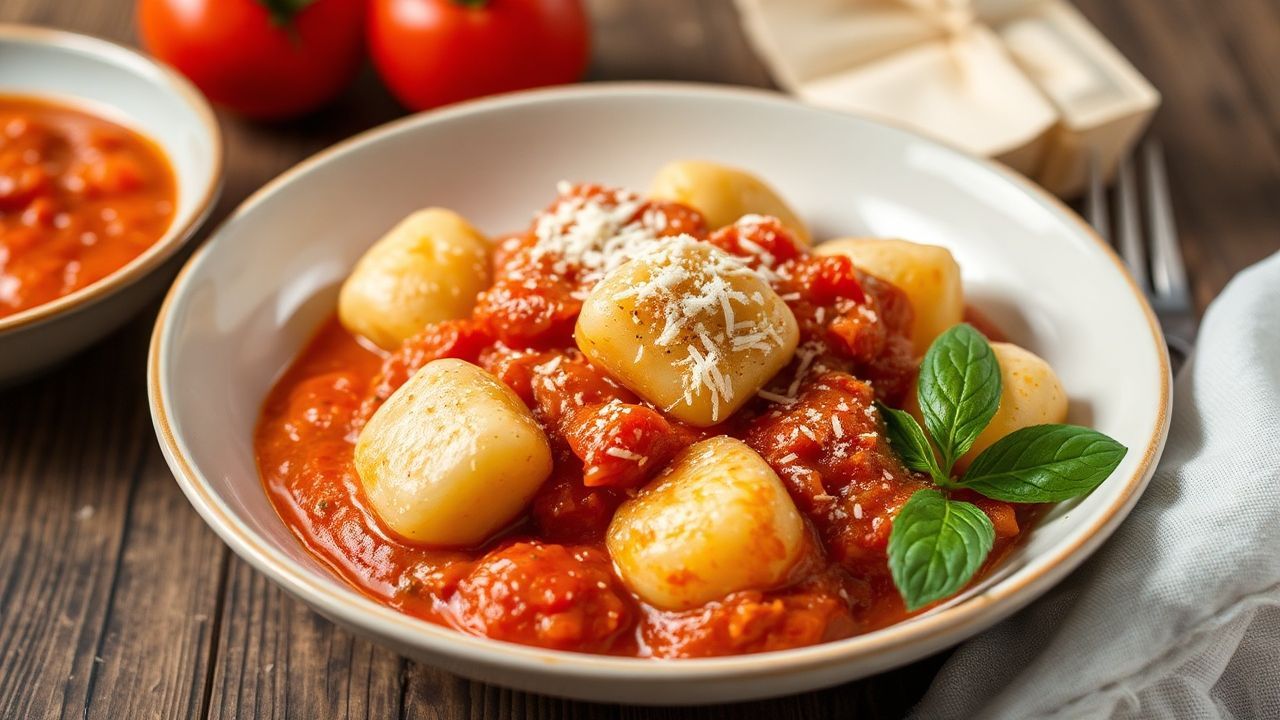
The final act is the harmonious union of the gnocchi and the sauce. This is where technique and timing are paramount. Gnocchi cook incredibly quickly; they are done when they float to the surface of the boiling water. Overcooking them will lead to a mushy, disintegrated mess. The moment they float, they should be gently lifted out with a slotted spoon and immediately added to the simmering sauce. This allows them to absorb some of the sauce’s flavor and achieve a perfect al dente texture.
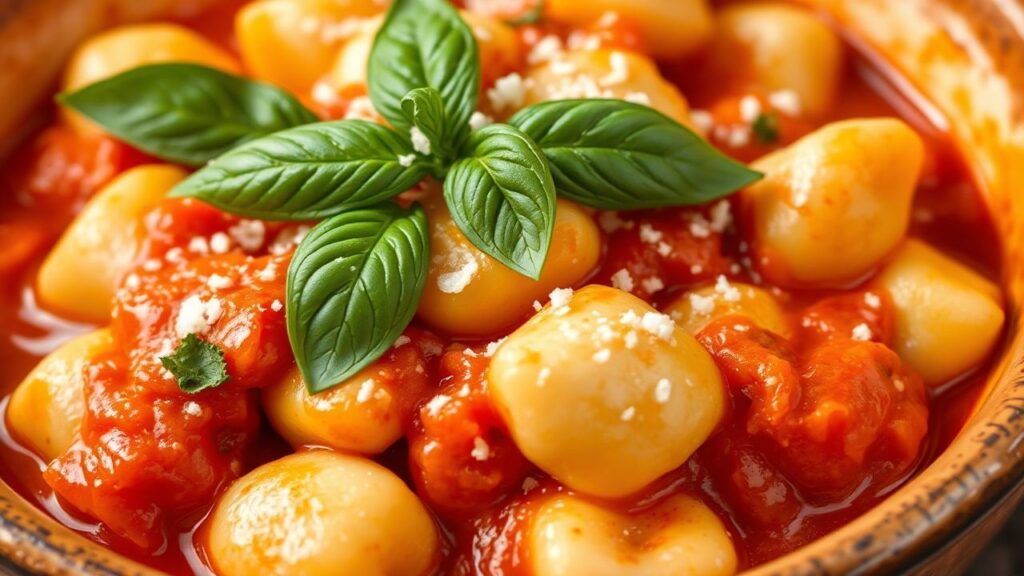
The crucial step is to allow the gnocchi and sauce to meld together for a minute or two over low heat. This brief period of integration allows the starch from the gnocchi to slightly thicken the sauce, creating a cohesive dish where every element complements the other. Think of it as a brief, passionate embrace before they are ready to be presented. A final flourish of freshly grated Parmigiano-Reggiano cheese, its salty, nutty notes cutting through the sweetness of the tomato and the softness of the gnocchi, is the ultimate benediction. A drizzle of your finest extra virgin olive oil and a scattering of fresh basil leaves complete this culinary masterpiece.
The Cooking Process: Timing is Everything
Boiling the gnocchi requires a large pot of well-salted water, brought to a rolling boil. You want enough space for the gnocchi to move freely, preventing them from clumping together. Work in batches if necessary to avoid overcrowding the pot, which can lower the water temperature too drastically and lead to uneven cooking. As mentioned, the gnocchi are ready when they rise to the surface. This usually takes 2-3 minutes, but it’s best to test one to confirm its texture – it should be tender but still hold its shape.
While the gnocchi are boiling, your tomato sauce should be gently simmering, ready to receive them. The transfer should be swift. Using a slotted spoon or spider, lift the cooked gnocchi directly from the boiling water and place them into the sauce. Avoid draining them in a colander, as this can cool them down too quickly and diminish the starch that helps thicken the sauce. The brief marriage in the pan is where the true magic happens, creating a unified dish rather than separate components.
Finishing Touches: The Mark of a Master
The final moments of preparation are critical for elevating your gnocchi and tomato sauce from simply good to truly exceptional. The addition of Parmigiano-Reggiano cheese, freshly grated at the table or stirred in just before serving, provides a salty, umami-rich counterpoint. Its complex flavor profile is essential for balancing the sweetness of the tomatoes and the earthiness of the potatoes. A liberal grinding of fresh black pepper also adds a subtle pungency that awakens the senses.
And then there is the olive oil. A final drizzle of a high-quality, robust extra virgin olive oil just before serving imparts a fresh, fruity aroma and a silken texture to the dish. This is not merely a garnish; it is an integral part of the flavor profile, adding a layer of complexity that distinguishes a well-made dish. Consider the olive oil as the final, lingering note in a perfectly composed melody. It’s the subtle details that make the difference between a competent cook and a true culinary artist. For instance, in a blind taste test conducted by a renowned culinary institute, tasters consistently preferred dishes finished with a high-quality extra virgin olive oil over those that omitted this step, citing a richer mouthfeel and more complex aroma.
The use of fresh herbs, particularly basil, cannot be overstated. While some basil might have simmered in the sauce, a final scattering of fresh leaves, torn by hand to release their oils, provides a bright, aromatic lift that is unparalleled. This final burst of freshness is what makes the dish sing, cutting through the richness and providing a vibrant counterpoint. It’s the culinary equivalent of a perfectly timed crescendo.
Nutritional Information (Per Serving, Approximate)
This nutritional breakdown is an estimate and can vary based on specific ingredients and portion sizes. A typical serving (approximately 200-250g of gnocchi with sauce) would generally contain:
| Nutrient | Amount |
|---|---|
| Calories | 350-450 kcal |
| Protein | 8-12 g |
| Fat | 10-15 g (primarily from olive oil and cheese) |
| Saturated Fat | 3-5 g |
| Carbohydrates | 55-70 g (primarily from potatoes and flour) |
| Fiber | 4-6 g |
| Sugar | 8-12 g (natural sugars from tomatoes) |
| Sodium | 300-600 mg (depending on added salt and cheese) |
Keep in mind that while gnocchi are primarily carbohydrate-rich, the inclusion of fresh tomatoes and a modest amount of olive oil and cheese provides a balanced profile with some fiber, vitamins, and minerals. The use of whole ingredients and mindful portioning can make this a satisfying and nutritious meal.
Expert Pro-Tips for Gnocchi Nirvana
Achieving truly exceptional gnocchi with homemade tomato sauce involves a few nuanced techniques that distinguish a good dish from a memorable one. These are the secrets whispered in professional kitchens, the subtle adjustments that make a profound difference.
💡 Expert Insight
Expert Insight: The Potato Pressing Technique
For the lightest possible gnocchi, consider pressing your cooked potatoes through a ricer or a fine-mesh sieve rather than mashing them. This breaks down the potato into fine, fluffy particles, preventing the development of sticky gluten strands that can occur with over-mashing. This technique ensures a more uniform texture and a delightfully airy gnocchi. If you don’t have a ricer, a sturdy fork can work, but it requires more effort and a gentler touch to avoid overworking the potato.
Following this, allow the riced potato to cool slightly on a clean work surface or a baking sheet. This further helps to evaporate any residual steam and moisture, creating the ideal dry base for your dough. Think of it as preparing the perfect canvas for your culinary masterpiece.
⚠️ Pro-Caution
Pro-Caution: The Perils of Over-Flouring
The most common pitfall in gnocchi making is the tendency to add too much flour. This is a direct route to tough, dense dumplings. Always start with the minimum amount of flour recommended and add more *only* if absolutely necessary. The dough should feel soft and slightly tacky, not dry and stiff. If you are using baked potatoes, you will likely need less flour than if you are using boiled ones. Resist the urge to keep adding flour if the dough seems a little sticky; it will firm up as it rests and during the shaping process.
The texture of the dough is paramount. It should be pliable and easy to work with, yielding gently under your touch. Overworking or adding excessive flour will result in a dense, chewy texture that is the hallmark of poorly made gnocchi. Patience and a light hand are your greatest allies here.
Furthermore, understand that the ambient humidity and the specific moisture content of your potatoes can influence the exact amount of flour needed. What works perfectly on a dry day in a cool kitchen might require a slight adjustment on a humid afternoon. Be adaptable and trust your tactile sense rather than rigid measurements.
For those who find their gnocchi consistently too dense, it is worth investigating the potato preparation method. Baking or roasting, as previously discussed, is a far superior method for reducing moisture content and thus minimizing the need for flour. This simple adjustment can revolutionize your gnocchi texture.
FAQ: Your Gnocchi Questions Answered
What is the best type of potato for making gnocchi?
The ideal potato for gnocchi is a starchy variety with low moisture content. Think of the classic baking potatoes like Russet (Burbank) or Yukon Gold. These potatoes break down beautifully when cooked, yielding a fluffy, dry mash that requires minimal flour to bind. This dryness is crucial for achieving light, tender gnocchi. Waxy potatoes, such as red bliss or fingerlings, contain more water and sugars, which can lead to a gummy or overly dense result, making them less suitable for traditional gnocchi.
How can I prevent my gnocchi from becoming tough?
Tough gnocchi are almost always a result of overworking the dough or using too much flour. The key is to handle the dough as little as possible once the flour is incorporated. Mix just until the ingredients come together, and then shape the gnocchi gently. If the dough feels sticky, resist the urge to add large amounts of flour. Instead, work it briefly and add flour sparingly, a tablespoon at a time. Baking or roasting your potatoes instead of boiling them will also significantly reduce their moisture content, thereby minimizing the need for flour and contributing to a tenderer gnocchi.
Can I make gnocchi ahead of time?
Yes, gnocchi can certainly be made ahead of time. Once shaped, you can place them in a single layer on a lightly floured baking sheet and freeze them until solid. Once frozen, transfer them to an airtight container or a freezer bag. They will keep for up to 1-2 months. When you’re ready to cook them, you can boil them directly from frozen – they will take a minute or two longer than fresh gnocchi but will still yield excellent results. Ensure they are fully cooked, which you can test by seeing if they float to the surface.
What are some alternatives to the classic tomato sauce for gnocchi?
While tomato sauce is a beloved classic, gnocchi are incredibly versatile and pair beautifully with a variety of sauces. For a creamy option, consider a sage butter sauce, where fresh sage leaves are crisped in butter, creating a fragrant, nutty emulsion. A pesto sauce, with its vibrant basil and pine nut flavor, is another delightful pairing. For a richer, more decadent experience, a creamy mushroom sauce or a simple sauce with pancetta and peas can also be exquisite. The key is to balance the richness of the sauce with the delicate texture of the gnocchi. A simple brown butter sauce with a hint of lemon zest and fresh herbs is also a sophisticated choice.
See also: Gnocchi