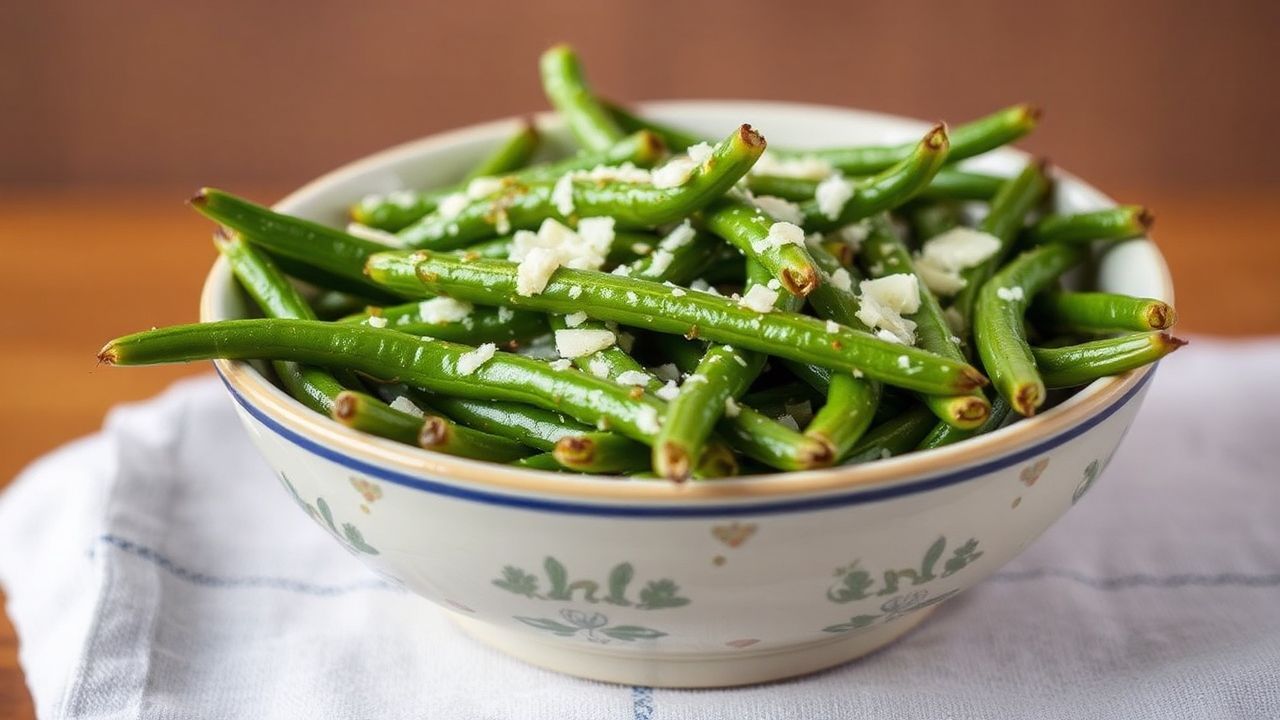

It’s a culinary heresy, perhaps, to suggest that the humble green bean, so often relegated to a watery, anemic fate, can achieve the sublime. Most home cooks approach this verdant legume with a fearful deference, boiling it into submission, stripping it of its inherent vibrance and texture. But what if a simple transformation, born from a judicious application of heat and the nutty embrace of Parmesan, can elevate these unassuming vegetables into a dish of profound satisfaction? The ‘crispy’ in this context isn’t a mere adjective; it’s a descriptor of a textural revelation, a counterpoint to the inherent tenderness of a perfectly cooked green bean, amplified by the savory, umami-rich depth of aged cheese.
- The Genesis of the Crisped Bean
- Ingredients: A Symphony of Simplicity
- The Method: Precision and Patience
- Nutritional Insights: A Healthier Indulgence
- Expert Pro-Tips: Elevating to Restaurant Caliber
- A Culinary Crossroad: Green Beans in Global Cuisine
- Conclusion: The Verdant Triumph
- Frequently Asked Questions
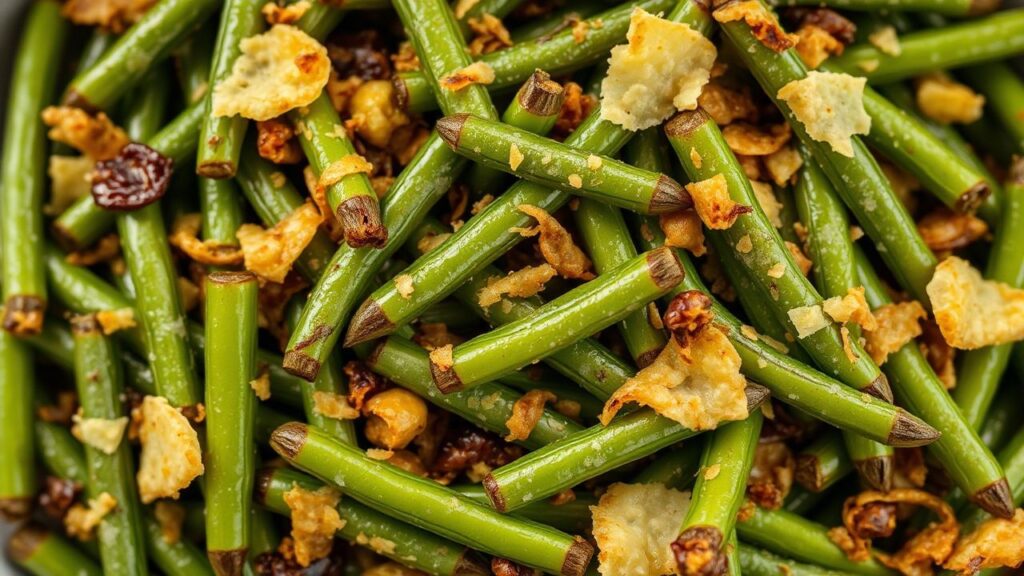
The journey to achieving truly exceptional crispy Parmesan green beans is not one of complexity, but of understanding fundamental culinary principles: the Maillard reaction, the science of moisture evaporation, and the judicious use of fat. For too long, the prevailing wisdom has been to steam or boil, a method that, while preserving some nutrients, invariably leads to a flabby, uninspiring result. This recipe, however, champions a more assertive approach, one that coaxes out the inherent sweetness of the beans while developing a delightful, almost addictive crispness. This isn’t just a side dish; it’s proof of the transformative power of thoughtful preparation.
Key Takeaways:
- Textural Alchemy: Achieving crispness is paramount, moving beyond the typical boiled or steamed preparation.
- Parmesan’s Power: The cheese acts as both a flavor enhancer and a textural element, contributing to the irresistible crunch.
- Heat Management: Precise temperature control is crucial for developing crispness without burning the delicate beans.
- Ingredient Quality: Freshness of the green beans and quality of the Parmesan are non-negotiable for optimal results.
The appeal of this dish lies in its elegant simplicity, a harmonious marriage of earthy green beans and the salty, nutty notes of Parmigiano-Reggiano. It’s a dish that transcends seasons, equally at home on a festive holiday table as it is as a weeknight supper enhancer. The tactile sensation of biting into a perfectly crisp green bean, followed by the yielding interior, is a sensory experience that elevates the entire meal. This is about embracing the potential of everyday ingredients and unlocking their full gastronomic glory.
The Genesis of the Crisped Bean
The concept of crisping vegetables is as old as cooking itself. From the ancient practice of roasting roots over open fires to the modern artistry of tempura, achieving a satisfying crunch has always been a culinary aspiration. However, for green beans, this pursuit has often been sidelined by a preference for milder cooking methods. The traditional French haricots verts, for instance, are often blanched for mere minutes to retain a slight bite, but rarely do they achieve the assertive crispness we are aiming for here.
The turning point in my own culinary journey with green beans came during a particularly vibrant summer in Provence. I encountered a dish at a small bistro that defied all my preconceived notions of what a green bean side could be. They were slender, impossibly bright, and possessed a delicate, almost brittle crispness, each bite giving way to a sweet, tender interior. The secret, the chef confided, wasn’t just in the freshness of the beans (though that was crucial), but in the aggressive, high-heat sautéing that allowed them to develop a slight char and, crucially, the liberal dusting of finely grated Parmesan that caramelized beautifully in the pan. This experience was a revelation, a paradigm shift in how I viewed this versatile legume.
This recipe is an homage to that pivotal moment, an attempt to codify that experience into something replicable, something that any home cook can achieve with confidence. It’s about moving beyond the passive and embracing the active, coaxing flavor and texture from the raw material through intelligent application of heat and the judicious addition of complementary ingredients. The green bean, when treated with respect and a touch of culinary daring, can indeed be a star.
Ingredients: A Symphony of Simplicity
The success of this dish hinges on the quality of its components. While the ingredients are few, their excellence is paramount.
- Green Beans: 1 pound (450g) fresh, vibrant green beans, ideally young and slender. Look for beans that snap crisply when bent. Trim the ends.
- Parmesan Cheese: 1/2 cup (50g) finely grated Parmigiano-Reggiano, plus extra for garnish. The quality of the Parmesan is critical; avoid pre-grated varieties which often contain anti-caking agents that hinder proper melting and caramelization.
- Olive Oil: 3 tablespoons (45ml) extra virgin olive oil, plus more if needed. A good quality olive oil will impart a subtle fruity note.
- Garlic: 2 cloves garlic, thinly sliced.
- Salt: Fine sea salt, to taste.
- Black Pepper: Freshly ground black pepper, to taste.
- Optional: Red Pepper Flakes: 1/4 teaspoon red pepper flakes (optional, for a hint of heat).
The Method: Precision and Patience
Achieving the perfect balance of tender-crisp texture and golden-brown Parmesan requires a methodical approach. This is not a dish to be rushed; each step matter significantly.
1. Prepare the Green Beans: Begin by thoroughly washing and drying the green beans. Moisture is the enemy of crispness, so ensure they are completely dry before proceeding. Trim the tough ends from each bean. If your beans are particularly thick, you can halve them lengthwise for more surface area contact with the pan, promoting faster crisping.
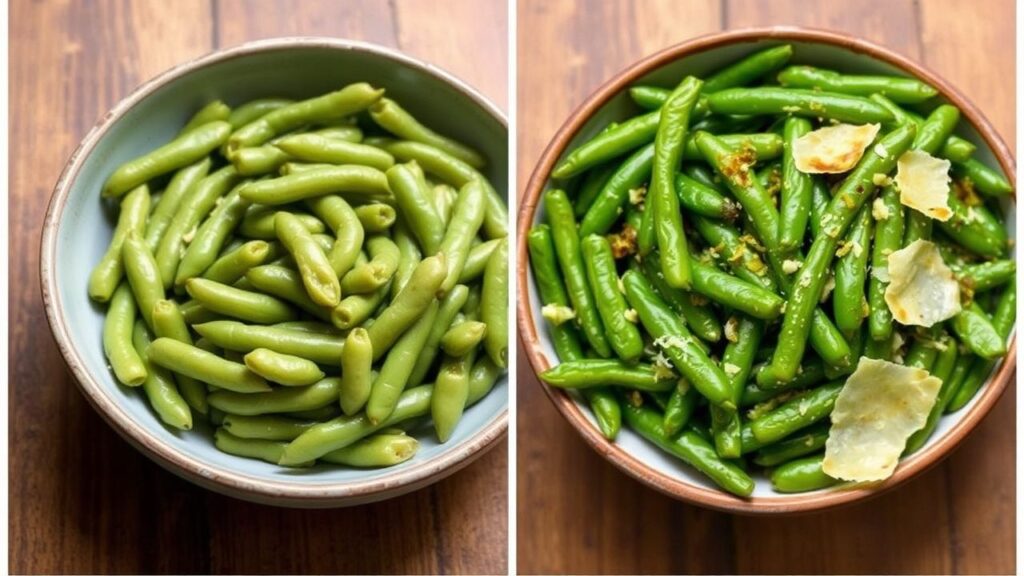
2. Blanching (The Crucial First Step): Bring a large pot of generously salted water to a rolling boil. Prepare an ice bath in a large bowl. Carefully add the trimmed green beans to the boiling water and blanch for 2 to 3 minutes. This step is critical for partially cooking the beans and setting their vibrant green color. They should be bright and slightly tender, but still have a firm bite.
3. Shock and Dry: Immediately remove the blanched green beans from the boiling water using a slotted spoon or spider strainer and plunge them into the prepared ice bath. This stops the cooking process instantly, preserving their crispness and bright hue. Once cooled, drain the beans thoroughly and, crucially, pat them completely dry with paper towels or a clean kitchen towel. Any residual moisture will steam the beans rather than crisp them in the subsequent sauté.
4. The Sauté – Building Flavor and Texture: Heat 2 tablespoons of the olive oil in a large, heavy-bottomed skillet (cast iron is ideal) over medium-high heat. The pan should be hot enough that a drop of water sizzles and evaporates instantly.
5. Infuse the Oil: Add the thinly sliced garlic (and red pepper flakes, if using) to the hot oil. Sauté for about 30 to 60 seconds, until the garlic is fragrant and just beginning to turn golden. Be vigilant; garlic burns quickly.
6. Introduce the Green Beans: Add the thoroughly dried green beans to the skillet in a single layer. Avoid overcrowding the pan, as this will lead to steaming. If necessary, cook in batches.
7. The Crisp Factor: Allow the green beans to cook undisturbed for 2 to 3 minutes, letting them develop a nice char on one side. Then, begin to toss and stir them frequently. Continue to cook for 5 to 7 minutes, or until the beans are tender-crisp and have developed some appealing browned spots. This is where the Maillard reaction truly works its magic, transforming their flavor and texture.
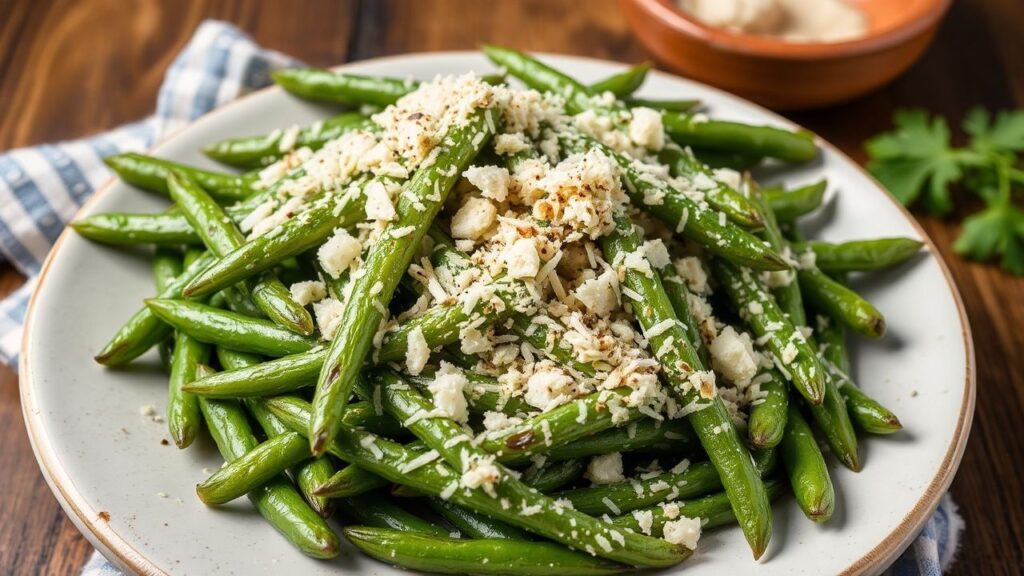
8. The Parmesan Embrace: Reduce the heat to medium-low. Sprinkle the finely grated Parmigiano-Reggiano evenly over the green beans. Stir gently to coat. Allow the cheese to melt and begin to caramelize, which should take about 1 to 2 minutes. The cheese will create little crispy bits that adhere to the beans.
9. Season and Serve: Season generously with fine sea salt and freshly ground black pepper to taste. Drizzle with the remaining 1 tablespoon of olive oil. Toss one final time to ensure everything is well combined and the Parmesan is evenly distributed.
10. Garnish and Enjoy: Transfer the crispy Parmesan green beans to a serving platter. Garnish with a little extra grated Parmesan if desired. Serve immediately to enjoy their optimal crispness.
Nutritional Insights: A Healthier Indulgence
While undeniably delicious, these crispy Parmesan green beans offer a respectable nutritional profile. A typical serving (approximately 1/6th of the recipe) contains:
- Calories: Around 100-120 kcal
- Protein: Approximately 4-6g
- Fat: Around 7-9g (primarily healthy fats from olive oil and some from Parmesan)
- Carbohydrates: Approximately 6-8g
- Fiber: Approximately 3-4g
- Vitamins and Minerals: Rich in Vitamin K, Vitamin C, Vitamin A, folate, and potassium.
The addition of Parmesan contributes calcium and protein, while the olive oil provides monounsaturated fats. The blanching and crisping method preserves more of the water-soluble vitamins compared to prolonged boiling. It’s a dish that manages to be both satisfyingly indulgent and relatively virtuous.
Expert Pro-Tips: Elevating to Restaurant Caliber
To truly master this dish and impress even the most discerning palates, consider these refinements:
- Bean Selection is Paramount: Opt for the freshest, youngest green beans you can find. Slender beans, often labeled as “baby” or “petite,” have a higher moisture content and a more delicate flavor, which contributes significantly to the final texture. Avoid mature beans with tough pods or developed seeds.
- The Power of the Ice Bath: Don’t skip the ice bath. It’s crucial for halting the cooking process immediately after blanching, preserving the vibrant green color and preventing the beans from becoming mushy. A quick shock ensures they retain their structural integrity for the sauté.
- Parmesan Granularity: The fineness of your Parmesan matters. A fine grate will melt more evenly and create smaller, crispier bits. If you only have a coarse grater, pulse the Parmesan in a food processor for a few seconds to achieve a finer texture.
- Pan Choice and Heat Control: A well-seasoned cast-iron skillet is your best friend here. Its ability to retain and distribute heat evenly is unmatched for achieving a good sear and consistent crisping. Maintain a medium-high heat during the sautéing phase, but be prepared to adjust it to prevent burning the garlic or cheese.
- The Umami Boost: For an extra layer of savory depth, consider adding a splash of toasted sesame oil at the very end, just before serving. This adds a nutty complexity that complements the Parmesan beautifully. Alternatively, a tiny pinch of MSG, used judiciously, can amplify the inherent umami of the beans and cheese.
- Citrus Zest Finish: A bright finish can cut through the richness. A small amount of finely grated lemon or orange zest, added just before serving, provides a lovely counterpoint.
The art of making these green beans truly exceptional lies in mastering the balance. It’s about coaxing out the inherent sweetness of the vegetable while creating a delightful textural contrast. This isn’t merely cooking; it’s culinary alchemy.
A Culinary Crossroad: Green Beans in Global Cuisine
The green bean, or *Phaseolus vulgaris*, boasts a fascinating global presence, with countless regional interpretations. In France, the aforementioned *haricots verts* are often served *frites* (fried) or with a simple *beurre noisette*. In Italy, they might be found in *pasta e fagioli* or baked into *fagiolini al forno* with tomato and cheese. Asian cuisines often feature green beans stir-fried with chili, garlic, and soy sauce, or pickled. The American tradition, unfortunately, often defaults to a cream-of-mushroom-laden casserole, a dish that, while comforting to some, rarely showcases the bean’s inherent potential.
The method detailed here, focusing on achieving that distinct crispness with Parmesan, draws inspiration from several traditions but carves its own niche. It bridges the gap between the simple elegance of a blanched vegetable and the more robust, caramelized flavors often associated with roasted or fried dishes. The inclusion of Parmigiano-Reggiano, a cornerstone of Italian cuisine, adds a layer of complexity and savoriness that is universally appealing. This dish is proof of how a single ingredient can anchor a dish and elevate it to new heights.
Conclusion: The Verdant Triumph
The journey from a simple green bean to a dish of profound culinary delight is proof of the power of technique and thoughtful ingredient pairing. Crispy Parmesan green beans are more than just a side dish; they are an experience. They offer a satisfying crunch, a burst of savory flavor, and a vibrant visual appeal that can transform any meal. By understanding the science behind crisping and respecting the quality of the ingredients, you can unlock a new appreciation for this often-underestimated vegetable. This recipe is an invitation to move beyond the ordinary and embrace the extraordinary, one perfectly crisped bean at a time.
Frequently Asked Questions
What is the best way to ensure my green beans are truly crispy?
The key to achieving superior crispness lies in a multi-step process. Firstly, select fresh, young green beans. Blanching them briefly in boiling salted water for 2-3 minutes is essential for partially cooking them and setting their color. The absolute most critical step, however, is thoroughly drying them after the ice bath. Any residual moisture will cause them to steam rather than crisp during the sautéing phase. Ensure they are completely dry before they hit the hot pan.
Can I use a different type of cheese besides Parmesan?
While Parmigiano-Reggiano is highly recommended for its distinct nutty, salty flavor and excellent melting and caramelizing properties, you can experiment with other hard, aged cheeses. Pecorino Romano offers a sharper, saltier profile that can be equally delicious. Grana Padano is another excellent, albeit slightly milder, alternative. Avoid soft cheeses like mozzarella or cheddar, as they will not achieve the same crispy, caramelized texture.
How can I make this dish ahead of time?
These crispy Parmesan green beans are best served immediately to enjoy their optimal texture. However, you can prepare them partially in advance. You can blanch and thoroughly dry the green beans up to a day ahead and store them in an airtight container in the refrigerator. When ready to serve, proceed with the sautéing and Parmesan step, ensuring the pan is hot enough to evaporate any surface moisture before proceeding. The crispness will be slightly diminished compared to making them fresh, but it remains a viable option for entertaining.
What variations can I explore with this recipe?
This recipe serves as a superb foundation for numerous variations. For an added layer of flavor, consider tossing the blanched and dried beans with a pinch of smoked paprika or a dash of garlic powder before sautéing. To introduce a touch of heat, incorporate red pepper flakes into the initial garlic sauté. A sprinkle of toasted sesame seeds or chopped toasted almonds just before serving can add a delightful nutty crunch. For a richer finish, a drizzle of balsamic glaze can be added after cooking.
See also: Green Beans