
The Verdant Symphony: Beyond the Surface of Thai Green Curry
The ubiquitous Thai green curry, often reduced to a mere weeknight convenience, is in reality a profound culinary exploration, a delicate dance between fiery chilies, aromatic herbs, and creamy coconut milk. Far too many home cooks approach this iconic dish with trepidation, relying on pre-made pastes that, while convenient, often fall short of capturing the vibrant, layered complexity of a truly authentic *gaeng khiao wan*. This is not merely a dish; it is proof of Thailand’s rich agricultural bounty and its sophisticated palate, a testament that deserves to be honored with care and precision. My own journey with Thai cuisine began not in a bustling Bangkok market, but in a quiet Parisian kitchen, where the challenge of recreating the elusive freshness of a homemade green curry paste became an obsession. It was there I learned that the true magic of green curry lies not just in its ingredients, but in the philosophy of balance – the interplay of spicy, sweet, salty, and sour that defines so much of Thai cooking.
- The Verdant Symphony: Beyond the Surface of Thai Green Curry
- The Foundation: Crafting the Emerald Paste
- The Supporting Cast: Tofu and Vegetables
- The Alchemy of Flavor: Simmering the Green Curry
- Serving Suggestions and Nutritional Considerations
- Elevating Your Green Curry to Restaurant Quality
- Frequently Asked Questions
- What is the difference between Thai green curry and other Thai curries?
- How can I make my green curry paste less spicy?
- Can I freeze Thai green curry?
- What are the health benefits of eating Thai green curry?
At a Glance: Elevating Your Green Curry Experience
- Authenticity through Homemade Paste: The soul of exceptional green curry resides in the freshly pounded paste, a revelation compared to store-bought alternatives.
- Balancing the Heat: Mastering the heat of the chilies is paramount; it should be present, invigorating, but never overwhelming, allowing other aromatics to shine.
- Vegetable Versatility: The chosen vegetables are not mere adornments but integral components, adding texture, sweetness, and diverse nutritional profiles.
- The Art of Coconut Milk Integration: The careful reduction of coconut milk to its oil base is a crucial step for developing depth of flavor and a luxurious texture.
The misconception that Thai green curry is solely about aggressive spice is perhaps its greatest disservice. While the green chilies provide the foundational heat, their pungency is meticulously tempered by the cooling creaminess of coconut milk, the citrusy lift of kaffir lime leaves, and the subtle sweetness of palm sugar. When executed with intention, a well-made green curry is a revelation, a complex tapestry of flavors that unfolds with each spoonful. This article aims to demystify the process, guiding you through the creation of a sublime Thai green curry with tofu and vegetables, a dish that will not only satisfy your palate but also deepen your appreciation for this culinary masterpiece.
The Foundation: Crafting the Emerald Paste
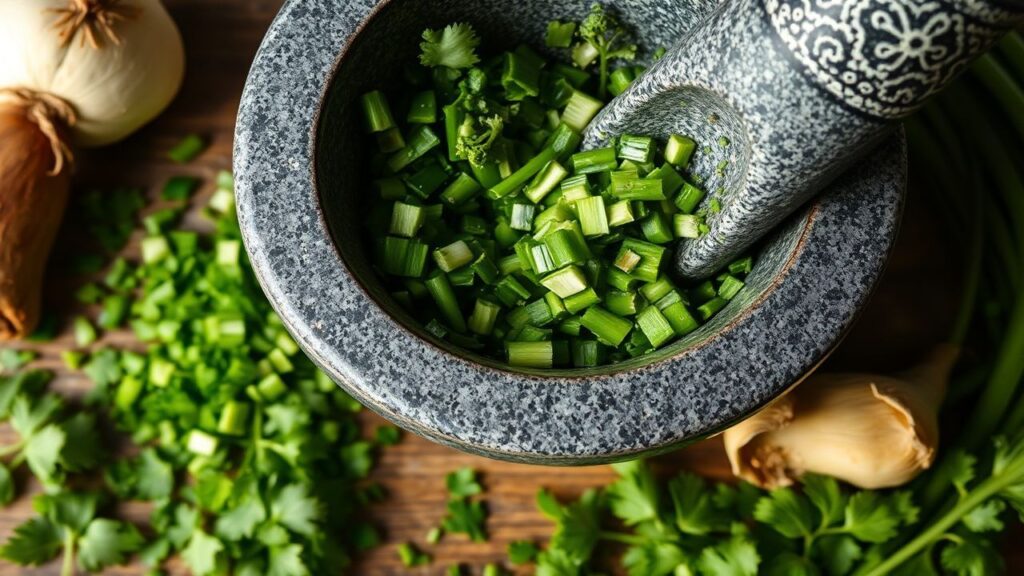
The heart and soul of any truly remarkable Thai green curry is its paste. This is where the magic begins, where a handful of raw ingredients are transformed into an aromatic powerhouse. Relying on pre-made pastes, while tempting for its speed, is akin to admiring a Monet from a distance through a smudged window; you grasp the subject but miss the exquisite detail and vibrant texture. The process of pounding the paste, traditionally done with a granite mortar and pestle, is not just about pulverizing ingredients; it’s a meditative act that releases their essential oils, infusing the paste with an unparalleled depth of aroma and flavor.
Essential Aromatics for the Paste
The specific ingredients in a green curry paste can vary slightly by region and personal preference, but a classic rendition typically includes:
- Green Chilies: The star of the show. For a balanced heat that doesn’t scorch the palate, a mix of spicier Thai bird’s eye chilies and milder, larger green chilies (like poblanos or anaheims, de-seeded if you prefer less heat) is ideal. The quantity will dictate the overall spice level.
- Lemongrass: The citrusy, floral backbone. Only the tender inner core should be used, finely minced or pounded until smooth.
- Galangal: A close cousin to ginger, but with a sharper, more peppery and pine-like aroma. It is essential for authentic Thai flavor and cannot be substituted effectively with ginger alone.
- Kaffir Lime Zest: Adds an intensely fragrant, almost perfume-like citrus note. Use only the green outer rind, avoiding the bitter white pith.
- Garlic and Shallots: Provide sweetness and depth, forming a savory base.
- Coriander Root: Often overlooked, the roots of the coriander plant contribute a unique, earthy, and pungent aroma that is crucial for authenticity.
- White Peppercorns: Offer a brighter, more floral heat than black peppercorns.
- Cumin and Coriander Seeds: Toasted lightly before pounding, these add warm, earthy undertones.
- Shrimp Paste (Kapi): A pungent, fermented paste that provides umami and a salty depth. For a vegetarian or vegan version, omit this or use a vegetarian oyster sauce or a touch of miso.
The Pounding Ritual: Technique and Transformation
The method of pounding is as critical as the ingredients themselves. Begin with the tougher, drier ingredients like the peppercorns and cumin/coriander seeds, pounding them into a coarse powder. Then, introduce the fibrous elements like lemongrass and galangal, working them with steady, rhythmic pressure until finely broken down. Add the garlic, shallots, and coriander roots next, pounding until a rough paste forms. Finally, incorporate the fresh chilies and the shrimp paste (if using). The goal is a smooth, cohesive paste, where all the individual flavors have melded into a harmonious whole. This process can take 10-15 minutes of dedicated effort, but the reward is a paste that sings with freshness.
The Supporting Cast: Tofu and Vegetables
While the paste is the undisputed protagonist, the tofu and vegetables play vital supporting roles, each contributing texture, flavor, and visual appeal to the green curry. The choice of vegetables is a canvas for creativity, allowing for seasonal adaptations and personal preferences. However, certain vegetables are classic companions to green curry, their textures and subtle sweetness harmonizing beautifully with the spiced coconut broth.
Selecting the Ideal Tofu
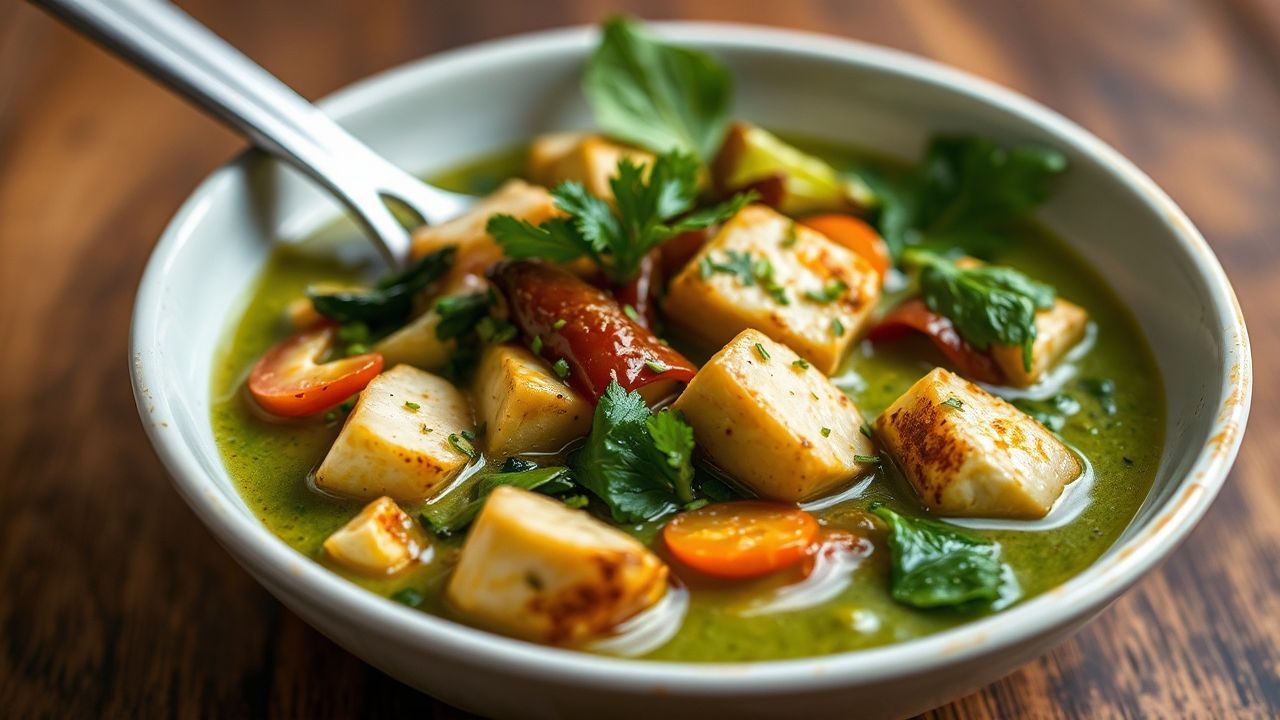
For a vegetarian or vegan green curry, tofu is the natural protein choice. The key is to select the right type and prepare it adequately. Firm or extra-firm tofu is recommended, as it holds its shape well during cooking. Pressing the tofu is an essential preliminary step to remove excess water, which allows it to absorb flavors more effectively and develop a firmer, more appealing texture. Cubing the pressed tofu into bite-sized pieces ensures even cooking and easy consumption. Some chefs advocate for pan-frying or baking the tofu cubes until golden brown before adding them to the curry, which imparts a delightful crispness and prevents them from becoming mushy.
Classic Vegetable Pairings
A truly exceptional green curry often features a medley of vegetables that offer a contrast in color, texture, and flavor. Some of the most beloved and effective choices include:
- Thai Eggplant (Ma-khuea phuang): These small, round, green eggplants are a staple. They soften beautifully when cooked, absorbing the curry’s flavors without becoming completely mushy.
- Bamboo Shoots: Sliced young bamboo shoots add a satisfying crunch and a subtle, earthy sweetness. Canned or vacuum-packed bamboo shoots are readily available and require rinsing before use.
- Pea Eggplant (Ma-khuea puang): These tiny, pea-sized eggplants burst with a slightly bitter, refreshing flavor that cuts through the richness of the curry.
- Bell Peppers: Sliced red or green bell peppers add sweetness and a vibrant splash of color.
- Green Beans: Trimmed and halved, they offer a pleasant crisp-tender texture.
- Broccoli or Broccolini: Florets provide a familiar vegetable element and a slightly sweet, earthy flavor.
- Zucchini: Sliced into half-moons or rounds, it adds a tender texture and a mild flavor.
The art lies in balancing these components. A good green curry will have a variety of textures – the yielding tofu, the crisp-tender vegetables, and the creamy sauce – creating a complex mouthfeel. The colors should also be vibrant, a visual testament to the freshness of the ingredients.
The Alchemy of Flavor: Simmering the Green Curry
Once the paste is prepared and the vegetables are ready, the stage is set for the true alchemy of flavor – the simmering of the green curry. This is where the disparate elements coalesce into a symphony of taste and aroma. The process requires patience and an understanding of how the ingredients interact.
The Coconut Milk Foundation
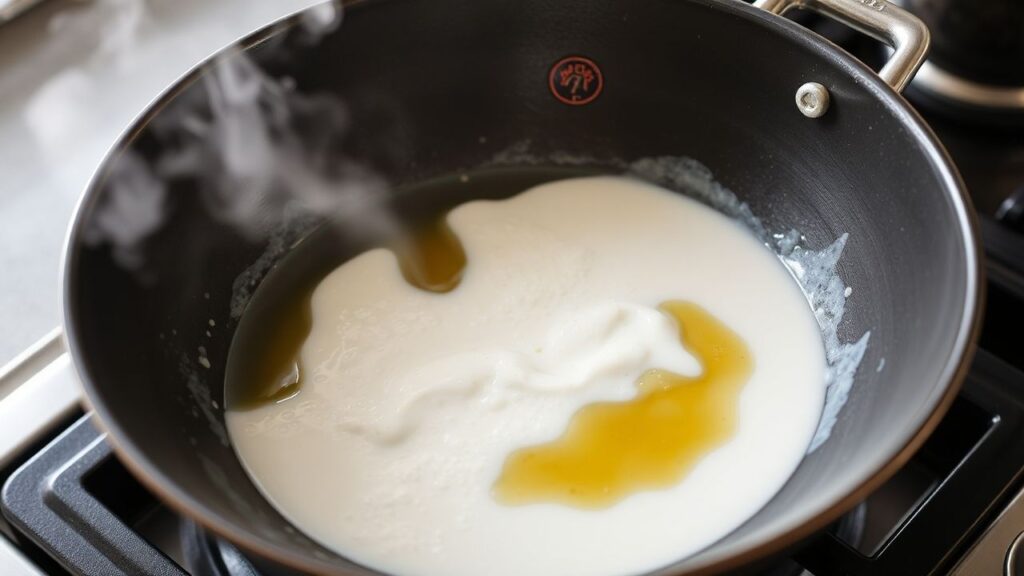
The foundation of the curry’s sauce is coconut milk. It’s crucial to use full-fat coconut milk, preferably from a can, as it contains a higher percentage of coconut cream, which is essential for achieving the desired richness and flavor. The process often begins by heating a portion of the thick coconut cream from the top of the can in a wok or large saucepan over medium heat. The goal here is to cook the cream until the oil begins to separate – a process known as “breaking” the coconut milk. This separation concentrates the coconut flavor and provides a richer base for the curry.
Building the Flavor Profile
Once the coconut oil has separated, the freshly pounded green curry paste is added to the wok. Stir-fry the paste in the hot coconut oil for several minutes until it becomes fragrant and slightly darkened. This crucial step toasts the spices and aromatics in the paste, deepening their flavor and releasing their essential oils. This is where the vibrant green hue of the curry truly begins to emerge.
Next, gradually add the remaining coconut milk, stirring to combine with the paste. Bring the mixture to a gentle simmer. This is the point where the balance of flavors is fine-tuned. Fish sauce (or its vegetarian equivalent, like mushroom soy sauce) provides the essential salty, umami element. Palm sugar (or brown sugar) is added to counter the spice and saltiness with a touch of sweetness. A squeeze of lime juice or a few kaffir lime leaves added at this stage introduce a bright, citrusy counterpoint that lifts the entire dish. Taste and adjust seasoning frequently; the perfect balance is subjective but critical for an authentic green curry.
Incorporating Tofu and Vegetables
Once the sauce has reached a pleasing consistency and the flavor profile is balanced, the prepared tofu and vegetables are added. Begin with the harder vegetables that require longer cooking times, such as bamboo shoots and Thai eggplants, allowing them to simmer for a few minutes until they begin to soften. Then, add the quicker-cooking vegetables like bell peppers, green beans, and zucchini.
The curry should be simmered gently, uncovered or partially covered, until the vegetables are tender-crisp – cooked through but still retaining a slight bite. Overcooking the vegetables will result in a mushy texture and a diminished visual appeal. The tofu, especially if pre-fried, can be added towards the end of the cooking process to simply heat through. The final consistency of the curry should be rich and luscious, coating the ingredients beautifully without being overly thick or watery.
Serving Suggestions and Nutritional Considerations
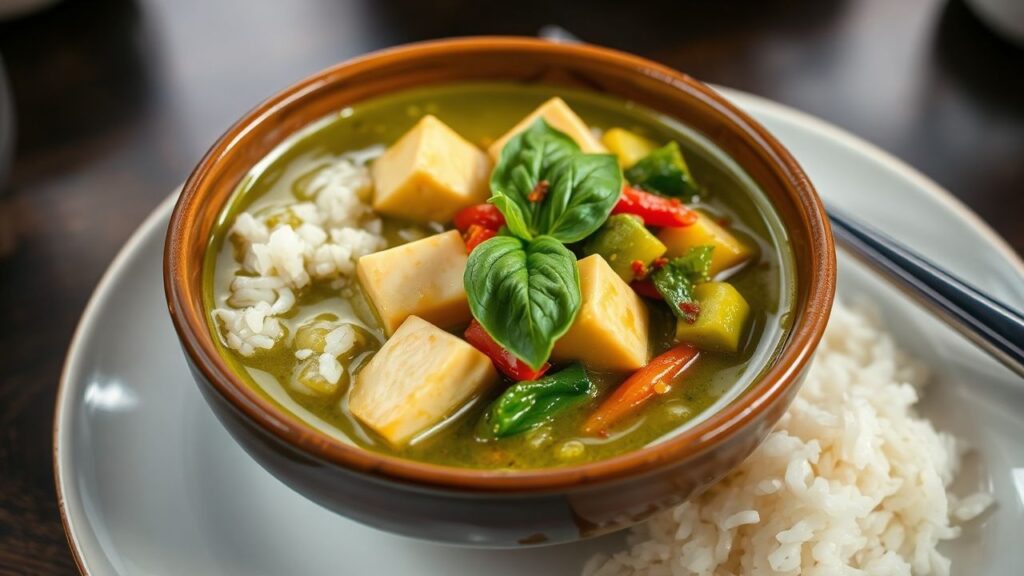
A perfectly executed Thai green curry with tofu and vegetables is a complete meal in itself, but it is traditionally served with steamed jasmine rice. The fluffy, fragrant rice acts as a perfect vehicle for soaking up the rich, flavorful sauce. A garnish of fresh basil leaves (Thai basil is preferred for its anise-like notes) and a few thinly sliced red chilies can add a final flourish of freshness and visual appeal.
Nutritional Profile (Approximate per serving, assuming 4 servings)
While exact nutritional values will vary based on the specific ingredients and quantities used, a typical serving of Thai green curry with tofu and vegetables (excluding rice) can be estimated as follows:
- Calories: 300-450 kcal
- Protein: 15-25g
- Fat: 20-35g (primarily from coconut milk)
- Carbohydrates: 15-25g
- Fiber: 5-10g
- Vitamins and Minerals: Rich in Vitamin A, Vitamin C, Vitamin K, and various B vitamins, along with minerals like potassium and manganese, depending on the vegetable selection.
This dish is a good source of plant-based protein and dietary fiber. The fat content, while significant due to the coconut milk, is largely from saturated fats that are now understood to be less detrimental to cardiovascular health than previously thought, especially when consumed as part of a balanced diet.
Elevating Your Green Curry to Restaurant Quality
To truly elevate your homemade green curry to the realm of a celebrated Thai restaurant, consider these expert touches:
- Roast Your Spices: Before pounding your curry paste, lightly toast the dried spices (coriander seeds, cumin seeds) in a dry pan until fragrant. This unlocks their full aromatic potential.
- Fresh Kaffir Lime Leaves: If possible, source fresh kaffir lime leaves. Their aroma is far more potent and nuanced than dried ones. Bruise them slightly before adding them to the curry to release their oils.
- The Nuance of Palm Sugar: Use authentic palm sugar for its subtle caramel notes, which are distinct from refined white sugar.
- Don’t Fear the Heat, Control It: Use a mix of chilies to achieve a complex heat. For instance, the initial heat from Thai bird’s eye chilies, followed by the milder, fruitier notes of larger green chilies. Remove seeds and membranes for a milder curry.
- The Art of Garnishing: A final garnish of fresh Thai basil, a swirl of chili oil, or even a few fresh lime wedges can dramatically enhance the aroma and presentation.
- Texture Play: Consider adding ingredients that provide contrasting textures, such as toasted cashews or peanuts for crunch, or even a handful of fresh pea eggplant for a delightful pop.
The history of Thai green curry is deeply intertwined with the agricultural landscape of Thailand, where the abundance of fresh herbs and chilies dictated the development of its vibrant cuisine. The dish, *gaeng khiao wan*, literally translates to “sweet green curry,” a name that hints at the delicate balance of flavors that defines it. Early versions likely evolved from Indian curries, adapting to local ingredients and preferences, with the introduction of coconut milk being a pivotal development. The inclusion of tofu, while a modern adaptation for vegetarian diets, smoothly connect into the dish’s adaptable nature. The careful preparation of the paste, ensuring the freshest ingredients are used, is a practice that has been passed down through generations, proof of the enduring respect for culinary tradition.
Frequently Asked Questions
What is the difference between Thai green curry and other Thai curries?
The primary distinction lies in the color and flavor profile, dictated by the type of chilies used in the paste. Green curry is characterized by its vibrant green hue and a flavor that is typically more aromatic and herbaceous, owing to the abundant use of fresh green chilies, lemongrass, galangal, and kaffir lime. Red curry, on the other hand, derives its color from dried red chilies, resulting in a deeper, spicier, and often richer flavor. Yellow curry tends to be milder, with a golden hue from turmeric and often incorporating ingredients like ginger and cumin, offering a sweeter and tangier profile. The base of coconut milk and the method of preparation are often similar across these curries, but the paste ingredients are what truly differentiate them.
How can I make my green curry paste less spicy?
To reduce the spiciness of your green curry paste, you can employ several strategies. The most straightforward is to reduce the number of spicier chilies, such as Thai bird’s eye chilies, and increase the quantity of milder green chilies like poblanos or Anaheim peppers. It’s also crucial to remove the seeds and white membranes from all chilies, as these are where the majority of the capsaicin (the compound responsible for heat) is concentrated. When pounding the paste, you can also limit the amount of white peppercorns, as they contribute a sharp heat. Finally, during the cooking process, ensure you use a generous amount of coconut milk and balance the flavors with sufficient palm sugar and lime juice, which can help to mellow the heat.
Can I freeze Thai green curry?
Yes, Thai green curry, including versions with tofu and vegetables, freezes remarkably well. After cooking and allowing it to cool completely, transfer the curry to an airtight container or freezer-safe bag. It’s advisable to divide it into individual portions for easier thawing and reheating. The curry can typically be stored in the freezer for up to 2-3 months. When ready to consume, thaw it overnight in the refrigerator and then gently reheat it on the stovetop or in the microwave. You may need to add a splash of water or coconut milk to revive the sauce’s consistency. Notably, some vegetables might become slightly softer after freezing and thawing, but the overall flavor profile should remain largely intact.
What are the health benefits of eating Thai green curry?
Thai green curry, particularly when made with fresh ingredients and a good portion of vegetables, offers several health benefits. The chilies contain capsaicin, which has been linked to boosting metabolism and possessing anti-inflammatory properties. Lemongrass and galangal are renowned for their antioxidant and digestive properties. Coconut milk, while rich, provides medium-chain triglycerides (MCTs) that can be a source of energy. The abundance of vegetables contributes essential vitamins, minerals, and fiber, supporting overall health and well-being. Tofu, as a plant-based protein, is a healthy source of amino acids and is often lower in saturated fat than animal proteins. When prepared with mindful ingredient choices, such as limiting added sugar and sodium, green curry can be a nourishing and flavorful part of a balanced diet.
See also: Green curry