
The Soul of Argentina in a Bowl: Mastering the Art of Locro Stew
- The Unfolding Narrative of Argentinian Locro
- The Architecture of Flavor: Essential Ingredients for Authentic Locro
- The Foundation: Grains and Legumes
- The Robust Core: Meats and Charcuterie
- The Aromatic Ensemble: Vegetables and Seasonings
- The Alchemy of Time: A Step-by-Step Guide to Crafting Locro
- Step 1: Preparing the Grains and Meats (The Foundation)
- Step 2: Building the Aromatic Base
- Step 3: The Slow Simmer – Melding Flavors
- Step 4: Adding the Chorizo and Final Touches
- Step 5: Resting and Serving
- Nutritional Snapshot: Understanding the Heartiness of Locro
- Elevating Your Locro: Pro-Tips for Culinary Excellence
- The Enduring Appeal of Locro
- Frequently Asked Questions About Locro
The Unfolding Narrative of Argentinian Locro
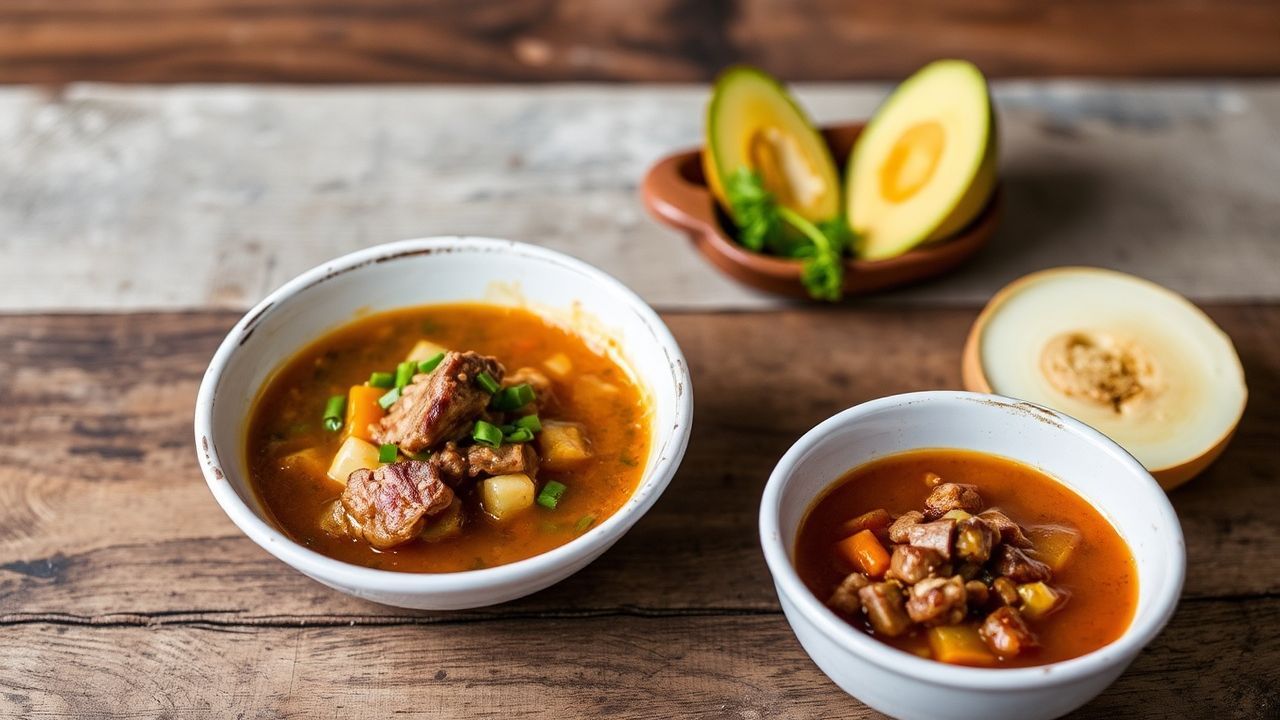
The scent of slow-simmering corn, robust meats, and earthy vegetables wafts through countless Argentine kitchens, a comforting prelude to gatherings, national holidays, and moments of shared reflection. This is the symphony of Locro, a stew that transcends mere sustenance to become a profound cultural emblem. Far more than just a recipe, Locro is a culinary cornerstone, its history interwoven with the very fabric of Argentine identity. Originating from indigenous Andean traditions, particularly the Quechua word “ruqru,” it has evolved over centuries, absorbing influences and adapting to local ingredients while retaining its fundamental spirit of generosity and communal warmth. It’s the dish that graces tables on May 25th, commemorating the May Revolution, and on July 9th, celebrating Argentina’s Independence Day, acting as a culinary anchor to significant historical moments. To truly understand Locro is to engage with a living history, proof of resilience and celebration served in a single, magnificent pot.
At a Glance: Key Takeaways for Locro Mastery
- Cultural Significance: Locro is deeply intertwined with Argentine national identity and celebrations, particularly Independence Day.
- Ingredient Harmony: The success of Locro lies in the balance of starchy grains (hominy), diverse meats, and aromatic vegetables.
- Slow Cooking is Key: Patience is paramount; the long, slow simmer allows flavors to meld and textures to soften into a rich, cohesive whole.
- Regional Variations: While a core recipe exists, regional differences offer opportunities for personal expression and local sourcing.
The preparation of Locro is an act of devotion, a culinary pilgrimage that begins long before the first ingredient hits the pot. It’s a commitment to time, to patience, and to the communal joy of sharing a meal that has nourished generations. It’s about understanding that the magic isn’t just in the final product, but in the ritual of its creation. This is not a dish for the hurried; it demands contemplation, a mindful approach to each step, ensuring that the final bowl is proof of tradition, flavor, and the enduring spirit of Argentina.
The Architecture of Flavor: Essential Ingredients for Authentic Locro
Crafting an authentic Locro requires a careful selection of ingredients, each playing a vital role in building its complex flavor profile and satisfying texture. This isn’t a dish where substitutions are made lightly; the essence of Locro lies in the specific contributions of its core components.
The Foundation: Grains and Legumes
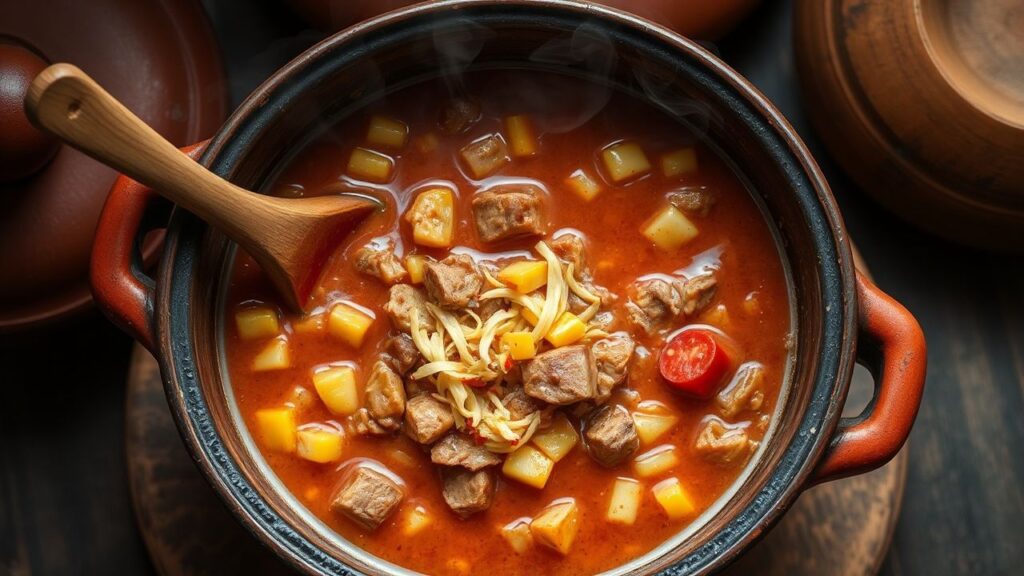
The starchy heart of any true Locro is hominy (maíz blanco pisado), a dried, treated white corn that, when rehydrated and simmered, breaks down to thicken the stew and impart a subtle sweetness and creamy texture. This is distinct from regular cornmeal; its large, chewy kernels are essential. Alongside hominy, pumpkin or squash (calabaza) is indispensable. When cooked down, it dissolves into the broth, adding a velvety richness and a delicate sweetness that beautifully complements the savory elements.
The Robust Core: Meats and Charcuterie
A traditional Locro is a celebration of diverse animal proteins, offering layers of flavor and texture. Beef, typically a less tender cut like chuck or brisket, is slow-cooked until fork-tender, providing a deep, savory base. Pork, often in the form of ribs or belly, adds richness and a different kind of tenderness. Chorizo colorado, a cured, smoked paprika sausage, is crucial for its vibrant color and smoky, spicy notes that permeate the entire stew. Some recipes also incorporate pork rind (cuero de cerdo), which, when rendered, contributes an unparalleled depth of flavor and a unique, gelatinous texture. The inclusion of pancetta or bacon can further enhance the smoky undertones.
The Aromatic Ensemble: Vegetables and Seasonings
While the grains and meats form the robust core, a carefully chosen ensemble of vegetables and seasonings provides the aromatic complexity and balance. Onions and garlic are the foundational aromatics, softened and caramelized to build depth. Leeks offer a milder, sweeter onion flavor. Carrots contribute a subtle sweetness and a touch of color. Bay leaves are essential for their fragrant, herbaceous notes. For seasoning, salt and black pepper are fundamental, but the true magic comes from the judicious use of paprika (pimentón), which echoes the chorizo’s flavor, and a pinch of cumin for earthy warmth. Some regional variations might include sweet potatoes or even potatoes, though these are not universally present.
The Alchemy of Time: A Step-by-Step Guide to Crafting Locro
The preparation of Locro is a patient undertaking, a symphony of simmering that unfolds over hours. This is not a dish to be rushed; the slow transformation of ingredients is where its soul resides.
Step 1: Preparing the Grains and Meats (The Foundation)
1. Soaking the Hominy: The day before, thoroughly rinse the dried hominy (maíz blanco pisado). Place it in a large bowl and cover with abundant cold water. Let it soak overnight, or for at least 8-12 hours. This rehydrates the corn, preparing it for tender cooking.
2. Pre-cooking Meats: In a large, heavy-bottomed pot (a Dutch oven is ideal), combine the beef, pork, and any tougher cuts like pork rind. Cover with fresh cold water and bring to a gentle simmer. Skim off any impurities that rise to the surface. Allow these meats to simmer for at least 1.5 to 2 hours, or until they begin to tenderize. Remove the meats from the pot, reserving the flavorful cooking liquid. Once cool enough to handle, cut the beef and pork into bite-sized pieces. Discard any excess fat from the pork rind if desired, but keep the rendered fat.
Step 2: Building the Aromatic Base
1. Sautéing Aromatics: In the same pot (or a clean one if preferred), add a tablespoon or two of the rendered pork fat or a neutral oil. Over medium heat, sauté the chopped onions and leeks until they are softened and translucent, about 8-10 minutes. Add the minced garlic and cook for another minute until fragrant, being careful not to burn it.
2. Incorporating Spices: Stir in the paprika and cumin, cooking for about 30 seconds until fragrant, allowing their oils to bloom. This step is crucial for releasing their full flavor potential.
Step 3: The Slow Simmer – Melding Flavors
1. Combining Ingredients: Add the pre-cooked and cubed meats, the drained hominy, the cubed pumpkin or squash, chopped carrots, and bay leaves to the pot with the sautéed aromatics. Pour in enough of the reserved meat cooking liquid (or fresh water/broth if needed) to generously cover all ingredients.
2. Initial Simmer: Bring the mixture to a gentle simmer. Cover the pot partially, leaving a small gap for steam to escape, and let it cook for at least 2.5 to 3 hours. Stir occasionally, ensuring nothing sticks to the bottom. The pumpkin should begin to break down, naturally thickening the stew.
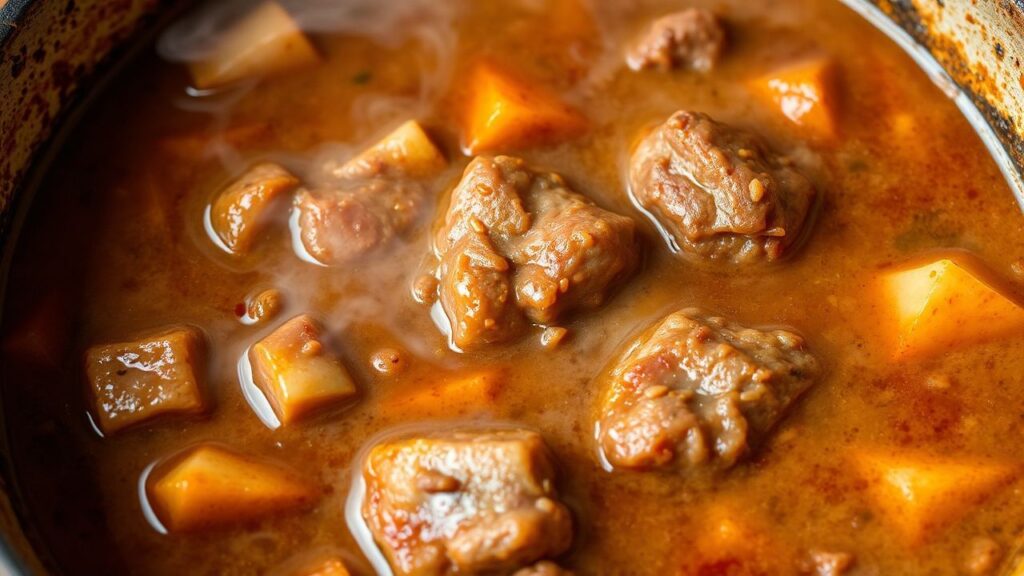
Step 4: Adding the Chorizo and Final Touches
1. Introducing Chorizo: After the initial long simmer, add the sliced chorizo colorado to the pot. This allows the sausage to cook through and release its flavorful oils and color into the stew without becoming mushy.
2. Final Simmer and Seasoning: Continue to simmer, uncovered or partially covered, for another 45 minutes to 1 hour, or until the hominy is completely tender and the stew has reached your desired thick, hearty consistency. The pumpkin should have mostly dissolved, creating a creamy base. Season generously with salt and freshly ground black pepper to taste. Adjust seasonings as needed. The flavors should be deep, complex, and well-balanced.
Step 5: Resting and Serving
1. The Crucial Rest: Once the Locro is cooked to perfection, remove it from the heat and let it rest, covered, for at least 15-30 minutes before serving. This allows the flavors to meld further and the textures to settle.
2. Serving Protocol: Ladle the hot Locro into deep bowls. Traditionally, it is served with a side of salsa criolla, a vibrant relish made from finely diced red onion, tomato, bell pepper, chili, and a touch of vinegar and oil, which adds a bright, acidic counterpoint to the rich stew. A sprinkle of fresh parsley or cilantro can also be a welcome garnish.
Nutritional Snapshot: Understanding the Heartiness of Locro

Locro is undeniably a substantial and calorie-dense dish, reflecting its origins as a meal designed to provide sustained energy. It’s a powerhouse of protein, complex carbohydrates, and various micronutrients, though its richness means it’s best enjoyed in moderation as part of a balanced diet.
A typical serving (approximately 300-400g, depending on the specific recipe and meat-to-grain ratio) of Argentinian Locro can contain:
- Calories: 500-700 kcal (this can vary significantly based on the types and quantities of meat used, particularly fatty cuts)
- Protein: 30-45g (primarily from beef, pork, and chorizo)
- Carbohydrates: 40-60g (from hominy, pumpkin, and other vegetables)
- Fat: 25-40g (can be reduced by trimming visible fat from meats and using leaner cuts)
- Fiber: 8-12g (from the corn and vegetables)
It also provides valuable nutrients such as iron (from beef), B vitamins, and certain minerals from the vegetables. The presence of hominy offers a good source of complex carbohydrates, and the pumpkin contributes beta-carotene.
Elevating Your Locro: Pro-Tips for Culinary Excellence
Transforming a good Locro into an exceptional one involves attention to detail, an understanding of flavor layering, and the courage to experiment within tradition.
Mastering the Textures
The interplay of textures is paramount in Locro. The hominy should be tender and yielding, but still possess a slight chew. The meats must be fork-tender, melting in your mouth. The pumpkin should have largely dissolved, lending its creamy sweetness without being chunky.
- Hominy Perfection: Ensure your hominy is fully rehydrated and has simmered long enough. If it still has a bite after 3 hours, continue simmering and add a little more liquid if necessary.
- Meat Tenderness: Don’t skimp on the initial pre-cooking of the tougher meat cuts. They need ample time to break down. If using a slow cooker for the initial meat braising, ensure it’s on a low setting for several hours.
- Pumpkin’s Role: The pumpkin should be tender and almost liquid by the end of the simmering process. If using a very dense squash, you might need to cook it slightly longer or mash some of it against the side of the pot to help it break down.
Layering Flavors with Intention
Each element contributes to the final symphony of taste.
- The Power of the Sear: While not strictly traditional for all elements, for the beef and pork, a quick sear in the pot before adding liquid can add an extra layer of caramelized flavor.
- Chorizo Quality: The quality of your chorizo colorado is paramount. Seek out authentic, well-cured varieties that offer a deep smoky flavor and vibrant color. A less flavorful chorizo will result in a less impactful stew.
- Salsa Criolla’s Acidity: The salsa criolla is not merely a garnish; it’s an integral component that cuts through the richness of the Locro. The sharp onion, bright tomato, and acidic vinegar provide a crucial counterpoint. Ensure the vegetables in the salsa are finely diced for optimal texture and flavor distribution.
Embracing Regional Nuances
While this recipe offers a robust framework, Argentina’s vast landscape has inspired numerous variations of Locro. In the northwest, you might find it enriched with pork rind and a more pronounced spice profile. Coastal regions might incorporate seafood. Understanding these differences can open up exciting avenues for experimentation. For instance, some recipes call for corn flour (harina de maíz) or ground corn (maíz molido) to further thicken the stew, but this can alter the texture, making it more porridge-like. The use of dried peas or lentils can also add another dimension of earthiness.
The true art of Locro lies not just in following a recipe, but in understanding the philosophy behind it: a celebration of abundance, proof of slow cooking, and a dedication to communal enjoyment.
The Enduring Appeal of Locro
Locro is more than just a dish; it is a culinary hug, a bowl brimming with history, comfort, and the vibrant spirit of Argentina. Its enduring appeal lies in its ability to nourish not just the body, but the soul, bringing people together around a shared experience of warmth and tradition. Whether prepared for a national holiday or a casual family gathering, Locro is a reminder of Argentina’s rich heritage and the simple, profound pleasure of a meal made with love and time.
Frequently Asked Questions About Locro
What is the difference between Locro and other stews?
Locro stands apart due to its specific base of hominy (maíz blanco pisado) and pumpkin (calabaza), which create a uniquely thick, creamy, and slightly sweet foundation. Unlike many European stews that rely on broth and flour for thickening, Locro’s body comes from the natural breakdown of these core ingredients. Furthermore, its cultural significance, particularly its association with national holidays and indigenous heritage, sets it apart as a deeply symbolic dish. The combination of various meats, including chorizo colorado, contributes a distinct smoky and savory depth not always found in other stews.
Can I make Locro ahead of time?
Absolutely. In fact, Locro often tastes even better the next day. The flavors have more time to meld and deepen overnight. You can prepare the stew completely, let it cool, and then refrigerate it. When ready to serve, gently reheat it over low heat, adding a splash of water or broth if it has become too thick. Be sure to stir it frequently during reheating to prevent scorching. This makes it an ideal dish for entertaining, as you can prepare the bulk of the work in advance.
What are the best accompaniments for Locro?
The quintessential accompaniment to Locro is salsa criolla. This vibrant, fresh relish, typically made with finely diced red onion, tomato, bell pepper, chili, and a dressing of oil and vinegar, provides a crucial acidic and fresh counterpoint to the rich, hearty stew. It cuts through the richness and adds a burst of flavor and texture. Other popular additions include a dollop of sour cream or crème fraîche for extra creaminess, and sometimes a simple side of crusty bread for dipping. Some families also enjoy a sprinkle of freshly chopped parsley or cilantro for added freshness.
See also: Locro