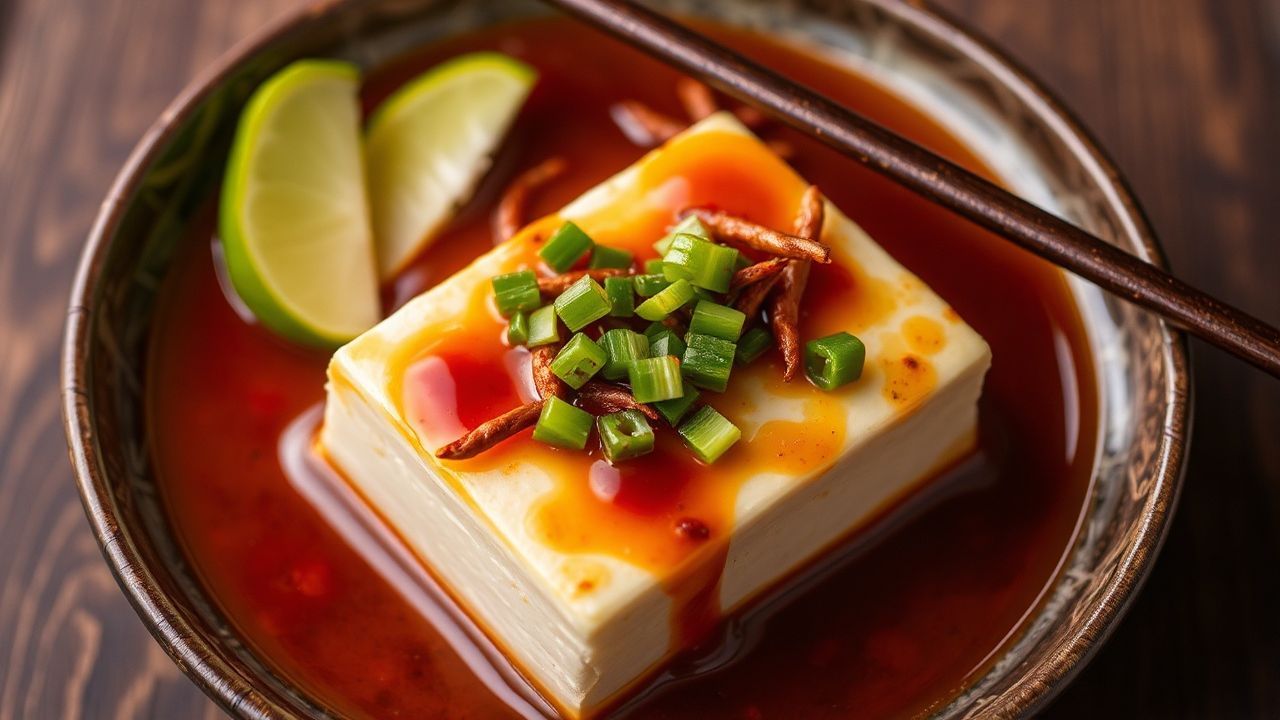

The aroma hits you first – a potent, intoxicating blend of fermented chili bean paste, tingling Sichuan peppercorns, and the savory depth of minced pork. It’s a scent that promises a culinary adventure, a symphony of heat, spice, and umami that dances on the palate. For many, this is the iconic experience of Mapo Tofu, a dish so intrinsically linked to Sichuan cuisine that its origins are rarely questioned. Yet, as with many culinary traditions that traverse continents, the journey of Mapo Tofu has led to fascinating evolutions. In Japan, this beloved Sichuan staple has been embraced, adapted, and refined, resulting in a distinctively Japanese Mapo Tofu that offers its own unique character – proof of the country’s masterful approach to flavor integration and texture.
At a Glance: The Essence of Japanese Mapo Tofu
- Nuanced Flavor Profile: Japanese Mapo Tofu harmonizes Sichuanese heat with Japanese umami boosters like sake, mirin, and dashi, creating a more complex and balanced profile.
- Texture Perfection: The careful handling of silken tofu and the precise reduction of the sauce are paramount to achieving the dish’s signature velvety texture.
- Strategic Spice Application: While retaining its characteristic heat, Japanese interpretations often employ a more measured application of chili, allowing other subtle flavors to emerge.
- Ingredient Sophistication: The use of high-quality Japanese soy sauce, specific chili bean pastes, and aromatics elevates the dish beyond a simple spicy tofu preparation.
The Genesis and Japanese Adaptation of Mapo Tofu
The story of Mapo Tofu, as it’s commonly told, begins in the Chengdu province of Sichuan, China, during the Qing Dynasty. Legend attributes its creation to a pockmarked (麻, má) grandmother, Chen Mapo, who ran a small eatery. Her dish, characterized by its fiery spice, numbing Sichuan peppercorns, and liberal use of chili bean paste (豆瓣酱, dòubànjiàng), quickly gained renown. This bold, assertive flavor profile, designed to awaken the senses and combat the humid Sichuan climate, became a benchmark for authentic Mapo Tofu. Its arrival in Japan, however, sparked a subtle yet significant transformation. Japanese chefs, renowned for their meticulous attention to detail and their pursuit of *umami*, began to interpret Mapo Tofu through their own culinary lens. This wasn’t about diluting the dish’s inherent spice, but rather about weaving in complementary flavors that would enhance its overall complexity and sophistication. The result is a Japanese Mapo Tofu that respects its fiery Sichuanese roots while offering a refined, almost elegant, execution.
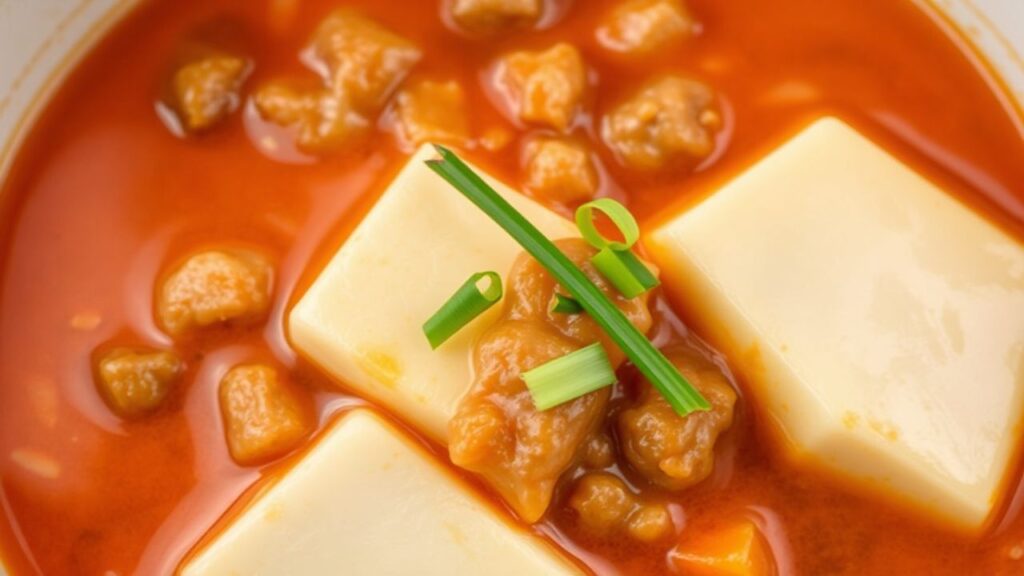
The fundamental components of Mapo Tofu – silken tofu, minced meat (typically pork), chili bean paste, Sichuan peppercorns, and chili oil – remain central. However, the Japanese approach introduces a layer of finesse. Instead of relying solely on the punch of *doubanjiang*, Japanese chefs often incorporate a blend of *doubanjiang* with Japanese fermented bean pastes like *miso* (though *miso* is less common in traditional Mapo Tofu, certain modern interpretations might use a hint for depth) or *gochujang* (Korean chili paste, which offers a different kind of sweetness and funk). Crucially, the use of *sake* and *mirin* (Japanese rice wines) adds a subtle sweetness and depth, balancing the heat. A touch of *dashi* (Japanese soup stock) can also be introduced to bolster the *umami* without diluting the characteristic chili flavor. This careful curation of ingredients allows for a more nuanced interplay of tastes, where the heat doesn’t obliterate but rather accentuates the other elements.
Mastering the Elements: A Definitive Recipe for Japanese Mapo Tofu
Achieving the sublime balance of heat, spice, and *umami* in Japanese Mapo Tofu requires attention to detail at every stage. This recipe aims to guide you through the process, ensuring a dish that is both authentic in spirit and refined in execution.
Ingredients: The Foundation of Flavor
This recipe yields approximately 4 servings.
For the Tofu and Base:
- Silken Tofu: 2 blocks (approximately 300-350g each), firm silken tofu (kinugoshi), drained and cut into 2cm cubes.
- Ground Pork: 200g (about 7 oz). Use a blend with a moderate fat content for best results.
- Garlic: 3 cloves, finely minced.
- Ginger: 1 tablespoon, finely minced.
- Scallions (Green Onions): 3-4 stalks, white parts thinly sliced, green parts reserved for garnish, thinly sliced.
For the Sauce:
- Doubanjiang (Sichuan Chili Bean Paste): 2 tablespoons. Opt for a good quality brand, such as Pixian broad bean paste.
- Chili Oil: 1-2 tablespoons (adjust to your spice preference).
- Soy Sauce: 2 tablespoons. Use a Japanese *shoyu* for its cleaner, more nuanced flavor.
- Sake: 2 tablespoons.
- Mirin: 1 tablespoon.
- Chicken or Vegetable Broth (or Dashi): 200ml (about 3/4 cup).
- Cornstarch: 1 tablespoon, mixed with 2 tablespoons cold water to form a slurry.
- Sugar: 1 teaspoon (optional, to balance acidity).
- Sichuan Peppercorns: 1 teaspoon, toasted and ground.
For Finishing and Garnish:
- Neutral Oil: 2 tablespoons (e.g., canola, grapeseed).
- Sesame Oil: 1 teaspoon.
- Reserved Scallion Greens: For garnish.
Preparation Method: A Symphony of Steps
The beauty of Japanese Mapo Tofu lies in its layered construction. Patience and precise execution are key.
Step 1: Preparing the Tofu
Gently cut the silken tofu into uniform 2cm cubes. To prevent the tofu from breaking apart during cooking, it’s beneficial to blanch it briefly. Bring a pot of water to a gentle simmer (not a rolling boil). Carefully add the tofu cubes and let them simmer for 2-3 minutes. This firms up the exterior slightly and warms the tofu through. Using a slotted spoon, carefully remove the tofu and set aside on paper towels to drain excess moisture. This seemingly small step significantly impacts the final texture, preventing a watery sauce and maintaining the tofu’s integrity.
Step 2: Toasting and Grinding Sichuan Peppercorns
To unlock their full aromatic potential, toast the Sichuan peppercorns in a dry skillet over medium heat for 2-3 minutes, until fragrant. Be careful not to burn them. Let them cool slightly, then grind them finely using a mortar and pestle or a spice grinder. Freshly ground Sichuan peppercorns are essential for that characteristic numbing sensation, known as *málà* (麻辣), which is a hallmark of authentic Mapo Tofu.
Step 3: Building the Flavor Base
Heat the neutral oil in a wok or a deep skillet over medium-high heat. Add the ground pork and stir-fry, breaking it up with your spatula, until it’s browned and slightly crispy. This process of browning renders some of the fat and develops a rich, savory foundation. Once the pork is cooked, add the minced garlic, ginger, and the white parts of the scallions. Stir-fry for another minute until fragrant, ensuring the aromatics don’t burn.
Step 4: Infusing the Heat and Spice
Push the pork mixture to one side of the pan. Add the *doubanjiang* to the cleared space and stir-fry it for about 1-2 minutes. This crucial step allows the paste to release its oils and develop a deeper, more complex flavor, mellowing its raw pungency. Then, incorporate the chili oil and stir to combine with the *doubanjiang*. Add the soy sauce, sake, and mirin to the pan, stirring to integrate all the flavors. Allow the mixture to simmer for a minute, letting the alcohol from the sake evaporate.
Step 5: Creating the Silky Sauce
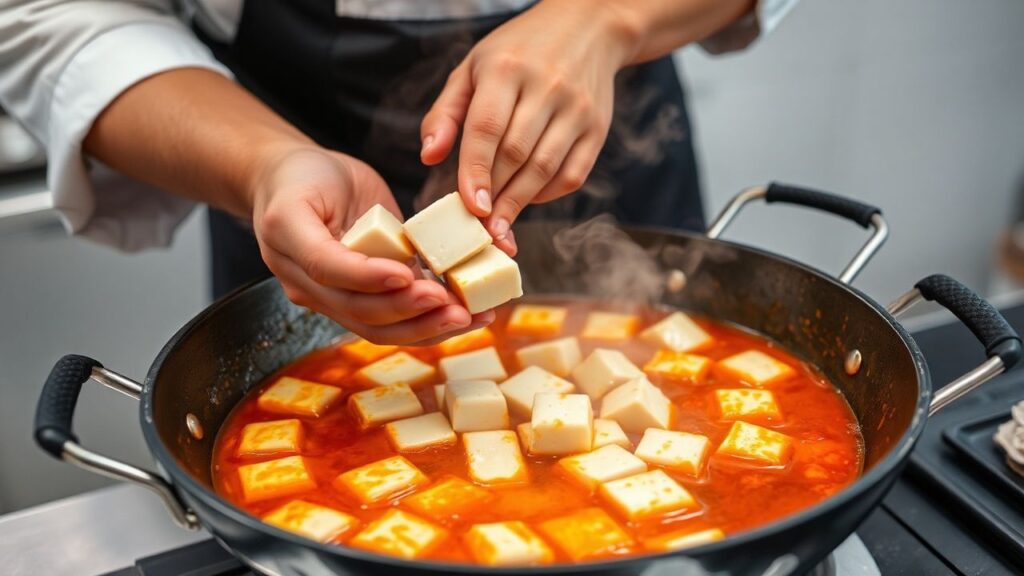
Pour in the chicken or vegetable broth (or *dashi*) and bring the mixture to a gentle simmer. Add the ground Sichuan peppercorns and the optional sugar. Stir well. Carefully slide the blanched tofu cubes into the sauce. Gently stir to coat the tofu, being mindful not to break the delicate pieces. Let the tofu simmer in the sauce for 3-5 minutes, allowing it to absorb the flavors.
Step 6: Thickening and Finishing
Give the cornstarch slurry a quick re-stir, then slowly drizzle it into the simmering sauce while gently stirring. Continue stirring until the sauce thickens to your desired consistency, coating the tofu in a luscious, glossy layer. This process should take about 1-2 minutes. Finally, stir in the teaspoon of sesame oil for an extra layer of nutty aroma.
Step 7: Serving
Ladle the Japanese Mapo Tofu generously into serving bowls. Garnish with the thinly sliced green parts of the scallions. Serve immediately with steamed Japanese short-grain rice. The contrast between the fluffy rice and the intensely flavored, spicy tofu is a culinary revelation.
Nutritional Information (Per Serving, approximate)
While the precise nutritional breakdown can vary based on ingredient brands and quantities, a typical serving of this Japanese Mapo Tofu (without rice) would be:
- Calories: 250-300 kcal
- Protein: 15-20g
- Fat: 15-20g (depending on pork fat content and oil used)
- Carbohydrates: 8-12g
- Sodium: Varies significantly based on soy sauce and doubanjiang, typically 800-1200mg
Keep in mind that Mapo Tofu is generally a dish rich in protein and can be quite flavorful due to the sodium content in the sauces. For those monitoring sodium intake, using lower-sodium soy sauce and being mindful of the *doubanjiang* quantity is advisable. The silken tofu itself provides a good source of plant-based protein and is relatively low in calories.
Expert Insights and Pro-Cautions

Elevating your Japanese Mapo Tofu from good to exceptional involves understanding the nuances of its key ingredients and techniques.
One of the most common pitfalls when making Mapo Tofu is a sauce that is either too thin or too thick, or worse, one where the tofu has disintegrated into a mush. The blanching step for the tofu is crucial, as mentioned, but so is the careful use of the cornstarch slurry. It’s always better to add the slurry gradually, stirring continuously, until the sauce reaches a glossy, coating consistency. Over-thickening can lead to a gummy texture that detracts from the dish’s elegance.
The *málà* sensation, derived from the combination of chili and Sichuan peppercorns, is a defining characteristic of Mapo Tofu. In Sichuanese cooking, the ratio is often quite pronounced, leaning heavily into the numbing aspect. Japanese adaptations tend to refine this, aiming for a more balanced heat and a nuanced tingle that complements, rather than dominates, the other flavors. For instance, a dish I encountered at a highly-regarded Izakaya in Kyoto featured a whisper of *sansho* (Japanese pepper, a close relative of Sichuan peppercorn) alongside a beautifully rendered chili oil, creating a subtler, more lingering warmth that allowed the sweetness of the mirin and the depth of the pork to shine. This demonstrated a masterful understanding of how to adapt a robust flavor profile to a more delicate palate without sacrificing its essence.
Variations and Enhancements
While this recipe adheres to a classic rendition with Japanese sensibilities, there are several avenues for customization. For a richer, more robust flavor, consider using a blend of ground pork and beef. Some chefs also opt for finely chopped shiitake mushrooms to add an earthy *umami* and interesting textural contrast. If you prefer a spicier dish, increase the amount of chili oil or even add a pinch of dried chili flakes during the aromatics stage. For a vegetarian or vegan version, firm or extra-firm tofu can be used, and the pork can be substituted with finely chopped mushrooms (like shiitake or king oyster), or even a plant-based mince. In such cases, enriching the sauce with a good quality vegetable broth or even a touch of mushroom powder can help replicate the depth of flavor.
The Enduring Appeal of Japanese Mapo Tofu
The journey of Mapo Tofu from a humble Sichuanese eatery to a refined dish on Japanese tables is a compelling narrative of culinary adaptation and appreciation. It speaks to the universal language of flavor and the ability of cuisine to transcend borders. The Japanese interpretation doesn’t diminish the fiery spirit of its origin; rather, it elevates it, weaving a tapestry of tastes that is both familiar and distinctively nuanced. Whether you’re a seasoned cook or a curious home chef, mastering this dish offers a rewarding experience, a chance to explore the intricate dance of spice, *umami*, and texture that makes Japanese Mapo Tofu a truly unforgettable culinary creation. It’s a dish that, when prepared with care and understanding, can transport you directly to the heart of both Sichuan and Japan, proof of the enduring power of well-crafted food.
Frequently Asked Questions
What makes Japanese Mapo Tofu different from traditional Sichuan Mapo Tofu?
The primary differences lie in the nuanced flavor profile and ingredient selection. While both are spicy and feature *málà* (numbing and spicy) characteristics, Japanese Mapo Tofu often incorporates Japanese ingredients like sake, mirin, and sometimes dashi to add subtle sweetness and enhance umami. The chili bean paste (doubanjiang) might be used in conjunction with other seasonings to achieve a more balanced, less aggressively spicy flavor that appeals to Japanese palates. Furthermore, the texture of the silken tofu is meticulously preserved, often through blanching, resulting in a more delicate mouthfeel compared to some heartier Sichuan versions.
Can I make Japanese Mapo Tofu less spicy?
Absolutely. The spice level of Mapo Tofu is highly customizable. To reduce the heat, you can significantly decrease the amount of chili oil and *doubanjiang*. You might also consider using a milder chili bean paste if available. When toasting and grinding Sichuan peppercorns, use a smaller quantity. Conversely, if you find the *doubanjiang* too spicy, you can rinse it briefly under cold water before cooking to remove some of the excess heat, though this can also impact its flavor depth. Always taste and adjust seasonings as you go.
What kind of tofu is best for Japanese Mapo Tofu?
The quintessential tofu for Japanese Mapo Tofu is silken tofu (kinugoshi). Its incredibly smooth, delicate texture breaks down beautifully in the sauce, creating a velvety consistency that is central to the dish’s appeal. While some recipes might suggest medium-firm tofu, silken tofu is preferred for achieving the authentic Japanese rendition. It’s important to handle it with care during cooking to prevent it from crumbling entirely. Blanching the tofu, as described in the recipe, is a key technique to firm its exterior slightly and make it more resilient.
See also: Mapo