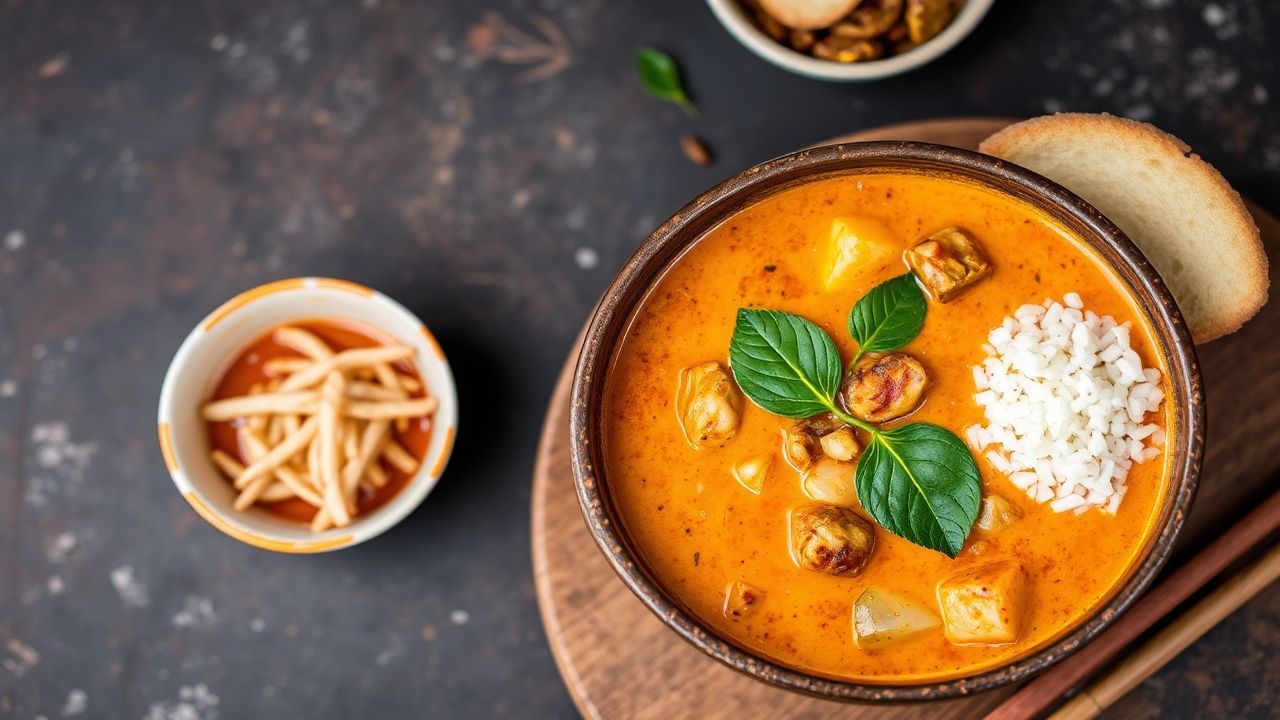

The world of Thai cuisine is a vibrant tapestry woven with an intricate interplay of sweet, sour, salty, and spicy. Yet, within this dazzling array, one dish stands apart, proof of culinary fusion and profound depth of flavor: the Massaman curry. Often described as the “king of curries,” Massaman is not merely a meal; it’s an experience, a fragrant journey that transports the palate to a realm of unparalleled comfort and sophistication. While many associate Thai food solely with fiery chilies and sharp lime, Massaman curry offers a gentler, more nuanced embrace, its origins hinting at a fascinating historical dialogue between cultures. Its remarkable complexity, achieved through a deliberate and patient layering of spices and aromatics, has cemented its place as a beloved dish not just in Thailand, but across the globe.
- The Anatomy of an Exceptional Massaman Curry
- Crafting the Heart: The Massaman Curry Paste
- The Protein: Choice and Preparation
- The Supporting Cast: Potatoes, Onions, and Peanuts
- The Definitive Massaman Beef Curry Recipe
- Nutritional Information (Per Serving, approximate):
- Elevating Your Massaman: Pro-Tips from the Kitchen
- The Enduring Allure of Massaman
- Frequently Asked Questions
At a Glance: Massaman Mastery
- Massaman curry is a historical bridge between Thai and Indian culinary traditions, reflecting centuries of trade and cultural exchange.
- Its distinctive flavor profile is characterized by a rich, mild spice blend, often incorporating cardamom, cinnamon, cloves, and nutmeg, alongside the typical Thai curry elements.
- The choice of protein and the slow braising method are crucial for achieving the tender texture and deep flavor infusion characteristic of an authentic Massaman.
- Serving Massaman with fluffy jasmine rice is essential, as the rice acts as a perfect canvas to absorb the luxurious, aromatic sauce.
The precise origins of Massaman curry remain a subject of delicious debate among food historians, but the prevailing narrative points to a 17th-century introduction by Persian or Indian traders traveling through the Strait of Malacca and into Siam (modern-day Thailand). This era was a crucible of cultural exchange, with maritime routes fostering the movement of spices, ingredients, and culinary techniques. The name “Massaman” itself is believed to derive from the Malay word “mas-mas,” meaning a spice blend, or possibly from the Muslim community in southern Thailand, reflecting its South Asian roots. Unlike its more fiery Thai curry cousins, which often rely on fresh chilies for heat, Massaman’s warmth comes from a more complex, fragrant spice profile reminiscent of Indian garam masala, but adapted and harmonized with the essential Thai elements of lemongrass, galangal, and shrimp paste. This fusion is what makes Massaman so unique – a rich, sweet, and savory symphony that appeals to a broader spectrum of palates.
The Anatomy of an Exceptional Massaman Curry
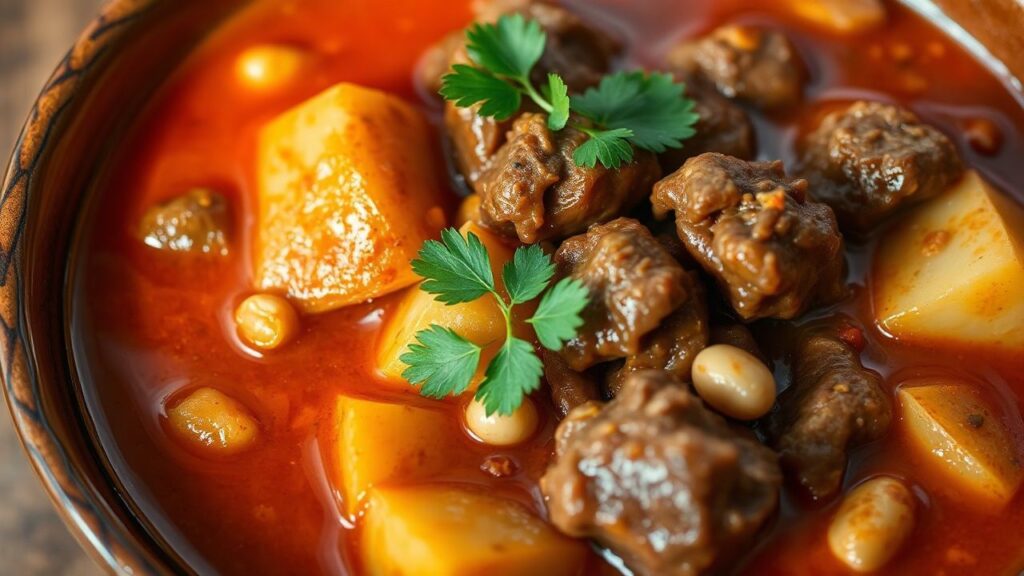
Creating a truly exceptional Massaman curry is an art form, requiring not just adherence to a recipe but a deep understanding of how each component contributes to the final, glorious whole. It’s about balance, patience, and the judicious selection of ingredients. The foundation of any great curry lies in its paste, and for Massaman, this paste is a complex affair, far more intricate than the simple chili-and-herb blends found in green or red curries.
Crafting the Heart: The Massaman Curry Paste
The soul of Massaman curry resides within its distinctive paste. Unlike many Thai curry pastes that are pounded with a mortar and pestle until smooth, Massaman paste often retains a slightly coarser texture, allowing the individual spices to release their nuances more gradually during the cooking process. The key aromatics are familiar to Thai cuisine: lemongrass, galangal, and shallots. However, it is the addition of dried spices that truly sets Massaman apart. Think of cardamom pods, cinnamon sticks, cloves, nutmeg, and sometimes even star anise. These warm, earthy spices, often found in Indian and Middle Eastern cooking, are roasted to enhance their fragrance before being ground and incorporated. The inclusion of dried chilies, typically less fiery varieties like guajillo or puya, provides a gentle warmth rather than an aggressive burn. Crucially, shrimp paste is indispensable, lending that essential umami depth that underpins the entire flavor profile.
The Protein: Choice and Preparation
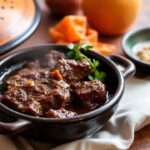
While Massaman can be made with various proteins, beef is arguably the most classic and revered choice. The richness of beef, particularly cuts like chuck or brisket that benefit from long, slow cooking, perfectly complements the complex spice profile of the curry. Chicken thighs offer a more accessible and quicker alternative, remaining moist and tender throughout the braising process. Lamb also works beautifully, its gamey notes harmonizing with the warm spices. Vegetarian options can include firm tofu or a medley of hearty vegetables like sweet potatoes and chunks of winter squash. The key to any protein in Massaman is slow cooking. Whether braised in a pot or simmered gently in a Dutch oven, the goal is to render the protein incredibly tender, allowing it to absorb the full spectrum of flavors from the curry sauce.
The Supporting Cast: Potatoes, Onions, and Peanuts
The textural elements of Massaman curry are as important as its flavors. Potatoes, typically waxy varieties like Yukon Gold or red potatoes, are cut into substantial chunks and simmered until fork-tender, their starchiness helping to thicken the sauce and provide a creamy counterpoint to the spices. Onions, usually firm yellow or white varieties, are roughly chopped and allowed to soften and sweeten as they cook, contributing another layer of subtle sweetness. And then there are the peanuts. Roasted peanuts, either whole or roughly chopped, are a signature ingredient, adding a delightful crunch and a nutty depth that is unmistakably Massaman. They are typically added towards the end of the cooking process to retain their texture.
The Definitive Massaman Beef Curry Recipe
This recipe is a distillation of years of culinary exploration, aiming to capture the authentic essence of a truly exceptional Massaman curry. It emphasizes patience and the thoughtful layering of flavors.
Yields: 6-8 servings
Prep time: 45 minutes (plus time for paste if making from scratch)
Cook time: 2-3 hours
Ingredients:
For the Massaman Curry Paste (Homemade Recommended):
- 10-15 dried guajillo or puya chilies, stemmed and seeded
- 2 tablespoons coriander seeds
- 1 tablespoon cumin seeds
- 1 teaspoon black peppercorns
- 1 teaspoon whole cloves
- 1 inch cinnamon stick
- 3-4 green cardamom pods
- 1/4 teaspoon ground nutmeg (or 1 small piece fresh nutmeg, grated)
- 1 tablespoon roasted peanuts
- 2 inches galangal, thinly sliced
- 4 stalks lemongrass, tough outer layers removed, thinly sliced
- 6-8 large shallots, roughly chopped
- 6-8 cloves garlic, roughly chopped
- 1 tablespoon shrimp paste (kapi)
- 1 teaspoon salt
For the Curry:
- 2 pounds beef chuck or brisket, cut into 1.5-inch cubes
- 3 tablespoons vegetable oil or coconut oil
- 1 cup coconut milk (full fat, high quality)
- 1/2 cup water or beef broth
- 1/4 cup fish sauce (adjust to taste)
- 1/4 cup palm sugar (or brown sugar), grated or chopped
- 1 pound Yukon Gold potatoes, peeled and cut into 1.5-inch chunks
- 1 large yellow onion, cut into wedges
- 1/2 cup roasted unsalted peanuts
- Fresh cilantro, for garnish
- Jasmine rice, for serving
Preparation Method:
1. Prepare the Curry Paste (if making from scratch):
- Toast the dried chilies in a dry skillet over medium-low heat until fragrant and slightly puffed. Remove and set aside.
- In the same skillet, toast the coriander seeds, cumin seeds, peppercorns, cloves, cinnamon stick, and cardamom pods until fragrant. Remove and grind into a fine powder using a spice grinder or mortar and pestle. Add the ground nutmeg.
- In a food processor or with a mortar and pestle, combine the toasted chilies, roasted peanuts, galangal, and lemongrass. Process into a rough paste.
- Add the shallots, garlic, shrimp paste, and the ground spice mixture to the food processor. Process until a relatively smooth paste forms. Add a tablespoon of water if needed to help it blend. Stir in the salt. (Alternatively, if using a blender, add a little more water to achieve a smoother consistency).
2. Sear the Beef:
- Pat the beef cubes thoroughly dry with paper towels. This is crucial for achieving a good sear.
- Heat 2 tablespoons of oil in a heavy-bottomed pot or Dutch oven over medium-high heat. Sear the beef in batches, ensuring not to overcrowd the pot, until deeply browned on all sides. Remove the seared beef and set aside.
3. Sauté the Paste:
- Add the remaining 1 tablespoon of oil to the same pot. Reduce heat to medium and add the Massaman curry paste. Cook, stirring constantly, for 5-7 minutes, or until very fragrant and the oil begins to separate from the paste. This step blooms the spices and is critical for developing the flavor.
4. Simmer the Curry:
- Return the seared beef to the pot. Add the coconut milk and water/broth. Stir to combine. Bring to a gentle simmer, then reduce the heat to low, cover, and cook for 1.5 to 2 hours, or until the beef is almost tender. Stir occasionally to prevent sticking.
5. Add Vegetables and Seasoning:
- Add the potato chunks and onion wedges to the pot. Continue to simmer, covered, for another 30-45 minutes, or until the potatoes are fork-tender and the beef is completely tender and easily pierced with a fork.
- Stir in the palm sugar and fish sauce. Taste and adjust seasoning as needed. The goal is a balance of sweet, salty, and savory with a gentle warmth. If the curry is too thick, you can add a little more water or coconut milk.
6. Incorporate Peanuts and Serve:
- Stir in the roasted peanuts during the last 5-10 minutes of cooking.
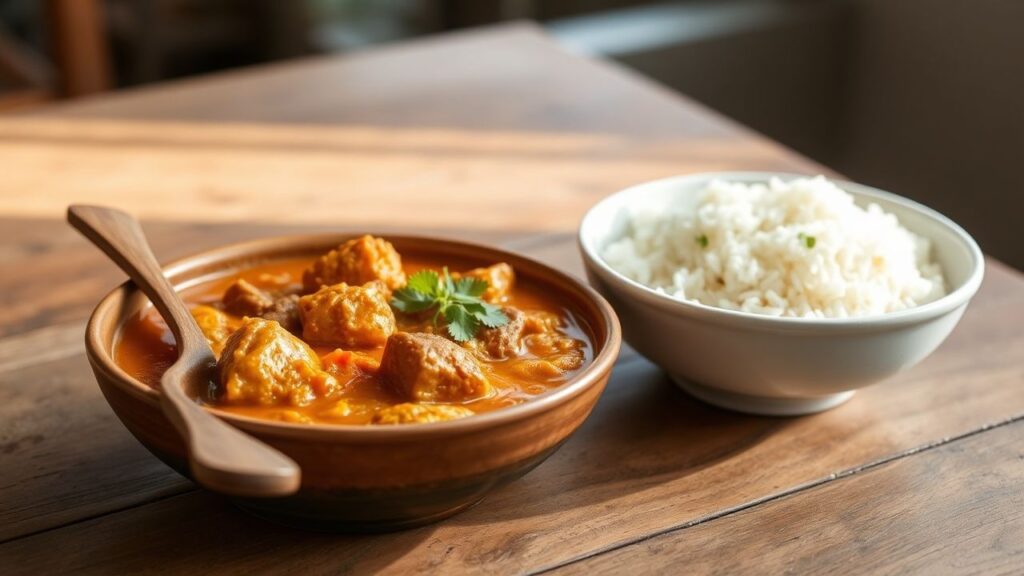
- Serve the Massaman curry hot, garnished with fresh cilantro, alongside steamed jasmine rice.
Nutritional Information (Per Serving, approximate):
- Calories: 650-750 (varies based on protein and fat content)
- Protein: 35-45g
- Fat: 35-45g (includes saturated fat from coconut milk and beef)
- Carbohydrates: 40-50g (primarily from potatoes, onions, and sugar)
- Fiber: 5-7g
- Sodium: 1200-1500mg (largely from fish sauce and shrimp paste; can be reduced by using low-sodium fish sauce)
This nutritional profile highlights the richness of Massaman curry. The substantial calorie and fat content are characteristic of a slow-cooked, complex dish designed for sustenance and flavor. The protein content is significant, especially when using beef or lamb.
Elevating Your Massaman: Pro-Tips from the Kitchen
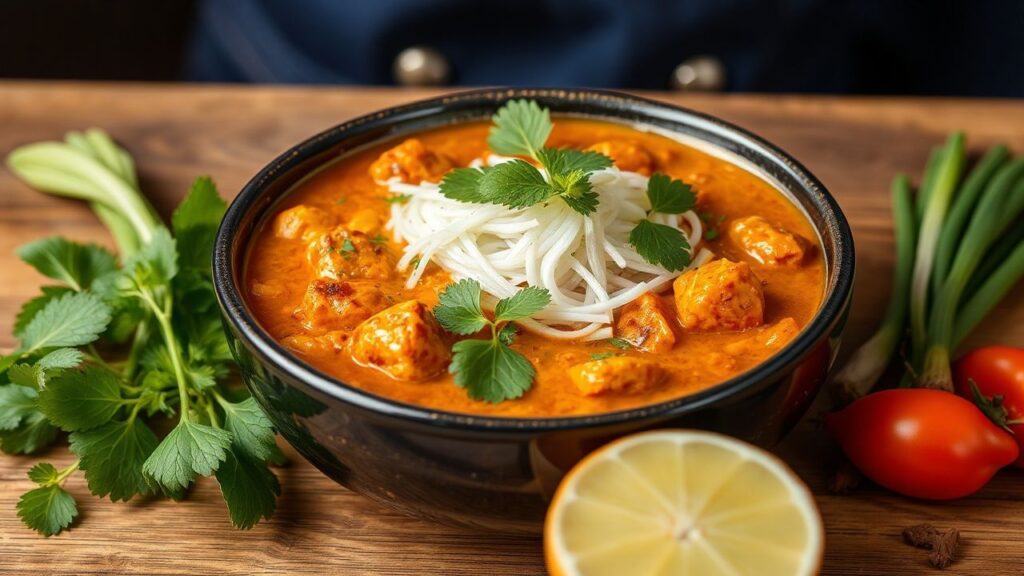
Achieving that transcendent quality in your Massaman curry requires attention to detail beyond the basic recipe. These insights are born from countless hours in the kitchen, observing and tasting.
The Art of the Simmer
The slow, gentle simmer is non-negotiable for a truly magnificent Massaman. This isn’t a dish to be rushed. The extended cooking time allows the tough connective tissues in cuts like beef chuck to break down into gelatin, lending a luscious, melt-in-your-mouth texture. It also gives the spices ample opportunity to infuse thoroughly into the protein and vegetables, creating a unified and deeply resonant flavor profile. A rapid boil can toughen the meat and make the sauce watery, negating the careful work of the paste. Aim for the gentlest of bubbles, a lazy whisper of heat that coaxes out the best from your ingredients.
The Coconut Milk Conundrum
The quality of your coconut milk can significantly impact the final outcome. Opt for a full-fat, high-quality coconut milk that has a high percentage of coconut solids. Some brands are thinner and contain more water, which can dilute the richness and creaminess of the sauce. When you open a can of good coconut milk, you’ll often see a thick layer of cream at the top. It’s beneficial to gently warm the coconut milk before adding it to the curry, perhaps by simmering it briefly in a separate saucepan, or even separating the cream and cooking it down slightly in the pot before adding the rest of the milk. This process helps to “break” the coconut milk, coaxing out its oils and creating a richer, more unctuous sauce.
A common misconception is that Massaman should be intensely spicy. While it has a warming quality from the spices, the primary heat source is typically milder dried chilies, and the overall flavor profile leans towards sweet, savory, and aromatic. The focus is on the complex interplay of spices rather than a chili-driven fire. If you find your Massaman lacking heat, it’s usually a sign that the dried chilies used in the paste were too mild or not adequately toasted. For a more pronounced kick, consider adding a small amount of a spicier dried chili to your paste, or a few fresh bird’s eye chilies finely minced and added during the final simmering stage, though this moves away from the classic Massaman profile.
The Enduring Allure of Massaman
Massaman curry is more than just a dish; it’s a culinary narrative, proof of how diverse cultures can converge to create something profoundly beautiful and universally loved. Its rich history, complex spice profile, and deeply satisfying flavors ensure its continued popularity. Whether you’re a seasoned home cook or embarking on your first foray into Thai cuisine, mastering Massaman is a rewarding endeavor. It’s a dish that invites you to slow down, to savor the process, and to ultimately, to share a truly special meal. The gentle embrace of its flavors, the tender succulence of its protein, and the comforting warmth of its spices make it a dish that resonates deeply, offering a taste of Thailand’s rich cultural heritage in every spoonful.
Frequently Asked Questions
What makes Massaman curry different from other Thai curries?
Massaman curry distinguishes itself through its unique spice blend, which leans heavily on warm, aromatic spices like cardamom, cinnamon, cloves, and nutmeg, often reminiscent of Indian garam masala. Unlike spicier green or red curries that rely on fresh chilies, Massaman’s heat is milder and derived from dried chilies. Its flavor profile is characterized by a sweeter, richer, and more complex savory depth, often incorporating ingredients like peanuts and potatoes, and it typically has a smoother, more unctuous texture due to the slow braising method and the use of full-fat coconut milk.
Can I make Massaman curry vegetarian?
Absolutely. Massaman curry is highly adaptable to vegetarian and vegan diets. You can substitute the beef or chicken with firm tofu, tempeh, or a medley of hearty vegetables such as sweet potatoes, butternut squash, cauliflower, and green beans. Ensure you use a good quality vegetable broth instead of beef broth and omit the shrimp paste or use a vegan alternative if strict veganism is desired. The cooking time for vegetables will be shorter than for meat, so add them in stages to prevent overcooking.
How can I adjust the spice level of Massaman curry?
The inherent spice level of Massaman curry is generally mild to moderate. If you prefer a spicier curry, you can increase the number of dried chilies used in the paste. Alternatively, during the final simmering stage, you can add finely minced fresh bird’s eye chilies or a pinch of red pepper flakes. However, be cautious, as adding too much heat can mask the nuanced flavors of the other spices, which are central to Massaman’s appeal. It’s always best to start conservatively and add more heat gradually.
What is the best protein to use for Massaman curry?
While Massaman can be made with various proteins, beef chuck or brisket is traditionally favored for its rich flavor and ability to become incredibly tender when slow-cooked. Chicken thighs are another excellent choice, offering a quicker cooking time while remaining moist and flavorful. For a richer, more robust flavor, lamb shoulder or leg also pairs wonderfully with the warm spices. If opting for seafood, large prawns or firm white fish can be used, but they require much shorter cooking times and should be added towards the end to prevent overcooking.
See also: Massaman