
Have you ever found yourself captivated by a dish that transcends mere sustenance, whispering tales of ancient trade routes and cultural fusion with every spoonful? Such is the profound allure of Massaman curry, a culinary masterpiece that stands apart in the vibrant tapestry of Thai cuisine. It’s a dish that doesn’t just satisfy hunger; it ignites the senses and transports the diner to a world where spice, sweetness, and savory notes dance in perfect, harmonious synchronicity. The very name, Massaman, evokes a sense of mystery and exoticism, hinting at a history far more complex than its common classification might suggest.
- The Genesis of a Culinary Legend: Unpacking Massaman’s Rich Heritage
- Deconstructing the Flavour: The Soul of Massaman Curry
- Crafting the Perfect Massaman: A Detailed Recipe for the Discerning Palate
- Nutritional Insights: A Deeper Look at Massaman’s Composition
- Elevating Your Massaman: Expert Tips for Restaurant-Quality Results
- Frequently Asked Questions about Massaman Curry
At a Glance: The Essence of Massaman
- A Unique Fusion: Massaman curry is proof of historical cultural exchange, blending Thai ingredients with influences from Persian, Indian, and Malay cuisines.
- Complex Flavour Profile: Unlike many Thai curries, Massaman leans into a milder, sweeter, and more savory profile, with a distinctive nuttiness and the subtle warmth of spices like cinnamon and cardamom.
- Luxurious Texture: The use of coconut milk, potatoes, and often peanuts or cashews creates a rich, creamy, and almost stew-like consistency that is profoundly comforting.
- A Culinary Journey: Understanding the provenance and ingredient nuances allows for a truly exceptional Massaman experience, moving beyond a simple recipe to an appreciation of culinary heritage.
The Genesis of a Culinary Legend: Unpacking Massaman’s Rich Heritage
The story of Massaman curry is intrinsically linked to the historical Silk Road and the spice trade that connected the East and West for centuries. Its origins are widely believed to lie in the southern regions of Thailand, particularly influenced by Muslim traders and settlers from the Malay Archipelago and even as far west as Persia. This is not a curry that emerged solely from Thai soil; rather, it is a magnificent testament to the enduring power of culinary exchange. The name itself, “Massaman,” is thought to be a corruption of the Malay word “mas man,” meaning “Muslim,” or possibly derived from the Persian word “musalman,” also referring to a follower of Islam. This linguistic clue is vital, as it points directly to the dish’s non-indigenous culinary roots.
Unlike the fiery, herbaceous profiles often associated with green or red Thai curries, Massaman offers a decidedly different, more contemplative sensory experience. Its characteristic sweetness, tempered by a mellow spice, and the earthy depth provided by unique spice combinations, speak to its cross-cultural DNA. It’s a dish that carries the echoes of ancient trade routes, where exotic spices like cinnamon, cardamom, cloves, and star anise—not typically dominant in other Thai curries—found their way into the fragrant coconut milk base. This historical context is crucial for understanding why Massaman curry is so distinct and why it has earned its revered status amongst gourmands worldwide.
Deconstructing the Flavour: The Soul of Massaman Curry
What truly sets Massaman curry apart is its meticulously balanced and nuanced flavour profile. It’s a symphony of tastes that rarely clashes but rather complements and builds upon one another, creating a depth that is both surprising and deeply satisfying. At its core, Massaman is characterized by a pervasive sweetness, derived not just from palm sugar but also from the inherent sweetness of coconut milk and the subtle caramelization of onions and potatoes. This sweetness, however, is never cloying. It is beautifully counterpointed by a gentle warmth from a blend of spices that lean towards the earthy and aromatic rather than the purely piquant.
The spice blend is where Massaman truly showcases its unique heritage. While chilies are present, they are typically dried and milder, providing a background hum of heat rather than a searing intensity. The stars of the spice show are often cinnamon, cardamom, cloves, nutmeg, and star anise. These warm, aromatic spices, reminiscent of Middle Eastern and Indian garam masala blends, infuse the curry with an unparalleled complexity. This is further enhanced by the inclusion of ingredients like coriander seeds and cumin, which add an earthy, savory foundation. The tang of tamarind paste, judiciously used, provides a crucial acidic lift, cutting through the richness of the coconut milk and balancing the sweetness. The final flourish often comes from the addition of peanuts or cashews, lending a delightful nutty undertone and a textural contrast to the creamy sauce and tender proteins.
Crafting the Perfect Massaman: A Detailed Recipe for the Discerning Palate
To truly appreciate Massaman curry, one must understand the meticulous process of its creation. While pre-made pastes offer a convenient shortcut, the discerning cook understands that the soul of this dish lies in the careful selection and preparation of its components, especially the curry paste itself. The following recipe aims to guide you through crafting an authentic and deeply flavorful Massaman chicken curry, suitable for even the most sophisticated culinary endeavors.
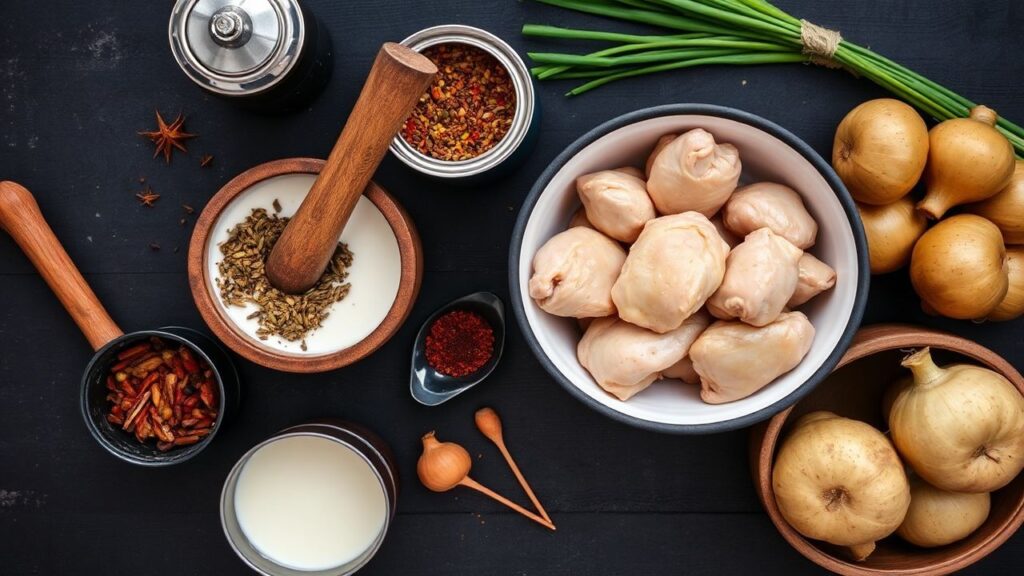
Ingredients:
- For the Curry Paste (optional, but highly recommended for authenticity):
- 5-7 dried red chilies (Arbol or Guajillo), soaked in hot water, stems and seeds removed
- 2 stalks lemongrass, tough outer layers removed, thinly sliced
- 1-inch piece galangal, peeled and thinly sliced
- 1 inch fresh turmeric, peeled and thinly sliced (or 1 tsp ground turmeric)
- 3 cloves garlic, roughly chopped
- 1 shallot, roughly chopped
- 1 tsp coriander seeds, toasted and ground
- ½ tsp cumin seeds, toasted and ground
- ¼ tsp white peppercorns
- ½ tsp shrimp paste (optional, for depth of flavour)
- 1 tbsp roasted peanuts or cashews
- For the Curry:
- 500g boneless, skinless chicken thighs, cut into 1.5-inch pieces
- 400ml (1 can) full-fat coconut milk, divided
- 2 tbsp vegetable oil or coconut oil
- 2-3 tbsp Massaman curry paste (homemade or high-quality store-bought)
- 1 large potato (approx. 200g), peeled and cut into 1-inch chunks
- 1 small onion, cut into 1-inch chunks
- 1 tbsp fish sauce
- 1-2 tbsp palm sugar, or to taste
- 1 tbsp tamarind paste, dissolved in 2 tbsp hot water, strained
- 50g roasted peanuts or cashews
- Fresh cilantro sprigs, for garnish
- Optional: 1 star anise, 1 cinnamon stick (for aromatic depth)
Preparation Method:
- Prepare the Curry Paste (if making from scratch): In a mortar and pestle or food processor, combine all the curry paste ingredients. Grind or process until a smooth paste is formed. This may take some time and effort, but the resulting fragrance and flavour are unparalleled. If using a food processor, you may need to add a tiny splash of water to help it blend.
- Sear the Chicken: Heat the vegetable oil in a large, heavy-bottomed pot or Dutch oven over medium-high heat. Add the chicken pieces and sear them until they are lightly browned on all sides. This step is crucial for developing flavour and texture. Remove the chicken from the pot and set aside.
- Sauté the Aromatics: Lower the heat to medium. Add the Massaman curry paste to the pot. If using the optional star anise and cinnamon stick, add them now. Stir and cook the paste for 2-3 minutes, until fragrant. Be careful not to burn the paste.
- Build the Sauce: Pour in about half of the coconut milk (200ml) and stir to combine with the curry paste, scraping up any browned bits from the bottom of the pot. Bring to a gentle simmer.
- Add the Vegetables and Chicken: Add the potato chunks, onion chunks, and the seared chicken back into the pot. Stir to coat everything in the curry sauce.
- Simmer and Infuse: Bring the curry back to a gentle simmer. Cover the pot, reduce the heat to low, and let it cook for about 20-25 minutes, or until the potatoes are tender and the chicken is cooked through. Stir occasionally to prevent sticking.
- Balance the Flavours: Stir in the remaining coconut milk (200ml), fish sauce, palm sugar, and tamarind paste. Continue to simmer gently for another 5-10 minutes, allowing the flavors to meld and the sauce to thicken slightly. Taste and adjust seasoning as needed – you may need more palm sugar for sweetness, fish sauce for saltiness, or tamarind for tanginess.
- Add the Nuts: Stir in the roasted peanuts or cashews during the last few minutes of cooking.
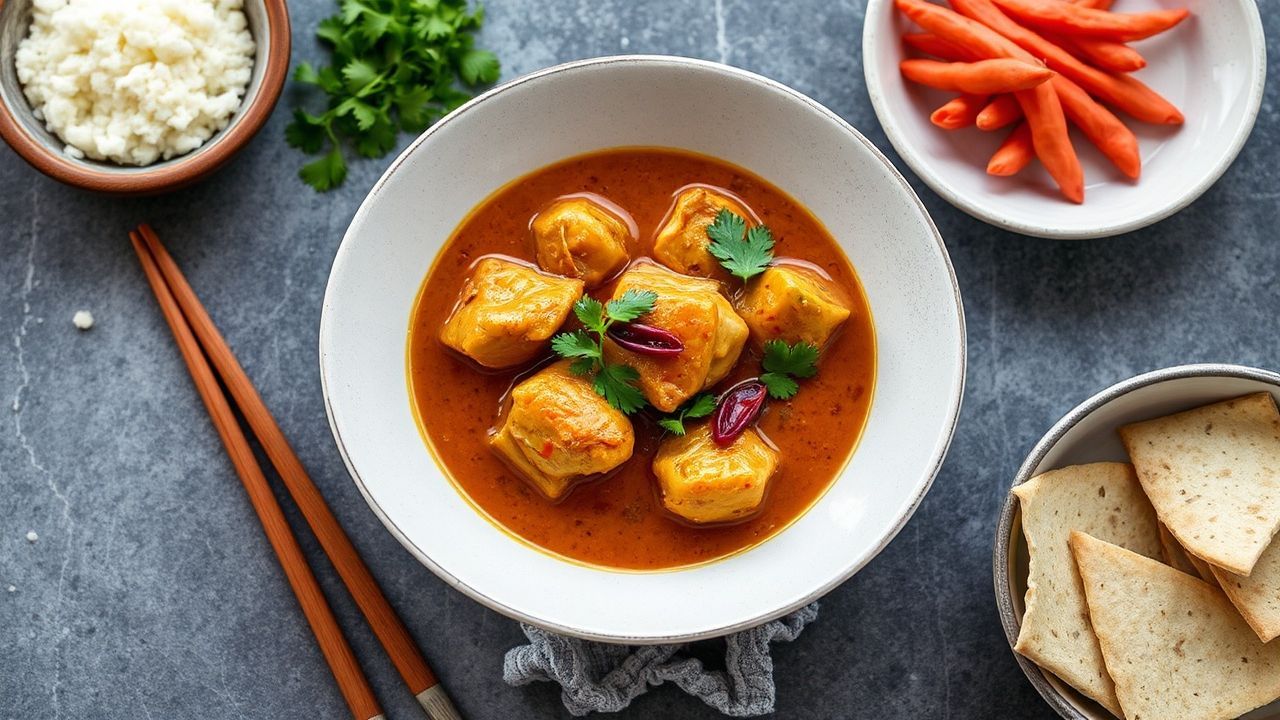
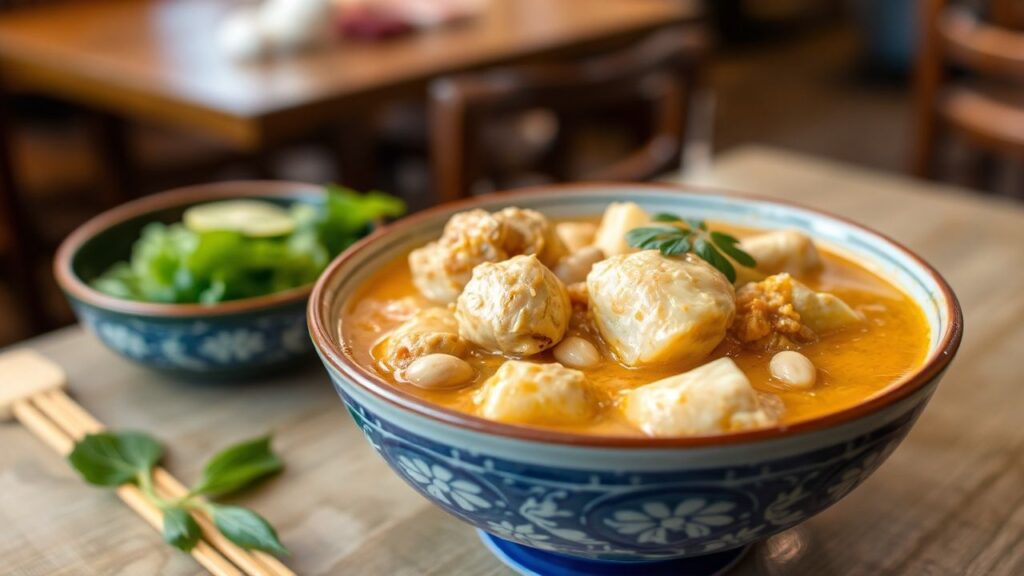
- Serve: Ladle the Massaman curry into bowls. Garnish with fresh cilantro sprigs. Serve hot with steamed jasmine rice.
Nutritional Insights: A Deeper Look at Massaman’s Composition
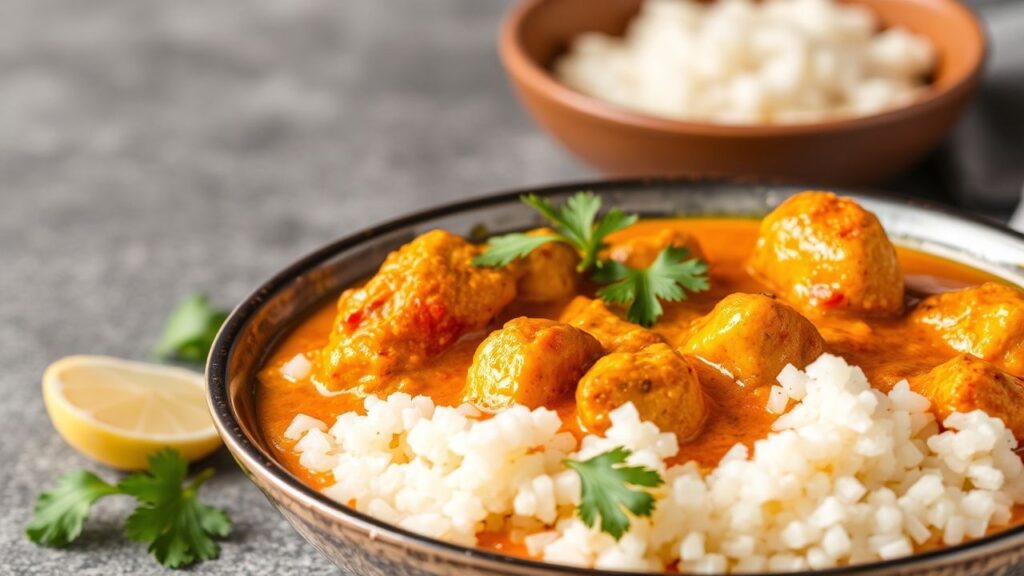
While Massaman curry is undeniably a rich and indulgent dish, understanding its nutritional composition can help in appreciating its place in a balanced diet. A typical serving of Massaman chicken curry, based on the recipe above (approximately 4 servings), offers a complex nutritional profile. It is a good source of protein from the chicken, essential for muscle repair and growth. The inclusion of potatoes provides carbohydrates for energy and dietary fiber, which aids digestion. Coconut milk, while rich in saturated fats, also contains medium-chain triglycerides (MCTs), which are metabolized differently from other fats and can be a source of quick energy.
The spices, beyond their flavour contribution, offer potential health benefits. Turmeric, for instance, contains curcumin, a powerful antioxidant and anti-inflammatory compound. Cinnamon is known for its potential to help regulate blood sugar levels, and cardamom may aid digestion. The nuts add healthy fats, protein, and fiber. However, it’s important to be mindful of the calorie density due to the coconut milk and the potential for added sugar and sodium from store-bought pastes or excessive seasoning. Portion control and mindful preparation, such as using lean cuts of chicken and opting for homemade pastes with controlled sugar and salt, are key to enjoying Massaman curry as part of a healthy lifestyle.
Here’s an approximate nutritional breakdown per serving (assuming 4 servings from the recipe):
| Nutrient | Approximate Amount |
|---|---|
| Calories | 550-650 kcal |
| Protein | 30-35 g |
| Fat | 35-45 g |
| Saturated Fat | 20-25 g |
| Carbohydrates | 30-40 g |
| Fiber | 4-6 g |
| Sugar | 10-15 g (natural and added) |
| Sodium | 500-800 mg (can vary significantly) |
*Note: Nutritional values are estimates and can vary based on specific ingredients, portion sizes, and preparation methods.
Elevating Your Massaman: Expert Tips for Restaurant-Quality Results
Achieving the sublime, complex flavour and luxurious texture of a truly exceptional Massaman curry requires attention to detail and a few nuanced techniques that separate the good from the truly great. Simply following a recipe is a starting point, but understanding the ‘why’ behind certain steps unlocks the potential for culinary excellence. For instance, the quality of your coconut milk is paramount. Opt for full-fat, unsweetened coconut milk from a reputable brand. Shaking the can vigorously before opening or even gently simmering the thick cream that rises to the top before adding the rest can enhance the richness and prevent the sauce from separating. This is a subtle but impactful step often employed in professional kitchens.
Furthermore, the browning of the chicken is not merely for aesthetics; it’s a fundamental flavor-building step. The Maillard reaction that occurs during searing creates hundreds of new flavor compounds that will permeate the entire dish. Don’t overcrowd the pan; sear in batches if necessary to ensure proper browning rather than steaming. Similarly, the careful sautéing of the curry paste is critical. Cooking it in oil over medium heat for a few minutes releases its aromatic oils and deepens its flavor profile, transforming raw spices into a fragrant foundation for the curry. This process, known as “blooming” the spices, is a cornerstone of many complex savory dishes.
Another often-overlooked element is the balance of sweet, sour, and salty. Thai cuisine famously relies on this trifecta. For Massaman, while it leans sweeter and milder, the judicious use of fish sauce and tamarind paste is non-negotiable. Taste and adjust incrementally. A little more palm sugar can round out the flavours, while a touch more fish sauce adds umami depth, and a splash more tamarind paste brightens the entire dish. Consider the origin of your ingredients; high-quality, aged fish sauce offers a more nuanced saltiness than a young, sharp variety. Similarly, the quality of your tamarind paste can significantly impact the final tang.
Finally, the textural contrast provided by the nuts is not just an addition but an integral part of the Massaman experience. Roasting the peanuts or cashews before adding them intensifies their flavour and crunch. Some chefs prefer to add a portion of the nuts early in the cooking process to soften slightly and infuse the sauce with their oils, and then add the remaining roasted nuts towards the end for textural integrity. This dual approach ensures both flavour infusion and a satisfying bite, elevating the dish from a simple curry to a multi-sensory delight.
When considering store-bought pastes, the difference in quality can be stark. A truly authentic Massaman paste will have a complex aroma and flavour that reflects its carefully selected ingredients. For instance, a paste that prominently features cinnamon, cardamom, and star anise alongside the more common curry spices will inherently possess a more authentic Massaman character. Brands that prioritize traditional methods and quality ingredients often offer a superior product. However, even the best store-bought paste benefits from the “blooming” technique described earlier to unlock its full potential. This simple step can significantly enhance even a good quality commercial paste, bringing it closer to homemade perfection.
One common pitfall when making Massaman curry at home is an imbalance in sweetness or a lack of depth. This often stems from insufficient simmering time or a lack of complexity in the curry paste. For example, a curry that tastes overwhelmingly of coconut milk without the underlying warmth of the spices might indicate that the paste wasn’t cooked down sufficiently, or that the chosen paste lacked the necessary aromatic spices. Furthermore, the potatoes matter significantly in absorbing and carrying these flavours. If the potatoes are undercooked or don’t have enough time to simmer in the sauce, the curry will lack that rich, integrated flavour that is characteristic of a well-made Massaman. The starch released from the potatoes also contributes to the thickening of the sauce, creating that desirable, velvety consistency.
The origin of the dish also plays a significant role in its flavour profile. While the recipe presented is a common representation, variations exist across different regions of Thailand and even within families. Some versions might incorporate ingredients like bay leaves or dried bay beans, adding subtle layers of flavour. Others might feature a slightly different ratio of spices, leaning more heavily into certain aromatics. Understanding these regional nuances can inspire further experimentation and lead to discovering your own perfect Massaman. For instance, a Thai-Muslim family’s recipe might incorporate more traditional Middle Eastern spices, while a Southern Thai variation might have a slightly more pronounced sweet and sour profile. Exploring these variations adds another dimension to the appreciation of this complex dish.
For those seeking to explore into the cultural significance of Massaman, exploring the history of the spice trade routes and their impact on Southeast Asian cuisine provides invaluable context. The movement of ingredients like chilies, cinnamon, and star anise from the Americas and the East, respectively, into Thailand, and their subsequent integration into local culinary traditions, is a fascinating narrative. Massaman curry stands as a delicious artifact of this global exchange, a culinary ambassador that continues to captivate palates across the world.
Ultimately, the pursuit of the perfect Massaman curry is a journey of sensory exploration. It’s about understanding the interplay of ingredients, the magic of slow cooking, and the profound history that imbues each spoonful with meaning. By paying attention to the details, from the quality of your coconut milk to the careful blooming of your curry paste, you can transform a simple home-cooked meal into an extraordinary culinary experience that rivals the finest restaurants.
Frequently Asked Questions about Massaman Curry
What makes Massaman curry different from other Thai curries?
Massaman curry distinguishes itself primarily through its unique flavour profile and ingredient composition, which reflects its historical fusion of influences. Unlike the typically spicier, more herbaceous green and red Thai curries, Massaman is characterized by a milder, sweeter, and more savory taste, with a prominent nutty undertone and the aromatic warmth of spices like cinnamon, cardamom, and cloves. These spices are less common in other Thai curries. Additionally, Massaman often incorporates ingredients like potatoes and peanuts or cashews, contributing to its rich, creamy, and almost stew-like texture. Its milder heat profile makes it particularly accessible and appealing to a wider range of palates.
Can I make Massaman curry vegetarian or vegan?
Absolutely. Massaman curry is highly adaptable to vegetarian and vegan diets. For a vegetarian version, you can substitute the chicken with firm tofu, tempeh, or a generous assortment of vegetables such as cauliflower, broccoli, bell peppers, and green beans. To make it vegan, ensure you use a vegan curry paste (some contain shrimp paste) and replace the fish sauce with a vegan alternative, such as a good quality soy sauce or a dedicated vegan fish sauce. The use of coconut milk already aligns with vegan principles. The potatoes, onions, and nuts remain key components, providing satisfying texture and flavour.
What is the best way to store and reheat Massaman curry?
Massaman curry stores exceptionally well and often tastes even better the next day as the flavours have more time to meld. Allow the curry to cool completely at room temperature before transferring it to an airtight container. It can be refrigerated for up to 3-4 days. To reheat, the best method is on the stovetop over low to medium heat. Stir frequently to ensure even heating and to prevent the sauce from scorching. You may need to add a splash of water or a little extra coconut milk if the curry has become too thick. Microwaving is also an option; reheat in short intervals, stirring between each, until thoroughly heated through.
See also: Massaman