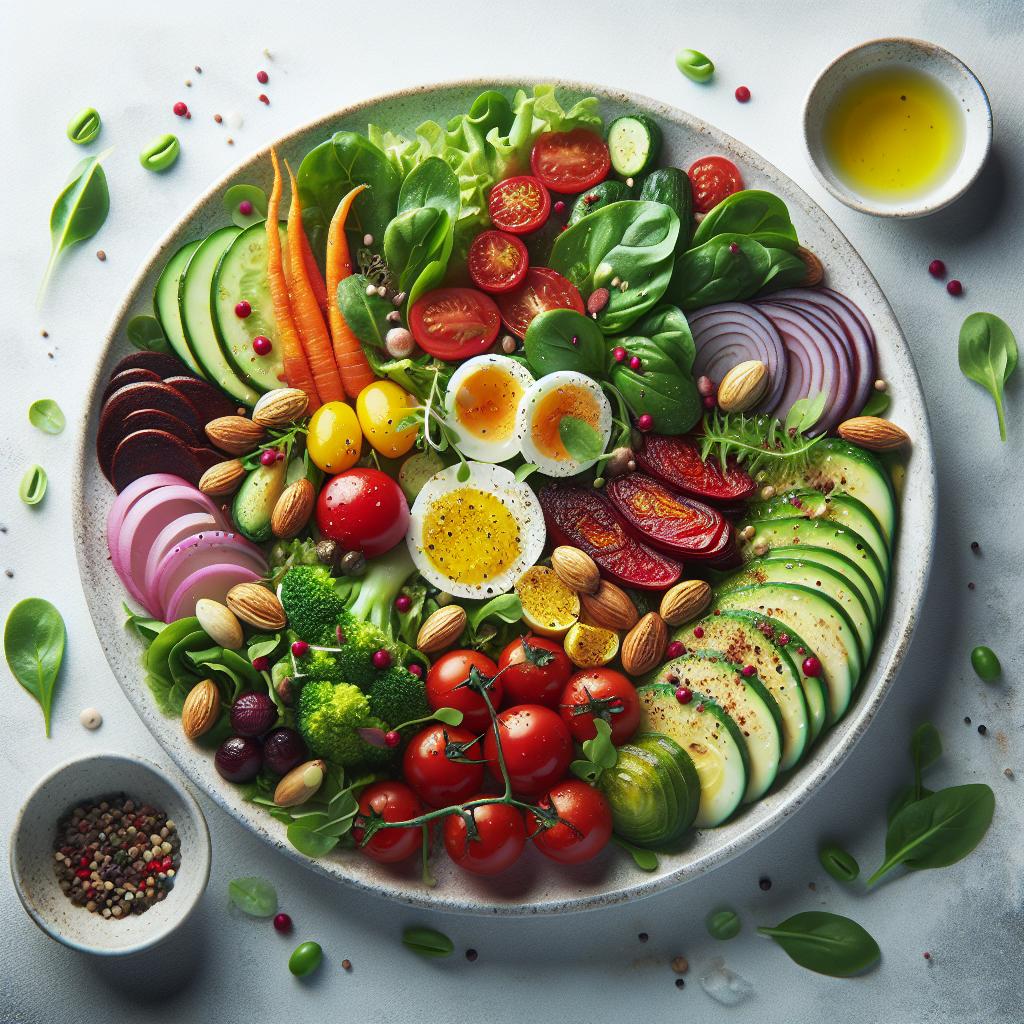

In the bustling heart of every big family lies a daily culinary adventure-a symphony of tastes, preferences, and nutritional needs that demands both creativity and strategy. “Mastering Meal Magic: Navigating Diverse Diets in Big Families” invites you on a journey beyond the ordinary kitchen routine, where balancing kaleidoscopic dietary choices transforms from a chaotic challenge into an art form. Whether you’re juggling allergies, lifestyle choices, or simply varied cravings, this guide will illuminate how to harmonize flavors and nutrition, turning mealtime into a joyful gathering where every plate tells a story-and every family member finds their perfect bite. Welcome to the magic behind the meal.
Creative Meal Planning Techniques for Busy Family Kitchens
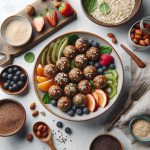
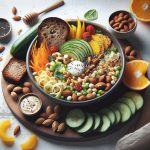
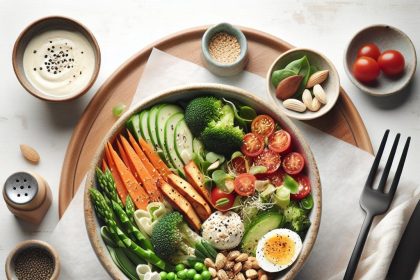
Mastering Meal Magic: navigating diverse diets in big families is an art that blends creativity and strategy. When juggling varying nutritional needs, preferences, and time constraints, thoughtful meal planning becomes the cornerstone of success. Imagine a colorful table with dishes tailor-made for every palate-from vibrant plant-based bowls for the veggie lover to wholesome grain-packed plates for grandparents requiring extra nourishment. This approach ensures all family members feel cared for and satisfied without doubling the workload in the kitchen.
Prep and Cook Time
- Preparation: 25 minutes
- Cooking: 40 minutes
- Total Time: 1 hour 5 minutes
Yield
Serves 6-8 diverse appetites comfortably
Difficulty Level
Medium – ideal for intermediate home cooks seeking to balance nutrition and time
Ingredients
- 2 cups quinoa, rinsed and drained
- 1 medium sweet potato, peeled and diced
- 1 head broccoli, cut into florets
- 1 cup cherry tomatoes, halved
- 1 red bell pepper, diced
- 1 can (15 oz) chickpeas, drained and rinsed
- 2 cloves garlic, minced
- 1 tbsp olive oil
- 1 tsp smoked paprika
- Salt and black pepper, to taste
- 1/4 cup fresh parsley, chopped
- Juice of 1 lemon
- Optional toppings: crumbled feta, toasted pine nuts, or avocado slices
Instructions
- Cook the quinoa: In a medium saucepan, combine 2 cups quinoa with 4 cups of water. Bring to a boil, reduce to a simmer, cover, and cook for 15 minutes or until fluffy. Fluff with a fork and set aside.
- Prepare the roasted vegetables: Preheat oven to 400°F (200°C). Toss diced sweet potato and broccoli florets with 1 tbsp olive oil, minced garlic, smoked paprika, salt, and pepper. Spread evenly on a baking tray and roast for 25-30 minutes until tender and slightly caramelized, turning halfway through.
- Sauté bell pepper and chickpeas: While roasting, heat a drizzle of olive oil in a skillet over medium heat. Sauté diced red bell pepper for 5 minutes, then add chickpeas. Cook for 8 minutes, stirring occasionally, until chickpeas are golden and bell pepper is softened.
- Combine & season: In a large mixing bowl, combine cooked quinoa, roasted vegetables, sautéed chickpeas and bell pepper, and halved cherry tomatoes. Add fresh parsley and lemon juice. Adjust salt and pepper to taste.
- Serve with optional toppings: Garnish with crumbled feta cheese, toasted pine nuts, or creamy avocado slices for extra texture and flavor layers.
Chef’s Notes
- Swap quinoa for brown rice or couscous to accommodate different family preferences or allergies.
- For gluten-sensitive family members, ensure all ingredients (especially spices and canned goods) are certified gluten-free.
- Make-ahead tip: Roast vegetables and cook quinoa up to 2 days in advance to save time on busy nights-store separately in airtight containers.
- To reduce waste, use leftover vegetable scraps to make a quick homemade broth.
- To increase protein, add grilled chicken or tempeh strips to the mix based on dietary needs.
Serving Suggestions
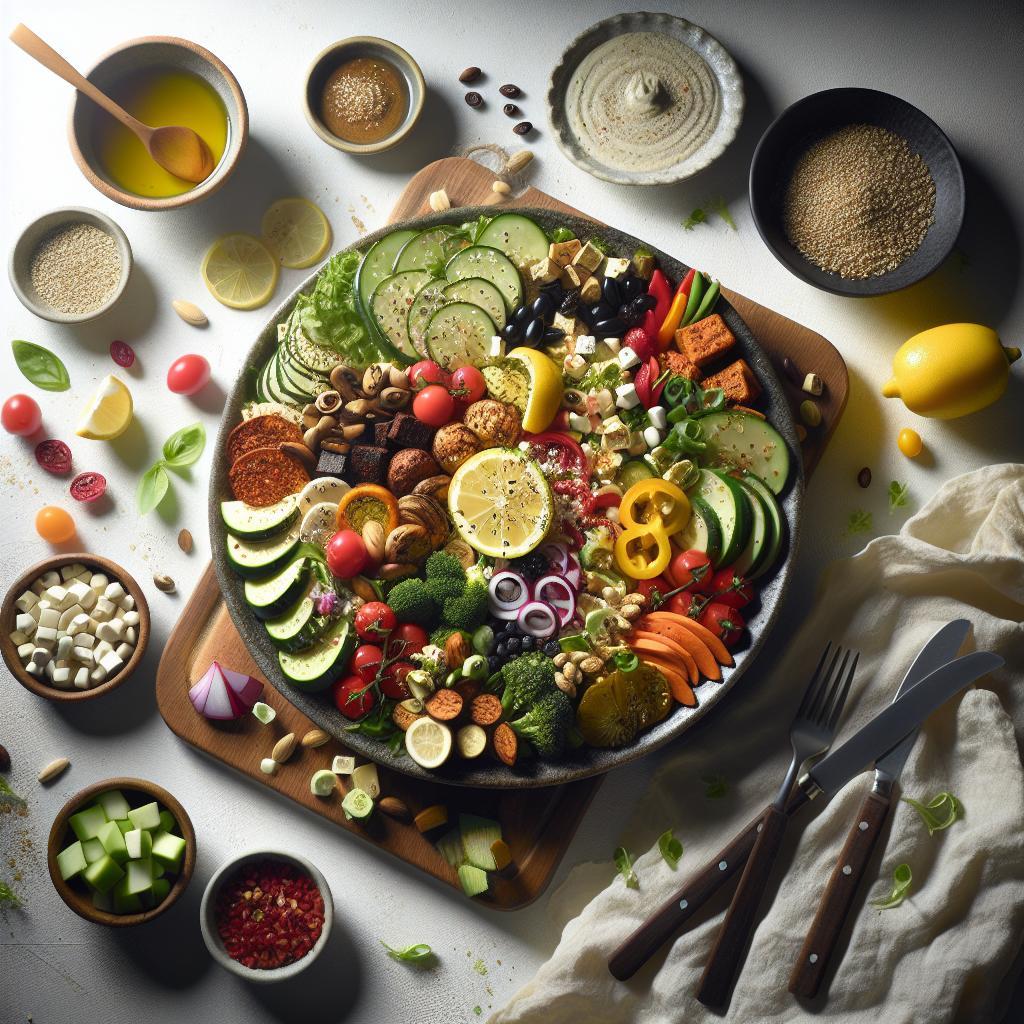
This vibrant grain and vegetable bowl shines when presented family-style in a large serving dish, inviting everyone to customize their plates. Pair it with a side of warm whole wheat pita bread or a crisp green salad tossed with lemon vinaigrette. Garnish with fresh herbs to brighten the presentation and a drizzle of tahini or yogurt sauce for creaminess-adding layers of flavor and texture that elevate the meal experience.

| Nutrient | Per Serving |
|---|---|
| Calories | 350 kcal |
| Protein | 12 g |
| Carbohydrates | 50 g |
| Fat | 8 g |
For further inspiration on accommodating dietary restrictions while preserving flavor, explore our Family-Friendly Allergy Alternatives article. Plus, check comprehensive diet guidelines at the Academy of Nutrition and Dietetics.
Q&A
Q&A: Mastering Meal Magic: Navigating Diverse Diets in Big Families
Q1: What does “Meal Magic” mean when feeding a big family with diverse diets?
A1: Meal Magic is the art of creating nourishing, delicious meals that satisfy a spectrum of dietary needs and preferences under one roof. It’s about blending creativity, planning, and practicality to turn mealtime from chaos into harmony-where everyone at the table feels included and energized.
Q2: Why is managing diverse diets in large families particularly challenging?
A2: Big families often juggle a whirlwind of schedules, tastes, allergies, and ethical choices-vegan, gluten-free, keto, picky eaters, and more. The challenge lies in respecting individuality without multiplying your workload or resorting to separate meals for everyone.
Q3: What are some key strategies to master Meal Magic?
A3:
- Plan with Purpose: Create weekly meal plans that incorporate overlapping ingredients to streamline prep.
- Modular Meals: Design base recipes with components that can be easily swapped or added to accommodate diets.
- Batch Cooking & Freezing: Prepare staples in bulk that can be customized later.
- Family Involvement: Invite kids and partners to participate, tailoring their own toppings or sides.
- Smart Shopping: Focus on versatile, nutrient-dense ingredients that please multiple palates.
Q4: Can you give an example of a “modular meal” that suits many diets?
A4: Absolutely! Think of a vibrant grain bowl: start with a neutral base like quinoa or rice, add roasted veggies, and have toppings ready-grilled chicken, tofu, nuts, cheese, avocado, or beans. Each family member customizes their bowl per their dietary needs, turning one recipe into many meals.
Q5: How do you keep meals exciting when catering to so many tastes?
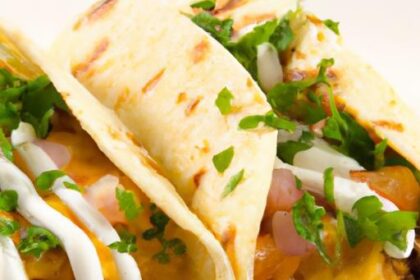
A5: Embrace seasonality and global flavors. Rotate spices, sauces, and cooking techniques. Throw in themed dinners-Mexican night with build-your-own tacos or Mediterranean spreads with lots of dipping options. Variety combined with customization keeps boredom at bay.
Q6: What about kids who are picky eaters or resistant to new foods?
A6: Patience and creativity are your allies. Involve picky eaters in meal prep-it increases buy-in. Use familiar flavors as a bridge to new ones, and offer choices rather than demands. Sometimes, a fun presentation, like colorful veggies or smiley-face sandwiches, can work wonders.
Q7: How important is communication in mastering meal magic?
A7: Communication is the secret ingredient! Regularly check in with family members about their preferences, restrictions, and schedules. This openness prevents surprises and fosters a supportive atmosphere where everyone feels heard and valued.
Q8: Can technology help in managing diverse family diets?
A8: Definitely. Meal planning apps, shared family calendars, and grocery delivery services can simplify logistics. Some apps even accommodate dietary restrictions, suggest recipes, and help create shopping lists, turning the meal magic into a high-tech symphony.
Q9: What mindset shifts empower successful meal management in big families?
A9: Think abundance over scarcity-focus on what you can make rather than what you can’t. Embrace flexibility, imperfection, and celebrate small victories. Remember, the goal isn’t gourmet perfection but nourishment, connection, and joy at the family table.
Q10: Where can readers find more inspiration or resources for navigating diverse diets?
A10: Dive into cookbooks dedicated to family-friendly, inclusive meals, join online communities where parents swap tips, and follow food bloggers who specialize in diverse diets. The treasure trove of ideas is vast-just waiting for your unique family magic to make it your own.
The Conclusion
As the final sizzle fades and the dinner table settles into a contented glow, mastering the art of meal magic in big families proves to be more than just a culinary challenge-it’s a celebration of connection, creativity, and compassion. Navigating diverse diets doesn’t have to feel like a maze of confusion; with thoughtful planning, open communication, and a sprinkle of flexibility, every meal can become a harmonious blend of flavors and preferences. So, whether you’re juggling gluten-free, vegan, keto, or simply picky eaters, remember that the true recipe for success lies in embracing diversity at the heart of the table. After all, feeding a big family is not only about nourishing bodies but also about weaving a tapestry of shared moments and memories-one delicious bite at a time.