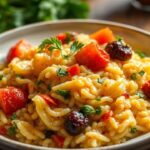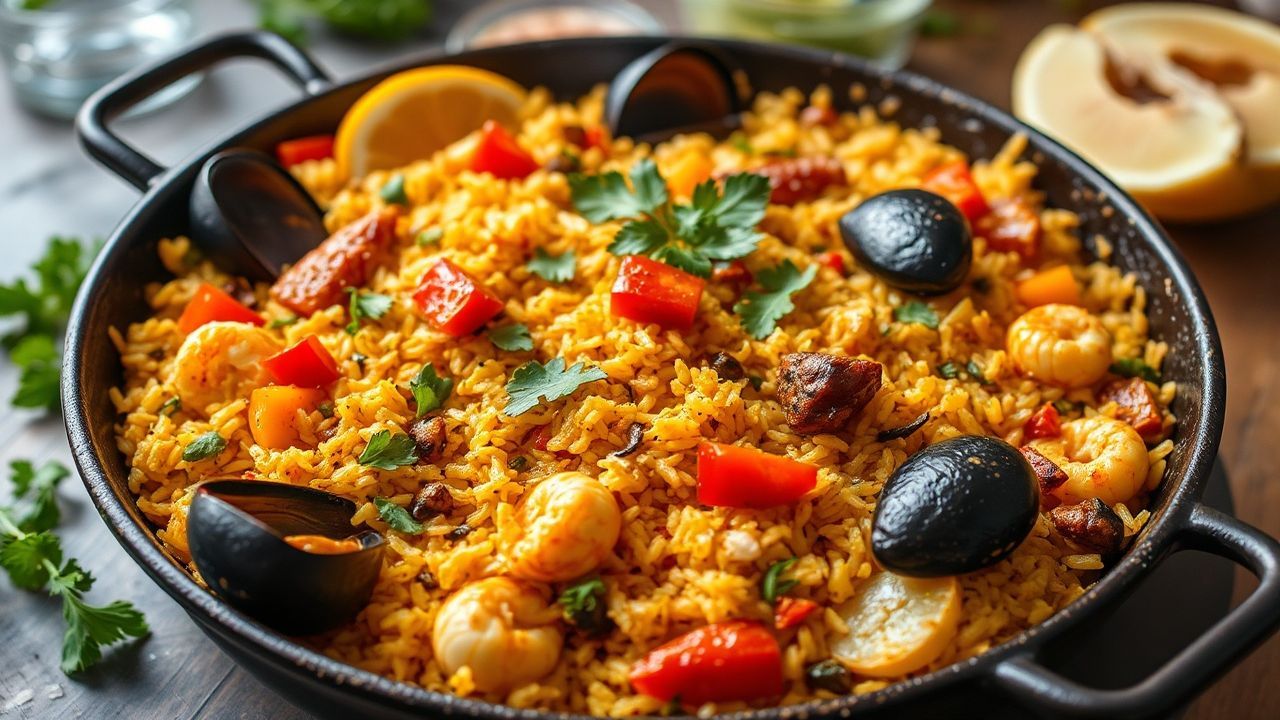

The aroma of saffron, the gentle sizzle of vegetables, the satisfying al dente bite of perfectly cooked rice – these are the sensory hallmarks of a truly memorable paella. For many, the very mention of this iconic Spanish dish conjures images of sun-drenched Valencian shores, brimming with plump mussels, succulent prawns, and tender chicken. Yet, for those who have forgone animal products, the question often arises: can a paella truly capture the spirit of its origins without its traditional protein-rich cast? I recall a particularly memorable encounter at a small, unassuming restaurant in the Gràcia district of Barcelona. The proprietor, a woman whose family had been making paella for generations, initially expressed skepticism when I inquired about a vegan version. “Paella,” she declared, with a twinkle in her eye, “is about the *socarrat*, the toasted rice base, and the depth of flavor from the broth. It is not merely ingredients thrown together.” Her words resonated deeply, echoing a sentiment I’ve encountered many times: the challenge lies not in simply omitting meat and seafood, but in artfully recreating the complex umami, texture, and soul that define a truly exceptional paella. This article seeks to demystify the vegan paella, transforming it from a compromise into a culinary triumph in its own right, capable of standing shoulder-to-shoulder with its ancestral counterpart.
- The Philosophical Core of Vegan Paella
- Crafting the Indispensable Vegan Broth
- The Art of the Rice: Choosing and Cooking
- The Symphony of Vegetables: Texture and Flavor
- The Saffron’s Golden Embrace: Authenticity and Aroma
- The All-Important *Socarrat*: The Holy Grail of Paella
- Vegan Paella: A Detailed Recipe
- Nutritional Information (Per Serving, approximate for 6 servings)
- Expert Pro-Tips for Elevating Your Vegan Paella
- Conclusion
- FAQ
At a Glance: Key Takeaways for Vegan Paella Mastery
- Broth is King: The foundation of a profound vegan paella lies in a deeply flavored vegetable broth, meticulously built to replace the richness of animal stocks.
- Umami Architects: Strategic use of ingredients like dried mushrooms, nutritional yeast, and soy sauce is crucial for replicating the savory depth typically provided by seafood and meat.
- Textural Symphony: A varied selection of vegetables, from tender artichoke hearts to crisp green beans, ensures each bite offers a delightful textural contrast, mimicking the complexity of traditional paella.
- The Socarrat Imperative: Achieving the prized toasted rice crust, the *socarrat*, remains paramount, demanding precise heat control and patience.
The Philosophical Core of Vegan Paella
To approach vegan paella with integrity, one must first understand its essence. The traditional Valencian paella, recognized by its UNESCO Intangible Cultural Heritage status, is proof of the bounty of its region. Its core components – rice, saffron, olive oil, and a carefully constructed broth – are inherently plant-based. The challenge arises when we consider the proteins, the elements that contribute significant umami and texture. Simply removing them leaves a void. The art of vegan paella, therefore, is not an act of omission but of intelligent substitution and augmentation. It’s about understanding the flavor profiles and textural contributions of each traditional ingredient and finding plant-based analogues that can replicate or even enhance them. This requires a nuanced understanding of ingredient synergy and a willingness to experiment beyond the conventional.
Deconstructing the Traditional Paella
The traditional paella often features rabbit, chicken, and sometimes snails, alongside beans like *garrofó* (a large white butter bean) and *ferraúra* (a flat green bean). The broth, typically made from simmering the bones and meat of these proteins, forms the soul of the dish, imbuing the rice with a profound savory depth. Seafood paellas introduce the briny, oceanic notes of mussels, clams, prawns, and squid, contributing their own distinct flavor profiles and textural elements. The saffron, of course, is non-negotiable, lending its characteristic golden hue and subtly floral aroma. Olive oil is the unifier, the medium through which flavors meld.
Crafting the Indispensable Vegan Broth
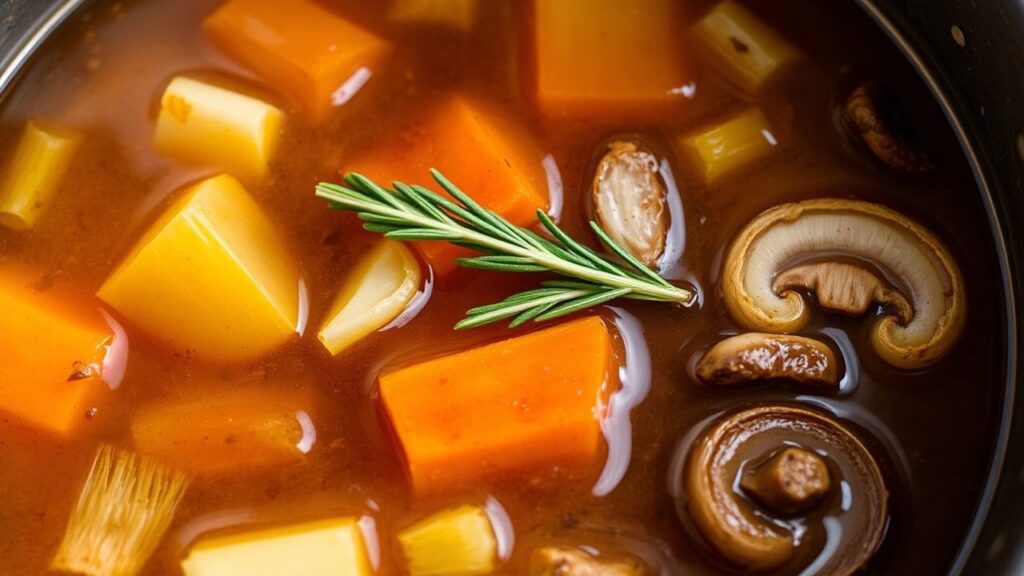
The bedrock of any exemplary vegan paella is a robust, deeply flavored vegetable broth. This isn’t about a watery, bland liquid; it’s a carefully constructed elixir designed to mimic the complexity of a meat or seafood stock. Think of it as building layers of flavor, much like a chef would for a classic consommé.
Building the Umami Foundation
Several key ingredients can elevate a humble vegetable broth into a paella-worthy foundation:
- Dried Mushrooms: Shiitake, porcini, or even rehydrated dried wild mushrooms are powerhouses of umami. Their intense savory notes are unparalleled. Rehydrate them in hot water, then use both the mushrooms (chopped finely) and the flavorful soaking liquid in your broth.
- Roasted Vegetables: Roasting brings out the natural sweetness and depth of vegetables. Carrots, onions, celery, and leeks, when caramelized in the oven, contribute a rich, earthy sweetness that forms a superb base.
- Tomato Paste & Sun-Dried Tomatoes: A tablespoon or two of good quality tomato paste, sautéed until it deepens in color, adds a concentrated tomato flavor. Sun-dried tomatoes, rehydrated and added to the broth, lend a chewy texture and an intense, almost meaty flavor.
- Nutritional Yeast: This deactivated yeast offers a cheesy, nutty, and savory flavor that can surprisingly mimic some of the richness found in animal products. It’s a vegan pantry staple for a reason.
- Seaweed (Kombu): A small piece of kombu added to the simmering broth can impart a subtle oceanic salinity and a boost of umami, particularly effective for those aiming for a “seafood” paella profile.
- Soy Sauce or Tamari: A splash of good quality soy sauce or tamari (for a gluten-free option) can add a significant depth of savory flavor. Use sparingly, as it can become dominant.
The Art of the Rice: Choosing and Cooking
The choice of rice is paramount for paella. The ideal grain is short to medium, with a high starch content that absorbs liquid beautifully without becoming mushy.
Rice Varieties for Paella
- Bomba Rice: This is the undisputed champion for authentic paella. Its ability to absorb three times its volume in liquid without breaking down makes it forgiving and ideal for achieving the perfect texture.
- Calasparra Rice: Another excellent Spanish short-grain rice, similar to Bomba in its absorption qualities.
- Arborio Rice (Risotto Rice): While not traditional, Arborio can be a reasonable substitute if Bomba or Calasparra are unavailable. However, it has a higher starch content, meaning you need to be extra vigilant to avoid a risotto-like creaminess. The goal for paella is distinct, separate grains.
The cooking method is crucial. The rice should be toasted lightly in the paella pan with olive oil before the liquid is added. This helps to seal the grains and contributes to the final texture. The key is to cook the rice uncovered, allowing the liquid to evaporate and the rice to absorb the flavors. Resist the urge to stir the rice once the broth is added; this can release too much starch and create a creamy texture instead of separate grains.
The Symphony of Vegetables: Texture and Flavor
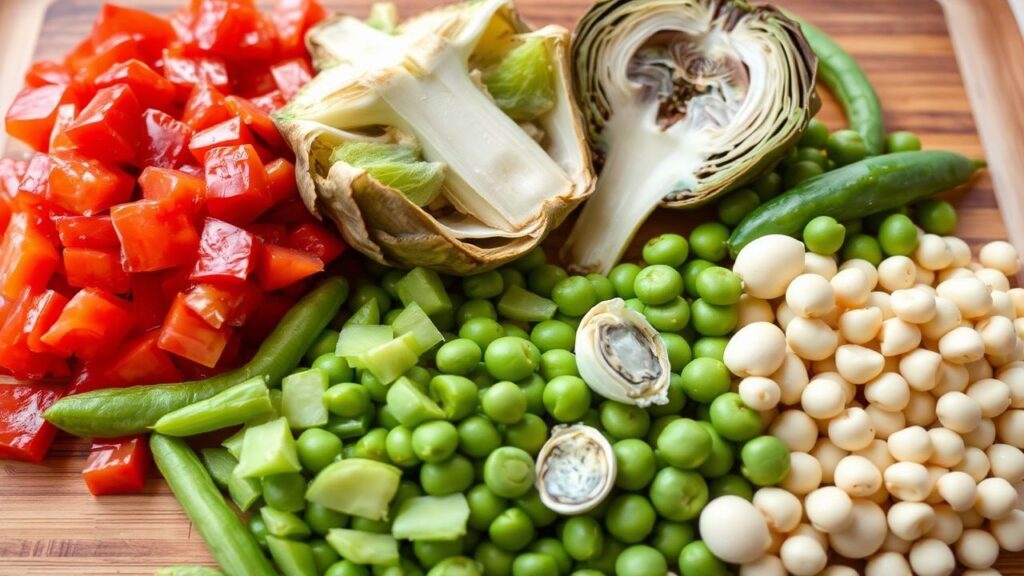
Vegan paella thrives on a diverse and vibrant medley of vegetables. Each vegetable plays a role, contributing not just color and flavor, but also crucial textural elements that prevent the dish from becoming monotonous.
Key Vegetable Players
- Green Beans: Traditional *ferraúra* or flat green beans are excellent. French green beans or even snap peas can also work. They provide a satisfying crunch.
- Artichoke Hearts: Canned or jarred artichoke hearts, quartered, offer a tender, slightly tangy bite. Fresh artichoke hearts, if you have the patience to prepare them, are even better.
- Peppers: Red bell peppers, cut into strips or diced, add sweetness and a vibrant splash of color. Piquillo peppers, often found jarred, offer a smoky, sweet flavor.
- Peas: Fresh or frozen peas add pops of sweetness and a tender texture.
- Zucchini and Squash: Diced zucchini or yellow squash can add a subtle sweetness and a soft texture.
- Mushrooms: Beyond the dried mushrooms for the broth, fresh mushrooms like cremini or shiitake, sliced and sautéed, can add a meaty texture and earthy flavor.
- Asparagus: Asparagus spears, trimmed and cut into pieces, add a fresh, slightly bitter note and a pleasant crispness.
The Saffron’s Golden Embrace: Authenticity and Aroma
Saffron is the soul of paella, providing its signature golden hue and a subtly floral, earthy aroma that is unmistakable. Investing in good quality saffron threads is essential.
Infusing the Saffron
To maximize its flavor and color, saffron threads should be steeped in a small amount of warm (not boiling) liquid – either some of your prepared vegetable broth or warm water – for at least 10-15 minutes before being added to the paella. This process, known as blooming, releases the volatile compounds responsible for its distinct characteristics. The vibrant orange-red threads will soften and release their color into the liquid, creating a potent infusion.
The All-Important *Socarrat*: The Holy Grail of Paella
The *socarrat* refers to the thin, toasted layer of rice that forms on the bottom of the paella pan. It’s a delicate balance of perfectly cooked rice and a gentle char, offering a delightful textural contrast and a concentrated burst of flavor. Achieving it is a badge of honor for any paella maker.
Techniques for the Perfect *Socarrat*
1. Heat Control: Once the liquid has been absorbed by the rice and the grains appear cooked, turn up the heat for the final 1-3 minutes. Listen carefully. You should hear a gentle crackling sound, indicating the rice is toasting.
2. The Aroma Test: A subtle, toasty aroma will begin to fill the air. This is your cue to check.
3. Gentle Probe: Use a spatula to gently lift a small portion of rice from the edge of the pan. If it releases easily and has a golden-brown, slightly crispy underside, you’ve achieved the *socarrat*.
4. Patience is Key: Don’t rush this stage. Too much heat too soon will burn the rice, rendering it bitter. Too little heat, and you’ll simply have dry rice.
Vegan Paella: A Detailed Recipe
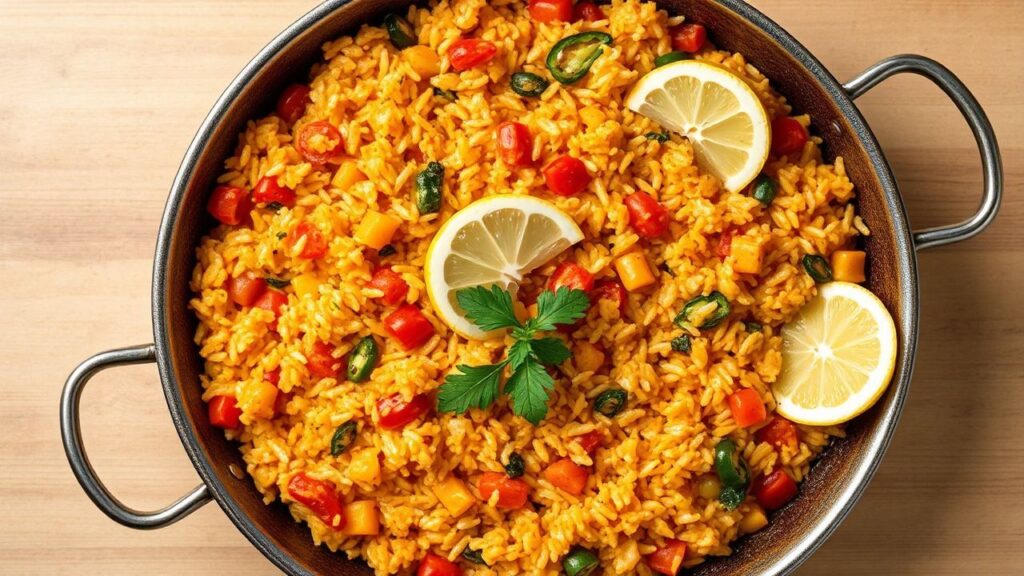
This recipe focuses on creating a robust, flavorful vegan paella that stands on its own merits, celebrating the vibrant ingredients of the plant kingdom.
Ingredients (Serves 4-6)
- For the Broth:
- 2 liters (8.5 cups) water
- 1 large onion, quartered
- 2 carrots, roughly chopped
- 2 celery stalks, roughly chopped
- 1 leek (white and light green parts), roughly chopped
- 20g (0.7 oz) dried shiitake mushrooms
- 2 dried bay leaves
- 4 sprigs fresh thyme
- 1 small piece of kombu (approx. 5cm x 5cm / 2in x 2in)
- 1 tablespoon tomato paste
- 1 teaspoon black peppercorns
- Salt to taste
- For the Paella:
- 4 tablespoons (60ml) extra virgin olive oil
- 1 medium red onion, finely chopped
- 2 cloves garlic, minced
- 1 red bell pepper, deseeded and cut into bite-sized pieces
- 150g (5.3 oz) green beans, trimmed and cut into 2-3cm (1 inch) pieces
- 200g (7 oz) artichoke hearts (from can or jar), quartered
- 100g (3.5 oz) fresh or frozen peas
- 1 teaspoon smoked paprika (pimentón de la Vera)
- A generous pinch of saffron threads (approx. 0.5g / 0.02 oz)
- 300g (1.5 cups) Bomba or Calasparra rice
- 1.2 liters (5 cups) hot, strained vegan vegetable broth (from above)
- 2 tablespoons finely chopped fresh parsley, for garnish
- Lemon wedges, for serving
- Optional: 50g (1.7 oz) toasted slivered almonds for topping
Preparation Method
1. Make the Vegetable Broth: In a large pot, combine water, quartered onion, carrots, celery, leek, dried shiitake mushrooms, bay leaves, thyme, kombu, tomato paste, and peppercorns. Bring to a boil, then reduce heat and simmer gently, covered, for at least 1 hour, or up to 2 hours for a richer flavor. Strain the broth through a fine-mesh sieve, pressing down on the solids to extract maximum liquid. Discard the solids. Season the broth with salt to taste. You should have approximately 1.5 liters (6.5 cups) of broth. Set aside.
2. Infuse the Saffron: In a small bowl, combine the saffron threads with about 100ml (0.4 cups) of the hot, strained vegetable broth. Let steep for at least 15 minutes.
3. Prepare the Paella Pan: Heat the olive oil in a 34-36cm (13-14 inch) paella pan over medium heat. Add the finely chopped red onion and sauté until softened and translucent, about 5-7 minutes.
4. Sauté the Vegetables: Add the minced garlic and sauté for 1 minute until fragrant. Add the red bell pepper and green beans. Cook for 5-7 minutes until the peppers begin to soften and the green beans are bright green. Stir in the artichoke hearts and peas, cooking for another 2 minutes.
5. Toast the Rice: Add the Bomba rice to the pan. Stir well to coat the grains with the olive oil and vegetables. Toast the rice for 1-2 minutes, stirring constantly, until the edges of the grains appear slightly translucent. Stir in the smoked paprika and cook for 30 seconds until fragrant.
6. Add the Liquids: Pour in the hot vegetable broth and the saffron infusion. Stir gently to distribute the rice and vegetables evenly across the pan. Do not stir the rice again once this point. Ensure the rice is submerged.
7. Simmer and Cook: Bring the liquid to a gentle simmer. Cook, uncovered, for about 15-18 minutes, or until most of the liquid has been absorbed and the rice is tender but still has a slight bite (al dente). You should see small craters forming on the surface of the rice as the liquid evaporates.
8. Achieve the *Socarrat*: Once the liquid is mostly absorbed, increase the heat to medium-high for the final 1-3 minutes. Listen for the gentle crackling sound and smell for the toasty aroma. Carefully check the bottom of the pan with a spatula to ensure a golden-brown, crispy layer is forming without burning.
9. Rest and Serve: Remove the paella from the heat. Cover loosely with a clean kitchen towel or foil and let it rest for 5-10 minutes. This allows the flavors to meld and the rice to finish cooking. Garnish with fresh parsley and toasted slivered almonds (if using). Serve immediately with lemon wedges.
Nutritional Information (Per Serving, approximate for 6 servings)
- Calories: 450-500 kcal
- Protein: 10-12g
- Fat: 15-18g (primarily from olive oil)
- Carbohydrates: 65-70g
- Fiber: 8-10g
- Vitamins & Minerals: Rich in Vitamin C (from peppers), Vitamin A (from carrots), Iron (from spinach if added, and nutritional yeast), and B vitamins (from nutritional yeast).
*Note: Nutritional values are estimates and can vary based on specific ingredients and portion sizes.*
Expert Pro-Tips for Elevating Your Vegan Paella
These are the nuances that separate a good vegan paella from an extraordinary one, drawing on decades of culinary observation and experimentation.
Beyond the Basics: Enhancements and Variations
- Add Leafy Greens: For an extra boost of nutrients and a lovely visual element, stir in a handful of fresh spinach or kale during the last 5 minutes of cooking. It will wilt beautifully into the rice.
- Introduce Fungi Power: Beyond dried shiitakes, consider sautéing fresh oyster mushrooms or king oyster mushrooms until golden brown and adding them to the paella before the rice. Their meaty texture and rich flavor are exceptional.
- Citrus Zest: A little finely grated lemon or orange zest added towards the end of cooking can brighten the flavors and add another layer of aromatic complexity.
- Smoked Tofu or Tempeh: For those who desire a more “meaty” component, finely diced and pan-fried smoked tofu or tempeh can be added alongside the vegetables. Ensure it’s well-seasoned and has a good sear.
- The Power of Herbs: Don’t underestimate the impact of fresh herbs. Besides parsley, a sprinkle of fresh rosemary or thyme leaves added in the final minutes can be transformative.
Conclusion
The vegan paella is not an imitation; it is a celebration of plant-based ingredients, proof of the versatility of this iconic Spanish dish. By understanding the fundamental principles of flavor building, textural contrast, and the crucial element of the *socarrat*, one can create a vegan paella that is not only satisfying but truly spectacular. It’s a dish that speaks of sunshine, community, and the enduring joy of good food, proving that compassion and culinary excellence can indeed go hand in hand. The journey to mastering vegan paella is one of exploration and discovery, rewarding the patient cook with a plate full of vibrant flavors and textures that will undoubtedly impress.
FAQ
What is the most important element in a vegan paella?
The most critical element in a vegan paella is the broth. Because traditional paella derives so much of its depth and flavor from meat or seafood stocks, a well-constructed, intensely flavored vegetable broth is paramount. This means using ingredients like roasted vegetables, dried mushrooms, tomato paste, and potentially a touch of nutritional yeast or soy sauce to build layers of umami and richness that will permeate the rice and vegetables. Without a robust broth, the vegan paella risks being bland and uninspired.
Can I substitute other types of rice for Bomba or Calasparra rice?
While Bomba and Calasparra are the traditional and ideal choices for paella due to their ability to absorb liquid without becoming mushy, other short-grain rices can be used as substitutes if necessary. Arborio rice (used for risotto) is a common alternative. However, it has a higher starch content, so you must be very careful not to overcook it or stir it excessively, as this will lead to a creamy, risotto-like texture rather than the distinct grains desired in paella. The key is to achieve separate, al dente grains that have absorbed the flavor of the broth. If using Arborio, you might need to slightly reduce the cooking time and watch it very closely.
How do I ensure I get the “socarrat” in a vegan paella?
Achieving the *socarrat*, the coveted toasted crust of rice at the bottom of the pan, is a skill that requires attention and practice, even with vegan paella. The fundamental principle remains the same: after the rice has absorbed most of its liquid and is cooked through, you need to increase the heat for the final few minutes of cooking. Listen for a gentle crackling sound, which indicates the rice is toasting. Smell for a slightly toasty aroma. You can also carefully lift a small section of rice with a spatula to check for a golden-brown, slightly crisp bottom layer. The key is to monitor the heat closely; too high, and it will burn, resulting in a bitter taste. It’s a delicate balance between achieving that desirable crispness and avoiding burning.
What vegetables are essential for a flavorful vegan paella?
While the exact vegetable selection can be varied, certain vegetables are particularly well-suited for vegan paella, contributing both flavor and texture. Green beans (traditional *ferraúra* or French beans) are crucial for their crispness. Red bell peppers add sweetness and vibrant color. Artichoke hearts provide a tender, slightly tangy element. Peas offer bursts of sweetness. For added depth, consider incorporating mushrooms (fresh or dried, as discussed in the broth) and even some leafy greens like spinach or kale towards the end of cooking. The goal is to create a diverse medley that offers a range of textures and flavors, ensuring each spoonful is interesting and satisfying.
See also: Paella