
Can a single dish trace a nation’s journey through climate, empire, and daily life? Peruvian chicken embodies that fusion, pairing coastal brightness with Andean warmth and bright herbs.
- Insight: Authentic flavor starts with quality ingredients and precise technique, not shortcuts.
- Insight: The creamy green sauce hinges on balance between brightness, fat, and aromatics.
- Insight: Mise en place is the secret to calm, confident cooking and consistent results.
Engaging Introduction: The Cultural Backbone of Peruvian Chicken
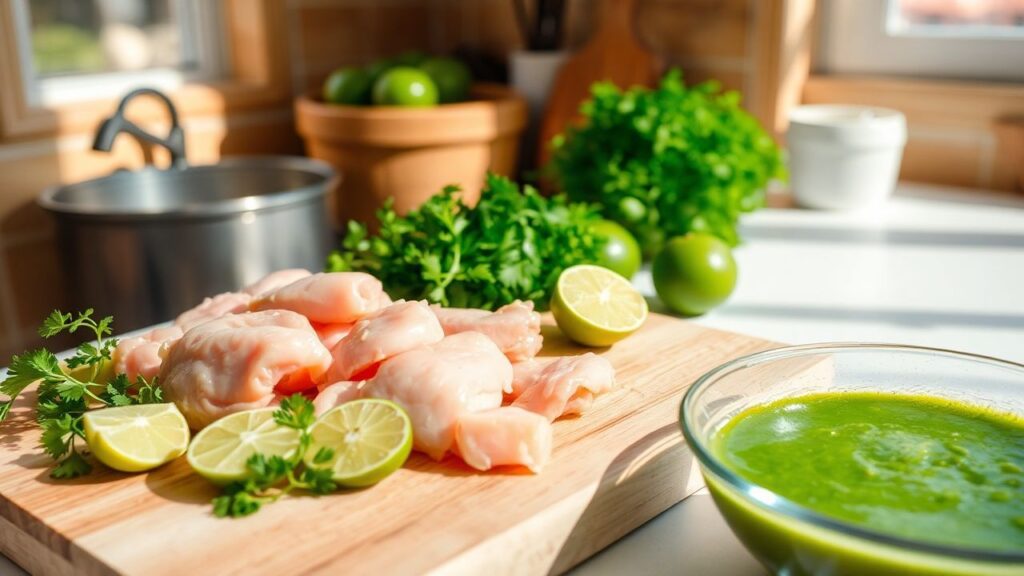
Peruvian chicken is more than a recipe; it speaks of coast and highlands, blending the simplicity of grilled meat with a bright, herbaceous green sauce. It travels from coastal markets, where lime and cilantro wake the senses, to inland kitchens, where slow simmer and careful emulsification build depth. The result is a plate that feels both rustic and refined—familiar yet lively with herbal notes and citrus lift. Understanding this history helps cooks approach the technique with confidence.
The technique hinges on heat control, fresh aromatics, and a creamy emulsification that moves a dish from home dining to thoughtful, restaurant-like plating. In a modern home kitchen, the goal is to reproduce that harmony: juicy chicken, a vivid green sauce that beads with fat, and an inviting aroma that invites a second bite. See the overview of Peruvian cuisine for broader context—our focus here is practical method, not just flavor notes.
Ingredients
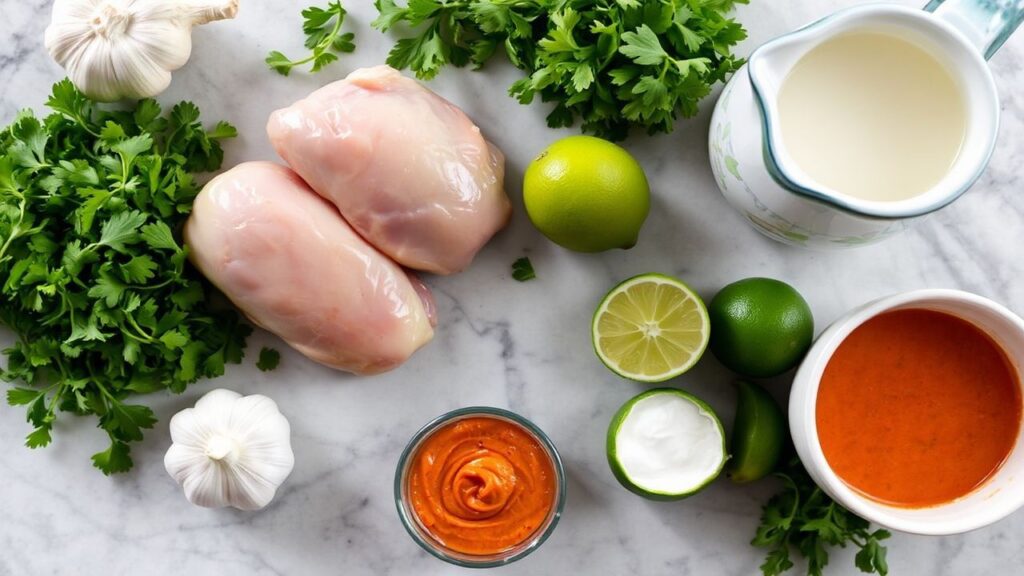
Gathering the right components is the first step toward reliable, restaurant-grade Peruvian chicken. Freshness matters, as does balance: acidity should ride the fat in the green sauce without making it oily or flat. Below is a precise list that covers the chicken, the signature green sauce, and the seasonings that unify the dish.
- Chicken thighs bone-in, skin-on: 1.2 kg (2.6 lb) for juiciness and flavor
- Olive oil: 2 tablespoons (30 ml)
- Salt and black pepper: to taste
- Garlic cloves: 4 large, minced
- Aji amarillo paste: 1-2 teaspoons (adjust for heat)
- Fresh cilantro: 150 g (5 oz), chopped
- Lime juice: 2 tablespoons (30 ml)
- Sour cream or crema: 120 ml (1/2 cup) for creaminess
- Plain yogurt (optional for extra tang): 60 ml (1/4 cup)
- Milk or water: 60-90 ml (1/4-1/3 cup) to adjust the sauce
- Fresh mint leaves (optional): a few for brightness
- Avocado (optional): 1 ripe, for a silky finish
Before you start, set up mise en place: rinse and pat dry the chicken, measure the sauce components, and preheat the pan or grill to an even medium-high. This helps minimize splatter and ensures even browning. The goal is deeply browned chicken with a tender interior, paired with a vibrant, smooth green sauce.
Detailed Preparation Method
Begin with the chicken, the dish’s anchor. Pat pieces dry, rub with a little olive oil, salt, and pepper, and let them rest briefly while you prepare the sauce. Proper browning is essential: a good sear forms a crust that traps juices and flavors inside the meat.
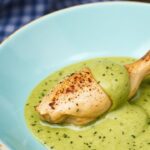
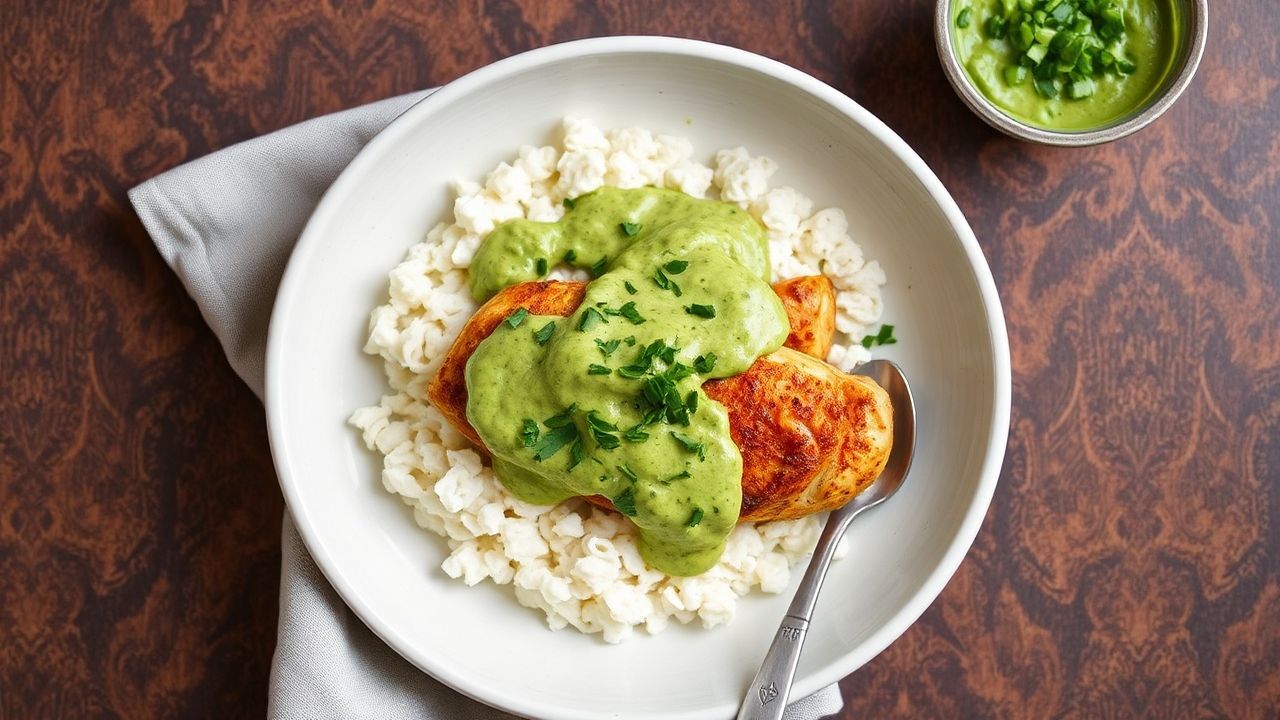
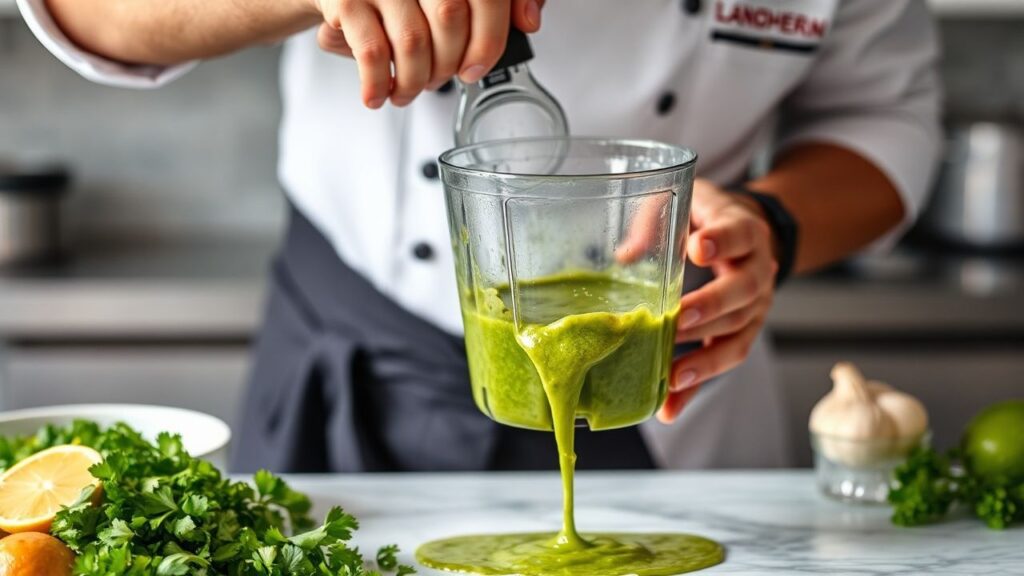
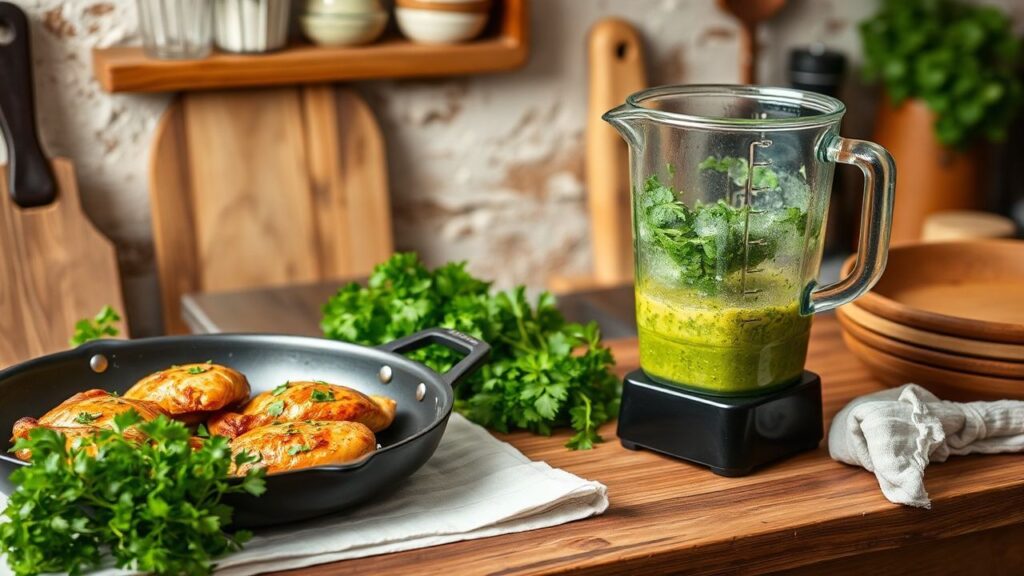
Next, blend the green sauce by combining cilantro, garlic, lime juice, aji amarillo paste, crema, yogurt if using, and a splash of milk or water. Process until smooth and creamy enough to cling to the chicken without feeling heavy. Taste and adjust salt, lime, and heat so brightness remains while the aromatics stay clear.
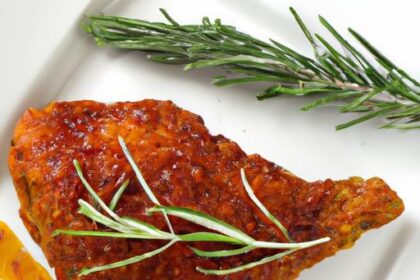
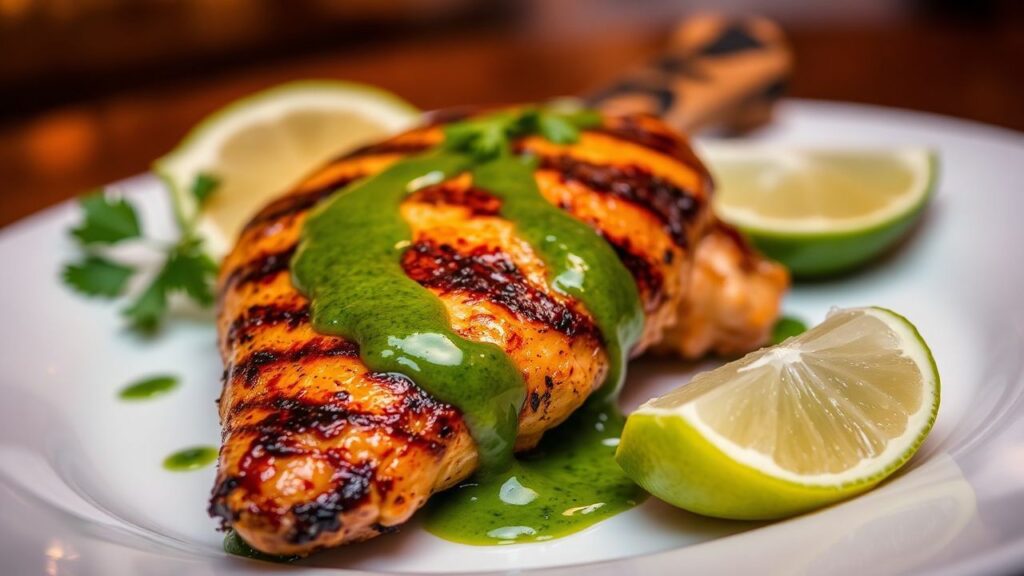
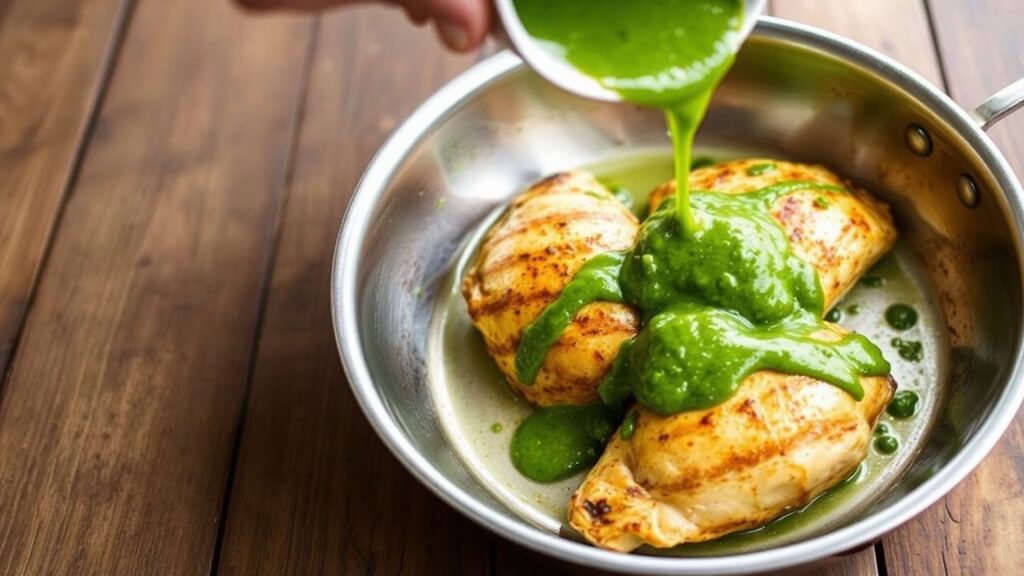
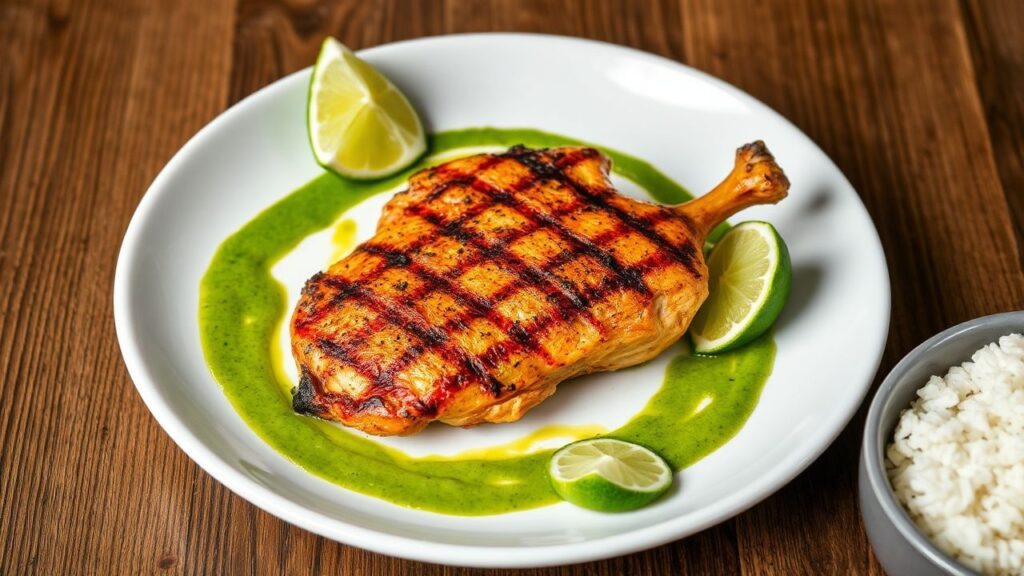
Grill or pan-sear the chicken until the skin is crisp and deeply caramelized, and the internal temperature reaches 74°C (165°F). Rest briefly to redistribute juices, then recoat lightly with the green sauce to finish. A final spoonful or drizzle of sauce on the plate completes the presentation and ensures every bite is balanced.
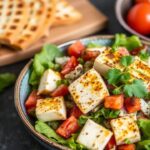
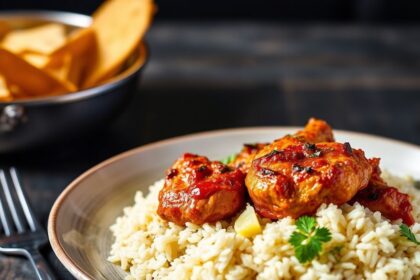
Serve with warm flatbreads or fluffy rice, and a bright salad with avocado if available. The creamy green sauce should bloom on the palate as you bite into the chicken, releasing herbal notes and a gentle tang from lime and garlic.
Chef’s Note: Technique and Consistency
For consistency, monitor the sauce temperature as you emulsify. If the sauce breaks, whisk in more crema or yogurt and a splash of cold water to recombine the emulsion. Keep the greens bright and the texture smooth so every bite delivers the same creamy comfort.
The chicken should not be rushed. A patient sear yields a deeper crust and better juiciness. If you’re using bone-in thighs, plan an extra five to seven minutes of cook time and finish with indirect heat to avoid scorching the skin. This careful approach translates to a plate that looks as good as it tastes.
Detailed Nutritional Info
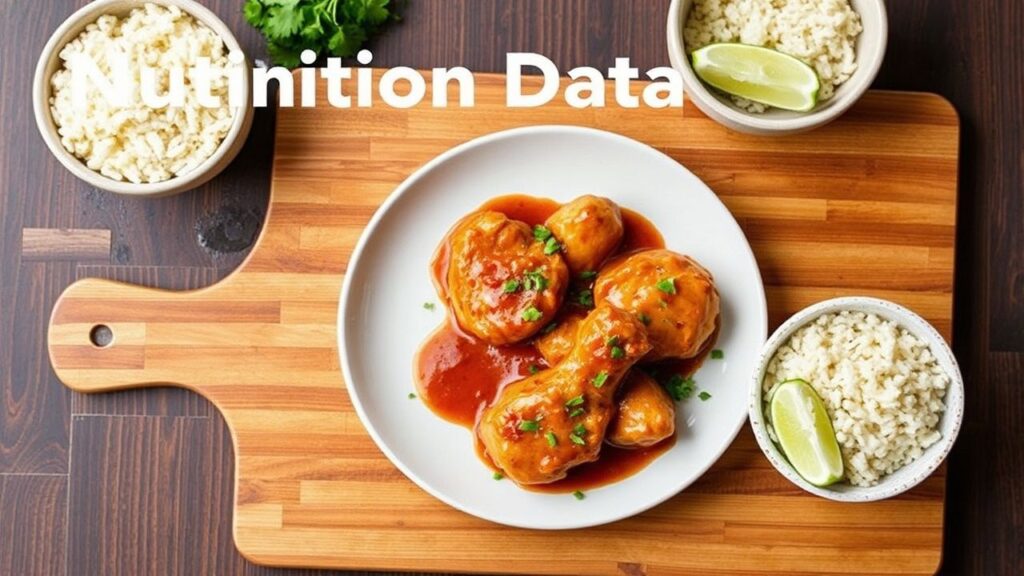
Per serving, this Peruvian chicken with creamy green sauce delivers a balanced profile of protein, fats, and fresh herbs. The exact numbers vary with ingredient choices (full-fat crema vs. light yogurt, extra avocado, etc.), but the following provides a practical baseline for planning meals and macros.
Approximate per serving (1/4 of the recipe): 420-520 kcal; Protein 38-44 g; Carbohydrates 8-12 g (mostly from vegetables and greens); Fat 26-34 g (primarily from olive oil and crema); Fiber 2-4 g; Sodium 450-700 mg.
To manage calories without sacrificing flavor, consider skinless chicken portions and a lighter dairy approach. If you want to boost fiber and micronutrients, increase the herb component and add a side of roasted vegetables. The green sauce retains its brightness even when scaled, so you can adjust portions without compromising the dish’s character.
Expert Pro-Tips
Strong flame control and precise seasoning make the difference between good and great Peruvian chicken. Here are field-tested tips used by professional cooks to elevate this dish to restaurant quality.
Tip: Use fresh cilantro stems in the sauce as well as leaves for deeper aroma. The stems carry essential oils that lift the final flavor without adding bitterness when emulsified properly.
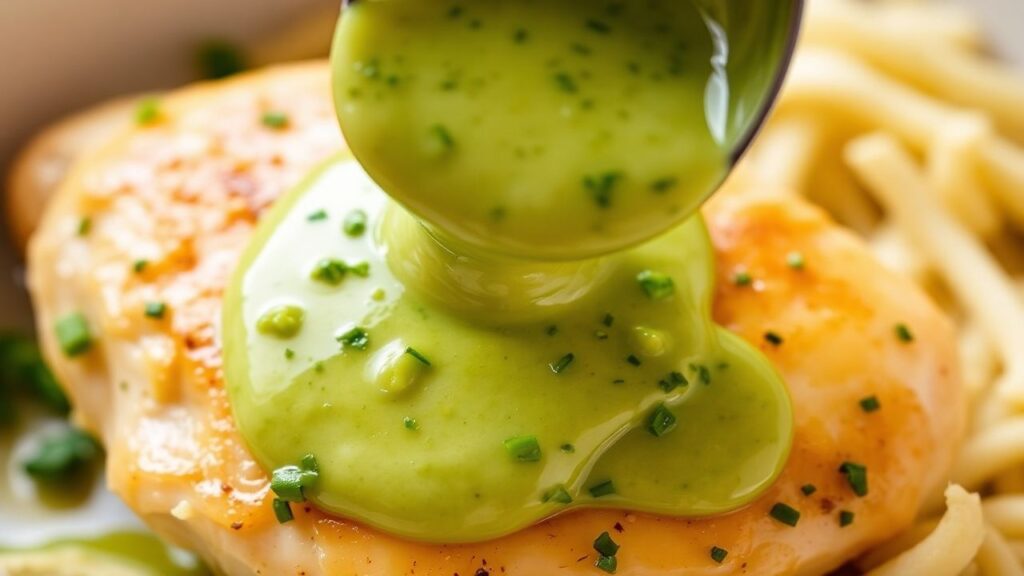
The sauce should embrace the chicken, not drown it. If the mixture is too thick, thin with a splash of milk or water; if too thin, thicken with a touch more crema or yogurt. An even coat on every piece signals precision in technique and care in plating.
Balancing heat and acidity is another hallmark of professionalism. Aji amarillo provides warmth, but its intensity varies by batch. Taste early, adjust heat gradually, and avoid rushing the sauce. The relationship between fat, acid, and greens is delicate and must be tuned in small steps to achieve a harmonious finish.
Conclusion: Mastery Through Method
Mastering Peruvian chicken with creamy green sauce is less about chasing novelty and more about disciplined technique and thoughtful ingredient choices. The dish rewards cooks who layer flavors, control heat, and maintain the emulsion with deliberate adjustments. When you plate it, you’re not just serving a meal; you’re presenting a narrative of culinary precision that honors both tradition and modern technique.
As you practice, record your adjustments—especially how the sauce thickens and how the chicken browns. Small notes translate into big improvements across multiple cooks and kitchens. The result is a reliable, crave-worthy dish that delivers the bright, comforting punch of Peruvian chicken with a creamy, herb-laden green sauce every single time.
FAQ
What cuts of chicken work best for Peruvian chicken with creamy green sauce?
Bone-in, skin-on thighs deliver flavor and juiciness that stand up to the sauce. If you prefer leaner options, skinless thighs or boneless breast can work, but you may need to adjust cooking times to preserve moisture.
Experiment with different cuts to find the balance you like, then standardize your method for repeatable results.
Can I make the green sauce in advance?
Yes. Prepare the sauce a few hours ahead and refrigerate in an airtight container. Bring to room temperature and whisk before serving to re-emulsify any separated oils. Fresh herbs still carry the bright notes after resting.
Chilling can intensify some flavors, so consider tasting and adjusting salt and citrus after refrigeration.
What dietary adjustments can maintain flavor while reducing fat?
Use dairy alternatives like light yogurt or low-fat crema, or substitute with a neutral dairy-free cream. Increase cilantro and lime for brightness, and consider avocado garnish for texture without relying on heavy fats.
Replacing a portion of the fat with broth can also help keep the emulsion stable without sacrificing mouthfeel.
Is there a vegetarian version of this concept?
Yes. A plant-based protein like cauliflower steaks or chickpeas can be paired with the same green sauce. Searing the vegetables to achieve caramelization mirrors the approach used for chicken and delivers a similar flavor profile.
Adjust cooking times for vegetables and ensure the greens and dairy provide a creamy contrast to the protein substitute.
How do I plate Peruvian chicken for a restaurant-like presentation?
Place the protein on a warmed plate, spoon a generous amount of sauce around and over the meat, and finish with a light drizzle of oil and a few herb sprigs for color. A wedge of lime on the side and a simple starch (rice or potatoes) completes the composition.
Attention to garnish and portion balance will elevate the dish’s perceived value and guest satisfaction.
See also: Peruvian chicken