
“The secret to truly exceptional Thai cuisine lies not just in the ingredients, but in the spirit with which they are assembled. It’s about balance, fragrance, and a touch of the unexpected.” – David Thompson, renowned Thai food authority.
- The Allure of Pineapple Fried Rice: A Symphony of Sweet, Savory, and Tangy
- The Quintessential Ingredients: Building Blocks of Flavor
- Rice: The Canvas
- Protein: The Heart of the Dish
- Aromatics & Vegetables: The Fragrant Chorus
- The Flavor Architects: Sauces and Seasonings
- Fat for Frying: The Medium of Transformation
- The Art of Preparation: A Step-by-Step Culinary Journey
- Step 1: Mise en Place – The Foundation of Efficiency
- Step 2: The Pineapple Preparation (For Serving Vessel)
- Step 3: Building the Aromatic Base
- Step 4: Cooking the Chicken
- Step 5: Incorporating Vegetables and Rice
- Step 6: The Flavor Infusion
- Elevating the Dish: Expert Pro-Tips for Restaurant-Quality Pineapple Fried Rice
- Nutritional Profile: A Tropical Treat, Balanced
- Variations and Enhancements: Personalizing Your Pineapple Fried Rice
- A Culinary Icon: The Cultural Significance of Pineapple Fried Rice
- Frequently Asked Questions about Pineapple Fried Rice
The Allure of Pineapple Fried Rice: A Symphony of Sweet, Savory, and Tangy
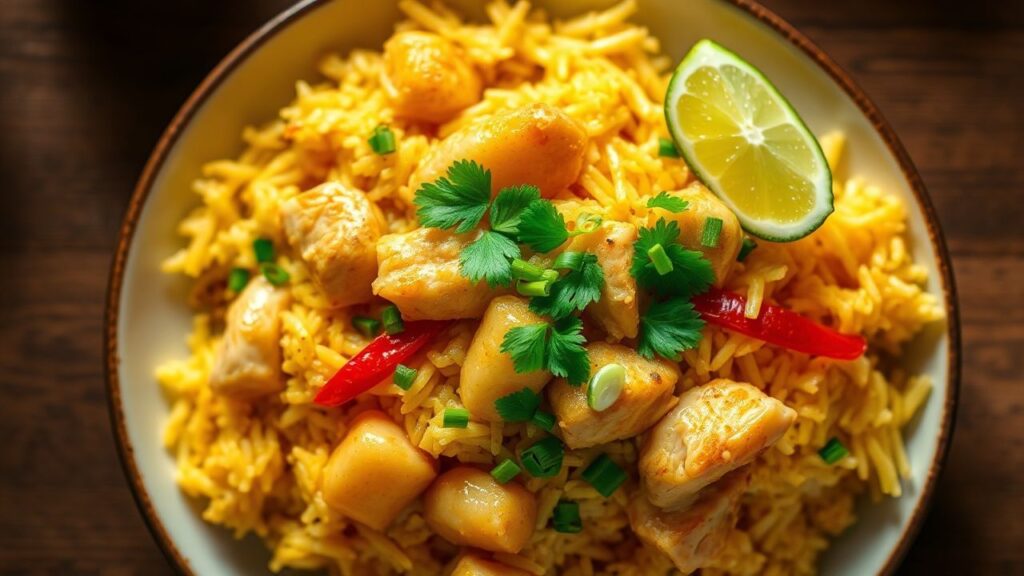
The mere mention of Pineapple Fried Rice conjures images of sun-drenched beaches, vibrant markets, and the intoxicating aromas of Southeast Asia. This iconic Thai dish, often presented theatrically within a hollowed-out pineapple, is far more than just a visually striking presentation; it’s a culinary masterpiece that perfectly encapsulates the Thai philosophy of flavor harmony. When executed with precision and understanding, it delivers an explosion of sweet, savory, and tangy notes, punctuated by the subtle heat of chili and the fragrant depth of aromatics. Its appeal transcends borders, captivating palates with its accessible yet complex flavor profile. This article demystifies the creation of authentic Thai Chicken Fried Rice with Pineapple, guiding you through every nuance from ingredient selection to the final, exquisite plating.
Key Takeaways: Mastering Thai Pineapple Fried Rice
- The Foundation: Utilize day-old, fragrant jasmine rice for optimal texture, preventing a mushy final product.
- Flavor Balance: Achieve the signature sweet-savory-tangy profile through the strategic use of pineapple, fish sauce, and lime.
- Aromatic Depth: Don’t shy away from aromatics like garlic, shallots, and chilies; they are crucial for authentic Thai flavor.
- The Pineapple Vessel: Properly preparing the pineapple shell is key to both presentation and infusing the rice with tropical essence.
The genesis of Pineapple Fried Rice is somewhat debated, with influences often traced back to the mid-20th century, a period of increased cultural exchange and a desire to create dishes that were both visually appealing and distinctly Thai. While some argue for Chinese stir-fry origins, the Thai adaptation, particularly the inclusion of fresh fruit and a more complex interplay of sweet and sour elements, sets it apart. It embodies the Thai approach to stir-frying, where speed and high heat are paramount to achieving that desirable wok hei – the smoky, seared flavor imparted by a seasoned wok. The addition of pineapple, with its inherent sweetness and slight acidity, not only adds a unique flavor dimension but also acts as a natural tenderizer for the chicken, a subtle yet significant detail in its overall deliciousness.
The Quintessential Ingredients: Building Blocks of Flavor
The soul of any great dish resides in its ingredients. For an authentic Pineapple Fried Rice, selecting the right components is paramount to achieving that sought-after balance and aroma. Each element plays a critical role in the final symphony of flavors.
Rice: The Canvas
The most crucial element for any fried rice is the rice itself. For Pineapple Fried Rice, fragrant jasmine rice is the undisputed champion. Its slightly sticky texture and delicate floral aroma are indispensable. However, the *type* of rice is only half the battle; the *state* of the rice is equally vital.
- Day-Old Cooked Jasmine Rice: This is non-negotiable. Freshly cooked rice contains too much moisture, which will inevitably lead to a mushy, clumpy fried rice. Refrigerating cooked rice allows it to dry out slightly, making each grain distinct and perfect for stir-frying. Aim for rice that has been cooked at least 8-12 hours prior.
- Quantity: 2 cups (approx. 400g) cooked jasmine rice.
Protein: The Heart of the Dish
Chicken is the traditional and most popular choice for Pineapple Fried Rice, offering a mild flavor that readily absorbs the surrounding tastes.
- Boneless, Skinless Chicken Thighs or Breasts: Thighs are often preferred for their succulence and ability to remain moist during the high-heat cooking process. However, well-trimmed chicken breasts can also yield excellent results if not overcooked.
- Preparation: Cut into bite-sized pieces, approximately 1.5 cm (½ inch) cubes.
- Marinade (Optional but Recommended):
- 1 tablespoon fish sauce (Thai brand, if possible)
- 1 teaspoon soy sauce (light soy sauce)
- ½ teaspoon sesame oil
- A pinch of white pepper
Aromatics & Vegetables: The Fragrant Chorus
These elements provide the foundational flavor and textural complexity.
- Garlic: 3-4 cloves, minced. The pungent aroma is a cornerstone of Thai cooking.
- Shallots: 1 medium, thinly sliced. Shallots offer a milder, sweeter onion flavor than yellow onions.
- Fresh Pineapple: 1 cup (approx. 200g) ripe pineapple, cut into 1.5 cm (½ inch) cubes. Choose a sweet, ripe pineapple; avoid overly tart varieties. Reserve some for garnish.
- Peas: ½ cup (approx. 75g) frozen or fresh peas. They add a pop of sweetness and color.
- Red Bell Pepper: ½ cup (approx. 75g), diced. For color and a mild sweetness.
- Scallions (Green Onions): 2-3 stalks, white and green parts separated, thinly sliced. Whites for cooking, greens for garnish.
The Flavor Architects: Sauces and Seasonings
This is where the magic of Thai balance truly comes alive.
- Fish Sauce: 2-3 tablespoons. The quintessential Thai umami bomb. Adjust to taste.
- Oyster Sauce: 1 tablespoon. Adds a savory depth and a glossy finish.
- Sugar: 1-2 teaspoons. To balance the saltiness and acidity. Palm sugar is traditional and adds a nuanced sweetness.
- Lime Juice: 1-2 teaspoons, freshly squeezed. For that essential bright, tangy counterpoint. Add at the end.
- Curry Powder (Thai or Mild Indian): 1-2 teaspoons. This is a key ingredient in many authentic Pineapple Fried Rice recipes, lending a subtle warmth and golden hue.
- Chili: 1-2 Thai bird’s eye chilies, finely chopped (optional, for heat). Adjust according to your spice preference.
Fat for Frying: The Medium of Transformation
- Vegetable Oil or Peanut Oil: 2-3 tablespoons. A neutral oil with a high smoke point is ideal for stir-frying.
The Art of Preparation: A Step-by-Step Culinary Journey
Executing Pineapple Fried Rice is a dance of precise movements and controlled heat. Each step is designed to build flavor and texture, culminating in a dish that is both comforting and exciting.
Step 1: Mise en Place – The Foundation of Efficiency
Before any heat touches the wok, ensure all your ingredients are prepped, measured, and within easy reach. This is critical for stir-frying, where cooking times are rapid.
1. Rice: Fluff the day-old cooked rice with a fork to separate grains.
2. Chicken: Marinate the chicken pieces in fish sauce, soy sauce, sesame oil, and white pepper for at least 15 minutes.
3. Vegetables & Aromatics: Mince garlic, slice shallots, dice pineapple, dice bell pepper, slice scallions (separating whites and greens), and chop chilies if using.
Step 2: The Pineapple Preparation (For Serving Vessel)
If you intend to serve your Pineapple Fried Rice in the pineapple shell, this is the time to prepare it.
1. Cut the Pineapple: Slice the pineapple in half lengthwise.
2. Hollow Out: Carefully use a sharp knife to cut around the flesh of each half, leaving about 1.5 cm (½ inch) of flesh attached to the rind. Then, cut the pineapple flesh into cubes and scoop it out. Reserve the rind halves.
3. Drain: Ensure the hollowed-out rind halves are thoroughly drained to prevent sogginess.
Step 3: Building the Aromatic Base
This step is crucial for infusing the oil with foundational flavors.
1. Heat the Wok/Pan: Heat 1 tablespoon of oil in a large wok or heavy-bottomed skillet over medium-high heat until shimmering.
2. Sauté Aromatics: Add the minced garlic, sliced shallots, and chili (if using). Stir-fry for about 30-60 seconds until fragrant, being careful not to burn the garlic.
Step 4: Cooking the Chicken
Introduce the protein and cook it through.
1. Add Chicken: Push the aromatics to the side of the wok and add the marinated chicken.
2. Stir-fry: Stir-fry the chicken until it is cooked through and lightly browned, about 3-5 minutes.
Step 5: Incorporating Vegetables and Rice
This is where the dish truly comes together.
1. Add Vegetables: Add the diced red bell pepper and the white parts of the scallions. Stir-fry for another minute until slightly softened.
2. Add Rice: Add the day-old jasmine rice to the wok. Break up any clumps with your spatula. Stir-fry, tossing the rice with the chicken and vegetables, for 2-3 minutes until the rice is heated through and lightly toasted.
Step 6: The Flavor Infusion
This is the most critical stage for achieving authentic Pineapple Fried Rice taste.
1. Add Sauces and Seasonings: In a small bowl, whisk together the fish sauce, oyster sauce, sugar, and curry powder. Pour this mixture evenly over the rice.
2. Stir and Combine: Stir-fry vigorously, ensuring the sauce coats every grain of rice and the other ingredients. Continue to cook for another 2-3 minutes until the sauce has caramelized slightly and the rice is well-coated and fragrant.
3. Add Pineapple: Add the pineapple cubes and frozen peas. Stir-fry for another 1-2 minutes, just until the pineapple is warmed through and the peas are tender-crisp. Overcooking the pineapple will make it mushy.
Elevating the Dish: Expert Pro-Tips for Restaurant-Quality Pineapple Fried Rice
To transform your home-cooked Pineapple Fried Rice from good to truly exceptional, consider these insights gleaned from seasoned chefs. It’s often the subtle nuances that differentiate a competent rendition from a truly memorable one.
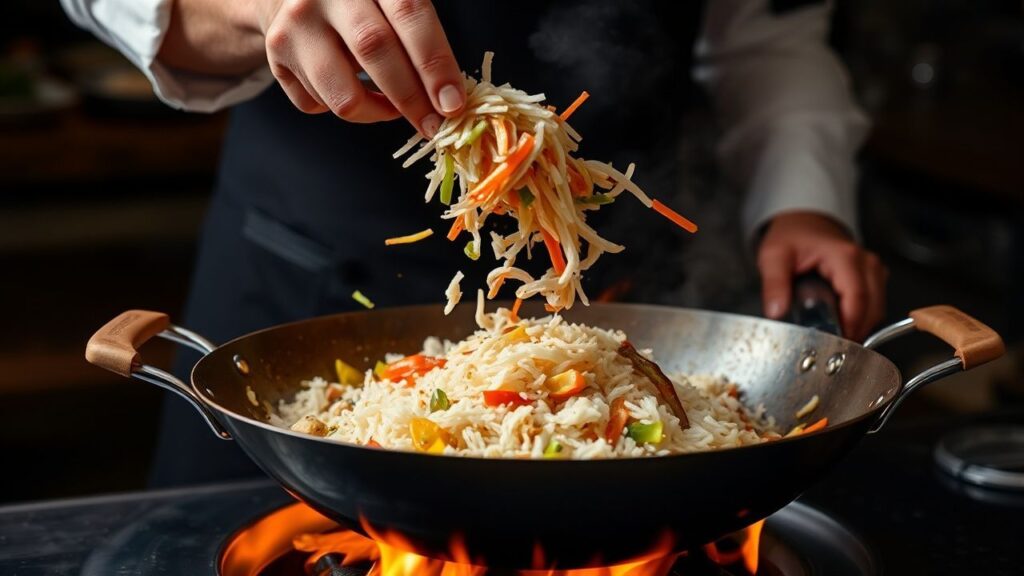
Achieving true “wok hei”—that elusive smoky, slightly charred flavor—requires high heat and proper technique. If using a standard home stovetop, crank the heat to its maximum. Don’t overcrowd the pan; cook in batches if necessary. The rapid cooking at high temperatures caramelizes the ingredients and creates those desirable crispy edges, especially on the rice and chicken. A well-seasoned carbon steel wok is your best ally here, but a heavy-bottomed cast-iron skillet can also work.
Step 7: Finishing Touches and Plating
The final moments are for bringing all the elements into perfect harmony.
1. Taste and Adjust: Taste the Pineapple Fried Rice. Does it need more saltiness? Add a splash more fish sauce. More sweetness? A pinch more sugar. More tang? A squeeze of fresh lime. This is the time for fine-tuning.
2. Add Lime Juice and Scallion Greens: Stir in the fresh lime juice and the green parts of the scallions. Toss briefly to combine.
3. Serve:
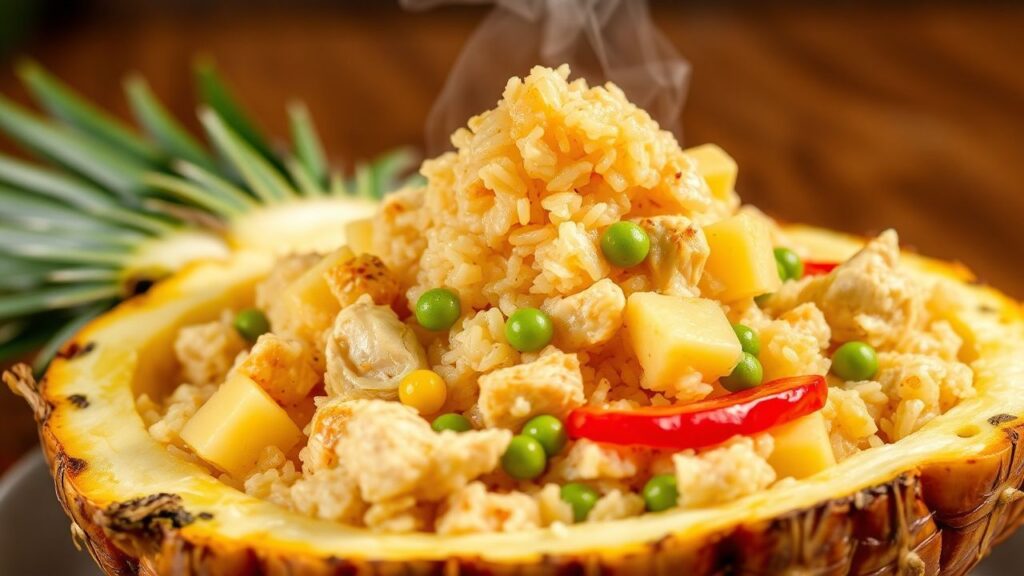
- Traditional Presentation: Spoon the Pineapple Fried Rice generously into the prepared pineapple halves.
- Standard Presentation: Serve hot on individual plates.
- Garnish: Garnish with additional fresh pineapple chunks, chopped cilantro, toasted cashews, or a sprinkle of toasted sesame seeds for an extra layer of texture and visual appeal.
Nutritional Profile: A Tropical Treat, Balanced
While Pineapple Fried Rice is undeniably delicious, understanding its nutritional composition allows for mindful enjoyment. The values below are approximate and can vary based on ingredient choices and portion sizes.
| Nutrient | Per Serving (approx.) |
|---|
| :—————– | :——————– |
| Calories | 500-650 |
|---|
| Protein | 25-35g |
| Fat | 15-25g |
|---|
| Saturated Fat | 3-6g |
| Carbohydrates | 60-80g |
|---|
| Sugars | 15-25g (natural & added) |
| Fiber | 3-5g |
|---|
| Sodium | 800-1200mg |
The sugar content can be influenced by the ripeness of the pineapple and the amount of added sugar. The sodium content is primarily from fish sauce and oyster sauce. Opting for lower-sodium soy sauce and being judicious with fish sauce can help manage sodium levels. The inclusion of chicken provides lean protein, and pineapple offers Vitamin C and bromelain, an enzyme with digestive benefits.
While the sweetness of pineapple often tempers the spice, it’s crucial to be mindful of the chili. Thai bird’s eye chilies pack a significant punch. If you are sensitive to heat, start with half a chili or omit it entirely. You can always add a side of chili flakes or Sriracha for those who prefer more heat. Remember, the goal is flavor balance, not overwhelming spice.
Variations and Enhancements: Personalizing Your Pineapple Fried Rice
The beauty of Pineapple Fried Rice lies in its adaptability. While the chicken version is classic, feel free to explore other protein options or add-ins.
- Seafood: Shrimp or diced firm white fish (like cod or snapper) can be substituted for chicken. If using shrimp, add them towards the end of the cooking process as they cook very quickly.
- Vegetarian/Vegan: Omit the chicken and use firm tofu or tempeh, pressed and cubed. For a vegan version, ensure your oyster sauce is vegan or use a mushroom-based vegetarian stir-fry sauce. Fish sauce can be replaced with a good quality vegetarian soy sauce or tamari.
- Nuts and Seeds: Toasted cashews, peanuts, or slivered almonds add a delightful crunch. Toasted sesame seeds provide an aromatic finish.
- Dried Fruits: A small amount of chopped dried cranberries or raisins can add another layer of sweetness and chewiness, though this deviates from strict authenticity.
- Herbs: Fresh cilantro is a classic garnish. Thai basil, added at the very end, offers a distinct anise-like aroma.
A Culinary Icon: The Cultural Significance of Pineapple Fried Rice
The Pineapple Fried Rice served in a pineapple husk is more than just a dish; it’s a statement. Originating from the coastal regions of Thailand, particularly Phuket and Koh Samui, it was a way to showcase local produce and create a visually spectacular meal that was both delicious and memorable. This presentation became particularly popular in tourist-centric areas, evolving into a signature dish that embodies the tropical allure of Thailand. The practice of using the hollowed-out pineapple as a serving vessel is proof of Thai resourcefulness and their ability to transform humble ingredients into culinary art. It tells a story of sunshine, abundance, and a culinary heritage rich in flavor and innovation. Consider the example of the restaurant “No. 6 Restaurant” in Phuket, famous for its affordable and authentic Thai dishes, including a highly regarded Pineapple Fried Rice, which draws crowds daily, underscoring the dish’s enduring popularity and appeal.
Frequently Asked Questions about Pineapple Fried Rice
What kind of pineapple is best for Pineapple Fried Rice?
The ideal pineapple for Pineapple Fried Rice is a ripe, sweet variety. Look for a pineapple that has a golden-yellow skin, a sweet aroma at the base, and yields slightly when pressed. Overly tart or underripe pineapples will make the dish taste unbalanced and can be unpleasantly sour. While fresh is best, high-quality canned pineapple chunks (packed in juice, not syrup) can be used in a pinch. Ensure they are drained very well to avoid excess moisture.
Why is day-old rice essential for Pineapple Fried Rice?
Day-old rice is crucial because its moisture content has reduced significantly through refrigeration. Freshly cooked rice is too moist and will steam rather than fry, resulting in a gummy, clumpy texture. The drier grains of refrigerated rice separate easily and can achieve a pleasant, slightly chewy texture when stir-fried, absorbing the sauces and flavors more effectively without becoming waterlogged. This is a fundamental principle in creating excellent fried rice of any kind.
How can I make my Pineapple Fried Rice spicier?
To increase the heat in your Pineapple Fried Rice, you have several options. The most direct method is to increase the amount of fresh Thai bird’s eye chilies used during the aromatic sautéing phase. You can also add a pinch of dried chili flakes along with the curry powder. For a bolder kick, consider adding a spoonful of Sriracha or a Thai chili paste (like Nam Prik Pao) towards the end of the cooking process, stirring it in thoroughly to distribute the heat evenly. Always taste and adjust gradually to avoid over-spicing.
See also: Pineapple Fried Rice