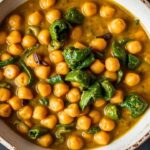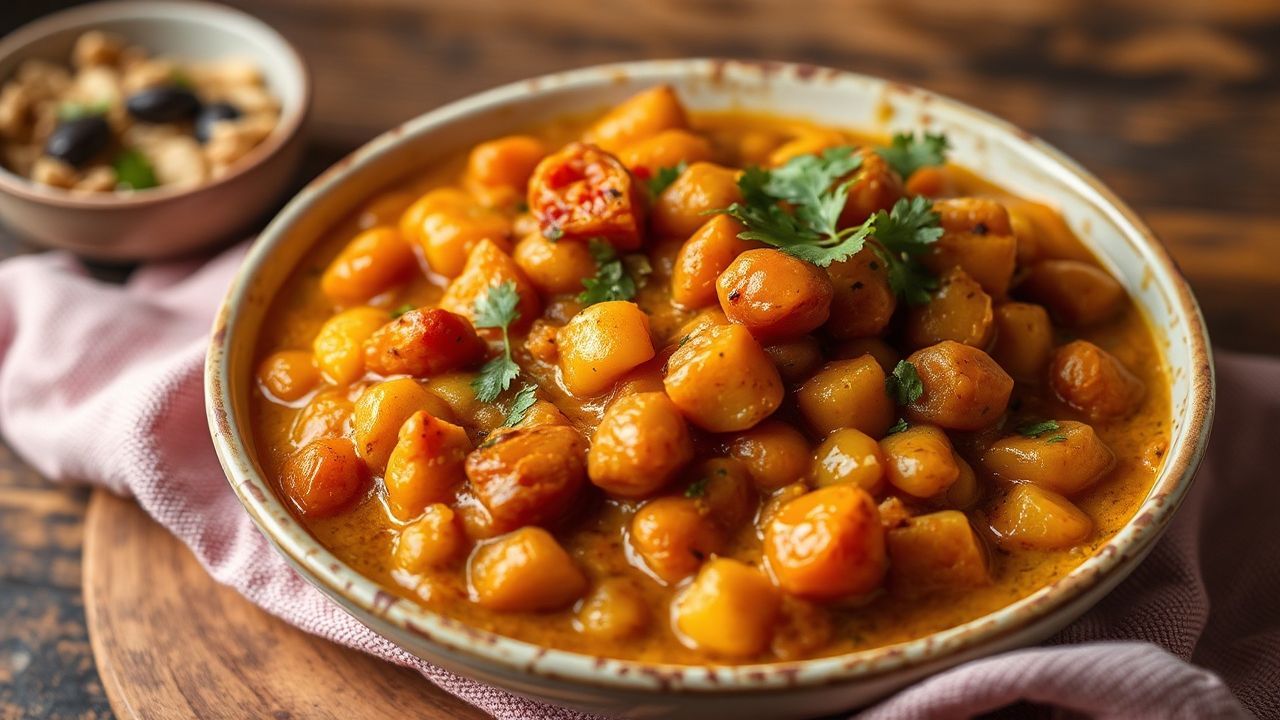

Imagine a chilly evening, the kind that settles deep into your bones, and the yearning for a meal that feels like a hug from the inside out. Not just sustenance, but a profound sense of comfort, a culinary embrace. This is the realm where the humble yet magnificent potato garbanzo curry reigns supreme. It’s a dish that whispers tales of slow-cooked warmth, of humble ingredients transformed into something truly alchemical. The interplay of earthy potatoes, robust chickpeas, and a symphony of spices creates a tapestry of flavors and textures that is both grounding and exhilarating. My own journey with this dish began not in a bustling metropolis or a Michelin-starred kitchen, but in a small, sun-drenched village in Rajasthan, where my grandmother would simmer pots of this very curry, the aroma wafting through the courtyards, a promise of simple, profound joy.
- The Cultural Tapestry of Potato Garbanzo Curry
- Unveiling the Anatomy of a Perfect Potato Garbanzo Curry
- The Essential Repertoire: Ingredients for Potato Garbanzo Perfection
- The Art of Preparation: A Step-by-Step Culinary Journey
- Step 1: Building the Aromatic Base
- Step 2: Blooming the Spices
- Step 3: Introducing the Tomatoes and Simmering
- Step 4: The Final Flourish
- Nutritional Profile: A Wholesome Powerhouse
- Elevating the Humble: Expert Tips for Restaurant-Quality Potato Garbanzo Curry
- Conclusion: A Culinary Embrace
- Frequently Asked Questions
At a Glance: Key Takeaways
- The potato garbanzo curry is proof of the power of simple, wholesome ingredients elevated by aromatic spices.
- Its versatility allows for adaptation to various dietary needs and flavor profiles, making it a universally appealing dish.
- Mastering the balance of aromatics and slow simmering is crucial for unlocking its deepest flavors.
- Nutritionally dense, it provides a satisfying source of protein, fiber, and complex carbohydrates.
The Cultural Tapestry of Potato Garbanzo Curry
While the specific iteration of potato garbanzo curry we often encounter today is deeply rooted in South Asian culinary traditions, the concept of combining legumes and tubers in a spiced stew is a globally resonant theme. Across continents, cultures have harnessed the inherent goodness of pulses and root vegetables, creating dishes that have sustained communities for millennia. Think of the hearty lentil and potato stews of Eastern Europe, or the robust bean and vegetable cassoulets of France. These are not mere coincidences; they speak to a fundamental human understanding of how to create nourishing, flavorful meals from readily available, often inexpensive, staples. The potato garbanzo curry, however, possesses a distinct aromatic soul, primarily shaped by the nuanced use of Indian spices.
The combination of potatoes and chickpeas (garbanzo beans) is particularly potent. Potatoes, with their starchy tenderness, absorb flavors beautifully, offering a creamy, yielding counterpoint to the slightly firmer, nuttier bite of the garbanzo beans. This textural duality is fundamental to the dish’s appeal. Historically, both ingredients have played crucial roles in diverse agricultural systems. Potatoes, native to the Andes, revolutionized diets worldwide after their introduction to Europe and subsequent global spread. Garbanzo beans, on the other hand, have been cultivated in the Middle East and South Asia for thousands of years, providing a vital source of protein and fiber in predominantly vegetarian diets. Their union in a curry is a culinary marriage of convenience and profound deliciousness, proof of the ingenuity of cooks who understood how to coax maximum flavor from humble origins.
Unveiling the Anatomy of a Perfect Potato Garbanzo Curry
Crafting an exceptional potato garbanzo curry is less about rigid adherence to a singular recipe and more about understanding the interplay of its core components. At its heart, this dish is an exploration of aromatics, a slow dance of spices that build layers of complexity. The base typically begins with a tempering of whole spices, releasing their fragrant oils into hot fat, followed by the sautéing of finely minced aromatics like onions, ginger, and garlic. This foundational step is non-negotiable for developing depth. The vegetables and legumes then join the party, absorbing the nascent flavors before being enveloped in a liquid medium that will, through slow simmering, become a rich, unctuous sauce.
The choice of spices is where individuality truly shines. While a basic garam masala often forms the backbone, the inclusion of turmeric for its earthy notes and vibrant color, cumin for its warmth, coriander for its citrusy undertones, and chili for a touch of heat, creates a balanced profile. However, one can venture further. A whisper of fenugreek can add a subtle, almost maple-like bitterness, while a pinch of asafoetida (hing) can lend an oniony, garlicky depth, particularly beneficial in vegetarian cooking. The quality and freshness of these spices are paramount; stale spices are akin to a muted orchestra, incapable of producing the symphony of flavors expected.
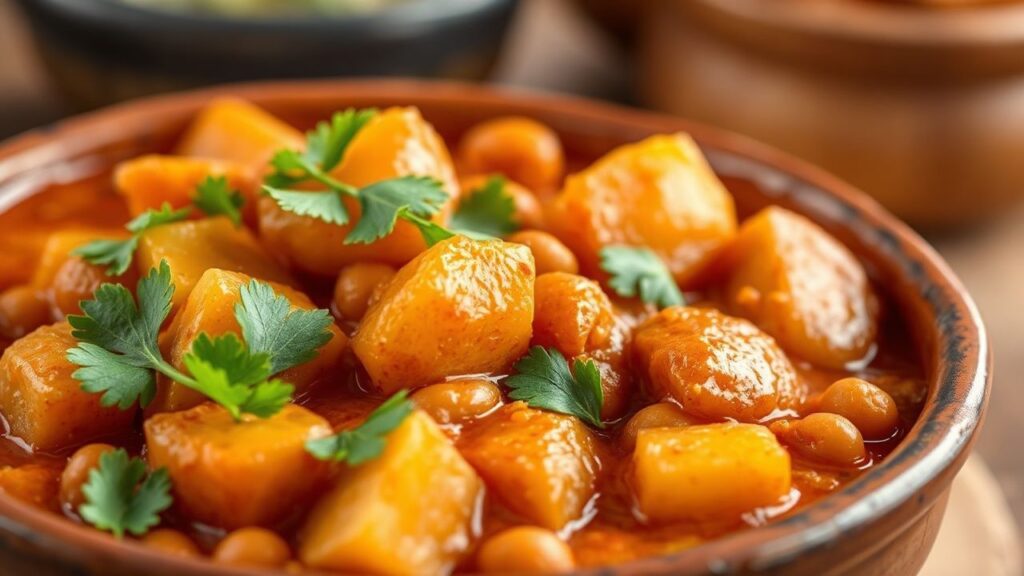
The Essential Repertoire: Ingredients for Potato Garbanzo Perfection
To embark on the creation of this soul-warming dish, a careful selection of ingredients is paramount. Precision in measurement, especially with spices, is key to achieving a harmonious balance, yet a degree of intuition will invariably elevate the final outcome. The following list serves as a comprehensive guide, with allowances for personal preference and regional variations.
Core Components:
- Potatoes: 500g (about 3-4 medium) Yukon Gold or Maris Piper potatoes, peeled and cut into 2-3 cm (1-inch) cubes. Their waxy texture holds their shape well during simmering.
- Garbanzo Beans (Chickpeas): 400g (14 oz) can, drained and rinsed, or 200g (1 cup) dried chickpeas, soaked overnight and cooked until tender.
Aromatic Foundation:
- Onions: 2 medium, finely chopped. Yellow or red onions both work well.
- Tomatoes: 400g (14 oz) canned crushed tomatoes or 3-4 ripe fresh tomatoes, finely chopped.
- Ginger: 2.5 cm (1-inch) piece, freshly grated or minced.
- Garlic: 4-6 cloves, freshly minced.
- Green Chilies: 1-2, finely chopped (adjust to your heat preference).
The Spice Ensemble:
- Ghee or Vegetable Oil: 2 tablespoons. Ghee imparts a richer, nuttier flavor.
- Cumin Seeds: 1 teaspoon.
- Mustard Seeds: ½ teaspoon (optional, for a slight tang).
- Turmeric Powder: 1 teaspoon.
- Coriander Powder: 2 teaspoons.
- Cumin Powder: 1 teaspoon.
- Garam Masala: 1 teaspoon (added towards the end for freshness).
- Red Chili Powder (Kashmiri for color, or standard for heat): ½ teaspoon, or to taste.
- Salt: To taste.
The Simmering Liquid:
- Water or Vegetable Broth: 500-750 ml (2-3 cups), depending on desired consistency.
Finishing Touches:
- Fresh Cilantro (Coriander Leaves): A generous handful, chopped, for garnish.
- Lemon Juice: A squeeze of fresh lemon juice to brighten the flavors.
The Art of Preparation: A Step-by-Step Culinary Journey
The creation of a truly memorable potato garbanzo curry is a process that rewards patience and attention to detail. Each step builds upon the last, contributing to the final symphony of flavors. Avoid rushing the sautéing of aromatics; this is where the foundational depth is built.
Step 1: Building the Aromatic Base
Heat the ghee or oil in a heavy-bottomed pot or Dutch oven over medium heat. Once shimmering, add the cumin seeds and mustard seeds (if using). Allow them to splutter and release their fragrance, which should take about 30 seconds. Be watchful to prevent them from burning.
Next, introduce the finely chopped onions. Sauté them gently, stirring frequently, until they are softened and translucent, then continue to cook them until they turn a deep golden brown. This caramelization is crucial for sweetness and depth. This process can take 8-10 minutes. Following this, add the minced ginger, garlic, and chopped green chilies. Sauté for another minute until fragrant, ensuring the garlic does not scorch.
Step 2: Blooming the Spices
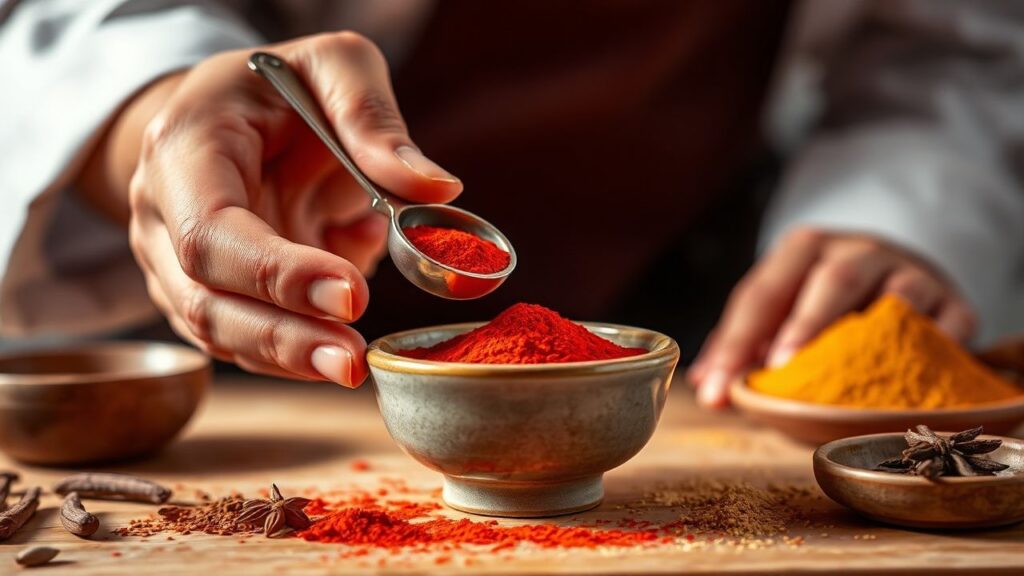
Reduce the heat to low. Add the turmeric powder, coriander powder, cumin powder, and red chili powder. Stir continuously for about 30 seconds, allowing the spices to bloom in the residual heat and fat. This awakens their volatile oils and deepens their flavor profile. Be mindful that spices can burn quickly at this stage; if the pot seems too dry, add a tablespoon of water.
Step 3: Introducing the Tomatoes and Simmering
Add the crushed or chopped tomatoes to the pot. Increase the heat to medium and cook, stirring occasionally, until the tomatoes have broken down and the oil begins to separate from the mixture. This indicates that the raw tomato flavor has been cooked out and its sweetness has been concentrated. This stage typically takes about 5-7 minutes.
Now, add the cubed potatoes and drained garbanzo beans to the pot. Stir well to coat them with the spiced tomato mixture. Pour in 500 ml (2 cups) of water or vegetable broth. Bring the mixture to a gentle boil, then reduce the heat to low, cover the pot, and let it simmer. For the first 15 minutes, allow it to simmer uncovered to reduce the liquid slightly and allow the potatoes to begin softening. Then, cover and continue to simmer for another 20-25 minutes, or until the potatoes are tender when pierced with a fork. Stir occasionally to prevent sticking.
Step 4: The Final Flourish
Once the potatoes are tender and the curry has reached your desired consistency, stir in the garam masala and salt to taste. If the curry is too thick, add a little more water or broth to thin it out. If it is too thin, simmer uncovered for a few more minutes to allow it to reduce. The consistency should be thick enough to coat the back of a spoon but still pourable.
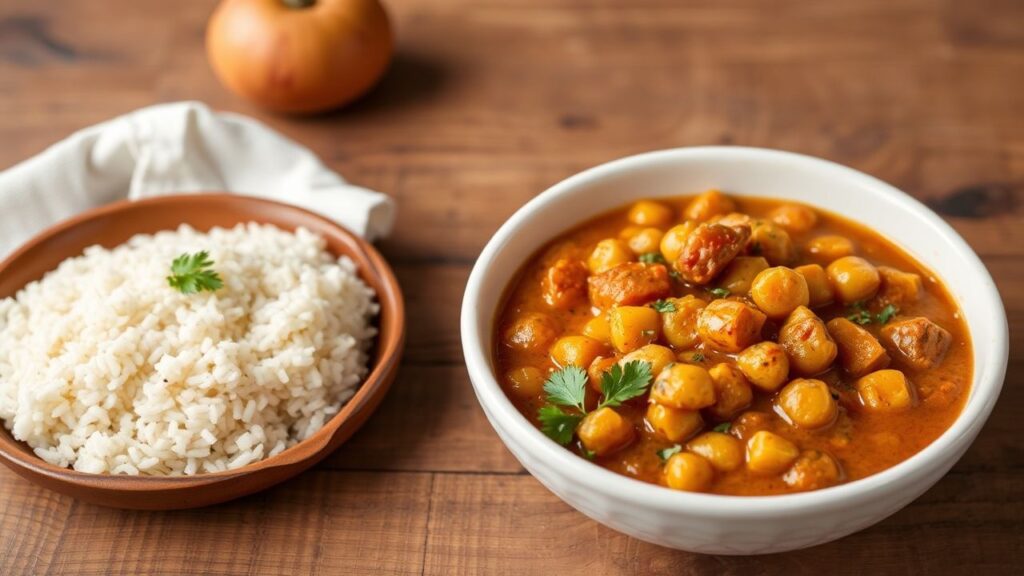
Just before serving, stir in a generous squeeze of fresh lemon juice. This is a crucial step that cuts through the richness and brightens all the flavors, adding a much-needed zing. Garnish liberally with freshly chopped cilantro leaves. Serve hot with basmati rice, naan, roti, or your favorite flatbread.
Nutritional Profile: A Wholesome Powerhouse
The potato garbanzo curry is far more than just a comforting meal; it’s a nutritional champion. This dish offers a robust combination of macronutrients and micronutrients, making it an excellent choice for a balanced and satisfying diet. The garbanzo beans are a stellar source of plant-based protein and dietary fiber, essential for satiety, digestive health, and blood sugar regulation. A single serving can contribute significantly to your daily recommended intake of these vital nutrients.
Potatoes, often unfairly maligned, provide complex carbohydrates for sustained energy, as well as essential vitamins and minerals, including Vitamin C, Vitamin B6, potassium, and manganese. When prepared with minimal added fat and a focus on whole spices, this curry becomes a nutrient-dense meal. For instance, a typical serving (approximately 1.5 cups) of this potato garbanzo curry, made with moderate oil and no added sugar, can contain:
| Nutrient | Approximate Amount (per serving) |
|---|---|
| Calories | 350-450 kcal |
| Protein | 12-18 g |
| Fiber | 10-15 g |
| Carbohydrates | 50-60 g |
| Fat | 10-18 g (depending on oil/ghee) |
| Iron | 2-4 mg |
| Potassium | 600-800 mg |
This nutritional breakdown underscores its value as a cornerstone of vegetarian and vegan diets, offering sustained energy and essential nutrients without compromising on flavor or satisfaction. It’s a dish that truly nourishes the body as much as it delights the palate.
Elevating the Humble: Expert Tips for Restaurant-Quality Potato Garbanzo Curry
While the base recipe for potato garbanzo curry is inherently delicious, a few expert techniques can elevate it from a comforting home-cooked meal to a dish worthy of the finest tables. These are not arcane secrets, but rather the nuanced applications of culinary principles that distinguish good from exceptional.
The first area of focus is the quality and preparation of your spices. Freshly ground spices, while a bit more effort, offer an unparalleled aromatic intensity. Consider toasting whole spices like cumin and coriander seeds briefly in a dry pan before grinding them. This process, known as tempering, unlocks their essential oils and amplifies their flavor. Furthermore, don’t shy away from incorporating a wider spectrum of aromatics. A small amount of finely grated fresh turmeric root alongside the powder can add a brighter, more complex earthy note. Similarly, a tiny pinch of asafoetida (hing), bloomed in the hot oil early on, can impart a subtle yet profound depth reminiscent of onion and garlic, especially beneficial for vegan versions where these are often sautéed.
Another critical element is the texture and integration of the ingredients. Instead of relying solely on canned tomatoes, consider using a blend of fresh, ripe tomatoes and a tablespoon of tomato paste. The paste adds a concentrated umami richness. When cooking the potatoes, aim for them to be perfectly tender but not mushy. Overcooked potatoes can disintegrate, turning your curry into a homogenous paste. A technique to achieve this is to parboil the potatoes for a few minutes before adding them to the curry to simmer. This ensures they cook through evenly and retain their shape. For the garbanzo beans, if using dried, cooking them until they are tender but still hold their form is paramount. If using canned, rinsing them thoroughly removes excess sodium and any metallic aftertaste. A few beans can even be lightly mashed against the side of the pot towards the end of cooking to naturally thicken the sauce.
Finally, the finishing touches are non-negotiable. The squeeze of fresh lemon juice at the end is not merely a suggestion; it’s an imperative. It acts as a flavor enhancer, lifting all the other components and providing a bright counterpoint to the richness. A drizzle of good quality ghee or a swirl of coconut cream just before serving can add a luxurious mouthfeel and a final layer of flavor. For a truly exceptional garnish, consider a small tempering of mustard seeds and curry leaves fried in a teaspoon of ghee, spooned over the top just before serving. The fragrant steam released adds an immediate sensory dimension. A final scattering of fresh, vibrant cilantro or mint leaves adds not only visual appeal but also a burst of freshness.
Consider the case of the renowned Indian chef, Madhur Jaffrey. In her seminal work, “An Invitation to Indian Cooking,” she emphasizes the importance of patience and the layering of flavors, stating that “the aroma of spices should be coaxed out, not rushed.” Her meticulous approach to tempering whole spices and browning onions for extended periods is precisely what differentiates a competent curry from a transcendent one. This philosophy is directly applicable to the potato garbanzo curry, where these foundational steps are the bedrock of its eventual deliciousness.
Conclusion: A Culinary Embrace
The potato garbanzo curry is more than just a recipe; it is an experience. It is proof of the enduring power of simple, wholesome ingredients, transformed into a dish that nourishes the body and soothes the soul. Its inherent adaptability means it can be tailored to suit myriad palates and dietary needs, making it a truly universal comfort food. Whether you are a seasoned cook seeking to refine your understanding of Indian flavors or a novice embarking on your culinary journey, this dish offers a rewarding and delicious exploration. The interplay of tender potatoes, robust garbanzo beans, and a fragrant tapestry of spices creates a symphony of textures and tastes that is both grounding and exhilarating. It’s a dish that invites you to slow down, savor the process, and relish the profound comfort that only a truly well-made curry can provide.
Frequently Asked Questions
H2: How can I make my potato garbanzo curry vegan?
Transitioning this delicious potato garbanzo curry to a vegan-friendly dish is remarkably straightforward. The primary adjustment involves replacing the ghee with a good quality vegetable oil, such as sunflower, canola, or a neutral-flavored olive oil. For added richness and a creamy texture, consider incorporating a swirl of full-fat coconut milk or a plant-based yogurt alternative during the final stages of simmering. Ensure that any vegetable broth used is also vegan. The spices and aromatics remain the same, and the resulting dish will be just as flavorful and satisfying, proving that plant-based cooking can be both indulgent and wholesome.
H2: What are the best ways to serve potato garbanzo curry?
The versatility of potato garbanzo curry shines through in its serving suggestions. Traditionally, it is an excellent accompaniment to steamed basmati rice, which provides a neutral canvas for the curry’s rich flavors. Fluffy, fragrant rice absorbs the sauce beautifully, creating a delightful mouthful with every bite. For a more interactive dining experience, it pairs wonderfully with Indian flatbreads such as naan, roti, or chapati. These breads are perfect for scooping up the curry. Beyond these staples, consider serving it with quinoa for a protein-boosted meal, or even alongside a simple side salad with a lemon-tahini dressing for a fresh contrast. A dollop of plain yogurt (dairy or non-dairy) or a spoonful of raita can also add a cooling element to balance any spice.
H2: Can I prepare potato garbanzo curry ahead of time?
Absolutely. Potato garbanzo curry is an excellent candidate for meal preparation, and in fact, its flavors often deepen and meld beautifully when allowed to rest overnight. Prepare the curry as per the recipe instructions, let it cool completely, and then store it in an airtight container in the refrigerator. It will typically keep well for 3-4 days. When ready to serve, gently reheat it on the stovetop over low heat, adding a splash of water or broth if it has become too thick. Avoid vigorous boiling, as this can alter the texture of the potatoes. This make-ahead capability makes it an ideal dish for busy weeknights or for packing into lunchboxes.
H2: How can I adjust the spice level of this curry?
Adjusting the spice level of your potato garbanzo curry is a nuanced process that begins with understanding the role of each spice. For heat, the primary contributor is the red chili powder. You can increase or decrease its quantity based on your preference. For a milder curry, use Kashmiri chili powder, which offers vibrant color without excessive heat, or omit the chili powder entirely and rely on the subtle warmth from the garam masala. For aromatic warmth, cumin and coriander powders play a significant role, but they don’t typically contribute to heat. If you desire a more complex flavor profile without added heat, consider adding a pinch of ground black pepper or a small piece of fresh ginger. Remember that the green chilies also add a direct heat; adjust their quantity or remove them if you prefer a milder dish. It’s always best to start with less and add more to taste, as it is easier to increase the heat than to temper it once it’s too strong.
See also: Potato Garbanzo