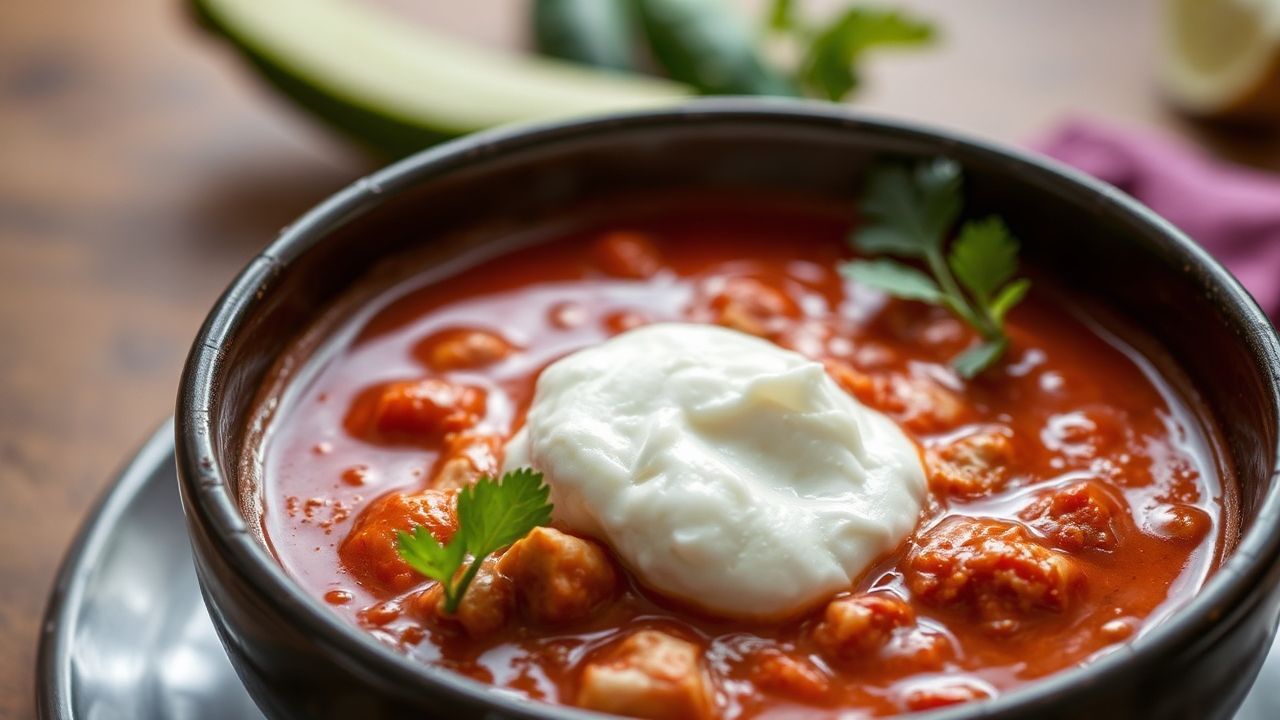

Pozole, a culinary cornerstone of Mexican heritage, transcends mere sustenance; it is a vibrant tapestry of history, community, and profound flavor. This article explore the intricacies of Chicken Pozole Rojo, a comforting and deeply satisfying rendition of the classic stew, demystifying its preparation for home cooks seeking authentic taste and heartwarming results.
- The Heart of the Matter: Understanding Pozole Rojo
- Crafting the Perfect Chicken Pozole Rojo: A Masterclass in Flavor
- The Art of the Garnish: Elevating Your Pozole Experience
- Pro-Tips for Restaurant-Quality Pozole at Home
- Variations and Adaptations: Tailoring Pozole to Your Palate
- Conclusion: A Bowl of Comfort and Tradition
- Frequently Asked Questions
At a Glance: Key Takeaways
* Rooted in Tradition: Chicken Pozole Rojo is more than a recipe; it’s an entry into centuries of Mexican culinary history, a dish often prepared for celebrations and family gatherings.
* The Art of the Broth: Achieving a rich, complex broth is paramount, relying on slow simmering and the judicious use of dried chiles.
* Texture is King: The textural interplay between tender chicken, plump hominy, and crisp garnishes is what elevates this dish from good to exceptional.
* Customization is Encouraged: While this recipe provides a robust foundation, the beauty of pozole lies in its adaptability to individual palates and ingredient availability.
The aroma of simmering spices, the deep, earthy hue of the broth, the satisfying pop of hominy – these are the sensory hallmarks of a truly exceptional pozole. For many, the first encounter with this iconic Mexican stew is a revelation, a complex symphony of flavors that feels both ancient and utterly contemporary. I recall a particularly chilly autumn evening in Oaxaca, where I was invited to share a pot of *pozole rojo de pollo* with a local family. The warmth that radiated from the bowl was matched only by the generosity of spirit with which it was served. It was a meal that spoke of home, of shared history, and of the profound comfort found in simple, well-executed ingredients. This experience ignited a lifelong passion for understanding and recreating the magic of this dish. While pork is perhaps the most traditional protein, a well-executed chicken pozole rojo offers a lighter yet equally profound depth, making it accessible and adaptable for a wider range of preferences and dietary considerations. The true essence of pozole lies not just in its ingredients, but in the care and intention infused into its preparation.
The Heart of the Matter: Understanding Pozole Rojo
Pozole, derived from the Nahuatl word *pozolli*, meaning “frothy” or “foamy,” traditionally refers to the hominy – dried maize kernels that have been nixtamalized and then expanded. This process, fundamental to Mexican cuisine, not only softens the corn but also unlocks its nutritional value and imparts a unique texture and flavor profile. Pozole Rojo, characterized by its vibrant red broth, achieves its color and depth primarily through the rehydrated dried chiles that form its aromatic backbone. Unlike its greener or whiter counterparts, the red variety typically employs a blend of chiles such as guajillo and ancho, which contribute a mild, fruity heat and a rich, earthy sweetness.
The preparation of pozole is often a communal affair, proof of its significance in Mexican culture. It is a dish that demands time and patience, a slow unfolding of flavors that rewards the diligent cook. The process begins with the base – building a robust broth that will carry the essence of the entire stew. This involves carefully simmering the chicken, aromatic vegetables, and spices, allowing each element to contribute its unique character. Subsequently, the dried chiles are rehydrated, blended into a smooth paste, and then incorporated into the broth, transforming it into the signature crimson hue. The addition of the hominy towards the end of cooking ensures it retains its delightful texture, providing a chewy counterpoint to the tender chicken.
A Deeper Dive into Pozole’s Cultural Significance
Pozole’s origins are ancient, predating the arrival of Europeans in Mexico. Archaeological evidence suggests that maize, and by extension pozole, was a staple of Mesoamerican civilizations for millennia. Historically, pozole was not merely food but held ritualistic significance, often prepared for important ceremonies and festivals. While modern interpretations have largely removed the more controversial historical elements, the spirit of celebration and community remains intrinsically linked to its preparation. The act of gathering the ingredients, simmering the broth for hours, and then assembling the final dish with a flourish of fresh garnishes is a culinary ritual that reinforces bonds and creates lasting memories. Understanding this cultural context elevates the simple act of cooking pozole to an appreciation of a living culinary tradition.
Crafting the Perfect Chicken Pozole Rojo: A Masterclass in Flavor
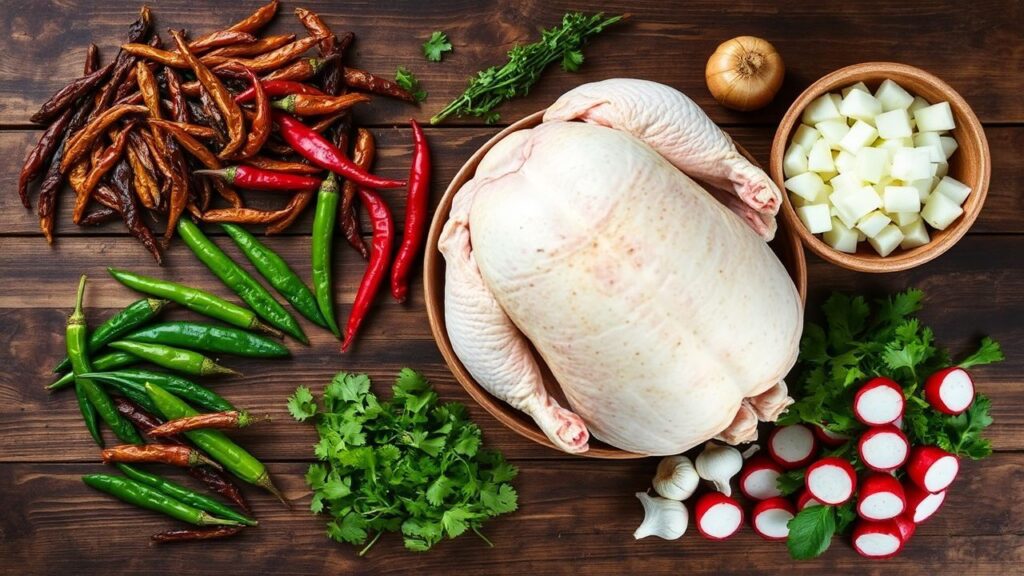
To embark on the journey of creating an authentic Chicken Pozole Rojo is to engage with a culinary narrative that spans generations. This recipe aims to capture that essence, providing a detailed guide to achieving a broth that sings with complexity and a stew that offers unparalleled comfort. The foundation of any great pozole lies in the quality of its broth. For chicken pozole, using bone-in pieces, such as thighs and drumsticks, is crucial. The bones release collagen and marrow, imbuing the liquid with a richness that boneless cuts cannot replicate. Slow simmering is not merely a suggestion; it is an imperative. This unhurried process allows the flavors to meld and deepen, transforming humble ingredients into liquid gold.
The selection and preparation of the dried chiles are equally vital. Guajillo chiles provide a mild, fruity sweetness and a vibrant red color, while ancho chiles, which are dried poblano peppers, contribute a deeper, smoky, and slightly earthier note. Toasting these chiles briefly before rehydrating them unlocks their full aromatic potential. It’s a subtle step, but one that makes a significant difference in the final flavor profile. The rehydrated chiles are then blended with aromatics like garlic and onion, and sometimes a touch of cumin or oregano, to create a potent flavor paste that forms the soul of the red broth. The quality of your hominy also matters. While canned hominy is readily available and convenient, opt for brands known for their good texture. Rinsing it thoroughly is essential to remove any canning liquid that might impart an off-flavor.
The Symphony of Ingredients: A Precise Approach
Achieving the nuanced flavors of Chicken Pozole Rojo requires attention to detail in ingredient selection and preparation. The following list provides a comprehensive guide for a truly exceptional rendition of this beloved Mexican stew.
Ingredients (Serves 6-8)
For the Broth and Chicken:
- 1.5 kg (approx. 3.3 lbs) bone-in, skin-on chicken pieces (a mix of thighs and drumsticks is ideal)
- 2.5 liters (approx. 10 cups) water
- 1 large white onion, quartered
- 4-6 cloves garlic, smashed
- 2 bay leaves
- 1 teaspoon kosher salt, plus more to taste
- ½ teaspoon black peppercorns
For the Chile Base:
- 6-8 guajillo chiles, stemmed and seeded
- 2-3 ancho chiles, stemmed and seeded
- 1 small white onion, roughly chopped
- 3-4 cloves garlic
- ½ teaspoon ground cumin
- ½ teaspoon dried Mexican oregano
For the Stew:
- 2 cans (approx. 800g / 28 oz each) white hominy, drained and rinsed thoroughly
- Salt to taste
- Freshly ground black pepper to taste
For Garnish (Essential for the full experience):
- Finely shredded iceberg lettuce or cabbage
- Thinly sliced radishes
- Diced white onion
- Chopped fresh cilantro
- Lime wedges
- Dried oregano (for sprinkling)
- Crushed red pepper flakes (optional, for heat)
- Toasted corn tostadas or tortillas for serving
Preparation Method: A Step-by-Step Culinary Journey
1. Building the Foundation (The Broth): In a large stockpot or Dutch oven, combine the chicken pieces, 2.5 liters (approx. 10 cups) of water, the quartered white onion, smashed garlic cloves, bay leaves, 1 teaspoon of kosher salt, and black peppercorns. Bring to a rolling boil over high heat, then immediately reduce the heat to low, cover, and let it simmer gently for at least 1 hour, or until the chicken is tender and cooked through. Skim off any impurities that rise to the surface during the initial simmering.
2. Preparing the Chile Paste: While the chicken is simmering, prepare the chile base. Place the stemmed and seeded guajillo and ancho chiles in a heatproof bowl. Pour enough boiling water over them to cover completely. Let them soak for 20-30 minutes, or until softened. Once rehydrated, carefully transfer the chiles to a blender along with the roughly chopped white onion, garlic cloves, ground cumin, and dried Mexican oregano. Add about ½ cup of the reserved chicken broth (from step 1, before discarding the solids) to help the blending process. Blend until you achieve a very smooth paste. For an exceptionally smooth broth, you can strain this paste through a fine-mesh sieve, pressing down on the solids to extract as much liquid as possible. Discard any fibrous residue.
3. Combining and Simmering: Once the chicken is cooked, carefully remove it from the pot and set it aside on a plate to cool slightly. Strain the chicken broth through a fine-mesh sieve into a clean bowl or pot, discarding the solids (onion, garlic, bay leaves, peppercorns). Return the strained broth to the cleaned stockpot. Add the blended chile paste to the broth. Stir well to combine. Bring the broth to a gentle simmer over medium-low heat.
4. Adding the Hominy and Chicken: Once the chile-infused broth is simmering, add the drained and rinsed hominy. Shred or chop the cooked chicken into bite-sized pieces, discarding the skin and bones. Add the shredded chicken back into the pot.
5. The Final Simmer: Continue to simmer the pozole gently for at least another 30-45 minutes. This allows the flavors to meld beautifully and the hominy to absorb some of the broth’s richness. Taste and adjust seasoning with salt and freshly ground black pepper as needed. The salt is critical for bringing out the full depth of the chile flavors.
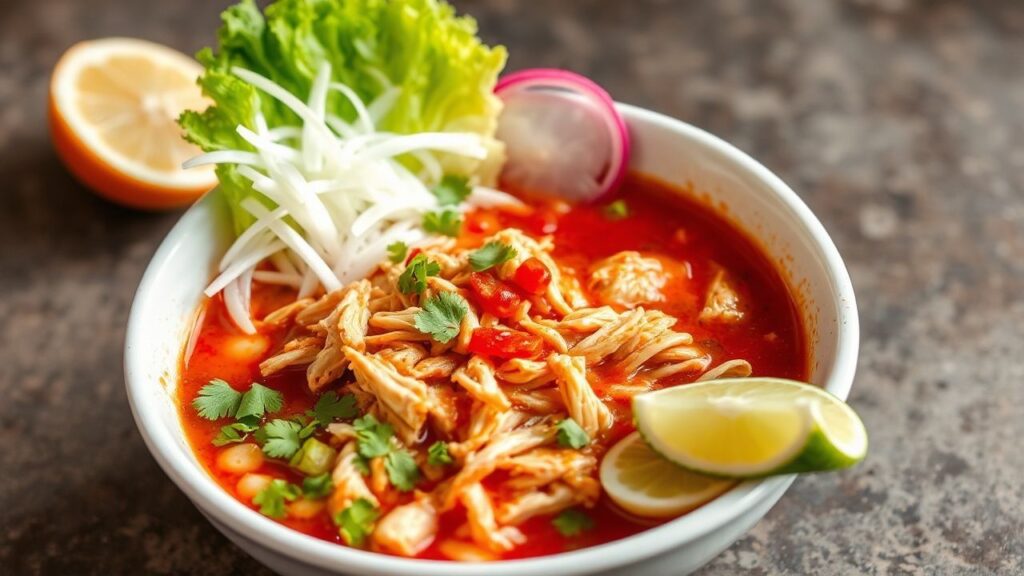
6. Serving the Masterpiece: Ladle the hot pozole into deep bowls, ensuring each serving gets a good proportion of chicken and hominy. Serve immediately with an array of traditional garnishes: shredded lettuce or cabbage, sliced radishes, diced white onion, chopped cilantro, lime wedges, a sprinkle of dried oregano, and crushed red pepper flakes if desired. Offer toasted corn tostadas or warm tortillas on the side.
The Art of the Garnish: Elevating Your Pozole Experience
While the broth and tender chicken are the heart of Chicken Pozole Rojo, the garnishes are its soul. They are not mere afterthoughts but integral components that provide crucial textural contrast, brightness, and freshness, cutting through the richness of the stew. The crispness of finely shredded iceberg lettuce or cabbage offers a refreshing crunch, a vital counterpoint to the soft hominy and tender chicken. Thinly sliced radishes add a peppery bite and a beautiful visual appeal with their vibrant pink edges. The sharp pungency of finely diced white onion awakens the palate, while the herbaceous notes of fresh cilantro bring an essential layer of aromatic complexity.
The squeeze of fresh lime juice is non-negotiable. Its acidity brightens all the flavors, preventing the stew from becoming too heavy and adding a zesty tang that is characteristic of Mexican cuisine. A pinch of dried oregano, rubbed between the fingers before sprinkling, releases its earthy, slightly minty aroma, a subtle yet impactful addition. For those who enjoy a touch of heat, crushed red pepper flakes offer a customizable level of spice. Serving pozole with toasted corn tostadas or warm tortillas provides a vehicle for scooping up every last drop of the flavorful broth, completing the sensory experience.
Nutritional Profile: A Hearty and Wholesome Choice
A serving of Chicken Pozole Rojo, when prepared as described, offers a satisfying and nutritionally balanced meal. It is rich in lean protein from the chicken, providing essential amino acids for muscle repair and growth. The hominy contributes complex carbohydrates for sustained energy and dietary fiber, which aids digestion and promotes satiety. While the chile base itself is low in calories, the oils used in sautéing aromatics and the richness of the chicken broth contribute to the overall calorie count.
Approximate Nutritional Information per Serving (assuming 8 servings, without garnishes):
- Calories: 350-450 kcal
- Protein: 30-40g
- Fat: 15-25g (varies with chicken skin inclusion)
- Saturated Fat: 5-8g
- Carbohydrates: 20-30g
- Fiber: 5-8g
- Sodium: 800-1200mg (highly dependent on added salt and canned hominy)
Keep in mind that sodium content can be significantly reduced by being mindful of added salt and choosing low-sodium canned goods where possible. The inclusion of abundant fresh garnishes adds minimal calories but significantly boosts the vitamin and mineral content, particularly Vitamin C from the lime and cilantro, and antioxidants from the chiles.
Pro-Tips for Restaurant-Quality Pozole at Home
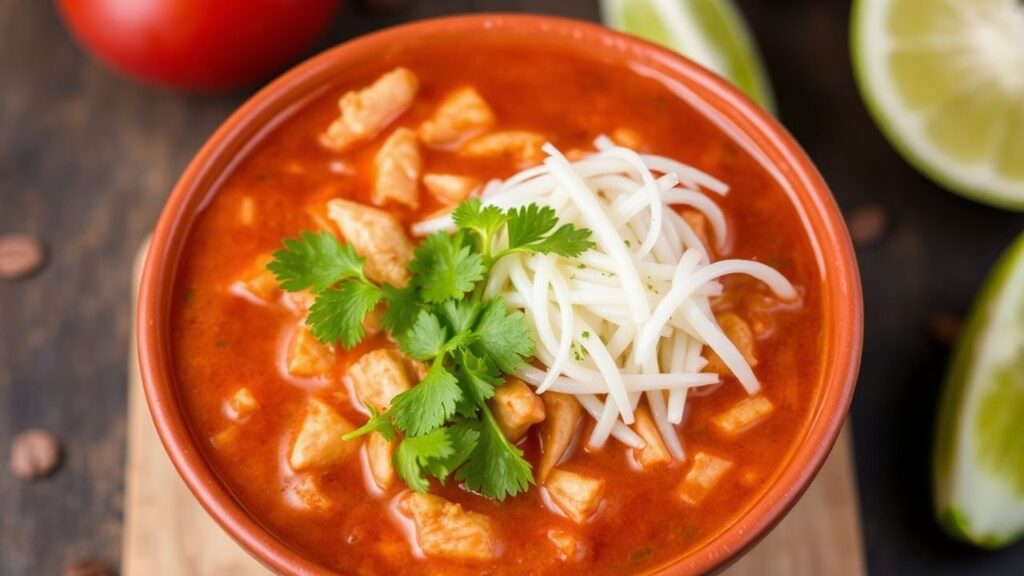
Transforming your home kitchen into a temple of authentic Mexican cuisine is achievable with a few insider techniques. Achieving restaurant-quality Chicken Pozole Rojo involves not just following a recipe, but understanding the nuances that elevate a good dish to a truly memorable one. The secret often lies in layering flavors and textures with precision.
One such technique involves toasting the dried chiles not only for flavor but also to release their oils more effectively when rehydrated. This subtle step, often overlooked by home cooks, can imbue the broth with a deeper, more resonant complexity. Furthermore, the quality of your broth is paramount. Using bone-in chicken pieces is non-negotiable for that unctuous mouthfeel. If time permits, a longer, slower simmer (3-4 hours) for the initial broth can yield profoundly richer results. Don’t shy away from skimming the fat from the broth before adding the chile paste; this allows the pure chile flavor to shine through without being masked by excess grease.
Another critical element is the texture of the hominy. While canned is convenient, rinsing it extremely well is crucial to remove any metallic or starchy residue that can detract from the overall flavor. For an even more authentic touch, consider visiting a Mexican market for specialty hominy, which is often superior in texture and flavor. The final assembly of the dish is where the magic truly happens. Presenting a well-balanced bowl with the perfect ratio of chicken, hominy, and broth, accompanied by a vibrant array of fresh, crisp garnishes, is key to the complete pozole experience.
Variations and Adaptations: Tailoring Pozole to Your Palate
While this recipe focuses on Chicken Pozole Rojo, the beauty of pozole lies in its inherent adaptability. The core components – the nixtamalized corn (hominy), the flavorful broth, and the fresh garnishes – remain constant, but the protein and the chile base offer ample room for creativity. For instance, a white pozole (*pozole blanco*) omits the red chile base, allowing the natural flavors of the meat and hominy to take center stage, often served with a variety of salsas on the side. A green pozole (*pozole verde*) incorporates tomatillos, cilantro, jalapeños, and pepitas for a bright, herbaceous, and tangy profile.
When it comes to the chicken, using a whole chicken, slowly simmered and then shredded, can provide a more nuanced chicken flavor than using just specific cuts. Some cooks also like to add a piece of pork shoulder or ribs to the chicken broth for an added layer of richness and complexity, creating a hybrid that is both hearty and deeply savory. For those seeking a spicier kick, incorporating a couple of dried árbol chiles or a fresh serrano pepper into the chile paste can elevate the heat level significantly. The key to successful adaptation is to maintain the balance of flavors – ensuring the acidity from the lime, the freshness from the herbs, and the subtle sweetness from the chiles all play their part in harmonizing with the protein and the hominy.
Conclusion: A Bowl of Comfort and Tradition
Chicken Pozole Rojo is far more than just a soup; it is a culinary embrace, a dish that speaks of warmth, history, and the enduring power of shared meals. Its preparation, while requiring patience, is a deeply rewarding process that culminates in a bowl brimming with complex flavors and comforting textures. From the slow simmer of the broth to the vibrant array of fresh garnishes, every element matter significantly in crafting this iconic Mexican stew. By understanding the nuances of chile preparation, the importance of a well-developed broth, and the artistry of the garnishes, you can confidently recreate this soul-warming elixir in your own kitchen. The journey of making pozole is an invitation to connect with a rich culinary heritage, offering not just a delicious meal, but an experience steeped in tradition and infused with love. Whether you are a seasoned cook or a novice in the kitchen, the pursuit of the perfect Chicken Pozole Rojo promises a delicious and enriching adventure.
Frequently Asked Questions
What is the difference between Pozole Rojo, Blanco, and Verde?
The primary distinction between the three main types of pozole lies in their broth base. Pozole Rojo is characterized by its deep red hue, derived from dried red chiles like guajillo and ancho, which impart a mild, earthy, and slightly sweet flavor. Pozole Blanco, or white pozole, has a clear broth, typically made by simmering the meat and aromatics without added chiles for color, allowing the natural flavors of the ingredients to dominate. It is often served with a variety of salsas and garnishes on the side, giving diners control over the spice and flavor profile. Pozole Verde, or green pozole, features a vibrant green broth, achieved by blending ingredients such as tomatillos, cilantro, jalapeños, and sometimes pumpkin seeds (pepitas). This results in a brighter, more herbaceous, and often tangier flavor profile compared to the red or white versions. Each variation offers a unique sensory experience, reflecting the diverse culinary landscape of Mexico.
Can I make Pozole Rojo ahead of time?
Yes, Chicken Pozole Rojo can certainly be made ahead of time, and in many ways, it benefits from it. The flavors have a chance to meld and deepen overnight, often resulting in an even more complex and satisfying taste when reheated. To store, allow the pozole to cool completely before transferring it to airtight containers. It can be refrigerated for up to 3-4 days. When reheating, it is best to do so gently on the stovetop over low heat, stirring occasionally, until heated through. You may need to add a splash of water or broth if the stew has become too thick during storage. It is generally recommended to add the fresh garnishes just before serving to maintain their crisp texture and vibrant flavors. Some cooks prefer to cook the chicken separately and shred it just before serving to ensure optimal texture, though pre-shredded chicken also works well.
What kind of hominy is best for Pozole Rojo?
For authentic Chicken Pozole Rojo, the best type of hominy to use is nixtamalized white or yellow maize. This refers to dried corn kernels that have undergone the traditional Mesoamerican process of nixtamalization, which involves soaking and cooking them in an alkaline solution (typically limewater). This process softens the kernels, makes their nutrients more bioavailable, and gives them a distinct chewy texture and slightly nutty flavor that is crucial for pozole. While canned hominy is widely available and convenient, opt for brands that are known for their quality and texture. Look for hominy that is plump and intact, not mushy or broken. It’s essential to rinse canned hominy thoroughly under cold running water before adding it to the stew to remove any starchy residue or canning liquid that could impart an undesirable flavor. Some specialty Mexican markets may offer dried hominy, which can be cooked from scratch, offering a superior texture, but this requires a longer cooking time and an understanding of the nixtamalization process (or purchasing pre-nixtamalized dried hominy).
See also: Pozole