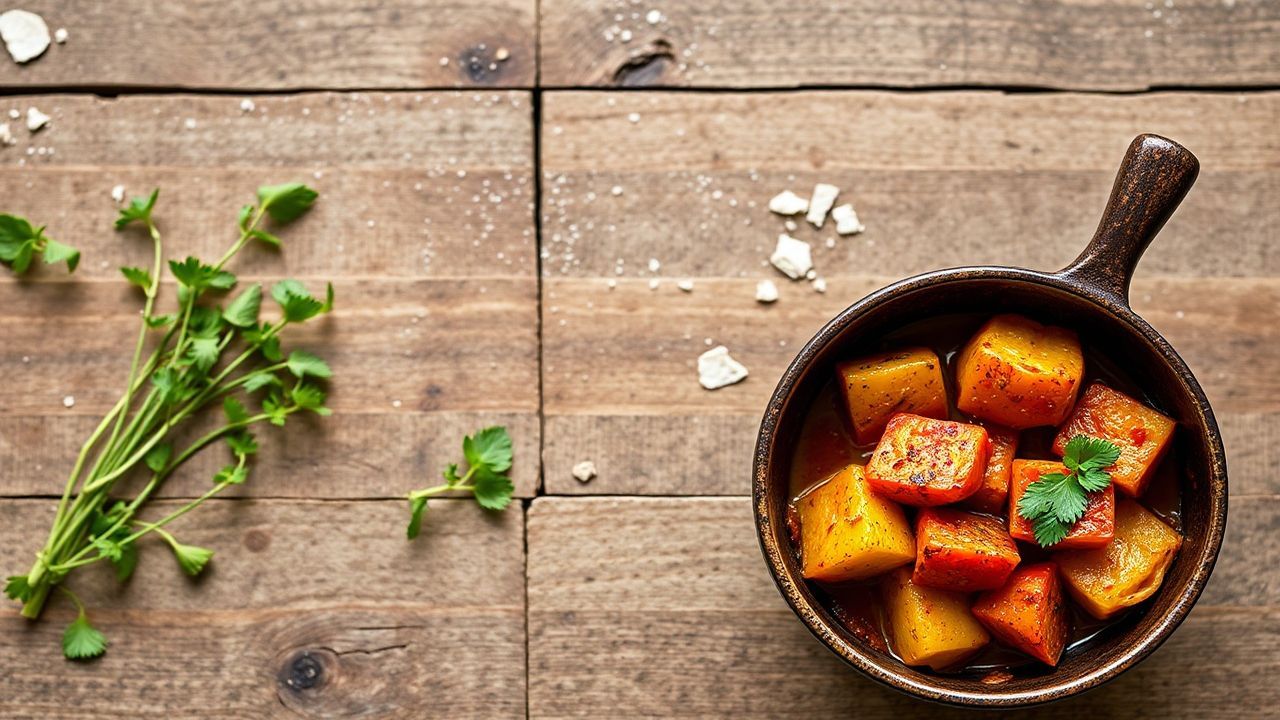

What truly elevates a humble dish from mere sustenance to a culinary emblem, a whispered promise of sun-drenched landscapes and generations of tradition? The answer, for many, lies in the nuanced alchemy of simple ingredients, coaxed into profound expression through time-honored technique. Ratatouille, that iconic vegetable stew hailing from the picturesque region of Provence in southeastern France, is a prime example of this gastronomic philosophy. More than just a medley of summer vegetables, a well-executed ratatouille is a symphony of textures and tastes, a vibrant testament to the bounty of the Mediterranean garden, enhanced by the aromatic whisper of Provençal herbs.
- The Genesis of a Provençal Icon
- The Quintessential Ingredients: A Symphony of Summer’s Best
- The Technique: A Masterclass in Patient Preparation
- Nutritional Profile: A Garden’s Bounty
- Elevating Your Ratatouille: Pro Tips for Restaurant-Quality Results
- Serving Suggestions: A Versatile Mediterranean Gem
- The Enduring Appeal of Ratatouille
- Frequently Asked Questions about Ratatouille
At a Glance: Mastering Authentic Ratatouille
- The cornerstone of authentic ratatouille lies in the individual cooking of each vegetable to achieve perfect texture and prevent a watery outcome.
- The judicious use of Provençal herbs is non-negotiable, providing the dish’s signature aromatic complexity.
- Patience is a virtue; a slow, gentle simmer allows the flavors to meld and deepen, transforming the raw ingredients into a cohesive masterpiece.
- Serving ratatouille warm, at room temperature, or even chilled offers different, yet equally delightful, gastronomic experiences.
The Genesis of a Provençal Icon
The story of ratatouille is inextricably linked to the rugged beauty and agricultural heritage of Provence. While its precise origins are debated, the dish emerged as a resourceful way for farmers and peasants to utilize the abundant summer produce of their gardens. The name itself, “ratatouille,” is believed to derive from the Occitan word “ratatolha,” meaning a coarse hominy or stew. It was a dish born of necessity, a celebration of the earth’s generosity during its peak season.
The core ingredients – eggplant, zucchini, bell peppers, tomatoes, onions, and garlic – are staples of the Mediterranean diet, thriving in the region’s warm, sunny climate. However, the magic truly happens in the preparation. Unlike many stews where all ingredients are tossed into a pot at once, traditional ratatouille demands a more deliberate approach. Each vegetable is typically cooked separately, or in small batches, allowing it to soften and caramelize without becoming mushy or releasing too much water. This meticulous process ensures that each vegetable retains its distinct character while contributing its unique flavor profile to the collective whole. The addition of a bouquet garni, typically featuring thyme, rosemary, bay leaf, and sometimes savory or marjoram, is what truly imbues the dish with its quintessential Provençal soul.
The Quintessential Ingredients: A Symphony of Summer’s Best
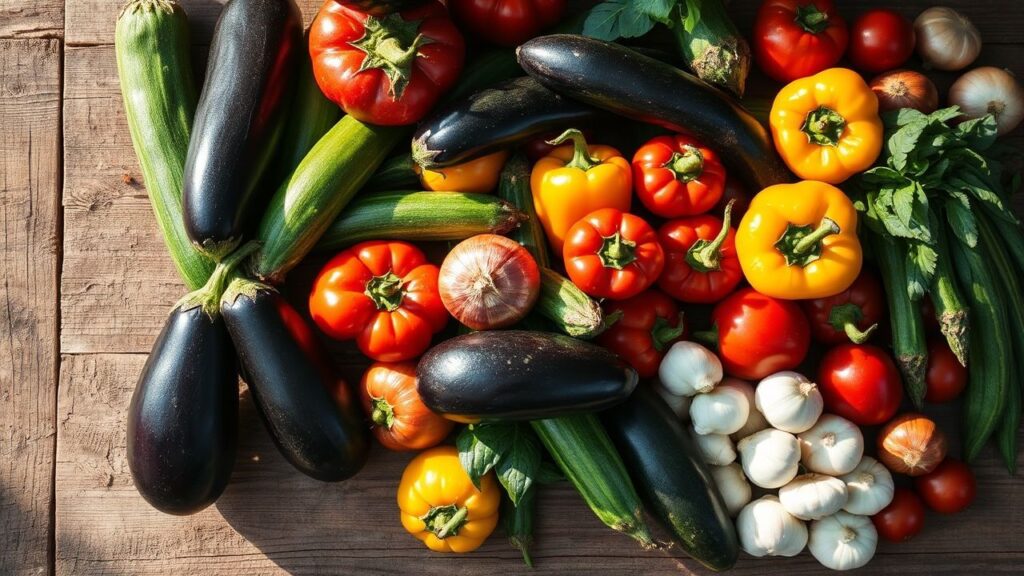
Crafting an authentic ratatouille is an exercise in selecting the finest seasonal produce. The quality of your ingredients will directly dictate the final flavor and texture of your dish. While the core components are consistent, the subtle nuances of ripeness and variety can make a significant difference.
Essential Vegetables:
- Eggplant (Aubergine): Opt for firm, glossy eggplants. Globe or Japanese varieties work well. They absorb flavors beautifully, providing a rich, creamy base.
- Zucchini (Courgette): Choose young, firm zucchini with smooth skin. Overly large or watery zucchini can dilute the dish.
- Bell Peppers: A mix of colors – red, yellow, and orange – adds both visual appeal and a delightful sweetness. Green peppers can be used but tend to be more bitter.
- Tomatoes: Ripe, flavorful tomatoes are paramount. San Marzano or Roma varieties are excellent choices for their meaty texture and lower water content. If out of season, good quality canned whole peeled tomatoes can be a worthy substitute.
- Onions: Yellow or Vidalia onions offer a balanced sweetness when cooked down.
- Garlic: Fresh garlic cloves, minced or thinly sliced, are indispensable for their pungent aroma and flavor.
The Aromatic Heart: Provençal Herbs
This is where the soul of the dish is truly awakened. The “Herbes de Provence” blend is the key to authentic flavor. While pre-made blends are available, creating your own allows for greater control and freshness.
- Thyme: Earthy and slightly minty, thyme is a foundational herb in Provençal cuisine.
- Rosemary: Pungent and pine-like, rosemary adds a robust aroma. Use sparingly, as its flavor can be overpowering.
- Bay Leaf: Offers a subtle, complex bitterness that rounds out the herb profile.
- Savory (Summer or Winter): Provides a peppery, slightly minty note.
- Marjoram or Oregano: Can be used for a slightly sweeter, more pungent aroma, though less traditional than thyme and rosemary in some classic formulations.
The Supporting Cast:
- Olive Oil: A good quality extra virgin olive oil is essential for sautéing and infusing flavor. Provence is, after all, a land of exceptional olive oil.
- Salt and Freshly Ground Black Pepper: To season and enhance all the other flavors.
The Technique: A Masterclass in Patient Preparation
The art of ratatouille lies not in complexity, but in precision and patience. The traditional method involves cooking each vegetable component separately. This might seem laborious, but it is the secret to achieving distinct textures and preventing a homogenous, watery stew.
Step-by-Step Method:
- Prepare the Vegetables: Wash and chop all vegetables into roughly equal-sized pieces (about 1-inch or 2.5 cm cubes). For the eggplant, salting it beforehand can draw out excess moisture and bitterness; toss with salt, let sit for 30 minutes, then rinse and pat dry.
- Sauté the Eggplant: In a large, heavy-bottomed pot or Dutch oven, heat a generous amount of olive oil over medium-high heat. Add the eggplant in batches, ensuring not to overcrowd the pan. Sauté until golden brown and tender. Remove with a slotted spoon and set aside.
- Sauté the Zucchini: Add more olive oil to the pot if needed. Sauté the zucchini until lightly browned and tender-crisp. Remove and set aside with the eggplant.
- Sauté the Peppers and Onions: Add more olive oil. Add the chopped onions and cook until softened and translucent, about 5-7 minutes. Add the bell peppers and cook until they begin to soften, about another 5-7 minutes.
- Introduce the Tomatoes and Aromatics: Add the minced garlic to the pot and cook for about 1 minute until fragrant, being careful not to burn it. Stir in the chopped fresh tomatoes (or drained canned tomatoes). Add your bouquet garni (tie fresh herbs together with kitchen twine or place dried herbs in a cheesecloth sachet).
- The Gentle Simmer: Return the sautéed eggplant and zucchini to the pot. Season generously with salt and freshly ground black pepper. Bring the mixture to a gentle simmer. Reduce the heat to low, cover, and cook for at least 30-45 minutes, or until all the vegetables are tender and the flavors have melded beautifully. Stir occasionally to prevent sticking.
- Finishing Touches: Remove and discard the bouquet garni. Taste and adjust seasoning as needed. For a richer flavor, you can stir in a tablespoon or two of good quality olive oil at the very end.
Nutritional Profile: A Garden’s Bounty
Ratatouille is a powerhouse of nutrients, offering a wealth of vitamins, minerals, and fiber. Its low calorie count and high vegetable content make it an excellent choice for a healthy and satisfying meal.
Approximate Nutritional Information Per Serving (assuming 6 servings):
- Calories: 150-200 kcal
- Protein: 3-5 g
- Fat: 8-12 g (primarily from olive oil)
- Carbohydrates: 15-20 g
- Fiber: 5-7 g
- Vitamins: Rich in Vitamin C (from peppers and tomatoes), Vitamin A (from peppers), and various B vitamins.
- Minerals: Good source of potassium (from eggplant and tomatoes), and manganese.
The antioxidant properties of the vegetables, particularly lycopene in tomatoes and various phytonutrients in peppers and eggplant, contribute to its health benefits.
Elevating Your Ratatouille: Pro Tips for Restaurant-Quality Results
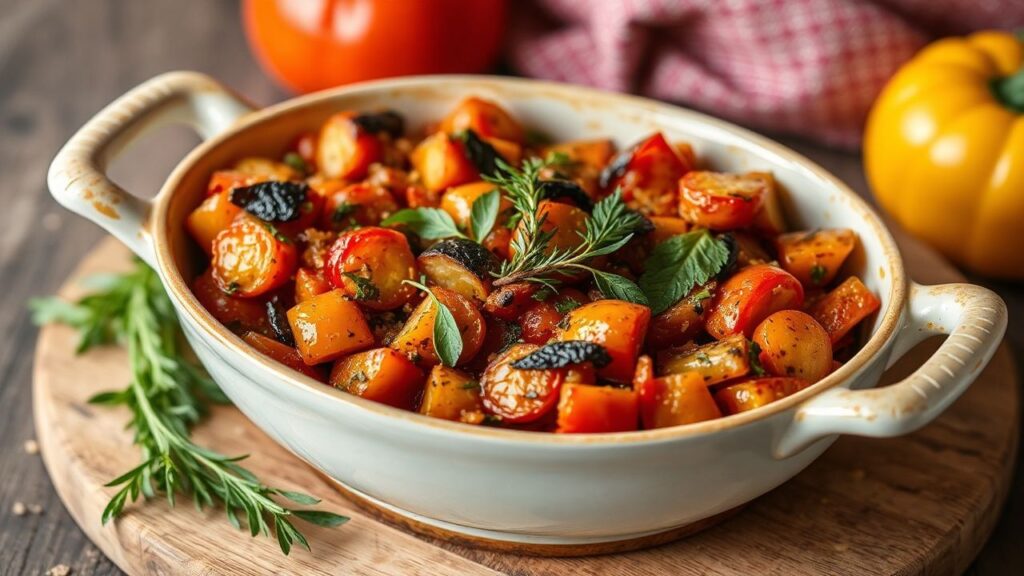
While the basic recipe is straightforward, a few expert touches can transform your ratatouille from good to sublime. These are the subtle techniques that separate the home cook from the seasoned chef.
One common pitfall is the dreaded watery ratatouille. This often occurs when vegetables are cooked too quickly or in too small a pan, forcing them to steam rather than sauté. The initial salting of the eggplant is crucial, as is ensuring you don’t overcrowd the pan during any stage of the cooking process. Working in batches guarantees that each vegetable gets direct contact with the hot oil, promoting proper browning and flavor development.
Furthermore, consider the order of operations. Some chefs advocate for cooking the onions and peppers first, then adding the tomatoes to create a base, before incorporating the pre-cooked eggplant and zucchini. Others prefer a more integrated approach, building layers of flavor. Experimentation is key, but always prioritize the separate cooking of the primary vegetables.
The final resting period is also vital. Ratatouille, like many slow-cooked dishes, benefits immensely from time. Allowing it to sit for at least 30 minutes after cooking, or even better, refrigerating it overnight and serving it at room temperature the next day, allows the flavors to deepen and meld into a harmonious whole. This is a dish that often improves with age.
Serving Suggestions: A Versatile Mediterranean Gem
Ratatouille’s versatility is one of its greatest strengths. It shines as a side dish, a light main course, or even as a flavorful accompaniment to other proteins.
- As a Side Dish: It’s a perfect accompaniment to grilled fish, roasted chicken, lamb chops, or even a simple steak.
- As a Main Course: Serve it over polenta, couscous, or with a crusty baguette for a satisfying vegetarian meal. A fried or poached egg on top transforms it into a hearty brunch or light supper.
- As a Base: It can be spooned over pasta, used as a filling for crepes or omelets, or as a topping for bruschetta.
The temperature at which you serve it also alters the experience. Warm, it’s comforting and robust. At room temperature, its fresh herbal notes are more pronounced. Chilled, it becomes a refreshing and vibrant salad, particularly delightful on a hot summer day.
The Enduring Appeal of Ratatouille
In a world of culinary trends that ebb and flow, ratatouille remains a steadfast beacon of classic French cooking. Its enduring appeal lies in its simplicity, its reliance on peak-season produce, and the profound depth of flavor achieved through patient, thoughtful preparation. The gentle embrace of Provençal herbs, the sweet acidity of ripe tomatoes, the earthy richness of eggplant, and the delicate texture of zucchini all converge to create a dish that is both rustic and refined. It’s a reminder that the most extraordinary meals often spring from the most humble origins, proof of the timeless wisdom of cooking with the seasons and respecting the inherent qualities of nature’s bounty. Mastering ratatouille is not just about following a recipe; it’s about understanding the philosophy behind it, a philosophy that celebrates flavor, tradition, and the sheer joy of good food shared.
Vegetable cultivation and culinary traditions have shaped dishes like this for centuries, evolving alongside human civilization and agricultural advancements.
Frequently Asked Questions about Ratatouille
What is the best way to prevent ratatouille from becoming watery?
The most crucial step is to cook each vegetable individually before combining them. This allows excess moisture to evaporate and the vegetables to caramelize, rather than steam. For eggplant, salting and rinsing it beforehand is highly recommended to draw out moisture. Avoid overcrowding the pan; cook in batches if necessary. Finally, a slow, gentle simmer towards the end, uncovered for the last 10-15 minutes if needed, can help reduce any residual liquid and concentrate the flavors.
Can ratatouille be made ahead of time, and does it improve with age?
Absolutely. Ratatouille is a dish that significantly benefits from being made ahead. The flavors meld and deepen considerably when the dish is allowed to rest for several hours or, ideally, overnight in the refrigerator. When reheated gently, it often tastes even better than when freshly made. This makes it an excellent choice for entertaining or for preparing meals in advance.
What are the essential Provençal herbs for authentic ratatouille?
The quintessential Provençal herbs are thyme, rosemary, and bay leaf. Often, a blend known as “Herbes de Provence” is used, which can also include savory, marjoram, and sometimes oregano. Using fresh herbs, especially thyme and rosemary, will impart a more vibrant and aromatic quality to the dish. If using dried herbs, ensure they are fresh and aromatic, and consider using them in a sachet for easier removal.
See also: Ratatouille