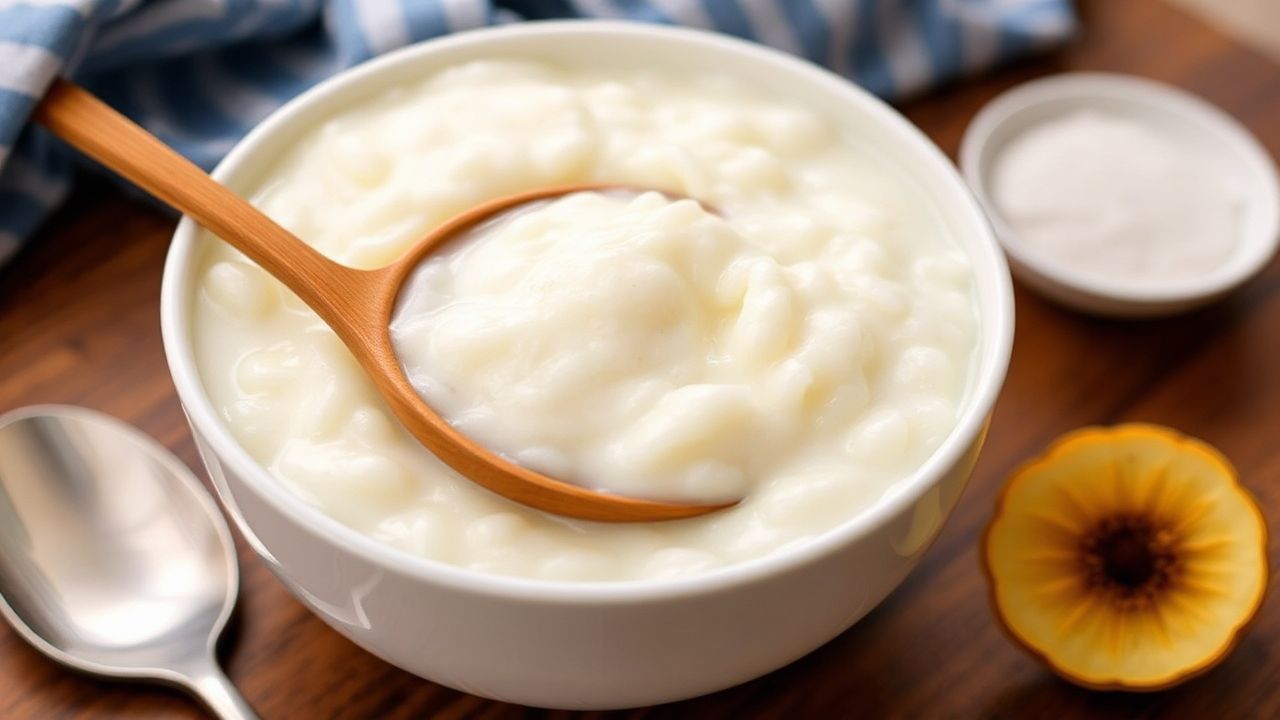

The scent of simmering milk, the gentle whisper of a wooden spoon against the pot, the promise of a dessert that feels like a warm hug – these are the sensory hallmarks of a truly exceptional rice pudding. For many, the mere mention conjures images of childhood kitchens, a comforting respite from a chilly afternoon or a triumphant finale to a simple family meal. Yet, the magic of rice pudding, particularly when elevated by the unparalleled richness of condensed milk, transcends mere nostalgia. It is proof of culinary alchemy, transforming humble pantry staples into a dessert of sublime texture and profound flavor. This isn’t just about boiling rice; it’s about coaxing out its inherent starchiness, infusing it with aromatic whispers, and culminating in a silken embrace that only condensed milk can truly deliver.
- The Alchemy of Ingredients: Building a Superior Rice Pudding
- The Condensed Milk Equation: More Than Just Sweetness
- Crafting the Perfect Rice Pudding with Condensed Milk: A Step-by-Step Guide
- Nutritional Information (Per Serving – approximate, based on 6 servings):
- Elevating Your Rice Pudding to Restaurant Quality
- The Art of Aromatic Infusion:
- Texture Refinement: The Importance of Cooling
- Presentation is Paramount:
- Frequently Asked Questions
- What is the best type of rice for condensed milk rice pudding?
- How do I prevent my rice pudding from becoming too sweet?
- Can I make condensed milk rice pudding ahead of time?
At a Glance: Unlocking the Perfect Condensed Milk Rice Pudding
- The Foundation: Prioritize the right rice variety (Arborio or short-grain sushi rice) and a patient, low-and-slow cooking method to achieve optimal creaminess.
- The Sweetener’s Role: Condensed milk is not merely a sweetener; its high sugar and milk solids content contribute significantly to texture, richness, and a unique caramel undertone.
- Aromatic Nuances: Infusing the milk base with aromatics like vanilla, cinnamon, or citrus zest is crucial for complexity, preventing the dessert from becoming one-dimensionally sweet.
- The Art of Cooling: Allow the pudding to rest and cool gradually, as this process further develops its signature thick, velvety consistency.
The inherent beauty of rice pudding with condensed milk lies in its deceptive simplicity. It’s a dish that can be both an everyday indulgence and a show-stopping centerpiece, depending on the subtle nuances of preparation and presentation. While the core components – rice, milk, sugar – are straightforward, the precise interplay of these elements, particularly the strategic introduction of condensed milk, dictates the final outcome. This isn’t a dessert that tolerates haste; rather, it rewards patience and an understanding of how heat and time transform simple ingredients into something extraordinary. The condensed milk, with its concentrated dairy goodness and inherent sweetness, acts as a transformative agent, imbuing the pudding with a luxurious mouthfeel and a depth of flavor that granulated sugar alone cannot replicate.
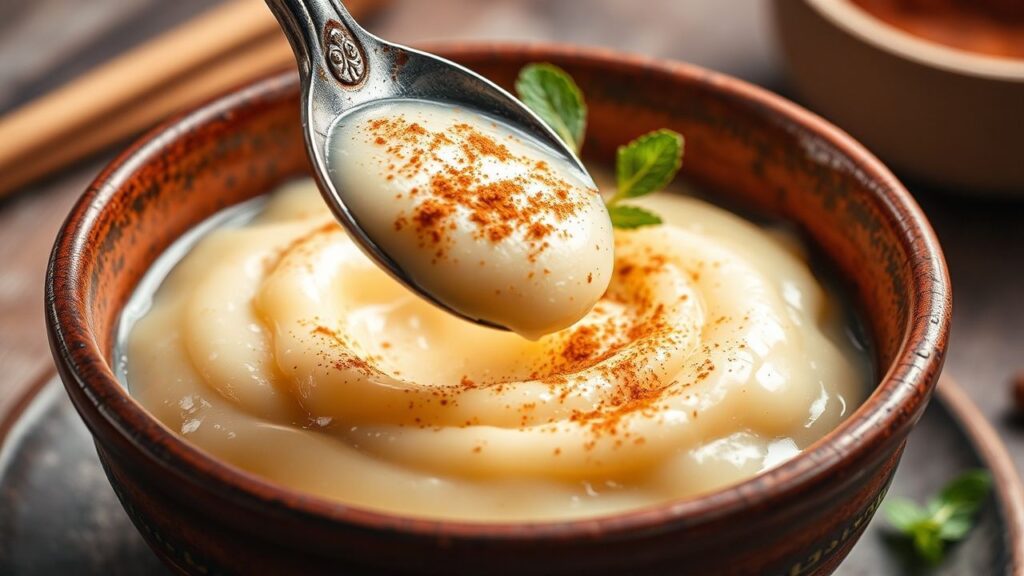
The Alchemy of Ingredients: Building a Superior Rice Pudding
The foundation of any great rice pudding is, unequivocally, the rice itself. While long-grain varieties can be used, they often result in a more distinct, separate grain texture. For the silken, almost custardy mouthfeel that defines an exceptional condensed milk rice pudding, a short-grain or medium-grain rice is paramount. Varieties like Arborio, commonly used in risotto, or even Japanese short-grain sushi rice, possess a higher starch content. As they cook, this starch is released into the liquid, creating the inherent creaminess that is the hallmark of this dessert. The breakdown of these starches, facilitated by gentle heat and constant stirring, is what differentiates a truly luxurious rice pudding from a mere milky rice porridge.
The liquid base is equally critical. While some recipes might advocate for solely condensed milk, a judicious blend of whole milk and condensed milk offers a more balanced richness and prevents an overly cloying sweetness. Whole milk provides the necessary liquid volume and a subtle dairy flavor that complements the concentrated sweetness of the condensed milk. The ratio is crucial: too much condensed milk can lead to a gummy texture and an overpowering sweetness, while too little will dilute the desired richness. A common starting point is a ratio of approximately 3 parts whole milk to 1 part condensed milk, though personal preference and the specific brand of condensed milk can influence this.
Beyond the primary ingredients, the aromatic elements are where a skilled cook truly elevates the dish. A simple vanilla bean, split and scraped, or a good quality vanilla extract, adds a classic, comforting perfume. However, venturing further can unlock new dimensions. The warmth of a cinnamon stick, the subtle floral notes of a cardamom pod, the bright zest of a lemon or orange – these additions, introduced during the simmering process, infuse the pudding with layers of complexity. They act as counterpoints to the sweetness, creating a more sophisticated and engaging flavor profile.
Choosing the Right Rice: The Unsung Hero
The selection of rice is not a minor detail; it is fundamental to the textural success of your condensed milk rice pudding. When you aim for that almost molten, flowing consistency, the inherent properties of the rice grain become paramount. Arborio rice, with its plump grains and high amylopectin starch content, is a chef’s favorite for this very reason. As it cooks, it releases a substantial amount of starch, creating a naturally creamy sauce that binds the grains together beautifully. Similarly, sushi rice, though perhaps less conventional, also possesses a high starch content that contributes to a wonderfully cohesive and smooth pudding.
Contrast this with a long-grain variety like Basmati or Jasmine. While fragrant and delicious in their own right, their starches are less inclined to break down and emulsify into the cooking liquid. The result is a pudding where the rice grains remain more distinct, leading to a lighter, more separate texture. While this might be desirable for some preparations, for the unctuous, velvety experience that defines a premium condensed milk rice pudding, short to medium-grain varieties are indispensable.
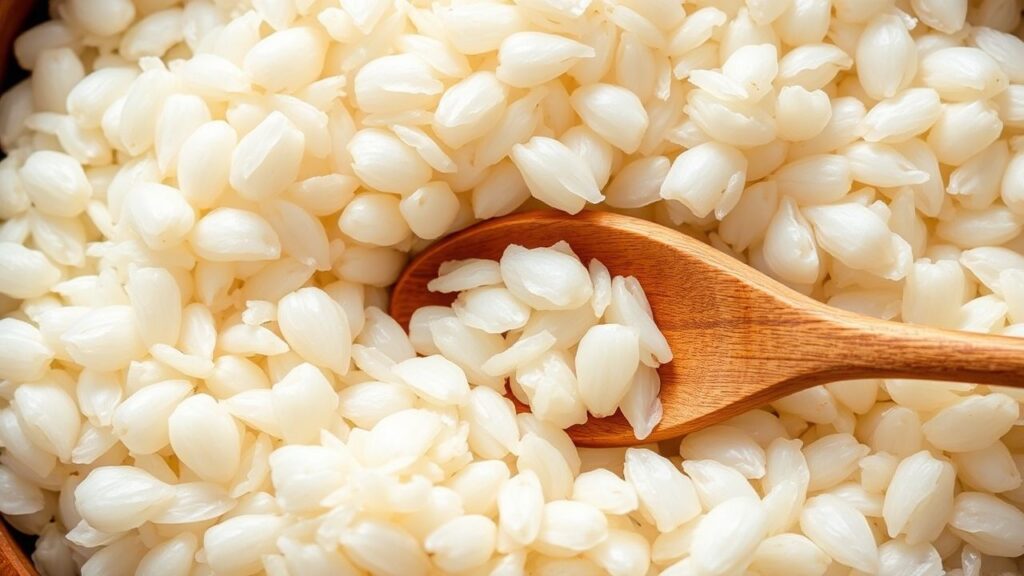
The process of cooking the rice is as important as the type of rice used. A rapid boil will cause the grains to swell unevenly and can lead to a mushy exterior while leaving the interior undercooked. Instead, a gentle, slow simmer is key. This allows the rice to absorb the liquid gradually, releasing its starches methodically and ensuring even cooking throughout. It’s a patient process, requiring regular stirring to prevent sticking and to encourage the release of starch.
The Condensed Milk Equation: More Than Just Sweetness
Condensed milk, in the context of rice pudding, is not merely a sweetener; it’s a textural marvel. Its transformation from liquid milk involves the evaporation of a significant portion of its water content, followed by the addition of a substantial amount of sugar. This concentration means that condensed milk is rich in both milk solids and sugars. When incorporated into a simmering rice mixture, these components play a dual role.
Firstly, the concentrated milk solids contribute to an unparalleled creaminess and a richer mouthfeel. They bind with the starches released from the rice, creating a smoother, more luxurious texture that is inherently more decadent than a pudding made with regular milk and granulated sugar alone. Secondly, the high sugar content of condensed milk not only sweetens the pudding but also contributes to its characteristic glossy sheen and a subtle, almost caramel-like undertone. This is a sweetness that is deeper and more complex than that provided by simple granulated sugar, offering a nuanced flavor profile that distinguishes this type of rice pudding.
The introduction of condensed milk should be carefully timed. Adding it too early can risk scorching the sugars, leading to an undesirable burnt flavor. Typically, it’s best incorporated in the latter stages of cooking, allowing it to meld with the rice and milk mixture, enhancing its texture and flavor without compromising its delicate notes.
A Case Study in Culinary Transformation: The Hong Kong-Style Milk Tea Influence
The profound impact of condensed milk on desserts is perhaps best exemplified in the culinary traditions of Hong Kong. The iconic Hong Kong-style milk tea, a potent brew often fortified with evaporated milk and sweetened with condensed milk, offers a parallel to the way condensed milk transforms rice pudding. In milk tea, the condensed milk doesn’t just sweeten; it creates a velvety smooth, almost creamy texture that balances the astringency of the tea. This same principle applies to rice pudding. The condensed milk acts as a emulsifier and a texturizer, creating a more cohesive and luxurious dessert. Consider the difference between a simple iced tea and a creamy, indulgent bubble tea; the condensed milk plays a similar, albeit more subtle, role in elevating the humble rice pudding to a dessert of significant depth and satisfaction.
Crafting the Perfect Rice Pudding with Condensed Milk: A Step-by-Step Guide
This recipe focuses on achieving a rich, creamy, and delicately flavored rice pudding, where condensed milk plays a starring role without overpowering the other elements.
Ingredients:
- 150g (¾ cup) Arborio rice or short-grain sushi rice
- 750ml (3 cups) Whole milk
- 200ml (about ¾ cup plus 2 tbsp) Sweetened condensed milk
- 1 Vanilla bean, split lengthwise, seeds scraped, or 1 teaspoon pure vanilla extract
- 1 Cinnamon stick (optional)
- Zest of ½ lemon or orange (optional)
- Pinch of salt
Preparation Method:
1. Rinse the Rice: Thoroughly rinse the rice under cold running water until the water runs clear. This removes excess surface starch, which can prevent the pudding from becoming too gummy. Drain well.
2. Infuse the Milk: In a heavy-bottomed saucepan, combine the whole milk, scraped vanilla seeds and pod (if using), cinnamon stick (if using), citrus zest (if using), and a pinch of salt. Heat gently over medium-low heat until the milk is steaming but not boiling. Remove from heat, cover, and let it infuse for about 15-20 minutes. This allows the aromatics to release their flavor into the milk.
3. Combine and Simmer: Remove the vanilla pod, cinnamon stick, and citrus zest from the infused milk. Return the milk to the saucepan over medium-low heat. Add the rinsed and drained rice. Bring the mixture to a very gentle simmer, stirring occasionally.
4. The Slow Cook: This is where patience is key. Cook the rice, stirring frequently (every 5-7 minutes), for approximately 30-40 minutes, or until the rice is tender and the mixture has begun to thicken. The goal is for the rice to absorb the liquid and release its starches, creating a creamy base.
5. Introduce the Condensed Milk: Once the rice is tender and the pudding has a noticeable creamy consistency, stir in the sweetened condensed milk. Continue to cook and stir gently for another 5-10 minutes, allowing the condensed milk to fully integrate and further enrich the pudding. If using vanilla extract instead of a bean, stir it in during this final stage.
6. Check for Consistency: The pudding should be thick enough to coat the back of a spoon but still retain a fluid, flowing quality. It will continue to thicken as it cools. If it becomes too thick during cooking, you can add a splash more milk.
7. Rest and Serve: Remove the saucepan from the heat. Let the rice pudding rest for at least 10-15 minutes before serving. This allows the flavors to meld and the texture to set further. Serve warm or at room temperature.
Serving Suggestions:
- Classic: A dusting of ground cinnamon or nutmeg.
- Fruity: Fresh berries (raspberries, blueberries) or poached stone fruit.
- Nutty: Toasted almonds, pistachios, or walnuts.
- Boozy: A drizzle of rum or a splash of Grand Marnier (for adult palates).
Nutritional Information (Per Serving – approximate, based on 6 servings):
- Calories: 350-450 kcal
- Protein: 8-12g
- Fat: 10-15g (Saturated Fat: 6-9g)
- Carbohydrates: 50-65g (Sugars: 40-55g)
- Fiber: 1-2g
*Note: Nutritional values are estimates and can vary significantly based on specific ingredients, brands, and portion sizes.*
Elevating Your Rice Pudding to Restaurant Quality
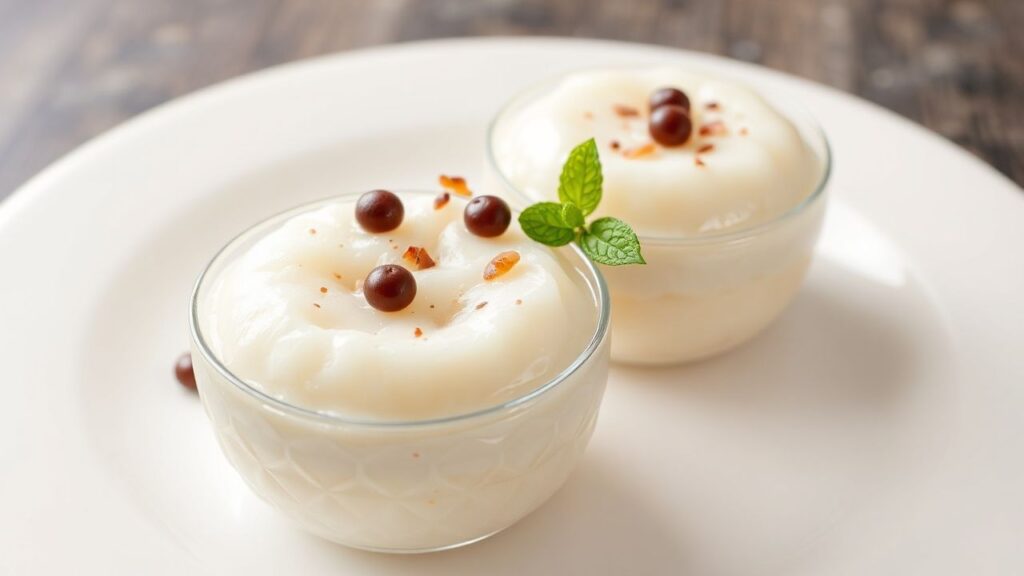
Achieving a restaurant-caliber rice pudding with condensed milk involves a nuanced understanding of texture, flavor layering, and presentation. It’s about moving beyond the basic recipe to imbue the dessert with a sophisticated elegance.
The Art of Aromatic Infusion:
While vanilla and cinnamon are classic, consider more subtle infusions to add depth. A few strips of orange zest, steeped in the milk, can provide a bright, citrusy counterpoint to the richness. Cardamom pods, lightly crushed, offer a fragrant, slightly floral aroma that is both exotic and comforting. For a truly decadent experience, a star anise pod can impart a liquorice-like warmth, though it should be used sparingly to avoid overpowering the dish. The key is to infuse these aromatics into the milk *before* adding the rice, allowing their essence to permeate the entire pudding.
Texture Refinement: The Importance of Cooling
The cooling process is as crucial as the cooking process for achieving the ideal texture. While serving warm is delightful, allowing the pudding to cool gradually at room temperature before chilling further develops its viscosity. As it cools, the starches continue to set, and the fats from the milk and condensed milk solidify slightly, creating a denser, creamier mouthfeel. Many home cooks mistakenly refrigerate the pudding immediately after cooking, which can sometimes lead to a firmer, less yielding texture.
Presentation is Paramount:
Even the most delicious rice pudding benefits from thoughtful presentation. Serve in elegant ramekins or shallow bowls. A delicate dusting of finely ground cinnamon or nutmeg adds visual appeal and an aromatic flourish. For a touch of freshness and color, a few fresh berries – raspberries, their tartness cutting through the richness, or plump blueberries – can be a wonderful addition. A single mint leaf or a scattering of toasted slivered almonds can provide textural contrast and an elegant finish. Consider a drizzle of a fruit coulis, such as raspberry or passionfruit, for a vibrant, sophisticated touch.
The quest for the perfect rice pudding with condensed milk is a journey of understanding the interplay of simple ingredients and the transformative power of patience and technique. It’s a dessert that invites personalization, a canvas upon which to paint with flavors and aromas.
Frequently Asked Questions
What is the best type of rice for condensed milk rice pudding?
The ideal rice for a creamy, luscious condensed milk rice pudding is a short-grain or medium-grain variety. This is because these types of rice have a higher starch content. As they cook, they release more starch into the liquid, which is the primary ingredient responsible for creating that signature velvety texture. Arborio rice, commonly used for risotto, is an excellent choice due to its plump grains and high amylopectin starch content. Japanese short-grain sushi rice is another fantastic option for the same reasons. While long-grain rice can be used, it tends to result in a pudding with more distinct, separate grains, rather than the smooth, cohesive texture that is characteristic of a truly exceptional condensed milk rice pudding.
How do I prevent my rice pudding from becoming too sweet?
The sweetness of condensed milk can be quite pronounced, and it’s a common concern to achieve a balance. Firstly, don’t be tempted to use too much condensed milk. Stick to the recommended ratios in a good recipe, typically around 1 part condensed milk to 3-4 parts regular milk. Secondly, balance the sweetness with other flavors. Incorporating a pinch of salt is crucial as it enhances all the other flavors and prevents the sweetness from being one-dimensional. Adding acidity through ingredients like lemon or orange zest, or serving with tart berries or a fruit coulis, can also cut through the richness and sweetness effectively. Finally, the aromatic elements like vanilla and cinnamon, while sweet in their own right, add complexity that distracts from the pure sugariness and creates a more nuanced flavor profile.
Can I make condensed milk rice pudding ahead of time?
Yes, condensed milk rice pudding can absolutely be made ahead of time. In fact, many argue that it’s even better the next day as the flavors have more time to meld and the texture can become even richer and more cohesive. After cooking, allow the pudding to cool at room temperature for at least 30 minutes to an hour. Then, transfer it to an airtight container and refrigerat it. When ready to serve, you can gently reheat it on the stovetop over low heat, stirring frequently and adding a splash of milk if it has become too thick. Alternatively, it can be served chilled, which offers a delightful contrast, especially on a warm day. Ensure that any garnishes, such as fresh fruit or nuts, are added just before serving to maintain their freshness and texture.
See also: rice pudding