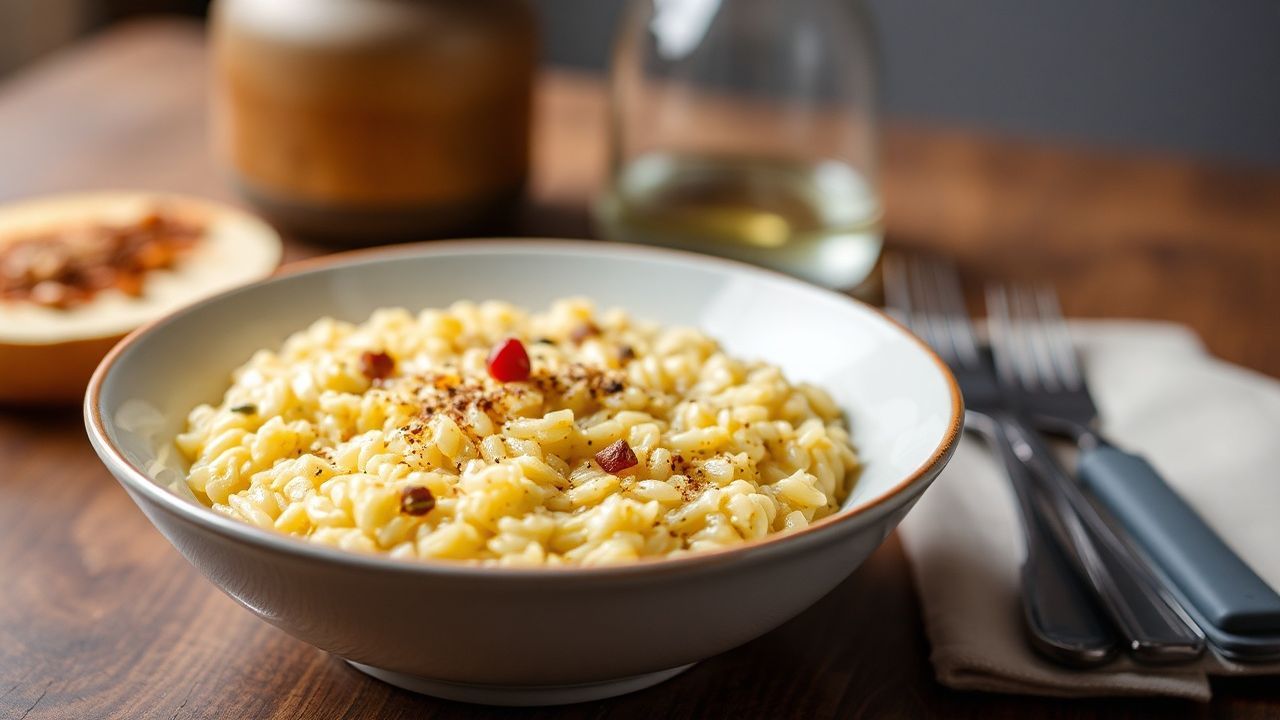

“The secret of good cooking is to love what you are doing.” – Julia Child
- The Allure of Risotto alla Milanese: A Golden Hue of History and Flavor
- The Art of Preparation: Mastering the Milanese Method
- Nutritional Profile: A Rich Indulgence
- Expert Pro-Tips: Elevating Your Risotto to Restaurant Quality
- Variations and Pairings: Beyond the Classic
- Conclusion: A Timeless Culinary Icon
- Frequently Asked Questions (FAQ)
The Allure of Risotto alla Milanese: A Golden Hue of History and Flavor
Risotto alla Milanese is more than just a dish; it’s an edible emblem of Lombardy, proof of the region’s rich culinary heritage and its judicious use of precious ingredients. The very name conjures images of golden grains, infused with the unmistakable aroma and vibrant hue of saffron. This iconic preparation, deeply rooted in the heart of Milan, transcends mere sustenance to become an experience, a journey through centuries of gastronomic evolution. To truly understand Risotto alla Milanese is to appreciate the meticulous craft, the select ingredients, and the patient alchemy that transforms humble rice into a luxurious, soul-satisfying creation.
- The iconic golden color of Risotto alla Milanese is a direct result of its star ingredient: saffron.
- Its creamy texture, achieved through careful stirring and starch release, is a hallmark of expert risotto technique.
- Traditionally served as a primo piatto (first course), it can also be a substantial main course.
- The dish represents a sophisticated balance of simplicity and opulence, achievable with humble ingredients elevated by technique.
The genesis of this celebrated dish is often shrouded in the mists of legend, yet the most enduring tale points to a rather serendipitous creation in 1574. It is said that a young apprentice glassblower, working on the stained glass windows of the Milan Cathedral, decided to liven up a wedding feast with a touch of his own flair. He added saffron, a spice then used primarily for dyeing, to his master’s risotto, turning the dish a brilliant gold. Whether apocryphal or not, this story perfectly encapsulates the spirit of innovation and the aspirational quality that Risotto alla Milanese embodies. It speaks of a time when saffron, a highly prized and costly spice, was reserved for special occasions, elevating the humble rice to a status of regal elegance. This historical context is vital for anyone seeking to recreate this dish authentically, understanding that its origins are steeped in both everyday life and moments of extraordinary celebration.
The Quintessential Ingredients: The Foundation of Golden Perfection
The magic of Risotto alla Milanese lies in its deceptively simple yet precisely chosen ingredients. Each component plays a critical role in achieving the dish’s signature texture, aroma, and flavour.
- Rice: The soul of any risotto. For Milanese, the preferred varietals are Carnaroli or Arborio. Carnaroli, often dubbed the “king of rice,” has a higher starch content and a firmer grain that holds its shape exceptionally well, absorbing liquid without becoming mushy, a critical factor for that sought-after creamy yet al dente bite. Arborio is more widely available and also yields excellent results, though it requires a slightly more vigilant hand to prevent overcooking.
- Saffron: The undisputed star. High-quality saffron threads are non-negotiable. These crimson strands impart not only a stunning golden hue but also a unique, subtly floral, and earthy aroma that is unmistakably Milanese. The flavour is delicate, nuanced, and cannot be replicated.
- Broth: A flavourful beef broth is traditional and provides the foundational depth. A good quality chicken broth can be a substitute, but beef broth offers a richer, more robust profile that complements the saffron and cheese. It must be simmered gently throughout the cooking process.
- Onion: A finely minced white onion or shallot is essential for building the aromatic base. Sweating it slowly ensures it becomes translucent and sweet, not browned and bitter.
- Butter: Unsalted butter, both for toasting the rice and for the crucial *mantecatura* (whipping) at the end. Its richness contributes to the creamy texture and adds a luxurious mouthfeel.
- Parmigiano-Reggiano: Freshly grated Parmigiano-Reggiano cheese is key for the final flavour boost and creamy finish. Its salty, nutty notes are indispensable.
- White Wine: A splash of dry white wine (like a Pinot Grigio or Sauvignon Blanc) is added after toasting the rice. It deglazes the pan, adds a touch of acidity to cut through the richness, and introduces another layer of complex aroma.
The quality of each ingredient is paramount. Using a generic, pre-grated cheese or a bland broth will invariably result in a less-than-stellar risotto. This is not a dish where shortcuts can be taken without consequence. The beauty of Risotto alla Milanese lies in the harmonious interplay of these select components, each contributing its unique character to the final symphony of flavours and textures.

The Art of Preparation: Mastering the Milanese Method
The creation of Risotto alla Milanese is a dance of patience and precision, a culinary ballet where technique is as vital as the ingredients themselves. It demands attention, a steady hand, and an understanding of how the rice releases its starches.
Step-by-Step Mastery: Crafting Your Golden Risotto
This detailed approach ensures the perfect al dente bite and creamy consistency.
1. The Saffron Infusion: Unlocking its Golden Potential
Begin by gently warming about 150ml (2/3 cup) of the beef broth. Add a generous pinch of saffron threads to this warm broth and let them steep for at least 15-20 minutes. This allows the saffron to fully release its colour and flavour into the liquid, creating a potent infusion that will colour and flavour the entire risotto. Do not boil the broth; a gentle warmth is sufficient.
2. Building the Aromatic Foundation: The Soffritto
In a heavy-bottomed pan or pot (copper is ideal for even heat distribution), melt 30g (2 tablespoons) of unsalted butter over medium-low heat. Add the finely minced onion or shallot and cook gently, stirring frequently, until it is completely translucent and softened, about 8-10 minutes. It should never brown, as this would impart a bitter note. This slow sweating process is crucial for developing sweetness and a delicate aromatic base.
3. Toasting the Rice: The Crucial Tostatura
Increase the heat to medium. Add the 320g (1.5 cups) of Carnaroli or Arborio rice to the pan. Stir the rice constantly with a wooden spoon for about 2-3 minutes, ensuring each grain is coated in the butter and onion mixture. The grains should become slightly translucent around the edges while remaining opaque in the center. This toasting process, known as *tostatura*, seals the outside of the rice grains, allowing them to absorb the liquid slowly and release their starch gradually, which is key to achieving a creamy texture without the rice becoming gluey.
4. Deglazing with Wine: Introducing Acidity
Pour in 120ml (1/2 cup) of dry white wine. Stir continuously, allowing the alcohol to evaporate completely and the sharp acidic notes to mellow. The wine should be fully absorbed by the rice before proceeding to the next step. This deglazing not only adds a layer of flavour but also helps to scrape up any fond from the bottom of the pan, incorporating it into the risotto.
5. Gradual Broth Addition: The Heart of Risotto Making
Begin adding the warm beef broth, one ladleful at a time, to the rice. Stir constantly with a wooden spoon, ensuring each ladle of broth is almost entirely absorbed before adding the next. The constant stirring is vital. It gently agitates the rice grains, encouraging them to release their starches, which emulsifies with the broth to create the signature creamy texture. Maintain a gentle simmer throughout this process, not a rolling boil. This typically takes 18-20 minutes for Carnaroli rice, and slightly less for Arborio. You are looking for the rice to be *al dente* – tender to the bite but with a slight firmness at its core.
6. The Saffron Integration: A Golden Finale
About halfway through the broth addition (around the 10-minute mark), stir in the saffron-infused broth. Continue adding plain broth as needed until the rice reaches the desired consistency.
7. The Mantecatura: The Unctuous Finish
Once the rice is perfectly *al dente* and the consistency is rich and flowing (not stiff, not soupy), remove the pan from the heat. This is the critical *mantecatura* stage. Stir in 60g (4 tablespoons) of cold, unsalted butter, cut into small cubes, and about 75g (3/4 cup) of freshly grated Parmigiano-Reggiano cheese. Stir vigorously until the butter and cheese are completely melted and emulsified into the risotto, creating an incredibly creamy, glossy, and unctuous texture. This final step is what truly elevates a good risotto to an exceptional one. The residual heat is enough to melt the butter and cheese without overcooking the rice.
8. Rest and Serve: The Moment of Truth
Let the risotto rest for 1-2 minutes off the heat before serving. This allows the flavours to meld and the texture to settle. Serve immediately in warm shallow bowls, garnished with a little extra Parmigiano-Reggiano and, if desired, a few extra saffron threads. Risotto waits for no one; its perfect texture is fleeting.
Nutritional Profile: A Rich Indulgence
While Risotto alla Milanese is undeniably a luxurious dish, understanding its nutritional breakdown can inform mindful enjoyment.
| Nutrient | Approximate per Serving (1/4 of recipe) |
|---|---|
| Calories | 550-650 kcal |
| Protein | 18-22g |
| Fat | 25-35g (Saturated Fat: 15-20g) |
| Carbohydrates | 60-70g |
| Sodium | 600-800mg (varies with broth and cheese) |
Note: Nutritional values are estimates and can vary based on specific ingredient brands, quantities used, and portion sizes. The higher fat content is primarily from the butter and cheese used in the mantecatura.
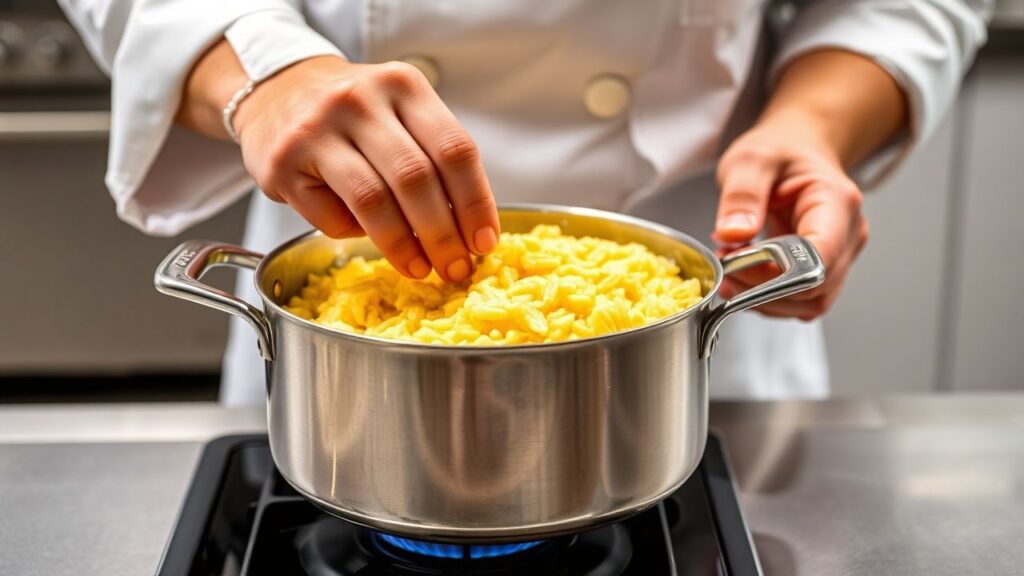
Expert Pro-Tips: Elevating Your Risotto to Restaurant Quality
Achieving that perfect, restaurant-worthy risotto isn’t just about following a recipe; it’s about understanding the nuances and employing specific techniques.
The Broth is King
As mentioned, the broth is the flavour backbone. If using store-bought broth, opt for the highest quality you can find, preferably low-sodium so you can control the saltiness yourself. For an authentic Milanese experience, a rich beef broth is traditional. However, for a lighter option, a high-quality chicken broth or even a vegetable broth (though less traditional) can be used. Always keep it at a gentle simmer. A large ladle dedicated solely to broth is a good practice.
Stirring: A Gentle Discipline
The constant stirring is not about frantic agitation, but rather a consistent, gentle motion. Think of it as coaxing the starch out of the rice. Too little stirring, and the rice will clump and cook unevenly. Too much aggressive stirring, and you risk breaking the grains too early. The goal is to create a smooth, unctuous emulsion of starch and liquid.
A study published in the Journal of Food Science highlighted how the mechanical action of stirring during risotto preparation directly influences the release of amylose from rice starch granules, leading to increased viscosity and creaminess. This scientific backing underscores the importance of this seemingly simple technique.
The Mantecatura: A Moment of Magic
This is the final flourish, the moment the risotto transforms from merely cooked rice into something truly luxurious. Use cold butter and freshly grated Parmigiano-Reggiano. The contrast in temperature and the high-quality cheese are key. Stir vigorously to emulsify. Some chefs advocate for adding a small knob of butter and cheese in stages, tasting and adjusting, but for Risotto alla Milanese, the traditional all-at-once *mantecatura* off the heat is highly recommended for its immediate impact.
Serving Protocol: The Fleeting Perfection
Risotto is a dish best served immediately. Its perfect creamy, *al dente* texture begins to degrade as it sits. Serve in shallow, warmed bowls to maintain its temperature. A quick garnish of fresh herbs or a drizzle of excellent olive oil is often sufficient, letting the star of the dish shine.
Variations and Pairings: Beyond the Classic
While the classic Risotto alla Milanese is a masterpiece in its own right, understanding its context allows for thoughtful variations and pairings.
Complementary Flavours and Textures
Traditionally, Risotto alla Milanese is served as a *primo piatto*, a first course, often preceding a rich meat dish like Osso Buco. The richness of the risotto cuts through the unctuousness of the veal shank, while the saffron notes echo the subtle flavours in the braised meat. This classic pairing is a culinary symphony, each dish enhancing the other.
Beyond the traditional, the inherent simplicity of the base risotto makes it a versatile canvas. However, for an authentic Milanese experience, additions are minimal. Some modern interpretations might feature a whisper of lemon zest for brightness or a few fresh herbs, but the saffron and cheese should always remain the dominant voices. Adding vegetables or other proteins to a true Risotto alla Milanese would fundamentally change its identity.
Wine Pairings
The ideal wine pairing should complement the richness without overpowering the delicate saffron. A medium-bodied white wine with good acidity is often preferred. Consider a crisp Gavi di Gavi from Piedmont, a Vermentino from Sardinia, or even a dry Italian sparkling wine like Franciacorta (produced near Milan) for a celebratory touch. For those who prefer red, a light-bodied, low-tannin red like a Valpolicella Classico can work, but white wines generally offer a more harmonious balance.
Conclusion: A Timeless Culinary Icon
Risotto alla Milanese stands as proof of the enduring power of simple ingredients elevated by masterful technique and a touch of culinary history. It is a dish that speaks of Milan, of tradition, and of the sheer joy of creating something beautiful and delicious. Mastering this iconic risotto is a rewarding journey for any home cook, offering a glimpse into the heart of Italian gastronomy. The golden hue, the creamy texture, and the subtle, intoxicating aroma of saffron combine to create an unforgettable culinary experience, a true embodiment of Italian culinary artistry.
Frequently Asked Questions (FAQ)
What is the essential difference between Risotto alla Milanese and other risottos?
The defining characteristic of Risotto alla Milanese is the prominent use of saffron, which imparts its distinctive golden colour and subtle, floral aroma. While other risottos might incorporate saffron for flavour or colour, it is the absolute star in the Milanese version. Furthermore, the traditional preparation strictly adheres to using beef broth and a specific method of mantecatura with butter and Parmigiano-Reggiano, without the addition of other vegetables or meats that might be found in different regional risotto variations.
Can I substitute Arborio rice if I can’t find Carnaroli?
Yes, Arborio rice is a perfectly acceptable substitute for Carnaroli in Risotto alla Milanese. Both are short-grain Italian rice varieties rich in amylopectin, the starch that gives risotto its creamy texture. Carnaroli is often preferred by professional chefs for its slightly firmer texture and ability to withstand longer cooking times without becoming mushy, but Arborio is more widely available and will yield excellent results with careful attention to cooking time and stirring. The key is to ensure you are using a high-quality risotto rice, not long-grain or parboiled rice.
How do I achieve the perfect “al dente” texture for my risotto?
Achieving the “al dente” (to the tooth) texture is a hallmark of good risotto. It means the rice grains should be cooked through but still retain a slight firmness at their core. This is achieved through gradual addition of hot broth and constant, gentle stirring. As you add the broth ladle by ladle, stir continuously to encourage starch release and even cooking. Taste the rice frequently towards the end of the cooking time (around 15-18 minutes for Carnaroli, slightly less for Arborio). You are looking for a texture that is tender but offers a slight resistance when bitten, not soft or mushy. The rice should be creamy, but the individual grains should still be discernible.
Is it possible to make Risotto alla Milanese vegan or dairy-free?
While an authentic Risotto alla Milanese relies heavily on butter and Parmigiano-Reggiano for its creamy texture and flavour, it is possible to create a delicious vegan or dairy-free version with thoughtful substitutions. For the butter, use a high-quality vegan butter or a neutral-flavoured oil like olive oil. For the cheese, nutritional yeast can provide a savoury, cheesy flavour, or you can use a commercial vegan hard cheese alternative. The crucial element of broth remains the same – a flavourful vegetable or mushroom broth would work well. The *mantecatura* will be different, relying more on the starch released from the rice and the emulsifying properties of the vegan fats and nutritional yeast, but a creamy, flavourful result is achievable.
See also: Risotto