
The Untamed Heart of Cuban Kitchens: Unpacking the Legend of Ropa Vieja
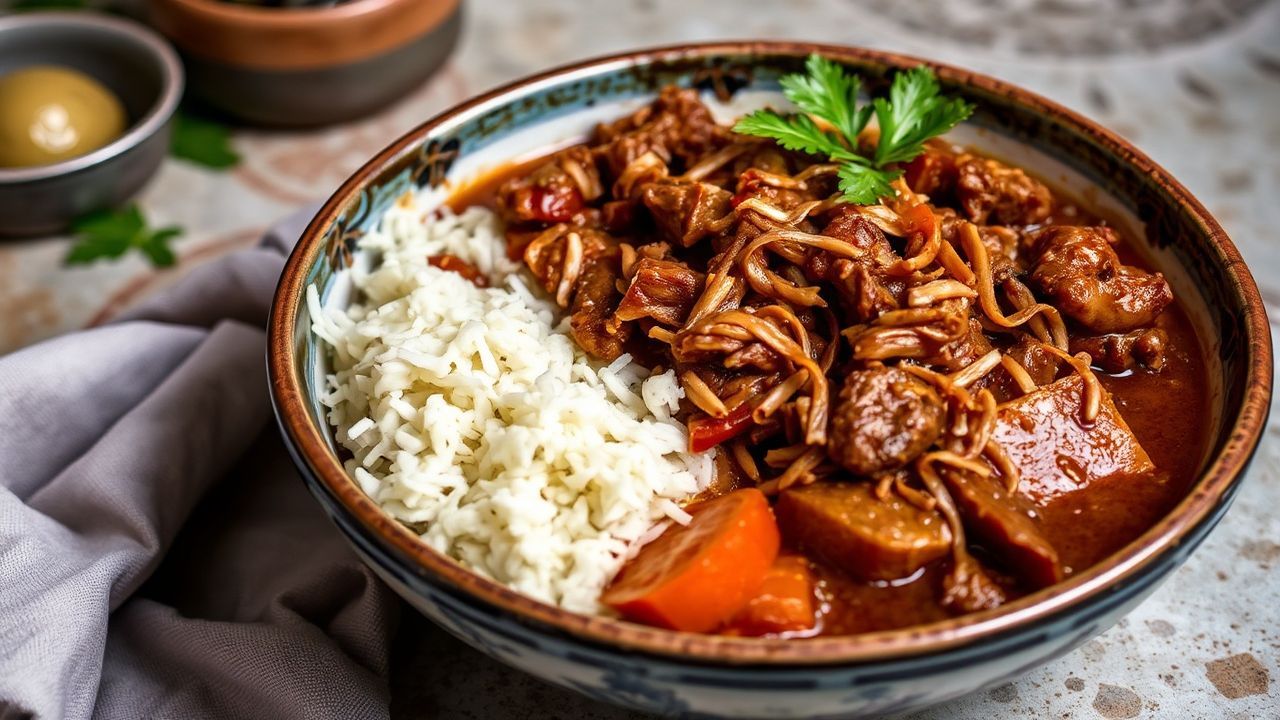
To dismiss *Ropa Vieja* as merely a shredded beef stew is to profoundly misunderstand the dish. It is, in fact, a culinary narrative, proof of resourcefulness, and a vibrant explosion of flavor that transcends its humble origins. The very name, translating to “old clothes,” hints at its storied past, a time when scarcity necessitated the ingenious transformation of leftover meats into something utterly spectacular. This is not a dish born of extravagance, but of necessity, elevated by generations of Cuban home cooks to a status of national treasure. Its presence on a table signifies more than sustenance; it’s an invitation to a cultural embrace, a palpable connection to the island’s soul.
- The Untamed Heart of Cuban Kitchens: Unpacking the Legend of Ropa Vieja
- The Anatomy of Flavor: Essential Ingredients for Authentic Ropa Vieja
- The Star: Beef and its Transformation
- The Aromatic Soul: Sofrito and its Companions
- The Spice Symphony: Nuance and Depth
- The Finishing Touches: Freshness and Vibrancy
- The Art of Slow Simmer: Crafting the Perfect Ropa Vieja
- Step 1: The Foundation – Tenderizing the Beef
- Step 2: Building the Flavor – The Sofrito
- Step 3: Marrying the Flavors – The Simmer
- Step 4: The Patient Embrace – Slow Cooking
- Step 5: The Final Flourish – Freshness and Presentation
- Nutritional Profile: A Guiding Light
- Elevating Ropa Vieja: Expert Tips for Restaurant-Quality Results
- The Beef: Quality and Preparation
- The Sofrito: Patience is a Virtue
- The Simmer: Flavor Infusion and Reduction
- The Finishing Touches: Brightness and Balance
- Serving Ropa Vieja: Beyond the Plate
- Frequently Asked Questions about Ropa Vieja
Key Takeaways:
- Ropa Vieja is a deeply symbolic Cuban dish, embodying resourcefulness and culinary alchemy.
- Its name, “old clothes,” reflects a history of transforming humble ingredients into a celebrated stew.
- Authenticity lies in slow cooking, the balance of sofrito, and the strategic use of spices.
- Mastering Ropa Vieja offers a gateway to understanding broader Cuban culinary traditions.
The magic of *Ropa Vieja* lies in its deceptive simplicity and the profound depth of flavor achieved through patient, unhurried cooking. It’s a dish that rewards time, allowing the tough cuts of beef to surrender their resistance, becoming meltingly tender strands infused with the aromatic essence of a meticulously built flavor base. Unlike the quick-fix stews of other cuisines, *Ropa Vieja* demands a commitment, a culinary meditation that culminates in a symphony of savory, slightly sweet, and piquant notes.
The Genesis of “Old Clothes”: A Culinary History
The etymology of *Ropa Vieja* is as colorful as its final presentation. The popular narrative traces its roots back to the Spanish colonial era and, even further, to the Sephardic Jewish tradition of *melado de carne*, a slow-cooked meat dish. The legend posits that a resourceful cook, finding herself with scant provisions, shredded leftover boiled beef, added vegetables and spices, and simmered it until tender and flavorful. This act of culinary resurrection, of breathing new life into what might have been discarded, became the cornerstone of *Ropa Vieja*. It’s a powerful metaphor for the Cuban spirit: resilient, adaptable, and capable of creating extraordinary beauty from the ordinary.
This tradition of making something exquisite from less-than-ideal cuts of meat is not unique to *Ropa Vieja*, but it is perhaps nowhere else so perfectly distilled. In many cultures, tough cuts of beef are relegated to stocks or ground meats. *Ropa Vieja* elevates them, transforming them into the star of the show through technique and time. The specific cut of beef is crucial; flank steak or skirt steak are traditional choices, prized for their inherent chewiness that, when cooked low and slow, breaks down into those signature, tender shreds.
The dish’s journey to becoming a Cuban icon is intertwined with the island’s own tumultuous history. As the population grew and culinary influences mingled, *Ropa Vieja* became a staple, a dish that could feed a family affordably and deliciously. It’s a dish found on humble kitchen tables and in celebrated restaurants alike, its presence a constant reminder of Cuban heritage.
The Anatomy of Flavor: Essential Ingredients for Authentic Ropa Vieja
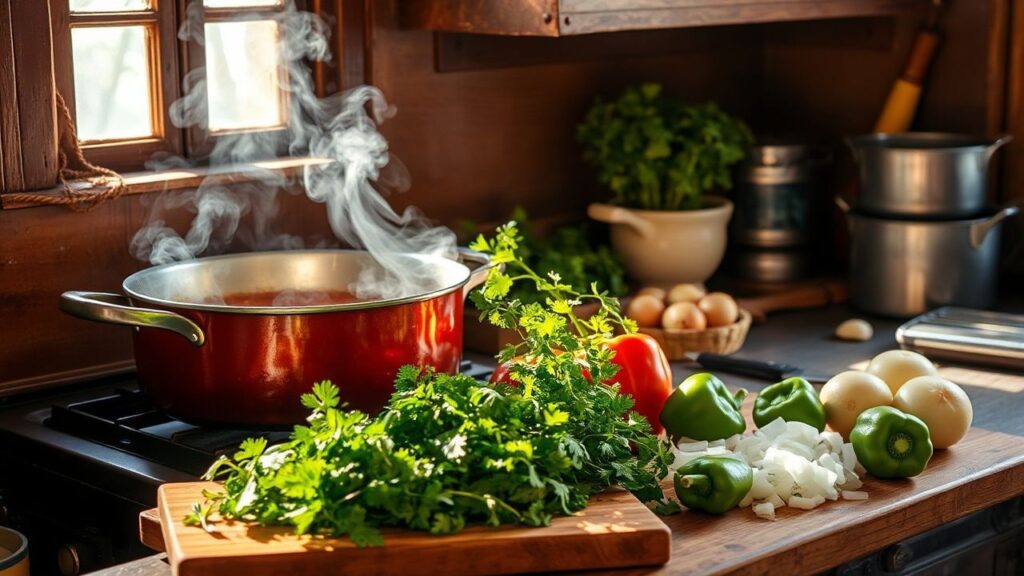
Achieving the soul-stirring depth of authentic *Ropa Vieja* requires a careful selection and precise preparation of its constituent elements. This is not a dish that tolerates shortcuts. Each ingredient matter significantly, contributing to the complex tapestry of taste and texture.
The Star: Beef and its Transformation
The foundation of any great *Ropa Vieja* is, of course, the beef. Traditionally, flank steak or skirt steak are preferred. These cuts, while lean and somewhat tough when cooked quickly, possess a desirable fibrous structure that, when braised for an extended period, yields those characteristic, tender shreds. The aim is not to tenderize the meat into submission, but to coax it into a state of yielding succulence.
The initial cooking of the beef is paramount. It is typically boiled or braised in water, often with aromatics like bay leaves, a halved onion, and a few peppercorns. This initial cooking liquid is not discarded; it forms the base of the stew’s sauce, infused with the essence of the beef. The beef is then removed and, once cool enough to handle, meticulously shredded by hand or with two forks. This manual shredding is key to the dish’s texture; it ensures the strands remain distinct rather than becoming a homogenous mush.
The Aromatic Soul: Sofrito and its Companions
The heart of Cuban cooking, and indeed many Latin American cuisines, lies in the sofrito. This aromatic foundation is where the magic truly begins to unfold for *Ropa Vieja*. A finely diced medley of onions, green bell peppers, and garlic forms the base. These are slowly sautéed in olive oil or lard until softened and translucent, releasing their sweet, pungent aromas. This slow sautéing is crucial; rushing this step will result in a raw, acrid flavor that will mar the entire dish.
Beyond the core sofrito ingredients, tomatoes are indispensable. Diced fresh tomatoes or, more commonly, a high-quality tomato paste or crushed tomatoes, lend a subtle sweetness, acidity, and a beautiful reddish hue to the stew. A splash of dry white wine or sherry can be added to deglaze the pan after the sofrito has softened, further intensifying the flavors and adding a touch of acidity.
The Spice Symphony: Nuance and Depth
The spice profile of *Ropa Vieja* is what truly distinguishes it. While it avoids overwhelming heat, it embraces a nuanced blend that awakens the palate. Cumin is a non-negotiable, providing its characteristic earthy warmth. Oregano, preferably dried Cuban oregano if available, adds a pungent, slightly peppery note. Bay leaves are essential during the simmering process, imparting a subtle, herbaceous depth.
A touch of paprika can enhance the color and add a mild, sweet pepper note. Some recipes also call for a pinch of ground cloves or allspice for an extra layer of aromatic complexity, though these should be used with extreme restraint to avoid overpowering the other flavors. Salt and freshly ground black pepper are, of course, the final arbiters of balance.
The Finishing Touches: Freshness and Vibrancy
The final flourishes are what bring *Ropa Vieja* to its full, glorious expression. A generous amount of freshly chopped cilantro added just before serving provides a burst of herbaceous freshness that cuts through the richness of the stew. Some cooks also incorporate a finely chopped red bell pepper for color and a subtle sweetness. A touch of vinegar (white or apple cider) can be added to brighten the flavors, offering a welcome acidic counterpoint.
For the Beef:
- 1.5 kg (approx. 3.3 lbs) Flank Steak or Skirt Steak
- 1 large Onion, quartered
- 2 Bay Leaves
- 1 teaspoon Black Peppercorns
- Water, to cover
For the Sofrito and Stew:
- 3 tablespoons Olive Oil (or lard)
- 2 large Onions, finely chopped
- 1 large Green Bell Pepper, finely chopped
- 6-8 cloves Garlic, minced
- 1 (400g / 14.5 oz) can Crushed Tomatoes or 2 tablespoons Tomato Paste
- 1/2 cup Dry White Wine or Sherry (optional)
- 1 teaspoon Ground Cumin
- 1 teaspoon Dried Oregano
- 1/4 teaspoon Paprika (optional)
- Pinch of Ground Cloves or Allspice (optional)
- 1/4 cup reserved beef cooking liquid (or more, as needed)
- Salt, to taste
- Freshly ground Black Pepper, to taste
For Garnish:
- 1/2 cup fresh Cilantro, chopped
- 1/2 Red Bell Pepper, thinly sliced (optional)
- 1 tablespoon White Vinegar (optional)
The Art of Slow Simmer: Crafting the Perfect Ropa Vieja
The methodical, step-by-step approach to preparing *Ropa Vieja* is as much a ritual as it is a recipe. It demands patience, allowing each stage to contribute its unique essence to the final masterpiece.
Step 1: The Foundation – Tenderizing the Beef
Begin by placing the flank or skirt steak in a large pot. Add the quartered onion, bay leaves, and black peppercorns. Cover the meat generously with water. Bring to a boil over high heat, then immediately reduce the heat to low, cover the pot, and let it simmer gently for 2 to 3 hours, or until the beef is fork-tender and easily shreds. The key here is a slow, consistent simmer, not a vigorous boil, which can toughen the meat.
Once tender, carefully remove the beef from the cooking liquid, reserving the liquid. Let the beef cool slightly, then use two forks or your fingers to shred it into bite-sized strands. Discard the cooked onion, bay leaves, and peppercorns from the cooking liquid. You can strain the liquid through a fine-mesh sieve to remove any impurities.
Step 2: Building the Flavor – The Sofrito
While the beef is cooling, prepare the sofrito. In a large, heavy-bottomed skillet or Dutch oven, heat the olive oil or lard over medium heat. Add the finely chopped onions and green bell pepper. Sauté gently, stirring occasionally, for 10-15 minutes, until the vegetables are softened and translucent, but not browned. This slow sweat is crucial for developing their natural sweetness. Add the minced garlic and cook for another 1-2 minutes until fragrant, being careful not to burn it.
Step 3: Marrying the Flavors – The Simmer
Add the crushed tomatoes (or tomato paste) to the skillet and stir well, cooking for a few minutes to deepen their flavor. If using, pour in the white wine or sherry and scrape up any browned bits from the bottom of the pan. Let it simmer for a couple of minutes until slightly reduced.
Stir in the ground cumin, dried oregano, and paprika (if using). Add the shredded beef to the skillet. Pour in about 1/4 cup of the reserved beef cooking liquid, or more, depending on how saucy you prefer your *Ropa Vieja*. The goal is to have enough liquid to moisten the shredded beef and create a rich sauce, but not so much that it becomes soupy. Add a pinch of ground cloves or allspice, if using.
Step 4: The Patient Embrace – Slow Cooking
Bring the mixture to a gentle simmer, then reduce the heat to low, cover the skillet, and let it cook for at least 30 minutes, or up to an hour. This extended simmering period allows the flavors to meld beautifully and the beef to absorb the aromatic sauce. Stir occasionally, adding more reserved beef liquid if the stew appears too dry. Taste and adjust seasoning with salt and freshly ground black pepper.
Step 5: The Final Flourish – Freshness and Presentation
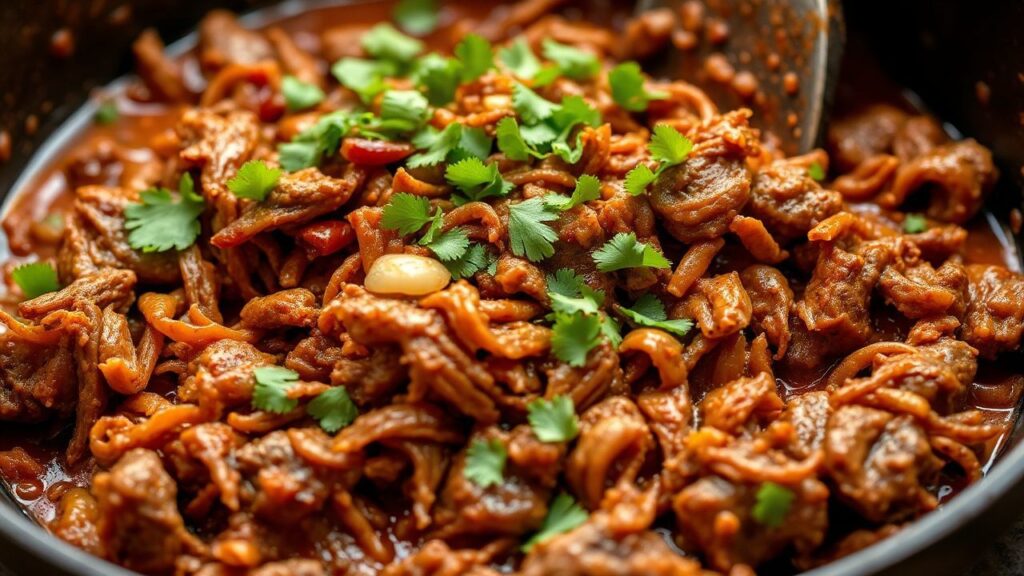
Just before serving, stir in the chopped fresh cilantro and the optional thinly sliced red bell pepper. If you desire a touch of brightness, add the white vinegar and stir. This final addition of freshness is what elevates *Ropa Vieja* from simply delicious to truly exceptional.
Nutritional Profile: A Guiding Light
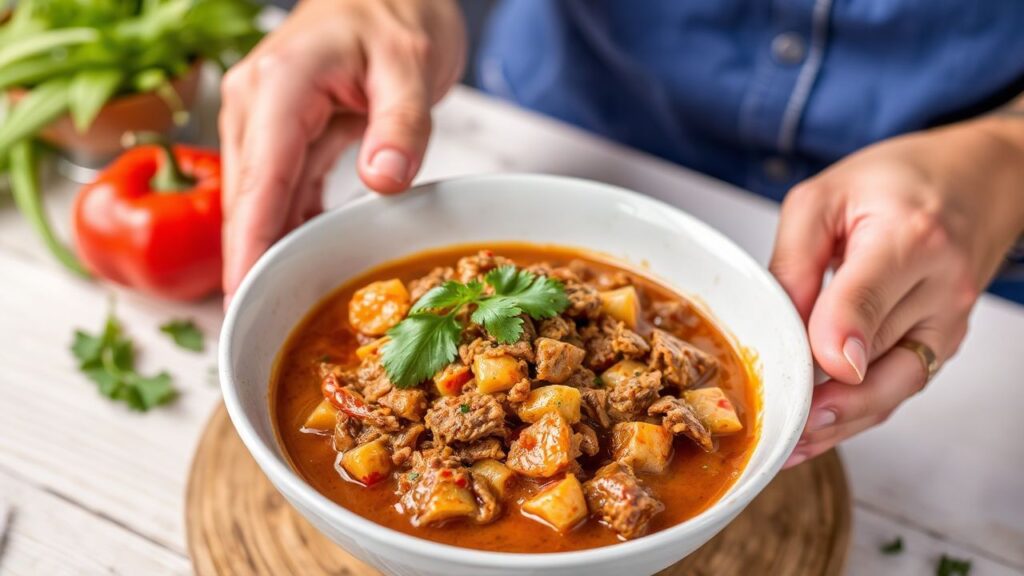
While *Ropa Vieja* is a hearty and satisfying dish, understanding its nutritional components can help in its enjoyment as part of a balanced diet. The exact nutritional values will vary based on the specific cuts of beef used, the amount of oil, and the inclusion of any optional ingredients.
Approximate Nutritional Information per Serving (assuming 6 servings):
- Calories: 450-550 kcal
- Protein: 35-45g
- Fat: 25-35g
- Saturated Fat: 8-12g
- Carbohydrates: 10-15g
- Fiber: 2-4g
- Sugars: 5-8g (primarily from vegetables)
- Sodium: Varies significantly based on added salt and broth.
Keep in mind that the fat content can be managed by choosing leaner cuts of beef and trimming excess fat, as well as by using olive oil sparingly. The dish is naturally rich in protein, making it a satisfying and nutrient-dense meal. The vegetables contribute vitamins and minerals, particularly Vitamin C from the bell peppers and antioxidants from the tomatoes.
Elevating Ropa Vieja: Expert Tips for Restaurant-Quality Results
Transforming *Ropa Vieja* from a good home-cooked meal to an unforgettable culinary experience requires attention to detail and an understanding of subtle techniques. These tips are the distillation of years spent in professional kitchens and countless conversations with Cuban culinary masters.
The Beef: Quality and Preparation
The choice of beef is paramount. While flank and skirt steak are traditional, consider a chuck roast for even richer flavor and a more forgiving texture, though it may require a longer braising time. For those seeking an exceptional depth of flavor, short ribs can be braised until tender, then shredded. The key is a cut with good marbling that can withstand slow cooking.
The Sofrito: Patience is a Virtue
The sofrito is the soul of the dish. Slowly sautéing the onions and peppers until they are deeply softened and their sugars have caramelized is non-negotiable. This process can take 15-20 minutes. Do not rush it. The resulting sweetness and depth are the bedrock upon which the entire flavor profile is built. Using lard instead of olive oil in the initial sauté can impart a traditional, richer flavor that is difficult to replicate.
The Simmer: Flavor Infusion and Reduction
The final simmer is where the magic truly happens. Allow the shredded beef and sauce to meld for at least 30 minutes, but ideally an hour or more, over very low heat. This extended period allows the beef to fully absorb the aromatic flavors of the sauce. If the sauce becomes too thick, add more of the reserved beef cooking liquid or a splash of good quality beef broth. Conversely, if it’s too thin, uncover the pot for the last 15-20 minutes of simmering to allow it to reduce and thicken naturally.
The Finishing Touches: Brightness and Balance
The addition of fresh cilantro at the end is critical. It provides a vibrant counterpoint to the rich, savory stew. A squeeze of lime juice or a touch of vinegar in the final moments can lift the entire dish, cutting through the richness and awakening the palate. Some chefs also add a pinch of sugar during the simmering process to balance the acidity of the tomatoes, but this should be done judiciously.
Serving Ropa Vieja: Beyond the Plate
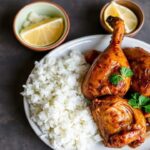
*Ropa Vieja* is traditionally served with white rice, which acts as a perfect canvas for the flavorful stew. Black beans (often cooked with garlic and onion) are an almost mandatory accompaniment, providing a creamy, earthy contrast. Fried plantains (maduros, for sweetness, or tostones, for a savory crunch) add another layer of texture and flavor. A simple side salad can offer a refreshing balance.
The presentation matters. Serve the *Ropa Vieja* generously spooned over a bed of fluffy white rice, with a side of black beans and plantains. Garnish with extra fresh cilantro. The visual appeal is as important as the taste, inviting diners to experience the full spectrum of Cuban culinary tradition.
Frequently Asked Questions about Ropa Vieja
The traditional and arguably best cuts of beef for *Ropa Vieja* are flank steak and skirt steak. These cuts have a robust, fibrous texture that, when braised slowly, breaks down into tender, distinct shreds. Other suitable options include chuck roast for a richer flavor or even short ribs for an indulgent, deeply savory experience. The key is to select a cut that benefits from low and slow cooking to achieve maximum tenderness and flavor infusion.
Absolutely. In fact, *Ropa Vieja* often tastes even better the next day, as the flavors have had more time to meld and deepen. You can prepare the entire dish up to the final simmering stage, let it cool completely, and then refrigerate it for up to 3-4 days. When ready to serve, gently reheat it on the stovetop, adding a little extra beef cooking liquid or broth if it seems dry. The final addition of fresh cilantro should be done just before serving to maintain its vibrant flavor and color.
*Ropa Vieja* is a versatile dish that pairs beautifully with a variety of traditional Cuban accompaniments. The most common and essential sides include fluffy white rice (to soak up the delicious sauce), creamy black beans (often seasoned with garlic and onion), and fried plantains (both sweet maduros and savory tostones). A simple green salad or a side of avocado slices can also provide a refreshing balance to the richness of the stew.
See also: Ropa Vieja