
“The beauty of a dish like shakshuka lies in its inherent simplicity, proof of how humble ingredients, treated with respect and a touch of culinary intuition, can yield profound flavour and soul-satisfying comfort.” – Yotam Ottolenghi
- The Enduring Allure of Shakshuka
- The Art of the Base: Building Flavour from the Ground Up
- Ingredients: A Symphony of Simplicity
- The Ritual of the Eggs: Poaching with Precision
- The Feta and Herb Ensemble: A Counterpoint of Freshness and Salt
- Nutritional Snapshot: Shakshuka with Feta and Herbs (Per Serving, approximately 1/2 of recipe)
- Elevating Shakshuka to Restaurant Caliber
- Shakshuka: A Versatile Canvas for Culinary Exploration
- Frequently Asked Questions
- What is the best type of pan to use for Shakshuka?
- Can I make Shakshuka ahead of time?
- How do I prevent my eggs from overcooking in Shakshuka?
- What are some good vegetarian or vegan adaptations of Shakshuka?
The Enduring Allure of Shakshuka
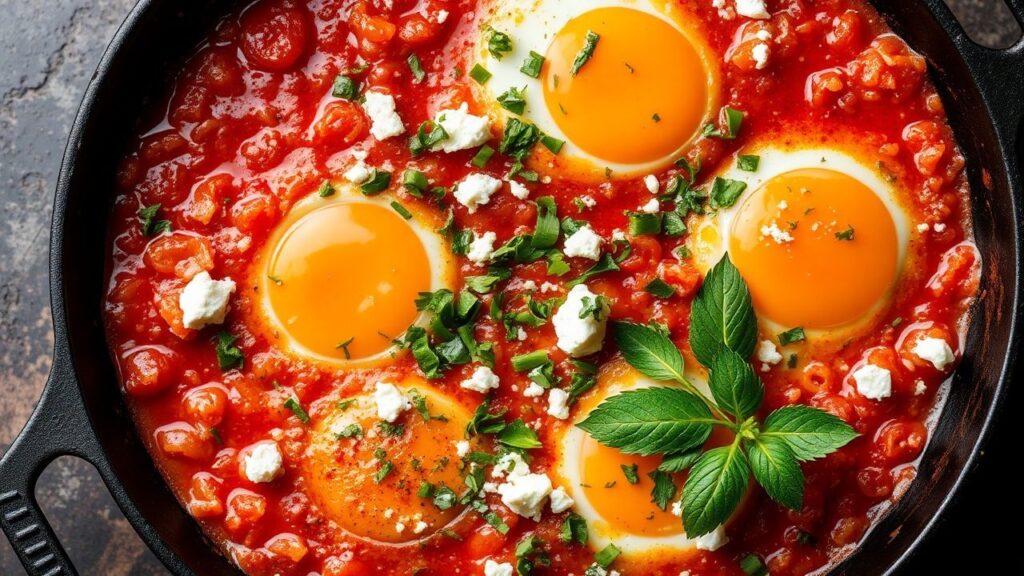
Shakshuka, a dish whose very name conjures images of sun-drenched kitchens and convivial gatherings, is far more than just a breakfast staple. It is a culinary narrative, a story woven from the threads of North African and Middle Eastern culinary traditions, where the humble tomato and the potent charm of spices are coaxed into a symphony of flavour. Its true genius lies in its adaptability, its ability to transform everyday ingredients into something profoundly comforting and visually arresting. The classic iteration, a rich tomato and pepper base cradling gently poached eggs, is a revelation in itself. However, by introducing the briny tang of feta and the verdant burst of fresh herbs, we unlock an entirely new dimension, elevating this already beloved dish to an art form that speaks to both the palate and the soul. This exploration explore the heart of shakshuka, focusing on its exquisite rendition with feta and herbs, a combination that has become a personal benchmark for deliciousness.
At a Glance: Mastering Shakshuka with Feta and Herbs
- The Foundation is Key: A slow-simmered, richly spiced tomato and pepper base is non-negotiable for authentic flavour.
- Egg Perfection: The delicate balance of poaching eggs within the simmering sauce ensures custardy yolks and perfectly set whites.
- Feta’s Salty Kiss: Crumbled feta adds a crucial counterpoint of creamy, salty richness that cuts through the sweetness of the tomatoes.
- Herbaceous Harmony: A generous scattering of fresh herbs provides bright, aromatic top notes, lifting the entire dish.
The genesis of shakshuka is often traced to Tunisia and is believed to have spread throughout the Middle East and North Africa, with variations appearing in cuisines from Yemen to Syria. Its widespread appeal lies in its inherent inclusivity; it is a dish that can be both a quick weeknight meal and a show-stopping brunch centerpiece. The act of cooking eggs directly in the sauce is not merely a technique; it’s an embrace, allowing the flavours of the sauce to imbue the eggs, and the egg yolks, when pierced, to further enrich the sauce. This shared destiny of ingredients is what makes shakshuka so compelling.
The Art of the Base: Building Flavour from the Ground Up
The soul of any great shakshuka resides in its foundational sauce. This is not a quick weeknight affair where ingredients are merely tossed together. Instead, it demands patience and a nuanced understanding of how flavours develop. We begin with a generous glug of good quality olive oil in a wide, oven-safe skillet, preferably cast iron, which distributes heat evenly and retains warmth beautifully. The aromatics are crucial: finely diced onions and garlic are softened over medium-low heat until translucent and sweet, a process that should take no less than 10-15 minutes. Rushing this stage will result in a raw, pungent flavour that undermines the entire dish.
Following the onions and garlic, we introduce the bell peppers. While red bell peppers are traditional for their sweetness and vibrant colour, a mix of red and yellow peppers adds visual appeal and a slightly more complex sweetness. These are sautéed until they begin to soften, releasing their inherent sugars. At this point, the spices join the party. Cumin and paprika are the cornerstones, their earthy and smoky notes providing the quintessential shakshuka character. A pinch of cayenne pepper or a finely chopped fresh chili offers a gentle warmth that awakens the palate, but it should be a whisper, not a shout, unless you prefer a spicier rendition.
The tomatoes are the heart of the sauce. High-quality canned crushed tomatoes (San Marzano are superb if available) offer consistency and depth of flavour, especially outside of peak tomato season. Fresh, ripe tomatoes can be used, but they require more cooking time to break down and concentrate their juices. The tomatoes are simmered with the aromatics and spices, allowing the flavours to meld and deepen. This is where the magic truly happens. A low, slow simmer for at least 20-30 minutes, uncovered, allows the sauce to thicken to a luscious consistency, ensuring that each spoonful is a concentrated burst of flavour. Seasoning with salt and freshly ground black pepper is essential, tasting and adjusting as the sauce reduces.
Ingredients: A Symphony of Simplicity
For two generous servings, or four smaller portions:
For the Shakshuka Base:
- Olive Oil: 3 tablespoons (45 ml), plus more for drizzling
- Onions: 1 large (approx. 150g), finely diced
- Garlic: 3-4 cloves (approx. 15g), minced
- Bell Peppers: 1 large red bell pepper (approx. 150g) and 1 large yellow bell pepper (approx. 150g), deseeded and diced
- Spices:
- 1 teaspoon ground cumin
- 1 teaspoon sweet paprika
- ¼ teaspoon cayenne pepper (or to taste)
- Tomatoes: 1 can (400g / 14.5 oz) high-quality crushed tomatoes (San Marzano recommended)
- Salt: ½ teaspoon, or to taste
- Black Pepper: ¼ teaspoon, or to taste
For the Eggs and Finishing Touches:
- Eggs: 4 large (approx. 60g each)
- Feta Cheese: 100g (approx. 3.5 oz), crumbled
- Fresh Herbs: A generous handful (approx. 20g) of mixed fresh parsley, cilantro, and/or mint, roughly chopped
- Crusty Bread: For serving
The Ritual of the Eggs: Poaching with Precision
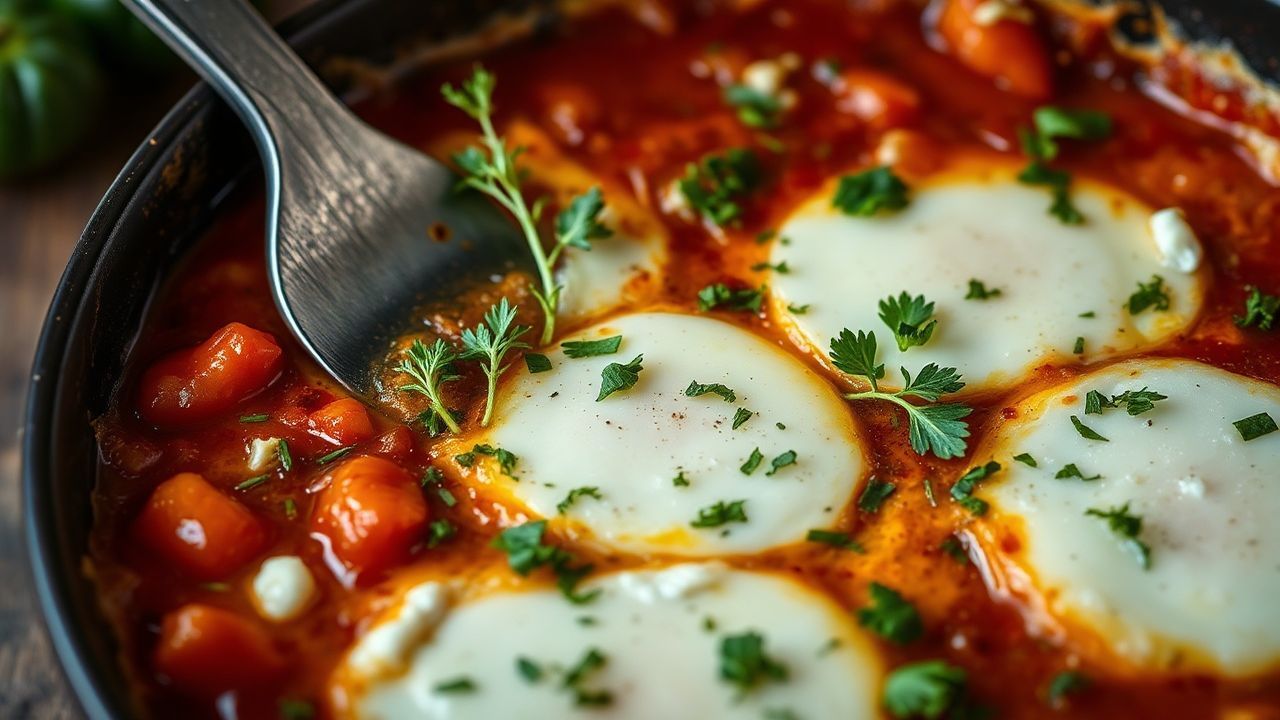
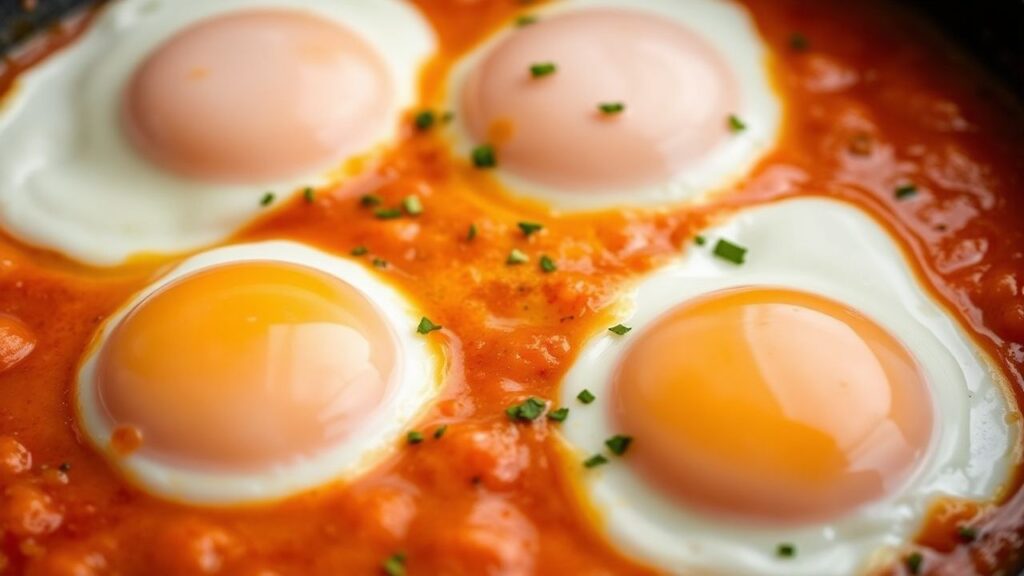
Once the tomato base has achieved a rich, velvety consistency, it’s time to introduce the eggs. The key here is to create little wells or indentations in the simmering sauce with the back of a spoon. These wells will cradle the eggs, preventing them from running into each other and ensuring each egg cooks evenly. Carefully crack one egg into each well, taking care not to break the yolk. The heat from the sauce will begin to gently cook the egg whites.
The skillet is then covered, and the heat is reduced to low. This steaming effect allows the egg whites to set while the yolks remain beautifully runny. The cooking time is critical and will vary depending on your stovetop and the desired doneness of the yolks. Typically, 5-8 minutes is sufficient. You are looking for whites that are opaque and firm, yet still tender, with yolks that are molten and rich, ready to burst and coat the surrounding sauce.
The Feta and Herb Ensemble: A Counterpoint of Freshness and Salt
This is where our shakshuka truly sings. As soon as the eggs are cooked to your liking, the skillet is removed from the heat. The crumbled feta cheese is then scattered generously over the top. Its creamy texture and salty tang provide a delightful contrast to the sweet, spiced tomato sauce and the richness of the egg yolks. The residual heat of the dish will soften the feta slightly, allowing its flavour to meld beautifully without becoming overly melted and stringy.
Following the feta, a generous cascade of fresh herbs is essential. A vibrant medley of parsley and cilantro is a classic pairing, their herbaceous brightness cutting through the richness and adding a layer of aromatic complexity. For an extra lift, a few finely chopped mint leaves can be a revelation, offering a surprising and refreshing note. The visual appeal of the scattered herbs is undeniable, transforming the dish into a work of art. A final drizzle of good olive oil over the top adds a final sheen and a touch of peppery fruitiness.
Nutritional Snapshot: Shakshuka with Feta and Herbs (Per Serving, approximately 1/2 of recipe)
While shakshuka is a celebration of flavour, it also offers a respectable nutritional profile. It is naturally rich in lycopene from the tomatoes, an antioxidant linked to various health benefits. The eggs provide a good source of protein and essential vitamins and minerals. The feta adds calcium and a touch of protein, while the vegetables contribute fiber and vitamins.
- Calories: Approximately 350-400 kcal
- Protein: 18-22g
- Fat: 20-25g (predominantly from olive oil and eggs)
- Carbohydrates: 15-20g (primarily from vegetables)
- Fiber: 4-6g
- Sodium: Varies significantly based on the salt added and the feta used.
Elevating Shakshuka to Restaurant Caliber
While the recipe presented is already a triumph, a few subtle techniques can elevate your shakshuka from home-cooked comfort to a truly exceptional culinary experience. These are not about complexity, but about refinement and attention to detail.
Firstly, the quality of your spices is paramount. Freshly ground cumin and paprika will impart a far more vibrant flavour than pre-ground varieties that have been sitting in your pantry for years. Consider toasting whole cumin seeds in a dry pan until fragrant before grinding them for an even more intense aroma.
Secondly, the tomatoes matter immensely. While good quality canned crushed tomatoes are a reliable choice, seeking out ripe, flavourful fresh tomatoes when in season and roasting them slightly before crushing can imbue the sauce with an unparalleled depth of sweetness and umami. This roasting process caramelizes the natural sugars in the tomatoes, transforming their flavour profile.
Another refinement involves the eggs. For consistently perfect results, consider cracking your eggs into individual small bowls or ramekins before gently sliding them into the sauce. This allows for precise placement and minimizes the risk of breaking a yolk. Furthermore, ensuring the sauce is at a gentle simmer, not a rolling boil, when the eggs are added is crucial for tender, evenly cooked whites.
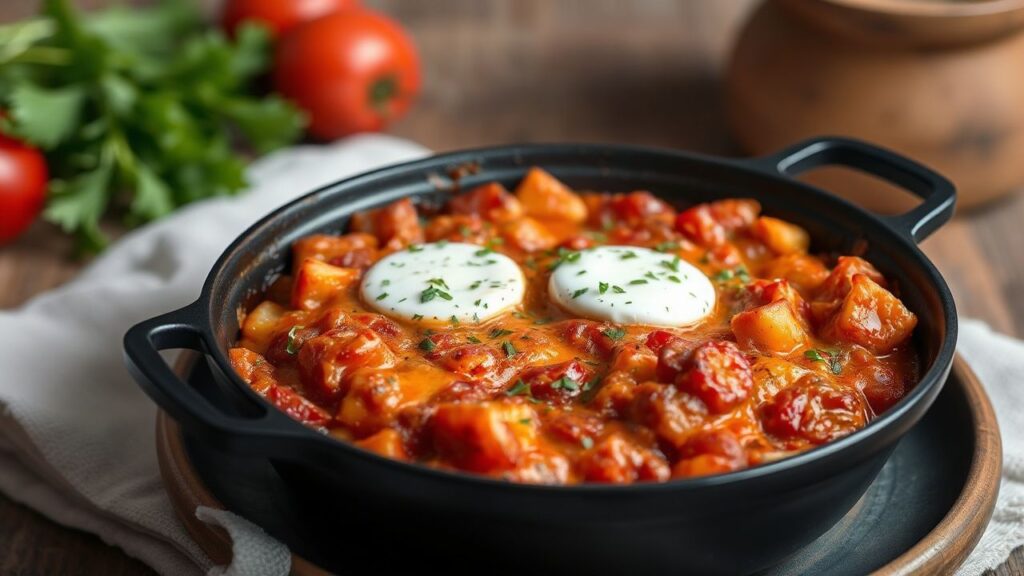
Finally, the herbs should be treated with respect. A generous hand is encouraged, but ensure they are fresh and vibrant. Consider micro-herbs like chives or delicate dill fronds as an elegant alternative or addition to parsley and cilantro for a sophisticated finish. The presentation, too, can be enhanced. Serving directly from the skillet at the table is rustic and inviting, but a thoughtful scattering of edible flowers or a swirl of crème fraîche can add an unexpected touch of elegance.
Shakshuka: A Versatile Canvas for Culinary Exploration
The beauty of shakshuka extends beyond its inherent deliciousness; it is a remarkably versatile dish that invites endless adaptation. While the feta and herb version is a personal favourite, the possibilities are truly boundless. Consider incorporating spicy lamb merguez sausage, crumbled and browned before adding to the tomato base, for a hearty, flavourful punch. Alternatively, for a vegetarian twist, roasted eggplant or zucchini can be added to the sauce, lending a smoky depth and a meaty texture.
For a touch of luxury, smoked paprika can be used in place of or in addition to sweet paprika, lending a more complex, lingering smokiness. A pinch of cinnamon or a whisper of cardamom can introduce subtle, warming aromatics that are particularly suited to cooler months. The addition of olives, Kalamata being a superb choice, can further enhance the briny, Mediterranean character of the dish.
The choice of bread for serving is also an area for creative exploration. While crusty baguette or a rustic sourdough are classic companions, consider warm pita bread, naan, or even a dollop of creamy hummus on the side for an extra layer of texture and flavour. The goal is to create a vessel that can soak up every last drop of the flavourful sauce.
The dish’s adaptability also makes it a perfect candidate for a brunch spread, a light lunch, or even a comforting supper. It is proof of its enduring appeal that a dish so rooted in tradition can so readily embrace contemporary culinary innovations.
Frequently Asked Questions
What is the best type of pan to use for Shakshuka?
The ideal pan for shakshuka is a wide, oven-safe skillet, with cast iron being the gold standard. Cast iron distributes heat exceptionally well, ensuring even cooking throughout the sauce and preventing hot spots that can lead to unevenly cooked eggs. Its ability to retain heat also means the shakshuka stays warm at the table. A good quality non-stick skillet can also work, but it may not offer the same heat retention or rustic char that cast iron provides. The width of the pan is important to allow the eggs to spread out without overcrowding.
Can I make Shakshuka ahead of time?
While shakshuka is best enjoyed fresh, it can be partially prepared in advance. You can make the tomato and pepper base a day ahead and store it in an airtight container in the refrigerator. Reheat the base gently on the stovetop until simmering, then proceed with adding the eggs as per the recipe. Adding the feta and herbs should be done just before serving for maximum freshness and visual appeal. Cooking the eggs directly in the sauce is best done at the time of serving to ensure they are perfectly poached.
How do I prevent my eggs from overcooking in Shakshuka?
The key to perfectly cooked eggs in shakshuka lies in temperature control and timing. Once you’ve created the wells for the eggs, ensure the sauce is at a gentle simmer, not a vigorous boil. After cracking the eggs into the wells, cover the skillet to allow the steam to cook the egg whites. Keep a close eye on the eggs and remove the skillet from the heat as soon as the egg whites are opaque and set but the yolks are still runny. Remember that the residual heat will continue to cook the eggs for a few minutes after they are removed from the stove, so it’s better to err on the side of slightly undercooked.
What are some good vegetarian or vegan adaptations of Shakshuka?
For a vegetarian adaptation, the recipe as described with feta is already excellent. You can also incorporate other vegetables like roasted eggplant, zucchini, or even chickpeas into the tomato base for added texture and substance. For a vegan shakshuka, the primary challenge is replacing the eggs and feta. You can achieve a similar visual and textural effect using silken tofu that has been crumbled and seasoned with black salt (kala namak) for an eggy flavour, and then gently warmed in the sauce. For the feta, a crumbled vegan feta alternative made from nuts or soy can be used. The base sauce remains largely the same, focusing on the rich tomato and spice blend.
See also: Shakshuka