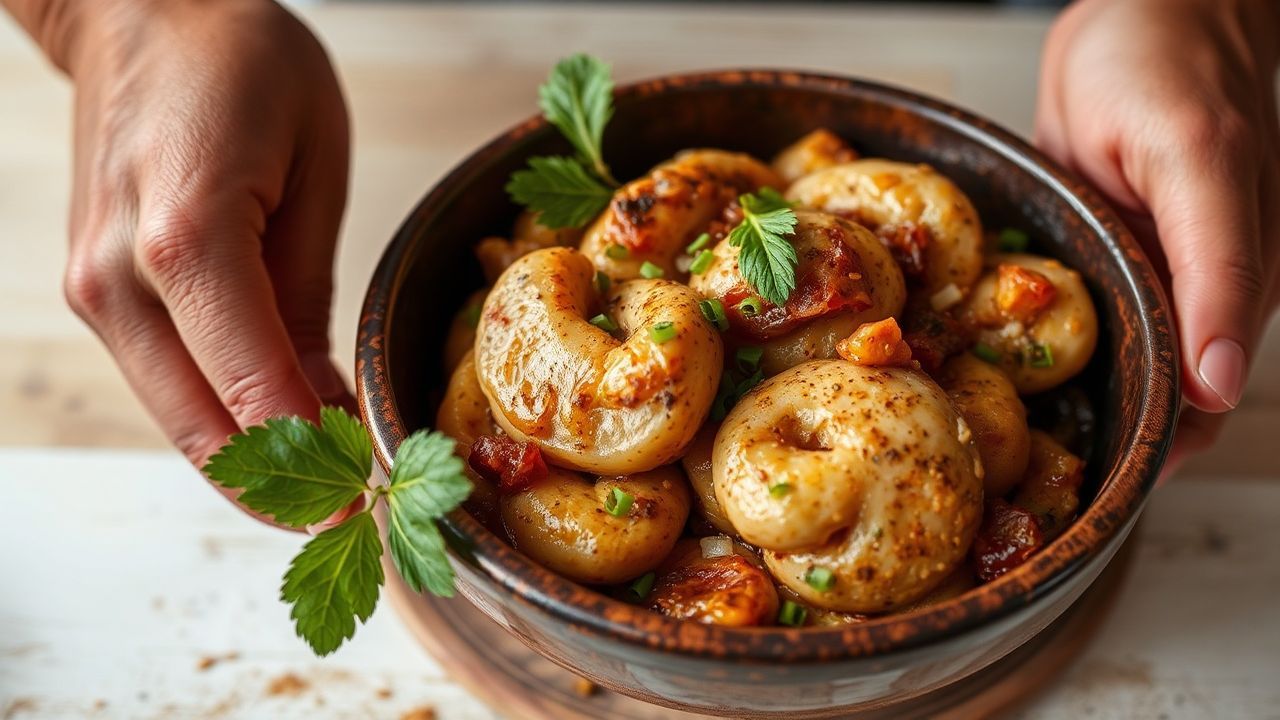

What elevates a simple dish from mere sustenance to a profound expression of culture and culinary artistry? It is the meticulous attention to detail, the understanding of ingredient synergy, and the transmission of ancestral knowledge that imbues a recipe with its soul. For many, the concept of “Si-io” evokes a particular warmth, a comforting embrace of familiar tastes that speaks volumes about heritage and home. This is not just about following steps; it’s about understanding the philosophy behind them, the subtle dance of flavors that defines this cherished dish. This article will deconstruct and elevate the quintessential Si-io, exploring its nuances and empowering you to recreate its magic in your own kitchen.
- The Enduring Allure of Si-io: A Culinary Tapestry
- Deconstructing the Perfect Si-io: Essential Components
- The Master Recipe: Si-io Pork Belly
- Nutritional Insights: A Balanced Perspective
- Elevating Your Si-io: Expert Tips and Techniques
- The Art of Blanching and Searing: Building the Foundation
- Balancing the Sweetness: The Nuance of Sugar
- The Power of Patience: Slow Braising for Ultimate Tenderness
- Variations on a Theme: Exploring Other Si-io Proteins
- Si-io Chicken Thighs: A Lighter Indulgence
- Si-io Beef Shank: Deep, Robust Flavors
- Si-io Tofu: A Vegetarian Delight
- Frequently Asked Questions about Si-io
At a Glance: Key Takeaways
- Mastering the Marinade: The foundation of exceptional Si-io lies in a deeply flavorful, well-balanced marinade that tenderizes and infuses the protein.
- Precision Cooking: Achieving the perfect texture and caramelized exterior requires understanding heat control and cooking times specific to the chosen protein.
- The Art of the Sauce: A rich, glossy sauce, built upon the pan drippings, is crucial for harmonizing the dish and enhancing its overall appeal.
- Cultural Significance: Understanding the historical and cultural context of Si-io adds a layer of appreciation to its preparation and consumption.
The Enduring Allure of Si-io: A Culinary Tapestry
The term “Si-io” (often transliterated from various Asian languages, reflecting its widespread adoption and adaptation) typically refers to a savory braised or stir-fried dish, most commonly featuring meat or poultry, characterized by its rich, umami-forward sauce. Its roots are deeply intertwined with the culinary traditions of East and Southeast Asia, where the art of slow-cooking meats in flavorful liquids has been perfected over centuries. The beauty of Si-io lies in its adaptability; while a classic preparation might involve a specific protein and set of aromatics, the fundamental principles of building layers of flavor remain constant. It’s a dish that speaks of patience, of allowing ingredients to meld and transform, resulting in a depth of taste that is both complex and profoundly satisfying. The slow braising process, for instance, breaks down tough connective tissues in meats like pork belly or beef shank, rendering them incredibly tender and succulent, while simultaneously allowing them to absorb the nuanced flavors of the marinade.
Consider the evolution of Si-io across different regions. In some variations, soy sauce forms the primary salty and umami base, complemented by the sweetness of sugar or rock sugar, the pungency of ginger and garlic, and the aromatic depth of star anise or cinnamon. Other iterations might incorporate the subtle tang of vinegar, the warmth of five-spice powder, or even a hint of chili for a gentle kick. This inherent flexibility is part of its enduring appeal, allowing home cooks and professional chefs alike to put their personal stamp on a beloved classic. The ability to transform humble ingredients into something extraordinary through thoughtful preparation is a hallmark of great cuisine, and Si-io exemplifies this principle with remarkable grace. It’s proof of the power of simple ingredients, expertly combined, to create something truly memorable.
Deconstructing the Perfect Si-io: Essential Components
At its core, a truly exceptional Si-io is a symphony of carefully selected ingredients, prepared with precision and cooked with intent. The success of the dish hinges on several key pillars: the quality of the protein, the complexity of the marinade and braising liquid, the aromatic foundation, and the final finishing touches that bring all the elements into harmonious balance. Each component matter significantly, contributing to the overall texture, aroma, and flavor profile that defines a memorable Si-io experience.
The Protein: The Canvas for Flavor
The choice of protein is paramount, dictating not only the texture but also the cooking time and the nuances of flavor absorption. While pork belly is a perennial favorite due to its rich marbling and tendency to become meltingly tender when slow-cooked, other excellent choices abound. Beef shank, with its connective tissues, becomes wonderfully succulent after braising. Chicken thighs, retaining their moisture better than breasts, offer a slightly lighter yet still satisfying option. Even firm tofu can be transformed into a delectable Si-io, absorbing the rich sauce and offering a pleasing, slightly chewy texture.
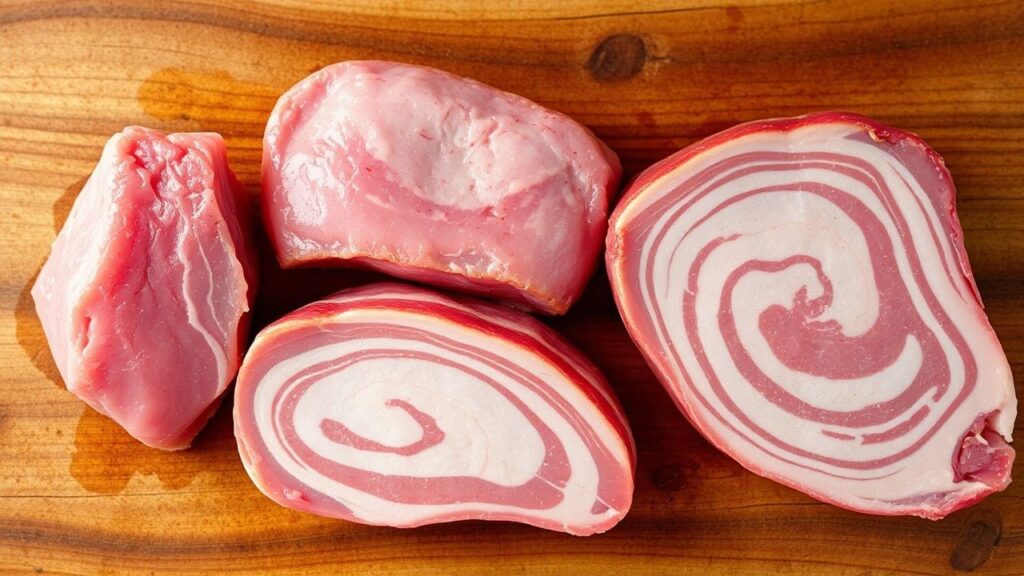
For this masterclass, we will focus on a classic preparation using pork belly, renowned for its ability to yield an unparalleled richness and unctuousness. The layers of fat and meat in pork belly render down beautifully during slow cooking, creating a luscious mouthfeel that is difficult to replicate with leaner cuts. The ideal cut will have distinct layers of fat and meat, ensuring a balanced flavor and texture. When selecting pork belly, look for a piece that is firm to the touch, with a clean, pinkish hue and no off-putting odors.
The Marinade and Braising Liquid: The Heart of the Flavor
This is where the magic truly begins. The marinade and braising liquid are responsible for both tenderizing the protein and imbuing it with the characteristic savory, sweet, and aromatic notes of Si-io. A well-constructed liquid will balance salty, sweet, umami, and aromatic elements. The classic foundation typically includes:
- Soy Sauce: Provides the primary savory and umami base. Use a good quality light soy sauce for its clean flavor.
- Dark Soy Sauce: Adds depth of color and a more complex, slightly sweeter, and less salty flavor than light soy sauce.
- Shaoxing Wine (or Dry Sherry): Essential for tenderizing the meat and adding a subtle fermented complexity.
- Rock Sugar (or Brown Sugar): Balances the saltiness and aids in caramelization. Rock sugar, in particular, offers a cleaner, less cloying sweetness.
- Water or Broth: To adjust the volume of the braising liquid and ensure the protein is adequately submerged.
Beyond these staples, aromatics are crucial for building layers of flavor. Fresh ginger, garlic, star anise, cinnamon sticks, and sometimes cloves or bay leaves contribute to the signature perfume of Si-io. The goal is not to overpower, but to create a harmonious blend where each spice note can be detected without dominating the others. The interplay between these elements is what distinguishes a good Si-io from a truly exceptional one.
The Master Recipe: Si-io Pork Belly
This recipe is designed to guide you through the meticulous process of creating an authentic and deeply satisfying Si-io Pork Belly. It emphasizes technique and ingredient quality to achieve restaurant-level results at home. Understanding the interplay of heat and time is crucial for success.
Ingredients:
- For the Pork Belly:
- 1 kg (approx. 2.2 lbs) pork belly, skin on, cut into 3-4 cm (1.5-inch) cubes
- 2 tablespoons cooking oil (such as vegetable or canola)
- Boiling water (for blanching)
- For the Marinade & Braising Liquid:
- 150 ml (approx. 2/3 cup) light soy sauce
- 50 ml (approx. 1/4 cup) dark soy sauce
- 100 ml (approx. 1/2 cup) Shaoxing wine (or dry sherry)
- 50 g (approx. 1/4 cup) rock sugar (or light brown sugar)
- 500 ml (approx. 2 cups) water or low-sodium chicken/pork broth
- 4-5 slices fresh ginger (about 1 cm / 0.5 inch thick)
- 4-5 cloves garlic, smashed
- 2 star anise
- 1 cinnamon stick (about 5 cm / 2 inches)
- Optional: 1 dried chili (for a hint of heat)
- For Garnish (Optional):
- Steamed rice
- Blanched bok choy or other green vegetables
- Chopped scallions or cilantro
Preparation Method:
- Prepare the Pork Belly: Place the pork belly cubes in a large pot and cover with boiling water. Let it blanch for 5-7 minutes. This step helps to remove impurities and excess blood, resulting in a cleaner-tasting Si-io. Drain the pork belly, rinse it thoroughly under cold water, and pat it dry with paper towels.
- Sear the Pork Belly: Heat the cooking oil in a heavy-bottomed pot or Dutch oven over medium-high heat. Sear the pork belly cubes in batches until golden brown and slightly crisp on all sides. This step is crucial for developing flavor through the Maillard reaction and adding texture. Do not overcrowd the pot, as this will steam the meat instead of searing it. Remove the seared pork belly and set aside.
- Build the Braising Liquid: In the same pot (leaving behind any rendered fat if excessive, but retaining some for flavor), add the light soy sauce, dark soy sauce, Shaoxing wine, and rock sugar. Stir over medium heat until the sugar dissolves.
- Add Aromatics and Liquid: Add the ginger slices, smashed garlic cloves, star anise, cinnamon stick, and optional dried chili to the pot. Pour in the water or broth. Bring the liquid to a gentle simmer.
- Combine and Simmer: Return the seared pork belly to the pot, ensuring it is mostly submerged in the liquid. If necessary, add a little more water or broth. Bring the liquid back to a gentle simmer.
- Slow Braising: Reduce the heat to low, cover the pot tightly, and let the Si-io braise for at least 1.5 to 2 hours, or until the pork belly is fork-tender and the fat has rendered down beautifully. Stir occasionally to prevent sticking and ensure even cooking. The aroma that fills your kitchen during this stage is one of the most rewarding aspects of preparing Si-io.
- Reducing the Sauce (Optional but Recommended): Once the pork belly is tender, remove the pork belly cubes from the pot and set them aside. Increase the heat to medium-high and let the braising liquid simmer uncovered until it reduces to a thick, glossy sauce. This concentration of flavor is essential for a truly delectable Si-io. Skim off any excess fat if desired, though a little fat contributes to the richness.
- Final Assembly: Return the pork belly to the thickened sauce and toss gently to coat. Allow it to simmer in the sauce for another 5-10 minutes to absorb the concentrated flavors.
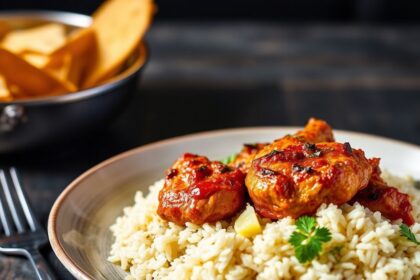
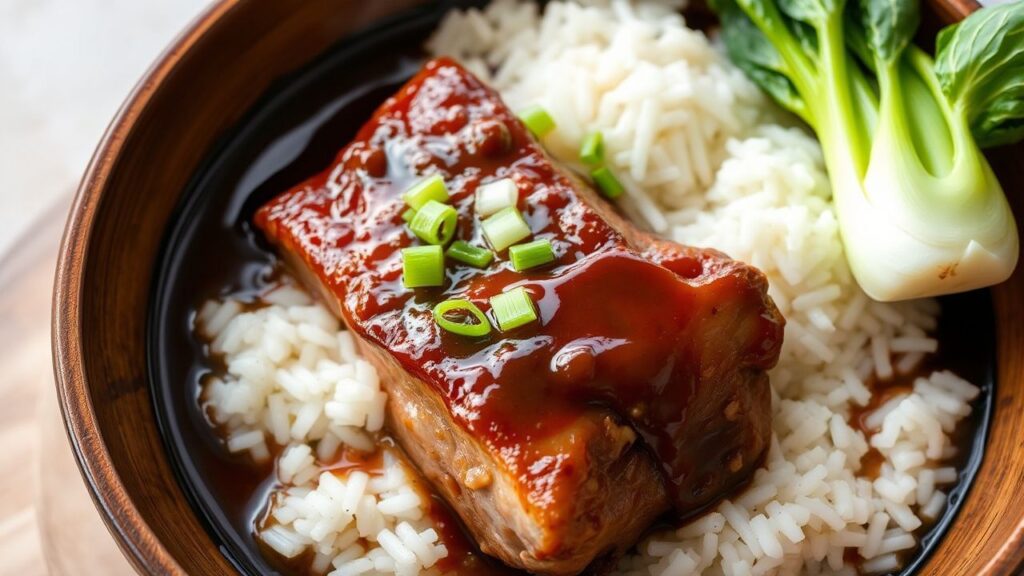
- Serve: Serve the Si-io Pork Belly hot, typically over steamed rice. Garnish with blanched bok choy and chopped scallions or cilantro for added color and freshness. The rich sauce should generously coat the rice and pork.
Nutritional Insights: A Balanced Perspective
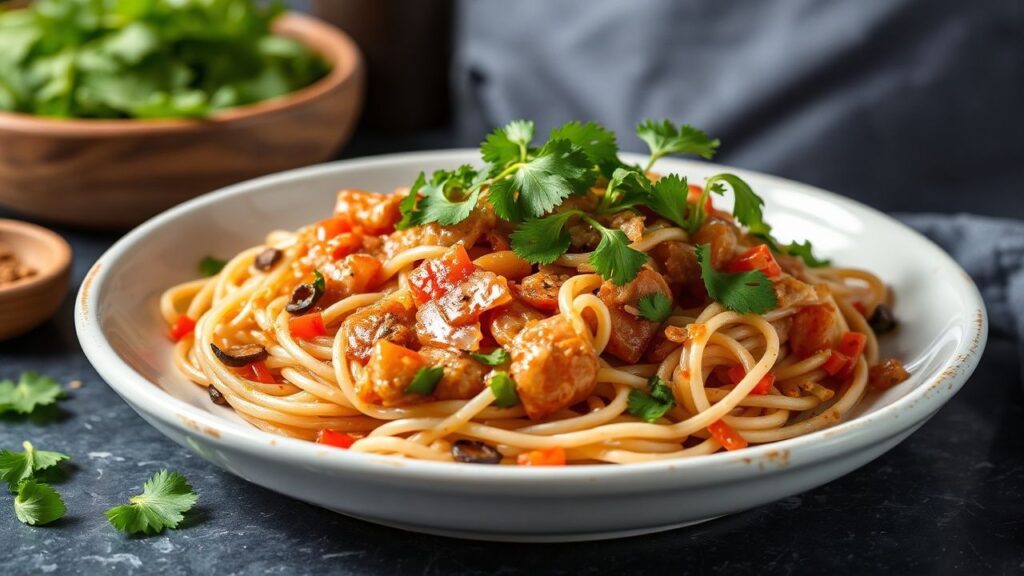
Understanding the nutritional profile of Si-io can help in mindful consumption. While a dish like Si-io Pork Belly is undeniably rich and indulgent, its components offer a range of nutrients. Pork belly, being a fattier cut, is a good source of protein and essential amino acids. It also provides B vitamins, particularly B12, niacin, and riboflavin, which are crucial for energy metabolism and nerve function. The soy sauce contributes sodium and some minerals, while the aromatics like ginger and garlic offer potential health benefits, including anti-inflammatory properties.
A typical serving (approximately 150g or 5.3 oz of pork belly with sauce, excluding rice and garnish) of this Si-io Pork Belly recipe would contain roughly:
- Calories: 450-550 kcal
- Protein: 25-30 g
- Fat: 35-45 g (with a significant portion being saturated fat)
- Carbohydrates: 10-15 g (primarily from sugar in the sauce)
- Sodium: Varies greatly depending on soy sauce used, but can be upwards of 800-1200 mg
These are approximate values and can vary based on specific ingredients and portion sizes. For individuals managing sodium intake or saturated fat consumption, mindful adjustments to soy sauce quantity and lean protein choices can be considered. For instance, using reduced-sodium soy sauce and opting for chicken thighs instead of pork belly can significantly alter the nutritional breakdown, making it a more accessible option for a wider range of dietary needs.
Elevating Your Si-io: Expert Tips and Techniques
Transforming a good Si-io into an exceptional one requires a keen understanding of culinary nuances. These are the subtle adjustments and advanced techniques that distinguish a home-cooked meal from a restaurant-quality experience. Mastering these elements will elevate your Si-io from a comforting dish to a truly memorable gastronomic event.
The Art of Blanching and Searing: Building the Foundation
The initial blanching of the pork belly is not merely about removing impurities; it’s a preparatory step that ensures a cleaner flavor profile. The subsequent searing is where the foundational flavors of the dish are truly built. Achieving a deep, even golden-brown crust on the pork belly through proper searing creates textural contrast and develops complex flavor compounds via the Maillard reaction. This is a critical step that should not be rushed or skipped. Ensure your pot is sufficiently hot before adding the pork, and cook in batches to avoid overcrowding, which leads to steaming rather than searing.
Balancing the Sweetness: The Nuance of Sugar
The type and amount of sugar used in Si-io can dramatically impact the final flavor. While rock sugar is traditional and provides a clean sweetness that caramelizes beautifully, light brown sugar can add a subtle molasses note. The key is balance. Too much sugar can make the dish cloyingly sweet, overpowering the savory elements. Too little, and it may lack the depth and glossy finish. Taste the braising liquid before returning the pork, and adjust the sweetness as needed. A well-balanced Si-io should have a harmonious interplay of salty, sweet, and savory, with a subtle aromatic complexity.
The Power of Patience: Slow Braising for Ultimate Tenderness
The slow braising process is non-negotiable for achieving the signature melt-in-your-mouth texture of Si-io. Rushing this stage will result in tough, unyielding meat. The low and slow method allows the connective tissues in the pork belly to break down gradually, rendering them into gelatin, which contributes to the dish’s unctuous mouthfeel. A minimum of 1.5 to 2 hours is recommended, but for exceptionally tender results, longer braising times (up to 3-4 hours on very low heat) can be beneficial. Ensure the liquid level remains consistent; if it evaporates too quickly, add a little more hot water or broth to maintain submersion.
Beyond the core elements, consider the impact of other spices. Some chefs advocate for adding a small amount of dried tangerine peel during the braising process. This subtle citrus note can cut through the richness of the pork belly, adding an unexpected layer of brightness and complexity to the dish. Similarly, a whisper of white pepper can add a gentle warmth without the visual distraction of black pepper. These are advanced techniques that demonstrate a deep understanding of flavor layering and culinary balance.
Variations on a Theme: Exploring Other Si-io Proteins
While pork belly reigns supreme in many Si-io traditions, the versatility of this cooking style allows for delicious adaptations with other proteins. Exploring these variations can offer new perspectives and cater to different preferences and dietary needs. The fundamental principles of creating a flavorful braising liquid and slow-cooking remain consistent, but the specific timings and nuances may differ.
Si-io Chicken Thighs: A Lighter Indulgence
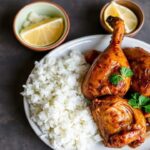
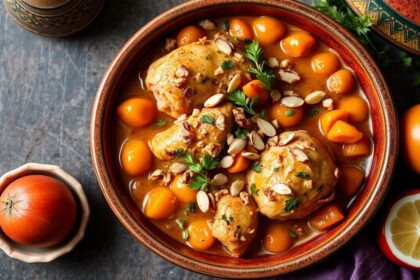
Chicken thighs are an excellent alternative to pork belly. Their higher fat content compared to chicken breast ensures they remain moist and flavorful during braising. The cooking time is significantly reduced; typically, chicken thighs will become tender and succulent in about 45-60 minutes. The resulting dish is still rich and savory, but with a lighter overall profile. Ensure the chicken thighs are seared well to develop color and flavor before being submerged in the braising liquid. This version is often a favorite for weeknight meals due to its quicker preparation time.
Si-io Beef Shank: Deep, Robust Flavors
Beef shank, with its abundant collagen and connective tissue, transforms into an incredibly tender and flavorful dish when braised for Si-io. The key here is a longer braising time, often 2.5 to 3 hours, or until the meat is falling off the bone. The rich, beefy notes meld beautifully with the savory-sweet braising liquid, creating a deeply satisfying experience. This preparation is akin to a classic beef stew but with the distinct aromatic profile of Si-io. Consider adding a splash of red wine to the braising liquid for an added layer of complexity, though this deviates from the most traditional versions.
Si-io Tofu: A Vegetarian Delight
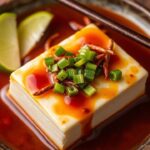
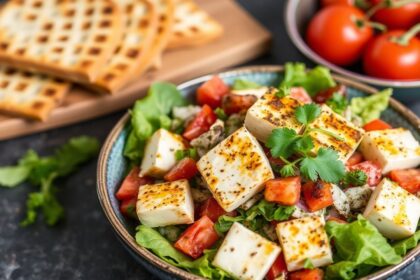
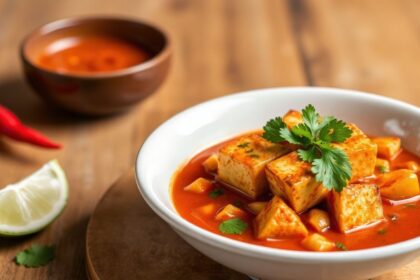
For a vegetarian or vegan rendition, firm or extra-firm tofu can be a surprisingly effective substitute. Press the tofu thoroughly to remove excess water, then cut it into cubes or slabs. Pan-frying or baking the tofu until golden brown and slightly crisp before adding it to the braising liquid is essential for texture. The tofu will absorb the flavors of the sauce beautifully. Ensure the braising liquid is still rich and savory, as tofu lacks the inherent richness of meat. This version offers a fantastic plant-based option that still captures the essence of Si-io’s comforting flavors.
Frequently Asked Questions about Si-io
What is the difference between light and dark soy sauce in Si-io?
Light soy sauce is the primary source of saltiness and umami in the Si-io sauce, providing a clean, savory base. Dark soy sauce, on the other hand, is less salty and has a richer, slightly sweeter flavor with a more pronounced caramel note. It is primarily used for its deep color, which gives the Si-io its characteristic dark, glossy appearance. Using only light soy sauce would result in a paler, less complex dish, while relying solely on dark soy sauce could make it too sweet and less intensely savory.
Can I make Si-io ahead of time?
Absolutely. Si-io often tastes even better the next day, as the flavors have more time to meld and deepen. You can prepare the entire dish and store it in an airtight container in the refrigerator for up to 3-4 days. Gently reheat it on the stovetop over low heat, adding a splash of water or broth if the sauce has become too thick. This makes it an ideal dish for meal preparation.
What kind of pot is best for making Si-io?
A heavy-bottomed pot or Dutch oven is ideal for making Si-io. The thick base ensures even heat distribution, preventing the sauce from scorching and allowing for consistent, gentle simmering. Cast iron pots are particularly well-suited for this purpose due to their excellent heat retention and distribution properties. This even heating is crucial for the slow braising process, ensuring the protein cooks uniformly without hot spots.
Is Si-io healthy?
The healthiness of Si-io depends heavily on the specific ingredients and portion sizes. The traditional pork belly version is high in fat and sodium due to the pork fat and soy sauce. However, it is also a good source of protein and B vitamins. For a healthier preparation, consider using leaner cuts of meat like chicken thighs or opting for a tofu version. Reducing the amount of soy sauce used or opting for a low-sodium variety can also significantly lower the sodium content. The key is mindful ingredient selection and portion control. For a balanced meal, serving Si-io with plenty of vegetables and a moderate portion of rice is recommended.
See also: Si-io