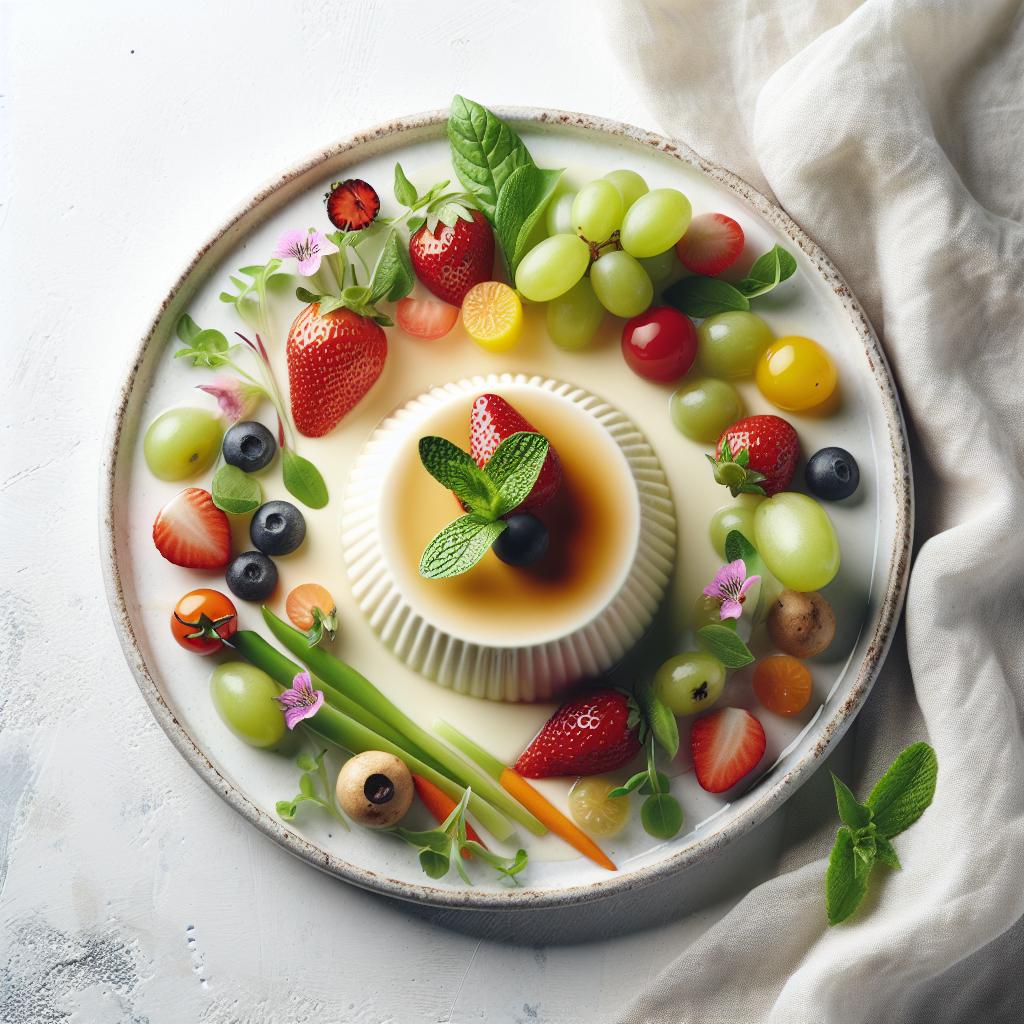

In the world of desserts, few treats embody the elegance of simplicity quite like Italy’s panna cotta. This silky, luscious custard seems to whisper tales of sun-soaked hillsides and timeless culinary traditions, where cream, sugar, and gentle patience transform into a dessert that’s both understated and unforgettable. “Silky Panna Cotta: The Art of Italy’s Creamy Dessert Delight” invites you on a journey through the origins, techniques, and seductive textures behind this iconic Italian sweet. Whether draped in vibrant fruit coulis or kissed with fragrant vanilla, panna cotta is more than just a dessert-it’s an experience of Italy’s rich gastronomic heritage captured in every creamy spoonful.
Silky Panna Cotta: The Art of Italy’s Creamy Dessert Delight
Silky Panna Cotta captures the essence of Northern Italy-simple ingredients transformed into an irresistible creamy delight that graces tables from cozy family dinners to elegant celebrations. Originating from the Piedmont region, this dessert reflects centuries of culinary tradition where the delicate balance of texture and flavor take center stage. My first taste of panna cotta was at a rustic Italian inn, where its smooth velvetiness and subtle sweetness left a lasting impression-an invitation to master this classic dessert in your own kitchen.
Prep and Cook Time
- Preparation: 15 minutes
- Setting Time: 4 hours (or overnight)
Yield
- Servings: 6 individual portions
Difficulty Level
- Easy to Medium: Perfect for both beginners and seasoned home cooks
Ingredients
- 2 cups (500ml) heavy cream, preferably fresh and high quality
- 1 cup (240ml) whole milk
- 3/4 cup (150g) granulated sugar
- 2 teaspoons pure vanilla extract or 1 vanilla bean pod, split and scraped
- 2 1/2 teaspoons powdered gelatin (about 1 envelope)
- 3 tablespoons cold water for blooming gelatin
Instructions
- Bloom the Gelatin: Sprinkle gelatin over cold water in a small bowl. Let it sit for 5-7 minutes until softened and spongy, ensuring a smooth texture later.
- Heat the Cream Mixture: In a medium saucepan, combine the heavy cream, milk, and sugar. If using a vanilla bean, add the seeds and pod now. Gently warm over medium heat, stirring frequently. Do not let it boil; just until sugar dissolves and the mixture is hot.
- Incorporate the Gelatin: Remove from heat. Discard the vanilla pod if used. Stir the softened gelatin into the hot cream mixture until fully dissolved, about 1-2 minutes.
- Add Vanilla: Stir in vanilla extract if not using the bean pod. This step deepens the flavor profile.
- Strain and Pour: For the silkiest panna cotta, strain the mixture through a fine sieve into a large measuring cup or bowl to remove any gelatin lumps.
- Mold and Chill: Pour the mixture evenly into six lightly greased ramekins or dessert glasses. Refrigerate for at least 4 hours, ideally overnight, until set but still jiggly.
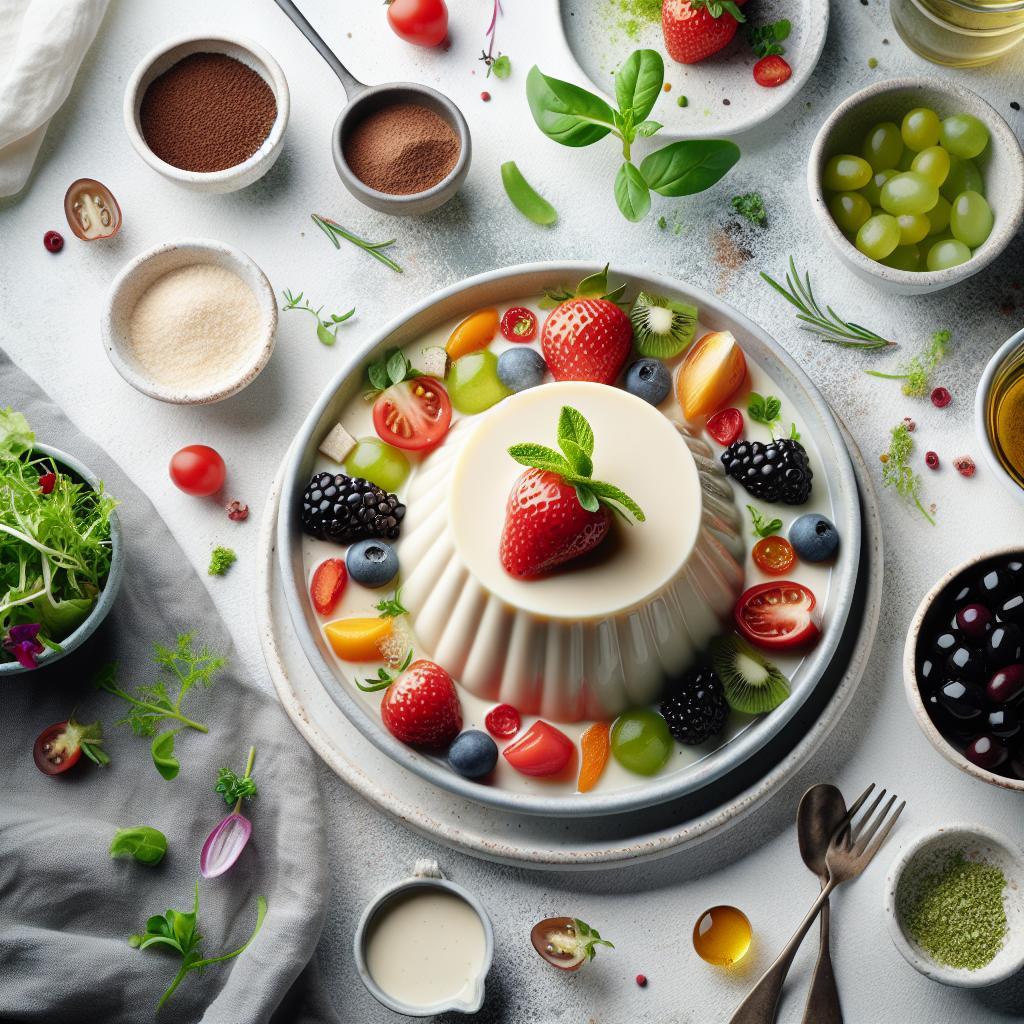
- Serve: To serve, dip the ramekins briefly in hot water to loosen the panna cotta. Invert onto a plate or serve directly in glasses with your chosen garnishes.
Tips for Success with Silky Panna Cotta
- Gelatin Blooming: Never skip soaking gelatin-this prevents clumps and ensures that silky texture.
- Control the Sweetness: Adjust sugar depending on your taste or if pairing with intensely sweet toppings.
- Dairy Alternatives: Use full-fat coconut milk for a dairy-free, tropical twist, but expect slight texture variation.
- Make Ahead: Panna cotta improves after resting overnight, making it ideal for advance preparation.
- Vanilla Options: Vanilla bean adds a naturally floral aroma; vanilla extract works beautifully for convenience.
Serving Suggestions to Elevate Your Panna Cotta Experience
Present your dessert with fresh berries-like ruby-red raspberries or blueberries-to add brightness and contrast. A drizzle of luscious berry coulis or a tangy citrus glaze enhances the delicate sweetness and adds visual appeal. Toasted pistachios or finely chopped almonds introduce a satisfying crunch. For a decadent touch, scatter dark chocolate shavings or infuse the cream base with a splash of liqueur such as Amaretto or Limoncello before setting.

| Nutrient | Per Serving |
|---|---|
| Calories | 310 kcal |
| Protein | 5 g |
| Carbohydrates | 20 g |
| Fat | 24 g |
Discover More Italian Desserts
For those inspired by this creamy Italian classic, explore our authentic Tiramisu recipe that showcases another beloved favorite from Italy. Dive deep into the world of Italian sweets and master each elegant bite.
Learn more about the history and preparation of panna cotta through dedicated culinary sources like Italian Food Forever, a trusted resource for authentic recipes and cultural context.
Q&A
Q&A: Silky Panna Cotta – The Art of Italy’s Creamy Dessert Delight
Q1: What exactly is Panna Cotta?
A1: Panna Cotta, which translates to “cooked cream” in Italian, is a luscious dessert crafted from sweetened cream that’s gently simmered, thickened with gelatin, and chilled to set into a silky, melt-in-your-mouth delight. Its understated elegance lies in its simplicity – creamy, smooth, and subtly sweet.
Q2: Where did Panna Cotta originate from?
A2: This creamy masterpiece hails from the Piedmont region in Northern Italy, where it has been a beloved treat since at least the early 20th century. While its roots are rustic, Panna Cotta has traveled far beyond Italy, charming palates worldwide.
Q3: What makes Panna Cotta so uniquely silky?
A3: The secret to its silken texture is the careful balance between cream, sugar, and gelatin. The cream is heated just enough to dissolve the sugar and gelatin without boiling, preserving its rich smoothness. The gentle chilling phase allows the dessert to set softly, creating that signature velvety mouthfeel that’s delightfully light yet indulgent.
Q4: Can Panna Cotta be flavored or enhanced?
A4: Absolutely! While the classic version is vanilla-infused, the art of Panna Cotta embraces countless variations. From fragrant citrus zest, aromatic coffee, and fresh herbs, to rich chocolate or vibrant berry coulis, each twist adds its own character while honoring the dessert’s creamy foundation.
Q5: How is Panna Cotta traditionally served?
A5: Traditionally, Panna Cotta is unmolded onto a plate or served directly in delicate glasses. It’s often accompanied by fresh fruits, tangy berry sauces, caramel drizzle, or even a sprinkling of toasted nuts. The contrast of the creamy base with bright, fresh toppings creates a harmonious bite every time.
Q6: Is Panna Cotta difficult to make at home?
A6: Far from it! Making Panna Cotta is a straightforward process that requires minimal ingredients and few steps. Precision and patience – especially in dissolving the gelatin and chilling adequately – are key, but with a bit of care, even novice cooks can recreate this Italian gem with ease.
Q7: Why has Panna Cotta remained so beloved across generations and cultures?
A7: Panna Cotta’s enduring charm lies in its perfect balance of simplicity and elegance. It’s a dessert that feels special yet approachable, creamy but light, sweet but subtle – a canvas for creativity that honors tradition. Its silken texture captivates senses, while its versatility invites endless reinterpretation, making it a timeless symbol of Italian culinary artistry.
Whether enjoyed in a cozy trattoria or crafted in your own kitchen, Panna Cotta invites you into Italy’s rich dessert heritage with every silken spoonful – a true creamy delight that captures the heart and palate alike.
Key Takeaways
As the final spoonful of silky panna cotta melts away, we are reminded that this deceptively simple dessert is much more than just cream and gelatin. It is a testament to Italy’s culinary elegance – where patience, precision, and passion unite to create a creamy delight that transcends time and trends. Whether enjoyed in a sun-dappled piazza or recreated in your own kitchen, panna cotta invites you to savor the art of indulgence in its purest, most luscious form. So next time you seek a sweet escape, remember: Italy’s creamy treasure awaits, ready to turn every bite into a moment of blissful serenity.