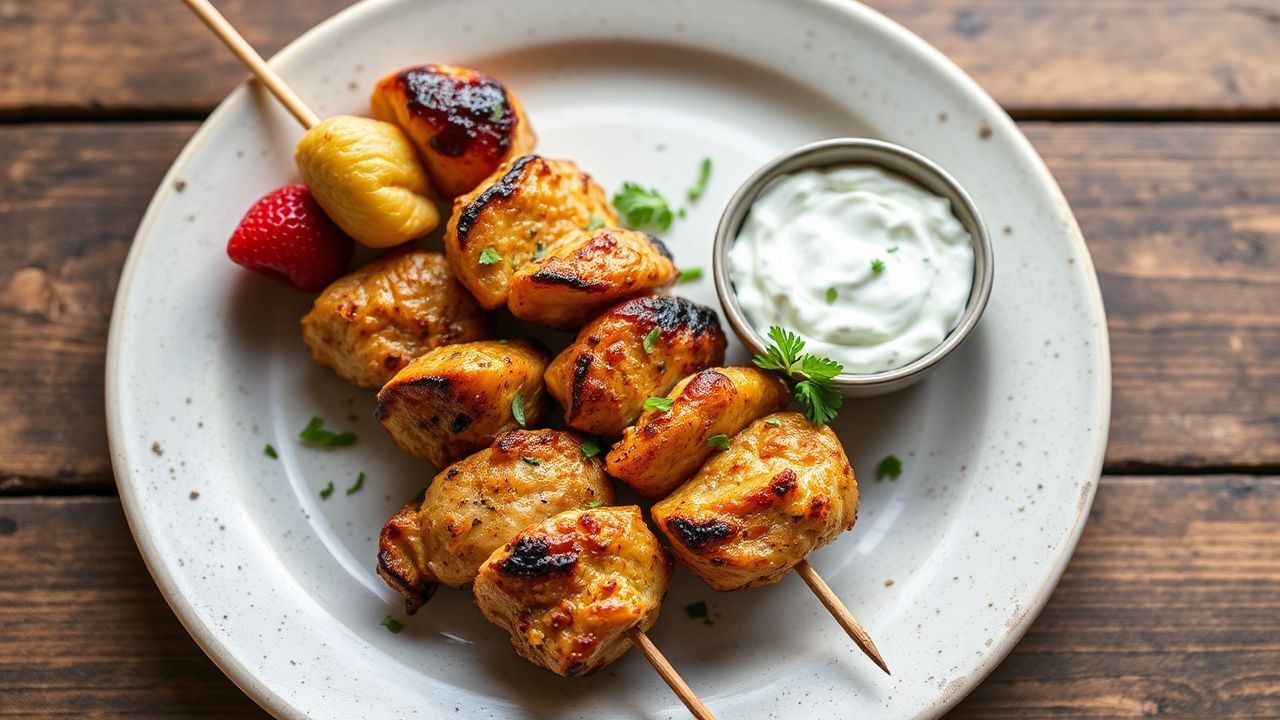

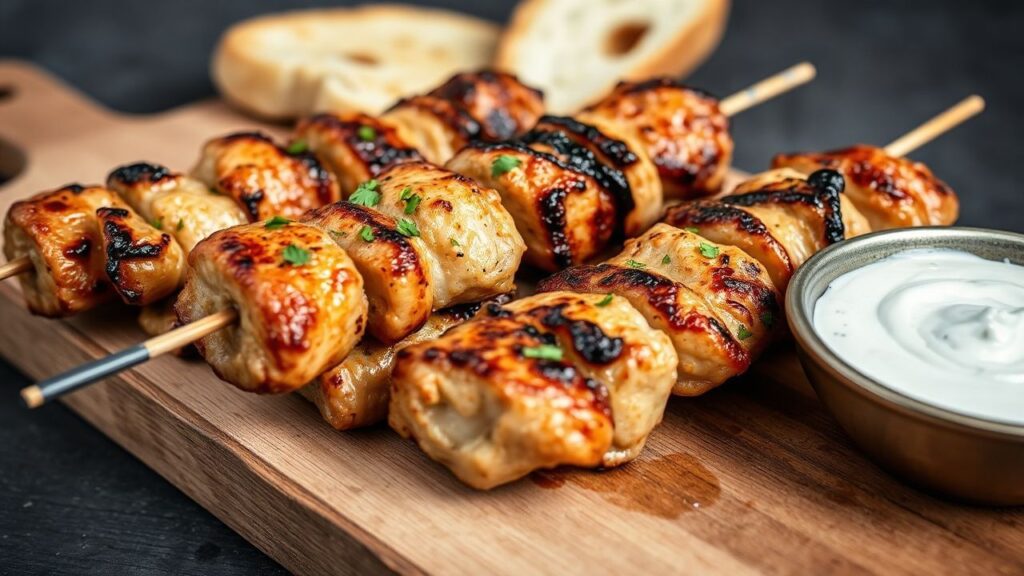
Souvlaki, the quintessential Greek street food, transcends simple skewers to become an edible emblem of Mediterranean hospitality and culinary artistry. Its vibrant char, tender marinated chicken, and cooling, garlicky tzatziki embody the very essence of al fresco dining, conjuring images of sun-drenched tavernas and the gentle Aegean breeze. Mastering this seemingly straightforward dish, however, requires a nuanced understanding of marinade alchemy and the delicate balance of its accompaniments. This exploration explore the heart of authentic Greek chicken souvlaki, unearthing the secrets to achieving that perfect char, the ideal tender bite, and the indispensable, creamy tzatziki that elevates it from mere meal to a gustatory revelation.
- The Alchemy of the Marinade: Crafting the Perfect Souvlaki Base
- The Art of the Skewer: From Prep to Perfect Char
- The Crown Jewel: Crafting Perfect Homemade Tzatziki
- Serving Souvlaki: The Full Greek Experience
- Nutritional Information (Per Serving – Approximately 4 skewers and 2 tbsp tzatziki, without pita or salad):
- Frequently Asked Questions About Souvlaki
- Is it better to use chicken thighs or breasts for souvlaki?
- How can I ensure my souvlaki doesn’t dry out on the grill?
- Can I make tzatziki ahead of time?
- What are the best ways to serve souvlaki besides with pita and salad?
Key Takeaways:
- The marinade is paramount: a balance of acidity, aromatics, and fat is crucial for tenderizing and flavoring the chicken.
- Proper skewer preparation and grill heat are vital for achieving that signature char without drying out the meat.
- Homemade tzatziki is non-negotiable; it provides a cooling counterpoint and a creamy texture that store-bought versions rarely replicate.
- Serving accompaniments, like warm pita and a fresh Greek salad, complete the authentic souvlaki experience.
The allure of souvlaki lies not just in its flavour profile but in its accessibility. It’s a dish that speaks of communal enjoyment, a perfect centrepiece for backyard gatherings or a satisfying weeknight indulgence. Yet, behind its rustic charm lies a sophistication born from generations of culinary refinement. The humble skewer of marinated meat, when executed with precision, becomes a symphony of textures and tastes. The smoky char from the grill, the succulence of perfectly cooked chicken, the bright, herbaceous notes of the marinade, all harmonise with the cool, tangy embrace of a well-made tzatziki. It’s a dish that demands attention to detail, from the selection of the chicken to the precise cooking temperature of the grill.
The Alchemy of the Marinade: Crafting the Perfect Souvlaki Base
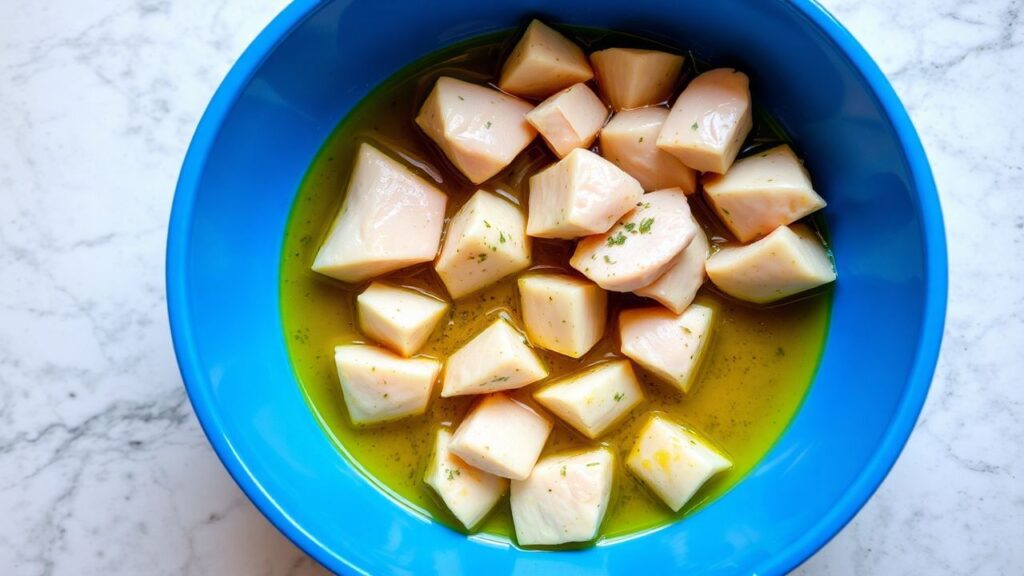
The soul of any great souvlaki resides within its marinade. This is not merely a flavour enhancer; it’s a transformative agent, responsible for both tenderizing the chicken and infusing it with the distinctive Hellenic character. A truly masterful marinade for Greek chicken souvlaki is a delicate equilibrium of acid, fat, and aromatics. The acidity, typically derived from fresh lemon juice, acts as a tenderizer, breaking down the muscle fibres of the chicken. However, overexposure to acid can “cook” the meat, resulting in a mushy texture. Therefore, the duration of marination is as critical as the ingredients themselves.
The fat component, usually olive oil, not only helps to distribute the flavours evenly but also prevents the chicken from drying out during the high-heat cooking process. Extra virgin olive oil, with its fruity undertones, is the preferred choice, adding another layer of complexity to the final dish. The aromatics are where personal preference and regional variations truly shine. Garlic, of course, is indispensable, its pungent bite mellowing into a sweet, mellow perfume when marinated. Oregano, the herbaceous backbone of Greek cuisine, is essential, its earthy notes complementing the chicken beautifully. A touch of dried mint can add a surprising, refreshing lift, while a pinch of red pepper flakes offers a subtle warmth.
Ingredients for the Marinade: A Symphony of Flavours
To achieve an authentic and deeply flavourful souvlaki, procure the finest ingredients. The quality of your olive oil, the freshness of your lemon, and the potency of your herbs will directly influence the outcome.
- 1 kg (2.2 lbs) boneless, skinless chicken thighs or breasts, cut into 2.5-3 cm (1-1.2 inch) cubes
- 120 ml (1/2 cup) extra virgin olive oil
- 60 ml (1/4 cup) fresh lemon juice (from about 2-3 lemons)
- 4 cloves garlic, minced
- 2 tablespoons dried oregano
- 1 teaspoon sea salt
- 1/2 teaspoon freshly ground black pepper
- Optional: 1/2 teaspoon red pepper flakes, 1 tablespoon chopped fresh mint
The choice between chicken thighs and breasts is a matter of preference and desired texture. Thighs, with their higher fat content, are more forgiving and tend to remain exceptionally moist, even if slightly overcooked. Breasts, while leaner, offer a more delicate bite but require careful attention to avoid drying out. When cubing the chicken, aim for uniform pieces to ensure even cooking. This uniformity is a small but significant detail that contributes to the professional finish of your souvlaki.
The process of marinating itself is an exercise in patience and foresight. Combine all the marinade ingredients in a large bowl or a resealable plastic bag. Add the chicken pieces and toss thoroughly to ensure each piece is coated. For thighs, a minimum of 30 minutes is recommended, but for optimal flavour penetration, marinate for at least 2-4 hours, or even overnight, in the refrigerator. If using chicken breasts, a shorter marination time of 30 minutes to 2 hours is generally sufficient to prevent them from becoming tough.
The Art of the Skewer: From Prep to Perfect Char
Once the chicken has absorbed the vibrant essence of the marinade, the focus shifts to the physical preparation for grilling. This stage is crucial for both presentation and optimal cooking. If using wooden skewers, a vital preparatory step often overlooked is soaking them in water for at least 30 minutes. This simple act prevents the skewers from igniting on the grill, ensuring your chicken cooks beautifully without the accompanying pyrotechnics. Metal skewers, while not requiring soaking, can conduct heat and cook the chicken from the inside out, which can be advantageous but also requires more careful monitoring.
When threading the marinated chicken onto the skewers, resist the temptation to pack the pieces too tightly. Allowing a small gap between each cube is essential for several reasons. Firstly, it permits the heat to circulate evenly around each piece of chicken, promoting uniform cooking. Secondly, it allows the marinade to caramelize and develop those desirable crispy edges, a hallmark of well-executed souvlaki. Aim for 3-4 pieces of chicken per skewer, depending on their size, to ensure they are manageable and cook evenly.
Grilling Techniques for Souvlaki
The grilling process is where the magic truly happens, transforming marinated meat into succulent, charred delights. A medium-high heat is generally ideal for souvlaki. Too low, and the chicken will steam rather than grill, lacking that essential smoky flavour and appealing char. Too high, and the exterior will burn before the interior is cooked through. If using a charcoal grill, aim for a bed of glowing embers, ensuring no active flames are present. For a gas grill, preheat to around 200-230°C (400-450°F).
Place the prepared skewers on the hot grill. Grill for approximately 3-4 minutes per side, turning them regularly. The exact cooking time will depend on the size of your chicken pieces and the intensity of your grill. You are looking for distinct grill marks, a beautiful char on the edges, and an internal temperature of 74°C (165°F). Using a meat thermometer is the most reliable way to ensure your chicken is cooked through without being overdone.
The visual cues are just as important as the temperature. Look for the chicken to be opaque throughout, with a slightly caramelized exterior. The aroma should be intoxicating – a blend of grilled meat, lemon, and oregano. The char should be present but not burnt, adding a pleasant bitterness that contrasts with the sweetness of the cooked chicken.
The Crown Jewel: Crafting Perfect Homemade Tzatziki
No discussion of Greek chicken souvlaki would be complete without an in-depth exploration of its indispensable partner: tzatziki. While store-bought versions exist, they rarely capture the vibrant, fresh, and tangy essence of a truly homemade rendition. The beauty of authentic tzatziki lies in its simplicity and the quality of its core ingredients. It’s a cooling balm to the smoky, savoury chicken, a textural counterpoint that completes the dish.
The foundation of exceptional tzatziki is thick, strained Greek yogurt. Regular yogurt, with its higher water content, will result in a watery sauce. Full-fat Greek yogurt provides the necessary richness and creamy texture. The key to achieving that signature thick consistency is draining the yogurt further, a simple process that dramatically improves the final product.
Ingredients for Homemade Tzatziki
- 500g (17.6 oz) full-fat Greek yogurt
- 1 large cucumber
- 3-4 cloves garlic, finely minced or grated
- 2 tablespoons extra virgin olive oil
- 1 tablespoon fresh lemon juice
- 1 tablespoon chopped fresh dill
- 1 tablespoon chopped fresh mint (optional, but highly recommended)
- Salt and freshly ground black pepper to taste
The cucumber matter significantly, providing freshness and a subtle crunch. However, its high water content necessitates preparation. Grating the cucumber and then thoroughly squeezing out the excess moisture is paramount. This can be done by wrapping the grated cucumber in a clean kitchen towel or cheesecloth and wringing it out with considerable force. This step is non-negotiable for achieving a tzatziki that is wonderfully thick and creamy, rather than watery and disappointing.
The garlic, minced or grated, provides the characteristic pungent kick. For a milder, sweeter garlic flavour, you can gently sauté the minced garlic in a little olive oil before adding it to the yogurt. The fresh herbs, dill and mint, are essential for their bright, aromatic notes. Dill offers a slightly grassy, anise-like flavour, while mint adds a refreshing coolness. The lemon juice brightens the entire mixture, and the olive oil lends a luxurious silkiness.
Assembling the Perfect Tzatziki
In a medium bowl, combine the strained Greek yogurt, finely minced or grated garlic, olive oil, fresh lemon juice, chopped dill, and optional mint. Season generously with salt and freshly ground black pepper. Stir everything together until well combined and creamy. Taste and adjust seasonings as needed. If you prefer a more garlicky flavour, add another clove. If it needs more tang, a splash more lemon juice can be added.
The tzatziki is best made at least 30 minutes before serving, or even a few hours in advance, to allow the flavours to meld. Cover and refrigerate. The flavours will deepen and harmonize beautifully as it sits. The resulting tzatziki should be thick, creamy, slightly tangy, and bursting with fresh herbal and garlicky notes. It’s a complex yet simple condiment that acts as the perfect foil to the rich, grilled chicken.
Serving Souvlaki: The Full Greek Experience
The crowning glory of a perfect souvlaki meal is how it’s presented. While the skewers are the star, the supporting cast plays an equally important role in creating an authentic Greek dining experience. Warm, pillowy pita bread is an absolute must. Gently warmed on the grill, in a dry pan, or in the oven, pita bread becomes pliable and slightly toasted, perfect for scooping up the chicken and tzatziki.
A classic Greek salad, or Horiatiki, is the quintessential accompaniment. A vibrant mix of ripe tomatoes, crisp cucumbers, sharp red onions, briny Kalamata olives, and creamy feta cheese, all drizzled with extra virgin olive oil and a sprinkle of oregano, provides a refreshing and textural contrast. The acidity of the salad cuts through the richness of the souvlaki and tzatziki, creating a balanced and satisfying meal.
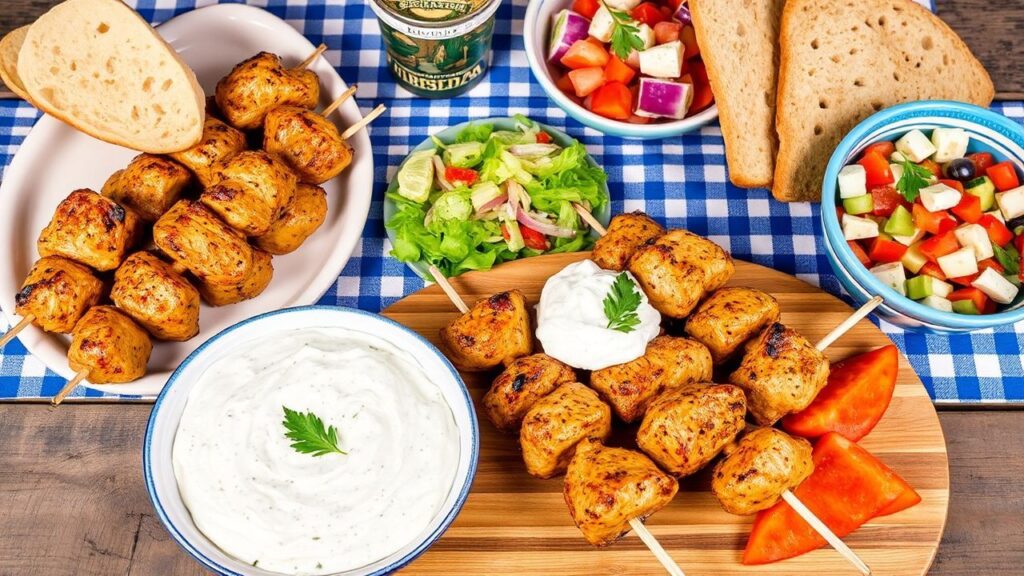
Other popular accompaniments include lemon wedges for an extra squeeze of citrus, perhaps some thinly sliced red onion marinated briefly in red wine vinegar, and a sprinkle of fresh parsley. For a more substantial meal, consider serving with a side of crispy, seasoned fries, a nod to the modern evolution of souvlaki as street food. The beauty of souvlaki lies in its versatility; it can be served as a light appetizer or a hearty main course, adapted to suit any occasion.
The history of souvlaki itself is deeply rooted in Greek culture, with origins tracing back to ancient times. The practice of grilling meat on skewers was a common method of cooking. The modern iteration, however, gained popularity in the early 20th century, evolving into the ubiquitous street food we know and love today. Its journey from humble beginnings to global culinary icon is proof of its enduring appeal and delicious simplicity. A particularly fascinating parallel can be drawn to the broader concept of grilled meats on skewers found across various cultures, from Middle Eastern kebabs to Asian yakitori, highlighting a universal human culinary tradition.
Nutritional Information (Per Serving – Approximately 4 skewers and 2 tbsp tzatziki, without pita or salad):
- Calories: 450-550 (depending on chicken cut and amount of oil used)
- Protein: 40-50g
- Fat: 25-35g (includes healthy fats from olive oil)
- Carbohydrates: 5-10g
- Fiber: 1-2g
- Sodium: 500-700mg (can vary significantly based on added salt)
Keep in mind that these are approximate values. The exact nutritional profile will depend on the specific cuts of chicken used, the quantity of marinade ingredients, and the portion sizes. For a lighter meal, opt for chicken breasts and reduce the olive oil in the marinade and tzatziki. Incorporating a generous portion of Greek salad will add valuable vitamins, minerals, and fiber.
Frequently Asked Questions About Souvlaki
Is it better to use chicken thighs or breasts for souvlaki?
Both chicken thighs and breasts can be used for souvlaki, each offering a distinct texture and flavour profile. Chicken thighs are generally preferred by many due to their higher fat content, which makes them more forgiving and less prone to drying out during grilling, resulting in a more succulent and moist bite. They also absorb marinades beautifully and develop a richer flavour. Chicken breasts, on the other hand, are leaner and offer a more delicate flavour and texture. However, they require more careful attention during marinating and grilling to prevent them from becoming dry and tough. If using breasts, it’s crucial not to over-marinate and to cook them to the correct internal temperature. Ultimately, the choice depends on personal preference; for beginners or those seeking maximum succulence, thighs are often the safer and more rewarding choice.
How can I ensure my souvlaki doesn’t dry out on the grill?
Ensuring your souvlaki remains moist on the grill is a multi-faceted approach that begins with the marinade and extends to the cooking process. Firstly, the marinade itself is key. The combination of acidic elements (like lemon juice) and fat (like olive oil) helps to tenderize the chicken and retain moisture. Don’t marinate chicken breasts for too long, as the acid can start to break down the proteins excessively, leading to a mushy texture. Secondly, don’t overcook the chicken. Use a meat thermometer to check for an internal temperature of 74°C (165°F). Overcooking is the primary culprit for dry chicken. Thirdly, allow for adequate fat content, which is why chicken thighs are often recommended. If using breasts, ensure they are of good quality and not overly lean. Finally, manage your grill heat. A medium-high heat allows for a good sear and char without burning the exterior before the interior is cooked. Avoid the temptation to constantly flip the skewers; allow them to develop a nice crust on each side.
Can I make tzatziki ahead of time?
Yes, tzatziki can and, in fact, should be made ahead of time for optimal flavour. Making it at least 30 minutes to a few hours in advance allows the flavours of the garlic, herbs, and lemon to meld beautifully with the yogurt base. This resting period is crucial for the tzatziki to develop its full, harmonious taste. It can be stored in an airtight container in the refrigerator for up to 3-4 days. When storing, you might notice a slight separation of liquid; simply stir it back in before serving. For longer storage, some suggest omitting the fresh herbs until just before serving to maintain their vibrant colour and flavour, though many find the flavour remains excellent even with the herbs included from the start.
What are the best ways to serve souvlaki besides with pita and salad?
While pita bread and a Greek salad are classic pairings, souvlaki is incredibly versatile and can be served in numerous other delightful ways. Consider serving it over a bed of fluffy Greek lemon rice or orzo pasta tossed with a light lemon-herb dressing. It also makes a fantastic topping for a vibrant grain bowl, alongside ingredients like quinoa, roasted vegetables, and a sprinkle of toasted pine nuts. For a more casual presentation, serve the souvlaki skewers on a platter with a variety of dips, such as hummus, baba ghanoush, or a spicy feta dip. They can also be incorporated into wraps, piled high with lettuce, tomato, and a drizzle of tzatziki, or even served as an appetizer with a simple lemon-herb dipping sauce. For a heartier meal, pair them with roasted potatoes or a simple side of grilled vegetables.
See also: Souvlaki