
“The potato is a humble root, yet in the hands of a skilled cook, it can be transformed into something truly transcendent. The Spanish tortilla is proof of this profound truth.” – Ferran Adrià
- Deconstructing the Spanish Tortilla: The Anatomy of Perfection
- The Potato: The Star of the Show
- The Onion: A Sweet Counterpoint
- The Egg: The Binder and Beyond
- Olive Oil: The Elixir of Flavor
- The Culinary Ritual: Crafting Your Perfect Spanish Tortilla
- Nutritional Profile: A Wholesome Delight
- Elevating Your Spanish Tortilla: Pro-Tips for Restaurant-Quality Results
- The Enduring Appeal of the Spanish Tortilla
- Frequently Asked Questions About Spanish Tortilla
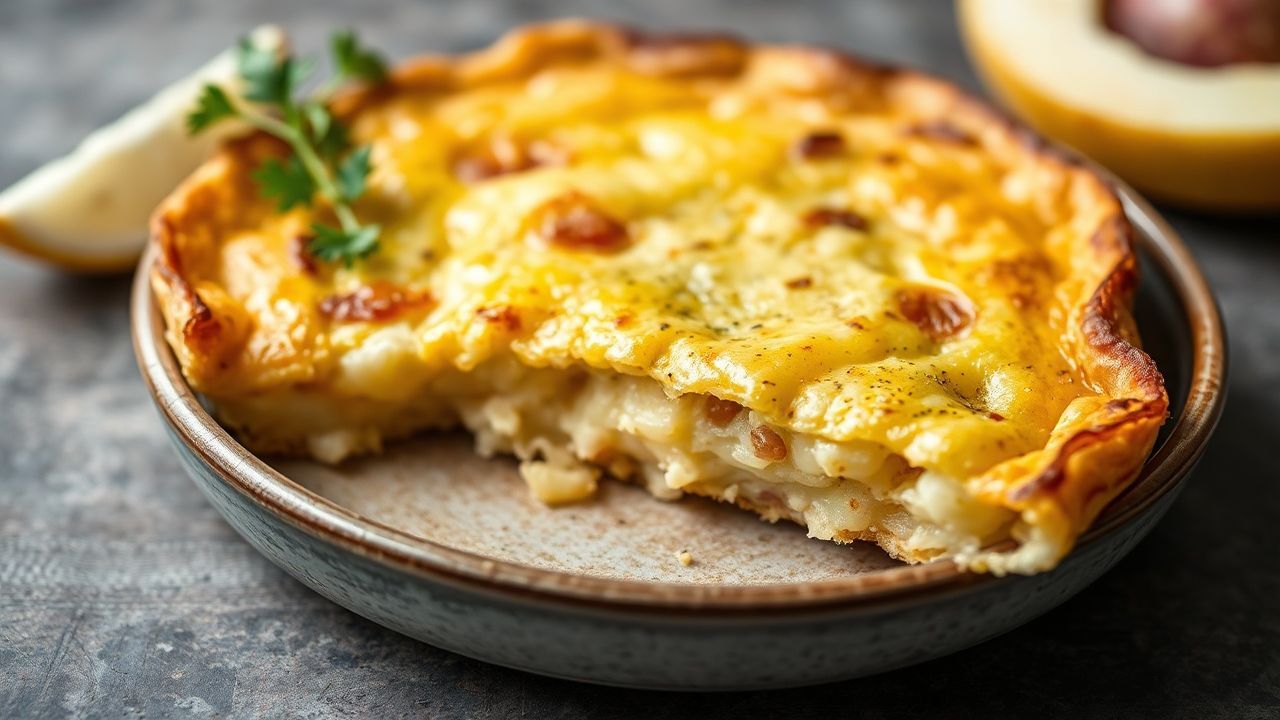
The Spanish Tortilla, or *tortilla española*, is far more than just a potato and onion omelette; it is a cornerstone of Spanish cuisine, a culinary emblem woven into the very fabric of daily life. From bustling tapas bars in Seville to quiet family kitchens in the Pyrenees, this deceptively simple dish embodies the spirit of Spanish hospitality and culinary ingenuity. Its humble ingredients – potatoes, eggs, onions, and olive oil – are elevated through careful technique and patient cooking into a dish that is both profoundly satisfying and endlessly versatile. It is a dish that speaks of tradition, of shared meals, and of the enduring power of simple, honest food. To truly understand the soul of Spain, one must understand its tortilla.
At a Glance: Key Takeaways for Mastering Spanish Tortilla
- The Art of the Potato Cut: The precise thickness and cooking of the potatoes are paramount, influencing texture and flavour absorption.
- Onion’s Role: Properly softened, sweet onions are not an afterthought but an integral flavour component, balancing the richness of the egg and potato.
- The Oil Debate: Generous use of good quality olive oil is non-negotiable for achieving the characteristic tender interior and golden crust.
- Patience is a Virtue: The cooking process, particularly the initial potato and onion sauté and the final flip, requires a steady hand and unwavering patience.
The origins of the Spanish Tortilla are somewhat shrouded in culinary legend, though it is widely believed to have emerged in the northern regions of Spain, possibly Navarre or Extremadura, during the 18th or 19th century. Its genesis is often linked to the need for a portable, nutrient-dense food for soldiers or travellers, a sustenance that could be prepared with readily available ingredients. Early iterations likely involved simpler preparations, but over time, the addition of onions became a defining characteristic, adding a layer of sweetness and complexity that has captivated palates for generations. Unlike its Mexican namesake, the *tortilla mexicana*, a thin flatbread made from corn or wheat, the *tortilla española* is a thick, substantial omelette, proof of a different culinary lineage.
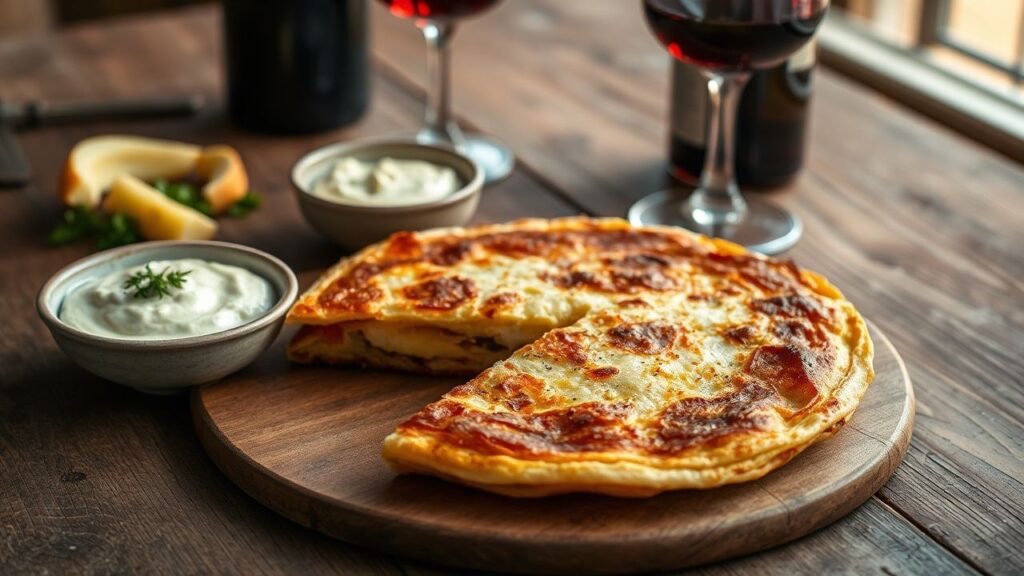
Deconstructing the Spanish Tortilla: The Anatomy of Perfection
The magic of the Spanish Tortilla lies in its elemental simplicity, yet achieving perfection requires a deep understanding of each component’s role and how they interact. It’s a culinary alchemy where humble ingredients are transformed through technique.
The Potato: The Star of the Show
The potato is, unequivocally, the soul of the Spanish Tortilla. Its starchy embrace binds the dish together, providing a comforting, yielding texture. The choice of potato is crucial; waxy varieties like Yukon Gold or Maris Piper are often preferred for their ability to hold their shape while becoming tender. Starchy potatoes, while yielding a softer texture, can sometimes disintegrate too easily, leading to a less defined tortilla. The method of preparation is equally vital.
The traditional approach involves thinly slicing the potatoes, often just a few millimeters thick, and then gently poaching them in a generous amount of olive oil until they are tender but not browned or crispy. This slow, controlled cooking process allows the potatoes to absorb the olive oil’s flavour and become incredibly soft, almost melting. Some chefs advocate for a slightly thicker slice, believing it offers a more satisfying bite, while others prefer paper-thin shavings that practically dissolve into the egg. The key is consistency in slicing; uniform thickness ensures even cooking, preventing some pieces from being mushy while others remain underdone.
The Onion: A Sweet Counterpoint
While some purists staunchly adhere to a potato-only tortilla, the inclusion of onions has become widely accepted and, for many, essential. The sweet, mellow flavour of slow-cooked onions provides a vital counterpoint to the richness of the eggs and the earthiness of the potatoes. When cooked correctly, they soften and caramelize slightly, imparting a delicate sweetness that elevates the entire dish. Overcooking or burning the onions, however, can introduce an undesirable bitterness that will mar the tortilla’s delicate balance. The goal is a translucent, tender onion, cooked gently alongside or just before the potatoes, allowing its sugars to develop without becoming acrid.
The Egg: The Binder and Beyond
Eggs are the essential binder, transforming the cooked potatoes and onions into a cohesive, sliceable entity. However, their role extends beyond mere structural integrity. The quality of the eggs directly impacts the flavour and richness of the final tortilla. Fresh, free-range eggs, with their vibrant yolks, contribute a deeper colour and a more nuanced flavour. The ratio of eggs to potatoes is another critical consideration. Too few eggs, and the tortilla may be crumbly; too many, and it can become rubbery or overly eggy, obscuring the potato and onion. A common ratio hovers around one large egg for every 100-125 grams of potato, but this is a guideline, not a strict rule, often adjusted based on personal preference and the moisture content of the potatoes.
Olive Oil: The Elixir of Flavor
Olive oil is not merely a cooking medium for the Spanish Tortilla; it is an integral flavour component. A good quality extra virgin olive oil imbues the dish with its characteristic fruity and peppery notes. The generous amount used in the poaching of the potatoes is essential for achieving the desired tender texture. It’s this slow immersion in oil that coaxes out the starch and softens the potato, creating a creamy interior. While some might balk at the quantity of oil, a significant portion is drained off before the eggs are added, and much of what remains is absorbed into the potatoes, contributing to their succulence. The debate over using refined versus extra virgin olive oil often hinges on intensity of flavour. While refined oils offer a neutral base, the nuanced flavour of extra virgin olive oil is, for many, what defines an authentic *tortilla española*.
The Culinary Ritual: Crafting Your Perfect Spanish Tortilla
The process of making a Spanish Tortilla is a culinary ritual, a dance of ingredients and heat that requires attention and a touch of intuition. While the ingredients are few, the technique is where the artistry lies.
Ingredients:
For a 24cm (9.5 inch) non-stick frying pan, serving 6-8 as a tapa or 4 as a main:
- Potatoes: 600g (about 1.3 lbs) Maris Piper, Yukon Gold, or similar waxy potatoes, peeled
- Onions: 1 large (about 200g or 7 oz) yellow or white onion, finely sliced
- Eggs: 6 large free-range eggs
- Olive Oil: Approximately 500ml (about 2 cups) good quality extra virgin olive oil, plus extra for finishing
- Salt: 1 teaspoon, or to taste
- Black Pepper: Freshly ground, to taste
Preparation Method:
1. Prepare the Potatoes and Onions:
- Slice the peeled potatoes thinly, about 3mm (1/8 inch) thick. You can use a mandoline for uniform slices, but be cautious. If slicing by hand, aim for consistency.
- Finely slice the onion. A mandoline is also useful here, or slice thinly by hand.
- In a large, heavy-bottomed non-stick frying pan (approximately 24cm or 9.5 inches diameter), pour in the 500ml of olive oil. Heat the oil over medium-low heat. The oil should be hot enough to sizzle gently but not so hot that it smokes.
- Add the sliced potatoes and onions to the oil. Ensure they are mostly submerged. Stir gently to separate the slices.
- Cook the potatoes and onions slowly for about 20-25 minutes. The goal is to tenderize them, not to brown or crisp them. They should become soft and almost translucent, with the potatoes easily pierced by a fork. Stir occasionally to prevent sticking and ensure even cooking.
-
💡 Expert InsightExpert Insight: The key here is slow poaching. Think of it as a gentle confit rather than frying. The potatoes should absorb the olive oil’s flavour and become incredibly tender, forming the creamy base of your tortilla. If they start to colour too much, reduce the heat further. This slow cooking allows the starch in the potatoes to release, creating a more cohesive texture later.
2. Drain and Combine:
- Once the potatoes and onions are tender, carefully drain them using a colander set over a bowl. Let them drain for at least 5-10 minutes to remove excess oil. Reserve the drained olive oil for future use (it’s infused with potato and onion flavour!).
- While the potatoes are draining, crack the 6 eggs into a large mixing bowl. Add the salt and freshly ground black pepper.
- Whisk the eggs vigorously until they are well combined and slightly frothy.
- Add the drained, slightly cooled potato and onion mixture to the beaten eggs. Gently fold them together, ensuring all the potato and onion pieces are coated in egg. Let this mixture sit for 5-10 minutes; this allows the potatoes to absorb some of the egg, further enhancing the tortilla’s structure.
3. Cook the Tortilla (The First Side):
- Clean the frying pan or use a separate one of the same size. Add about 2 tablespoons of the reserved potato-infused olive oil to the pan and heat it over medium heat.
- Pour the egg and potato mixture into the hot pan. Spread it evenly.
- Cook for about 5-8 minutes, or until the edges of the tortilla are set and the bottom is golden brown. You can gently run a spatula around the edges to ensure it’s not sticking. The centre should still be slightly liquid.
- You can gently shake the pan to ensure the tortilla is not sticking. The heat should be moderate enough to cook the egg through without burning the bottom.
4. The Flip (The Moment of Truth):
- This is the most daunting part for many. Place a large plate or a flat serving platter over the frying pan.
- With one hand firmly on the plate and the other holding the pan handle, swiftly and confidently invert the pan so the tortilla lands on the plate, cooked-side up.
-
⚠️ Pro-CautionPro-Caution: This manoeuvre requires confidence and a steady hand. If you are hesitant, the tortilla may break. Ensure the plate is large enough to catch the entire tortilla. Have a clean workspace ready for the flip. Some prefer to use a lid that fits snugly over the pan for an easier flip, or even slide the tortilla onto a plate and then slide it back into the pan.
5. Cook the Tortilla (The Second Side):
- Gently slide the tortilla back into the frying pan, uncooked side down.
- Tuck in the edges with your spatula to create a neat, rounded shape.
- Cook for another 5-8 minutes, or until the second side is golden brown and the tortilla is cooked through. You can test for doneness by gently pressing the centre; it should feel firm but still have a slight yield. Some prefer a slightly runnier centre, while others like it completely firm. Adjust cooking time accordingly.
6. Rest and Serve:
- Slide the finished tortilla onto a clean serving plate.
- Let it rest for at least 10-15 minutes before slicing. This resting period allows the flavours to meld and the tortilla to firm up, making it easier to slice cleanly.
- Serve warm or at room temperature. It can be enjoyed as a main course, a light lunch, or sliced into small cubes for tapas. A dollop of aioli or a simple tomato salad is a classic accompaniment.
Nutritional Profile: A Wholesome Delight
While the Spanish Tortilla is a hearty dish, its nutritional profile is surprisingly balanced, particularly when prepared with quality ingredients and a mindful approach to oil usage.
Per Serving (approx. 1/8th of the tortilla):
- Calories: 350-450 (highly dependent on oil absorption)
- Protein: 15-20g
- Fat: 25-35g (primarily from olive oil and eggs)
- Saturated Fat: 5-7g
- Monounsaturated Fat: 15-20g
- Carbohydrates: 15-20g
- Fiber: 2-3g
- Sugars: 3-5g (from onions)
- Cholesterol: 200-250mg
- Sodium: 300-500mg (depending on salt added)
Keep in mind that the amount of olive oil absorbed can vary significantly. Draining the potatoes thoroughly and using a good non-stick pan helps minimize excess oil. The dish is a good source of protein from the eggs and carbohydrates from the potatoes, providing sustained energy. The monounsaturated fats from olive oil are considered heart-healthy.
Elevating Your Spanish Tortilla: Pro-Tips for Restaurant-Quality Results
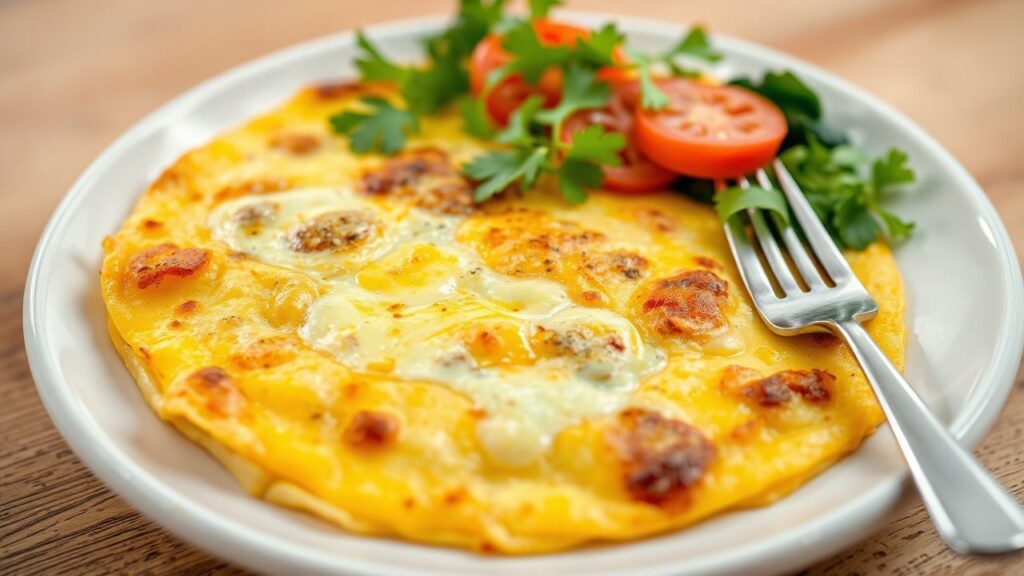
Achieving a truly exceptional Spanish Tortilla often comes down to subtle refinements and a deep understanding of the nuances of flavour and texture.
- The Potato’s Embrace: Instead of just slicing, some chefs lightly crush or mash some of the poached potato pieces before mixing with the egg. This creates pockets of creamy potato within the tortilla, adding another layer of texture. A small portion of the potatoes can also be set aside, mashed very finely, and then reincorporated into the egg mixture for an even smoother, more cohesive texture.
- The Onion’s Sweetness: For an even deeper sweetness, consider caramelizing the onions separately over a very low heat for a longer period until they are a rich golden-brown before adding them to the potatoes. This intensifies their natural sugars and adds a more complex flavour profile.
- The Egg’s Emulsion: Whisking the eggs with a fork rather than a whisk can create a slightly different texture. A fork tends to break down the egg whites more effectively without incorporating as much air, leading to a denser, more cake-like tortilla. Some also advocate for resting the egg mixture for up to an hour in the refrigerator before cooking, allowing the flavours to meld and the potatoes to fully absorb the egg.
- The Finishing Touch: A drizzle of high-quality extra virgin olive oil over the finished tortilla just before serving can add a final burst of fresh flavour and a beautiful sheen. For those who enjoy it, a touch of smoked paprika sprinkled over the top adds a subtle smoky note that complements the earthy potatoes.
- The Temperature Game: While traditionally served warm or at room temperature, a perfectly executed Spanish Tortilla can also be enjoyed chilled. This often brings out a slightly firmer texture and a more pronounced onion flavour. Experiment with different serving temperatures to discover your preference.
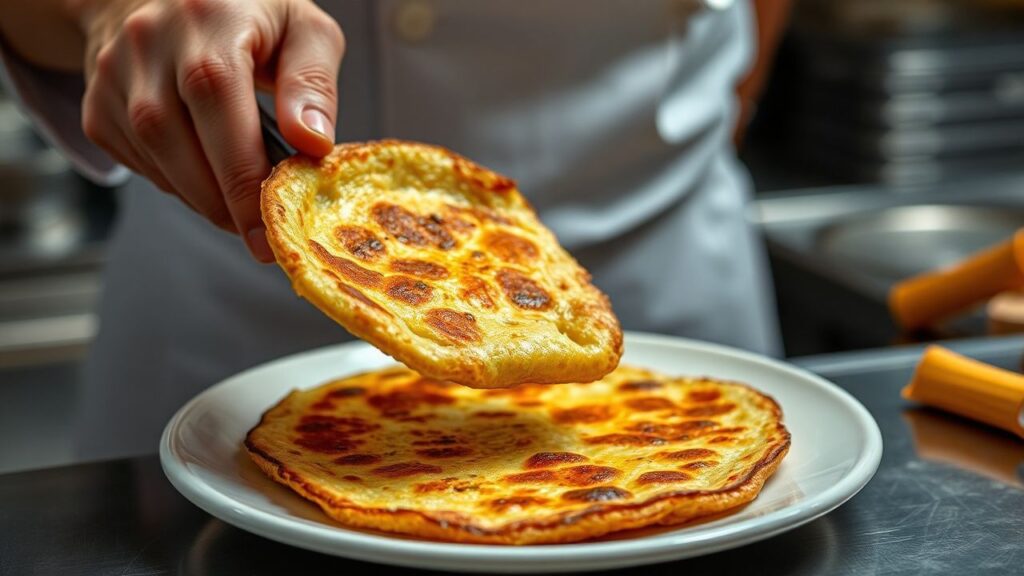
The Enduring Appeal of the Spanish Tortilla
The Spanish Tortilla is more than just a recipe; it’s an experience. It’s the comforting aroma that fills a kitchen, the satisfying weight of the pan, the triumphant flip, and the shared joy of a meal. Its enduring appeal lies in its accessibility, its profound flavour derived from simple ingredients, and its inherent versatility. It can be a humble breakfast, a robust lunch, a star tapa, or a satisfying dinner. Its presence at every Spanish table, from the most modest to the most celebratory, speaks volumes about its place in the culinary heart of Spain. It is a dish that nourishes not just the body, but the soul, a true testament to the power of simple, honest cooking.
Frequently Asked Questions About Spanish Tortilla
What is the best type of potato for a Spanish Tortilla?
The ideal potatoes for a Spanish Tortilla are those with a medium starch content and a waxy texture, which hold their shape well during the poaching process. Varieties like Yukon Gold, Maris Piper, or Desiree are excellent choices. These potatoes cook to a tender, creamy consistency without becoming overly mushy or falling apart. Starchy potatoes, such as Russets, can be used, but they require more careful handling to prevent them from disintegrating into the egg mixture, potentially leading to a less defined tortilla. The key is to achieve a tender, yielding texture that is still discernible as potato.
Why is my Spanish Tortilla not holding its shape?
Several factors can contribute to a Spanish Tortilla failing to hold its shape. Firstly, insufficient egg-to-potato ratio is a common culprit; if there aren’t enough eggs to bind the ingredients, the tortilla will be crumbly. Secondly, overcooking the potatoes to a point where they become too soft and mushy before being combined with the egg can also lead to structural issues. Ensure the potatoes are tender but still have some integrity. Thirdly, inadequate draining of the potatoes after poaching means excess oil remains, which can interfere with the egg’s ability to bind properly. Finally, not allowing the potato and egg mixture to rest for a few minutes before cooking can mean the potatoes haven’t had time to absorb the egg, resulting in a looser structure.
Can I make a Spanish Tortilla ahead of time?
Yes, absolutely. The Spanish Tortilla is an excellent dish to prepare ahead of time, and many argue it tastes even better after resting. It can be made several hours in advance and served at room temperature, which is a common and preferred way to enjoy it in Spain, especially for tapas or picnics. If you wish to refrigerate it, allow it to cool completely first. When reheating, you can gently warm it in a low oven (around 150°C/300°F) or in a non-stick pan over low heat, being careful not to overcook it and dry out the eggs. It can also be enjoyed cold, straight from the refrigerator.
See also: Spanish Tortilla