
“The essence of good cooking lies not in the complexity of ingredients, but in the harmony of flavors and the respect for technique.” – Julia Child
The Enduring Allure of Sweet Sour Chicken
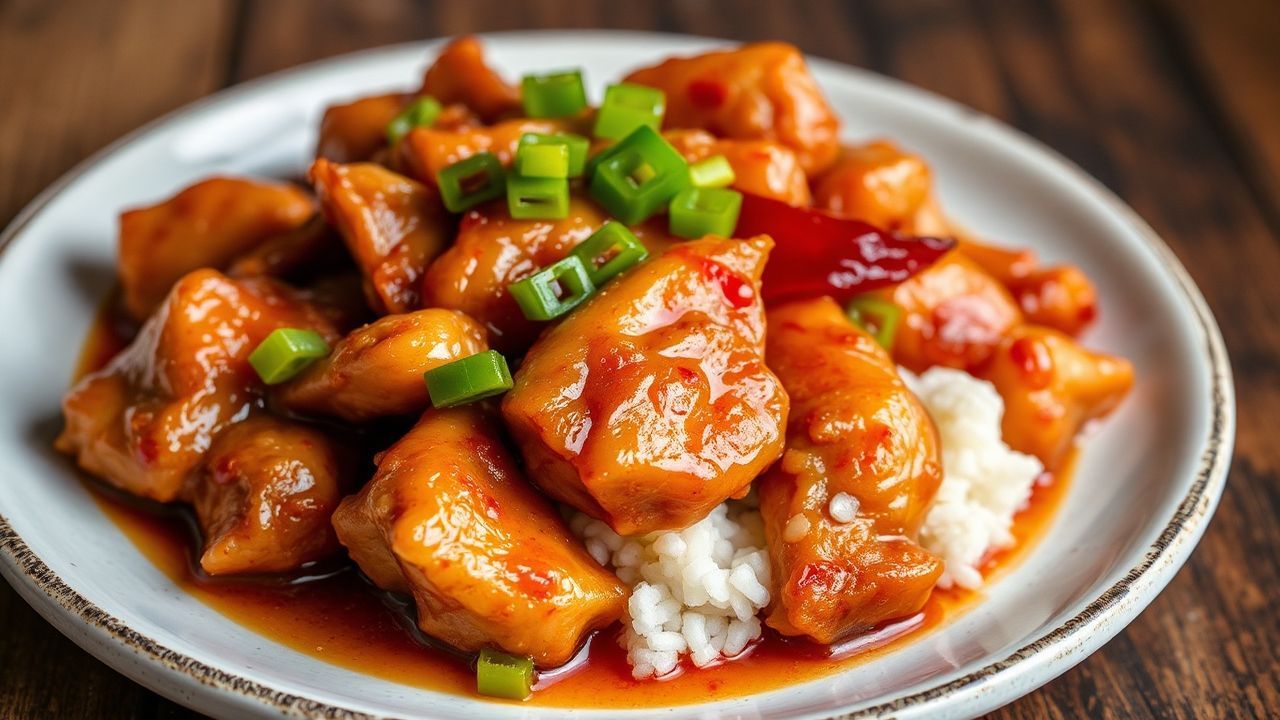
Few dishes have achieved the global ubiquity and enduring affection of Chinese sweet and sour chicken. It’s a culinary ambassador, bridging continents and palates with its universally appealing taste profile. Yet, beneath the familiar veneer of glossy crimson sauce and crispy fried morsels lies a dish with a rich history and a surprising depth of culinary nuance. While many associate it with the convenient, often overly saccharine versions found in takeout establishments, the true sweet sour chicken is proof of skillful balance, textural contrast, and the thoughtful application of fundamental Chinese cooking principles. This article aims to demystify this beloved dish, guiding you beyond the superficial to understand and replicate its authentic, deeply satisfying essence in your own kitchen.
At a Glance: Key Takeaways for Superior Sweet Sour Chicken
- The Sauce is Paramount: Achieving the perfect sweet sour balance requires a nuanced understanding of the interplay between vinegar, sugar, and savory elements.
- Texture is King: Crispy, well-fried chicken is non-negotiable. The coating must be robust enough to withstand the sauce without becoming soggy.
- Ingredient Quality Matters: Fresh ingredients, particularly the vinegar and the quality of the chicken itself, significantly elevate the final dish.
- Mise en Place is Crucial: The rapid nature of stir-frying demands that all components are prepped and ready before cooking commences.
The origin of the sweet and sour flavor profile in Chinese cuisine can be traced back to the eastern provinces, particularly Jiangsu and Zhejiang, where a more refined, less aggressively sweet and sour taste was favored. This culinary tradition, characterized by its delicate balance and emphasis on natural ingredient flavors, eventually traveled with émigrés and evolved in new culinary landscapes. The Americanized version, while diverging in intensity and often sweetness, has cemented its place in popular culture. Understanding this evolution helps us appreciate the spectrum of sweet sour, from its subtle provincial roots to its vibrant global interpretations.
Deconstructing the Perfect Sweet Sour Sauce
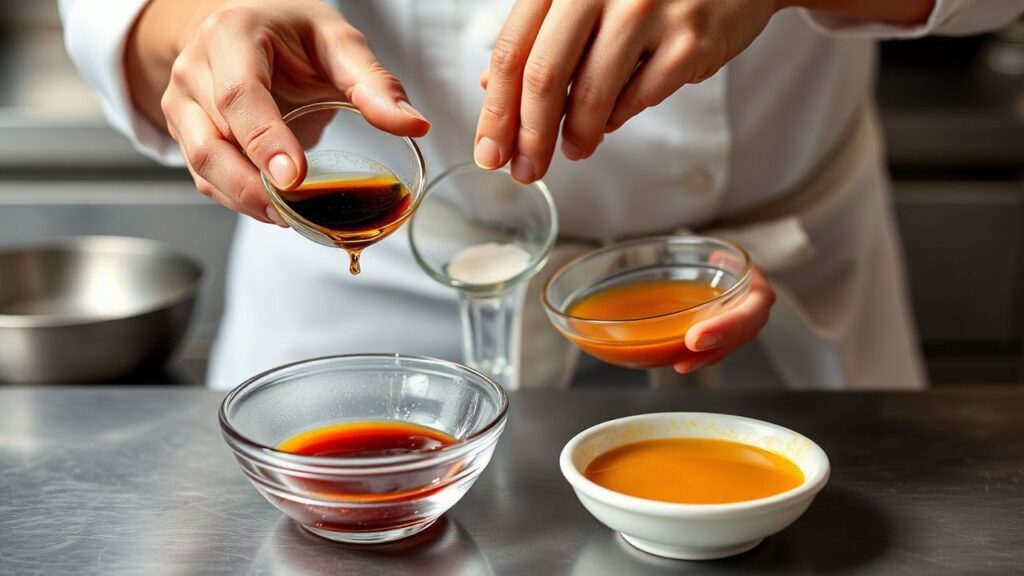
The soul of any great sweet sour chicken lies in its sauce. It’s a delicate tightrope walk between tangy acidity and comforting sweetness, anchored by a savory base. The common misconception is that a good sauce is simply a matter of dumping ketchup, sugar, and vinegar into a pan. This approach invariably leads to a one-dimensional, cloying syrup. True mastery involves understanding the role of each component and how they interact to create a complex, layered flavor that complements, rather than overwhelms, the chicken.
At its core, the ideal sweet sour sauce begins with a foundation of rice vinegar. Its mild, slightly fruity acidity is less harsh than Western vinegars, providing a clean tang. This is balanced by sugar, typically granulated or brown sugar, which contributes sweetness and a subtle caramel note if browned. However, the magic truly happens with the introduction of savory elements. Soy sauce adds umami depth and a rich brown hue, while ketchup – when used judiciously and of good quality – can contribute to both color and a subtle tomato-based sweetness and acidity. The binding agent, often cornstarch or tapioca starch mixed with water (a slurry), is crucial for achieving that signature glossy, clinging consistency that coats each piece of chicken without pooling at the bottom of the plate.
The Art of Balance: Vinegar to Sugar Ratio
The precise ratio of vinegar to sugar is the most critical aspect of achieving that quintessential sweet sour flavor. A common starting point for a balanced sauce might be a 1:1 ratio of rice vinegar to sugar, but this is highly adaptable. In Sichuan cuisine, for example, dishes often feature a more pronounced sourness, sometimes leaning towards a 2:1 vinegar to sugar ratio, balanced by other aromatics. Conversely, in regions where sweetness is more prized, the ratio might skew towards 1:2 or even 1:3. The key is to taste and adjust, understanding that the final flavor will be influenced by the other ingredients.
For a classic Chinese-American style sweet sour chicken, a good baseline to start with is two parts sugar to one part vinegar, with adjustments made based on the specific vinegar used. A sweeter rice vinegar might require less sugar, while a more assertive one might need a touch more. The addition of soy sauce also introduces saltiness, which can further temper the sweetness and acidity, creating a more rounded profile. This interplay is what distinguishes a truly exceptional sweet sour sauce from a merely palatable one.
Beyond the Basics: Enhancing the Savory Foundation
To elevate the sauce beyond mere sweet and sour, consider introducing other flavor enhancers. A splash of Shaoxing wine, a fermented rice wine, adds a complex, nutty aroma and depth that is characteristic of authentic Chinese cooking. Garlic and ginger, finely minced and sautéed until fragrant before being incorporated into the sauce, provide an aromatic backbone. A dash of sesame oil at the very end of cooking imparts a nutty, toasty finish that ties all the flavors together. Some chefs also incorporate a small amount of chili paste or finely chopped fresh chilies for a subtle hint of heat, adding another layer of complexity to the sweet sour profile.
The Chicken: Crispy Perfection
The chicken itself must be more than just a vehicle for the sauce; it is a star in its own right. The goal is a tender, juicy interior encased in a shatteringly crisp, golden exterior. This requires careful selection of chicken cut, a robust yet light coating, and precise frying techniques. For sweet sour chicken, boneless, skinless chicken thighs are often preferred over breast meat. Thighs have a higher fat content, which keeps them moist and tender during the frying process and allows them to absorb the sauce without becoming dry or tough. While chicken breast can be used, it demands more attention to avoid overcooking.
The coating is equally critical. A double-frying method is often employed in high-end restaurants to guarantee maximum crispness. The chicken is first lightly coated in a thin batter or seasoned flour, fried until pale golden, and then fried a second time at a higher temperature until deep golden and exceptionally crisp. This technique ensures that the coating is robust enough to withstand the sweet and sour sauce for a reasonable amount of time without succumbing to sogginess. The inclusion of cornstarch in the dry coating is essential for achieving that characteristic crunch and lightness.
The Coating: A Symphony of Textures
The specific ingredients in the coating can vary. A classic approach involves a simple dredge in cornstarch or a mixture of cornstarch and all-purpose flour. Seasoning the dry ingredients with a pinch of salt and white pepper is a fundamental step. Some recipes add a touch of baking powder to the flour mixture, which can contribute to a lighter, crispier texture. For a more substantial coating, a batter can be employed, typically made from flour, cornstarch, egg, and water or beer. The key is to achieve a coating that is porous enough to fry up beautifully crisp but not so dense that it becomes heavy or oily.
Consider the case of a popular dim sum preparation, “Gu Lou Yuk” (Cantonese sweet and sour pork), which often uses a batter made with egg white and sweet potato starch for an exceptionally crispy exterior. While chicken is lighter, the principle of a well-executed crisp coating remains paramount. The goal is a texture that provides a satisfying contrast to the yielding interior of the chicken and the glossy sauce.
The Frying Process: Temperature and Technique
The act of frying is where raw ingredients are transformed. For sweet sour chicken, achieving the perfect crispness is a process that requires attention to detail. After the chicken pieces have been coated, they are carefully added to the hot oil. The oil should be hot enough to immediately begin crisping the exterior, sealing in the juices. Too low a temperature, and the chicken will absorb excess oil, becoming heavy and greasy. Too high, and the exterior will burn before the interior is cooked through.
A common technique is to fry the chicken in two stages. The first fry, at a slightly lower temperature, cooks the chicken through. The second fry, at a higher temperature, crisps the coating to a beautiful golden-brown. This two-stage approach ensures that the chicken is cooked perfectly without drying out, and the coating achieves an optimal crispness that will hold up better when tossed with the sauce. Draining the fried chicken on a wire rack, rather than paper towels, is also a pro tip, allowing air to circulate and prevent steam from softening the crisp coating.
Assembling the Masterpiece: The Stir-Fry
The final stage is the assembly, a swift and precise stir-fry that brings all the elements together. This is where the concept of mise en place – having all ingredients prepped and ready – is not just beneficial, but essential. The sweet sour sauce is typically made ahead and kept warm. The fried chicken pieces are ready to go. The vegetables, which should be vibrant and slightly crisp-tender, are also prepared.
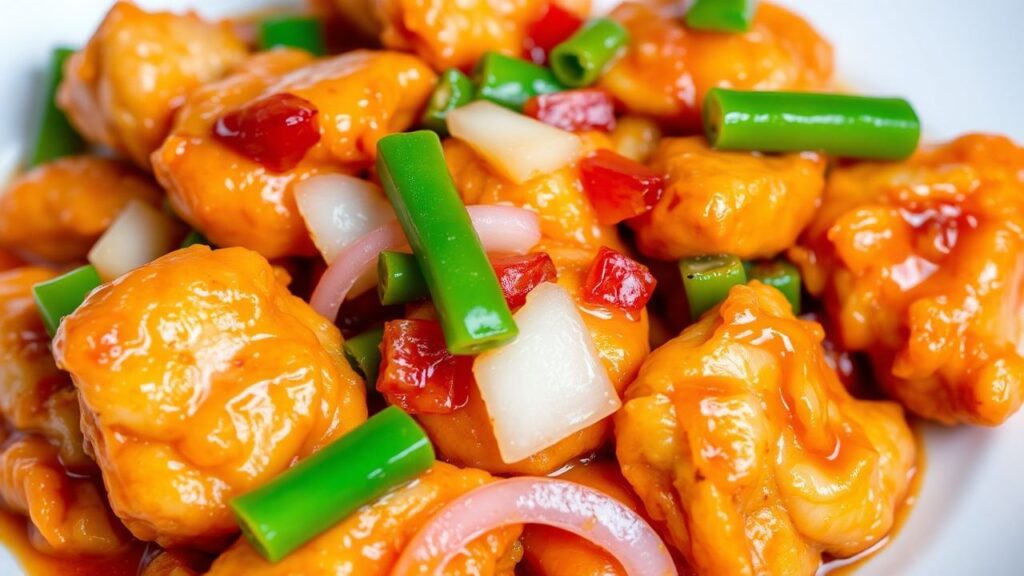
Common additions to sweet sour chicken include pineapple chunks, which add a burst of tropical sweetness and acidity that complements the sauce beautifully. Bell peppers (often green and red for color), onion wedges, and sometimes carrots are also standard. These vegetables are usually stir-fried quickly until they are tender-crisp, retaining their vibrant colors and inherent textures. The goal is not to overcook them into a mushy state but to achieve a pleasant bite.
The Stir-Fry Technique: Speed and Heat
The stir-fry process itself is a dance of high heat and rapid movement. A wok, with its curved shape and excellent heat distribution, is the ideal vessel. Once the vegetables are stir-fried and removed from the wok, the sauce is typically reheated and thickened further if necessary. The fried chicken pieces are then added to the hot sauce, along with the cooked vegetables and pineapple. The mixture is tossed quickly to ensure every piece is evenly coated in the glossy sweet sour sauce. This rapid coating process helps to maintain the crispness of the chicken for as long as possible before serving.
The speed of this final assembly is paramount. A common pitfall is allowing the chicken to sit in the sauce for too long, which inevitably leads to a loss of crispness. The dish should be served immediately after tossing to preserve the textural integrity of the chicken and vegetables. The contrast between the slightly yielding, sauce-coated chicken, the tender-crisp vegetables, and the inherent crispness of the coating is what makes this dish so satisfying.
Consider the culinary philosophy of stir-frying in Chinese cooking: it’s about harnessing intense heat to cook ingredients quickly, preserving their natural flavors, textures, and nutrients. The sweet sour chicken, when executed with this philosophy in mind, becomes proof of this efficient and flavorful cooking method. The vibrant colors of the vegetables, the glistening sheen of the sauce, and the promise of a satisfying crunch all contribute to its visual and gustatory appeal.
Recipe: Authentic Sweet Sour Chicken
Ingredients:
For the Chicken Marinade:
- 500g (1.1 lbs) boneless, skinless chicken thighs, cut into 2.5cm (1-inch) cubes
- 1 tablespoon Shaoxing wine
- 1 tablespoon light soy sauce
- 1 teaspoon sesame oil
- 1 teaspoon cornstarch
- Pinch of white pepper
For the Frying Coating:
- 100g (¾ cup) cornstarch
- 50g (⅓ cup) all-purpose flour
- ½ teaspoon salt
- ¼ teaspoon white pepper
- Vegetable oil, for deep frying
For the Sweet Sour Sauce:
- 120ml (½ cup) rice vinegar
- 100g (½ cup) granulated sugar
- 60ml (¼ cup) ketchup
- 3 tablespoons light soy sauce
- 1 tablespoon Shaoxing wine (optional)
- 1 teaspoon grated fresh ginger
- 2 cloves garlic, minced
- 2 tablespoons cornstarch mixed with 4 tablespoons cold water (slurry)
- 1 teaspoon sesame oil (for finishing)
For the Stir-Fry:
- 1 tablespoon vegetable oil
- ½ medium red onion, cut into wedges
- ½ medium green bell pepper, cut into chunks
- ½ medium red bell pepper, cut into chunks
- 100g (½ cup) pineapple chunks (fresh or canned, drained)
Preparation Method:
- Marinate the Chicken: In a medium bowl, combine chicken cubes with Shaoxing wine, light soy sauce, sesame oil, cornstarch, and white pepper. Toss to coat evenly. Let it marinate for at least 20 minutes, or up to 2 hours in the refrigerator.
- Prepare the Frying Coating: In a shallow dish or bowl, whisk together cornstarch, all-purpose flour, salt, and white pepper.
- Coat the Chicken: Dredge each marinated chicken piece in the cornstarch mixture, ensuring it is well coated. Shake off any excess.
- First Fry: Heat about 5-7 cm (2-3 inches) of vegetable oil in a wok or deep pot to 170°C (340°F). Carefully add the coated chicken in batches, ensuring not to overcrowd the pot. Fry for 4-5 minutes until lightly golden and cooked through. Remove with a slotted spoon and drain on a wire rack.
- Second Fry: Increase the oil temperature to 190°C (375°F). Return the chicken to the hot oil in batches and fry for another 1-2 minutes until deep golden brown and extra crispy. Remove and drain again on a wire rack.
- Make the Sweet Sour Sauce: In a small bowl, whisk together rice vinegar, sugar, ketchup, light soy sauce, Shaoxing wine (if using), grated ginger, and minced garlic.
- Stir-Fry Vegetables: Heat 1 tablespoon of vegetable oil in a clean wok or large skillet over medium-high heat. Add the red onion and stir-fry for 1 minute. Add the bell peppers and stir-fry for another 2-3 minutes until tender-crisp. Add the pineapple chunks and stir briefly to combine. Remove vegetables and pineapple from the wok and set aside.
- Cook the Sauce: Pour the prepared sweet sour sauce mixture into the wok. Bring to a simmer, stirring constantly. Slowly pour in the cornstarch slurry while stirring continuously. Continue to cook, stirring, until the sauce thickens and becomes glossy, about 1-2 minutes. Stir in the finishing sesame oil.
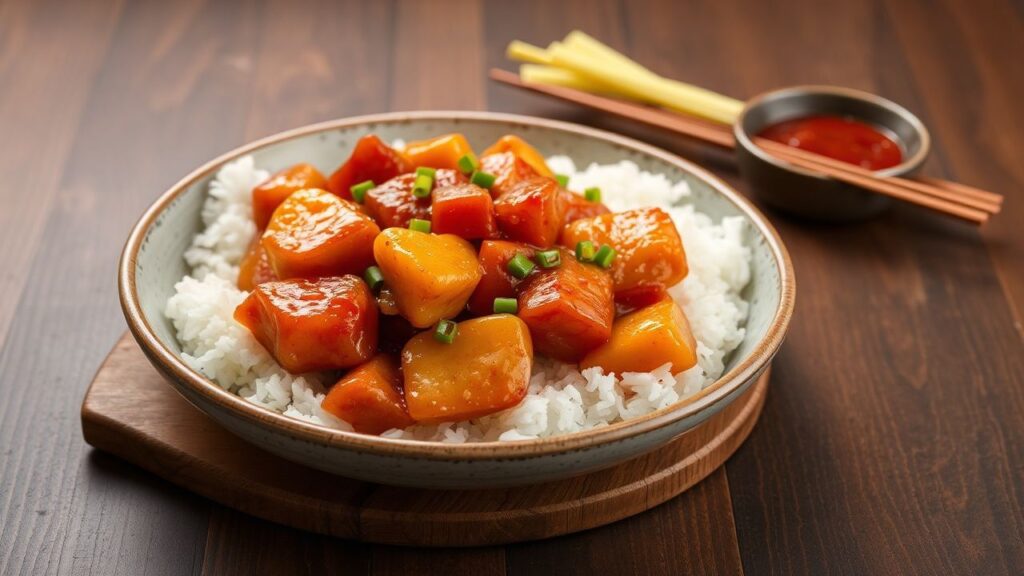
- Combine and Serve: Return the double-fried chicken pieces to the wok with the thickened sauce. Add the stir-fried vegetables and pineapple. Toss gently but quickly to coat everything evenly. Serve immediately with steamed rice.
Nutritional Information (Per Serving – Approximate)
This is an approximate nutritional breakdown and can vary based on exact ingredients and portion sizes.
| Nutrient | Amount |
|---|---|
| Calories | 450-550 kcal |
| Protein | 25-30g |
| Fat | 20-25g |
| Saturated Fat | 4-6g |
| Carbohydrates | 40-50g |
| Sugars | 25-35g |
| Sodium | 600-800mg |
| Fiber | 2-3g |
The higher calorie and sugar content is largely attributable to the frying process and the sweet component of the sauce. Opting for leaner cuts of chicken and moderating sugar in the sauce can help to adjust these figures.
Expert Tips for Elevating Your Sweet Sour Chicken
Achieving that elusive restaurant-quality sweet sour chicken at home is entirely possible with a few key insights. Beyond the fundamental steps, subtle techniques can elevate this dish from good to spectacular. One often-overlooked aspect is the quality of the vinegar. While standard white vinegar might suffice in a pinch, using a good quality Chinese black vinegar (Chinkiang vinegar) or a well-matured rice vinegar will impart a more complex, nuanced acidity. Black vinegar, in particular, offers a rich, malty, slightly smoky flavor that adds an incredible depth to the sauce.
The choice of pineapple also makes a difference. While canned pineapple is convenient, fresh pineapple offers a brighter, more vibrant sweetness and a firmer texture that holds up better. If using canned, opt for pineapple packed in juice rather than syrup, and drain it thoroughly. The vegetables, too, can be enhanced. Consider adding snow peas for a fresh, crisp element or a few slivers of scallions at the very end for a burst of fresh, oniony flavor.
For those seeking an even more authentic Cantonese experience, consider the addition of char siu sauce or a touch of hoisin sauce to the sweet sour sauce. These ingredients can provide an additional layer of savory depth and a reddish-brown hue that mimics the appearance of traditional char siu pork, lending a beautiful complexity to the chicken.
FAQ
H2: What is the traditional origin of sweet and sour flavor in Chinese cuisine?
The sweet and sour flavor profile has deep roots in Chinese culinary history, particularly in the eastern provinces like Jiangsu and Zhejiang. These regions historically favored a more delicate and balanced approach to flavor, where sweetness and sourness were used subtly to enhance the natural taste of ingredients rather than to overpower them. This refined style, known as “tang cu” (糖醋), contrasts with the bolder, often sweeter renditions found in some other regional cuisines or in Western adaptations. Early versions of sweet and sour dishes were often made with ingredients like fish or pork, showcasing a mastery of balancing vinegar and sugar with other aromatics to create a harmonious taste experience.
H3: Why is my sweet sour chicken sauce not glossy or thick enough?
The most common reason for a sauce lacking gloss and thickness is an incorrect cornstarch slurry preparation or cooking time. Ensure your cornstarch is properly mixed with cold water before adding it to the simmering sauce. If the slurry is lumpy or not fully incorporated, it won’t thicken effectively. Furthermore, the sauce needs to be brought back to a simmer *after* the slurry is added, and cooked for at least 1-2 minutes, stirring constantly, to allow the starch to gelatinize and achieve its full thickening potential. Using too little cornstarch will also result in a thin sauce. Conversely, too much cornstarch can make the sauce gummy and opaque.
H3: How can I make my sweet sour chicken stay crispy longer after adding the sauce?
Achieving long-lasting crispness is a culinary challenge, but several techniques can help. The double-frying method for the chicken is paramount, as it creates a more robust and resilient coating. Ensure the oil is sufficiently hot during the second fry to create a very crisp exterior. Critically, the assembly process must be swift. Toss the fried chicken with the sauce and vegetables *just before serving*. The sauce should be hot and thickened, and the tossing should be quick and vigorous to coat each piece without allowing them to soak for extended periods. Serving the dish immediately after tossing is the most effective way to preserve crispness.
See also: Sweet sour