
The Allure of Teriyaki Salmon: More Than Just Glazed Fish
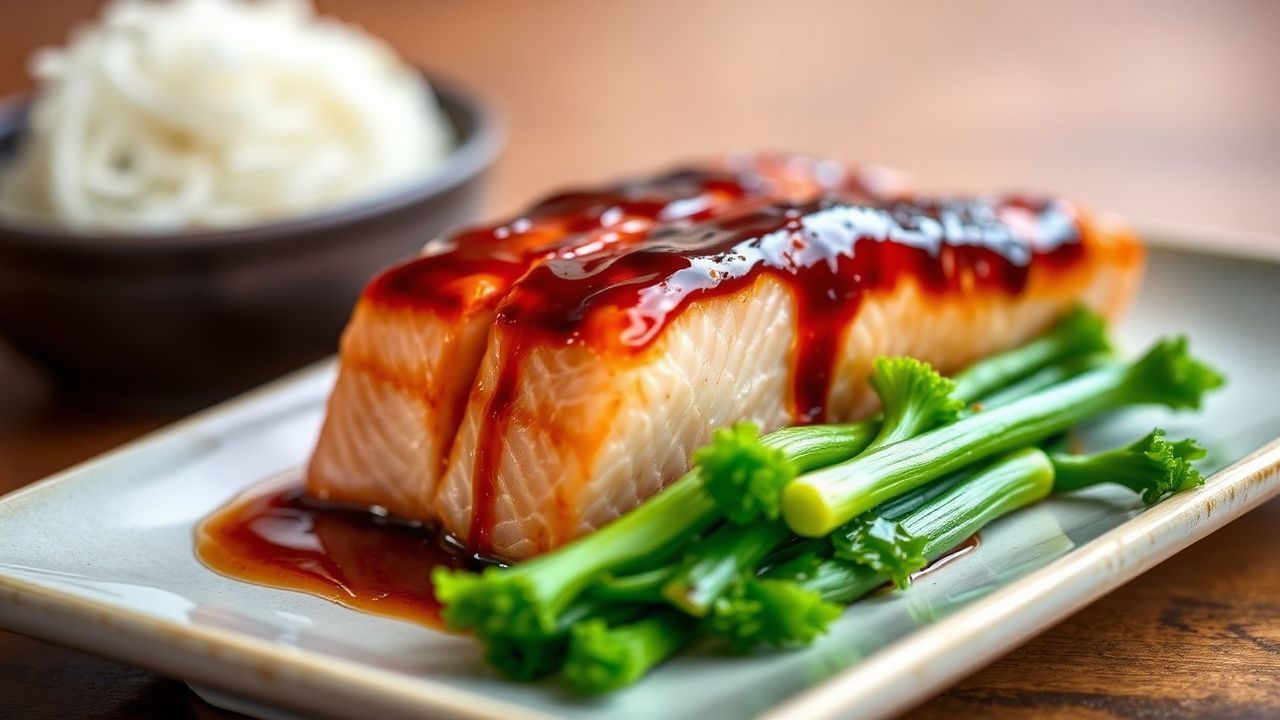
The enduring appeal of a dish that, on the surface, seems so straightforward – a piece of fish coated in a sweet and savory sauce – is proof of its depth. The humble teriyaki salmon transcends its simple description, embodying a confluence of culinary artistry, cultural heritage, and sheer deliciousness that has captivated palates worldwide. It’s a dish that speaks of comfort, sophistication, and the vibrant flavors of Japan, even when prepared in kitchens thousands of miles away from its origin. Its ubiquity on restaurant menus, from casual diners to upscale establishments, is proof of its universal appeal, yet achieving true teriyaki salmon mastery requires an understanding that goes beyond a mere recipe.
- The Allure of Teriyaki Salmon: More Than Just Glazed Fish
- Deconstructing the Teriyaki Glaze: The Heart of the Dish
- Selecting the Ideal Salmon for Teriyaki Perfection
- Crafting Your Own Teriyaki Salmon: A Recipe for Success
- Nutritional Information (Per Serving – Approximate):
- Elevating Your Teriyaki Salmon: Expert Tips for Restaurant-Quality Results
- Frequently Asked Questions about Teriyaki Salmon
At a Glance: Unlocking Teriyaki Salmon Perfection
- The nuanced balance of salty soy, sweet mirin/sugar, and umami from sake is the cornerstone of authentic teriyaki.
- Selecting the right salmon cut and ensuring proper searing technique are crucial for texture and flavor integration.
- The teriyaki glaze is not merely a coating but a transformative element that caramelizes and infuses the fish.
- Homemade teriyaki sauce offers unparalleled depth compared to store-bought alternatives, allowing for precise flavor control.
The journey of teriyaki salmon from its Japanese roots to global phenomenon is a fascinating narrative. While the term “teriyaki” itself, derived from “teri” (luster) and “yaki” (grill/broil), describes a cooking method and glaze rather than a specific ingredient, salmon has become its most celebrated partner in the West. This pairing is not accidental; the rich, oily nature of salmon stands up beautifully to the robust flavors of the teriyaki glaze, creating a harmonious marriage of richness and sweet-savory intensity. Understanding this interplay is the first step towards elevating teriyaki salmon from a good meal to an exceptional culinary experience.
Deconstructing the Teriyaki Glaze: The Heart of the Dish
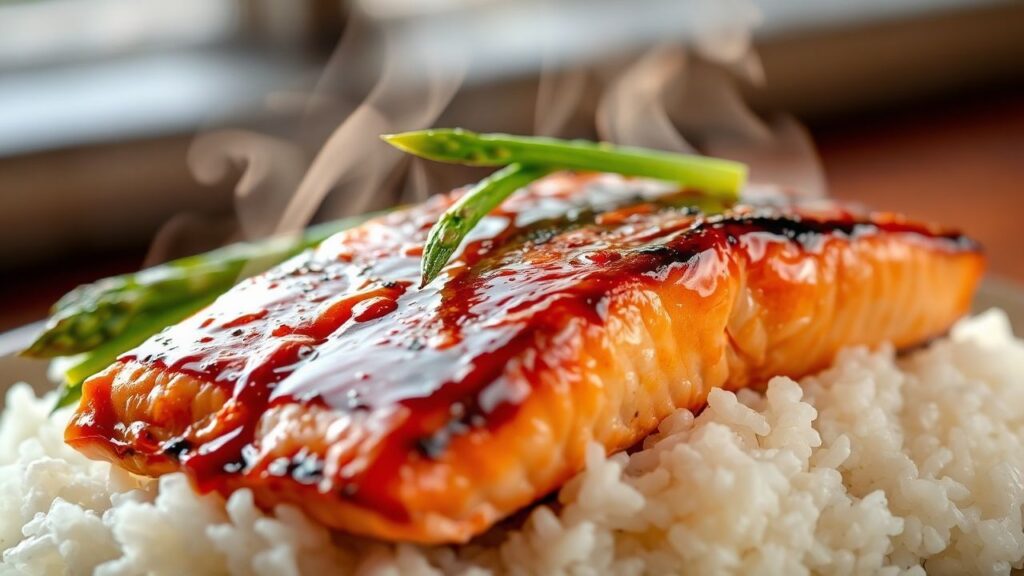
At its core, authentic teriyaki sauce is a symphony of a few key ingredients, each playing a vital role. The foundation is typically soy sauce, providing that indispensable salty, umami depth. This is then balanced with a sweetener, traditionally mirin, a sweet rice wine that not only adds sweetness but also a subtle fruity note and a glossy sheen. Sugar, often granulated or brown, is frequently added to enhance sweetness and aid in caramelization. Finally, sake, another Japanese rice wine, contributes complexity and helps to tenderize the fish while also adding a unique, almost imperceptible layer of flavor. The precise ratio of these components is where the magic truly happens, differentiating a pedestrian glaze from one that sings.
The process of making teriyaki sauce is as much about patience as it is about ingredients. It’s not simply a matter of whisking everything together. The sauce is often simmered gently, allowing the flavors to meld and deepen, and for the alcohol in the mirin and sake to evaporate, leaving behind their essential flavor profiles. This reduction process also thickens the sauce, transforming it into a glaze that will cling beautifully to the salmon. The resulting viscosity is critical; too thin, and it will run off the fish; too thick, and it can become cloying. Achieving this perfect consistency is a hallmark of a well-executed teriyaki.
The Science of Sweet and Savory: Balancing the Teriyaki Equation
The allure of teriyaki lies in its masterful balance. Consider the osmotic pressure created by the salt in the soy sauce, which helps to draw out moisture from the fish while simultaneously seasoning it. The sugars in the mirin and added sweetener then work their magic through caramelization when exposed to heat. This browning process, a Maillard reaction, is responsible for developing those irresistible toasted, nutty notes that are so characteristic of perfectly cooked teriyaki salmon. Without this careful calibration, the dish could easily veer into overly sweet or excessively salty territory.
Historically, teriyaki cooking was a method developed to enhance the natural flavors of ingredients, particularly fish and meat, through grilling and a sweet-savory glaze. The luster it imparts, the “teri,” is not just aesthetic; it signifies a properly cooked surface that has undergone controlled caramelization. In Japan, regional variations exist, with some areas favoring a more robust, less sweet profile, while others lean towards a sweeter, more syrupy glaze. Understanding these nuances can inform your own approach to crafting the perfect teriyaki salmon, allowing you to tailor it to your specific taste preferences.
Selecting the Ideal Salmon for Teriyaki Perfection
The choice of salmon is paramount. While many varieties can be used, the inherent richness and fattiness of certain types make them ideal candidates for teriyaki. King salmon (Chinook), with its high fat content and buttery texture, is often considered the gold standard. Its substantial flesh can withstand the cooking process without drying out and provides a luxurious mouthfeel that complements the glaze exquisitely. Following closely are Atlantic salmon, which is widely available and offers a good balance of flavor and texture, and sockeye salmon, known for its vibrant color and firmer flesh, though it can be leaner and may require a slightly more cautious approach to cooking to prevent dryness.
When purchasing salmon, look for fillets that are bright in color, firm to the touch, and have a clean, fresh aroma. The skin should be intact and shiny, indicating freshness. For teriyaki, it’s often beneficial to opt for skin-on fillets. As the salmon cooks, the skin renders, becoming wonderfully crisp and providing an appealing textural contrast to the tender flesh and sticky glaze. The skin also acts as a protective barrier, helping to retain moisture within the fillet, which is particularly important when broiling or pan-searing.
The Art of the Sear: Achieving a Flawless Exterior
The preparation of the salmon itself is a critical prelude to glazing. Pan-searing is a favored method for teriyaki salmon because it allows for direct control over the heat and promotes the development of a beautiful, caramelized crust. Begin by ensuring the salmon fillets are thoroughly patted dry; moisture is the enemy of a good sear. A light seasoning of salt and pepper is usually sufficient, as the teriyaki glaze will provide the primary flavor. Heat a neutral oil, such as grapeseed or canola, in a heavy-bottomed skillet over medium-high heat until it shimmers. Place the salmon fillets, skin-side down (if using skin-on), into the hot pan. Resist the urge to move them immediately; allow them to develop a golden-brown crust, which typically takes 3-4 minutes, depending on the thickness of the fillet.
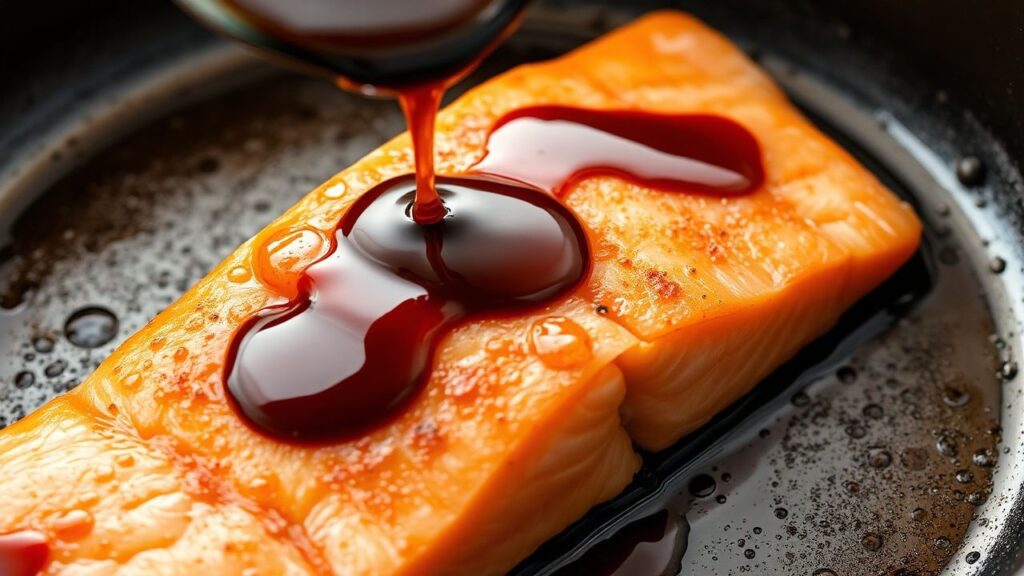
Once the skin is crisp and releases easily from the pan, carefully flip the salmon. This is the point where the teriyaki glaze is typically introduced. Spooning the glaze over the fillets allows it to begin its transformative work, coating the fish and starting to caramelize under the heat. Reduce the heat to medium-low to prevent the sugars in the glaze from burning too quickly before the salmon is cooked through. The cooking time will vary significantly based on the thickness of the salmon and your desired doneness, but generally, a 1-inch thick fillet will take another 4-6 minutes per side. The goal is a flaky interior with a glossy, well-adhered glaze.
Crafting Your Own Teriyaki Salmon: A Recipe for Success
To truly appreciate and master teriyaki salmon, making your own glaze is essential. Store-bought versions, while convenient, often contain excessive sodium, high-fructose corn syrup, and artificial thickeners that can detract from the authentic flavor profile. A homemade glaze allows for precise control over sweetness, saltiness, and overall depth.
Ingredients:
- For the Teriyaki Glaze:
- 1/2 cup (120ml) low-sodium soy sauce (or tamari for gluten-free)
- 1/4 cup (60ml) mirin (Japanese sweet rice wine)
- 2 tablespoons (30ml) sake (optional, but recommended for authentic flavor)
- 2 tablespoons (25g) granulated sugar or brown sugar (adjust to taste)
- 1 teaspoon (5ml) freshly grated ginger
- 1 clove garlic, minced
- 1 teaspoon (5ml) sesame oil (optional, for aroma)
- For the Salmon:
- 4 (6-ounce / 170g each) salmon fillets, skin-on or skin-off
- 1 tablespoon (15ml) neutral cooking oil (e.g., grapeseed, canola)
- For Serving (Optional):
- Cooked white or brown rice
- Steamed or stir-fried vegetables (broccoli, asparagus, snap peas)
- Toasted sesame seeds
- Sliced green onions
Preparation Method:
- Prepare the Teriyaki Glaze: In a small saucepan, combine soy sauce, mirin, sake (if using), sugar, grated ginger, and minced garlic. Stir to dissolve the sugar. Place the saucepan over medium heat and bring the mixture to a gentle simmer. Cook, stirring occasionally, for 8-10 minutes, or until the sauce has thickened slightly and reduced by about one-quarter. It should coat the back of a spoon. If using, stir in the sesame oil during the last minute of simmering. Remove from heat and set aside.
- Prepare the Salmon: Pat the salmon fillets completely dry with paper towels. This is a crucial step for achieving a good sear. Season lightly with salt and freshly ground black pepper if desired (remember the glaze is salty).
- Sear the Salmon: Heat the neutral cooking oil in a heavy-bottomed skillet (cast iron or stainless steel are ideal) over medium-high heat. Once the oil is shimmering, carefully place the salmon fillets into the hot skillet, skin-side down if using skin-on. Sear for 3-4 minutes, until the skin is golden brown and crispy and the flesh has cooked about one-third of the way up the sides.
- Glaze and Finish: Flip the salmon fillets. Reduce the heat to medium-low. Spoon 2-3 tablespoons of the prepared teriyaki glaze over each fillet. Continue to cook for another 4-6 minutes, basting the salmon with the glaze occasionally, until the fish is cooked through and flakes easily with a fork. The exact cooking time will depend on the thickness of the fillets and your preferred level of doneness. The glaze should be sticky and caramelized.
- Serve: Serve the teriyaki salmon immediately over cooked rice, with steamed or stir-fried vegetables. Garnish with toasted sesame seeds and sliced green onions, if desired.
Nutritional Information (Per Serving – Approximate):
This data is an estimate and can vary based on portion size, specific ingredients, and cooking method.
| Nutrient | Amount |
|---|---|
| Calories | 450-550 kcal |
| Protein | 30-35g |
| Fat | 25-35g (including healthy omega-3 fatty acids) |
| Saturated Fat | 5-8g |
| Carbohydrates | 15-25g |
| Sugar | 10-18g (from glaze ingredients) |
| Sodium | 600-800mg (can be reduced with low-sodium soy sauce) |
The omega-3 fatty acid content in salmon is a significant health benefit, contributing to cardiovascular health and brain function. While the teriyaki glaze adds sugars and sodium, using low-sodium soy sauce and controlling the amount of added sugar can help mitigate these concerns. Pairing the dish with a generous portion of vegetables further enhances its nutritional profile.
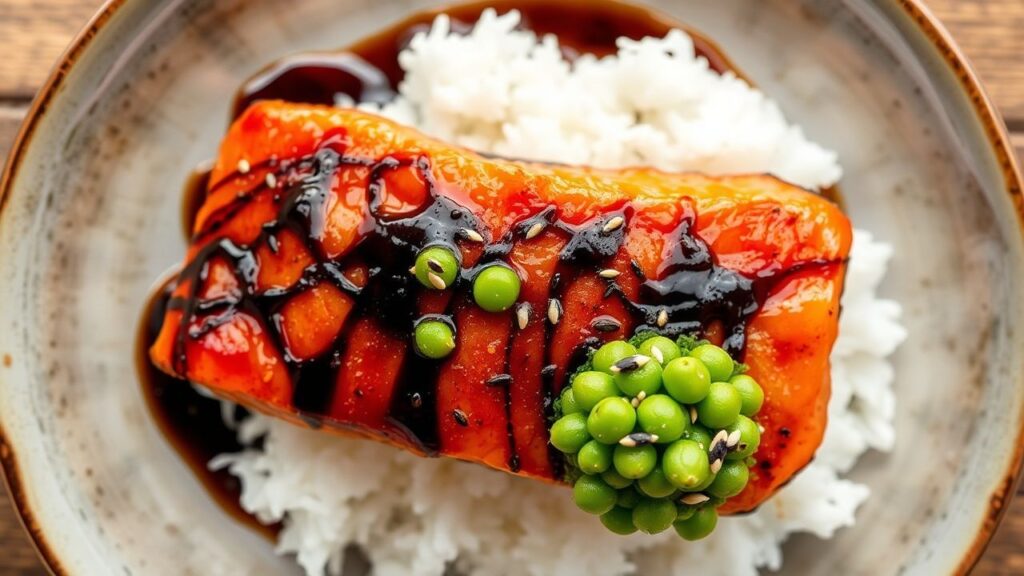
Elevating Your Teriyaki Salmon: Expert Tips for Restaurant-Quality Results
Achieving that coveted restaurant-quality teriyaki salmon is within reach with a few strategic adjustments and a deeper understanding of technique. One of the most significant differentiators is the quality of the soy sauce and mirin used. Opting for premium, naturally brewed soy sauce and authentic mirin can impart a more nuanced and complex flavor to your glaze. For instance, a good quality Japanese soy sauce, like Kikkoman’s traditional brew, offers a depth of flavor that is simply unparalleled by mass-produced alternatives. Similarly, true mirin, with its lower sugar content and higher alcohol percentage, provides a more sophisticated sweetness than its imitation counterparts.
Furthermore, the temperature control during the glazing and finishing stages is critical. The pan should be hot enough to create a beautiful sear and caramelization, but not so hot that it burns the delicate sugars in the teriyaki sauce. This delicate dance between heat and time ensures that the glaze becomes sticky and flavorful without turning acrid. For those who prefer an even more intense glaze, consider reducing the sauce for a few extra minutes until it reaches a syrupy consistency, but be mindful of the increased risk of burning.
The Role of Umami and Aromatics
Beyond the core components, subtle additions can dramatically enhance the umami profile of your teriyaki salmon. A small splash of dashi (Japanese soup stock) can introduce a profound, savory depth that complements the soy sauce beautifully. Some chefs also advocate for a tiny amount of fish sauce, used judiciously, to amplify the inherent savoriness without imparting a fishy taste. The fresh ginger and garlic are non-negotiable for brightness and pungency; ensure they are finely minced or grated to distribute their flavors evenly throughout the glaze. A whisper of toasted sesame oil added at the very end of cooking imparts a wonderful nutty aroma that is synonymous with many Asian cuisines.
The texture of the salmon is equally important. Overcooking is the most common pitfall, leading to dry, unappealing fish. The ideal teriyaki salmon should be moist and flaky, with a tender interior that yields easily to the fork. When searing, aim for a crisp skin (if using) and a beautiful golden-brown crust on the flesh. The glaze should be glossy and slightly sticky, clinging to the fish without being overly thick or gummy. The contrast between the perfectly cooked, tender salmon and the rich, caramelized glaze is what makes this dish so satisfying.
One common mistake is to add the glaze too early in the cooking process. When the glaze is exposed to high heat for too long, especially with its sugar content, it can burn. A more effective approach is to sear the salmon first, then reduce the heat and introduce the glaze towards the end, allowing it to thicken and caramelize gently without scorching. This layering of techniques ensures both a perfectly cooked piece of fish and a beautifully finished glaze.
For those seeking an even deeper flavor profile, consider marinating the salmon briefly in a portion of the teriyaki sauce before cooking. This allows the flavors to penetrate the fish more thoroughly. However, be cautious with marinating times, as the salt in the soy sauce can begin to “cook” the fish if left for too long, similar to ceviche. A brief marination of 15-30 minutes is often sufficient to impart significant flavor without compromising the texture.
[TIP]Expert Insight: For an exceptionally glossy and deeply flavored glaze, consider incorporating a tablespoon of honey or maple syrup alongside the sugar, and a tiny pinch of MSG (monosodium glutamate) if you are comfortable using it. MSG is a flavor enhancer that amplifies umami and can bring out the best in the other ingredients, creating a more complex and satisfying taste profile that is difficult to achieve otherwise. The key is to use it sparingly to augment, not dominate, the other flavors.
The quality of the salmon itself plays a significant role in the final outcome. Wild-caught salmon, while often more expensive, generally offers a more intense flavor and a firmer texture compared to farmed varieties. For example, Alaskan sockeye salmon, known for its deep red color and robust flavor, holds up exceptionally well to the robust teriyaki glaze. Its slightly leaner profile requires a bit more attention to avoid overcooking, but the payoff in terms of authentic salmon flavor is substantial. Comparing this to a more common farmed Atlantic salmon, which can be richer and more forgiving due to its higher fat content, highlights the trade-offs in texture and flavor intensity.
The cooking vessel also matters. A well-seasoned cast-iron skillet provides superior heat retention and distribution, leading to a more even sear and better caramelization of the glaze. Stainless steel pans are also excellent choices for their ability to achieve a good sear. Avoid non-stick pans if you are aiming for a truly crispy skin, as they tend to have less effective heat transfer for searing and can make it difficult to achieve that desired crispiness.
[WARNING]Pro-Caution: Be mindful of the sugar content in your teriyaki glaze, especially if you are concerned about added sugars or are cooking for individuals with dietary restrictions. While sugar is essential for caramelization and flavor balance, excessive amounts can lead to a sauce that burns too quickly or becomes overly sweet, overpowering the delicate flavor of the salmon. Always taste and adjust your glaze before using it, and consider using less sugar or opting for natural sweeteners like honey or maple syrup, understanding that they may caramelize differently.
When it comes to serving, the accompaniments should complement, not compete with, the star of the dish. Steamed white rice or brown rice provides a neutral, absorbent base that allows the flavors of the teriyaki salmon to shine. A selection of lightly steamed or quickly stir-fried vegetables, such as broccoli florets, asparagus spears, or snap peas, adds color, texture, and essential nutrients. A sprinkle of toasted sesame seeds and a scattering of thinly sliced green onions offer a final flourish of aroma and visual appeal, completing the quintessential teriyaki salmon experience.
The cultural significance of teriyaki salmon, while rooted in Japanese culinary traditions, has evolved into a global comfort food. Its adaptability to various palates and its inherent deliciousness have cemented its place in kitchens worldwide. The journey from a simple grilling technique to a beloved international dish is proof of its enduring appeal and the simple beauty of perfectly balanced flavors. Mastering teriyaki salmon is not just about following a recipe; it’s about understanding the interplay of ingredients, heat, and time to create a dish that is both familiar and exquisitely satisfying.
Frequently Asked Questions about Teriyaki Salmon
What is the best type of salmon for teriyaki?
The best salmon for teriyaki is generally a fattier, richer cut that can withstand the cooking process and complement the sweet and savory glaze. King salmon (Chinook) is often considered ideal due to its high fat content and buttery texture, which remains moist and flavorful. Atlantic salmon is another excellent choice, widely available and offering a good balance of flavor and texture. For those who prefer a firmer, leaner fish, sockeye salmon can be used, but it requires careful attention to avoid overcooking, as it can dry out more easily. Ultimately, any good quality salmon fillet will work, but the richer varieties tend to yield the most satisfying results for teriyaki.
How can I make my teriyaki glaze thicker?
To thicken your teriyaki glaze, you can simmer it for a longer period over medium-low heat, allowing more of the liquid to evaporate and the sauce to reduce. This process concentrates the sugars and solids, resulting in a thicker, more syrupy consistency. Another effective method is to create a cornstarch slurry: whisk 1 teaspoon of cornstarch with 2 teaspoons of cold water until smooth, then gradually whisk this slurry into the simmering teriyaki sauce. Cook for another minute or two until the glaze thickens. Be cautious not to add too much cornstarch, as it can make the glaze gummy or opaque. Always taste and adjust the sweetness and saltiness after thickening.
What are common mistakes to avoid when making teriyaki salmon?
Several common pitfalls can detract from the perfection of teriyaki salmon. The most frequent is overcooking the salmon, which leads to a dry, tough texture. Pay close attention to the cooking time, and aim for the fish to flake easily with a fork. Another mistake is burning the teriyaki glaze. This occurs when the sauce is cooked over too high heat for too long, causing the sugars to scorce. Sear the salmon first, then reduce the heat when adding the glaze and finish cooking gently. Not patting the salmon dry before searing is also a common error; moisture prevents proper searing and crisping of the skin. Finally, relying solely on store-bought teriyaki sauce can result in a less authentic and potentially overly salty or sweet flavor profile. Making your own glaze allows for superior flavor control.
See also: Teriyaki salmon