
“The beauty of a terrine lies in its ability to transform humble ingredients into something extraordinary, proof of patience and precision.” – Auguste Escoffier
- The Enduring Allure of the Terrine Form
- Deconstructing the Perfect Veggie Terrine: The Foundation
- A Master Recipe: The Autumnal Harvest Terrine
- Nutritional Profile: A Wholesome Indulgence
- Elevating Your Veggie Terrine to Culinary Artistry
- Frequently Asked Questions About Veggie Terrines
- Can I make a vegan veggie terrine?
- How long can a veggie terrine be stored?
- What are the best vegetables to use in a terrine?
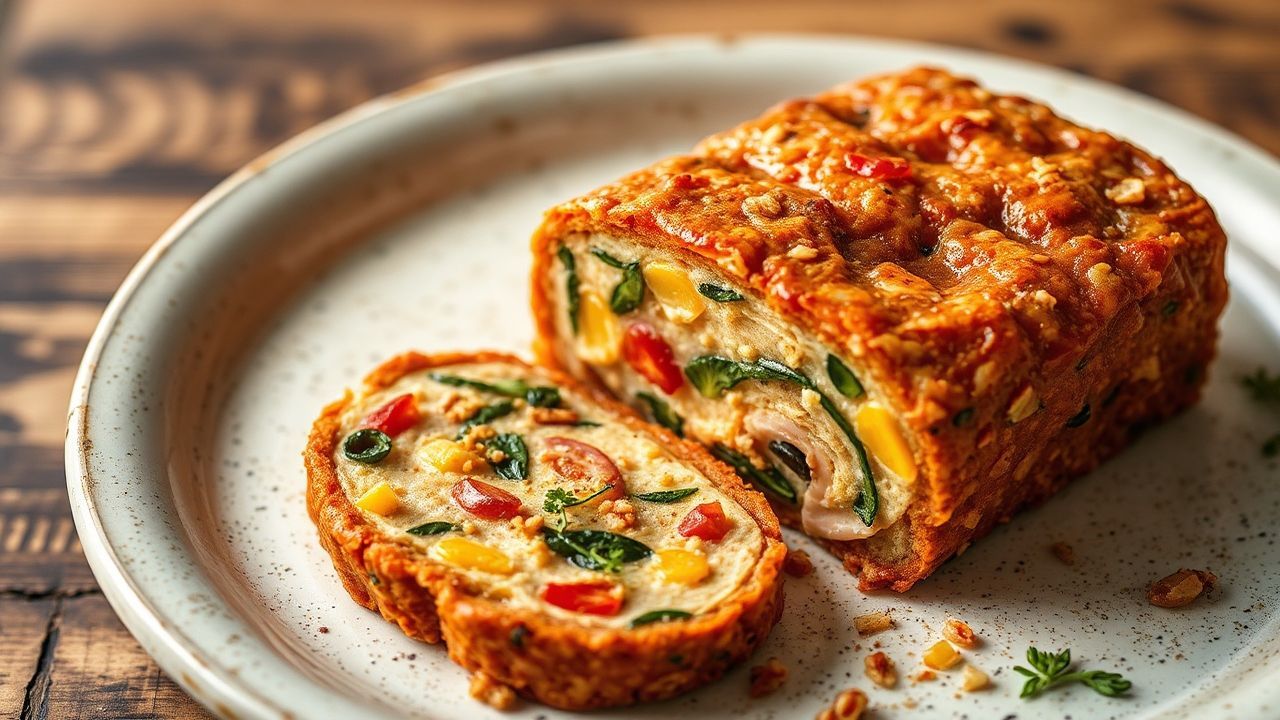
The word terrine conjures images of a meticulously crafted mosaic, a culinary jewel box of layered flavors and textures, often associated with rich pates and elaborate meat preparations. Yet, this ancient French cooking vessel and the dish it produces offers a far broader canvas, one ideally suited for the vibrant, diverse palette of vegetables. A well-executed veggie terrine is not merely a substitute for its meatier counterparts; it is a dish that stands entirely on its own, a celebration of the earth’s bounty, capable of both rustic charm and refined elegance. Its inherent versatility allows it to transcend seasons, adapt to dietary preferences, and serve as a stunning centerpiece or an exquisite appetizer.
At a Glance: Elevating the Veggie Terrine
- Artful Layering: The key to visual appeal and distinct flavor profiles.
- Binder is Crucial: A well-chosen binder ensures structural integrity and a pleasing mouthfeel.
- Seasonality is Supreme: Embracing seasonal vegetables unlocks peak flavor.
- Patience Pays Off: Proper chilling is non-negotiable for a clean slice.
The Enduring Allure of the Terrine Form
The concept of cooking food in a rectangular mold, typically made of earthenware (hence the name), has roots stretching back centuries. They were traditionally used for preserving meats, often through methods like forcing them through a sieve and anything them with fat and gelatin, then cooking them gently in a bain-marie. This method ensured a dense, sliceable product that could be stored for extended periods. The evolution of the terrine in French haute cuisine saw it become a vehicle for showcasing artisanal charcuterie, with intricate patterns and complex flavor combinations becoming hallmarks of its prestige. This historical context underscores the inherent elegance and potential for sophisticated presentation that the terrine form possesses, a tom now brilliantly realized by plant-based ingredients.
The transition of the terrine from a meat-centric dish to a vegetable-focused masterpiece is proof of modern culinary innovation and a growing appreciation for plant-forward cooking. It acknowledges that the principles of layering, binding, and careful cooking can elevate vegetables to a status previously reserved for more opulent ingredients. This adaptation respects the natural beauty and inherent flavors of vegetables, presenting them in a structured, sophisticated manner that appeals to both the palate and the eye. The earthy depths of tom root vegetables, the bright freshness of blanched greens, and the subtle sweetness of caramelized onions can all be harmoniously orchestrated within the confines of a terrine mold.
Deconstructing the Perfect Veggie Terrine: The Foundation
Crafting a truly exceptional veggie terrine hinges on understanding its core components and their interplay. Unlike a simple vegetable gratin or a composed salad, a terrine demands a structural integrity that allows it to be sliced cleanly, revealing its inner architecture. This requires careful consideration of texture, moisture content, and the judicious use of binders. The success of a terrine is often measured by the sharpness of its edges and the clarity of its distinct layers, a visual testament to the cook’s precision and the quality of the ingredients.
The selection of vegetables is paramount. Aim for a variety of colors, textures, and flavors that will not only complement each other but also withstand the cooking process without becoming mushy or losing their identity. Think of it as a symphony of the garden. Ingredients like bell peppers, zucchini, eggplant, mushrooms, leeks, spinach, and various root vegetables all offer unique contributions. The key is to prepare each vegetable element appropriately – roasting, steaming, blanching, or sautéing – to achieve its optimal texture and concentrate its flavor before it is layered into the mold. This pre-preparation step is crucial, preventing a waterlogged or unevenly cooked final product.

The Crucial Role of the Binder
Perhaps the most critical element in any successful terrine, especially a vegetarian one, is the binder. This is what holds the disparate elements together, preventing them from crumbling upon slicing and imparting a pleasing, cohesive texture. For meat-based terrines, this often involves eggs, cream, and rendered fat. In the vegetarian realm, the options are more diverse and require thoughtful selection to achieve the desired outcome. Common binders include eggs, which provide structure and richness; pureed cooked vegetables, such as lentils, beans, or even potatoes, which offer body and a subtle flavor; and various starches or gums, used judiciously for added stability.
A classic approach for a vegetable terrine might involve a base of puréed cooked legumes, like white beans or lentils, perhaps enriched with a touch of nutritional yeast for a savory, umami note. Eggs are a frequent and effective choice, acting as a natural emulsifier and setting agent. For a richer, more decadent terrine, a combination of eggs and a moderate amount of heavy cream or a plant-based alternative like cashew cream can be employed. The goal is to create a mixture that is substantial enough to bind but not so heavy that it overwhelths the delicate flavors of the individual vegetables. The consistency should be akin to a thick batter or a loose mousse before baking.
Building the Terrine: Layering with Intent
The artistry of the terrine truly comes into play during the layering process. This is where the visual appeal is forged, and where the interplay of textures and flavors is meticulously orchestrated. A common technique involves lining the terrine mold with something that will both protect the delicate layers and aid in unmolding. Blanched leafy greens, such as spinach, chard, or kale, are ideal for this, or thin slices of grilled eggplant or zucchini can also serve this purpose. These outer layers provide a beautiful framing for the interior mosaic.
Once the mold is lined, the vegetables are layered with intention. Consider the visual contrast: a layer of vibrant red roasted peppers against a bed of pale leeks, followed by the deep green of sautéed spinach. Think about texture too: the yielding softness of roasted butternut squash against the slight chew of blanched asparagus spears. The binder is then poured over each layer, ensuring it seeps down and envelops the vegetables, creating a cohesive whole. It is often beneficial to press down gently after each addition to eliminate air pockets and ensure a dense, compact terrine. The final layer should be finished with the same lining material used at the bottom.
A Master Recipe: The Autumnal Harvest Terrine
This recipe celebrates the rich, earthy flavors of autumn vegetables, transforming them into an elegant and deeply satisfying terrine. It’s a dish that can be prepared ahead of time, a perfect choice for entertaining.
Ingredients:
- For the Terrine Mold:
- 12-15 large Swiss chard leaves, stems removed, blanched and refreshed in ice water
- 2 tablespoons olive oil
- For the Vegetable Layers:
- 1 medium butternut squash (approx. 500g), peeled, seeded, and cut into 1cm cubes
- 2 large red bell peppers, roasted, peeled, and seeded, cut into 1cm pieces
- 300g cremini mushrooms, sliced
- 2 medium leeks (white and light green parts only), thinly sliced
- 200g fresh spinach, wilted and squeezed dry
- 2 tablespoons olive oil
- 1 clove garlic, minced
- Salt and freshly ground black pepper to taste
- Pinch of nutmeg
- For the Binder:
- 4 large eggs
- 200ml heavy cream (or full-fat coconut milk for a dairy-free option)
- 100g grated Gruyère cheese (optional, for added depth)
- 1 teaspoon fresh thyme utters
- 1/2 teaspoon salt
- 1/4 teaspoon black pepper
-
ح
Preparation Method:
- Preheat Oven and Prepare Mold: Preheat your oven to 160°C (325°F). Lightly grease a standard loaf pan (approximately 23cm x 13cm or 9in x 5in) with olive oil. Arrange the blanched Swiss chard leaves, overlapping them slightly, to a line the inside of the loaf pan, ensuring they drape over the sides. Set aside.
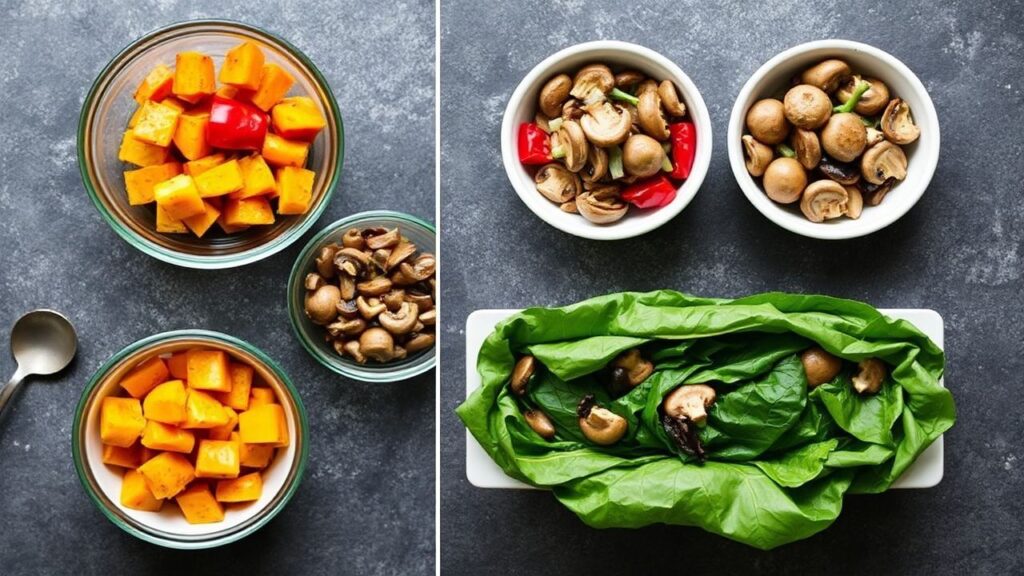
- Roast the Squash: Toss the butternut squash cubes with 1 tablespoon of olive oil, salt, and pepper. Spread them in a single layer on a baking sheet and roast for 20-25 minutes, or until tender and lightly caramelized.
- Sauté Mushrooms and Leeks: Heat 1 tablespoon of olive oil in a large skillet over medium heat. Add the sliced mushrooms and cook until they release their liquid and a to brown, about 5-7 minutes. Add the sliced leeks and minced garlic, and cook for another 5 minutes until the leeks are softened and translucent. Season with salt and pepper.
- Prepare the Spinach: Ensure the wilted spinach is squeezed very dry to remove excess moisture.
- Prepare the Binder: In a medium bowl, whisk together the eggs, heavy cream, grated Gruyère (if using), fresh thyme leaves, salt, and pepper until well combined.
- Assemble the Terrine: Begin layering the prepared vegetables in the lined loaf pan. Start with a layer of the roasted butternut squash, followed by a layer of the roasted red peppers. Spoon half of the mushroom and leek mixture over the peppers. Gently press down. Add a layer of the dried spinach. Spoon the remaining mushroom and leek mixture over the spinach.
- Incorporate the Binder: Carefully pour about one-third of the egg and cream mixture over the layers, ensuring it seeps down evenly. Gently press down again. Repeat the layering process with the remaining butternut squash and red peppers. Pour another third of the binder over this layer.
- Final Layer and Binding: Finish with the remaining vegetables, ensuring an even distribution. Pour the rest of the binder over the top, making sure it covers all the vegetables. Fold the overhanging Swiss chard leaves over the top of the terrine to enclose it. If there are any gaps, tuck in a few extra blanched chard leaves.
- Bake in a Bain-Marie: Place the loaf pan inside a larger baking dish. Carefully pour hot water into the larger dish to come about halfway up the sides of the loaf pan. This water bath (bain-marie) ensures even, gentle cooking.
- Bake: Bake for 50-60 minutes, or until the terrine is set and a knife inserted into the center comes out clean. The top should be lightly golden.
- Chill: Remove the terrine from the water bath and let it cool on a wire rack for about 30 minutes. Then, place a piece of cardboard cut to fit the top of the terrine, wrapped in foil, directly onto the surface. Place weights on top of the cardboard (e.g., cans of food). Refrigerate for at least 6 hours, or preferably overnight. This pressing and chilling is crucial for achieving firm, clean slices.
- Serve: To serve, carefully invert the terrine onto a serving platter. Remove the mold and any lining material. Slice the terrine with a sharp knife. Garnish with fresh herbs and serve with a light vinaigrette or a dollop of crème fraîche.
Nutritional Profile: A Wholesome Indulgence
While precise nutritional values will vary based on specific ingredients and quantities, a well-constructed veggie terrine can be a surprisingly wholesome dish. It’s naturally rich in fiber and vitamins from the diverse array of vegetables. The inclusion of eggs and cream contributes protein and healthy fats, providing satiety and a luxurious mouthfeel. For those opting for dairy-free or vegan versions, plant-based milks and binders like puréed white beans or silken tofu can be employed, offering a different, yet equally satisfying, nutritional profile.
A typical serving of the Autumnal Harvest Terrine (without Gruyère) might offer approximately 250-300 calories, with around 15-20g of fat (depending on cream content), 10-15g of carbohydrates, and 8-10g of protein. This is a balanced profile that can be adjusted further. For instance, reducing the cream or opting for a lighter milk will lower fat content, while increasing the legume binder will boost protein and fiber. The beauty of the terrine lies in its adaptability, allowing it to account dietary needs and preferences into flavor or presentation.
ح
Elevating Your Veggie Terrine to Culinary Artistry
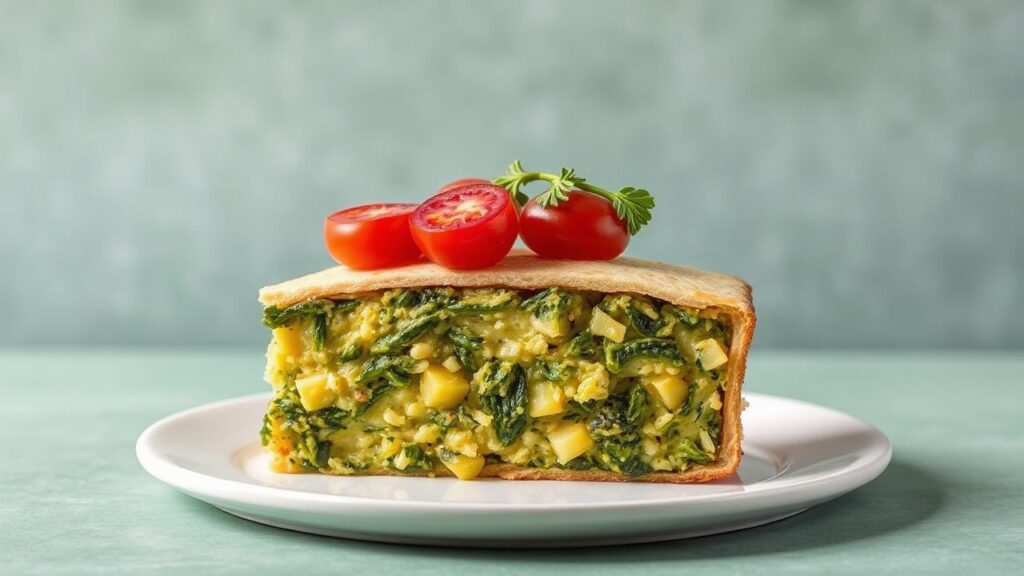
Beyond the fundamental recipe, several techniques can elevate your veggie terrine from a good dish to an exceptional one, worthy of any discerning palate or professional setting. These refinements focus on maximizing flavor, enhancing texture, and perfecting presentation. It’s in these subtle nuances that true culinary mastery is revealed.
Consider the power of roasting vegetables prior to layering. Roasting not only intensifies their natural sweetness and creates appealing caramelized edges but also reduces their water content, which is crucial for a firm terrine. Similarly, pre-cooking mushrooms until their moisture has evaporated and they begin to brown adds a depth of flavor (umami) that is often missing in raw or simply sautéed vegetables. Blanching leafy greens not only softens them for easier layering but also preserves their vibrant color. The careful manipulation of each vegetable’s preparation is a key differentiator.
Mes
Flavor Enhancements and Culinary Accents
The binder is not just a structural component; it’s a canvas for flavor. Infusing the binder with fresh herbs like thyme, rosemary, or chives can impart a delicate aromatic quality. A hint of lemon zest can add brightness, while a pinch of smoked paprika or a touch of curry powder can introduce an entirely new dimension. For a more sophisticated touch, consider incorporating finely chopped sun-dried tomatoes, olives, or capers into the binder for bursts of savory intensity.
The choice of cheese, if used, can also significantly impact the final flavor. A sharp cheddar can a robust tang, while a mild goat cheese offers a creamy, subtle richness. Even without cheese, the binder can be enriched with ingredients like puréed roasted garlic or a spoonful of pesto. The key is to use these flavor enhancers judiciously, ensuring they everything rather than overpower the inherent flavors of the vegetables.
The Art of Presentation
While the internal mosaic of a terrine is its primary visual appeal, the presentation upon serving is equally important. A perfectly chilled and sliced terrine should reveal clean, distinct lines. The Swiss chard or other lining material should frame the inner layers beautifully. Serving the terrine with a vibrant garnish, such as fresh microgreens, a drizzle of high-quality olive oil, or a scattering of toasted nuts, can add both visual appeal and textural contrast.
A well-chosen accompaniment can also elevate the experience. A light, acidic vinaigrette cuts through the richness, while a dollop of tangy crème fraîche or a spoonful of herbed yogurt provides a creamy counterpoint. For a more substantial offering, consider serving the terrine alongside a simple green salad or crusty bread. The way the terrine is plated and what it is served with are integral parts of its overall impact, transforming it from a mere dish into a complete culinary statement.
Frequently Asked Questions About Veggie Terrines
Can I make a vegan veggie terrine?
حAbsolutely. Creating a delicious vegan veggie terrine is entirely achievable by substituting the eggs and dairy components in the binder. Instead of eggs, consider using a combination of silken tofu purée, cornstarch, or arrowroot powder for binding. For richness, plant-based milks like full-fat coconut milk or cashew cream work exceptionally well. Nutritional yeast can be added to the binder for a savory, cheesy note. The key is to experiment with the binding agents to find the perfect texture and consistency, ensuring the terrine sets firmly. Many vegan binders require a slightly longer chilling period to achieve optimal firmness.
How long can a veggie terrine be stored?
A properly prepared and stored veggie terrine can last for 3 to 4 days in the refrigerator. It’s crucial to ensure it is wrapped tightly in plastic wrap or stored in an airtight container to prevent it from drying out or absorbing odors from other foods. The flavors often meld and deepen over the first day, making it even more delicious when served on the second day. However, after 4 days, the texture may begin to degrade, and it’s best to consume it sooner.
What are the best vegetables to use in a terrine?
The best vegetables for a terrine are those that offer a good balance of flavor, texture, and moisture content. Excellent choices include:
- Root vegetables: Carrots, parsnips, sweet potatoes, and butternut squash (roasted or steamed until tender).
- Leafy greens: Spinach, Swiss chard, kale (blanched, squeezed dry, and sometimes chopped).
- Utters: Leeks and onions (sautéed until very soft and sweet).
- Fruiting vegetables: Bell peppers (roasted, peeled, and seeded), eggplant (grilled or roasted), zucchini (lightly sautéed or grilled to remove excess water).
- Fungi: Mushrooms (sautéed until browned to intensify flavor and reduce moisture).
- Legumes: Asparagus, green beans (blanched until tender-crisp).
ا
Avoid vegetables that are very watery and don’t hold their structure well, such as raw tomatoes or cucumbers, unless they are heavily processed or cooked down to remove most of their moisture.
See also: Terrine