
“The most profound culinary traditions are not necessarily the most complex, but those that distill a culture’s essence into a few perfect elements.” – Fuchsia Dunlop
- Unpacking the “Three Cups”: The Core of San Bei Ji
- The Art of Preparation: A Masterclass in Technique
- Nutritional Profile: A Taste of Tradition, Mindfully Considered
- Elevating Your San Bei Ji: Pro-Tips for Restaurant-Quality Results
- 💡 Expert Insight Expert Insight: The Importance of “Wok Hei” and Ingredient Quality
- Render, Don’t Just Fry:
- The Caramelization Dance:
- Basil’s Moment:
- A Culinary Icon: The Enduring Appeal of Three Cup Chicken
- Frequently Asked Questions about Three Cup Chicken
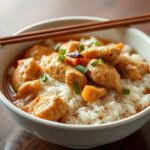
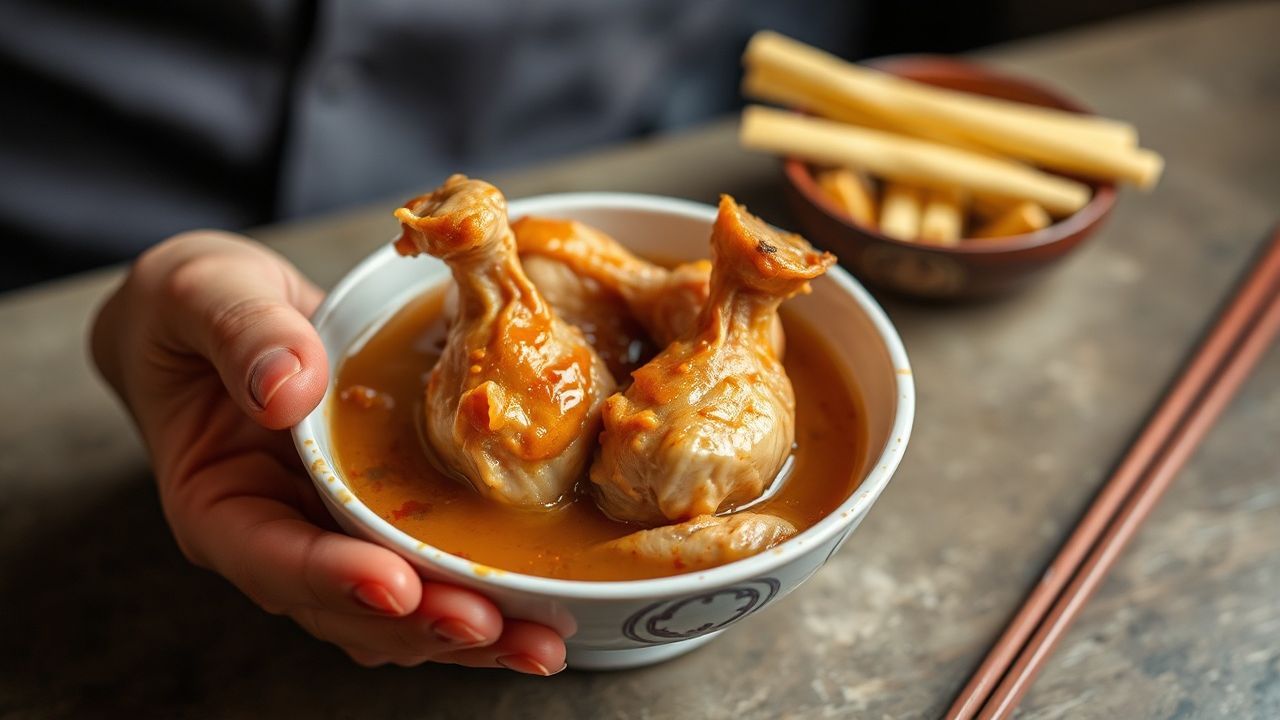
Taiwanese Three Cup Chicken, or *San Bei Ji* (三杯雞), is far more than just a dish; it is a culinary handshake, an edible embrace that encapsulates the heart of Taiwanese home cooking. Its ubiquity on restaurant menus and family tables across the island is proof of its fundamental appeal: a harmonious symphony of savory, sweet, and aromatic notes, delivered through succulent chicken and a glossy, irresistible sauce. The genius of *San Bei Ji* lies in its deceptive simplicity. At its core, the recipe relies on a precise trinity of liquids – soy sauce, rice wine, and sesame oil – in equal measure, forming the foundational *san bei* (three cups) that give the dish its name. Yet, beneath this elegant framework lies a nuanced interplay of textures and aromas, elevated by aromatics and the Maillard reaction that transforms humble chicken into something truly transcendent.
- The Essence of Simplicity: *San Bei Ji*’s enduring appeal stems from its foundational trinity of soy sauce, rice wine, and sesame oil, proof of elegant flavour building.
- Aromatic Foundation: The strategic use of garlic, ginger, and basil, often caramelized, unlocks profound depth and fragrance.
- Texture is Key: Achieving perfectly tender, slightly crisped chicken is paramount, distinguishing a good *San Bei Ji* from a truly exceptional one.
- Versatility and Tradition: This dish seamlessly bridges the gap between everyday meals and celebratory feasts, embodying Taiwanese culinary spirit.
The genesis of *San Bei Ji* is often attributed to the Hakka community, a significant Chinese ethnic group with distinct cultural and culinary traditions, who migrated to Taiwan centuries ago. Their resourceful approach to cooking, utilizing readily available ingredients and maximizing flavour, is evident in this dish. The original preparation likely involved braising, allowing the chicken to absorb the rich sauce slowly. Over time, the dish evolved, with modern interpretations often incorporating a high-heat stir-fry or pan-sear to achieve that desirable slight char and tender interior. This evolution reflects Taiwan’s dynamic culinary landscape, where tradition is not merely preserved but also innovated upon, absorbing influences and adapting to contemporary palates. Understanding this historical context is crucial to appreciating the depth of flavour that a well-executed *San Bei Ji* offers.
Unpacking the “Three Cups”: The Core of San Bei Ji
The literal translation of *San Bei Ji* as “Three Cup Chicken” hints at its defining characteristic. The traditional “three cups” refer to equal parts soy sauce, rice wine, and sesame oil. However, this is where culinary expertise truly comes into play, as “cup” in this context is less about precise volumetric measurement and more about achieving a balanced flavour profile. Modern interpretations often adjust these ratios for nuanced results, and the quality of each component significantly impacts the final outcome.
The Role of Each “Cup”:
- Soy Sauce (醬油): This is the backbone of the savory element. High-quality Taiwanese soy sauce offers a complex umami character with a subtle sweetness, providing salinity and a deep brown hue to the sauce.
- Rice Wine (米酒): Shaoxing wine is the preferred choice for its robust, slightly nutty, and aromatic qualities. It tenderizes the chicken and adds a layer of depth that plain cooking wine cannot replicate. A dry sherry can substitute for a less potent flavour, though it alters the authentic profile.
- Sesame Oil (麻油): This is not merely a cooking oil; it’s a flavouring agent. Toasted sesame oil, with its intense nutty aroma, is paramount. It’s often used in two stages: a small amount for initial searing to impart fragrance, and a larger portion towards the end to enrich the sauce without overwhelming the other flavours. This dual application is a subtle but critical technique.
Beyond the Cups: The Aromatic Trifecta
While the “three cups” provide the liquid foundation, the true magic of *San Bei Ji* is unlocked by its aromatics. These are not mere garnishes but integral components that build layers of flavour and fragrance.
- Garlic (大蒜): Generous amounts of garlic are essential. Sliced or roughly chopped, the garlic is often fried until golden brown and slightly crisp, releasing its pungent sweetness and adding a delightful textural contrast.
- Ginger (薑): Similar to garlic, ginger is sliced or julienned and sautéed to bring out its warming, zesty notes. It cuts through the richness of the chicken and soy sauce, providing a bright counterpoint.
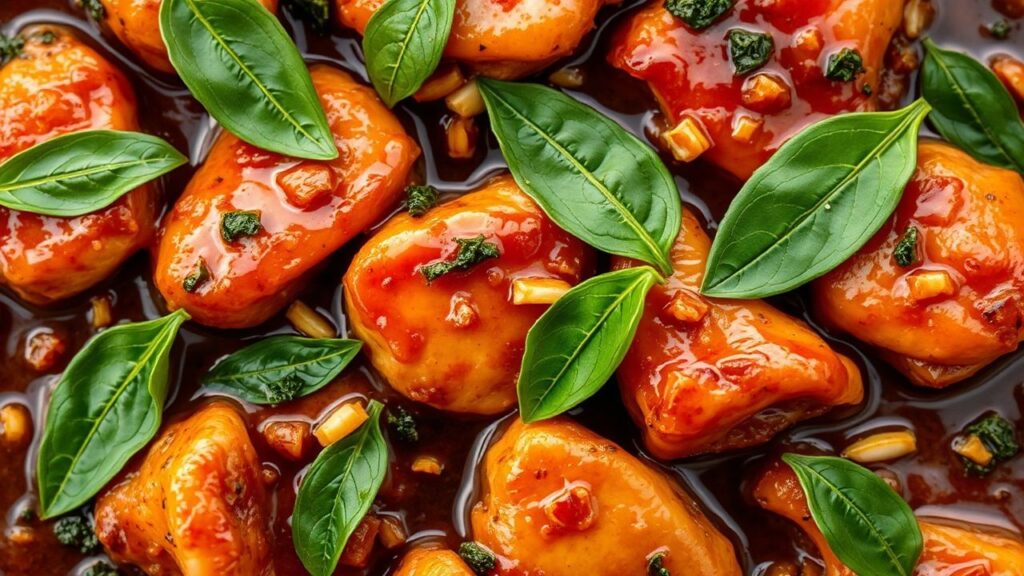
- Basil (九層塔): This is arguably the soul of *San Bei Ji*. Thai basil, with its distinct anise-like aroma, is added towards the end of cooking. Its fragrant leaves wilt quickly, infusing the dish with an unmistakable perfume that defines the authentic *San Bei Ji* experience.
The Art of Preparation: A Masterclass in Technique
Achieving the perfect *San Bei Ji* is a dance between precise ingredient ratios, high heat, and careful timing. It’s a dish that rewards attention to detail, transforming simple components into an extraordinary culinary revelation.
Ingredients:
- Chicken: 1 kg (2.2 lbs) bone-in, skin-on chicken thighs or drumettes, cut into bite-sized pieces. Bone-in pieces are crucial for maximum flavour and moisture.
- Aromatics:
- 8-10 cloves garlic, thinly sliced
- 1-inch piece ginger, julienned
- 1 large bunch Thai basil (九層塔), leaves picked (about 2 cups loosely packed)
- The Three Cups:
- 120 ml (1/2 cup) soy sauce (high quality Taiwanese preferred)
- 120 ml (1/2 cup) Shaoxing wine (or dry sherry)
- 60 ml (1/4 cup) toasted sesame oil
- Optional Enhancements:
- 1 tablespoon sugar (to balance saltiness, adjust to taste)
- 1 small red chili, deseeded and sliced (for a hint of heat)
- 1 tablespoon cooking oil (neutral, like canola or vegetable oil) for initial searing
Preparation Method:
1. Marinate the Chicken (Optional but Recommended): While not strictly traditional, a brief marinade can enhance tenderness and flavour. Toss the chicken pieces with 1 tablespoon of soy sauce and 1 tablespoon of Shaoxing wine. Let it sit for at least 15-30 minutes at room temperature. This step helps the chicken absorb the initial seasonings.
2. Sear the Aromatics: Heat the neutral cooking oil (if using) and 2 tablespoons of the sesame oil in a heavy-bottomed wok or deep skillet over medium-high heat. Add the sliced garlic and julienned ginger. Stir-fry until the garlic is golden brown and fragrant, about 1-2 minutes. Be careful not to burn the garlic, as it will turn bitter. Remove the garlic and ginger from the wok with a slotted spoon and set aside, leaving the infused oil in the wok.
3. Sear the Chicken: Increase the heat to high. Add the chicken pieces to the hot wok in a single layer, working in batches if necessary to avoid overcrowding. Sear the chicken on all sides until golden brown and slightly crispy. This step is critical for developing flavour through the Maillard reaction and rendering some of the chicken fat. Remove the seared chicken and set aside.
4. Deglaze and Build the Sauce: Pour off any excess rendered fat, leaving about 1-2 tablespoons in the wok. Return the heat to medium-high. Add the remaining Shaoxing wine to the wok and scrape the bottom to loosen any browned bits – this is where much of the flavour resides. Let the wine bubble and reduce slightly for about 30 seconds.
5. Combine and Simmer: Return the seared chicken to the wok. Add the soy sauce, sugar (if using), and the reserved fried garlic and ginger. Stir to coat the chicken evenly. Bring the mixture to a simmer.
6. The Three Cup Infusion: Reduce the heat to medium-low, cover the wok or skillet, and let the chicken simmer for about 15-20 minutes, or until the chicken is cooked through and tender. Stir occasionally to ensure even cooking and prevent sticking.
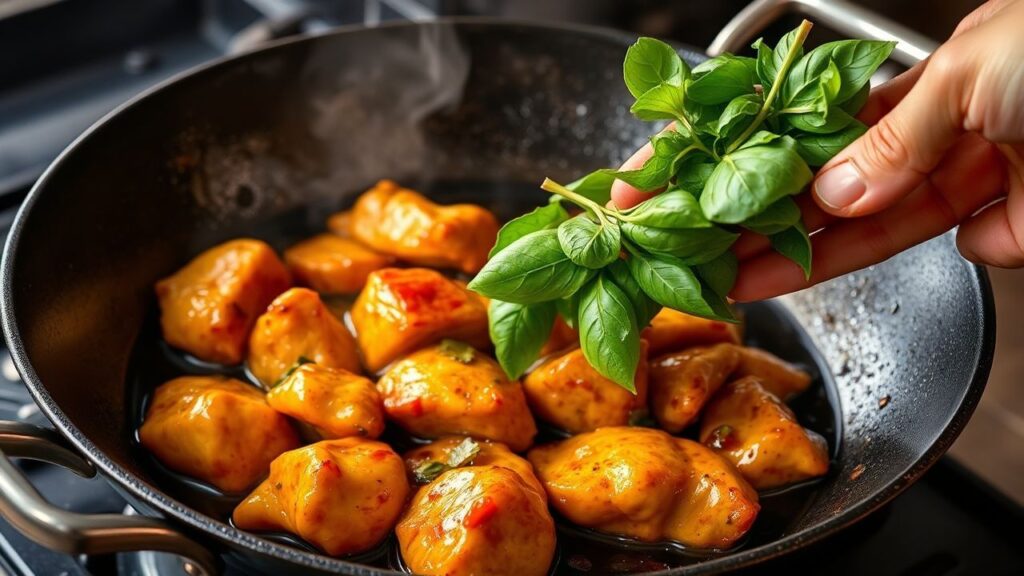
7. The Grand Finale: Sesame Oil and Basil: Uncover the wok. Increase the heat back to medium-high. Stir in the remaining toasted sesame oil. Let the sauce bubble and thicken slightly, coating the chicken in a glossy glaze. This should take about 2-3 minutes. Finally, toss in the fresh Thai basil leaves. Stir just until the basil wilts and becomes fragrant, about 30 seconds to 1 minute. Overcooking the basil will diminish its vibrant aroma.
Nutritional Profile: A Taste of Tradition, Mindfully Considered
While *San Bei Ji* is undeniably rich and flavourful, understanding its nutritional breakdown can help in mindful enjoyment. The exact figures will vary based on the cut of chicken used, the amount of oil, and the specific brands of soy sauce and sesame oil. This estimate is for one serving (approximately 1/4 of the recipe), assuming bone-in chicken thighs.
| Nutrient | Approximate Amount (per serving) |
|---|
| :————– | :——————————- |
| Calories | 450-550 kcal |
|---|
| Protein | 30-35 g |
| Fat | 30-40 g |
|---|
| Saturated Fat | 8-12 g |
| Carbohydrates | 5-8 g |
|---|
| Sugars | 3-5 g |
| Sodium | 800-1200 mg (highly variable) |
|---|
| Cholesterol | 100-150 mg |
Notes on Nutritional Considerations:
- Sodium Content: The primary concern with *San Bei Ji* is its high sodium content, largely due to the soy sauce. Using a reduced-sodium soy sauce can mitigate this.
- Fat Content: The use of chicken skin and sesame oil contributes to the fat content. Opting for chicken breast (though less traditional and potentially drier) or trimming excess skin can reduce fat.
- Portion Control: Serving *San Bei Ji* with generous portions of steamed vegetables and rice helps to create a more balanced meal.
Elevating Your San Bei Ji: Pro-Tips for Restaurant-Quality Results
The difference between a good *San Bei Ji* and a truly exceptional one often lies in subtle techniques and ingredient choices. Here are some insights to elevate your home-cooked rendition to professional standards.
💡 Expert Insight
Expert Insight: The Importance of “Wok Hei” and Ingredient Quality
Achieving authentic “wok hei” – the elusive breath of the wok – is paramount for that smoky, slightly caramelized essence. This requires high heat and a well-seasoned wok. Beyond technique, the quality of your core ingredients is non-negotiable. Use the freshest, highest-grade soy sauce and Shaoxing wine you can find. For the chicken, bone-in, skin-on thighs or drumettes provide unparalleled succulence and flavour development. The presence of bone marrow and rendered fat enriches the sauce, a nuance often lost with boneless cuts. Don’t underestimate the power of fresh Thai basil; its unique aroma is irreplaceable.
One illustrative example of the impact of ingredient quality can be seen in the sourcing of sesame oil. In Taiwan, many households will have two types of sesame oil: a lighter, more neutral one for general cooking, and a dark, intensely toasted one for finishing dishes like *San Bei Ji* or for making dressings. Using the darker, toasted variety is crucial for the characteristic nutty depth of the dish. A friend of mine, a renowned Taiwanese chef based in New York, once recounted how a small change in the sesame oil brand he sourced from a Taiwanese market instantaneously elevated his *San Bei Ji* from good to extraordinary, earning him widespread praise from his discerning clientele.
Render, Don’t Just Fry:
Instead of simply frying the chicken, focus on rendering the fat. Sear the chicken pieces over medium-high heat until golden brown, allowing the fat beneath the skin to melt and crisp. This not only adds texture but also creates a richer sauce base when this rendered fat is combined with the other liquids.
The Caramelization Dance:
Pay close attention to the caramelization of the garlic and ginger. They should be golden brown and fragrant, not burnt and bitter. This step is crucial for unlocking their sweet, nutty undertones, which complement the savory sauce.
Basil’s Moment:
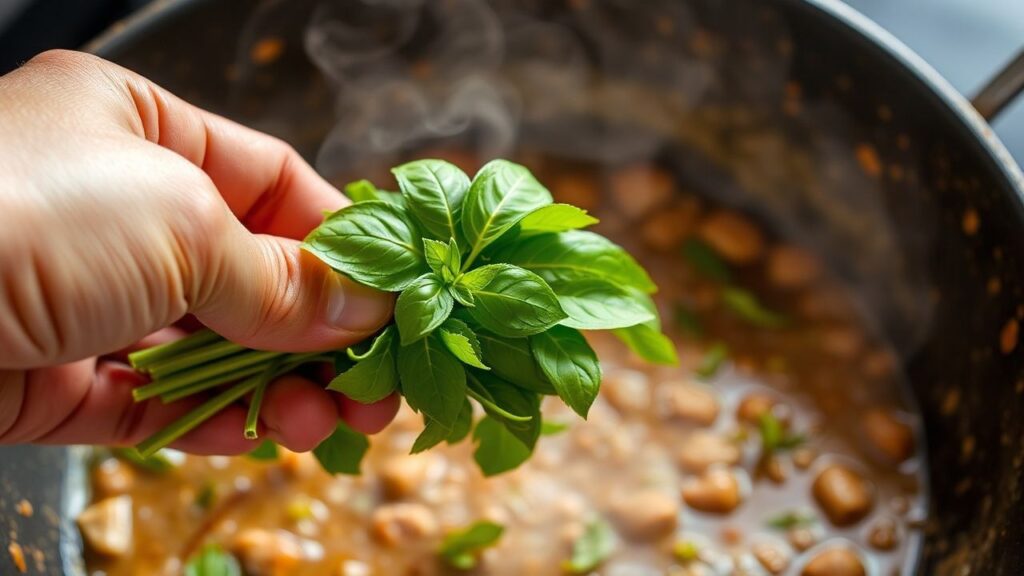
Thai basil should be added at the very last moment. Its fragrant oils are volatile and dissipate quickly with heat. A brief toss is all it needs to perfume the dish without turning mushy or losing its vibrant essence.
A Culinary Icon: The Enduring Appeal of Three Cup Chicken
Taiwanese *San Bei Ji* is more than just a recipe; it’s a narrative of flavour, tradition, and cultural identity. Its balanced profile, combining savory depth, aromatic complexity, and a hint of sweetness, resonates deeply with palates worldwide. The elegance of its core “three cups” principle, coupled with the fragrant counterpoints of garlic, ginger, and basil, creates a dish that is both comforting and exciting. Whether served as a humble weeknight meal or as a star attraction at a festive gathering, *San Bei Ji* consistently delivers a satisfying and memorable culinary experience. Its enduring popularity is proof of the power of simple, high-quality ingredients, thoughtfully prepared, to create something truly magical.
Frequently Asked Questions about Three Cup Chicken
What is the authentic ratio for the “Three Cups” in San Bei Ji?
The traditional “three cups” refer to equal parts soy sauce, rice wine, and sesame oil. However, this is a guideline rather than a rigid rule. Most modern recipes, and certainly professional chefs, will adjust these ratios based on desired flavour intensity and the specific quality of their ingredients. A common adjustment is to slightly reduce the amount of sesame oil to prevent it from becoming overpowering, or to increase the rice wine to ensure tenderness. The key is to achieve a harmonious balance of savory, aromatic, and slightly sweet notes.
Can I make San Bei Ji with boneless chicken?
While it’s possible to make *San Bei Ji* with boneless chicken (such as thighs or breast), it is generally not recommended for achieving the most authentic and flavourful result. Bone-in chicken, particularly thighs and drumettes, contributes significantly to the richness and depth of the sauce. The bones release marrow and flavour into the sauce as it simmers, and the skin, when rendered properly, adds a delightful crispness and textural contrast. Boneless cuts tend to cook faster and can become dry, and the sauce will lack the same body and complexity. If you must use boneless, opt for thighs and ensure you don’t overcook them.
What kind of rice wine is best for San Bei Ji?
The preferred rice wine for *San Bei Ji* is Shaoxing wine (紹興酒). This is a Chinese yellow wine with a complex flavour profile that is slightly nutty, malty, and aromatic. It is essential for imparting the characteristic depth and subtle sweetness to the dish, and it also acts as a tenderizer for the chicken. If Shaoxing wine is unavailable, a dry sherry can be used as a substitute, but it will alter the authentic flavour. Avoid using sweet sherry or plain cooking wine, as these will not provide the same complexity.
See also: Three Cup