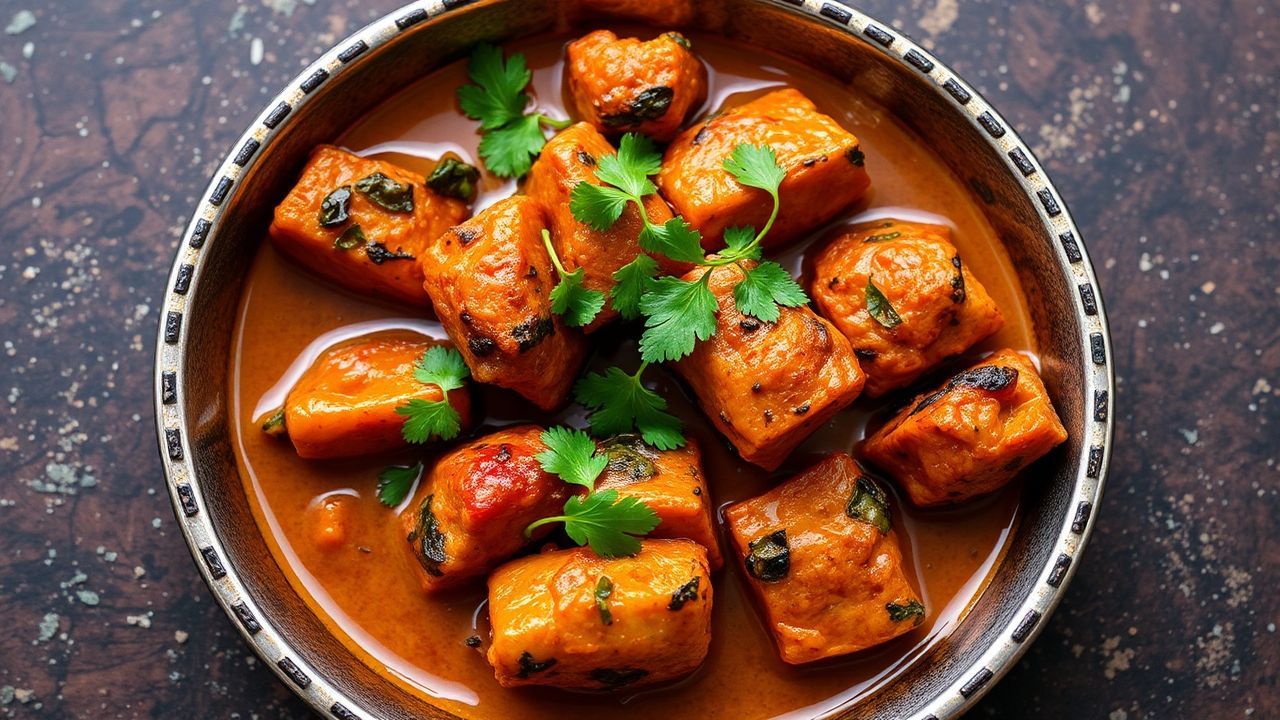

Tikka, a culinary concept that conjures images of smoky char and vibrant, marinated morsels, is more than just a preparation method; it’s a gateway to a universe of flavour. While often associated with chicken or lamb, the humble vegetable, when treated with the respect it deserves, can achieve an unparalleled depth and complexity within a rich, aromatic tikka curry. This isn’t merely a vegetarian alternative; it’s a dish that stands proudly on its own, proof of the versatility and profound artistry of Indian cuisine. The term “tikka” itself, derived from Hindi and Urdu, translates to “pieces” or “bits,” hinting at the foundational element of this beloved cooking style – succulent, bite-sized portions.
- The Foundation: Selecting and Preparing Your Vegetables
- The Soul of the Tikka: Crafting the Marinade
- Building the Richness: The Curry Sauce
- The Culinary Marriage: Cooking the Vegetable Tikka Curry
- Method 1: The Pan-Sear and Simmer (Most Common)
- Method 2: The Oven-Roast and Simmer (For Enhanced Char)
- Detailed Ingredients and Nutritional Information
- Expert Pro-Tips for Restaurant-Quality Vegetable Tikka Curry
- Mastering the Smoke
- The Importance of Resting the Sauce
- Balancing Flavours: The Acidic Finish
- Garnishes that Matter
- Conclusion
- Frequently Asked Questions
At a Glance: Elevating Vegetable Tikka Curry
* The Spice Symphony: Achieving the authentic tikka flavour profile relies on a masterful blend of spices, with garam masala and Kashmiri chili powder playing pivotal roles in both colour and warmth.
* Marination is Paramount: Allowing vegetables ample time to absorb the marinade is non-negotiable for developing deep flavour and tender texture.
* The Char Factor: Replicating the signature smoky essence of traditional tikka, even without a tandoor, is achievable through strategic cooking techniques.
* Sauce Nuance: The curry sauce is the soul of the dish; it must be rich, creamy, and balanced to complement, not overpower, the marinated vegetables.
The journey of tikka, and by extension, vegetable tikka curry, is a fascinating exploration of culinary evolution. Originating in the Indian subcontinent, the tikka technique, which involves marinating small pieces of food in a spiced yogurt mixture before grilling or roasting, gained widespread popularity with the advent of tandoori cooking. The smoky char imparted by the clay oven, the tandoor, became synonymous with the tikka experience. However, the beauty of this method lies in its adaptability. As Indian cuisine travelled and integrated into global palates, chefs and home cooks alike found ingenious ways to recreate that characteristic flavour and texture, even without a traditional tandoor. Vegetable tikka curry, in its modern interpretation, embraces this innovation, transforming an array of produce into star players. A recent survey indicated that vegetarian Indian dishes now account for nearly 40% of all Indian restaurant orders in the UK, highlighting a significant shift in consumer preference and a growing appreciation for plant-based Indian fare.
The Foundation: Selecting and Preparing Your Vegetables
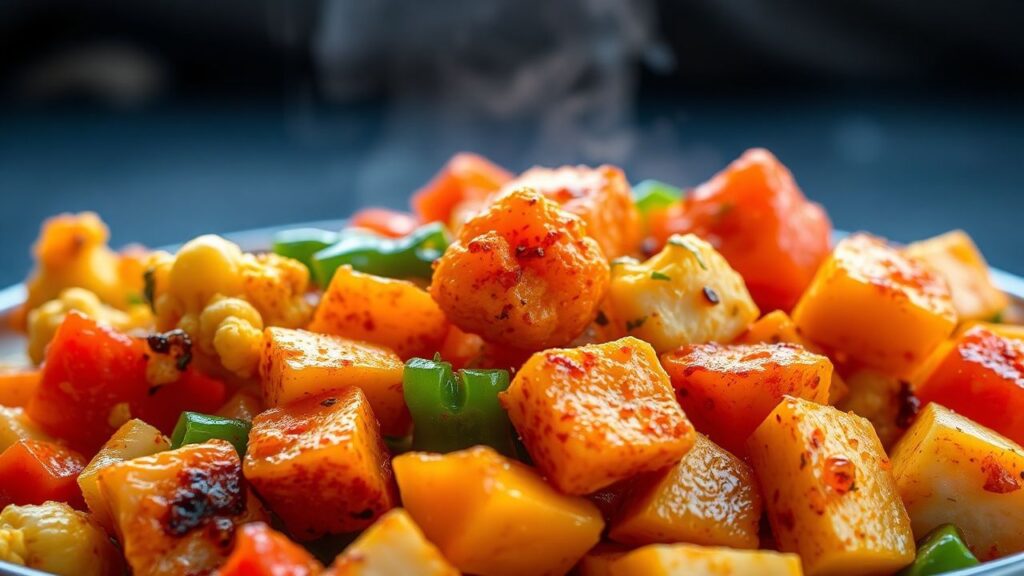
The success of a truly exceptional vegetable tikka curry hinges on the careful selection and preparation of its core components. Unlike proteins that possess inherent tenderness, vegetables require a more nuanced approach to ensure they absorb the marinade effectively and achieve a pleasing texture. The goal is not to simply steam or boil them into submission but to coax out their natural sweetness and provide a canvas for the spices.
Choosing the Right Produce
A thoughtful combination of textures and flavours is key. Hearty vegetables that can withstand the marination and cooking process are ideal. Consider:
- Cauliflower florets: Their porous structure readily accepts marinades and develops a delightful tenderness with a slight bite.
- Paneer: While technically a cheese, it functions as a vegetable in this context, offering a firm, slightly chewy texture that crisps beautifully when cooked.
- Bell peppers: A medley of colours (red, yellow, green) adds visual appeal and a subtle sweetness. They soften nicely while retaining a slight crunch.
- Onions: Quartered or thick-sliced wedges caramelize beautifully, adding sweetness and depth.
- Potatoes (small, waxy varieties): Par-boiling them slightly before marinating ensures they cook through without becoming mushy.
- Broccoli florets: A good addition for colour and a slightly firmer texture.
Less ideal are extremely watery vegetables like zucchini or mushrooms, which can release too much moisture and dilute the marinade and sauce. If including them, consider pre-salting and draining zucchini or sautéing mushrooms separately before adding them to the curry.
The Art of the Cut
The size and shape of your vegetable pieces are crucial for even marination and cooking. Aim for uniformity. Florets should be bite-sized, roughly 1.5-2 inches in diameter. Onion wedges should be substantial enough not to disintegrate. Cubes of paneer should be about 1-inch square. This ensures that each piece has a similar surface area exposed to the marinade and cooks at roughly the same rate, preventing some pieces from being overcooked while others remain underdone.
The Soul of the Tikka: Crafting the Marinade
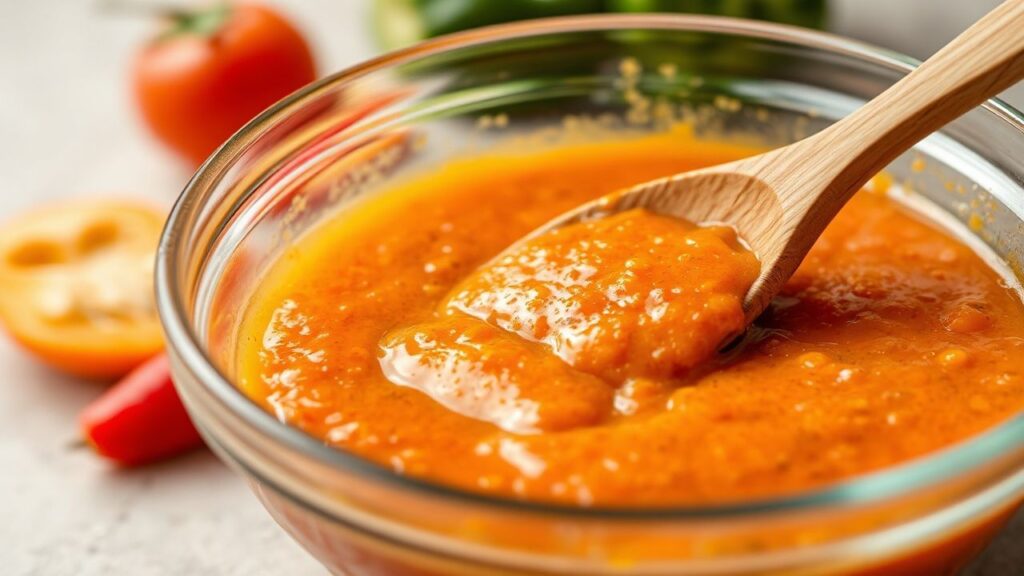
The marinade is where the magic truly begins, infusing the vegetables with the signature tikka essence. This spiced yogurt base not only imparts flavour but also tenderizes the produce, preparing it for its culinary transformation. A well-constructed marinade is a complex interplay of aromatic spices, tangy yogurt, and a touch of acidity.
Key Marinade Components
- Yogurt: Full-fat, plain yogurt is the backbone. Its tanginess balances the spices, and its lactic acid helps to tenderize the vegetables. Avoid low-fat or flavored yogurts, which can alter the flavour profile and texture.
- Ginger-Garlic Paste: This aromatic foundation is non-negotiable. Freshly made is always superior, offering a pungent, zesty kick.
- Spices: This is where individuality shines. A robust blend typically includes:
- Kashmiri Chili Powder: For its vibrant red colour and mild heat.
- Turmeric Powder: For earthy notes and a beautiful golden hue.
- Coriander Powder: Adds a warm, citrusy undertone.
- Cumin Powder: For a smoky, earthy depth.
- Garam Masala: This complex blend of ground spices is the heart of many Indian dishes, providing warmth and aroma.
- Acidity: A squeeze of lemon juice or a splash of vinegar brightens the flavours and further aids in tenderization.
- Salt: Essential for enhancing all other flavours.
The Marination Process
This is a crucial step that demands patience.
1. Combine: In a large bowl, whisk together the yogurt, ginger-garlic paste, lemon juice, salt, and all the ground spices until a smooth, homogenous mixture is achieved.
2. Coat: Add the prepared vegetables to the marinade. Gently toss to ensure each piece is thoroughly coated.
3. Rest: Cover the bowl and refrigerate for at least 30 minutes, but ideally 2-4 hours, or even overnight for maximum flavour penetration. This extended marination allows the spices to deeply penetrate the vegetable tissues, transforming their flavour and texture.
Building the Richness: The Curry Sauce
While the marinated vegetables are the stars, the curry sauce is the supporting cast that elevates the dish to a symphony of flavours. It needs to be robust enough to complement the bold tikka notes but balanced to allow the vegetables to shine.
The Aromatic Base
The sauce typically begins with a fragrant base, often referred to as the “masala” or “gravy.”
- Oil/Ghee: A good quality ghee (clarified butter) or a neutral vegetable oil will form the foundation. Ghee, with its slightly nutty flavour, adds an extra layer of richness.
- Whole Spices: Blooming whole spices in hot oil releases their essential oils, creating an aromatic foundation. Common additions include cumin seeds, mustard seeds, cardamom pods, and cloves.
- Onions: Finely chopped or pureed onions are sautéed until deeply golden brown. This caramelization is critical for sweetness and depth.
- Ginger-Garlic Paste: Added after the onions begin to soften, this paste provides essential pungency.
- Tomatoes: Crushed or pureed tomatoes form the body of the sauce, adding acidity and a slight sweetness. Cooking them down until the oil separates signifies they are properly cooked.
The Creamy Element and Spice Integration
Once the aromatic base is established, the sauce takes on its characteristic richness and flavour.
- Ground Spices: The same spices used in the marinade, often in slightly different proportions, are added to the sautéed aromatics. This reintroduces the tikka spice profile into the sauce. Kashmiri chili powder is essential here for colour.
- Cashew Paste or Cream: For a luxurious, creamy texture, a paste made from soaked and blended cashews is often used. Alternatively, heavy cream or coconut milk (for a dairy-free option) can be employed, though they impart their own distinct flavours.
- Water or Vegetable Broth: To achieve the desired consistency, water or a light vegetable broth is used to thin the sauce.
The delicate balance of spices, the sweetness from caramelized onions and tomatoes, and the creamy richness are what make this sauce so captivating. It’s proof of the Indian culinary principle of layering flavours, where each component matter significantly in the final composition. The process requires patience; allowing the spices to cook thoroughly in the oil (bhunao) is paramount to unlocking their full potential and preventing a raw spice flavour in the finished dish.
The Culinary Marriage: Cooking the Vegetable Tikka Curry
This is where all the meticulously prepared elements come together. The cooking process for vegetable tikka curry aims to marry the marinated vegetables with the rich sauce, allowing their flavours to meld and deepen. There are several methods to achieve the desired outcome, each offering slight variations in texture and flavour.
Method 1: The Pan-Sear and Simmer (Most Common)
This is the most accessible method for home cooks.
1. Sear the Vegetables: Heat a tablespoon of oil or ghee in a large, heavy-bottomed pan or Dutch oven over medium-high heat. Working in batches to avoid overcrowding the pan, sear the marinated vegetables for 2-3 minutes per side until they develop some light charring and browning. This searing is crucial for developing flavour and texture. Remove the seared vegetables from the pan and set aside.
2. Build the Sauce: In the same pan (add a little more oil/ghee if needed), sauté the finely chopped onions until golden brown. Add the ginger-garlic paste and cook for a minute until fragrant. Stir in the ground spices and cook for another 30 seconds, stirring constantly.
3. Add Tomatoes and Cook Down: Add the crushed tomatoes and cook, stirring occasionally, until the oil begins to separate from the mixture. This indicates the tomatoes are well-cooked and their raw flavour has dissipated.
4. Incorporate Creaminess: Stir in the cashew paste or cream, and cook for a minute.
5. Simmer and Meld: Pour in the water or vegetable broth, stir well to combine, and bring the sauce to a gentle simmer. Return the seared vegetables to the pan.
6. Finish and Rest: Cover the pan and simmer on low heat for 10-15 minutes, or until the vegetables are tender and the sauce has thickened to your liking. Stir in fresh cilantro and a squeeze of lemon juice just before serving. Allowing the curry to rest for 10-15 minutes off the heat before serving allows the flavours to meld further.
Method 2: The Oven-Roast and Simmer (For Enhanced Char)
This method amplifies the char on the vegetables, mimicking tandoor-style cooking.
1. Roast the Vegetables: Preheat your oven to 200°C (400°F). Arrange the marinated vegetables on a baking sheet lined with parchment paper. Roast for 20-25 minutes, flipping halfway through, until tender and nicely charred in places.
2. Prepare the Sauce: While the vegetables are roasting, prepare the curry sauce as described in Method 1.
3. Combine and Finish: Once the vegetables are roasted, gently add them to the simmering curry sauce. Simmer for an additional 5-10 minutes to allow the flavours to meld. Finish with cilantro and lemon juice.
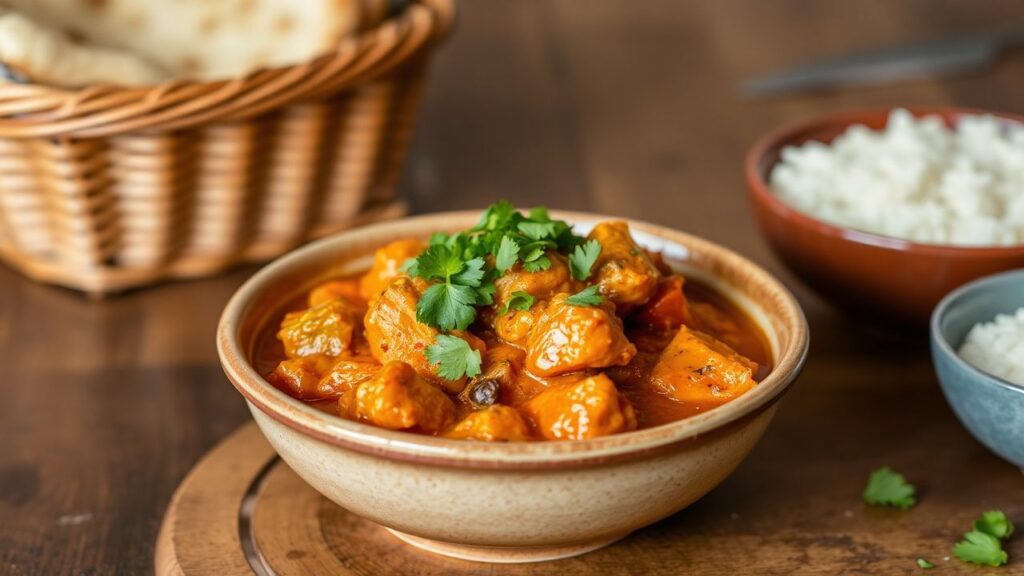
The key to a successful vegetable tikka curry lies in achieving that elusive balance: tender, flavourful vegetables bathed in a rich, aromatic sauce. The slight char from searing or roasting adds a crucial dimension that elevates it beyond a simple vegetable stew.
Detailed Ingredients and Nutritional Information
This recipe yields approximately 4-6 servings.
For the Vegetable Tikka Marinade:
- 500g mixed vegetables (e.g., cauliflower florets, paneer cubes, bell pepper chunks, onion wedges), cut into bite-sized pieces
- 1 cup (240g) full-fat plain yogurt
- 2 tablespoons ginger-garlic paste
- 1 tablespoon lemon juice
- 1 teaspoon Kashmiri chili powder
- 1 teaspoon ground turmeric
- 1 teaspoon ground coriander
- 1 teaspoon ground cumin
- 1/2 teaspoon garam masala
- 1/2 teaspoon salt
For the Curry Sauce:
- 2 tablespoons ghee or neutral vegetable oil
- 1 teaspoon cumin seeds
- 2-3 green cardamom pods
- 2-3 cloves
- 1 large onion (about 200g), finely chopped
- 2 tablespoons ginger-garlic paste
- 1 teaspoon ground turmeric
- 1 teaspoon ground coriander
- 1 teaspoon ground cumin
- 1 teaspoon Kashmiri chili powder
- 1/2 teaspoon garam masala
- 400g crushed tomatoes (from a can)
- 1/2 cup (75g) raw cashews, soaked in hot water for 30 minutes, then blended into a smooth paste with a little water (or 1/4 cup heavy cream/full-fat coconut milk)
- 1 cup (240ml) water or vegetable broth
- Salt to taste
- Fresh cilantro, chopped, for garnish
- Lemon wedges, for serving
Approximate Nutritional Information Per Serving (based on 6 servings, using cashew paste and moderate ghee):
- Calories: 350-450 kcal
- Protein: 10-15g
- Fat: 20-30g (of which saturated fat: 5-10g)
- Carbohydrates: 25-35g
- Fiber: 5-8g
- Sodium: 400-600mg (will vary based on added salt)
Please note that these are approximate values and can vary significantly based on the exact ingredients used and portion sizes.
Expert Pro-Tips for Restaurant-Quality Vegetable Tikka Curry
Elevating a home-cooked meal to restaurant calibre requires attention to detail and an understanding of culinary nuances. Here are a few secrets to achieving that truly exceptional vegetable tikka curry.
Mastering the Smoke
The signature smoky aroma of tikka is a defining characteristic. While a tandoor is ideal, several techniques can replicate this at home:
- Smoked Paprika: A small amount of high-quality smoked paprika added to the marinade or the sauce can impart a subtle smoky flavour.
- Charring: As mentioned, achieving a good char on the vegetables through searing or roasting is paramount. Don’t be afraid of a little browning; that’s where the flavour lies.
- Dhungar Method: This traditional Indian technique involves heating a piece of charcoal until red hot, placing it in a small bowl within the curry, and then pouring a teaspoon of ghee over the hot charcoal. Immediately cover the pot to trap the smoke. This infuses the entire dish with a wonderful smoky essence. Ensure good ventilation when using this method.
The Importance of Resting the Sauce
Just as with a fine wine, allowing the curry sauce to rest after cooking can significantly improve its flavour profile. Letting it sit, covered, for at least 15-20 minutes before serving allows the spices to meld, the flavours to deepen, and the sauce to achieve a richer, more integrated taste. Ideally, making the sauce a day in advance can yield even more profound results.
Balancing Flavours: The Acidic Finish
A final touch of acidity is often what separates a good curry from a great one. Just before serving, stir in a fresh squeeze of lemon juice or a dash of amchur (dried mango powder). This brightens all the flavours, cuts through the richness of the sauce, and leaves a pleasant, lingering tang on the palate.
Garnishes that Matter
Don’t underestimate the power of garnishes. A generous sprinkle of freshly chopped cilantro adds a burst of freshness and colour. A swirl of heavy cream or a drizzle of coconut cream can add a final touch of luxury. For a bit of texture, a sprinkle of toasted kasuri methi (dried fenugreek leaves) crushed between your palms adds a unique aromatic depth.
Conclusion
Vegetable tikka curry is a culinary masterpiece, a vibrant tapestry woven with aromatic spices, tender vegetables, and a rich, creamy sauce. It’s a dish that celebrates the bounty of the earth while offering a profound exploration of flavour. From the initial marination to the final simmer, each step is an opportunity to infuse depth and character. Mastering this dish will undoubtedly bring a touch of Indian culinary artistry to your table. The complexity and satisfaction derived from a well-executed vegetable tikka curry are proof of the enduring power of plant-based ingredients when treated with respect and seasoned with passion.
Frequently Asked Questions
What makes tikka curry different from other Indian curries?
The defining characteristic of tikka curry, including its vegetable iteration, lies in the marination process. Small pieces of food are marinated in a spiced yogurt mixture before being cooked, typically grilled or seared, to achieve a slightly charred exterior and a tender interior. This distinct marination and cooking method impart a unique flavour profile and texture that sets it apart from curries where ingredients are often simmered directly in the sauce. The term “tikka” itself refers to these marinated pieces.
Can I make vegetable tikka curry vegan?
Absolutely. To make a vegan vegetable tikka curry, you’ll need to make a few key substitutions. Replace the plain yogurt in the marinade with a thick, unsweetened plant-based yogurt, such as soy or coconut yogurt. For the creamy element in the sauce, use full-fat coconut milk or a cashew cream made from soaked and blended cashews. Ensure you use oil instead of ghee for sautéing. The flavour profile remains remarkably similar, offering a delicious vegan alternative.
How can I thicken my vegetable tikka curry sauce if it’s too thin?
If your curry sauce is too thin, there are several effective methods to thicken it. You can simmer the sauce uncovered for a longer period, allowing excess moisture to evaporate. Another option is to create a slurry by mixing a tablespoon of cornstarch or all-purpose flour with a few tablespoons of cold water until smooth, then gradually whisking this into the simmering curry until it thickens. Alternatively, you can blend a small portion of the cooked vegetables and sauce and then stir it back into the pot, which adds body and deepens the flavour.
See also: Tikka