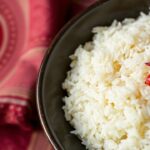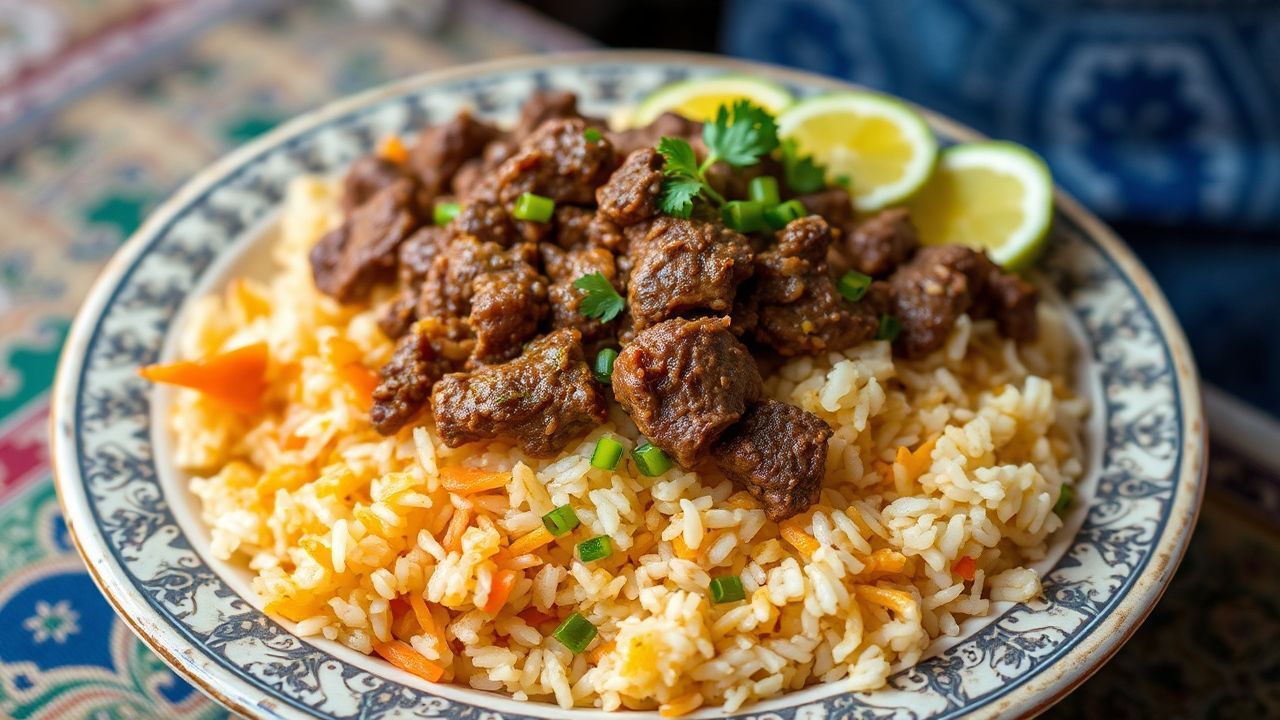

The air in Tashkent’s Chorsu Bazaar, even in the pre-dawn chill, hums with an almost palpable anticipation. It’s here, amidst the vibrant mounds of dried fruits and the earthy scent of spices, that the true heart of Uzbek cuisine beats, and no dish embodies this more profoundly than Uzbek Plov. A seasoned Uzbek chef once shared that plov wasn’t merely food; it was proof of hospitality, a celebration of community, and a dish that could mend any rift. He spoke of the precise dance of ingredients, the alchemy of heat and time, and the unspoken language of a perfectly cooked grain. For the uninitiated, plov might seem like a simple beef and carrot rice pilaf, but to truly grasp its essence is to understand a cultural cornerstone, a dish that has traveled through centuries, evolving yet retaining its soul. This article demystifies the magic of authentic Uzbek Plov, offering a comprehensive guide to recreating this culinary masterpiece in your own kitchen.
At a Glance: Unlocking the Essence of Uzbek Plov
* Beyond Rice and Meat: Uzbek Plov is a complex symphony of textures and flavors, where each ingredient plays a vital, intentional role, from the foundational *zirvak* to the final, fragrant garnish.
* The *Zirvak* is King: The slow, patient development of the *zirvak* (the base of fried meat, onions, and carrots) is the non-negotiable secret to a deeply flavorful and aromatic plov. Rushing this stage is the most common pitfall.
* Rice Matters: The choice and preparation of rice are paramount. Medium to long-grain varieties, like Devzira or Lazar, are ideal for their ability to absorb liquid without becoming mushy, creating distinct, fluffy grains.
* A Dish of Occasion and Everyday: While often associated with celebrations and family gatherings, a simpler, quicker version of Uzbek Plov is also a staple for everyday meals, showcasing its versatility and importance in Uzbek life.
The origins of plov are as rich and layered as the dish itself. While variations of rice pilaf exist across Central Asia, the Middle East, and even parts of the Indian subcontinent, Uzbek Plov, particularly the Tashkent style, has achieved an almost mythical status. Its roots are often traced back to the Silk Road, where traders and travelers carried not just goods, but also culinary traditions. Historically, plov was a dish prepared in large cauldrons (*kazans*) over open fires, designed to feed entire villages or armies. This communal aspect is deeply ingrained in its identity. The UNESCO Intangible Cultural Heritage status granted to the culture and tradition of Plov in Uzbekistan in 2016 underscores its profound significance. It’s more than just sustenance; it’s a narrative of shared history, agricultural bounty, and enduring hospitality.
The careful balance of ingredients and techniques is not arbitrary; it’s proof of generations of culinary refinement. The interplay between the sweetness of carrots, the savory depth of beef, the pungent aroma of onions, and the subtle perfume of spices creates a harmonious whole. The texture is equally critical – distinct, fluffy grains of rice, tender morsels of meat, and yielding, sweet carrots, all bound together by the rich, flavorful *zirvak*. Mastering Uzbek Plov is less about following a recipe rigidly and more about understanding the underlying principles that govern its creation.
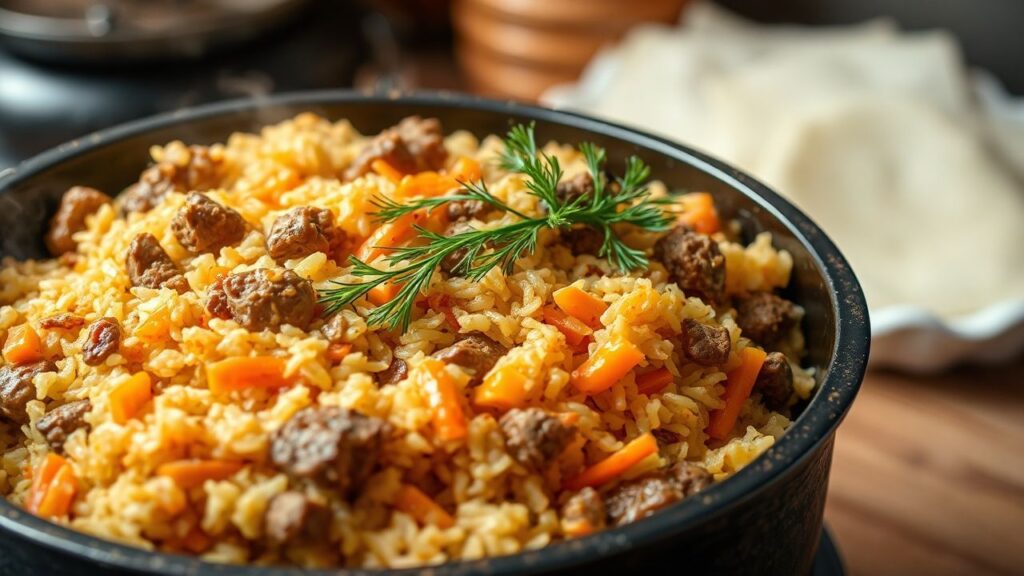
At the heart of any exemplary Uzbek Plov lies the *zirvak*. This is not merely a sautéed base; it’s a slow-cooked essence, a reduction that imbues the entire dish with its soul. The process begins with rendering the fat from the meat and then patiently caramelizing the onions, followed by the gentle softening of the carrots. This layering of flavors, achieved through controlled heat and time, is what elevates plov from a simple rice dish to a culinary revelation.
To achieve true Uzbek Plov, sourcing the right ingredients is paramount. While substitutions can be made, understanding the traditional components will guide you towards the most authentic result.
For the *Zirvak* (Flavor Base):
- Beef: 1 kg (approx. 2.2 lbs) beef chuck or brisket, cut into 2-3 cm (about 1 inch) cubes. The marbling is key for tenderness and flavor.
- Fat: 200-250 ml (approx. 1 cup) vegetable oil (sunflower or canola are common, but some traditionalists use rendered lamb tail fat or *kurdyuk* for an unparalleled richness).
- Onions: 3-4 large yellow onions, thinly sliced into half-moons.
- Carrots: 1 kg (approx. 2.2 lbs) yellow carrots (if available, for their sweetness and color; otherwise, good quality orange carrots). Crucially, carrots must be julienned into thick matchsticks, not grated, to retain their texture.
- Garlic: 1-2 whole heads of garlic, outer papery skins removed, but cloves kept intact.
- Spices:
- 1 tbsp coriander seeds, lightly crushed.
- 1 tsp cumin seeds, lightly crushed.
- 1/2 tsp barberries (*zirk* or *zereshk*) – optional, but adds a delightful tartness.
- Salt and freshly ground black pepper to taste.
- 1-2 hot chili peppers (whole, for aroma and a hint of heat, not to be broken open unless a spicier plov is desired).
For the Rice Layer:
- 1 kg (approx. 2.2 lbs) medium to long-grain rice (ideally Devzira, Lazar, or a good quality Basmati or Calrose for absorption). The rice must be rinsed thoroughly until the water runs clear, then soaked in warm, salted water for at least 30 minutes (or longer for tougher varieties like Devzira).
- 1.5-2 liters (approx. 6-8 cups) hot water or beef broth.
For Garnish (Optional but Recommended):
- Fresh dill or parsley, finely chopped.
- Chickpeas (pre-soaked and cooked or canned, drained) – a common addition.
- Raisins (golden raisins are preferred for their color and sweetness).
Creating authentic Uzbek Plov is a patient, deliberate process. Each stage is crucial, and understanding the ‘why’ behind each step will elevate your plov from good to extraordinary.
Step 1: Preparing the *Zirvak*
1. Heating the Fat: In a heavy-bottomed pot or a traditional Uzbek *kazan*, heat the oil over high heat until it begins to shimmer. This high heat is essential for searing the meat and creating the base flavor.
2. Searing the Beef: Carefully add the beef cubes to the hot oil in batches, ensuring not to overcrowd the pot. Sear the meat on all sides until deeply browned and caramelized. This maillard reaction is critical for developing rich flavor. Remove the seared beef and set aside.
3. Caramelizing the Onions: Reduce the heat to medium. Add the sliced onions to the rendered fat. Cook, stirring frequently, until they turn a deep golden-brown. This can take 15-20 minutes. Patience here is key; burnt onions will impart a bitter taste.
4. Adding the Carrots: Introduce the julienned carrots to the pot. Stir them with the onions and cook for another 10-15 minutes, allowing them to soften slightly and release their sweetness into the oil. They should become tender but not mushy.
5. Building the Broth: Return the seared beef to the pot. Add the crushed coriander and cumin seeds, barberries (if using), salt, and pepper. Stir well to combine.
6. Simmering the *Zirvak*: Pour in enough hot water or broth to just cover the meat and vegetables. Bring to a gentle simmer. Cover the pot, reduce the heat to low, and let the *zirvak* cook for at least 1 hour, or up to 2 hours for maximum flavor development. The longer it simmers, the more tender the meat will become and the richer the broth. This slow cooking allows the flavors to meld and deepen significantly.
[TIP]Expert Insight: The quality of your beef is paramount. Look for cuts with good marbling, such as chuck or brisket. The fat renders during cooking, basting the meat and contributing to the overall richness and moisture of the plov. If you find the oil too dominant, you can drain off some of the excess rendered fat before adding the rice, but do so judiciously; it’s a carrier of flavor.
1. Draining the Rice: After soaking, thoroughly drain the rice.
2. Layering the Rice: Gently spread the drained rice evenly over the *zirvak* in the pot. Do not stir the rice into the *zirvak* at this stage. The goal is to create distinct layers.
3. Adding Liquid: Carefully pour hot water or broth over the rice. The liquid should cover the rice by about 1.5-2 cm (about 3/4 inch). The exact amount of liquid will depend on the type of rice used; some are thirstier than others.
4. Initial Cooking: Increase the heat to medium-high and bring the liquid to a rolling boil. Cook uncovered for about 10-15 minutes, or until most of the visible liquid has been absorbed into the rice and small craters begin to form on the surface.
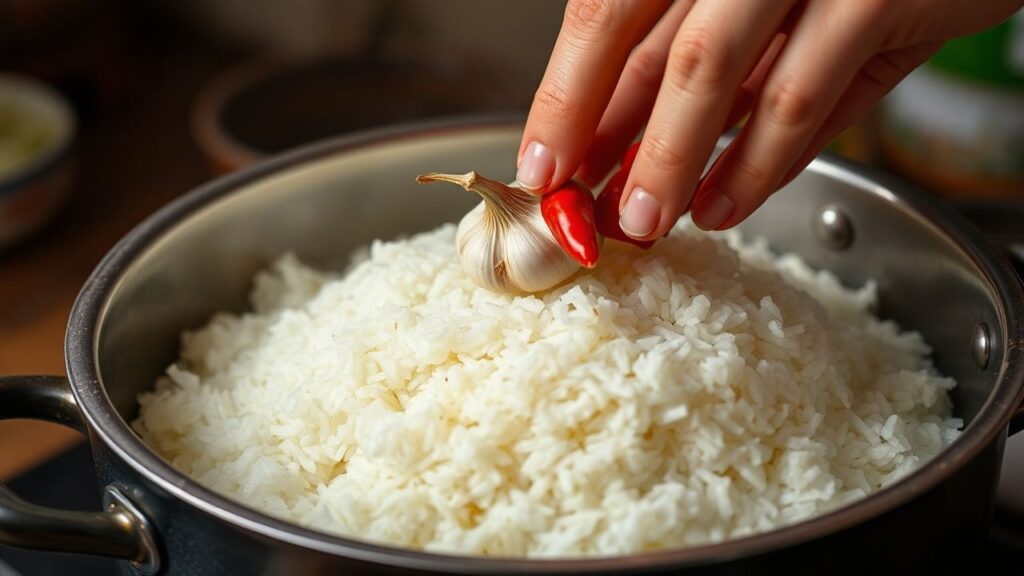
5. Adding Aromatics: Nestle the whole heads of garlic and the whole chili peppers into the rice. These will infuse the dish with subtle aromas as it steams.
6. Steaming the Plov: Reduce the heat to the lowest possible setting. Cover the pot tightly with a lid. Some cooks place a clean kitchen towel between the pot and the lid to absorb excess steam and ensure a perfectly dry grain.
7. The Steaming Period: Steam the plov for 20-25 minutes, or until the rice is tender and fully cooked. Resist the urge to lift the lid during this crucial steaming phase.
1. Resting: Once the rice is cooked, turn off the heat. Let the plov rest, covered, for at least 10-15 minutes. This allows the steam to redistribute, ensuring every grain is perfectly cooked and fluffy.
2. The Mix: Carefully remove the garlic heads and chili peppers. Gently fluff the rice with a fork. Then, starting from the bottom, carefully mix the *zirvak* with the rice, ensuring the flavors are distributed evenly. The goal is to have every grain of rice coated in the rich, flavorful *zirvak*, with tender pieces of beef and soft carrots interspersed throughout.
3. Serving: Traditionally, Uzbek Plov is served on a large communal platter (*lagan*). Spoon the plov onto the platter, ensuring a good distribution of meat, carrots, and rice. Garnish with chopped dill or parsley, raisins, and cooked chickpeas if desired.
While Uzbek Plov is undeniably rich, it’s also a remarkably complete and nourishing meal. The combination of protein from the beef, complex carbohydrates from the rice, and vitamins and fiber from the carrots makes it a substantial dish.
Approximate Nutritional Information (per serving, assuming 8 servings):
- Calories: 700-900 kcal (this can vary significantly based on the amount of oil and fat used)
- Protein: 30-40g
- Fat: 35-50g (a significant portion of this is from the cooking oil and beef fat)
- Carbohydrates: 70-90g
- Fiber: 5-7g
- Vitamins & Minerals: Rich in B vitamins, iron, zinc, and vitamin A (from carrots).
[WARNING]Pro-Caution: The amount of oil used in traditional Uzbek Plov can be substantial, contributing to its characteristic richness and aiding in the proper cooking of the rice and *zirvak*. For a lighter version, you can reduce the oil by about 25-30%, but be aware that this may slightly alter the texture and flavor profile. Ensure you are using good quality, heart-healthy oils if making adjustments.
Achieving restaurant-quality Uzbek Plov at home requires attention to detail and a willingness to embrace traditional techniques. Here are some expert tips to help you master this iconic dish.
- The Rice Wash Ritual: Do not underestimate the importance of rinsing your rice. The starch on the surface of the grain can cause it to clump together. Rinsing until the water runs clear is essential for achieving fluffy, distinct grains. For very starchy rice varieties, soaking for longer periods (up to a few hours for some specific Uzbek rice types) might be necessary.
- The Carrots: Julienne, Not Grate: This is a critical point often overlooked. Grating carrots will cause them to disintegrate into the *zirvak*, losing their texture and sweetness. They should be cut into thick, uniform matchsticks that soften but retain their integrity. The color of the carrots also matters; yellow carrots offer a subtler sweetness and a more traditional hue.
- The *Kazan* Advantage: While a heavy-bottomed Dutch oven or a thick-walled pot can suffice, a traditional cast-iron *kazan* is ideal. Its shape promotes even heat distribution and retention, crucial for the slow cooking of the *zirvak* and the steaming of the rice. If you don’t have a *kazan*, ensure your pot has a thick, heavy base.
- Spice Harmony: The spice profile of Uzbek Plov is typically subtle, designed to complement rather than overpower the other ingredients. Crushing coriander and cumin seeds just before adding them releases their aromatic oils more effectively than using whole seeds. Avoid over-spicing; the focus should be on the natural flavors of the meat, carrots, and rice.
- The Steaming Seal: The tight seal during the steaming phase is non-negotiable. If your lid doesn’t fit snugly, place a clean kitchen towel around the rim of the pot before putting the lid on. This traps the steam, ensuring the rice cooks through evenly and becomes tender without becoming waterlogged.
While this recipe focuses on a widely recognized Tashkent-style Uzbek Plov, it’s important to acknowledge the diverse mix of regional variations. In Bukhara, for instance, plov often incorporates dried fruits like apricots and raisins more prominently, creating a sweeter profile. Samarkand is known for its *sumalak plovi*, a springtime dish made with young wheat sprouts. Each region, and indeed each family, has its own cherished nuances, passed down through generations. The fundamental principles of the *zirvak* and the rice remain, but the specific additions and ratios can create a delightful spectrum of flavors and textures. For example, some northern Uzbek regions might use more lamb than beef, or incorporate chickpeas more liberally. The specific type of rice also plays a significant role; the highly prized Devzira rice, known for its dense structure and ability to absorb copious amounts of liquid, requires a different approach to cooking than a standard Basmati.
The single most critical step in preparing authentic Uzbek Plov is the patient and proper preparation of the *zirvak*. This is the flavor foundation of the entire dish. It involves the slow, controlled caramelization of onions and carrots, followed by the searing of the meat, all simmered together for an extended period. Rushing this stage, by not allowing the onions to brown sufficiently or by not simmering the *zirvak* long enough, will result in a plov that lacks depth and complexity of flavor. The *zirvak* needs time to develop its rich, savory essence, which then permeates the rice during the steaming process.
While traditional Uzbek Plov is primarily beef-based, it can certainly be adapted. For a vegetarian version, you can omit the beef and focus on a robust vegetable *zirvak* using more onions, carrots, and perhaps adding other root vegetables like parsnips or sweet potatoes. Mushrooms can also add a savory depth. The cooking time for the vegetable *zirvak* will be shorter. For alternative proteins, lamb is a very popular choice, offering a different, often richer, flavor profile. Chicken can be used, but it cooks much faster and can become dry if not managed carefully; thighs are generally preferred over breast meat. Fish is rarely used in traditional Uzbek Plov. The key is to ensure the protein is seared and cooked appropriately to complement the rice and vegetables.
Preventing a greasy plov primarily involves managing the fat content. While traditional plov uses a generous amount of oil for flavor and texture, you can control this. Ensure you are using good quality beef with a reasonable amount of marbling, rather than cuts that are excessively fatty. After searing the meat and before adding the onions and carrots, you can carefully drain off some of the excess rendered fat. However, do not remove all of it, as fat is crucial for carrying flavor and achieving the correct texture. To prevent a mushy plov, the rice preparation is paramount. Thoroughly rinsing the rice until the water runs clear removes excess starch. Soaking the rice for the appropriate duration (as indicated in the recipe) also helps it cook evenly. During the cooking process, avoid stirring the rice excessively, especially after adding it to the *zirvak*. The steaming phase is also critical; ensuring a tight lid and not disturbing the rice allows it to cook through evenly and absorb moisture without becoming waterlogged.
The journey of a perfect bowl of Uzbek Plov is proof of patience, technique, and a deep respect for tradition. It’s a dish that invites you to slow down, engage with the process, and savor the unfolding of flavors. Whether prepared for a grand celebration or a simple family meal, the experience of creating and sharing Uzbek Plov is as rich and rewarding as the dish itself.
See also: Uzbek Plov